
Review · SHINJUKU TOURS
Private Zen Meditation in English in Shinjuku, Tokyo
A quiet hour can be a lot louder. This private Zen meditation in Shinjuku gives you structured, beginner-friendly guidance from a Zen monk, plus a temple setting with serious Soto Zen roots.
What I like most is the direct English instruction by monks near Denchuji Temple, so you do not have to guess what to do or whether you are doing it right. It also works well as a family activity because chair zazen is available for kids and anyone who cannot sit cross-legged.
One thing to consider: this is meditation, not a long sightseeing tour. If you want upbeat city stops and lots of photos, you might feel like the pace is slow.
Key things to know before you go
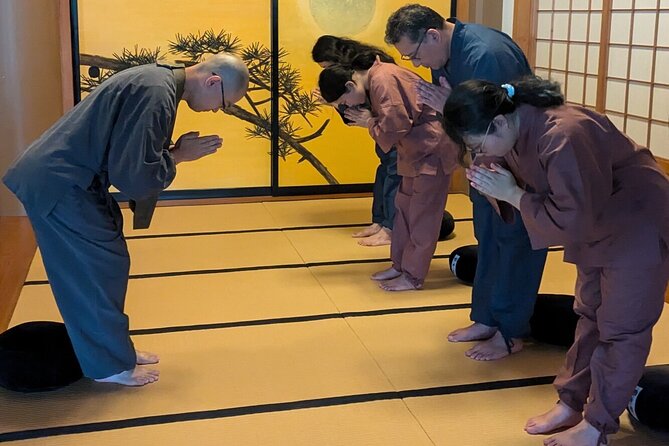
- Monk-led zazen in English at Denchuji Temple, designed for beginners
- Chair zazen is available, so you are not forced into cross-legged sitting
- A simple three-part focus for posture, breathing, and mind
- Soto Zen connections tied to Eiheiji Temple and the Soto line through Denchuji’s past priest
- Private format means your group practices at your group’s pace
- Meeting at 5:30 pm keeps it calm, with the temple experience as the main event
Arriving near Edogawabashi Station for a 5:30 pm start
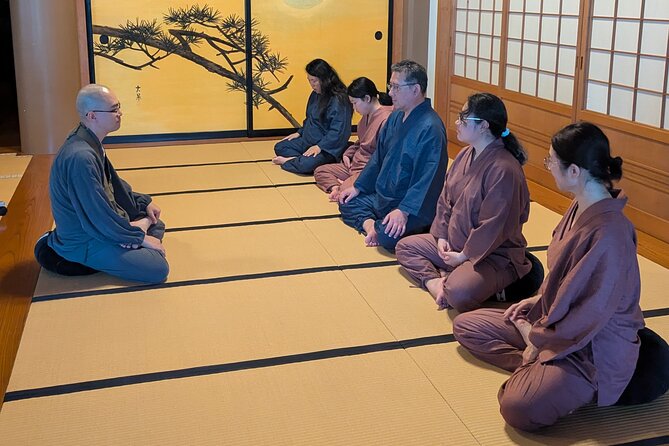
This starts at Edogawabashi Station (1-chōme-19-6 Sekiguchi, Bunkyo City) with a 5:30 pm start time. That timing matters. In Tokyo, late afternoon can still be hectic, but a 5:30 pm temple session usually feels more settled, like the day is winding down.
You can also get pickup offered, which can reduce friction if you are short on time or navigating with kids. Even without pickup, it is near public transportation, so you are not trapped in the kind of logistics that turn a relaxing plan into a stress test.
The session is about 1 hour 30 minutes long. Plan to arrive a few minutes early so you can get settled, use the restroom if needed, and put your phone away before the sitting begins.
You can also read our reviews of more private tours in Tokyo
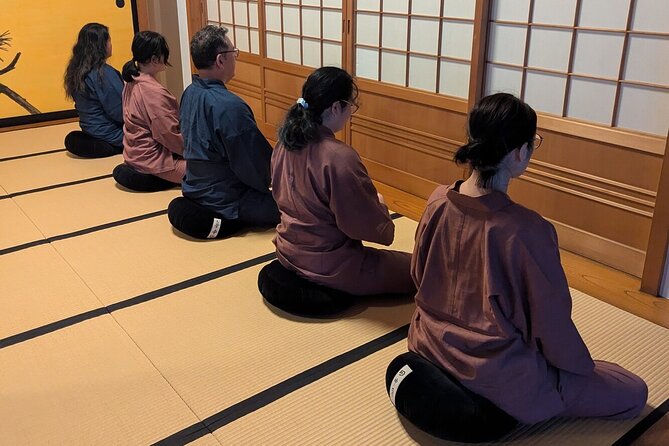
Denchuji Temple in Shinjuku: where the practice has been going for a long time
Denchuji Temple is a Soto Zen temple with origins dating back to 1628. Its name appears on maps from the early Edo period, so you are not just visiting a themed temple stop. The practice side is part of the story too. Denchuji has been known for zazen practice since 1640, and it was named by Tokugawa Iemitsu, the third shogun of the Edo shogunate.
Why does this matter for you? Because zazen is not only about what you feel in the moment. It is also about the line of teaching and the place where that teaching has been carried. Denchuji has a strong Soto Zen connection through its former head priest, Zen Master Hata Egyoku, who later served as the 76th chief priest at Eiheiji Temple in Fukui Prefecture, a head temple of the Soto school.
So when someone guides you through posture, breath, and mind, it lands in a temple context that is deeply tied to Soto tradition, not just a performance for visitors.
English monk instruction: the biggest reason this works for beginners
The heart of this experience is simple: you get zazen guidance in English directly from monks. That is a big deal for beginners. When you are new to meditation, the hardest part is not the sitting itself. It is figuring out what the teacher wants you to do with your body and attention.
You also get a visually guided explanation, so you are not handed vague instructions like sit and be calm. The guidance focuses on making the essentials practical and clear, even if it is your first time with zazen.
From the feedback this kind of session tends to generate, the strongest impression is usually the tone, the care, and the way the monk explains without making you feel foolish. The experience is also supported by a multilingual local guide (English, French, German, Spanish), so you are not going to feel stranded if you have questions.
The three principles of zazen: posture, breathing, mind
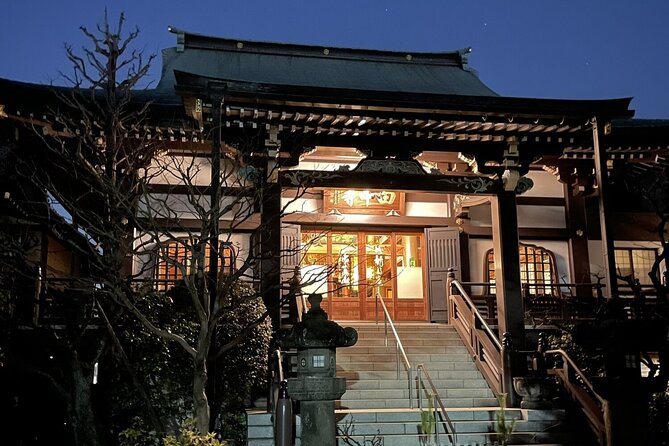
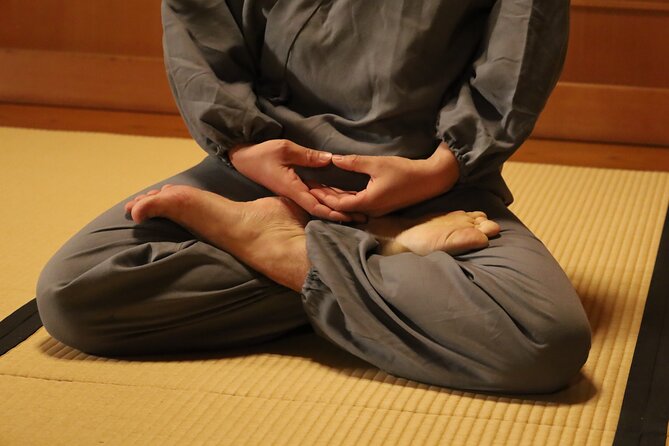
This practice is built around an approach with only three essential components:
1) adjust your posture
2) regulate your breathing
3) adjust your mind
That simplicity is not boring. It is freeing. Zen traditions can sound complicated, especially in English translations, and beginners often get stuck trying to memorize rules. Here, you get a framework you can actually use while you are sitting.
Posture is treated as the foundation. You are guided to set your body up so you can stay steady without forcing.
Breathing is about regulation, not deep breathing for drama.
Mind is where people get nervous, but the point is to gently adjust attention rather than fight thoughts like they are enemies.
One line of advice you are likely to appreciate in this kind of beginner session is the permission to relax. The goal is not pressure to follow perfect technique. You are learning how to practice, not performing.
Chair zazen makes it family-friendly and practical
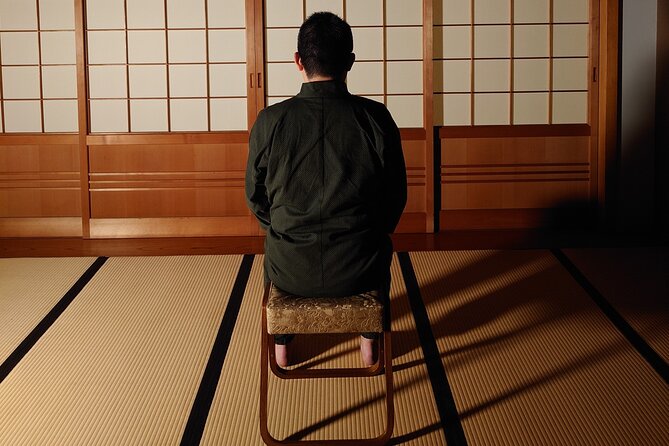
Cross-legged sitting is iconic, but it is also the reason many people avoid trying zazen in the first place. This experience solves that with chair zazen available.
This is especially useful if you are traveling with:
- kids who cannot sit on the floor comfortably
- older travelers who find kneeling or sitting on tatami difficult
- anyone with physical limitations who still wants the core practice
If you want chair zazen, you should inform in advance, so your setup can be ready when you arrive. That small step can make the whole session feel easier, because you are not improvising in the middle of meditation.






Private, English, and paced for your group
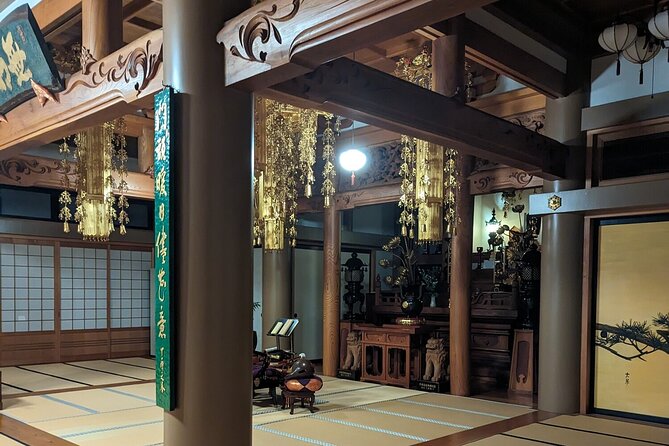
This is a private tour/activity, meaning only your group participates. That matters more than people expect. In a group class, you often get rushed through basics and then told to follow along. In a private format, you can ask questions, get adjustments, and settle into the pace that fits you.
You also get flexible tour planning in English, which helps if your schedule is tight. And because it uses a mobile ticket, you are less likely to lose paper confirmation while you are moving around Tokyo.
Group discounts may apply, which can improve value if you are not traveling solo.
A possible extra layer: Shinto context and Kannushi-led meditation discussion
One of the most interesting things about this kind of guided session is that it can go beyond Zen technique into Japanese spiritual culture. In some versions of the experience, the discussion connects to Shintoism and the role of a Kannushi (a Shinto priest), including how older traditions think about harmony with nature.
You should not count on this being identical every time, but it is worth knowing that the session can include cultural context that makes Zen feel less mysterious. It helps you understand why Japanese people can move between Buddhist and Shinto ideas without seeing them as total opposites.
If you love learning the “why” behind the practice, this added layer is a plus.
Price and value: what you really pay for at $169.08 per person
The price is $169.08 per person for about 1 hour 30 minutes. That is not a budget snack, so you want to feel sure where the value comes from.
Here is what you are paying for:
- Monk-led instruction in English, not just a general guide
- Private format, so you are not competing for attention
- Beginner-friendly structure with visually guided explanation
- Chair zazen option, which avoids awkward workaround plans
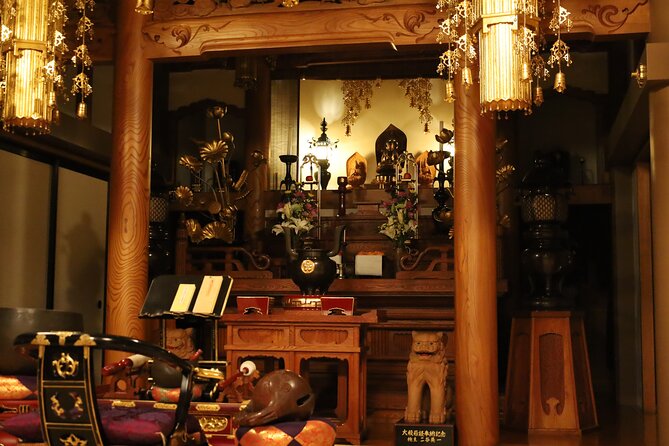
- Temple setting at Denchuji, with Soto Zen lineage context built in
The “value math” is best if:
- you are a first-timer who wants clarity, not trial and error
- you are traveling with family and need chair options
- you prefer private teaching over crowds
A possible drawback is the same reason it is good: it is a focused spiritual session. You get what you came for. You do not get a full day of stops.
Also, this is typically booked around 7 days in advance on average, so waiting until the last minute could limit your options.
Practical tips so your sitting feels smooth
You do not need special meditation gear, but you can make the experience easier with a little planning.
- Wear comfortable clothes you can sit in for a while.
- Keep your expectations simple. The goal is learning the basics, not emptying your mind instantly.
- If you need chair zazen, make the request early so you can relax from the start.
- Plan your arrival with the 5:30 pm start in mind, so you are not rushing while you are trying to calm down.
If you are the kind of person who gets self-conscious during meditation, the private setting helps a lot. You are not performing for anyone.
Who should book this private zazen experience?
This experience is a strong fit if you:
- want a beginner-friendly introduction to Zen meditation
- prefer a private setting with individual guidance
- want instruction in English from monks
- are traveling with kids or anyone who benefits from chair zazen
- like cultural context tied to real temples and real Zen lineages
You might skip it if you mainly want city touring, shopping stops, or a high-energy itinerary. The best use of this time is to treat it as the main event.
Also, a small note on the human side: the experience provider is associated with Shinya Yamada, who has responded personally to feedback. That usually hints at a service culture that cares about how the experience lands with people, not just fulfilling the schedule.
Should you book this private zazen in Shinjuku?
Yes, if you want a calm, structured introduction to Soto Zen meditation with English monk guidance in a real historic temple setting. The private format plus chair zazen makes it unusually approachable for families and beginners.
Consider it less if you are expecting a sightseeing-heavy tour or if you are trying to bargain for a meditation session that also functions like a full evening outing. This is one focused hour, thirty minutes, built to teach you how to sit and what to pay attention to.
FAQ
Where is the meeting point and what time does it start?
The meeting point is Edogawabashi Station (1-chōme-19-6 Sekiguchi, Bunkyo City, Tokyo). The start time is 5:30 pm.
How long is the private Zen meditation experience?
The experience lasts about 1 hour 30 minutes.
Is this tour private or shared with others?
It is a private tour/activity, so only your group participates.
Is the meditation instruction available in English?
Yes. The zazen experience is guided in English by a monk at Denchuji Temple.
Can I do zazen with a chair instead of sitting cross-legged?
Yes. Chair zazen is available if you cannot sit cross-legged, including for children or people with physical limitations. Inform the provider in advance if you want chair zazen.
Is pickup offered?
Yes, pickup is offered.
What is included, and is lunch or dinner part of it?
Included is the zazen experience guided in English by a monk, chair zazen availability, a multilingual local guide (English / French / German / Spanish), and flexible tour planning in English. Lunch and dinner are not included.
What about animals and accessibility?
Service animals are allowed, and the experience says most travelers can participate. If you need chair zazen, you should request it in advance.
Is there a cancellation fee or refund policy?
This experience is non-refundable and cannot be changed for any reason. If canceled due to minimum traveler requirements, you will be offered a different date/experience or a full refund. Confirmation is received within 48 hours of booking, subject to availability.
More Private Tours in Tokyo

More Tour Reviews in Tokyo
Not for you? Here's more nearby things to do in Tokyo we have reviewed












Shinjuku Tours, side by side.
 ★ 5.0Shinjuku Food Tour (13 Dishes at 4 Local Eateries)From $866,603 reviews
 ★ 5.0Tokyo Bar Hopping Tour in Shinjuku (All-You-Can-Drink + Dinner)From $1063,587 reviews
 ★ 4.9Shinjuku Food Tour (15 Dishes and 4 Eateries)From $852,033 reviews
 ★ 5.0Best of Shinjuku: Izakaya Food Tour (4 Stops, 14+ Tastings)From $921,863 reviews
 ★ 4.9Shinjuku Local Bar and Izakaya Guided Walking TourFrom $341,794 reviews
 ★ 5.0Tokyo Shinjuku Chopsticks Making ClassFrom $201,763 reviews
 ★ 5.0Tokyo Shinjuku Sumo Show & Experience with PhotoFrom $791,750 reviews
 ★ 5.0Tokyo Night Foodie Tour in Shinjuku – Seasonal Sushi, Wagyu BeefFrom $1111,161 reviews
This tour also belongs to