
Review · ASAKUSA TOURS
Ride a rickshaw wearing a kimono in Asakusa! Enjoy authentic traditional culture!
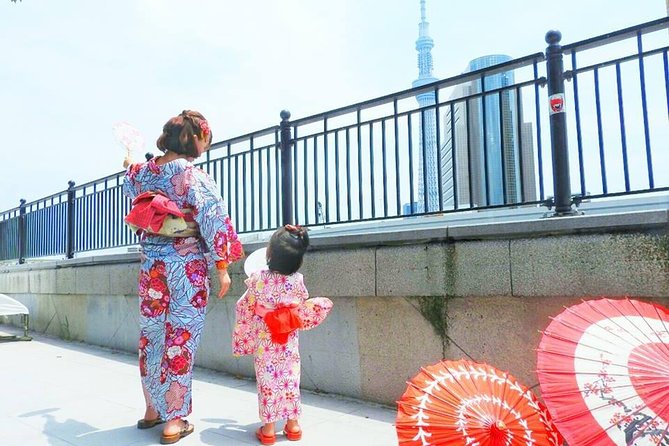
Kimono in Asakusa feels like time travel. This experience pairs a full kimono rental with styling and hair accessories, then adds a rickshaw ride and commemorative photos that drops you right into the Kaminarimon and Sensoji area. It is a fun, structured way to get that classic look without spending your day figuring out details.
The main thing to plan for is fit and communication. If you need a larger kimono, you may pay 1,000 to 2,000 yen extra (and a review even cites an extra 2,200 yen for bust sizing), and the dressing flow can feel quick if English support is limited.
Quick hits before you go
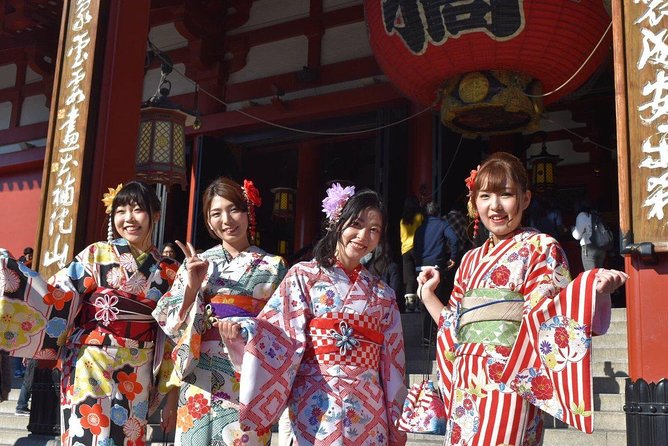
- Full kimono rental means you show up and get dressed, with hair set and accessories handled for you
- All the footwear details are taken care of (sandals, or summer clogs in summer) and shoes are handled by the shop
- Small group size (max 5) makes photo timing and instructions feel more manageable
- A short rickshaw hop (about 12 minutes) gets you to the most photogenic area, near Kaminarimon and Sensoji
- You choose where to get off with your rickshaw driver, then explore Asakusa at your pace until around 6pm
- Extra kimono fees can apply if standard sizing does not fit, paid directly on the day
Why Asakusa in a Kimono and Rickshaw Makes Sense
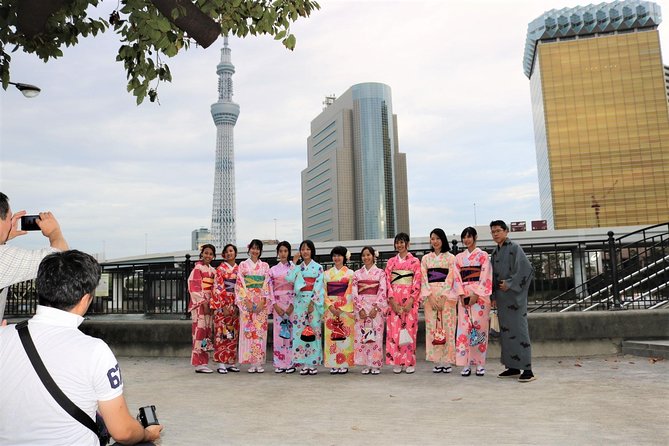
Asakusa is one of Tokyo’s easiest places to do traditional culture well. You will be around Kaminarimon and Sensoji Temple, the kinds of landmarks people come to see for a reason. The trick is making it feel special without turning your day into a logistics puzzle.
This tour gets you there by building the day around three things you can actually enjoy in real time. First, you get dressed in a proper kimono set at the meeting point. Second, the rickshaw ride is short but meaningful, like a moving postcard. Third, the timing leaves you room to walk, eat, and take photos in the area after you get dropped off.
Another smart touch is that the rickshaw includes tourist information from inside the car. That matters because it helps you connect what you see with a bit of context, so your photos are not just random shots of streets and buildings. It also adds color to the walk around Asakusa Shimomachi, which is exactly the kind of place that feels better when you know what you are looking at.
You can also read our reviews of more tours and experiences in Tokyo.



Entering HANAKA: Meeting Point, Timing, and What Happens First
Your day starts at HANAKAJapan at Taito City, Kaminarimon, 2-chōme 37, Dueru Asakusa IV, 4F. The shop is open daily from 11:00 AM to 2:00 PM during 2025 and 2026. In practice, you are picking a session that fits that window, and the full experience runs about 6 hours with a return to the meeting point.
Finding the place can be a small adventure. One review called out that the location is a bit hard to track down, but Google maps made it straightforward. You may also encounter an alley-type approach, so give yourself a few extra minutes. Once you are there, the good news is that the staff manage the flow quickly.
Right at the start, you change into your kimono at the shop. This is not a DIY situation. It is a guided setup with hair and accessories included. The process is designed to feel efficient, with a typical kimono change time of about 30 minutes, so you are not stuck waiting forever before you even start sightseeing.
Dressing and Hair: The Part You Should Treat Like a Mini Experience
This is not just putting on fabric. You get help from a professional kimono dressing instructor, plus hair styling from a hairdresser with a national qualification. One of the details I like here is the mention of hygiene management, because it signals that the hairdresser is running a full-time shop. That matters when you are sitting close for styling and accessories.
The rental is described as complete. That means you do not need to bring anything for the outfit itself. Hair styling is included too, from simpler hair arrangements to added accessories. And you also get a drawstring bag plus sandals (and summer clogs during June through September).
There is one practical rule that matters more than it sounds. You cannot bring your regular shoes inside the shop. The shop will handle shoe storage and you end up walking in the provided sandals or clogs. So plan to wear something easy to slip off, and do not show up in shoes you hate taking off in public. It will go faster if you follow their instructions.
Choosing Your Kimono and Dealing With Fit (Without Panic)
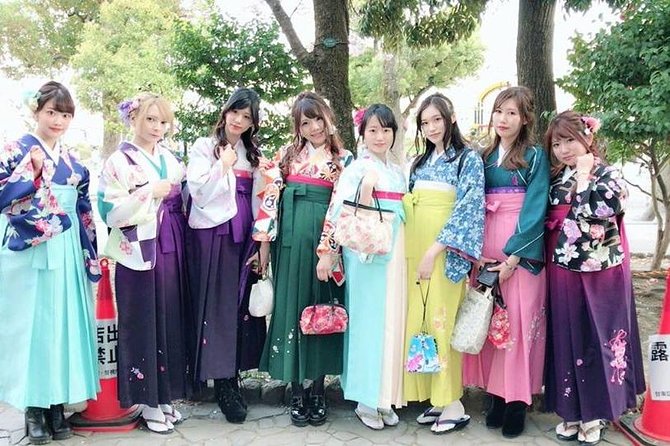
You will choose your kimono at the shop. The experience is pitched as low-stress, with staff helping you select something you feel good in. That is important, because a good kimono choice does more than look pretty in photos. It changes how comfortable you are when you start walking around.
Still, sizing is the one area where you should be realistic. The kimonos are made in standard Japanese sizes. If you need a larger size, there is an additional fee. The listed extra is 1,000 to 2,000 yen, and payment is handled directly on the day.
Some bodies do need more than just a height adjustment. One review mentioned extra payment due to larger breasts, which suggests that fit includes more than one measurement. So if you are larger than the standard Japanese range for sizing, you should expect you might pay the extra fee, and you should not treat it like a surprise later.
If you want a simple approach, do this: tell the staff what you need early, and let them assess sizing before you get too attached to one particular kimono. That way, you keep the day calm and avoid a late-stage scramble.
Also note the seasonal swap. The description says you will wear yukata from June to September. So if you are booking outside that season, expect kimono. If you are going in summer, plan for the yukata style instead.
The Rickshaw Ride: Short, Scenic, and Designed for Photos
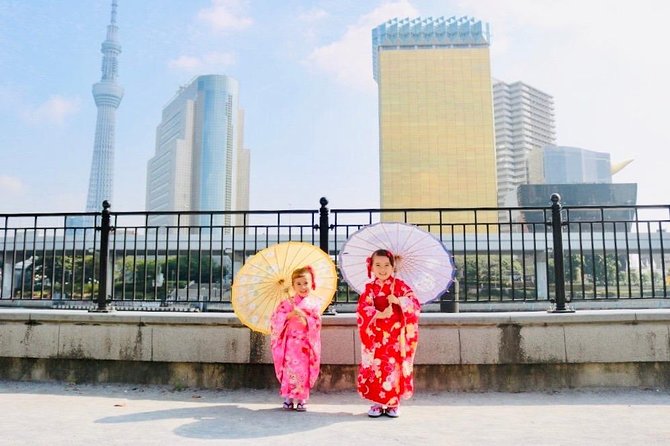
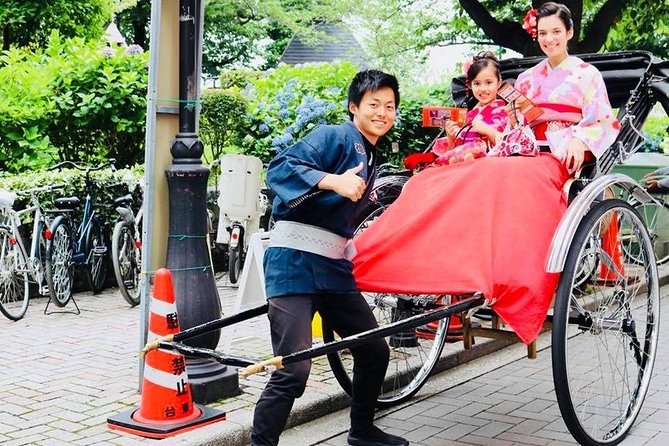
After dressing, a rickshaw comes to pick you up in front of the shop. This part feels like the day finally clicks into place. You take a commemorative photo, then board the rickshaw.
The ride itself is about 12 minutes. That is not long, but it is enough to get that classic Asakusa feel without draining your energy before you start walking. It is also long enough for you to settle in, get your bearings, and focus on photos rather than constantly checking routes.
You also get input on where you get off. You can discuss your stop with the rickshaw driver. The destination is near Kaminarimon and Sensoji Temple, which is exactly the zone most people want for a first Asakusa visit.
Safety is mentioned in the description, and that matters because a rickshaw is not like sitting in a car with seatbelts. You are closer to the experience, so it should feel controlled. The tour description emphasizes safety-first operations, and the overall ratings back up that the ride experience is handled carefully.
Photography can be a highlight. One review praised a guide named Kai for taking incredible pictures. If your guide is the same Kai, that is the kind of detail that makes your photos look like you had a plan. Even if you are using your own phone or camera, having someone actively helping you frame shots changes the whole feel of the day.



Optional longer ride note
One review mentioned an extended option, like adding another half-hour ride (listed as 10,000 yen for two rickshaws). That kind of add-on is not spelled out as a standard feature, so treat it as something you might be offered depending on timing and availability. If you want extra time for photos and slower sightseeing, ask about it once you are there.
Exploring Asakusa After the Drop-Off: Make the Time Count Until 6pm
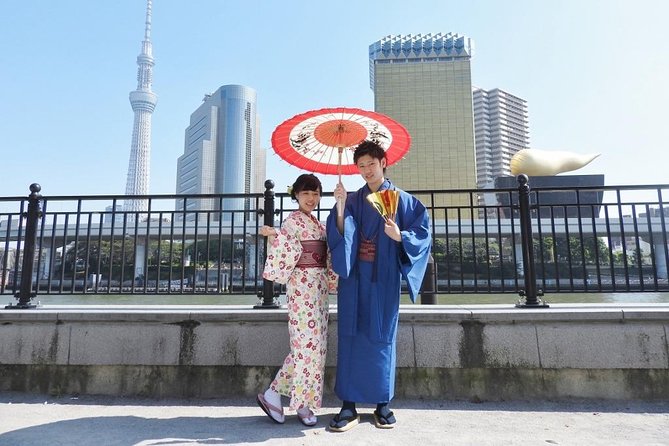
Once you get off near Kaminarimon and Sensoji Temple, you explore on your own until your return time, listed as around 6pm. That structure is smart because it gives you freedom. You are not locked into a strict walking script after the rickshaw delivers you to the right place.
What you do with that time is up to you, but the tour description explicitly points to photos and eating. So plan your priorities. In a kimono, you will probably want routes that let you stop often. You also will want to pace yourself, because dressing and the ride itself already take time and effort.
If you love photography, this is your window to turn the kimono into something more than an outfit change. Take photos from different angles around the Kaminarimon and Sensoji Temple area, then mix in smaller street shots. If you are traveling with family or a partner, this is a good time to spread out a bit and then regroup at a recognizable landmark.
One more practical point: the tour ends back at the meeting point. That means you should keep track of time and head back with enough cushion. You are not just wandering for the sake of wandering, you are on a clock, and the kimono experience does not pause while you stop for one more snack.
Price and Value: What You Pay for, What You Save, What Could Cost Extra
The price is $52.17 per person for an experience listed at about 6 hours. That price includes the biggest money-makers for this kind of day: the kimono rental, styling, hair accessories, sandals, and a rickshaw ride with a commemorative photo component.
It also includes something you cannot easily DIY if you are not used to it: the full setup. You do not need to bring an outfit, shoes for the kimono portion are provided, and you do not have to figure out how to get dressed properly. That alone is a strong value point if you want to focus on your day rather than shopping, renting, and learning kimono knots.
Where cost can change is sizing. If you need a larger kimono, there is an additional 1,000 to 2,000 yen fee, with payment on the day. Reviews suggest that some fit situations can lead to extra payments, including bust-related sizing. If you are in the standard size range, you may avoid the extra.
What is not included is also useful to know. Private transportation is not included, and you are not provided with rain gear or cold protection. Photography equipment and photography accessories are also not included. So if you are going in humid summer or cooler months, bring what you need. Even a simple umbrella can save your photos and your mood.
Given the small group size of max 5 travelers, I also view this as value beyond just what is included. Smaller groups often mean less waiting and more attention during dressing and during the handoff to the rickshaw.
The Real Trade-Offs: Where This Experience Can Feel Rushed
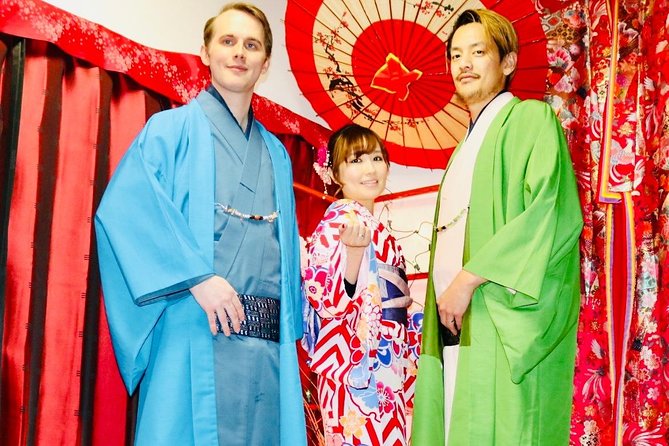
The feedback picture is mostly glowing, with a strong recommendation rate and an average rating of 4.8. But the one clear complaint theme is that the dressing process can feel rushed, and English support may be limited.
If you want a slow, detailed kimono instruction experience, you might feel that the shop moves quickly through the steps. The flip side is that you then get to the fun part sooner, and you still have time to explore afterward until about 6pm.
Also, the store is small. That is fine when everything runs smoothly, but it can make the location feel tricky and the process feel more compressed. Arrive calmly, listen for instructions, and do not fight the schedule. You will enjoy it more.
Who This Fits Best in Your Trip
This is a great choice if you want a hands-on traditional culture moment without turning it into a full project. It works well for couples, solo travelers, and families. One review specifically praised the staff for dressing a 5-year-old daughter, so it can handle family situations when timing works.
It is also a good match if you care about photos. With the commemorative photo at the start and extra attention from staff and drivers, you should end the day with more than a few decent shots.
On the other hand, this might not be ideal if you:
- hate the idea of paying possible extra fees for sizing
- want lots of English-led explanation during the dressing portion
- are extremely picky about slow, step-by-step styling guidance
Should You Book This Kimono and Rickshaw Experience?
Book it if you want an efficient, photogenic Asakusa day with real traditional styling and a classic rickshaw ride that gets you to Kaminarimon and Sensoji quickly. The value is strongest when you accept that sizing might cost a little extra and you follow staff instructions during the quick dressing window.
Skip it or plan differently if you need a long, leisurely kimono class feel, or if you are uncomfortable with the possibility of a larger-size surcharge. If that is your situation, you can still enjoy Asakusa, but you might want a simpler rental that focuses only on the kimono and leaves transport and timing to you.
If you do book, take two steps to make the day go smoothly: bring weather protection since rain gear is not included, and arrive early enough to locate the shop calmly. Then enjoy what this experience is best at, the instant transformation, the short rickshaw ride, and the free time to walk around in that look.
FAQ
What is included in the kimono rickshaw experience?
It includes a complete kimono rental setup, hair styling with hair accessories, sandals (summer clogs in summer), and a drawstring bag. The experience also includes a rickshaw pick-up and a commemorative photo.
Do I need to bring anything for the rental?
No. The rental is described as complete, so there is nothing you need to bring for the kimono and hair accessories.
Is it kimono or yukata?
From June to September, you wear yukata. Outside that season, you will wear kimono.
How long does the dressing and rickshaw ride take?
Changing into the kimono and doing the hair takes about 30 minutes. The rickshaw ride time is about 12 minutes.
Where does the rickshaw drop me off for sightseeing?
You can discuss where to get off, and you will get off near Kaminarimon and Sensoji Temple.
What if I need a larger kimono?
If you need a larger size due to your body, an additional fee of 1,000 to 2,000 yen may apply. You pay directly on the day.
Is rain gear or cold protection included?
No. Rain gear and cold protection are not included.
What is the cancellation policy?
You can cancel for free up to 24 hours in advance for a full refund. If you cancel less than 24 hours before the start time, the amount paid is not refunded.
More Tour Reviews in Tokyo
Not for you? Here's more nearby things to do in Tokyo we have reviewed












Asakusa Tours, side by side.
 ★ 4.8Japanese Dance Cabaret Theater Asakusa-Kaguwa TicketFrom $492,270 reviews
 ★ 4.7Meiji Shrine, Asakusa, Skytree Bus Tour and CruiseFrom $1221,986 reviews
 ★ 4.9Roll and Authentic Sushi Making Class in AsakusaFrom $581,957 reviews
 ★ 4.8Asakusa Walking Tour with Sensoji Temple VisitFrom $221,583 reviews
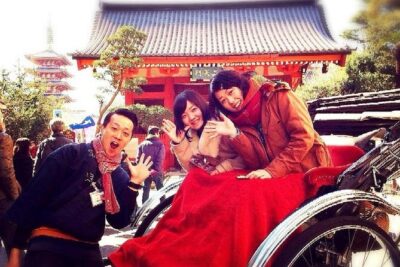 ★ 5.0Tokyo Asakusa Rickshaw TourFrom $421,375 reviews
 ★ 4.5Tokyo Panoramic 1 Day: Meiji Shrine, Asakusa, Odaiba and SKYTREE®From $851,222 reviews
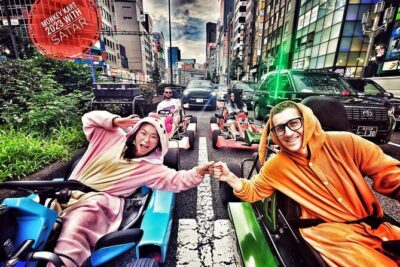 ★ 5.0Tokyo Go Kart: Asakusa, Skytree, and Akihabara **IDP MUST**From $99988 reviews
 ★ 4.7Asakusa, Skytree & Akhihabara Go-Kart City ExperienceFrom $96761 reviews
This tour also belongs to