
Review · ASAKUSA TOURS
Samurai Training Tokyo Asakusa
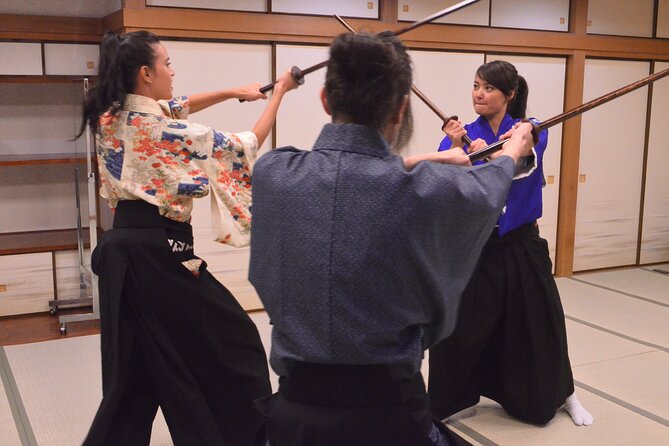
Want a samurai lesson in an hour? This Tokyo experience in Asakusa gives you private training with a kata and sword routine supervised under the Kenbu Ukon-ryu tradition, taught on the ground by Jiro and assistant Aya. I like the personal attention you get in a small group, and I also like the end-to-end keepsakes, costume dressing, photos, and a recognition certificate. One thing to think about first, this is a fun, family-friendly class, so it is not a full-on hardcore dojo grind.
You start near Hanakawado in Asakusa, change into your outfit, belt a sword, then run through pull-out and pull-back practice, kata, and mock battle movements. Your meeting point and the exact training location can change based on group size, but you should get clear instructions at least 2 days ahead.
Key highlights at a glance
- Private class, max 10 people, so you are not shuffled into a crowd
- Costume rental plus an early sword photo to capture the transformation
- Structured practice: battou (pull out), nattou (pull back), and kata
- Video recording and pro footage included for the full battle moment
- SD card keepsake and certificate with your photo after you change back
- Family-friendly pacing, minimum age is 6 with an adult
Samurai Training Tokyo in Asakusa: Quick, Private, and Photo-Ready
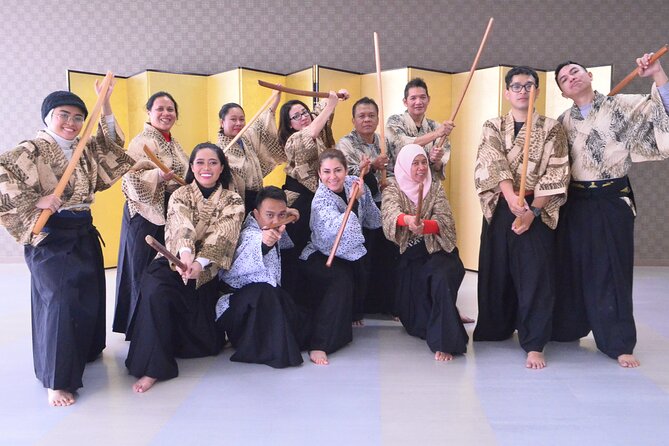
Samurai Training Tokyo Asakusa is built for one big goal: you learn a slice of sword tradition, then you go home with proof you did it. The whole session runs about an hour, and it stays tight, so it fits into real travel schedules. That time efficiency matters if you are planning around temple visits, shopping, or kid-friendly meals.
The private format is the real engine here. With a maximum of 10 people per booking, you get the feel of a guided lesson instead of a show. From the training flow, you can tell they expect you to follow along, practice the basic motions, and then get recorded during the mock battle segment.
The main tradeoff: this is not positioned as a long training course. If you want hours of advanced technique, conditioning, and sparring intensity, this shorter class will feel more like a well-run introduction that still gets you moving and sweating a bit.
You can also read our reviews of more tours and experiences in Tokyo.



The Training Lineage: What Kenbu Ukon-ryu Means for Your Lesson
This experience is supervised by Ukon Takafuji, who is listed as the Iemoto of the Kenbu Ukon-ryu (Tachibana samurai kenbu school). That matters even if you are not a martial arts expert, because it signals there is a specific tradition behind the movements, not random cosplay choreography.
In practical terms, you will see that structure show up in how the session is organized. You do not just pose with a sword. You start with greetings, then practice battou and nattou, then move into kata and battle-like motion practice. That sequence gives your brain something to hold onto: warm-up, fundamentals, forms, then a fun finale.
Also, the instructors you meet on the day are the ones doing the real teaching. Many reviews highlight Jiro for being patient, friendly, and funny while keeping instruction clear, and Aya (or assistant staff) for help and smooth photo and video handling. If you are traveling with kids or you are a first-timer, that supportive teaching style can make or break the experience.
Start in Hanakawado: Costume Up, Sword Photo First
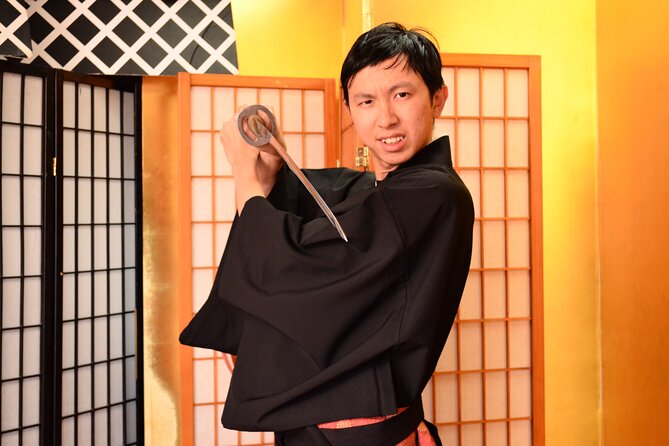
The session begins with gathering together, then you change into the samurai outfit. This is not a quick costume toss-on. The flow includes belt setup and an early photo moment, so you get the look right away and can relax into the training after.
Then comes a photo step that is oddly satisfying: they belt the sword, and you take a picture while you look the part. It gives you a clean before-and-after feeling, and it also helps you understand how the sword sits for the rest of the lesson. If you are bringing family, it is a great time for parents to grab the first round of photos before everyone starts practicing.
One practical consideration, the meeting point and training location can vary based on participant count. That is why you should plan to arrive on time and keep an eye on the message you get at least 2 days prior. A couple reviews mention a bit of meet-up uncertainty, but it seems to resolve fast once the team brings you to the correct place.
Battou, Nattou, and Kata: The Basics You Can Actually Remember
If you want the clearest value for your time, focus on what you practice. The lesson includes:
- Battou (pull out the katana)
- Nattou (pull back the katana)
- Kata (set movements and form practice)
Why this is worth it: these are the foundation moves that make the sword routine feel like something more than a staged pose. Even if you only remember a few cues, battou and nattou are the types of motions that create a big visible difference on camera. They also help your body learn the rhythm of handling the sword safely and deliberately.
The kata portion matters too, because it connects the basics into a sequence. You are learning a mini-language of movement, not random arm flailing. Reviews repeatedly mention the class covers mindset and movements, and you can feel that in the step-by-step structure, greetings, and repeated practice.
You should also know this is taught to mixed ages. The minimum age is 6, and children must be with an adult. That usually means instruction is paced so kids can follow along and adults do not feel forced to stand around. If you have teens, several reviews highlight how teens enjoyed the choreographed routine and mock battle segment.
Mock Battle Moves, Then Video Recording
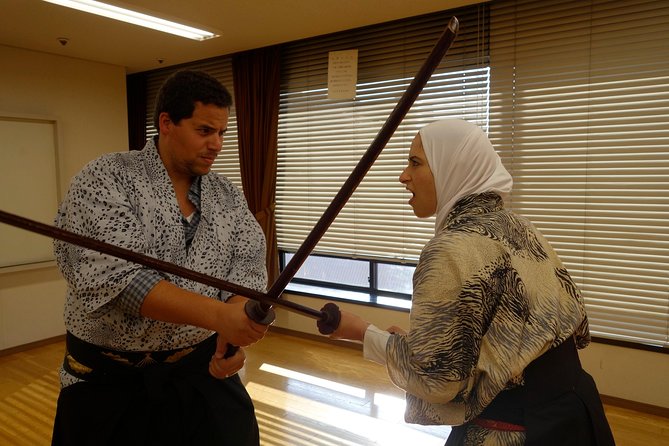
After greetings and the core technique practice, you move into sword fighting practice. The listing frames it as practice moves like a samurai battle. Reviews go further in the way they describe the fun factor, including staged sparring-like moments that are structured rather than chaotic.
Then you hit the camera part of the experience. The itinerary includes video recording during the session, not just a quick photo. That video step is one of the reasons the class feels like a complete memory package. You are not just taking pictures, you are watching yourself do the routine at the end like a highlight reel.
Safety is handled by instruction and supervision, and the class requires travelers to have a moderate physical fitness level. That does not mean you need to be an athlete. It does mean you should be ready to stand, move your arms, and follow along for about an hour without struggling.
A small tip that comes from the way the experience is structured: be willing to slow down when the instructor cues you. If you rush, you will fight the motion instead of learning it. The instructors repeatedly come up as patient, especially with kids, which is comforting if you are worried about doing it wrong.



The Keepsakes: Certificate, SD-Card Photo Data, and Face Photo
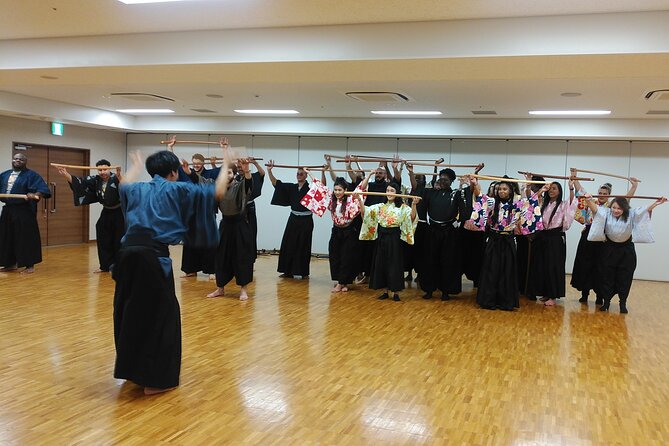
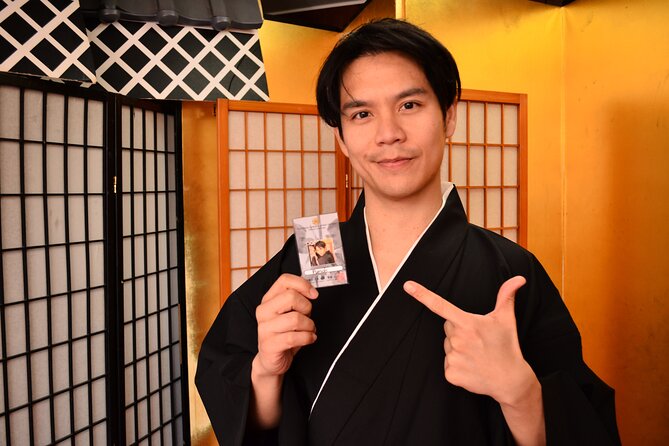
At the end, you change clothes back. Then you get the recognition certificate with your photo data. The listing says you receive:
- a certificate of recognition with your photo
- photo data provided on an SD card
- a photo of your face
Reviews add helpful color. People mention getting an SD card or memory chip, sometimes a pen drive depending on how it is delivered, plus a professional set of photos and a final video of the battle moment. Many also say the photos and footage are funny and well done, which is exactly what you want for a travel souvenir you will actually share.
This is also where the private format pays off. If they are filming and taking photos for your group, you are more likely to get footage that feels personal to your moment, not just a distant snapshot with strangers.
Practical angle: if you are traveling with limited tech, do not assume you can immediately view everything on your phone. Bring a plan for how you will access the SD card later at home, or ask what the files are compatible with. The SD-card keepsake is part of the value, but it is still good to know how you will use it.
Price and Value: Why $85.89 Can Make Sense in Asakusa
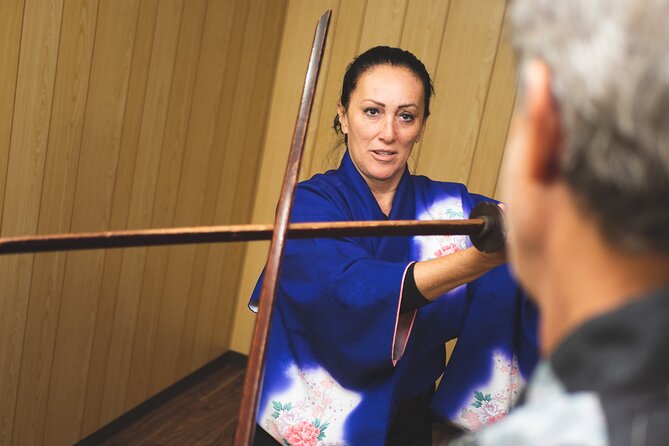
The price is $85.89 per person for an experience that runs about an hour. At first glance, that might seem like a lot for a short class. Here is why it can still feel fair.
You are paying for multiple things at once:
- a local instructor teaching you the routine
- rental costume
- professional photo coverage
- video recording
- an SD-card deliverable
- a certificate of recognition
If you compare that to piecing together a costume rental plus a separate photo shoot plus a paid workshop, the package format becomes more attractive. Also, the class is private to your group, which usually raises the value for families. Kids get attention, and parents can relax knowing someone is guiding the flow.
The other value lever is time. One hour is a realistic slot, so you are not turning your travel day into a full half-day commitment.
Who This Works Best For: Families, First-Timers, and Small Groups
This is a strong family-friendly activity. The minimum age is 6, and adults need to accompany children. Reviews also praise how instructors pair up with kids during the mock battle practice so kids feel comfortable instead of singled out.
Teen boys and older kids often love the structured routine and the choreographed battle finish. Many parents mention that the class was a highlight because they could participate too, with the video and photos doing the heavy lifting for memories.
If you are an experienced martial artist, temper expectations. One review notes that a participant with a black belt still had fun, but recognized it is not exactly an intense dojo experience. That is the right mindset. Think: guided fun, structured basics, and a real training-feel, not hours of sparring and grading.
You also want moderate physical fitness. If you have mobility issues, you should consider whether a sword-handling session and standing practice movements will be comfortable for you.
Meeting Point Clarity in Asakusa: Plan for a Smooth Arrival
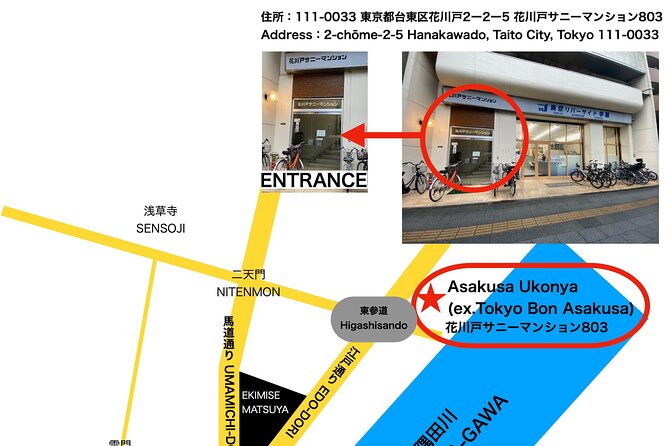
Your listed meeting start point is 花川戸サニーマンション2-chōme-2-5, Hanakawado, Taito City, Tokyo 111-0033. The end point returns back to the meeting point area.
One important detail: meeting place and experience location vary depending on participant number. That is not a problem by itself. It just means you should not assume the same exact door for every group size. The team contacts you at least 2 days prior to confirm details, so watch for that message.
Since it is near public transportation, you should be able to get there without a car. Still, if you are with kids or you want stress-free photos, arrive a few minutes early. You will get the costume and sword-photo part done without rushing.
Your Samurai Training Checklist for a Better Hour
Here is how I would set you up for the smoothest session, based on what this class includes and the way people describe it.
- Wear easy clothing underneath so costume changes are quick and comfortable.
- Be ready to move your arms and follow instructions for sword movements like battou and nattou.
- Plan for camera steps. There is an early sword photo, plus video recording during the mock battle.
- Bring your adult if you have a child. Children must be accompanied by an adult, minimum age is 6.
- Have a simple plan for the SD card later. The photo data is part of your take-home package.
If you are worried about meeting instructions, that is normal. The best approach is to confirm what the message says and arrive early enough to settle in before the group starts changing outfits.
Should You Book Samurai Training Tokyo Asakusa?
If you want a fun, structured, family-friendly introduction to samurai sword movement, I think this is an easy yes. The biggest reasons are the private attention, the clear practice sequence (battou, nattou, kata), and the fact that you leave with pro photos, video, and an official recognition certificate with your photo.
I would skip it only if you want a long, hardcore training session or advanced instruction. This is a short class built for travel schedules, not a multi-hour dojo curriculum.
My practical call: book it when you have a free hour in Asakusa, when you can arrive on time for the costume and photo steps, and when you are excited about coming home with a real keepsake, not just a lesson you forget.
FAQ
How long is the Samurai Training Tokyo Asakusa class?
It is about 1 hour.
What is included in the price?
You get a local instructor, rental costume, and picture and video footage.
Do I need hotel pickup or drop-off?
No. Hotel pickup and drop-off are not included.
Where do I meet for the experience?
The meeting point is 花川戸サニーマンション2-chōme-2-5 Hanakawado, Taito City, Tokyo 111-0033, Japan, and the tour ends back at the meeting point. The exact meeting and experience location may vary depending on the number of participants.
What are the age requirements?
The minimum age is 6, and children must be accompanied by an adult.
Is it private?
Yes. It is a private tour or activity, and only your group participates. Maximum group size is 10 people per booking.
What is the cancellation window for a refund?
You can cancel up to 6 days in advance for a full refund. For a 50% refund, cancel 2 to 6 days before. If you cancel less than 2 full days before, the amount paid is not refunded.
More Tour Reviews in Tokyo
Not for you? Here's more nearby things to do in Tokyo we have reviewed












Asakusa Tours, side by side.
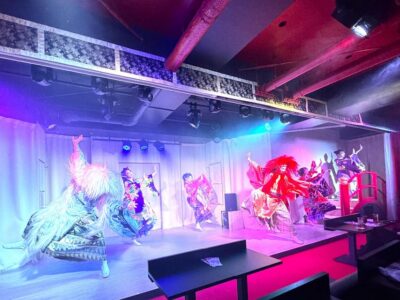 ★ 4.8Japanese Dance Cabaret Theater Asakusa-Kaguwa TicketFrom $492,270 reviews
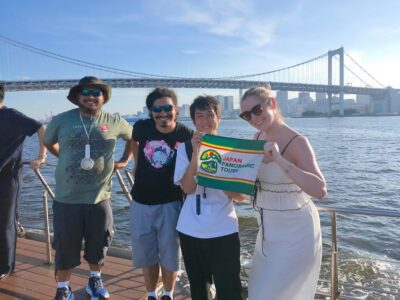 ★ 4.7Meiji Shrine, Asakusa, Skytree Bus Tour and CruiseFrom $1221,986 reviews
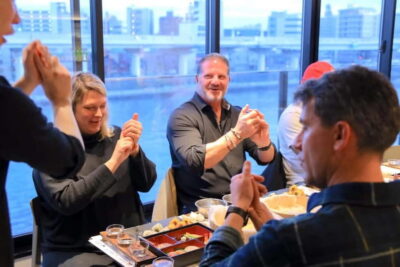 ★ 4.9Roll and Authentic Sushi Making Class in AsakusaFrom $581,957 reviews
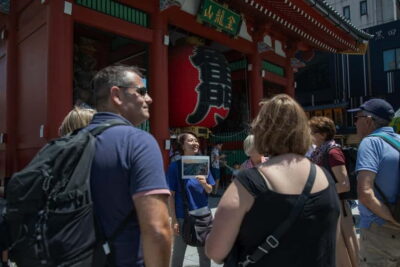 ★ 4.8Asakusa Walking Tour with Sensoji Temple VisitFrom $221,583 reviews
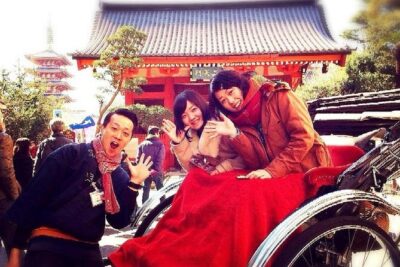 ★ 5.0Tokyo Asakusa Rickshaw TourFrom $421,375 reviews
 ★ 4.5Tokyo Panoramic 1 Day: Meiji Shrine, Asakusa, Odaiba and SKYTREE®From $851,222 reviews
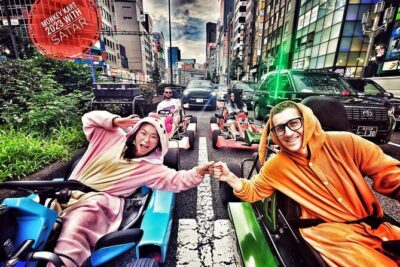 ★ 5.0Tokyo Go Kart: Asakusa, Skytree, and Akihabara **IDP MUST**From $99988 reviews
 ★ 4.7Asakusa, Skytree & Akhihabara Go-Kart City ExperienceFrom $96761 reviews
This tour also belongs to