
Review · SHIBUYA TOURS
Shibuya: Pachinko Gaming Experience
Pachinko in Shibuya is a fast lesson in Japanese play. I love how the tour gets you to the pachinko basics quickly, and I also love the small group size, which makes it easier to ask questions without feeling rushed. The one catch to plan for is that the tour explains the game and helps you play confidently, but the pachinko gaming fee is not included, so your total cost can go up inside the parlor.
You’ll start at the Hachiko area with your guide holding a blue tablet, then walk into Shibuya with clear, English explanations. If you want to understand the rules and avoid that awkward, lost-in-front-of-a-machine look, this is a solid use of an hour.
Key highlights you will actually feel
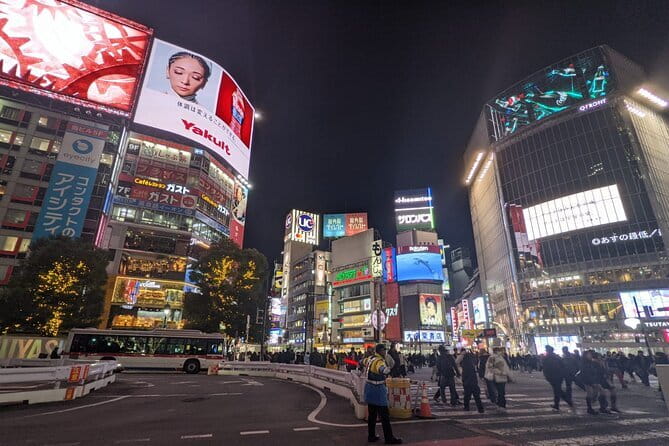
- Start at Hachiko, right by the lottery booth so you can find the group fast
- English live guidance plus translation and interpretation when the machines get confusing
- Hands-on practice before you commit so you are not guessing at the controls
- A quick history of pachinko from early 20th-century pinball-inspired roots to today’s high-tech parlors
- Small group capped at 3 people, which makes questions practical, not awkward
Why Pachinko in Shibuya Feels Different Than Any Game Hall
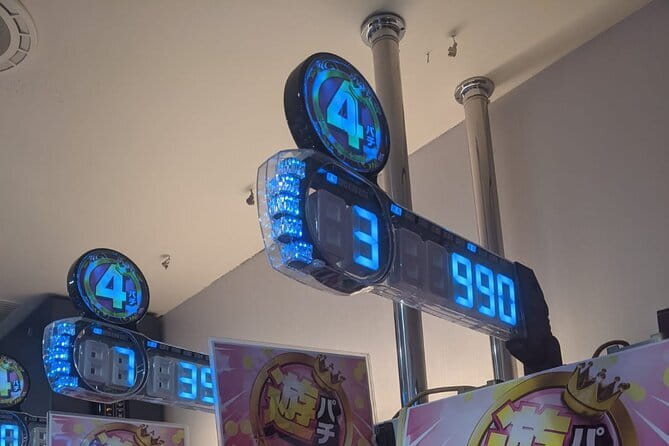
Pachinko looks simple from the outside, then it quickly becomes all about timing, aim, and reading what the machine is doing. In Shibuya, it feels extra social too. You are surrounded by other players, big colorful displays, constant sounds, and the sense that everyone is here for the same reason, to play, to watch, and to chase one more turn.
What makes this tour worthwhile is that you are not just staring at machines. You get the basics and the etiquette side, so you can walk up and act like you belong. I like that the tour frames pachinko as part entertainment, part skill game, part local culture.
You are also getting context. Pachinko has been around for nearly a century. It started in the early 20th century as a mechanical game inspired by Western pinball, then evolved into the bright, faster, more modern style you see in parlors today. That matters because you stop thinking of it as random gambling noise and start seeing it as an enduring Japanese pastime.
You can also read our reviews of more tours and experiences in Tokyo.



Start at Hachiko: Easy Meet-Up, Clear Expectations
Your meeting point is near the Hachiko Memorial Statue, specifically on the right side. The tour group waits in front of the lottery ticket booth. Your guide will be holding a blue tablet, and you should arrive about 5 minutes early.
A small but important detail: if the guide does not see you for 20 minutes, they treat it as a no-show. That is not meant to be harsh, it is just how tight meeting times can be in a place as busy as Shibuya. If you get turned around, use the direct contact method provided by the operator instead of trying to guess where the group moved.
The location is a plus. Hachiko is one of those landmarks that helps you get your bearings fast, even if you are still figuring out Shibuya’s streets. You do not need a complicated transit plan for the start.
Shibuya Walk: How a Game Became Part of Local Culture
Before you step into a pachinko parlor, you walk through the Shibuya area while your guide explains where pachinko fits into Japanese daily life and leisure. The key idea you take away is that pachinko parlors are more than just places to gamble. They function as entertainment hubs where people meet, chat, snack, and watch others play, even if they are not actively pressing buttons nonstop.
You also get a clear idea of how the modern machines work in general terms. That prevents the common problem where you walk into a parlor and feel like the only person who does not know the rules. With the tour framing, you understand what you are about to do, why you are doing it, and what the machines want you to aim for.
One more small win from the experience style: the pace is set for questions. A review in German noted there was enough time for questions, and that matches what you should look for in a 1-hour format. When you have limited time, good question space matters more than extra sightseeing stops.
Inside the Parlor: Rules, Metal Balls, and the First Launch
This is the main event. You enter a traditional pachinko parlor and you immediately feel the sensory overload: bright lights, constant audio cues, and people focused on their own machines. Your guide explains how you play, step by step, so you understand what to do with the balls before you start acting on instinct.
The tour includes the core mechanical basics:
- buying your first set of metal balls
- launching them into the machine
- learning how to aim and keep the process consistent
Even if you have played arcade games before, pachinko has its own rhythm. Aiming matters, but so does staying calm when the machine does something unexpected. Your guide’s tips and strategies are meant to help you understand what you can control, not to promise a win.
One review highlighted that the guide, Ing, explained the game clearly and stayed upbeat when winning started. That kind of tone helps a lot. Pachinko can feel intimidating at first because the environment is loud and fast. When your guide stays patient and optimistic, you relax faster and learn faster.
“Don’t Look Embarrassing” Skills: How to Play Without Panic
The experience description puts a funny focus on not becoming embarrassing at pachinko. That is actually practical advice. In a crowded parlor, looking lost can happen even when you are trying hard, because the machines are different and the rules are not intuitive.
Here is what you can do to stay confident, based on what the tour prepares you for:
- Pay attention to the sequence your guide uses when explaining the steps. Pachinko often has a “do this first” flow.
- Ask where to look while launching. Your brain needs a reference point, and a guide can point it out quickly.
- Keep your approach consistent. You are learning a skill, not performing a one-time trick.
Also, the tour is set up as a small group, limited to 3 participants. That is a big deal. You are not competing for the guide’s attention with a large crowd. You can ask, get feedback, and adjust during the same session.
One review also mentioned getting plenty of practice time and that the guide gave important feedback on what to work on. That is exactly what you want to see from a short, paid intro. You do not need a long course. You need enough practice to stop guessing.



Price and Value: $19 for the Guide, Not the Game
At $19 per person for a 1-hour guided experience, the price is mainly for instruction and language support. The pachinko gaming fee is not included, so you are expected to pay additional money once you decide to play.
That is not automatically a downside. It is how most hands-on activities work. The value here comes from what you avoid:
- wasting money because you do not understand how to start
- losing time because you cannot follow the steps
- feeling stuck because you cannot translate what the parlor is telling you
So your real budgeting strategy is simple:
1) plan on the $19 tour fee
2) bring extra for your balls or play time inside the parlor
If you already know you will spend more once you play, the tour price is still a good buy because it helps you play with confidence instead of frustration.
Who Should Book This Pachinko Tour (And Who Might Not)
This tour is a good match if you want a guided entry into a specific Japan experience. It is not trying to be a full day of entertainment. It is focused and short, with a live English guide.
It is also a strong fit for people who:
- have never played pachinko and want a rules explanation before the first ball
- prefer small groups and direct help
- want translation and interpretation so you are not stuck figuring things out alone
It is not suitable for children under 18, and it is not designed as a family activity.
The tour is listed as wheelchair accessible. Still, you should confirm comfort and movement for the parlor environment before booking if you have specific mobility needs. The format includes walking from the meeting point into the parlor and back.
Practical Timing Tips for a Smooth 1-Hour Session
Because the tour lasts 1 hour, you should treat it like a focused workshop. Arrive on time. Ask your questions early. Once you are inside the parlor and playing, you will learn fastest by doing, then adjusting.
Also, Shibuya can be confusing if you are navigating in the moment. The meeting point near Hachiko helps, but you can still hit delays. Give yourself time to walk there comfortably and locate the lottery ticket booth area.
When you do play, remember the guide is there to help you use the machine correctly, not to guarantee results. If you want to chase a jackpot, do it with awareness. Pachinko is part chance and part skill, and the learning portion is the main win.
Handling Common Expectations: Winning vs Learning
Let’s be honest: pachinko results can vary. Even with good aim and a steady routine, the machine can behave unpredictably. That is part of the experience for many people.
What the tour delivers reliably is learning and confidence:
- you understand how to start
- you know how to launch balls correctly
- you get strategy tips for aiming and maximizing your understanding of what you are doing
The tone matters too. One review praised the guide’s optimism when winning began, and that is a real quality. In noisy, bright game spaces, reassurance makes a difference. You play better when you are not stressed.
If you are hoping for a guaranteed payoff, you might be disappointed. If you want a fun, guided way to participate in a real Shibuya pastime, you are in the right place.
Should You Book This Shibuya Pachinko Gaming Experience?
Book it if:
- you want a quick, guided introduction to pachinko rules
- you value translation and interpretation in English
- you prefer a small group of up to 3 so you can ask questions
- you plan to spend a bit extra inside the parlor for your playing time
Consider skipping or upgrading your expectations if:
- you only want to watch, not play, and you dislike spending extra on-site
- you need a longer session for deeper skill learning
- you tend to get overwhelmed by loud, high-energy game environments
If you come in with curiosity and a willingness to learn the basics, this is a strong way to see Shibuya beyond shopping and photos. The $19 fee is basically for the human guidance that makes the machines make sense, and in a place like this, that is the difference between fumbling and actually enjoying yourself.
FAQ
Where do we meet for the tour?
Meet your guide near the Hachiko Memorial Statue, on the right side. The guide will be in front of the lottery ticket booth. The guide is holding a blue tablet.
What time should I arrive?
Please arrive at least 5 minutes before the tour starts. If the guide does not see you after 20 minutes, it is treated as no-show.
How long is the pachinko gaming tour in Shibuya?
The tour duration is 1 hour.
Is the tour guided in English?
Yes. The tour has a live English guide with translation and interpretation.
Is the pachinko gaming fee included in the price?
No. The pachinko gaming fee is not included.
Are drinks included?
No. Drinks are not included.
How big is the group?
It is a small group limited to 3 participants.
Is the tour suitable for children?
No. It is not suitable for children under 18 years old.
Is wheelchair access available?
Yes, the experience is listed as wheelchair accessible.
More Tour Reviews in Tokyo
Not for you? Here's more nearby things to do in Tokyo we have reviewed












Shibuya Tours, side by side.
 ★ 5.0Official Street Go-Kart in ShibuyaFrom $763,435 reviews
 ★ 4.9Street Kart Experience in ShibuyaFrom $741,484 reviews
 ★ 5.0Shibuya Meltdown Nightlife Tour: All-You-Can-Drink Bar HoppingFrom $1061,058 reviews
 ★ 5.0Shibuya Official Street Go-Kart in Shibuya AnnexFrom $69972 reviews
 ★ 5.0Shibuya Food Tour (13 dishes and 4 Eateries)From $77770 reviews
 ★ 5.0Best of Shibuya Food TourFrom $217612 reviews
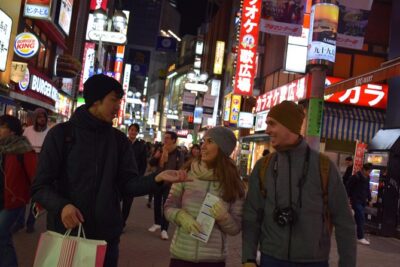 ★ 4.8Shibuya Highlights Walking TourFrom $19601 reviews
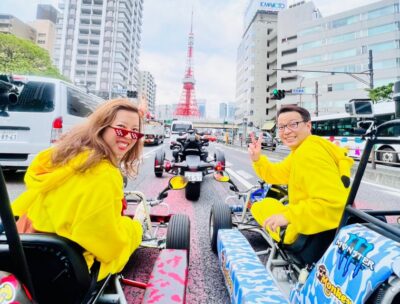 ★ 4.7Premium Go-Kart Tour with Tower & Shibuya CrossingFrom $116528 reviews
This tour also belongs to