
Review · TOKYO CITY TOURS
Shuffle Dance in Tokyo with a TikTok Star – Intermediate Level
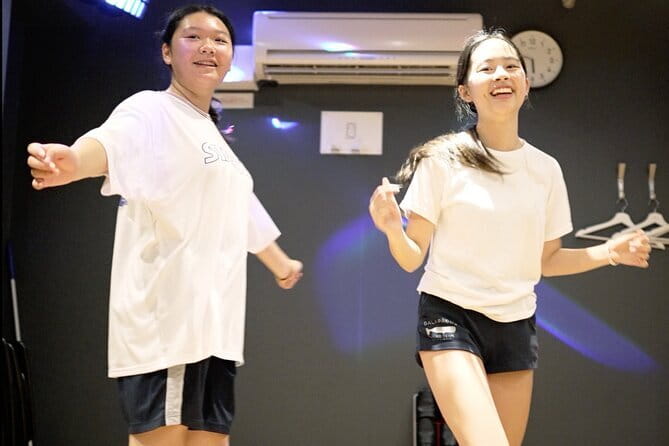
Shuffle beats, Tokyo style, in one hour. This intermediate shuffle dance session in Shinjuku is led by a TikTok creator, and you leave with a 4K video you can take home. It is a fun way to connect with Japan’s dance scene while you learn how performers practice for the camera.
I especially like the teaching pace. Warm-ups, clear step-building, and a small group (up to 10) make it easier to catch what matters and keep moving. In the past, I saw dancers mention Tomo Sensei’s patient, easy-to-follow instructions, even when they were new.
One consideration: it is an intermediate class, so you will work. Previous dance experience is recommended, and the last part of the session includes 4K filming, so if you are shy about being on camera, mentally prepare for that.
Key things I’d clock before you go
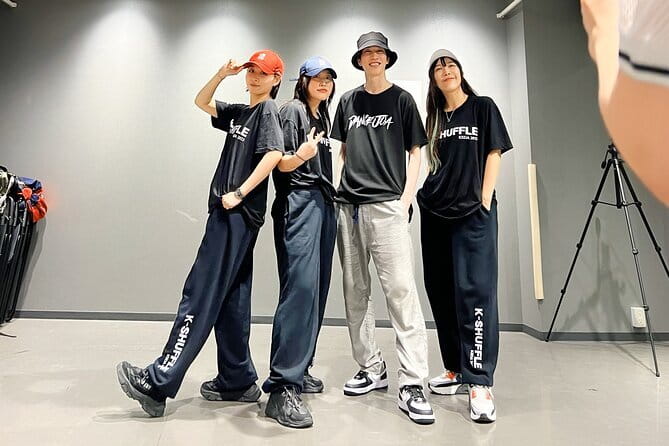
- 4K video keepsake filmed during the class, so you can track progress later.
- Up to 10 people, which makes it feel personal instead of a big dance crowd.
- Tomo Sensei’s coaching style, repeatedly described as gentle, patient, and easy to understand.
- A real shuffle practice workflow: warm-up, 40 minutes of choreography, then filming.
- Local cultural exchange in the lobby right after filming.
- Beginner-friendly energy, even though the session is labeled intermediate.
Why a shuffle class with a TikTok star feels different in Tokyo
Tokyo has a way of turning hobbies into community. This shuffle lesson taps into that, because the teacher is not only a dancer, but also a creator who performs for social media. That matters because shuffle is half footwork and half timing, and camera-focused practice teaches you how to land moves crisply, not just flail enthusiastically.
You also get a direct look at how TikTok-style training influences performance. Expect a focus on rhythm and repeatable steps, the kind of patterns you can practice after class at home. Even if shuffle is new to you, the structure gives you a map instead of throwing you into the deep end.
And yes, shuffle is fun, but it is also physical. The session is designed for people who want to improve, not just take pictures and leave. In the small room setting, you will feel the difference between guessing steps and understanding them.
You can also read our reviews of more tours and experiences in Tokyo.



Price and value: what $35.83 buys you in real life
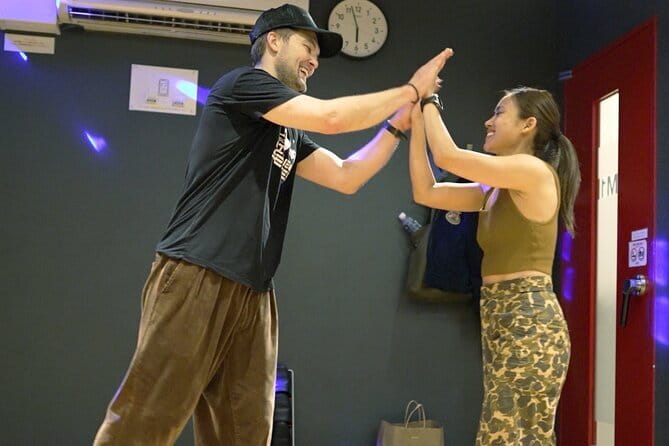
At $35.83 per person, this is priced like a short paid class, but it includes more than typical one-hour lessons. You are not just paying for choreography. You also get studio time and all fees and taxes, plus your 4K video from the session.
Here is the value logic I like:
- If you take a dance class anywhere, you usually pay for instruction and space, but not for high-quality filming.
- Here, the last 10 minutes are explicitly set aside for filming your progress, so the video is part of the activity, not an add-on.
- A one-hour session with a studio rental fee usually costs more than you expect once you start comparing, especially in a major neighborhood like Shinjuku.
So, even though it is not a long workshop, it is a focused package: learn steps, get feedback in the room, and take away a keepsake you can review later.
Finding Studio Worcle Shinjuku in Shinjuku (and why the exact address matters)
The meeting point is Room 501, Studio Worcle Shinjuku. It is a 7-minute walk from Shinjuku Station’s west exit. The address listed is Japan, 160-0023 Tokyo, Shinjuku City, Nishishinjuku, 7-chōme 16-7 第21フジビル.
Two practical tips help you avoid stress:
- Plan to arrive early enough to handle the changing rooms without rushing. The class starts at 8:00 pm, and the warm-up begins right away.
- Bring indoor shoes and comfy clothes. Shuffle footwork depends on traction, and indoor shoe choice can make the difference between smooth practice and slipping frustration.
Also, there is a vending machine right outside and a 7-Eleven about a one-minute walk away. Bottled water is not included, so grab a drink beforehand or when you arrive.
One more note: start time and location can change based on studio availability. Check the messages you receive after booking, so you do not end up sprinting to the wrong door.
How the class flows: warm-up, 40 minutes of intermediate shuffle, and 4K filming
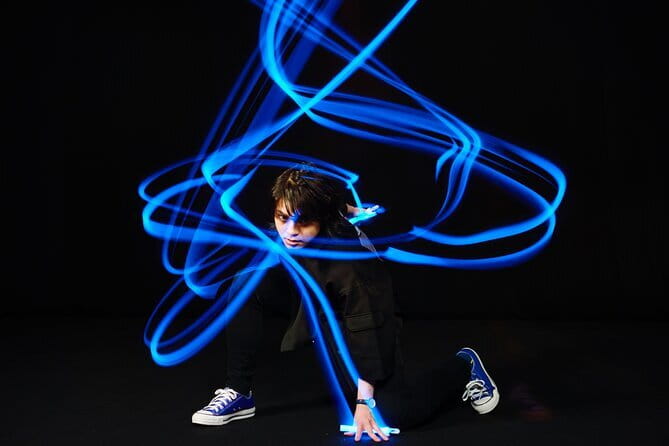
This is a structured one-hour format, and that structure is what makes it feel productive instead of chaotic.
Step 1: Meet and get ready in the changing rooms
You meet at the studio and prepare in the changing rooms before the lesson starts. This matters because shuffle training is all about foot placement and clean body lines. If you are still adjusting clothes while everyone starts, you lose momentum.



Step 2: Warm-up (10 minutes)
The session begins with a 10-minute warm-up. That includes stretching and rhythm training. For shuffle, rhythm is not optional. If you cannot feel the beat in your body, the choreography will look harder than it really is.
Step 3: Choreography practice (40 minutes)
Next comes the main work, 40 minutes learning shuffle dance, from basic steps into intermediate choreography. The class is labeled intermediate and previous dance experience is recommended, but you still get a clear progression.
If you are a first-timer, do not panic. The key is to focus on what the teacher shows you in the moment, not on trying to memorize everything at once. This is also where group size helps. With up to 10 people, you are more likely to get corrections or guidance.
Step 4: 4K filming (last 10 minutes)
The last 10 minutes are filmed in 4K. The idea is to capture your progress so you can take something real home, not just a vague memory of a fun night out.
From a practical standpoint, this means you should treat the final segment as part of the lesson, not an afterthought. If you want the video to reflect your best efforts, give it your full attention.
Step 5: Video distribution and lobby exchange
After filming, you receive your video and hang out for cultural exchange in the lobby. The session specifically mentions connecting with Japanese students who have been attending for over a year, which suggests a regular community, not a one-off meetup.
Expect it to feel social, but still low-pressure. In dance classes, the best conversations usually start with something simple, like asking what song they like or how long they have practiced.
Learning shuffle from Tomo Sensei: what the coaching feels like
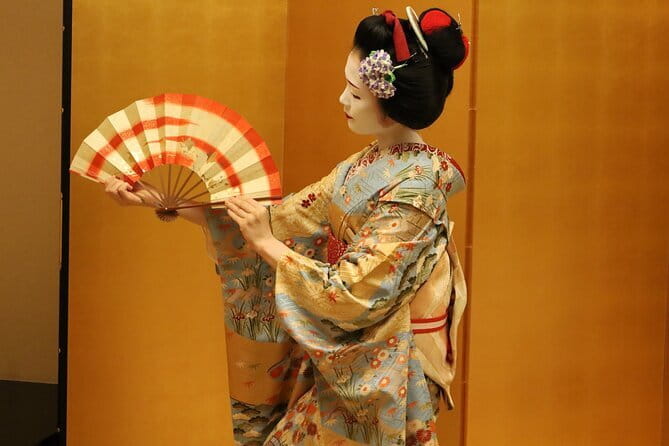
This class is led by a professional shuffle dancer, and the guidance in the feedback you provided has a clear theme: the instruction feels gentle, patient, and thorough. You also get the sense that the teacher understands how beginners get stuck.
One thing I think you will appreciate: you are not left to figure it out alone. Multiple notes mention that the instructions were easy to understand, and that even when it was challenging, it still felt enjoyable. That is how you know the method is working.
A small but meaningful extra: one person noted they could request a favorite song. That is not listed in the main tour details you provided, so I would not count on it as a guarantee. Still, the mention lines up with the overall idea, shuffle is performance-oriented, and song choice can change how motivated you feel during the routine.
How TikTok creator training shows up in your lesson
Because the teacher is a creator, the lesson naturally encourages you to think like a performer:
- Clean timing matters.
- Body control matters.
- Repeating steps until they look intentional matters.
Even if you have no plans to post, that camera mindset helps your practice at home. You start dancing to improve the movement, not just to survive the choreography.
Making the lobby exchange work for you
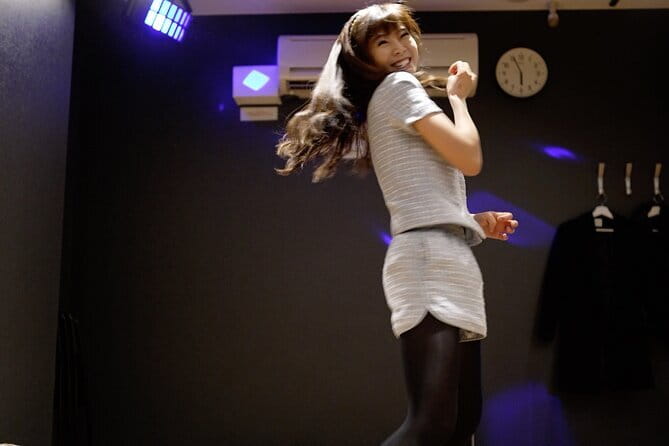
The cultural exchange part is not window dressing. It happens after the video filming, which means you already shared an experience and a routine. That gives you something to talk about immediately.
Here is how to make the most of it without overthinking your Japanese:
- Ask how long others have been attending. The session mentions Japanese students who have been coming for over a year.
- Tell them it was your first shuffle class, or what step felt hardest for you. Shuffle is full of tiny technical points, so people can connect over specifics.
- Be friendly and present. Even if language is limited, dance talk usually turns into demonstrations, which is exactly what you want at the end of class.
If you want a simple win, watch what the others do in the lobby. Often you learn faster by seeing different styles of the same steps, and it is a fun way to absorb the community vibe.
Who this Tokyo shuffle dance class is best for
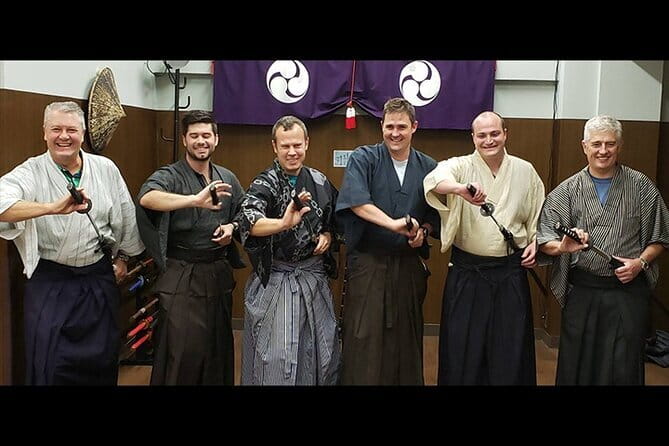
This is a good fit if:
- You want a Tokyo shuffle dance experience that feels more like a small practice session than a tourist show.
- You have at least some dance comfort. The class recommends previous dance experience, and moderate physical fitness is mentioned.
- You like the idea of getting filmed and taking home a 4K video that shows what you learned.
It can also work for you if you are newer to shuffle. The feedback you shared includes multiple beginner-friendly outcomes: first-timers who found the lesson understandable and fun, and who left feeling excited to keep practicing.
You might think twice if:
- You really dislike being filmed. The final segment is recorded in 4K.
- You have very limited stamina that night. It is about an hour, but shuffle requires leg and core effort.
Should you book this shuffle dance with a TikTok star?
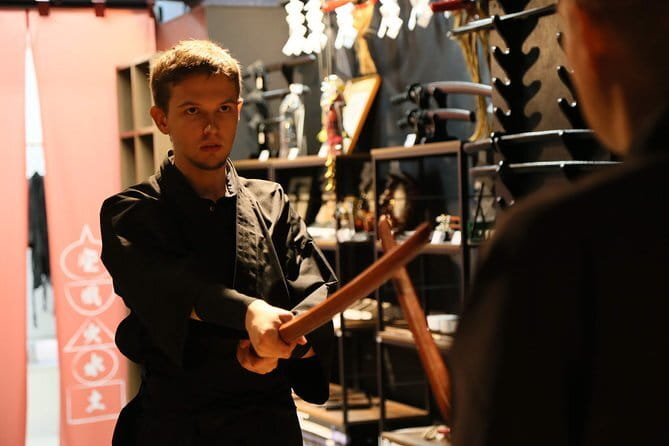
I would book it if you want one memorable evening in Tokyo that combines learning, community, and a tangible keepsake. The value stands out because you get studio time, a structured intermediate choreography session, and 4K filming in one package, and the group size keeps the vibe supportive.
Book it especially if you are the type who likes to improve. A lot of dance experiences are fun in the moment, then vanish. This one gives you a video you can review, which turns the lesson into something you can continue at home.
If you want a straightforward, low-stakes activity with zero physical effort and no camera time, this is probably not your best match. But if you want a short class that feels real, includes a community moment, and hands you a high-quality video result, this is a smart pick.
FAQ
Where is the meeting point for the shuffle dance class?
You meet at Room 501, Studio Worcle Shinjuku (Japan, 160-0023 Tokyo, Shinjuku City, Nishishinjuku, 7-chōme 16-7 第21フジビル). It is about a 7-minute walk from Shinjuku Station’s west exit.
How long is the experience?
The class runs for about 1 hour.
What level of shuffle dance is it?
It is an intermediate-level shuffle dance session, and previous dance experience is recommended. The class is still described as enjoyable even if you have never shuffled before.
What time does it start?
The start time is 8:00 pm, and it runs every Wednesday. Start time and location may change based on studio availability, so check your messages.
Is a 4K video included?
Yes. You get 4K videos as part of the experience, filmed during the last 10 minutes of the class.
What should I wear and bring?
Wear comfortable clothes and bring indoor shoes. Bottled water is not included, but vending machines and a 7-Eleven are nearby.
How large is the group?
The maximum group size is 10 travelers.
What is the cancellation policy?
You can cancel for free up to 24 hours in advance of the experience for a full refund.
More Tour Reviews in Tokyo


Not for you? Here's more nearby things to do in Tokyo we have reviewed












Tokyo City Tours, side by side.
 ★ 5.01-Day Tokyo Bus TourFrom $12914,250 reviews
 ★ 4.5TOKYO SKYTREE® Admission ticketFrom $1311,192 reviews
 ★ 4.6teamLab Planets TOKYO Digital Art Museum Entry TicketFrom $259,779 reviews
 ★ 4.0Mt Fuji & Hakone Cruise, Drum Show Bullet Train 1 Day from TokyoFrom $1497,413 reviews
 ★ 5.0Shinjuku Food Tour (13 Dishes at 4 Local Eateries)From $866,603 reviews
 ★ 4.4Tokyo Mt Fuji 5th St & Hakone Cruise Bus Tour w/Bullet TrainFrom $1545,024 reviews
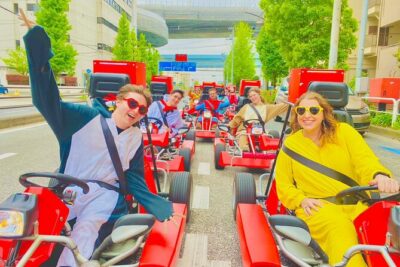 ★ 5.0Flagship 2-Hours Official Street Go-Kart Tour – Tokyo Bay ShopFrom $644,974 reviews
 ★ 4.5From Tokyo: Mount Fuji Full-Day Sightseeing TripFrom $684,970 reviews