
Review · TOKYO CITY TOURS
Sushi-Making in Nakameguro, Tokyo with a Professional Chef
VR fishing sets the stage for nigiri. This hands-on sushi class in Nakameguro pairs a virtual-reality fishing warm-up with instruction from a professional chef, then ends with you tasting the sushi you shape yourself. It is fun, practical, and a nice change from another food tour stop.
I like two things right away: you get real knife and fish-handling practice, not just watching. And you finish with the full “sushi culture” package, including fresh wasabi grating, a tamagoyaki demonstration, and on-the-spot tasting of your own nigiri.
One consideration: this is not a sit-and-eat show. You will be cutting, forming, and learning, so if you want zero prep and only the easiest experience, this may feel a bit hands-on for your comfort level.
Key highlights at a glance
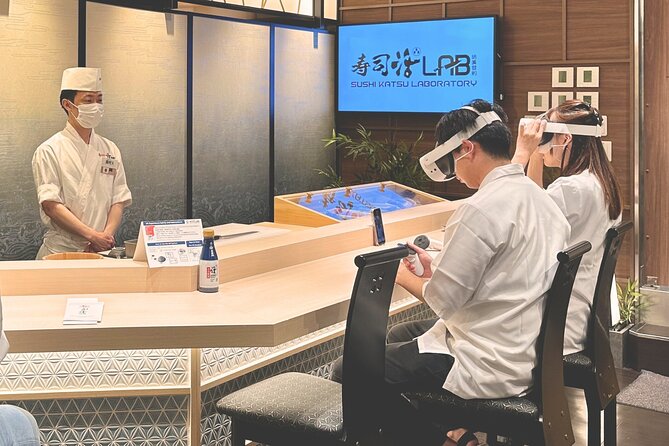
- VR fishing intro that makes fish sourcing click fast
- Small group size (maximum of 6) for more direct attention
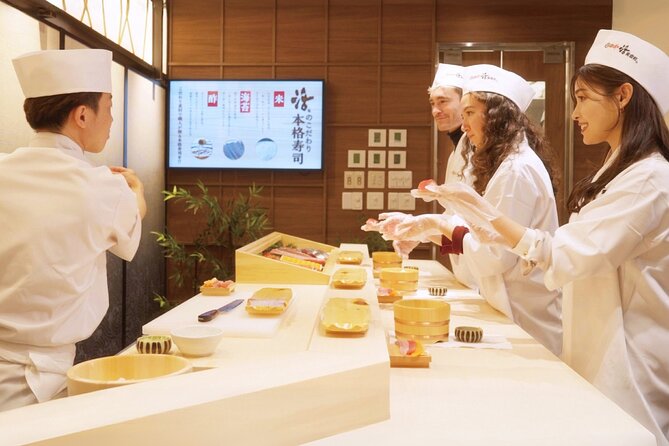
- Chef-led sushi making with guidance on handling fresh fish
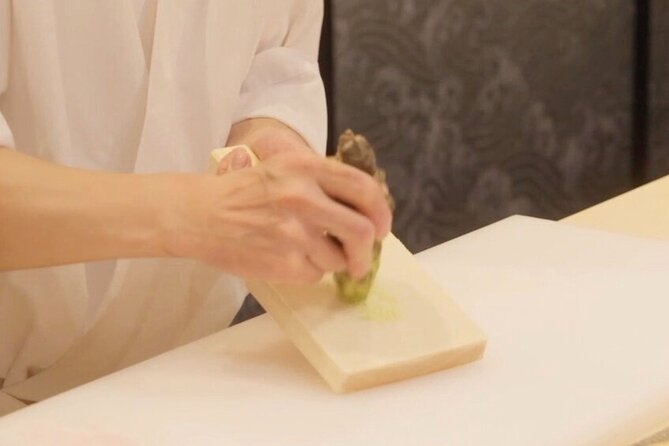
- Fresh wasabi grating so you feel the difference in aroma and texture
- Live tamagoyaki demo plus tasting of rolled egg
- Eat what you make with sushi you shaped on site
Nakameguro, Sushi Katsu LAB, and a Class Built for Real Skill
Nakameguro is a calmer corner of Tokyo than the biggest tourist magnets, and that matters. It gives you space to focus on what you are doing instead of sprinting between landmarks. Here, your main “destination” is the class itself, run by 寿司活LAB at Sushi Katsu LAB’s Nigiri Sushi Experience.
This is the kind of activity that works when you want something more meaningful than a single meal. At $114.45 per person for about 1 hour 30 minutes, you are paying for instruction, ingredients, and the chance to make nigiri step-by-step with a chef guiding the details. The experience also has a strong track record, with a 4.7 rating across 3 reviews, which is a decent sign that the format lands well.
The vibe is friendly and structured. You are greeted warmly by the chef and staff, then put into appropriate clothing before any real work starts. That clothing step sounds small, but it helps you treat the process like it matters, not like a casual cooking demo.
You can also read our reviews of more tours and experiences in Tokyo.



VR Fishing First, Then the Lesson Changes From Fun to Focus
The experience kicks off with a virtual-reality fishing adventure. You might think this is just a gimmick, but it is actually a smart attention tool. It connects you to the idea of fish as a fresh, specific ingredient, not just something that magically appears on a plate.
Why that matters: once you experience the fishing part, the rest of the class makes more sense. When you later learn how to handle fresh fish, you are not just memorizing technique. You are responding to what makes fish special and time-sensitive.
Also, the VR warm-up tends to lower the pressure. Many people who book this are new to sushi skills. Starting with something playful gets you moving toward the hands-on part without that fear of doing it wrong.
The Chef Gear Moment, and Why It Helps You Learn
After you arrive at GEMS Nakameguro, 2-chōme-13-3 Kamimeguro, Meguro City, Tokyo 153-0051, the staff outfits you with appropriate clothing. In a class like this, that step is not just for show. It helps you concentrate and keeps the whole session tidy, especially once cutting and grating begin.
You also get to see the staff and chef’s pace. You can tell this is built for tourists, families, and beginners, but still taught with respect for the craft. That balance is important. A lot of “food experiences” are either too casual or too technical. Here, you get structure without getting lost.
Since the group is capped at 6 travelers, you are less likely to be stuck watching from the side while everyone else works. In small groups, even first-timers can ask questions and get correction.
Cutting and Handling Fresh Fish Without Getting Stuck
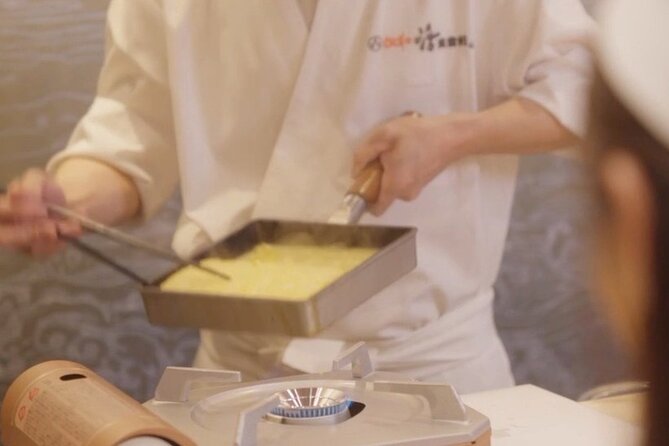
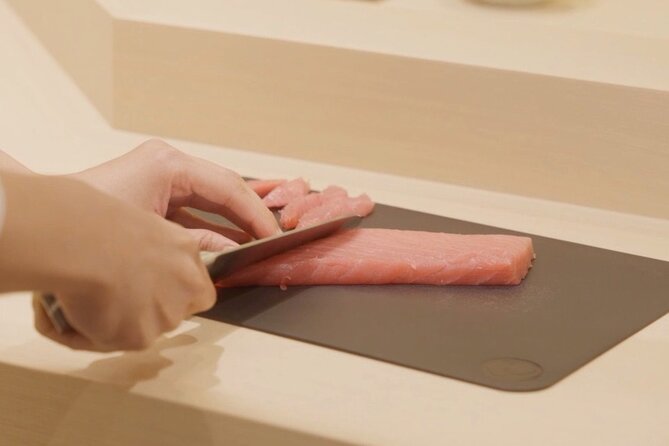
Next comes the core learning moment: you learn how to handle fresh fish and shape sushi. In practical terms, that usually means you are guided through what to do first, how to hold items properly, and how to move carefully and efficiently.
From the class format, you can expect you will actually cut fish and participate in the prep, not only do assembly. That is one reason this consistently ranks as a standout hands-on sushi experience. Cutting is where most people get nervous, but guidance keeps you from feeling lost.
A tip for your mindset: do not aim for perfection in the first minutes. Aim for understanding. If the chef corrects your grip or alignment once, take that as part of learning, not as a failure. By the time you are shaping nigiri, those small corrections can turn your effort into something you genuinely want to eat.
Grating Fresh Wasabi, and Why the Texture Matters
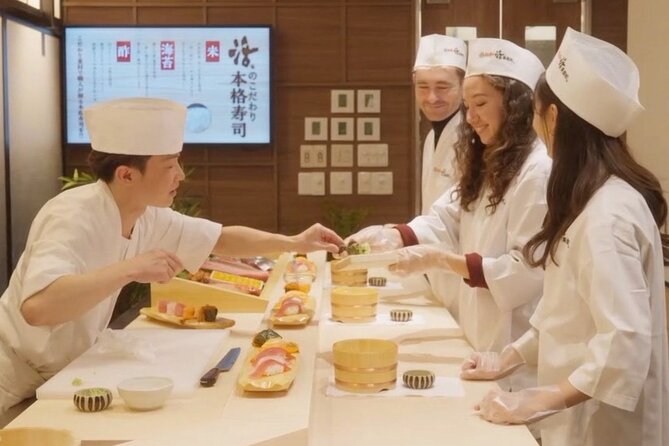
One of the most memorable steps is trying fresh wasabi grating. This is one of those details where the class format pays off. In many sushi meals, wasabi feels like a condiment that shows up pre-made. Here, you get the sensory experience of doing it yourself.
Fresh wasabi changes the whole conversation. You notice aroma more clearly. You also see how quickly it can transform from firm to paste-like texture. That teaches you why sushi chefs treat wasabi as part of the balance, not just a spice.
If you are cautious about heat, go slowly. Grating can concentrate flavor fast. You can also use smaller amounts than you think you need, since the tasting phase gives you direct feedback.



Shaping Nigiri With Chef Feedback, Not Guesswork
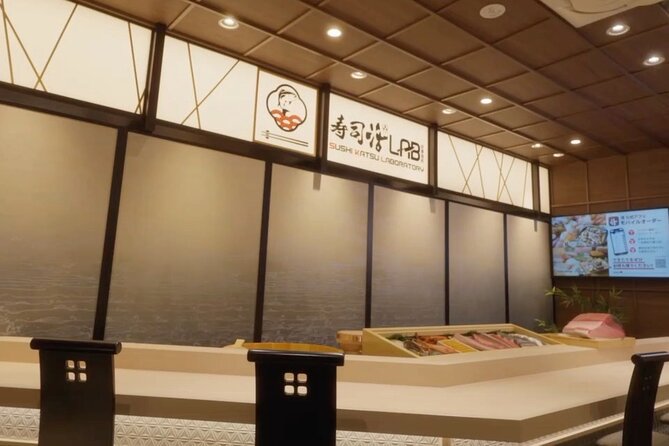
The heart of the class is shaping nigiri sushi. Nigiri is simple in theory, but it takes coordination. Rice temperature, pressure, and the way fish sits matter. That is why professional guidance is the real value here.
In your session, you will learn how to form nigiri that holds together, with fish properly placed and rice handled with care. Since the group stays small, you are more likely to get direct corrections while you work.
This is where I think the experience earns its popularity. You get to practice the mechanics of sushi like a craft, not like a recipe. When you leave, you likely will remember what the chef corrected, and that will help you order nigiri in a way that makes more sense.
Tamagoyaki Live Demo, Plus Rolled Egg You Can Taste
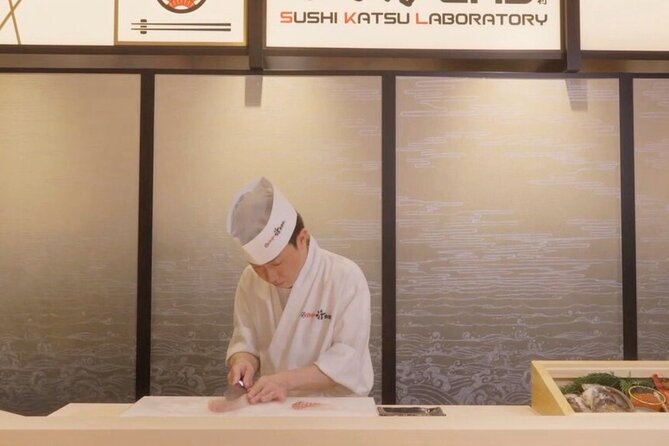
After the fish and nigiri shaping, you get a live demonstration of tamagoyaki, the Japanese rolled omelet. Even if you do not become a tamagoyaki expert that day, watching a chef do it live helps you understand why this dish is treated like a skill.
The class format also includes tasting. One review specifically noted that the freshly cooked broth rolled eggs were excellent. That lines up with how tamagoyaki is often built, with a delicate texture that can taste richer than you expect from something as simple as egg.
If you are thinking about bringing family or teens, tamagoyaki is a great hook. It is familiar enough to relate to cooking at home, but it shows a Japanese technique that feels special.
The Best Part, Eating Your Own Nigiri Right Away
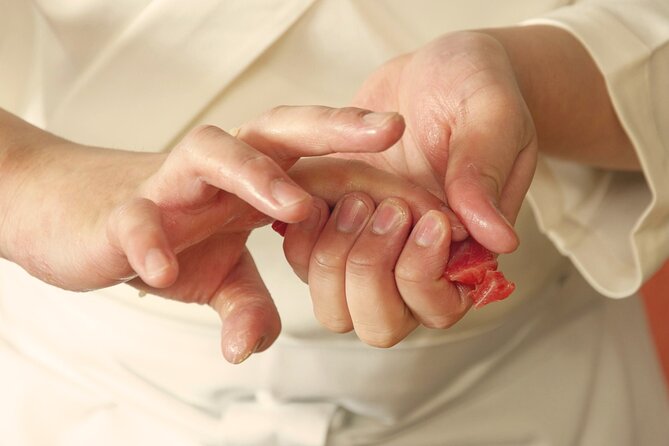
This class ends with you tasting the sushi you made on the spot. That is not just a nice ending, it is part of the learning cycle. You can connect technique with flavor immediately, and you get a clear sense of what worked.
You will also likely get memorable photos of your finished nigiri, especially since you are in chef-like clothing. It is one of those activities where the “souvenir” is actually edible and can also feel like proof that you did something real.
What should you pay attention to while you eat? Take notes in your head. Notice how the fish flavor changes with texture. Notice how the wasabi affects the bite. And notice how the rice holds together, since the shaping lesson is meant to influence that.
This is also a good point for people who are a little shy about ordering sushi in Tokyo. If you have never tried nigiri beyond tourist-friendly places, having made it first makes you more confident in conversations with chefs later.
Price and Logistics: Why $114.45 Can Be Good Value Here
Let’s talk money, because you should know what you are actually paying for. At $114.45 per person, you are not just buying a meal. You are buying a guided, step-by-step workshop that includes:
- VR fishing at the start
- hands-on work with fresh fish
- fresh wasabi grating
- a live tamagoyaki demonstration
- eating the sushi you created
- chef and staff support in a max 6 person group
Tokyo sushi can be expensive, and many standard meals do not teach you anything. Here, your “cost” includes learning time and ingredient handling. If your priority is understanding, skill, and an experience you can repeat at least in your imagination later, this pricing starts to make sense.
The duration, about 1 hour 30 minutes, also matters. It is long enough to get real practice, but short enough that it does not dominate your whole day. That is ideal if you are juggling museum time, neighborhoods, and long walks.
Who This Class Fits Best in Your Tokyo Days
This experience tends to suit several types of travelers:
- Beginners who want structured instruction and not just a sushi tasting
- Families, because the VR fishing helps younger people stay engaged
- Groups of friends, since the workstations and small group size make it social
- Foodies who want a skill, not only a plate
If you are traveling solo, you can still enjoy it because the class caps at 6. You will likely get enough attention that the chef can correct your technique without your session becoming awkward.
Who might skip it? If you only want to eat and do zero prep, you may find the hands-on approach slightly tiring. It is still friendly and guided, but it is not a passive experience.
Getting There in Nakameguro, and How to Plan Your Timing
The meeting point is GEMS Nakameguro2-chōme-13-3 Kamimeguro, Meguro City, Tokyo 153-0051, and the activity ends back at the meeting point. The location is described as near public transportation, which is helpful. In neighborhoods like this, trains and walking connections can be simpler than in the city center.
A practical way to schedule: build in a buffer before you start. Sushi work is sensitive to timing, and you will feel better if you are not rushing to arrive at the last minute. Also, with a meal you make yourself, you will probably want your schedule to avoid a super heavy dinner immediately afterward.
If you are bouncing between other parts of Tokyo the same day, treat this like an “anchor” activity. Once you do it, the rest of your evening can be slower and more flexible.
Is Booking This Sushi Making Class Worth It for You?
If you want a Tokyo activity that is hands-on, memorable, and genuinely sushi-specific, this is a strong choice. The biggest reasons are simple. You learn nigiri shaping with guidance, you get fresh wasabi grating, you watch tamagoyaki live, and you taste what you make. That is more than most food experiences.
Book it if you value practice over just sampling. Book it if you like the idea of learning from a professional chef in a small group. And book it if you want a “Tokyo story” you can tell later, because VR fishing plus your own nigiri gives you a clear narrative, not just a meal.
If you hate the idea of cutting fish or you only want passive tasting, consider another sushi option that is less hands-on. Otherwise, this is the kind of class that can turn sushi from confusing to approachable fast.
FAQ
How long is the Nigiri Sushi Experience?
It runs for about 1 hour 30 minutes.
What is the price per person?
The price is $114.45 per person.
Where does the experience meet, and where does it end?
It meets at GEMS Nakameguro2-chōme-13-3 Kamimeguro, Meguro City, Tokyo 153-0051, Japan, and it ends back at the meeting point.
Is the group size limited?
Yes. The experience has a maximum of 6 travelers.
What’s included in the class?
You start with a VR fishing adventure, then you do hands-on sushi making with a professional chef, learn how to handle fresh fish and shape nigiri, try grating fresh wasabi, watch a tamagoyaki demonstration, and taste the sushi you make.
Can I cancel for a full refund?
Yes, you can cancel for a full refund if you cancel at least 24 hours before the experience’s start time.
More Tour Reviews in Tokyo
Not for you? Here's more nearby things to do in Tokyo we have reviewed












Tokyo City Tours, side by side.
 ★ 5.01-Day Tokyo Bus TourFrom $12914,250 reviews
 ★ 4.5TOKYO SKYTREE® Admission ticketFrom $1311,192 reviews
 ★ 4.6teamLab Planets TOKYO Digital Art Museum Entry TicketFrom $259,779 reviews
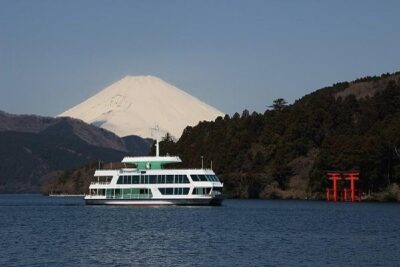 ★ 4.0Mt Fuji & Hakone Cruise, Drum Show Bullet Train 1 Day from TokyoFrom $1497,413 reviews
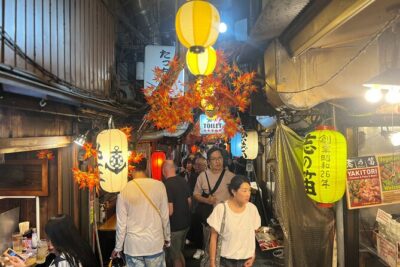 ★ 5.0Shinjuku Food Tour (13 Dishes at 4 Local Eateries)From $866,603 reviews
 ★ 4.4Tokyo Mt Fuji 5th St & Hakone Cruise Bus Tour w/Bullet TrainFrom $1545,024 reviews
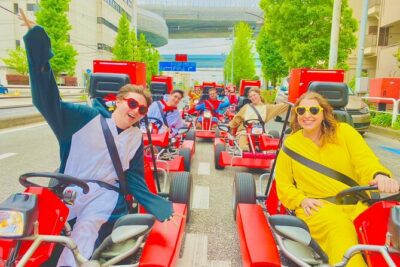 ★ 5.0Flagship 2-Hours Official Street Go-Kart Tour – Tokyo Bay ShopFrom $644,974 reviews
 ★ 4.5From Tokyo: Mount Fuji Full-Day Sightseeing TripFrom $684,970 reviews