
Review · SHIBUYA TOURS
Tea Ceremony Experience in a Private Tea Room in Shibuya
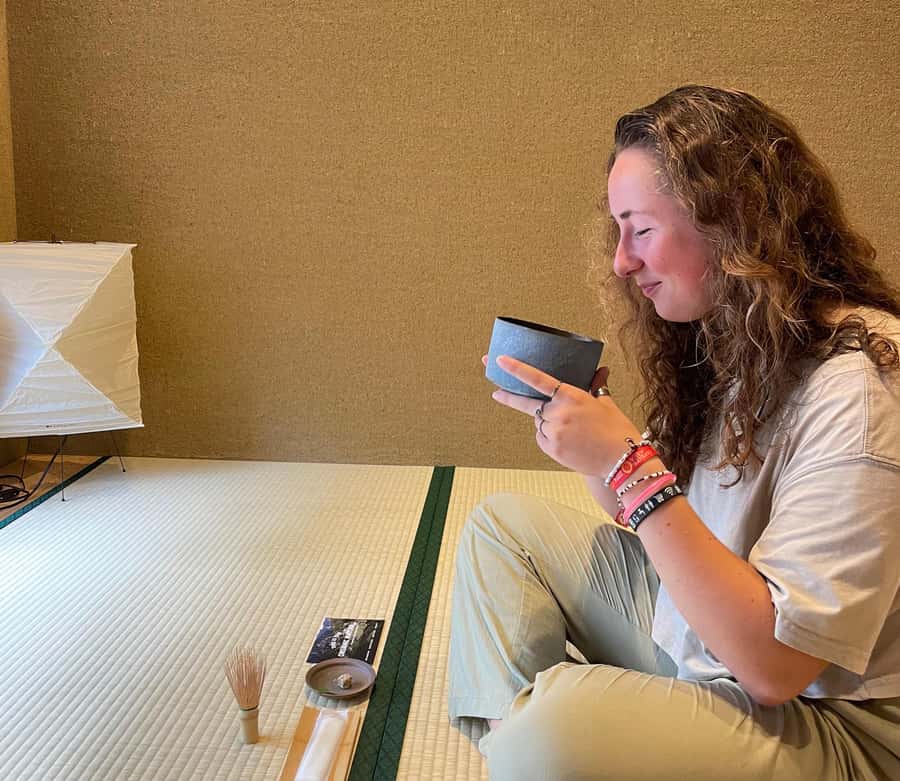
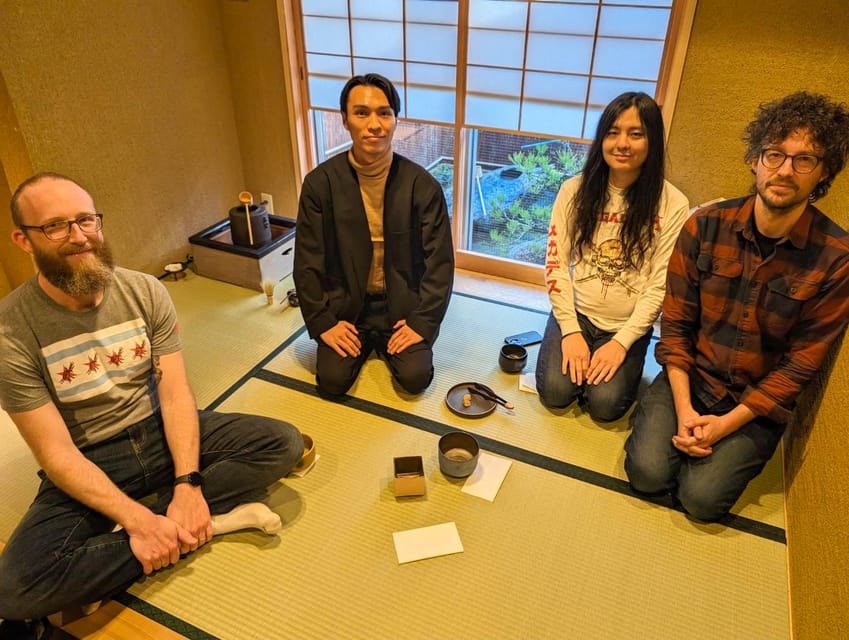
Shibuya, but make it quiet. You get a traditional tea ceremony in a private room steps from the action, plus high-grade organic matcha from EAST GREEN MATCHA. I like that the experience is structured and calm, and you get both the history and the hands-on part.
The two things I really like: the tea master-style guidance (with clear steps for whisking and drinking) and the top-quality organic matcha, described as only 2% of Japan’s harvest. One possible drawback to note: there is no toilet in the tea room, so plan ahead.
Key moments that make Tea Room KAKOI worth it
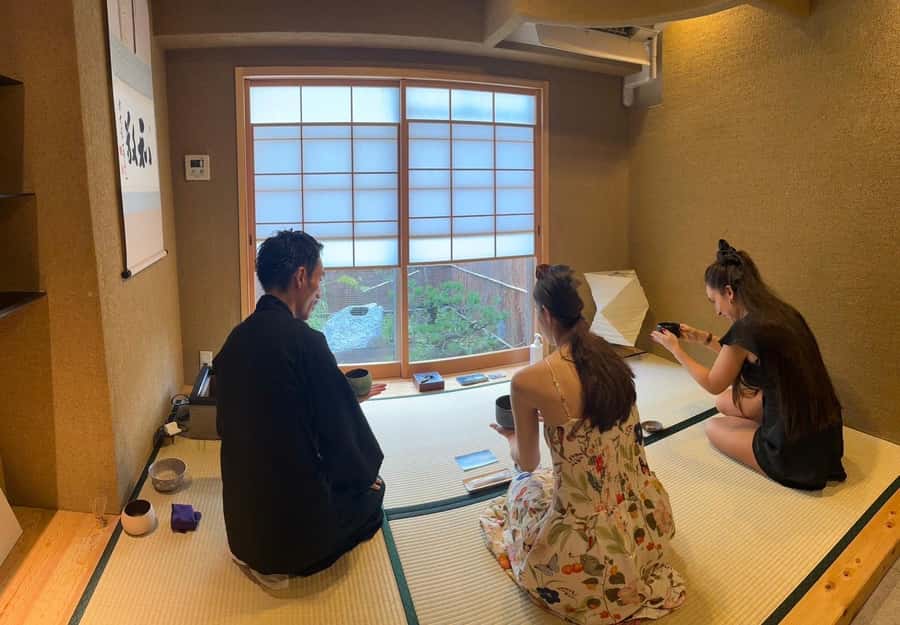
- Private tea room in Shibuya, about an 8-minute walk from Shibuya Station
- EAST GREEN MATCHA organic matcha, described as coming from only 2% of the harvest
- A guided flow from tea ceremony history to making and drinking matcha in formal style
- A matcha-making session where the host teaches technique and significance
- Traditional wagashi sweets from a shop with over 200 years of history
- Optional time at the end to ask questions and buy matcha or tea tools as souvenirs
Private Tea Room in Shibuya, Tea Room KAKOI Near Shibuya Station
Shibuya is loud in the best way, but this experience gives you a hard cut to calm. Meeting at the front of The OneFive Tokyo Shibuya hotel is easy enough, and you’ll look for the guide holding a sign that says TEA ROOM KAKOI. It’s a straightforward start, which matters when you’re navigating a station area full of signs and crowds.
From Shibuya Station, it’s about an 8-minute walk, so you do not need a long commute to get your tea fix. I also like that the tea room is in the middle of real neighborhoods, not some far-out tourist pocket. Several details point to it being a true local setup, including the idea that you’re taken into an intimate tea space within an apartment block area, which helps the whole thing feel grounded.
One thing to plan for: the tea room has no toilet. That’s the kind of detail that can ruin your mood if you only realize it halfway through your day. If you’re juggling a busy Shibuya schedule with Meiji Shrine or Shibuya Scramble Crossing, I recommend building in a comfort window before your start time.
You can also read our reviews of more private tours in Tokyo

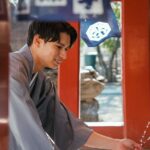
EAST GREEN MATCHA and the 2% Harvest Organic Story
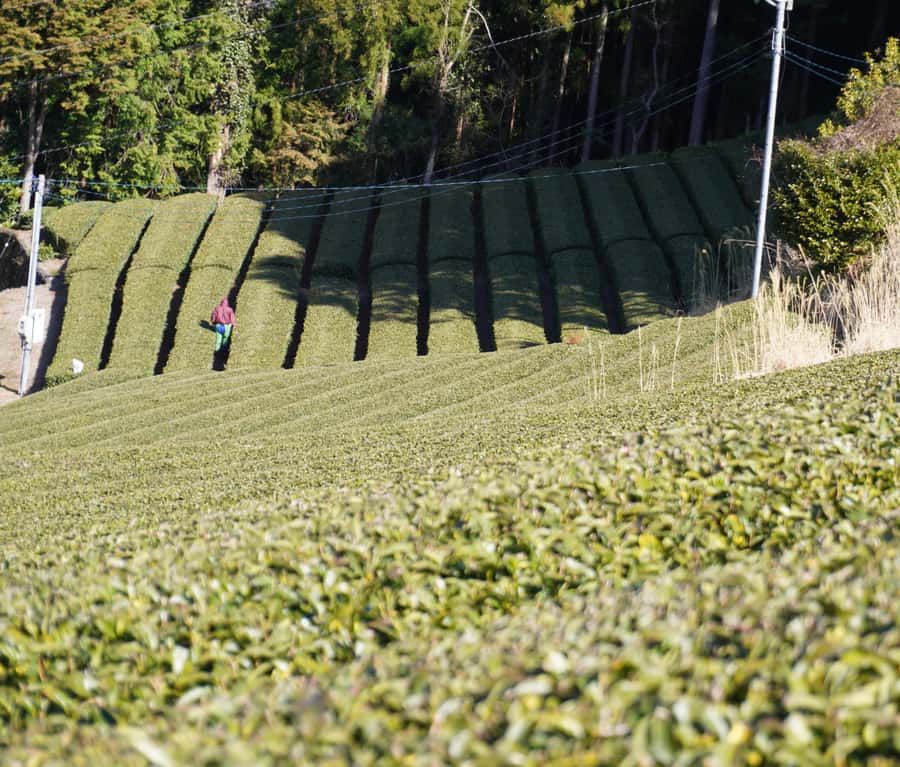
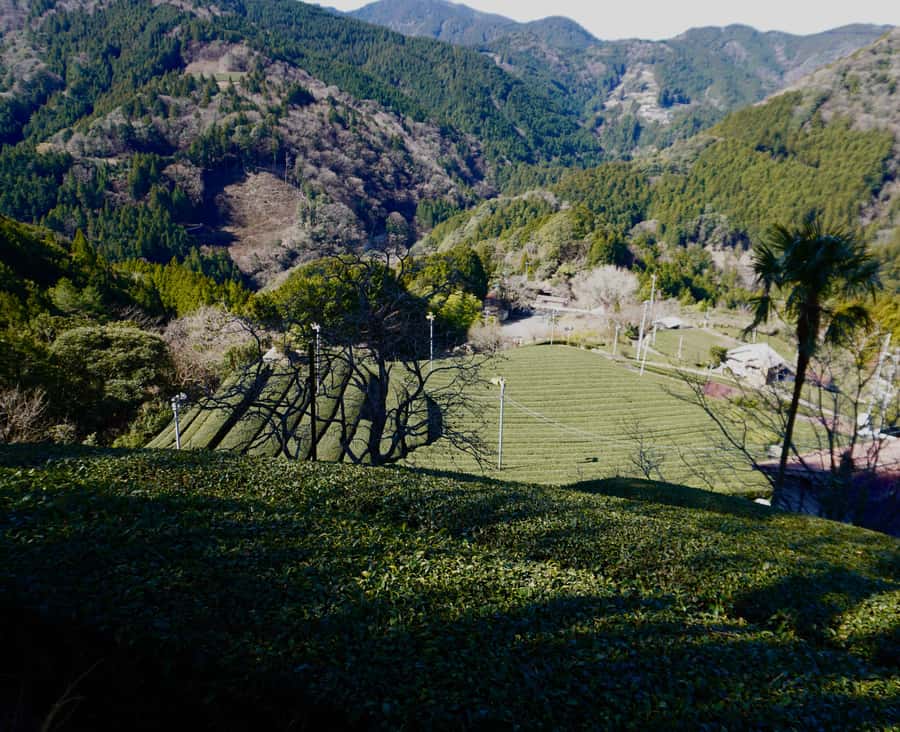
Matcha can be a lot of things, from thin and bitter to thick and smooth. What makes this ceremony special is the matcha source: EAST GREEN MATCHA, described as premium organic, and rare enough to represent only 2% of the harvest in Japan.
That 2% figure is your clue that the product is not meant as a casual add-on. It’s meant for tasting in the way the tea ceremony treats it, with attention to texture, aroma, and how the flavor lands after you sip it slowly. And because the experience is built around this matcha, you’re not just drinking something green. You’re learning why ceremonial matcha is handled differently than everyday matcha drinks.
You’ll also hear about how matcha is produced and the role it plays in the broader story of Japanese tea ceremony culture. Even if you’re not a food nerd, you’ll probably catch the basic idea quickly: matcha is shade-grown, ground from whole tea leaves, and its quality shows up in the final cup. The host’s job here is to connect those dots without turning the class into a lecture.
Finally, matcha includes caffeine, so if you’re sensitive at night, keep that in mind. On the other hand, if you want a pleasant, gentle lift rather than a coffee jolt, a high-quality matcha ceremony is often a better fit than instant caffeine.
How the Ceremony Runs, History to First Matcha Sip
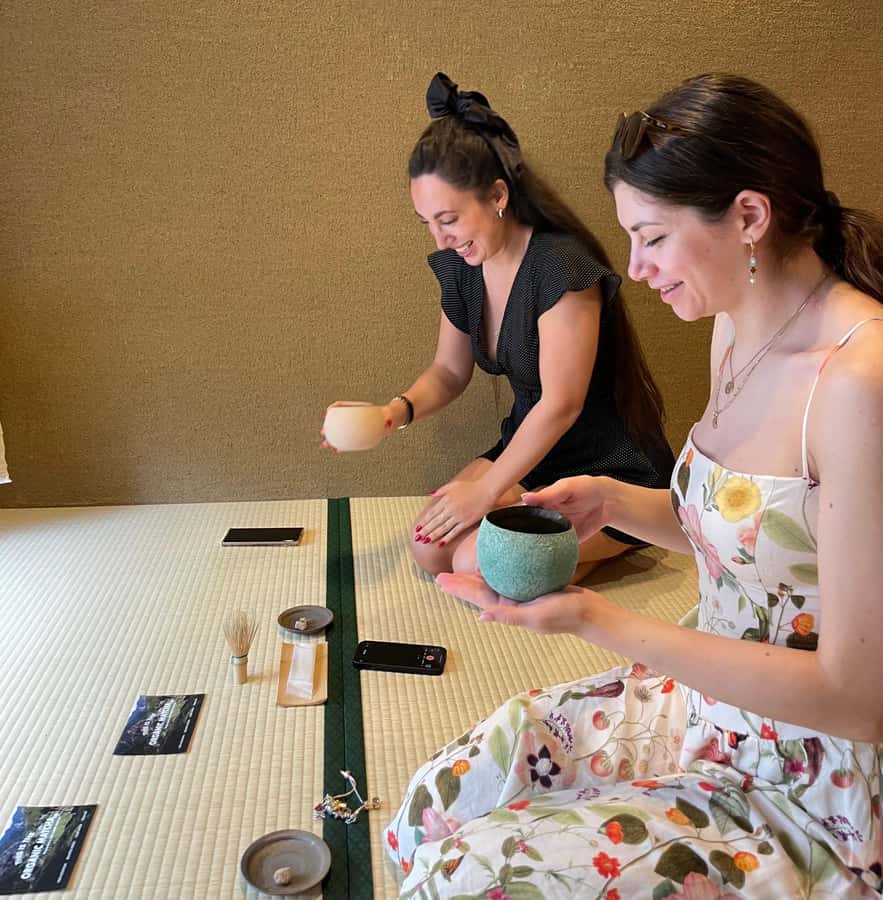
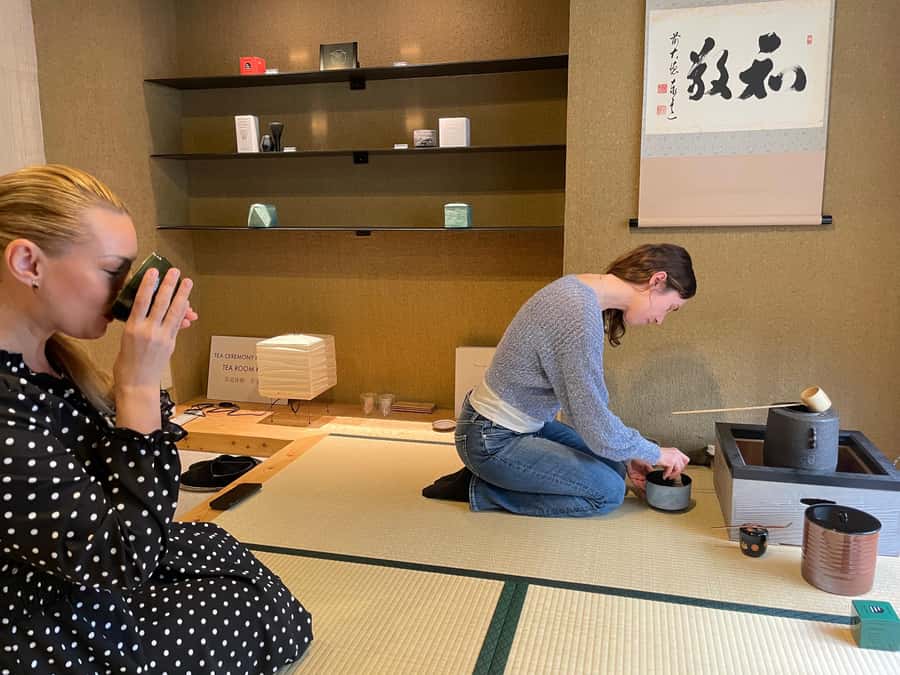
The flow is clear, and that’s a big plus if you’re not sure what to expect. You begin with conversation about the traditional Japanese tea ceremony, plus the history of matcha and why it’s celebrated far beyond Japan for its health benefits. Then the host moves from storytelling to action.
Next comes the preparation and serving, in formal tea ceremony style. You get to taste the matcha with traditional sweets, which is important because wagashi is not just dessert. It’s part of balancing the experience: sweetness and texture help you notice the matcha’s flavor more precisely, especially the difference between bitterness, umami, and that grassy finish.
One detail I’d take seriously is the emphasis on respect for the objects used in the ceremony. In practice, that means you’re not just watching someone make tea. You’re learning how to slow down, how to handle the moment, and how to take the ritual seriously without it feeling stiff. Several highlights from past participants point to the host explaining both the calm mindset and the practical steps in a way that keeps you engaged.
If you’re hoping for an experience that feels both educational and relaxing, this format does that well. You get background first, then the cup arrives, then you learn how to drink it properly, and you finish with room to ask questions.
Learning to Whisk Matcha Like a Pro, Without Feeling Rushed
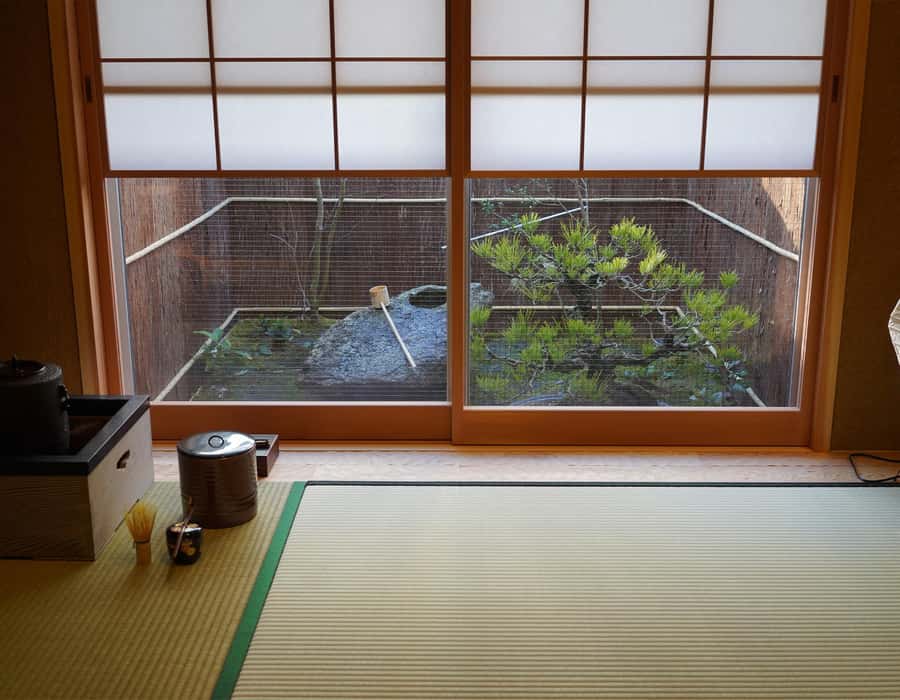
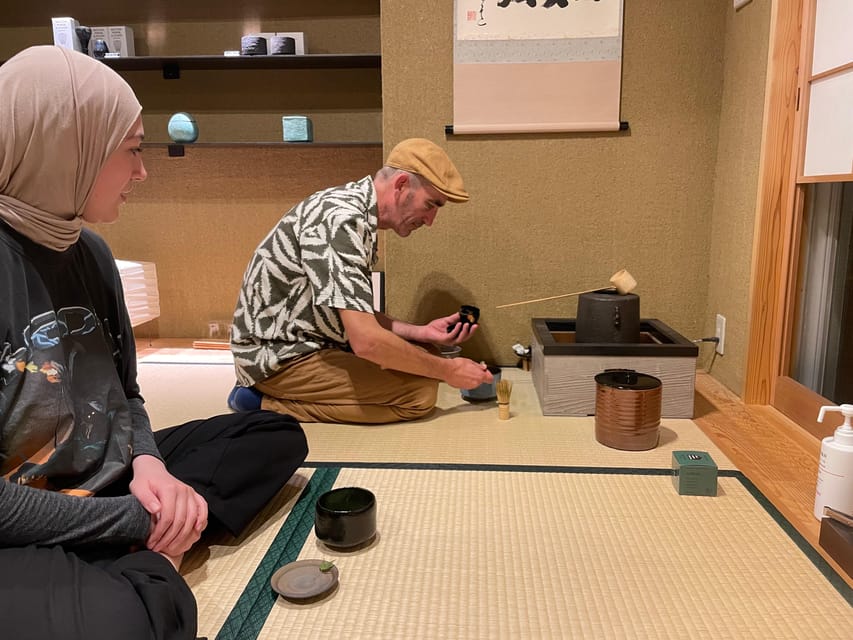
The best part for many people is the chance to make your own matcha. It’s not just a photo moment. The host guides you through the steps and the significance behind them, so you understand what you’re doing and why it matters.
Matcha whisking is where quality shows up. You want the right consistency, and you want the foam that makes the drink feel smooth rather than flat. During the session, you’re taught techniques for preparation, and then you’re shown how to drink it in the traditional way.
I like that this is taught as a skill, not a magic trick. That means even if your first whisk is imperfect, you can correct fast because you have someone watching and explaining. Based on what people liked in past experiences, the host tends to be patient and answers questions directly, which makes the whole class feel less intimidating.
Also, because you’re in a private tea room setting, you’re more likely to get personal attention. This is one of those experiences where small details matter, like the rhythm of actions and how you’re encouraged to focus on each tool and movement.
And if you’re the type who likes bringing home something usable, keep an eye out for the optional tea tools purchasing at the end. It’s one thing to taste matcha, and another to recreate the basics in your own kitchen.
Wagashi Sweets, Questions, and Tea Tools You Can Take Home
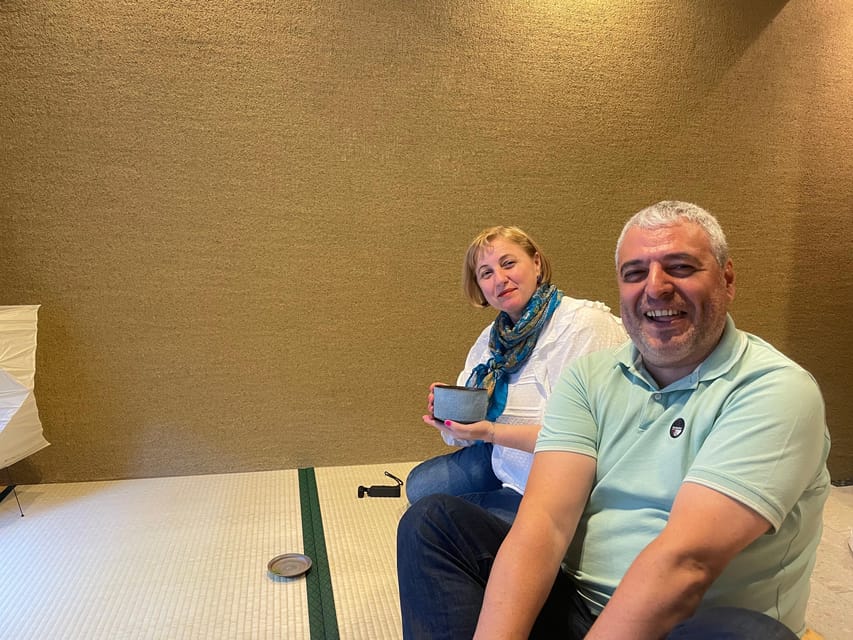
Tea ceremony is not only about the matcha cup. It’s also about the pairing. Here, you get traditional Japanese sweets (wagashi) from a shop described as having over 200 years of history. That’s a strong sign you’re not getting generic packaged sweets. Wagashi often changes with the season and style, and even if you don’t know the categories yet, the point is that you taste the ceremony as a whole.
After the ceremony and your matcha-making session, there’s time for free questions. This is where the experience becomes more than a script. If you want to ask about matcha grade differences, proper whisking, or why the ritual uses certain movements, this is the moment to do it. You’ll also have the chance, if you wish, to purchase high-quality organic matcha and original tea tools as souvenirs.
One practical note: you may want to bring a small plan for shopping. If you’re walking around Shibuya later, consider whether you want to travel light. If you do buy tools, make sure you have a safe way to carry them, since these items can be delicate.






Price and Value for a $30 Matcha Ceremony
At about $30 per person, this sits in the “affordable treat” zone, not the luxury-only zone. The key question is what you get for that money, and in this case you get multiple layers.
First, you get a true private tea room atmosphere in central Shibuya, which is hard to find without higher costs. Second, you get premium organic matcha from EAST GREEN MATCHA, with that standout detail that it represents only 2% of the harvest. Third, you don’t just watch. You handle the process during the matcha-making session, so you’re paying for learning plus a tasting.
If you’ve tried standard matcha tastings before, you know how often they turn into quick sips. Here, the structure is built around ceremony steps, including history, formal preparation, serving, and then your own whisking. That makes the price feel more like a hands-on class than a quick activity.
Is it expensive compared to grabbing matcha from a cafe? Sure. But it’s different. This isn’t just matcha. It’s the cultural context and a chance to learn technique in a focused setting.
For best value, I’d book it on a day when you want a break from constant walking. Tea ceremony can be your reset button in a long Tokyo itinerary.
Important Notes: No Toilet, Caffeine, and Who Should Skip
There are a few clear “know before you go” items that can change the experience, even if everything else is perfect.
- No toilet in the tea room. Plan a stop near your meeting area before you begin.
- Caffeine is included. If you’re sensitive, time your session earlier in the day.
- Not suitable for children under 10. The ceremony setting and format are best for older kids and adults.
- Not suitable for pregnant women based on the provided guidance.
- Not suitable for babies under 1 year, and pets are not allowed (assistance dogs are allowed).
Also, the experience is offered in English and Japanese, which is helpful because tea ceremony can include small nuances that are easier to learn when you can ask questions in your comfort language.
One more practical tip: this is a calm, ritual-focused setting. If you’re the type who needs constant entertainment or doesn’t like quiet, you might find the pace slower than expected. But if you enjoy learning details, the calm setting is exactly the point.
Should You Book Tea Room KAKOI in Shibuya?
I’d book it if you want a real tea ceremony experience in central Shibuya, not a rushed tasting. The private tea room setup, the guided matcha-making session, and the fact that the matcha is described as high grade organic from EAST GREEN MATCHA make it feel purposeful.
You might skip it if you absolutely need toilet access during the activity, if you’re planning something late at night due to caffeine, or if your group includes someone in categories listed as not suitable (like children under 10 or pregnant women).
If you’re visiting Tokyo and you want one experience that slows you down and teaches you something you can actually practice later at home, this is a strong candidate.
FAQ
What’s the meeting point for Tea Room KAKOI in Shibuya?
You meet at the front of The OneFive Tokyo Shibuya hotel at 1-8-11 Jinnan, Shibuya-ku, Tokyo 150-0041. The guide holds a sign board that says TEA ROOM KAKOI.
How far is it from Shibuya Station?
It’s about an 8-minute walk from Shibuya Station.
Is the tea room inside a hotel or a separate space?
The experience takes place in an authentic tea room setup referred to as Tea Room KAKOI, with the host guiding you to the tea room from the meeting point area.
What’s included in the ceremony?
Included are organic matcha, traditional wagashi sweets, a matcha-making session where the host guides you, and everything needed for the experience.
Can I buy matcha or tea tools as souvenirs?
Yes. At the end, if you wish, you can purchase high-quality organic matcha and original tea tools.
Is there a toilet in the tea room?
No. There is no toilet in the tea room.
More Private Tours in Tokyo


More Tour Reviews in Tokyo
Not for you? Here's more nearby things to do in Tokyo we have reviewed












Shibuya Tours, side by side.
 ★ 5.0Official Street Go-Kart in ShibuyaFrom $763,435 reviews
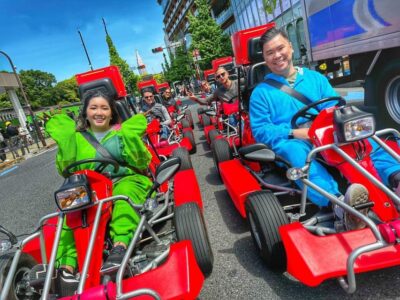 ★ 4.9Street Kart Experience in ShibuyaFrom $741,484 reviews
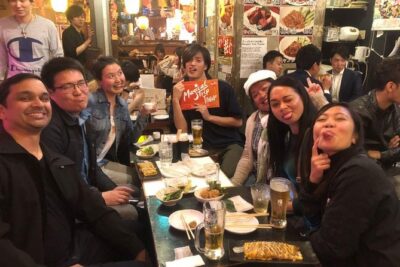 ★ 5.0Shibuya Meltdown Nightlife Tour: All-You-Can-Drink Bar HoppingFrom $1061,058 reviews
 ★ 5.0Shibuya Official Street Go-Kart in Shibuya AnnexFrom $69972 reviews
 ★ 5.0Shibuya Food Tour (13 dishes and 4 Eateries)From $77770 reviews
 ★ 5.0Best of Shibuya Food TourFrom $217612 reviews
 ★ 4.8Shibuya Highlights Walking TourFrom $19601 reviews
 ★ 4.7Premium Go-Kart Tour with Tower & Shibuya CrossingFrom $116528 reviews
This tour also belongs to