
Review · ASAKUSA TOURS
Tokyo: Asakusa Kimono Dressing and Matcha Experience
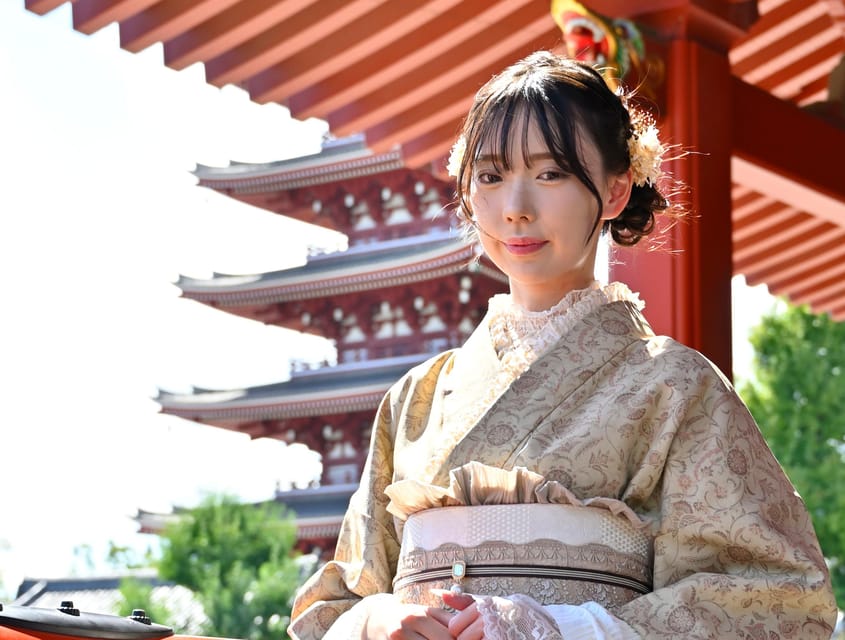
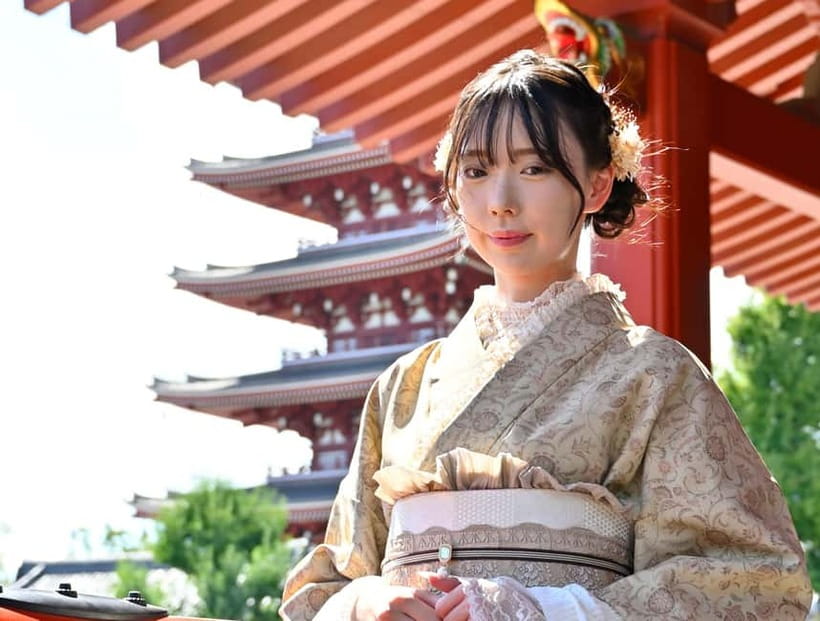
Tokyo’s Asakusa turns into a photo set when you add a kimono. This 2-hour Asakusa kimono dressing and matcha experience lets you pick from lots of kimono and yukata, get a styled updo, then walk the streets near Sensoji Temple in traditional outfit. I like that the staff are patient and detail-focused, and that the matcha part includes a lesson on how to drink it the right way.
The second thing I really like is value: for $56 you’re not just renting fabric. You also get footwear, a handbag, and matcha tea with sweets, plus kids can join. The one consideration is timing. It usually takes 45 to 70 minutes to get dressed and styled, so you’ll want to schedule your day so you can return by 17:30 without stress.
Key highlights that make this Asakusa experience worth it
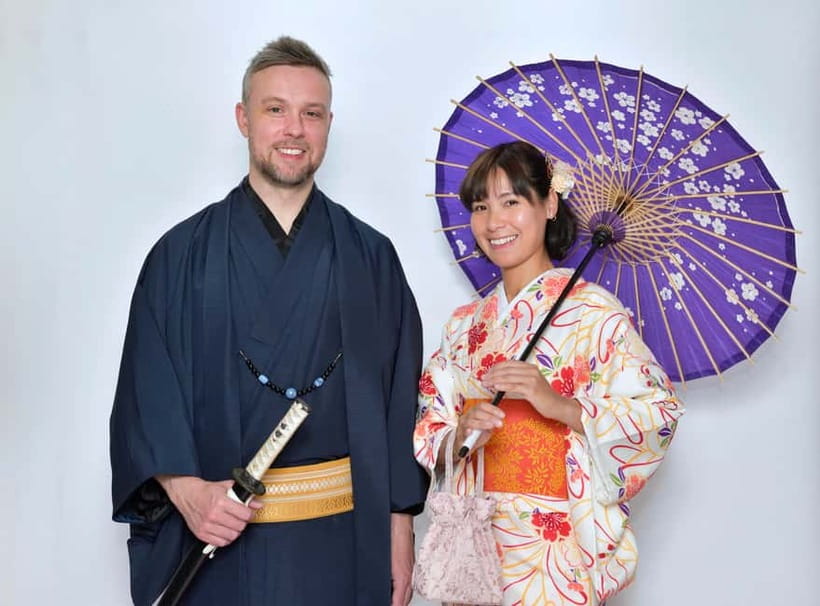
- Huge choice of kimono and summer yukata, plus upgrades like silk options and special styles for an extra cost
- Hairstyle and accessories included, not an afterthought, and the fitting process is handled with care
- Matcha lesson with tea ceremony etiquette, including sweets alongside the tea
- Walk-out-and-explore freedom after dressing, focusing on the scenic lanes around Sensoji and Asakusa
- Optional private photo shoot near Sensoji Temple and the Sumida River (60 minutes)
First stop: YUI near Kaminarimon, designed for an easy start
You start at kimono rental shop YUI, positioned in a super convenient pocket of Asakusa. It’s about a 4-minute walk from Asakusa Station and roughly 2 minutes from Kaminarimon gate, so you’re already close to the historic core.
Your exact meeting point is simple: take the elevator to the 2nd floor of the building. That sounds minor, but it matters in Japan where directions can be clear or vague depending on the day.
What I like here is the layout supports a smooth flow. You’re not hunting for a small shop on a side street. And once you’re inside, the experience is set up to move you from choosing clothes to wearing clothes without big gaps.
You can also read our reviews of more tours and experiences in Tokyo.

Choosing your kimono or yukata, and why the staff matter
The heart of this activity is choosing your outfit. You’ll browse a wide lineup of kimonos and summer yukata, then get help selecting something that fits your look, the season, and the vibe of Asakusa. Many people expect a small rack and a quick decision. Here, the lineup is big enough that you can actually compare colors and styles.
On top of the standard options, there are higher-end styles available for extra cost, including lace kimono, silk kimono, haori hakama, and furisode. If you want the most dramatic, formal look, this is where you’d upgrade. If you want something lighter for comfortable walking, they also have easier options designed for street time.
Then comes the part that often makes or breaks kimono rentals: the fit and finishing. The staff provide a suitable hairstyle and colorful accessories, and they add traditional pieces like the handbag you carry and the geta wooden sandals (with the typical look, not sneakers underneath).
One thing I strongly value is how personal it feels. From the service feedback, the team consistently takes time with hair and with the details of dressing. That is the difference between wearing a costume and wearing something that feels like it belongs to you.
Wearing geta sandals in Asakusa: fun, but plan your pace
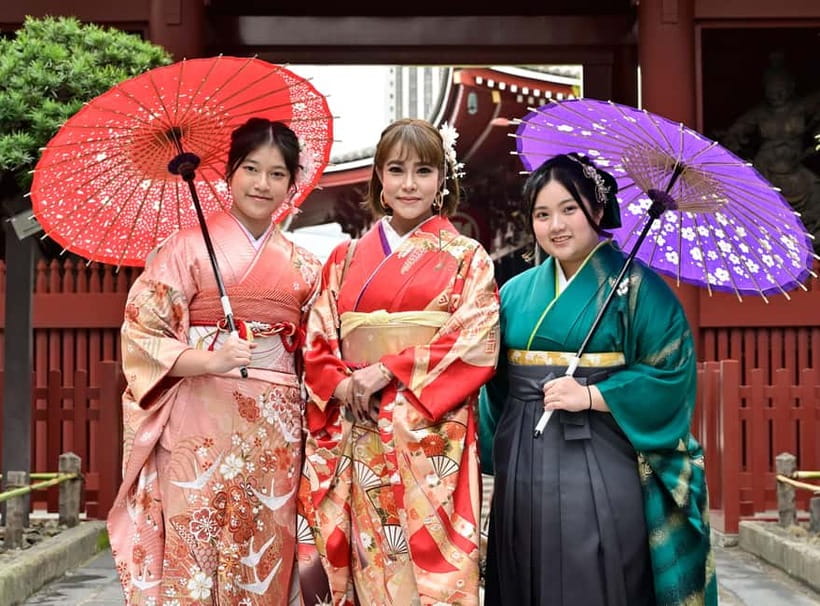
Once you’re dressed, you get time to explore on your own. That’s part of the charm. Asakusa’s back streets are scenic, and wearing kimono turns normal walking into a real experience. You’ll be in the area built around Sensoji Temple and close to the river views in the wider Asakusa neighborhood.
But let’s be practical. Geta sandals are not hard to understand, but they do change your walking style. You may feel taller, and the stepping rhythm takes a minute to get used to, especially on uneven pavement. If you’re wearing layers, you’ll also want to watch your stride and avoid rushing.
Comfort trick: plan for slow sightseeing. Take a few photos early, then move at a relaxed pace so you’re not doing urgent sidesteps every few blocks. Asakusa rewards wandering, and the kimono makes you more aware of where you’re stepping, what you’re holding, and how you move. That sounds like a hassle, but it also makes the whole day feel more deliberate.
Matcha lesson plus sweets: etiquette you can actually use
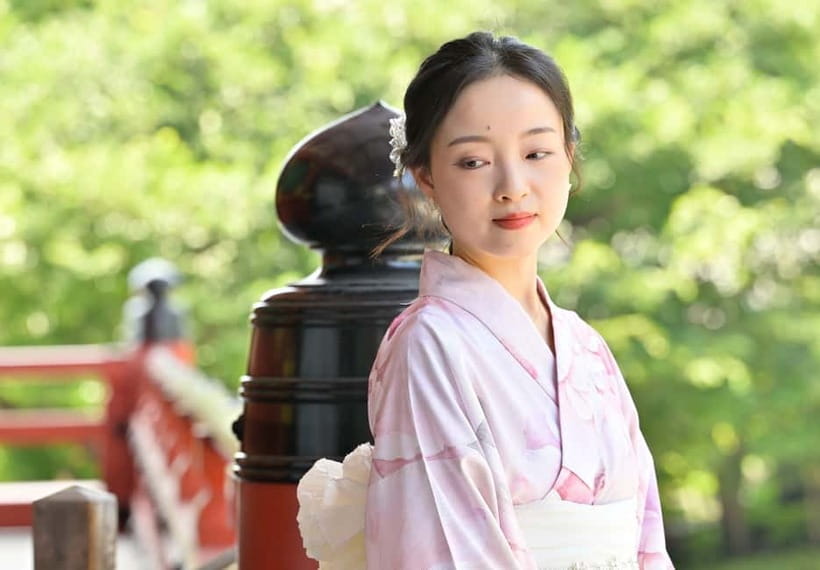
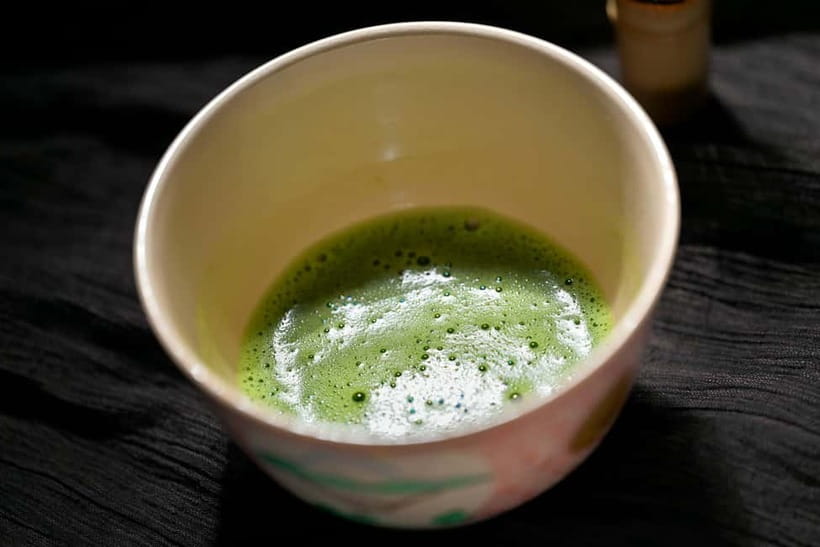
After dressing, you’ll do the matcha experience. The lesson takes about 15 minutes, and it’s guided in English. The focus is on how to drink matcha in line with Japanese tea traditions.
This is not just tasting a drink. It’s learning the little etiquette points that make matcha more than green-flavored tea. You also get matcha tea and sweets, so you get a full sensory moment, not a tiny sip and a shrug.
The tea ceremony comparison matters because matcha is treated seriously in Japan. When you know how it’s supposed to be enjoyed, the flavor makes more sense. It’s less random, more intentional. And that turns the experience from souvenir activity into something you can repeat at home.
One more note for your expectations: the activity includes the matcha lesson, but it does not list a full tea ceremony as included. So you’ll likely get a guided etiquette and preparation walkthrough, rather than a formal, long ceremony setting.
Optional private photo shoot near Sensoji and the Sumida
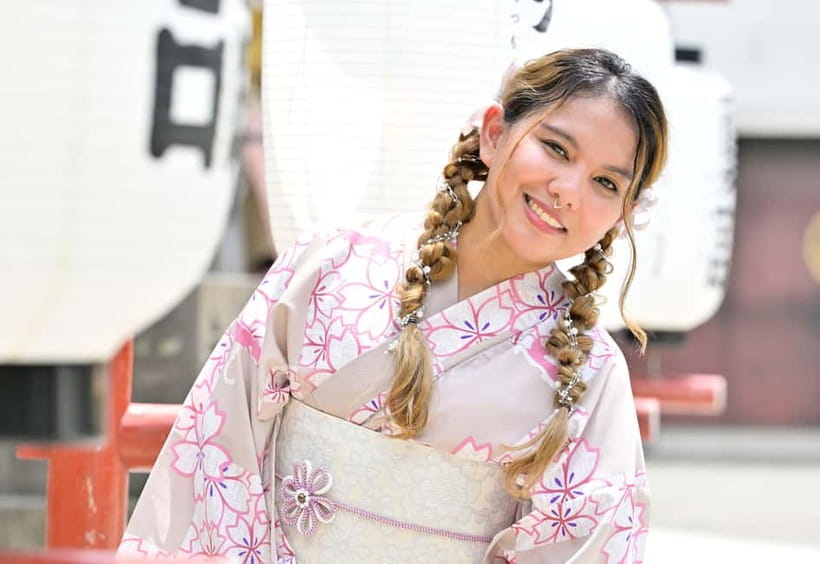
If you want your kimono time to look like a magazine spread, add the photo session. The add-on is a private photo shooting session that lasts 60 minutes and includes a professional photographer.
The photographer will help you hit photogenic spots around Sensoji Temple and the Sumida River. They’ll also guide poses, which is great because standing in kimono with geta sandals can make people freeze up. You get direction that helps you look natural instead of awkward.
Photo delivery is another practical win. The captured photo data gets sent to you to download after editing within a week. That means you’re not just stuck with whatever your phone caught in a hurry.
If you’re traveling solo or as a couple, this add-on can be especially valuable. You don’t have to trade your spot in photos with other people. The session is built so you get coverage while still dressing and walking normally.
Timing and what fits into the 2 hours
Let’s make this realistic. Your session timing works like this:
- Dressing and hairstyle: typically 45 to 70 minutes
- Matcha experience: about 15 minutes
- Return requirement: you must return the kimono no later than 17:30
That “no later than 17:30” part is important because you’re not keeping the outfit all day by default. The shop’s operating hours are 9:30 to 17:30. If you book a start time late in the day, you’ll feel rushed trying to finish dressing, matcha, and photos, then still get back in time.
Also remember: the included plan includes time to explore after dressing. That walk time is where the kimono pays off. So choose an arrival time that gives you a comfortable early start in Asakusa rather than squeezing it between other tight plans.
If you want more time in your outfit, there is an option for next day return service, but it’s listed as an extra cost.
Price and value: why $56 can feel like more than rental math
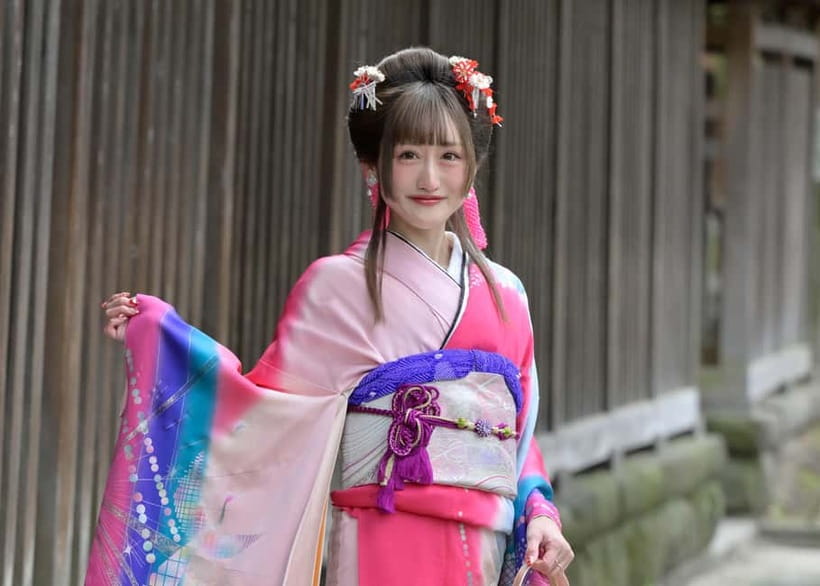
At $56 per person for a 2-hour experience, you’re paying for more than fabric rental. The included package lists:
- Kimono or yukata rental for adults and children
- Hairstyle and accessories, including footwear and handbag
- Matcha tea and sweets
- Optional photo shooting session as an add-on
That combination is the value equation. Rental alone is usually just the outfit. Here, you also get professional styling time and traditional finishing pieces that make the outfit look right and feel complete. If you’ve ever tried to DIY a hairstyle and accessories before, you know how quickly that turns into an exhausting project.
And kids are included, which can make this more affordable than separate family plans where parents get the full experience and kids get stuck with minimal options.
The cost tradeoff is mostly about scope and extras. Upgrades like silk and special formal styles can cost more. The photo session costs extra as an add-on (price not provided in your info), and next day return costs extra too. But the base package still covers the key moments: outfit, styling, and matcha.
Who should book, and who should skip
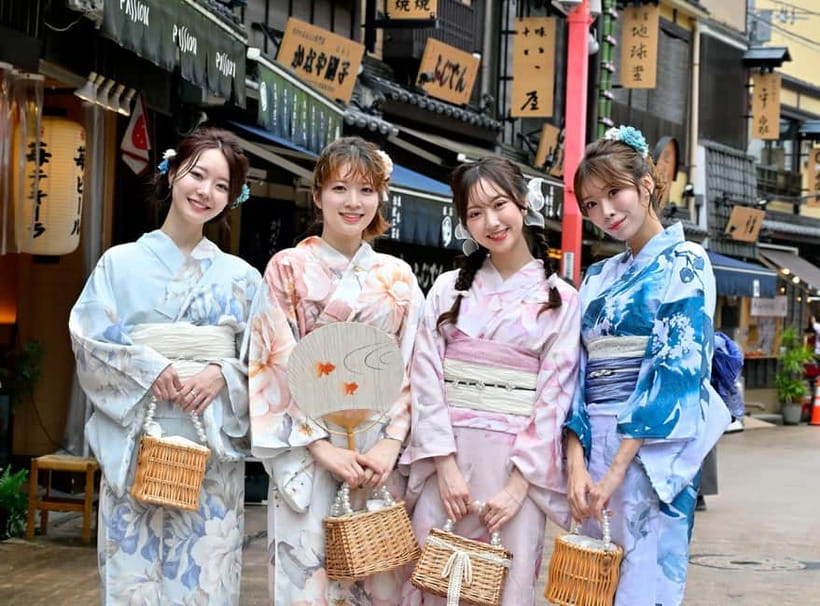
This experience is a strong fit if you want an authentic-feeling way to see Asakusa without spending the day in a formal class. It’s also practical for families, since the shop provides kimono for children and the experience is described as suitable for children and wheelchair users. The experience is also offered in English, which matters in Japan when you want to understand the details, not just follow gestures.
Two groups should take extra care.
- Pregnant women: it’s listed as not suitable.
- Anyone with very tight mobility or balance needs: kimono + geta sandals can require careful walking, even though the experience is wheelchair accessible.
Who it suits best:
- First-time kimono wearers who want guidance
- People who want the matcha etiquette piece, not just a drink
- Couples, friends, and families who want a shared photo moment near Sensoji
- Solo travelers who want staff help so the photos actually look good
Small details that change the whole day
These aren’t dealbreakers, but they’re the stuff that makes the experience smoother.
First, bring the mindset that getting dressed takes time. 45 to 70 minutes is normal here, not a rushed line. If you’re late to the start, you’ll feel it.
Second, plan for limited storage. Large luggage storage is not included, though it’s available at an additional cost. If you’re only carrying a small day bag, you’re probably fine. If you have big luggage, plan ahead so you’re not improvising.
Third, keep an eye on the included versus not included items. Makeup is not included, and a full tea ceremony is not included. You will get the matcha lesson and traditions guidance, but don’t expect a long formal ceremony setting.
Should you book the Asakusa kimono + matcha experience?
Yes, if you want one activity in Tokyo that changes your day visually and culturally. The strongest reasons to book are the combination of real kimono dressing, hands-on matcha etiquette, and the chance to walk Asakusa immediately after. You also have an easy optional upgrade if photos matter to you, and the service reputation is consistently high in the way the staff handle people patiently, including kids and tricky hair needs.
Hold off or reconsider if you want a long, guided tour with lots of history stops. This experience is structured around dressing, matcha, and freedom to explore, not a full guided walkthrough with a tour guide. Also skip if you’re pregnant, and plan your schedule so you can return the kimono by 17:30.
If your goal is to see Asakusa in a way that feels special, and you like learning a simple cultural skill you can use later, this is a very solid choice.
FAQ
Where does this experience start?
You meet at kimono rental shop YUI. Take the elevator to the 2nd floor of the building.
What is included in the price?
The package includes kimono or yukata rental for adults and children, hairstyle and accessories (hair accessories, footwear, handbag), and matcha tea with sweets.
Is a photo shoot included?
No. A photo shooting session is an add-on option. It lasts 60 minutes with a professional photographer, and edited photo data is sent for download within a week.
How long does the experience take?
The overall duration is listed as 2 hours. Dressing and hairstyle typically takes 45 to 70 minutes, and the matcha experience takes about 15 minutes.
What time do I need to return the kimono?
You must return the kimono no later than 17:30.
Does this experience include tea ceremony?
The activity includes a matcha lesson on how to drink it with traditions of the Japanese tea ceremony, but the listing states that tea ceremony is not included.
Is the experience offered in English?
Yes, the host or greeter is English.
Is it suitable for wheelchair users and children?
Yes. It is described as suitable for children and wheelchair users.
Are there any extra-cost clothing upgrades?
Yes. Lace kimono, silk kimono, haori hakama, and furisode are available at an extra cost.
Is it refundable if my plans change?
Free cancellation is offered up to 24 hours in advance for a full refund.
More Tour Reviews in Tokyo
Not for you? Here's more nearby things to do in Tokyo we have reviewed



Asakusa Tours, side by side.
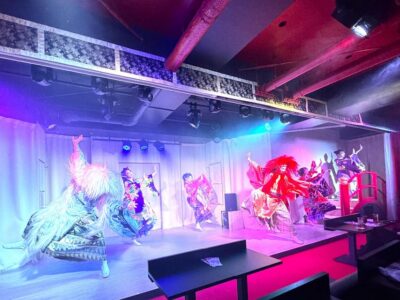 ★ 4.8Japanese Dance Cabaret Theater Asakusa-Kaguwa TicketFrom $492,270 reviews
 ★ 4.7Meiji Shrine, Asakusa, Skytree Bus Tour and CruiseFrom $1221,986 reviews
 ★ 4.9Roll and Authentic Sushi Making Class in AsakusaFrom $581,957 reviews
 ★ 4.8Asakusa Walking Tour with Sensoji Temple VisitFrom $221,583 reviews
 ★ 5.0Tokyo Asakusa Rickshaw TourFrom $421,375 reviews
 ★ 4.5Tokyo Panoramic 1 Day: Meiji Shrine, Asakusa, Odaiba and SKYTREE®From $851,222 reviews
 ★ 5.0Tokyo Go Kart: Asakusa, Skytree, and Akihabara **IDP MUST**From $99988 reviews
 ★ 4.7Asakusa, Skytree & Akhihabara Go-Kart City ExperienceFrom $96761 reviews
This tour also belongs to