
Review · ASAKUSA TOURS
Tokyo: Asakusa Kimono Rental Experience
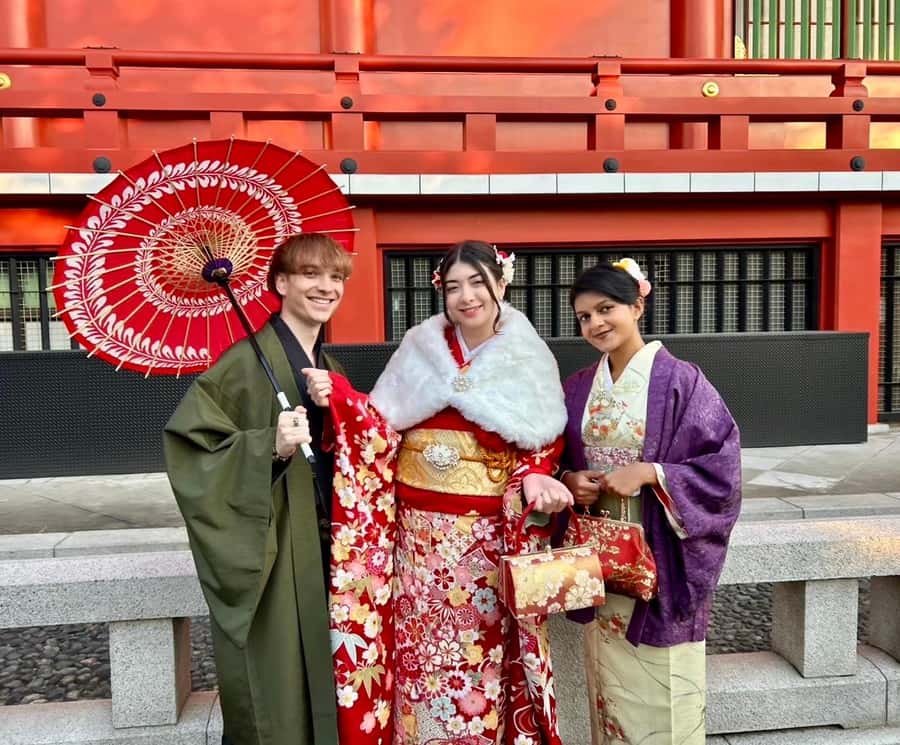
Wearing kimono makes Asakusa feel real. I like the authentic traditional kimono you choose from an onsite collection, and I like the hands-on dressing help from Kazune in a shop just a short walk from Sensoji Temple. The big catch is you need to return the kimono by 17:30 the same day, so plan your temple time with that clock in mind.
This is the kind of experience that turns a normal photo stop into something personal. You get a full set with the right accessories, storage for your stuff, and simple hair styling so you can walk the old streets looking like you belong.
One more practical note, this isn’t for everyone. It’s not suitable for wheelchair users, and there are also weight and age limits.
Key points before you go
- A shop location that saves time: Find the entrance with a black-and-white checkered path and a silver gate, about a 3-minute walk to Sensoji.
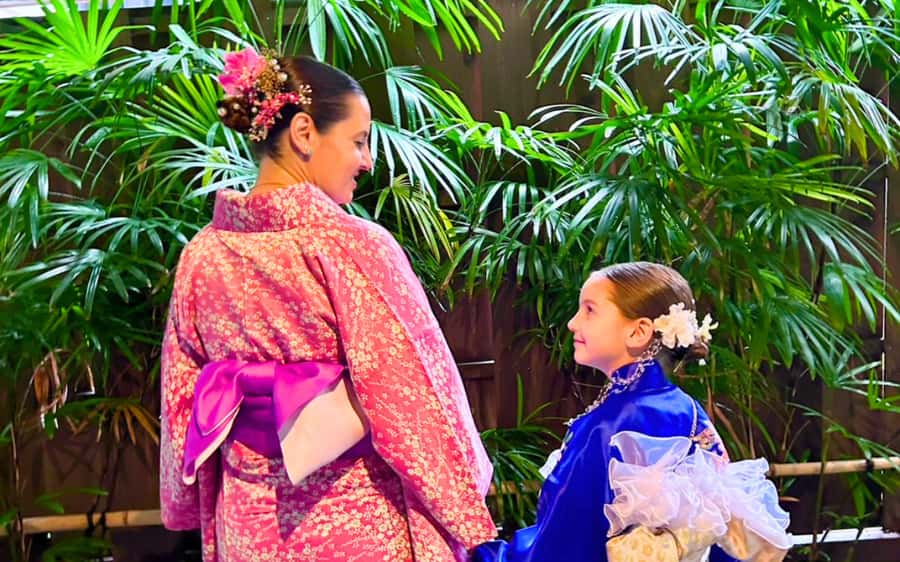
- Dressing that actually fits: Kazune helps you put on your kimono comfortably, with other trained staff on hand.
- You get a full kimono set: Obi belt, zori sandals, and a bag are included, plus storage for your belongings.
- Photo time with a purpose: Wear the kimono while walking the old streets and visiting Sensoji Temple.
- Optional upgrades: You can add a rickshaw ride or a tea ceremony for extra fees at the shop.
- Return deadline matters: Plan to be back at the shop by 17:30, with a limited option to extend.
Why Asakusa for a kimono rental works so well
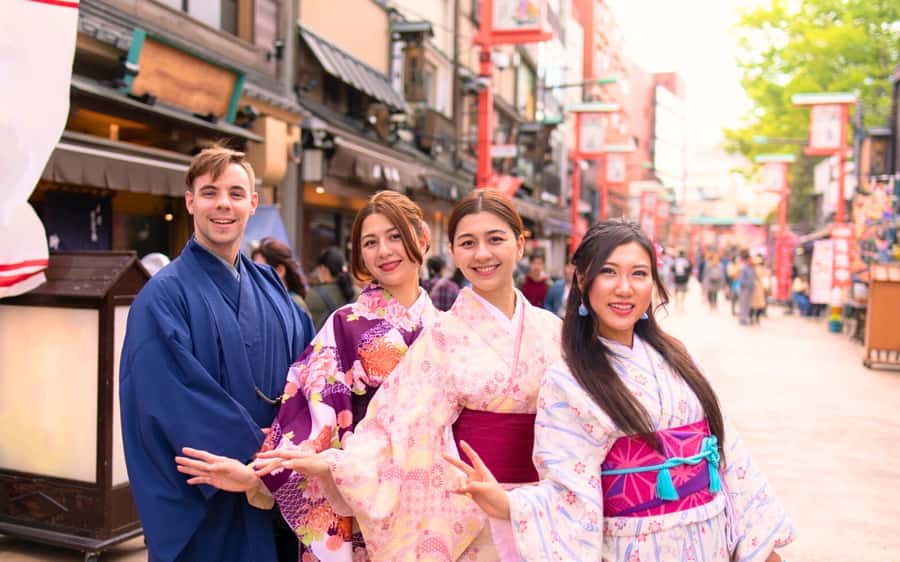
Asakusa is one of Tokyo’s easiest places to understand, because the atmosphere stays close to old Tokyo. When you add a real kimono into that setting, the contrast is part of the magic. You are not just dressed up, you are physically stepping into a tradition that locals actually wore daily.
I also like that this experience is built around walking time, not a staged performance. After you are dressed, you get the freedom to explore the nearby streets and visit Sensoji at your pace. That means you can linger where the light is best, pause to adjust your look in a quiet corner, and take photos without feeling rushed.
You can also read our reviews of more tours and experiences in Tokyo.


Getting from the shop to Sensoji Temple (and back again)
Your day starts at the kimono shop in Asakusa, a few minutes from Asakusa Station. The meeting point is very specific: look for a building entrance with a black-and-white checkered pathway and a silver metal gate. Walk through the gate, then head to the elevator area where the staff greets you.
The timing matters because they want you to arrive at least 10 minutes before your booking time. That buffer is there for a reason. Kimono dressing takes attention, and you will feel the difference if you show up late and your fitting gets squeezed.
Once you’re dressed, your route is simple. You stroll through the old streets of Asakusa and visit Sensoji Temple while you are in kimono, then you return the outfit to the shop by 17:30 the same day. If you want a longer loop, you can arrange a next-day return for a small extra fee at the shop. And on July 22, there’s a special case for the fireworks festival in Katsushika, Tokyo, when rentals can run until 21:30.
Choosing your kimono: style, comfort, and what to look for
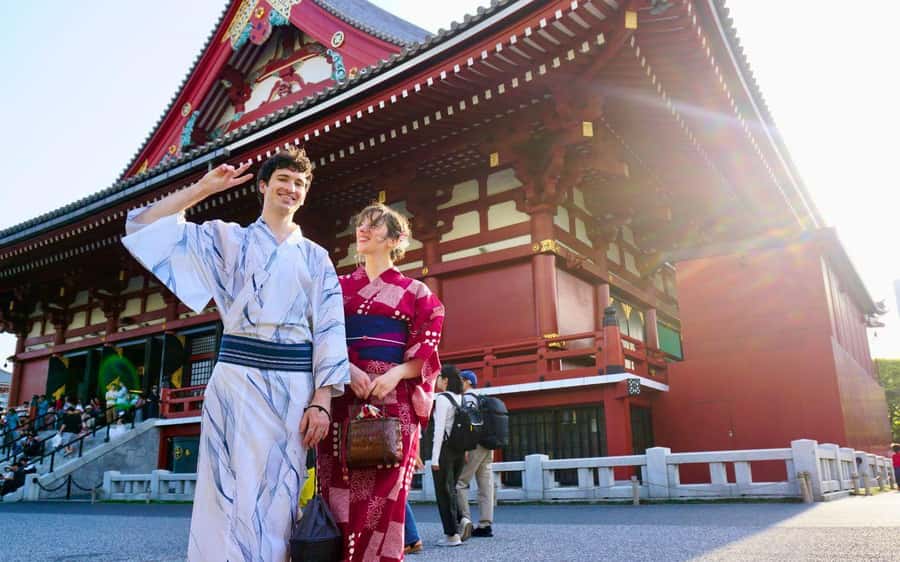
In the shop, you pick from a set of beautiful, real kimono in their authentic collection. The key word here is real, because it changes what your experience feels like. Fabric, weight, and how the collar sits all affect how you look in photos, but they also affect comfort while you walk.
Kazune, who grew up in Asakusa, is there to help you put the kimono on and make sure everything fits comfortably and looks right. That is a big deal. If a kimono is too tight at the waist or not aligned around the shoulders, you end up spending your walking time fidgeting instead of exploring.
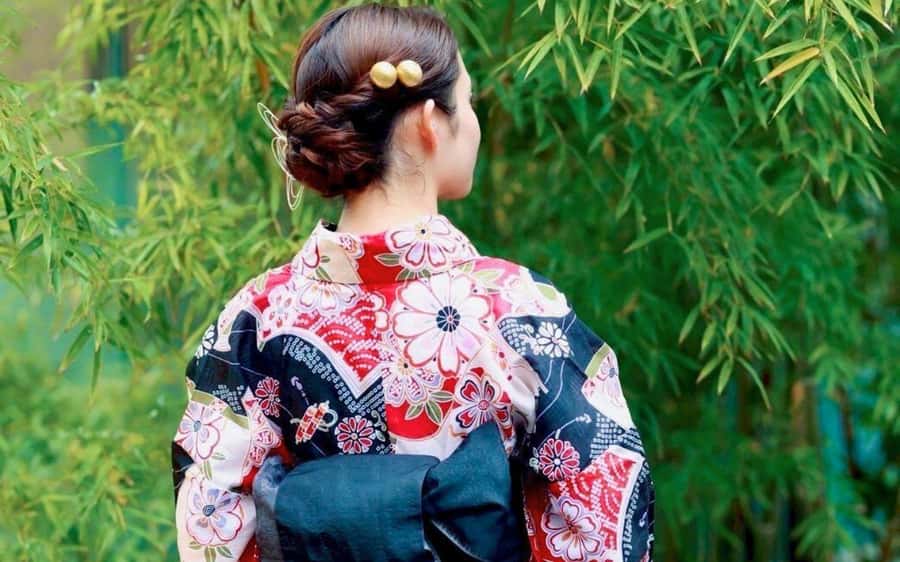
A useful tip: if you are choosing between patterns and colors, think about the background around Sensoji. Bright floral designs photograph well against the temple area. If you prefer a more calm look, darker tones can look elegant in the older street lanes. Either way, the goal is that you feel at home in it, not that you just “wear” it.
Dressing help you can feel immediately
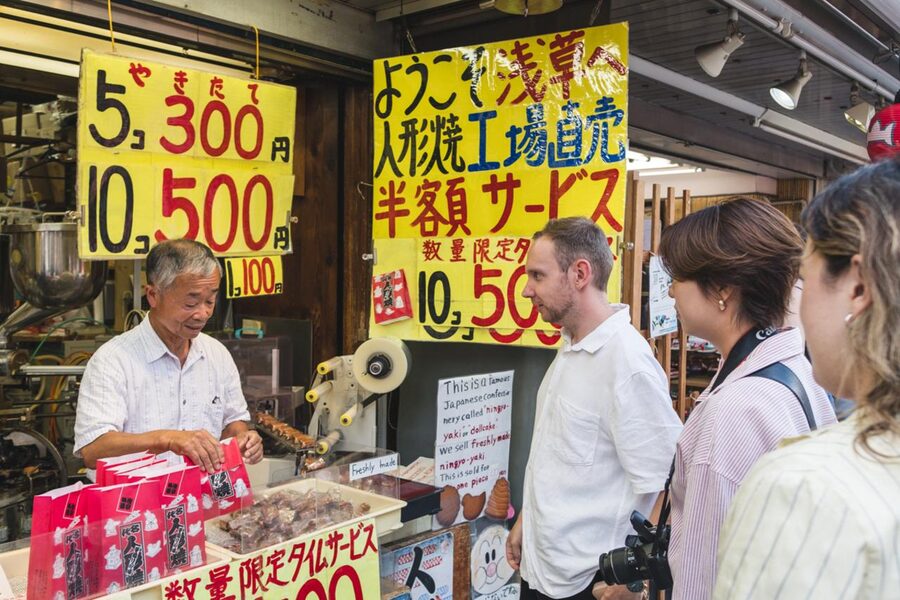
This is not a self-service rental. You get dressing assistance by friendly staff, including a second staff member who is a Japanese National Certified Kimono Dresser. In plain terms, that means you should expect careful handling, especially around fit and finishing details.
The experience includes:
- Obi belt
- Zori sandals
- Bag
- Storage for your clothes and belongings during the rental
- Simple hairstyling
From the way the staff are described, you can also expect a calm, supportive vibe. Names like Wako come up in the feedback for being welcoming and thoughtful, and you can feel why: when you are learning how a kimono works, kindness matters. They also offered an option to choose nicer items for an extra charge, which is good news if you want a step up from a standard selection.
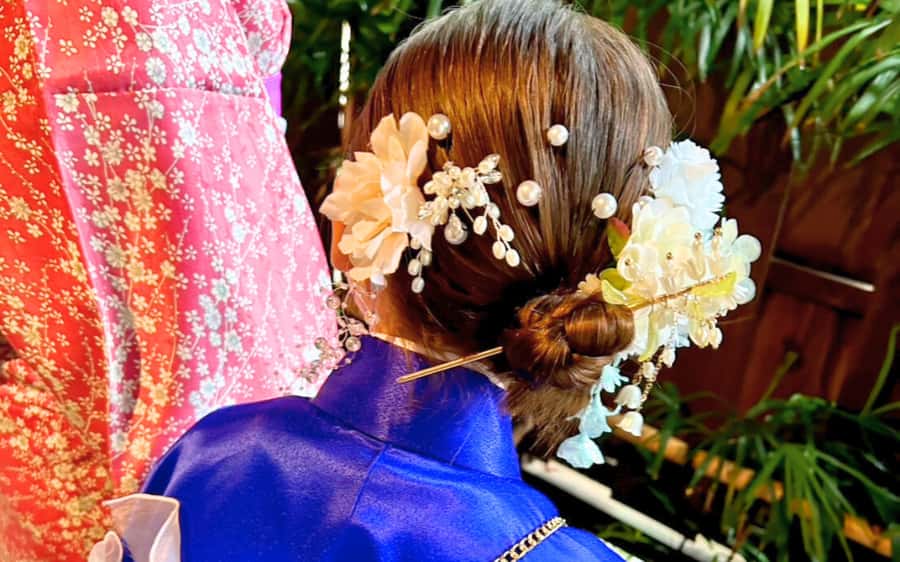
If you care about your hair look, this includes simple hairstyling. That can be a nice shortcut, because a kimono look often needs the right finishing touch to feel complete.
Walking the old streets of Asakusa in kimono
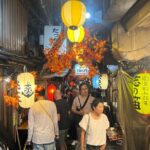
Once you are dressed, Asakusa does the hard work for you. The old streets give you a natural backdrop. You walk with the kimono on to Sensoji Temple, and the whole area reads differently when you’re in traditional clothing.
Here’s what you should plan for:
- Shoes and pacing: You’ll be in zori sandals. They are part of the outfit, but you will likely need to slow down slightly compared with sneakers.
- Photo rhythm: Don’t try to do every photo location back to back. Instead, walk a stretch, stop where the light hits well, then move again.
- Hands and holding: You have a bag included. Use it for the basics so you can keep your hands free and avoid tugging at sleeves.
This part is one of the most valuable reasons to book, because it changes your relationship with the temple. You arrive dressed for the setting, so the visit feels less like a quick stop and more like you’re part of the scene.
Sensoji Temple time: what you can realistically do
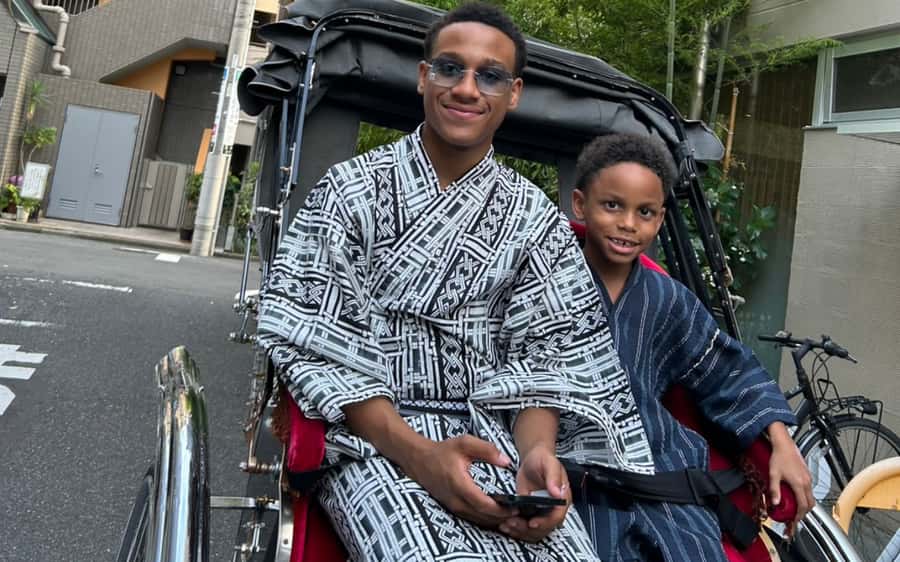
Sensoji Temple is the obvious anchor, and that’s good. It’s iconic, easy to find once you’re in the area, and it gives you the payoff for wearing the kimono.
What you should watch for is time balance. Your kimono needs to come back by 17:30, so you’re smart to build your temple visit around a realistic walking and photo schedule. If you arrive too late, you can end up cutting the final strolling part short.
Also, if you want to make the most of your kimono photos, remember that temple areas often have crowds. If the area is busy, shift your focus. Find small angles, look for quieter corners, and be patient. The kimono will still look great, even if you do not get a perfect empty-background shot.
Optional add-ons: rickshaw ride and tea ceremony
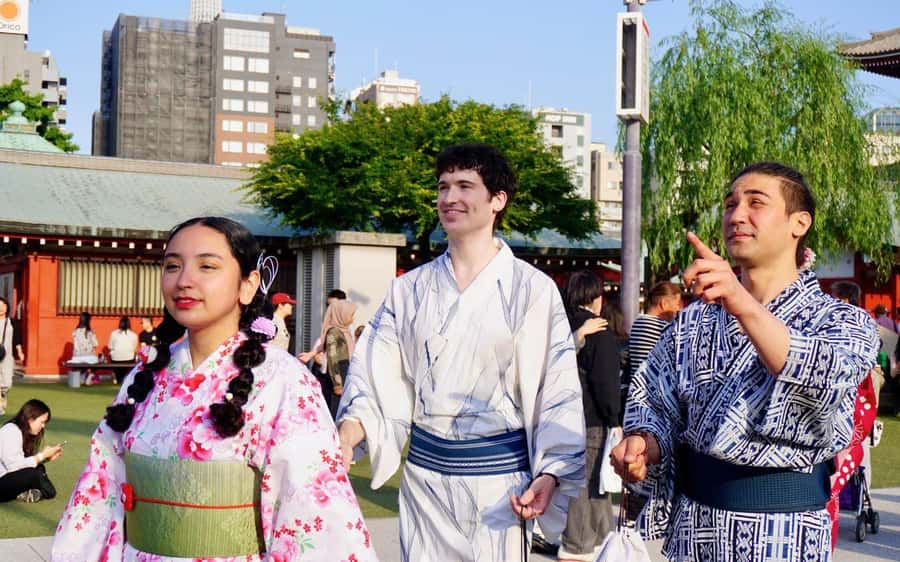
One nice feature is that the shop can add extras for an additional fee. You can include a rickshaw ride experience and/or a tea ceremony experience.
These add-ons matter because they give you a way to extend the cultural side of the day beyond just photos and sightseeing. If you only do the walking portion, you get the visual impact. If you add one extra activity, you get more meaning behind the look.
If you’re deciding between them:
- Choose the tea ceremony if you like structured, calm cultural experiences.
- Choose the rickshaw if you want a playful, moving way to see the neighborhood while staying in theme.
Either way, keep an eye on how much time you have left, since you still need to return the kimono by 17:30.
Price and value: is $47 a good deal?
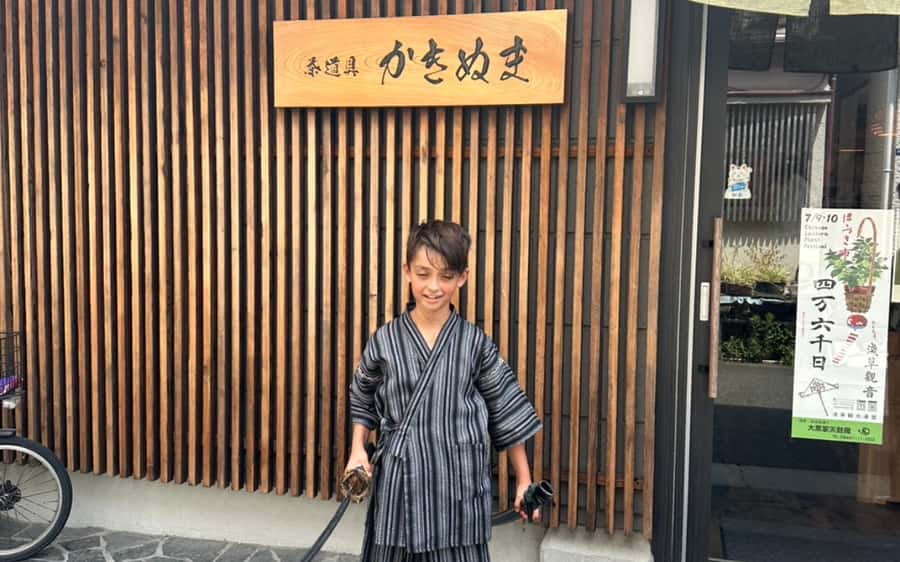
At $47 per person, this kimono rental is priced like a serious, full-service experience rather than a DIY costume. You are paying for more than cloth. You’re paying for:
- dressing assistance
- a complete kimono set
- accessories like obi, zori sandals, and bag
- storage for your belongings
- simple hairstyling
- a shop location that is walkable to the Sensoji area
If you were to add up the cost of renting the clothing alone, plus finding someone to help you with fit and finishing, the value becomes easier to see. The included storage is also underrated. It means you can walk around without dragging bags or worrying where to stash your everyday items.
Where it might feel less like a bargain is if your schedule is tight. Because of the return-by-17:30 requirement, the experience works best when you can actually use the kimono for a decent chunk of the afternoon. If you only have an hour, the cultural value drops, even if the outfit is still beautiful.
Practical limits and small friction points (so you’re not surprised)
Every kimono rental has rules, and this one is very clear. The kimono needs to be returned to the shop by 17:30 on the same day. You can extend to the next day with a small extra fee, and July 22 has a special longer window until 21:30 for the fireworks festival in Katsushika.
Also plan for these boundaries:
- Not suitable for wheelchair users
- Not suitable for people over 264 lbs (120 kg)
- Not suitable for children under 2 years
- Not suitable for babies under 1 year
And do not treat the sandals as optional. Zori sandals are included, so you should expect to adapt to walking in them. If you’re someone who normally avoids heels because of comfort, you may still enjoy this, just go slower and plan for short breaks.
Language is another practical detail. The staff use English and Japanese, which makes it easier to communicate about fit, preferences, and questions while you’re getting dressed.
Who this kimono rental is best for
I think this experience is ideal when you want both style and help. You’ll get the most value if you:
- want an authentic traditional kimono look, not just a photo prop
- like having someone take care of the fitting so you can focus on the streets and the temple
- enjoy simple cultural add-ons like tea ceremony or a rickshaw ride
- are comfortable walking in a different kind of footwear
It also makes sense for women who want a complete look, because the hairstyling included can make a big difference in how finished you feel. The feedback mentions women getting a traditional hairstyle with hairpins, which is a great sign that they pay attention to details.
If your schedule is chaotic, this might not fit. The 17:30 return time means you need at least some predictable time blocks.
Should you book the Asakusa kimono rental experience?
Yes, if your goal is a full, hands-on Asakusa kimono experience that leads you straight into Sensoji Temple with the right look. The combination of Kazune’s hometown connection, careful dressing support, included accessories, and the fact that the shop is close to the action makes it a strong value at $47.
Book it when you can arrive early enough to get dressed calmly, and when you can commit to returning by 17:30. If you do not have that time buffer, consider a more flexible activity.
If you want to feel like you stepped into old Tokyo for a few hours, this is one of the simplest ways to do it, with help that makes the whole thing easier than you’d expect.
FAQ
Where is the meeting point for the Asakusa kimono rental?
Meet at a few minutes’ walk from Asakusa Station. Look for a building entrance with a black-and-white checkered pathway and a silver metal gate, then go to the elevator area inside where staff will greet you.
How close is the shop to Sensoji Temple?
The shop is about a 3-minute walk from Sensoji Temple.
What is included with the kimono rental?
You get a full kimono rental set, including the obi belt, zori sandals, and a bag. You also get dressing assistance, storage for your clothes and belongings, and simple hairstyling.
Do I need to return the kimono the same day?
Yes. You need to return the kimono to the shop by 17:30 on the same day.
Can I keep the kimono for another day?
Yes, you can return it the next day for a small extra fee, arranged directly at the shop.
Is there a longer rental time on July 22 for fireworks?
Yes. On July 22, during the fireworks festival in Katsushika, the kimono can be rented until 21:30 as a special occasion.
What optional add-ons are available?
At the shop, you can add a rickshaw ride experience and a tea ceremony experience for an extra fee.
Is the experience suitable for wheelchairs or small children?
No. It is not suitable for wheelchair users. It is also not suitable for children under 2 years and not suitable for babies under 1 year.
What languages do the staff speak?
The languages are English and Japanese.
More Tour Reviews in Tokyo
Not for you? Here's more nearby things to do in Tokyo we have reviewed





Asakusa Tours, side by side.
 ★ 4.8Japanese Dance Cabaret Theater Asakusa-Kaguwa TicketFrom $492,270 reviews
 ★ 4.7Meiji Shrine, Asakusa, Skytree Bus Tour and CruiseFrom $1221,986 reviews
 ★ 4.9Roll and Authentic Sushi Making Class in AsakusaFrom $581,957 reviews
 ★ 4.8Asakusa Walking Tour with Sensoji Temple VisitFrom $221,583 reviews
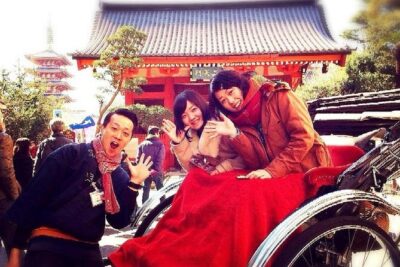 ★ 5.0Tokyo Asakusa Rickshaw TourFrom $421,375 reviews
 ★ 4.5Tokyo Panoramic 1 Day: Meiji Shrine, Asakusa, Odaiba and SKYTREE®From $851,222 reviews
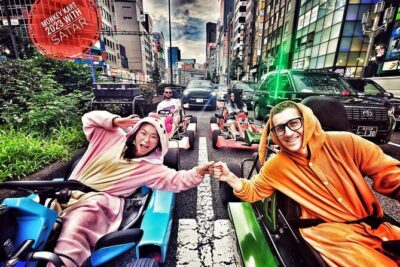 ★ 5.0Tokyo Go Kart: Asakusa, Skytree, and Akihabara **IDP MUST**From $99988 reviews
 ★ 4.7Asakusa, Skytree & Akhihabara Go-Kart City ExperienceFrom $96761 reviews
This tour also belongs to