
Review · TOKYO CITY TOURS
Tokyo: Exquisite Wagyu Beef Experience at Yakiniku Nikunone
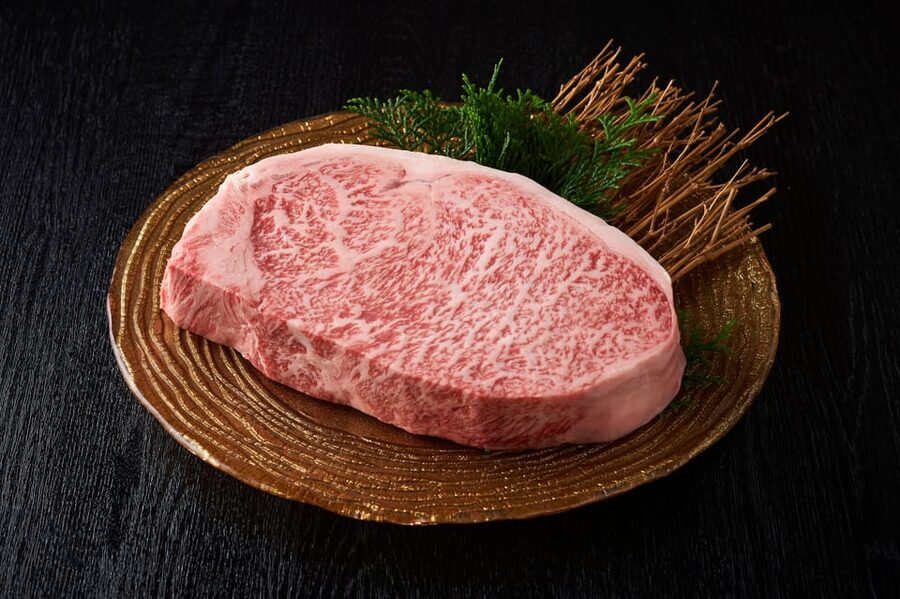
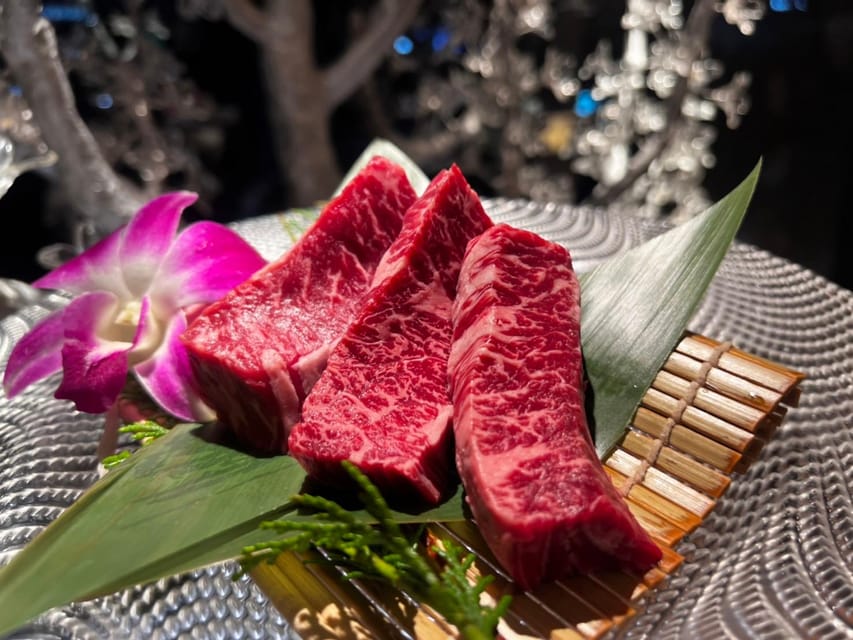
A great Wagyu meal should feel calm. At Yakiniku Nikunone, you get top A5 beef in private dining rooms designed around Japan’s seasons, plus a course built with rare add-ons like Dragon Eggs and Algae Salt Rice. Two things I really like are the quality focus on A5 Wagyu and the level of service that stays professional but not intrusive. One thing to consider is that your seat time is capped at 2 hours, so this is best when you want a structured, special-occasion dinner rather than a long, slow hang.
You can choose one of three full-course menus, and each one comes with welcome drinks. Across the experience, the food leans beyond plain yakiniku, with dishes like grilled beef tongue shabu-shabu, caviar-topped sushi, and seasonal-style room vibes that make the meal feel like a quiet retreat. If you want a Tokyo dinner that feels exclusive without being stressful, this is a strong bet.
Key things to know before you book
- Private rooms only, so the vibe stays quiet and intimate
- A5 Wagyu specialization, not a one-note steakhouse menu
- Three distinct course styles, each with its own showpieces
- Rare ingredients like Dragon Eggs and Algae Salt Rice
- Caviar shows up in the course, with different versions per menu
- Professional service that explains dishes without taking over your table
Private seasonal rooms, and why the atmosphere matters for Wagyu
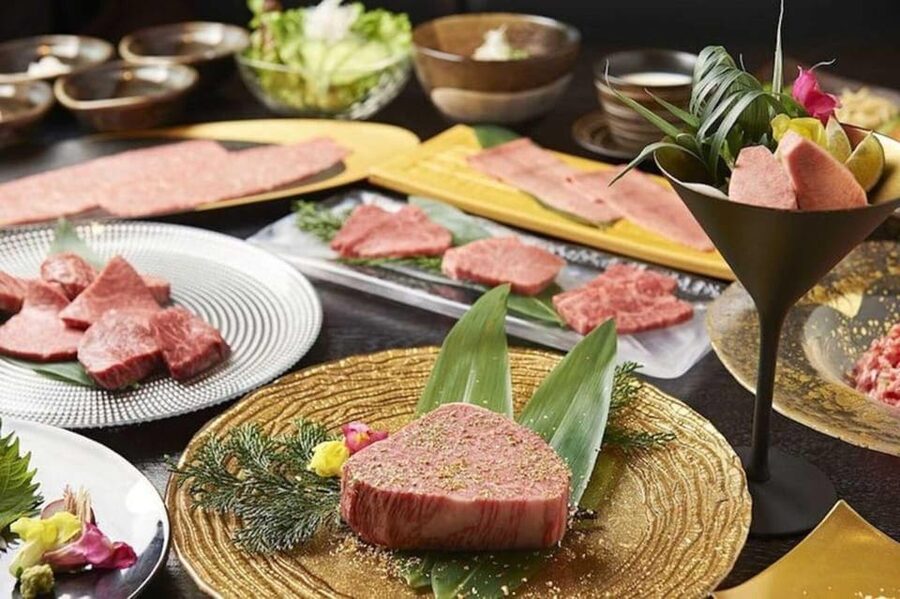
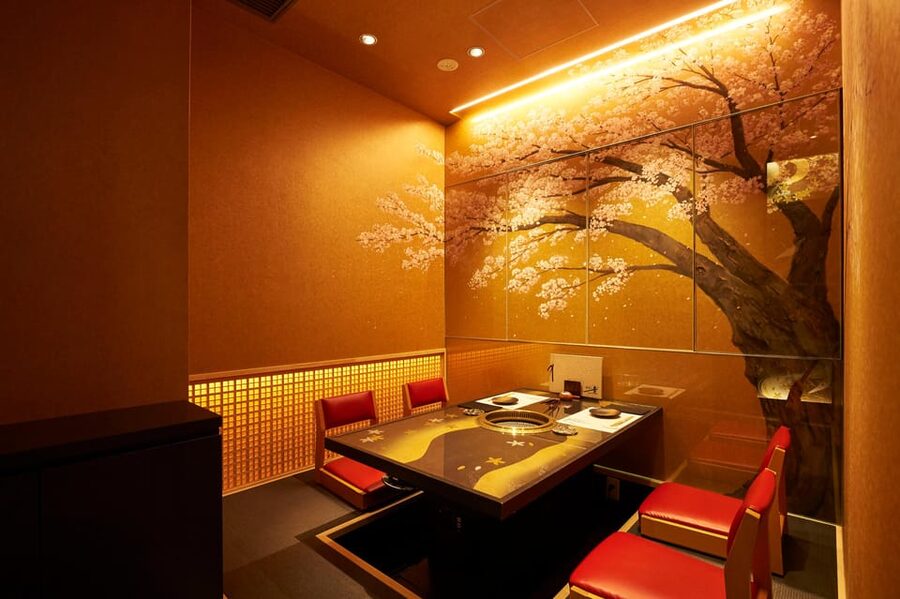
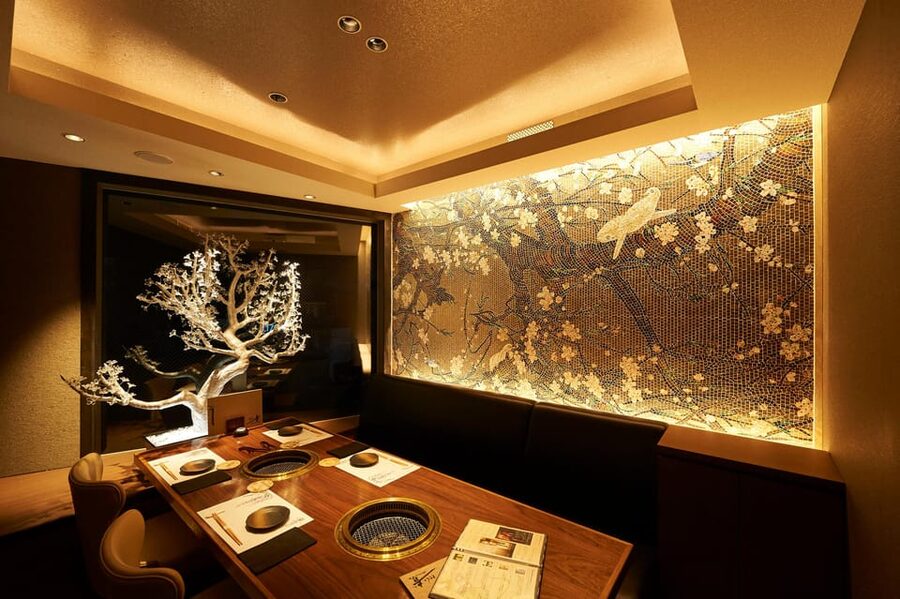
Yakiniku Nikunone is built around the idea that Wagyu isn’t just food, it’s the whole experience. When you’re seated in your private room, the design is inspired by Japan’s four seasons, which changes the feel of the meal from cut to cut and bite to bite. That matters, because with A5 Wagyu, your senses are doing a lot of work: scent, texture, salt levels, and how the fat melts. A calmer room helps you notice it all.
I also like that this place is private-room focused, which makes it easier to plan a “date night” or a proper celebration dinner without worrying about noise from other tables. In fact, the service style seems tuned for that. Your staff stays attentive, polite, and well-practiced, with a calm rhythm that matches how the courses arrive.
There is one practical drawback to keep in mind. Since seating is reserved for a maximum of 2 hours, you should expect a guided pace through a full course menu. If you prefer lingering, chatting for ages between courses, or stretching a meal into late-night time, you may feel a little time-boxed.
You can also read our reviews of more tours and experiences in Tokyo.



Pick the right course: Nikunone, Kirameki, or Kinzakura
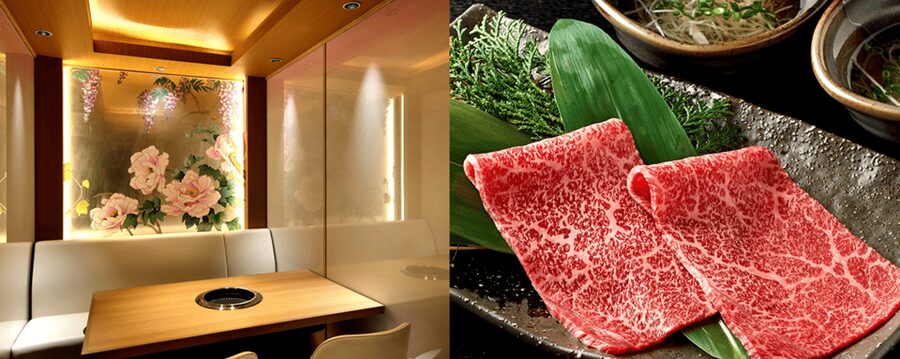
This isn’t “choose a steak, order sides.” You’re selecting a full course, and each menu is its own personality.
Nikunone Course, the balanced starter for first-timers
Nikunone is a 12-dish course and includes one drink plus one piece of seared Wagyu sushi with caviar that is only available in this course. You’ll see a mix of kimchi and namul, a WAGYU sinew stew, salad, and a tongue-focused grilled shabu-shabu. It also includes a salted specialty section (three exclusive parts) and grilled Wagyu sushi (two pieces), finishing with a yuzu sorbet dessert.
If you’re trying Nikunone as your first and you want a well-rounded sampler without going all-in on extra caviar or champagne, this is the cleanest entry point.
Kirameki Course, more seafood drama and two exclusive sushi moments
Kirameki runs 14 dishes. Like Nikunone, it includes one drink and the same special seared Wagyu sushi with caviar that is exclusive to this general set of courses. The standout here is a Miyazaki beef sashimi with sea urchins, plus a grilled Wagyu sushi with caviar (one piece). The course also features special skirt steak served with fresh wasabi, and a selection of marinated lean meats.
You’ll likely like Kirameki most if you want the course to feel slightly more “chef’s highlight reel,” especially because it includes cold elements like sashimi alongside hot yakiniku-style pieces.
Kinzakura Course, the most celebratory, with extra drinks and caviar
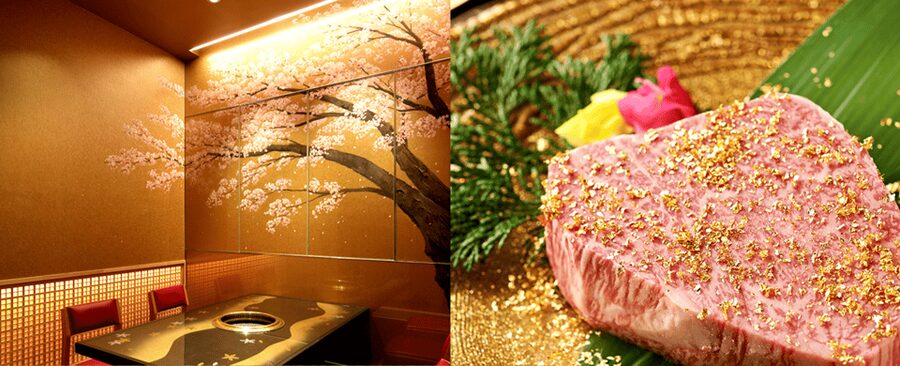
Kinzakura is also 14 dishes, but it’s the most party-forward. You get two drinks, including fruit champagne, plus a jar of caviar. The course includes a hand-roll sea urchin tartar sushi with caviar, and it also brings in a Chateaubriand served with truffle salt, a chuck flap grilled sukiyaki moment, and a Wagyu steak sandwich. You still finish with dessert of your choice.
This is the best match if your idea of “special occasion” means celebrating hard, with the most caviar involved and more drink options from the start.



The meal flow: from tongue shabu-shabu to caviar sushi
Even without a long list of “extra” choices, the course design gives you a tour of textures. You’re not just eating different cuts. You’re seeing how the chef changes salt, heat, and fat balance.
Here are the highlights that make the course feel more than a straight grilled-beef dinner:
Kimchi, namul, and the role of contrast
Early on you’ll get two kinds of kimchi and namul. I like this because it resets your palate before the beef hits, especially if you’re sensitive to richness. Think of it as your built-in way to keep the later cuts tasting distinct, not samey.
WAGYU sinew stew, tongue grilled shabu-shabu, and the “tenderness switch”
You’ll find WAGYU sinew stew in the courses, and tongue grilled shabu-shabu also appears in the Nikunone and Kirameki-style menus. A lot of Japanese restaurants can do tender meat. What makes this memorable is that tongue and sinew bring a different kind of chew and melt than typical steaks. It’s a reminder that with Wagyu, the story isn’t only fat, it’s also muscle structure.
Grilled Wagyu sushi and the caviar touch
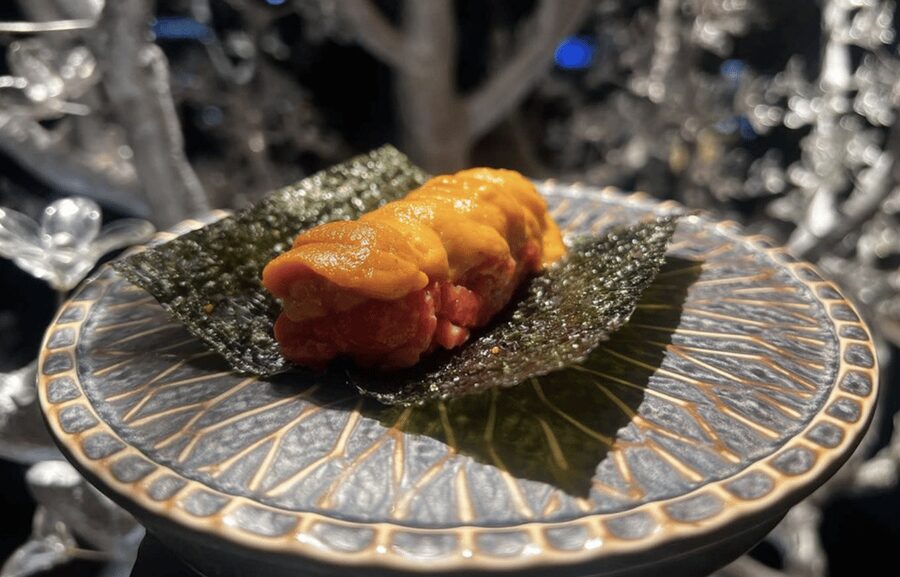
Caviar shows up directly in the special seared Wagyu sushi with caviar piece. Depending on your course choice, you may also get grilled Wagyu sushi with caviar, plus additional sushi formats like a sea urchin tartar hand-roll with caviar in Kinzakura. This caviar element turns the course into something more festive, and it also gives you a salty pop that pairs naturally with rich meat.
Salt details and ingredient bragging rights
The menu highlights mention rare ingredients you may see in the course lineup, including Dragon Eggs from Oita and Algae Salt Rice from the Oki Islands. Even if you do not know what you’ll taste each time, the presence of these specific regional ingredients signals a restaurant that treats the meal like ingredients first, then technique.
“Not just meat” moments: dessert and spicy stew
The experience includes desserts like citrus yuzu sorbet, and the wider menu flavor profile includes non-meat dishes too. One review specifically praised their spicy stew (chige) as impressive. That matters because it tells you the kitchen is aiming for a whole meal, not only the beef show.
Drinks, wine and Wagyu pairing, and why pacing feels right
Welcome drinks come with the courses, and the Kinzakura menu includes fruit champagne as part of the two drinks. Even if you’re not a hardcore wine person, the idea of wine and Wagyu pairing is relevant here because drinks change how you experience fat. A well-chosen drink can cut richness, sharpen aroma, and keep you from feeling weighed down.
The time-box is part of the pacing. With 2 hours reserved, the meal tends to move in a deliberate flow: you eat, you reset with sides or cold elements, then you hit another beef texture or a caviar moment, then you go to the next warm segment. It’s a format that works well for couples, groups who want everyone fed on schedule, and people who don’t want the hassle of ordering while trying to enjoy Tokyo at night.
Service that actually helps you enjoy the beef
The service at Nikunone is one of the best reasons to book. Multiple confirmations point to staff who are professional and polite, with attention to detail that never feels intrusive. That means you can relax, and you can let the course guide you.
One particularly useful detail: the staff explains dishes with care. If you’re not familiar with terms like lean meat cuts, tongue preparation, or the role of different salts, that explanation can turn a pricey meal into a memorable learning experience, not just “eat until full.”
If you want to get the most out of your table, I’d do one simple thing: ask what each special section is doing for the overall flavor. That small question helps you understand why the course changes as it goes.
Price and value: is $113 fair for Tokyo A5 Wagyu?
At about $113 per person, this is not a cheap dinner. But the value story is clearer when you look at what’s included.
You’re paying for:
- a full course menu (so you are not piecing together items)
- sales tax
- a reservation
- welcome drinks included with the course
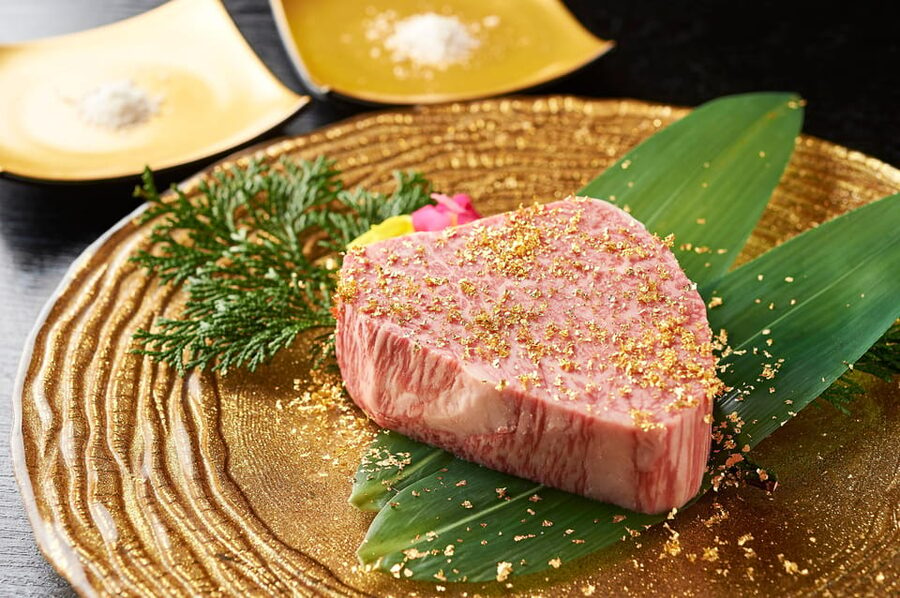
When you’re doing A5 Wagyu in Japan, the biggest cost driver is usually the beef itself, plus the labor and care that goes into preparing premium cuts. Here, the meal also includes multiple specialty items, including caviar sushi elements and tongue-focused dishes, and the private-room setup adds overhead.
In plain terms, it’s best viewed as a “ticket price” for a complete Wagyu evening, not as a casual yakiniku meal you can replicate later at random places.
Who should book, and who should skip
This experience fits best if you:
- want private dining in Tokyo, especially for a celebration or date
- are set on trying A5 Wagyu with a structured course format
- like restaurants that put effort into details, from salt and technique to dessert pacing
- enjoy pairing meat with drinks, since welcome drinks are built into the course
You might skip it if you:
- want a flexible, order-as-you-go yakiniku style
- prefer eating for longer than 2 hours
- are on a tight food budget and want to keep costs closer to casual street-food level
Should you book Yakiniku Nikunone?
If you’re planning a Tokyo dinner where the goal is to enjoy top A5 Wagyu with privacy, professional pacing, and real “wow” elements like tongue preparations and caviar-topped sushi, I’d book it. The biggest risk is not the food quality. It’s expecting a long, unstructured meal. If you go in ready for a 2-hour course experience, this is the kind of reservation that tends to feel worth it.
If you’re choosing between menus and you’re unsure, I’d start with Nikunone for a balanced first run. If you want maximum celebration energy, go Kinzakura. If you want more seafood and cold elements mixed with beef, choose Kirameki.
FAQ
How long is the A5 Wagyu course experience?
It lasts 2 hours. Seats are reserved for the full 2-hour window.
Is this dinner served in private rooms?
Yes. The restaurant uses private dining rooms, and the experience is designed for a calm, exclusive meal.
Do I get a guide during the meal?
No guide is provided. You’ll make your own way to the restaurant at your reservation time.
What are the differences between the three course menus?
Nikunone is a 12-dish course, Kirameki and Kinzakura are 14 dishes each, and each course has its own special items, drinks, and caviar involvement.
What drinks and caviar are included?
Nikunone and Kirameki include one drink. Kinzakura includes two drinks including fruit champagne, plus a jar of caviar.
What does the $113 per person price include?
The full course menu, sales tax, and your reservation are included. Personal expenses are not included.
Where is the meeting point before the reservation?
Go directly to the restaurant. The meeting point listed is across from Lawson Gran Customa.
Is the restaurant wheelchair accessible?
Yes, it is listed as wheelchair accessible.
Can I cancel for a full refund?
Yes. You can cancel up to 2 days in advance for a full refund.
More Tour Reviews in Tokyo
Not for you? Here's more nearby things to do in Tokyo we have reviewed












Tokyo City Tours, side by side.
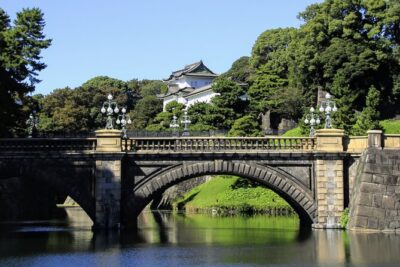 ★ 5.01-Day Tokyo Bus TourFrom $12914,250 reviews
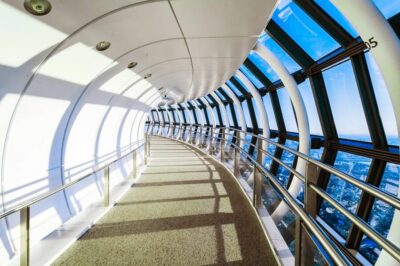 ★ 4.5TOKYO SKYTREE® Admission ticketFrom $1311,192 reviews
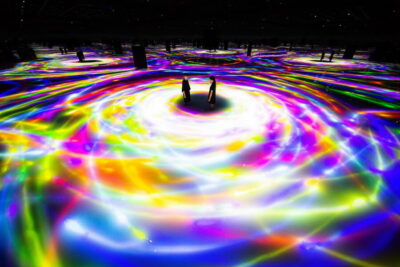 ★ 4.6teamLab Planets TOKYO Digital Art Museum Entry TicketFrom $259,779 reviews
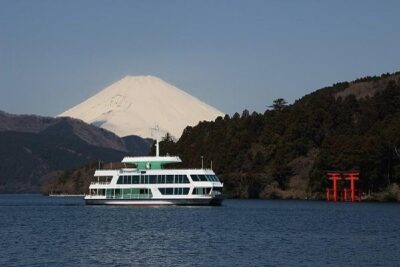 ★ 4.0Mt Fuji & Hakone Cruise, Drum Show Bullet Train 1 Day from TokyoFrom $1497,413 reviews
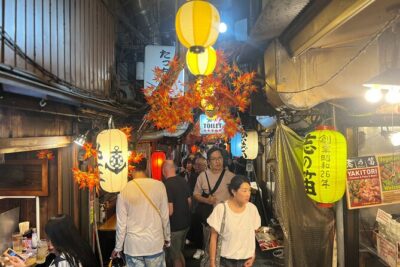 ★ 5.0Shinjuku Food Tour (13 Dishes at 4 Local Eateries)From $866,603 reviews
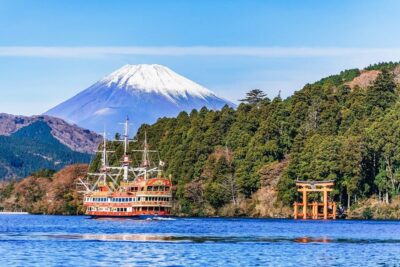 ★ 4.4Tokyo Mt Fuji 5th St & Hakone Cruise Bus Tour w/Bullet TrainFrom $1545,024 reviews
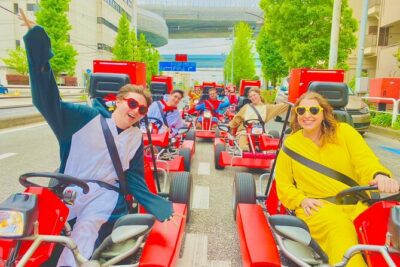 ★ 5.0Flagship 2-Hours Official Street Go-Kart Tour – Tokyo Bay ShopFrom $644,974 reviews
 ★ 4.5From Tokyo: Mount Fuji Full-Day Sightseeing TripFrom $684,970 reviews