
Review · TOKYO CITY TOURS
Tokyo Ikebana, Japanese Traditional Flower Arrangement Experience
You leave with a living arrangement, not just photos. This Tokyo ikebana experience turns an ancient art into a hands-on class you can actually do, even on your first try. You’ll learn how Samurai-era flower arranging principles guide line, angle, and balance, then make something seasonal with local blooms.
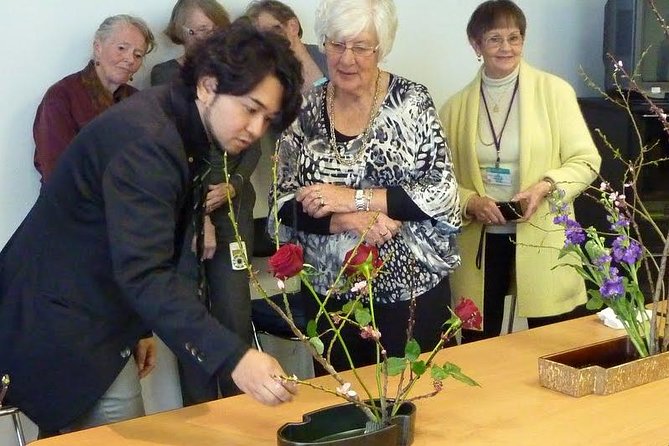
My favorite part is the mix of clear instruction and hands-on building. In the classes, instructors like Naohiro Kasuya and Mrs. Shimakawa are patient, supportive, and they guide you based on your level, not some imagined standard.
One consideration: it’s a focused session at about 1 hour 10 minutes, so you’ll leave with a finished arrangement, but not a long practice block for repeating techniques.
Key takeaways before you go
- Beginner-first teaching: you get fundamentals of form, angle, and style before you start arranging
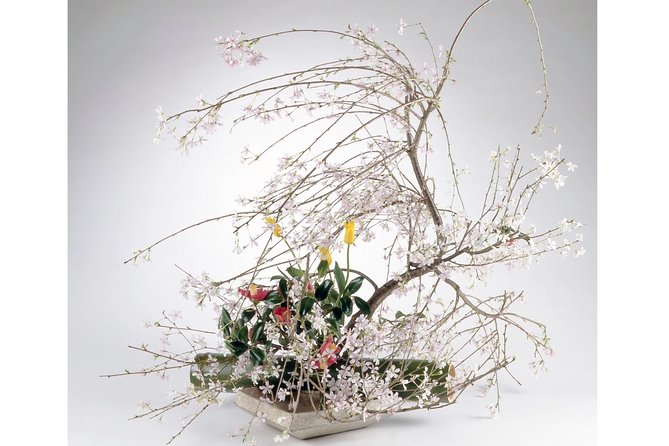
- Seasonal local flowers: your materials reflect what’s in season in Japan
- Small group vibe: capped at 10 travelers
- Instructor check-in: your work gets reviewed, and you get advice on how to improve it
- Photo-friendly outcome: you’ll have time to take plenty of pictures of your arrangement
Ikebana in Tokyo: why this workshop feels different
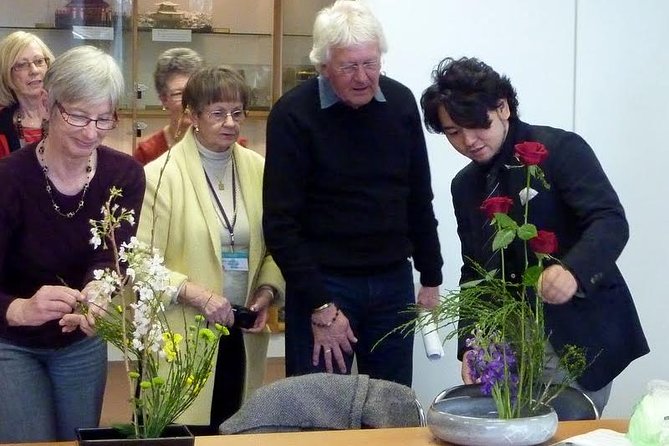
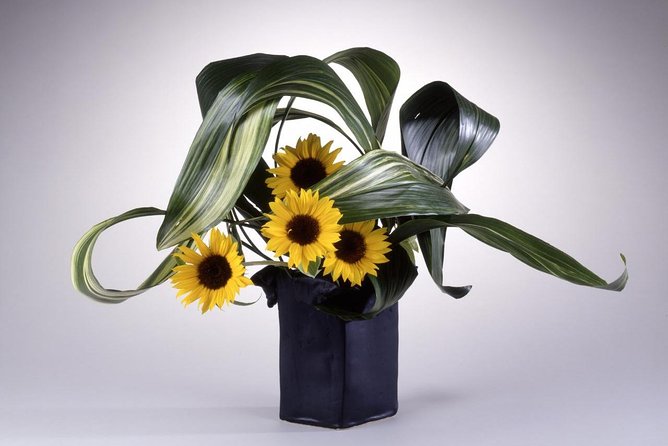
I like that ikebana is not just about pretty flowers in a vase. It’s about using the materials themselves, then choosing angles and combinations so the arrangement looks intentional, almost conversational.
The class frames it around a simple idea: the most important part is bringing out the charm of what you use. That means you’re not fighting the flowers, you’re shaping how they are seen.
Another reason it’s interesting in Tokyo is that it connects to a tradition associated with the Samurai. You don’t need a costume or a sword. You just learn how the tradition thinks about beauty and space.
And yes, it’s hands-on from the start. The activity is interactive: you learn a few basics, then you build your own arrangement.
You can also read our reviews of more tours and experiences in Tokyo.



Price and value: what you pay for, and what you avoid paying
The price is $67.28 per person for about 1 hour 10 minutes. On paper, it’s not “cheap,” but it’s also not a bare-bones lecture.
Here’s the value logic that matters: all materials are provided. That typically includes the flowers and the equipment you need, so you are not scrambling to find stems, cutting tools, or a vase on the day.
You’re also paying for real guidance. The instructor looks at your arrangement when you finish and gives suggestions, which is where these classes earn their keep. If you’ve ever tried to learn a craft from videos, you know how much practice you lose without feedback.
Finally, you get photos. The class gives you time to take plenty of pictures, so you leave with something you can actually share and remember.
Where you meet in Nakano and how the class logistics work
This experience meets at 4-chōme-20-5 Nakano, Nakano City, Tokyo 164-0001. The location is described as near public transportation, which is a big deal in Tokyo, where “easy to reach” can mean the difference between a calm experience and a sprint.
Your session ends back at the meeting point. So you’re not stitched into a long route across the city.
The class format is small, with a maximum of 10 people. That usually means you’re not just watching from the sidelines while someone else is the focus.
You also get a mobile ticket. That’s one less piece of paper to manage on a travel day.
Step-by-step basics: what you learn before you cut anything
The class doesn’t throw you into arranging with zero context. Before you start building, you’ll learn the basics of ikebana.
A key concept they teach is that ikebana is about revealing beauty through how you position the materials. You’ll learn what style looks attractive, which angles feel right, and what combinations tend to look strongest together.
You can think of this as learning how to “read” your stems. Once you understand the purpose of each line and curve, your arrangement looks less accidental and more like it belongs to a system.
One more detail that’s worth your attention: the teaching covers history and also the geometric and philosophical principles behind ikebana. That’s what turns it from a craft into a culture experience. Even if you only remember a few points, you’ll still feel the difference when you’re placing each element.
And importantly, the instructor adjusts to your level. This isn’t one-size-fits-all. If it’s your first time, the lesson pace and guidance are built to help you succeed.
Making your own arrangement with seasonal local flowers
After the fundamentals, you craft your creation. This is the practical part where ikebana stops being abstract and becomes real.
The class uses local flowers that are in season. That matters more than it sounds. Seasonal stems tend to look fresher and can be more visually harmonious with what’s available, which gives your final arrangement a more authentic feel.
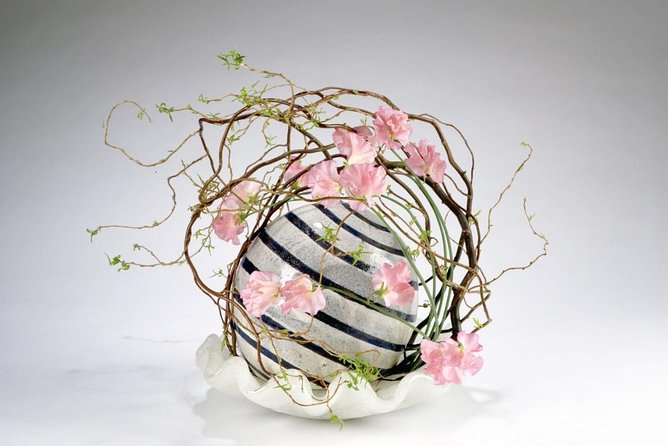
Also, ikebana is flexible. The class notes that it can be created with flowers from all over the world, which is why it remains popular overseas. In other words, this workshop isn’t just about Japanese flowers you can’t find back home. It’s about the method you can reuse.
When you finish, the instructor takes a look. You get advice on how to improve your arrangement. That feedback step is huge. It helps you understand what you did well, and what you might tweak if you were to do it again later.
Then comes the photo time. You’ll have the chance to take plenty of pictures of your arrangement, which is great for both memory and motivation. You’ll be able to recreate your setup later, instead of trying to remember it from a blurry photo.


Who this is best for, and who should think twice
This class is ideal if you’re a beginner who wants an authentic Japanese activity without intimidation. It’s designed for people age 6 and over, and kids 12 and younger must be accompanied by a parent.
It also fits travelers who want something quiet and hands-on. You’re sitting, working with your hands, learning a craft, and leaving with a tangible result. It’s not just watching.
If you like culture experiences that feel practical, this works. You’ll learn a tradition connected to Samurai-era aesthetics, but you’re not trapped in a museum-style explanation.
Consider thinking twice if you want a long, slow art session. The total duration is about 1 hour 10 minutes, so it’s best for people who are okay with a single focused workshop rather than extended repetition.
Taking what you learn back home
One of the coolest parts is that you’re not only learning to make one arrangement. The class emphasizes that what you learn can be used again with flowers in your country.
In practical terms, that means you can treat this as a skill-building session. If you remember even a few fundamentals, you can apply them later with whatever stems you can find.
And because you’ll take photos during class, you can keep a reference for proportions, angles, and placement. That makes your next attempt easier, even if you don’t have the exact same flowers.
Should you book Tokyo Ikebana?
Book it if you want a beginner-friendly, hands-on ikebana class in Tokyo with materials included. The biggest reasons to say yes are the fundamentals first approach, the instructor check of your arrangement, and the use of seasonal local flowers that give your creation a Japan-specific feel.
I’d also book it if you value a small group setting, since the experience caps at 10. That kind of cap usually helps you get personal guidance when you need it.
Skip or reconsider if you’re counting on flexible rescheduling. This experience is non-refundable and cannot be changed for any reason, so you want to be confident in your timing before you lock it in.
If you’re the kind of person who likes crafts you can do in 1 sitting, this is a strong match. You’ll leave with a finished arrangement you can photograph, and a method you can reuse.
FAQ
How long is the Tokyo Ikebana experience?
The class lasts about 1 hour 10 minutes.
What is the price per person?
The price is $67.28 per person.
Is this class good for beginners?
Yes. The program is designed to teach the basics of ikebana and supports people who are doing it for the first time.
Do I need to bring flowers or any equipment?
No. Flowers and equipment/materials are provided, so you do not need to bring anything.
Where is the meeting point?
You meet at 4-chōme-20-5 Nakano, Nakano City, Tokyo 164-0001, Japan, at 一葉式いけ花本部.
How many people are in the group?
The experience has a maximum of 10 travelers.
What age is the program for?
It is designed for people age 6 and over. Children age 12 and younger must be accompanied by a parent.
Can the instructor come to a hotel?
Yes. The instructor can be sent to any hotel you stay in Tokyo.
What is the cancellation policy?
This experience is non-refundable and cannot be changed for any reason. If you cancel or ask for an amendment, the amount you paid will not be refunded.
More Tour Reviews in Tokyo


Not for you? Here's more nearby things to do in Tokyo we have reviewed












Tokyo City Tours, side by side.
 ★ 5.01-Day Tokyo Bus TourFrom $12914,250 reviews
 ★ 4.5TOKYO SKYTREE® Admission ticketFrom $1311,192 reviews
 ★ 4.6teamLab Planets TOKYO Digital Art Museum Entry TicketFrom $259,779 reviews
 ★ 4.0Mt Fuji & Hakone Cruise, Drum Show Bullet Train 1 Day from TokyoFrom $1497,413 reviews
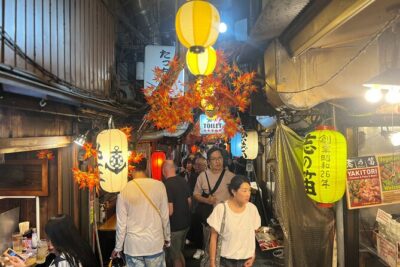 ★ 5.0Shinjuku Food Tour (13 Dishes at 4 Local Eateries)From $866,603 reviews
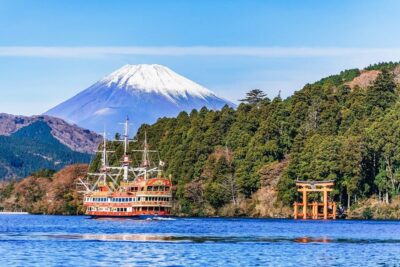 ★ 4.4Tokyo Mt Fuji 5th St & Hakone Cruise Bus Tour w/Bullet TrainFrom $1545,024 reviews
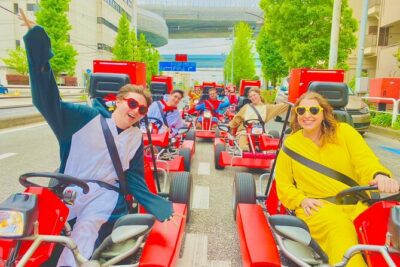 ★ 5.0Flagship 2-Hours Official Street Go-Kart Tour – Tokyo Bay ShopFrom $644,974 reviews
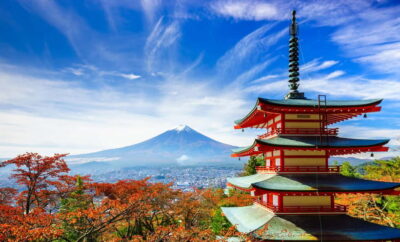 ★ 4.5From Tokyo: Mount Fuji Full-Day Sightseeing TripFrom $684,970 reviews