
Review · TOKYO CITY TOURS
Tokyo: Izakaya Bar Experience at Kuuraku Ginza Reservation
Charcoal-grilled skewers in Ginza, in two hours. I like Binchotan charcoal grilling and the steady quality of Michinoku Seiryu chicken, so the whole meal feels serious without being stuffy. One thing to think about first, this is a 2-hour seat window, so it is not for hanging out and slowly wandering.
If you want an izakaya-style dinner in the middle of Ginza that still feels local, Kuuraku Ginza (also shown as Kufuraku Ginza) is built around full restaurant courses, not a guided activity. Price is about $34 per person, and that includes the full menu plus sales tax and your reservation, with water included but drinks mostly as extras.
Key highlights to help you decide
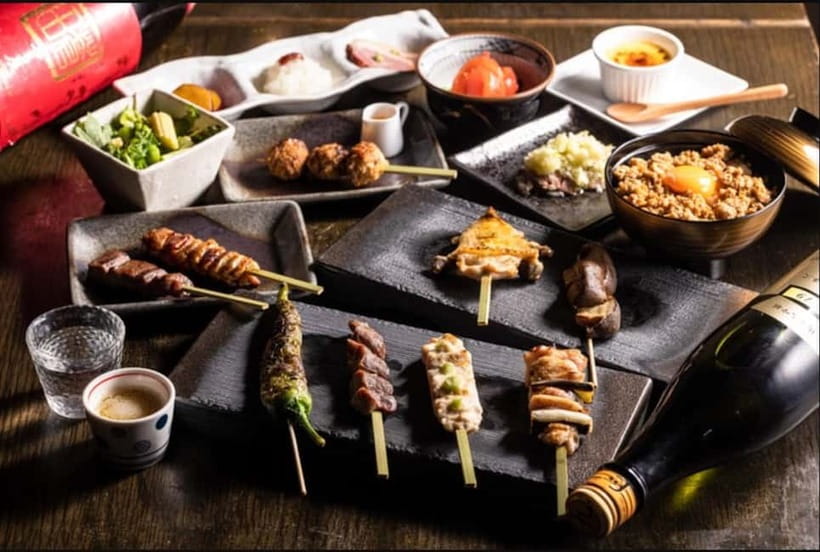
- Binchotan charcoal yakitori with premium Michinoku Seiryu chicken
- 5, 7, or 9 skewer course menus that change the dish count and variety
- Special toro liver, chicken soup, and minced meat rice bowl in every course
- Seasonal sake and Aota wine from Kitaya, Fukuoka available as add-ons
- English menu and friendly, attentive service that makes the experience easier
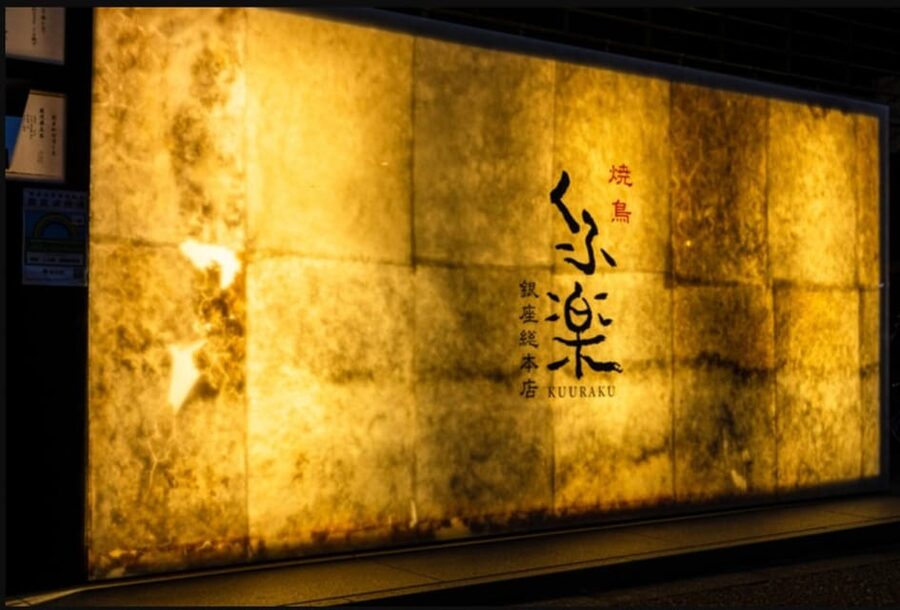
- Neon-lit Ginza street energy for photos, plus a cozy interior for eating
Why a Ginza Yakitori Course Feels Like a Tokyo Reset
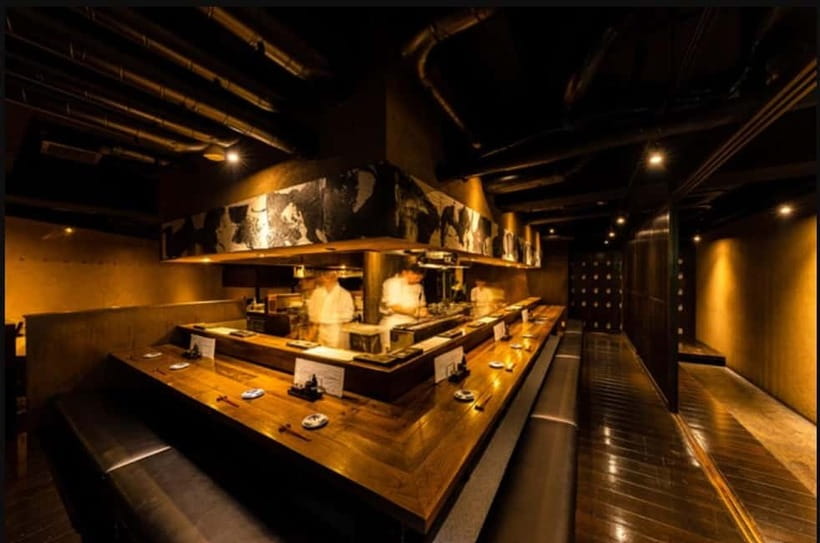
Ginza can feel like a blur of shopping streets, trains, and quick steps. This meal gives you a break from that pace, because the whole experience is focused on food and the rhythm of a Japanese tavern.
What you’re really paying for is concentration. Your course is already planned, and the kitchen keeps it moving over a set time. That means you spend less time thinking and more time eating, which is what I want when I’m trying to fit Tokyo into a tight schedule.
The setting is also part of the appeal. You get the neon-side energy outside, then a calmer, cozy interior once you sit down. It is one of those “inside becomes your world” moments that works well even if you are traveling solo.
You can also read our reviews of more drinking tours in Tokyo

Binchotan-Grilled Michinoku Seiryu Chicken, Skewer by Skewer
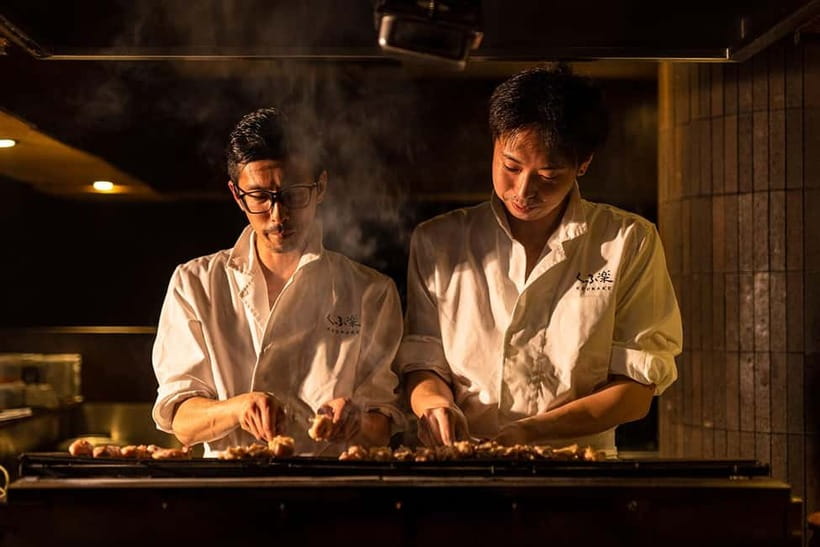
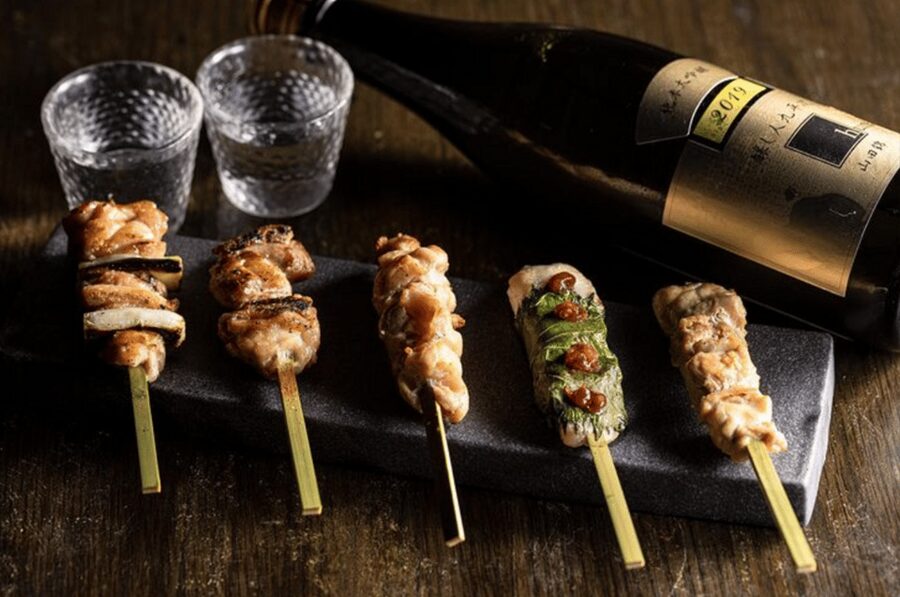
The core of the meal is yakitori, and the kitchen does not hide behind gimmicks. Skewers are made with Michinoku Seiryu chicken, then grilled over Binchotan charcoal. That combination matters. Binchotan tends to deliver a crisp exterior while keeping the inside juicy, so you taste texture, not just flavor.
You also get variety in how the chicken is prepared across each course. Even within the same general ingredient, the menu rotates cuts and preparations, including breast, Zuri, Maruhatsu, and wings in the larger menus. If you’ve only ever had one style of chicken skewer before, this is where your palate starts to get educated.
And yes, it looks good on the plate too. One of the strongest points people mention is how the skewers come out nicely presented, not sloppy or rushed. If you’re the type who likes good food that also photographs well, you’ll understand why this fits.
The 2-Hour Food Flow: From Appetizer to Rice Bowl
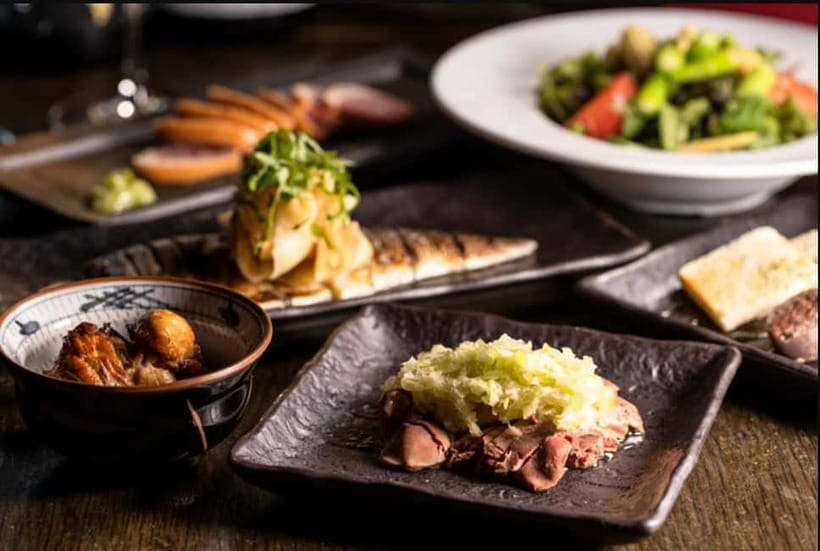
This is a restaurant reservation experience, so the “itinerary” is the dining flow. Instead of wandering from stop to stop, you move through a planned sequence of small plates, skewers, and warm finishers.
A typical course structure looks like this:
- An appetizer and salad at the start
- Multiple skewers of Michinoku Seiryu chicken and vegetables
- A small dish moment, with a specialty dish included each time
- A warm chicken soup
- A minced meat rice bowl finale
- Dessert only on the largest menu
The practical upside is clarity. You can walk in, sit down, and let the kitchen take over. The slight downside is timing. With a maximum 2 hours at your seat, you want to arrive ready to eat, not to re-check your reservation five times.
Choosing Between the 5, 7, or 9 Skewer Course
Kuuraku Ginza gives you three menu sizes. Pick the one that matches your appetite and your interest in “more types of chicken.”
Chef’s 5 Selected Skewers (Total 11 dishes)
This is the easiest entry point if you want yakitori without committing to a long list of items.
In this course, you get:
- Appetizer and salad
- 4 skewers of Michinoku Seiryu chicken (with scallion plus different parts such as breast, Zuri or Maruhatsu)
- Homemade tsukune (meatball)
- 1 vegetable skewer
- Special toro liver
- Special chicken soup
- Minced meat rice bowl
If you’re new to Japanese tavern meals or you’re pairing this with other plans, this course gives you the key hits.






Chef’s 7 Selected Skewers (Total 14 dishes)
If the 5-skewer set sounds good but you want more variety, the 7-skewer menu is the sweet spot for many people.
You’ll see:
- Appetizer and salad
- 5 skewers of Michinoku Seiryu chicken (scallion plus breast, Zuri or Maruhatsu, plus wings)
- Homemade tsukune
- 2 vegetable skewers
- Special toro liver
- Grilled soused mackerel
- Special chicken soup
- Minced meat rice bowl
This is where the “course” starts to feel more like a full night out. The grilled mackerel adds another flavor direction beyond straight chicken.
Chef’s 9 Selected Skewers (Total 17 dishes)
Go here if you want the most range, including offbeat parts.
You get:
- Appetizer and salad
- 6 skewers of Michinoku Seiryu chicken (scallion plus breast, Zuri or Maruhatsu, plus wings)
- 4 kinds of rare parts
- Homemade tsukune
- 2 vegetable skewers
- 1 beef skewer
- Special toro liver
- Special chicken soup
- Minced meat rice bowl
- Dessert
This menu is the most “food nerd” option without needing to be one. You get rare parts, beef, and dessert, which can make it feel like a tasting-style dinner.
The Special Toro Liver and the Tsukune Moment
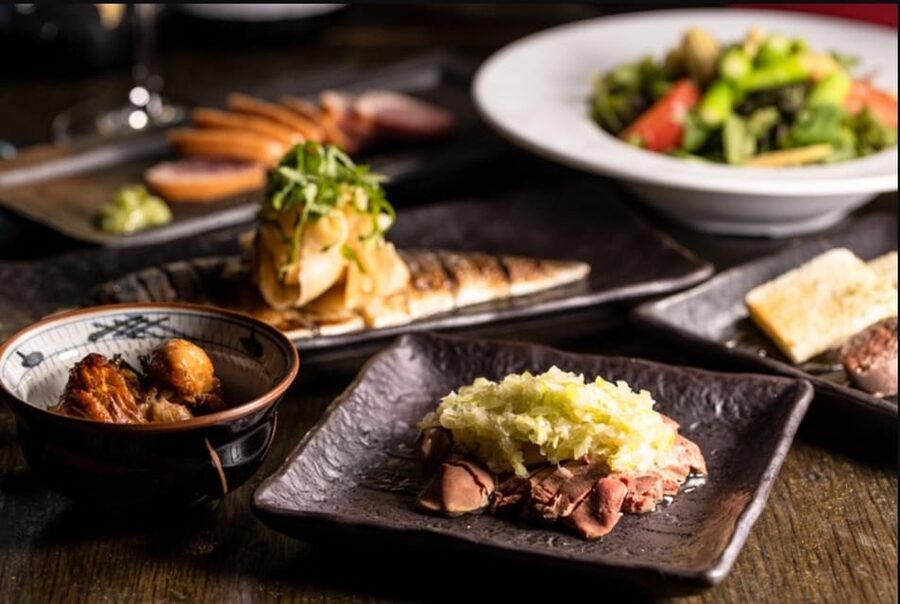
Two menu elements show up across all three course sizes, and they are worth understanding before you sit down.
Special toro liver appears as the included small dish specialty. If you’re curious about how Japanese chefs handle organ meat, this is a controlled way to try it, not a random experiment. The meal design means you usually get it after you’ve already warmed up your palate with soup and skewers.
Homemade tsukune is also a highlight. It is often the item people remember because it brings a different texture than whole skewers. Instead of bite-sized chicken sections, tsukune tends to feel more cohesive and filling, and it gives your meal a comforting middle rhythm before the warm soup and rice bowl finish.
Drinks at Kuuraku Ginza, Plus the Aota Wine Detail
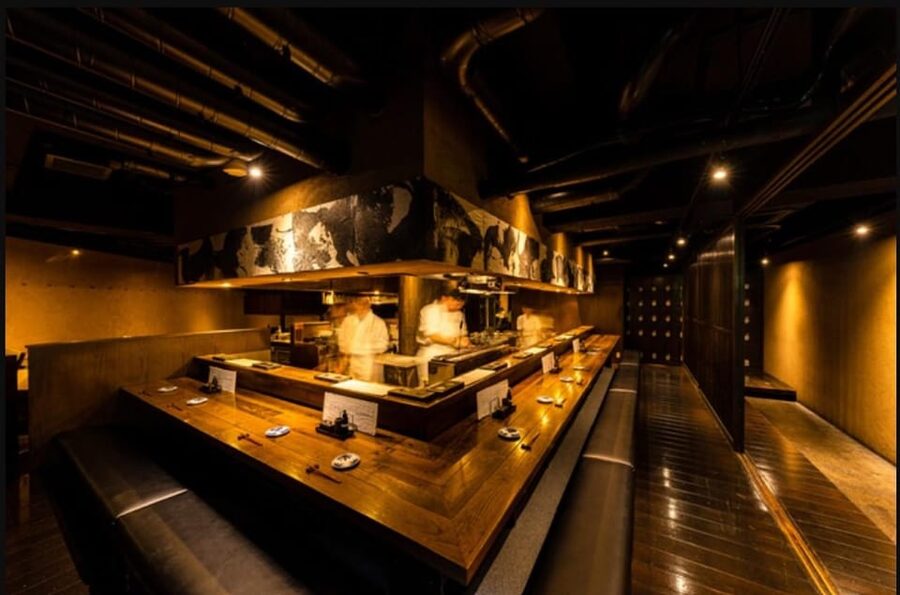
Water is included, but drinks are not included in the base price. If you want sake or wine, you’ll add it on at the restaurant.
The menu includes seasonal Japanese sake and award-winning wines, including Aota from Kitaya, Fukuoka. That’s a nice pairing clue. Aota wines typically sit well with grilled meats, especially when you’re eating salty, smoky skewers.
Japan’s legal drinking age is 20 or older. If you are with anyone under that age, stick to water and plan around the meal’s flavors instead of alcohol.
One smart move is to treat drink ordering like a second course, not a default. Start with water, taste the skewers, then decide if you want sake’s clean punch or wine’s smoother glide.
Service Style and What “No Guide” Means for You
This is a reservation-only dining experience, and no guide is provided. That can actually be a plus. You are not paying for someone to narrate food. You are paying for the meal, and the staff handles the flow.
People also point out that English support is good, including an English menu, and service tends to be friendly and attentive. In practice, that means you can ask basic questions without feeling stranded, especially about drinks or which skewer is which.
Timing matters, too. Seats are reserved for up to 2 hours, and specific seat types cannot be guaranteed. So if you’re picky about where you sit, focus on arriving ready and accepting that the restaurant controls the final layout.
Price and Value: What $34 Really Buys
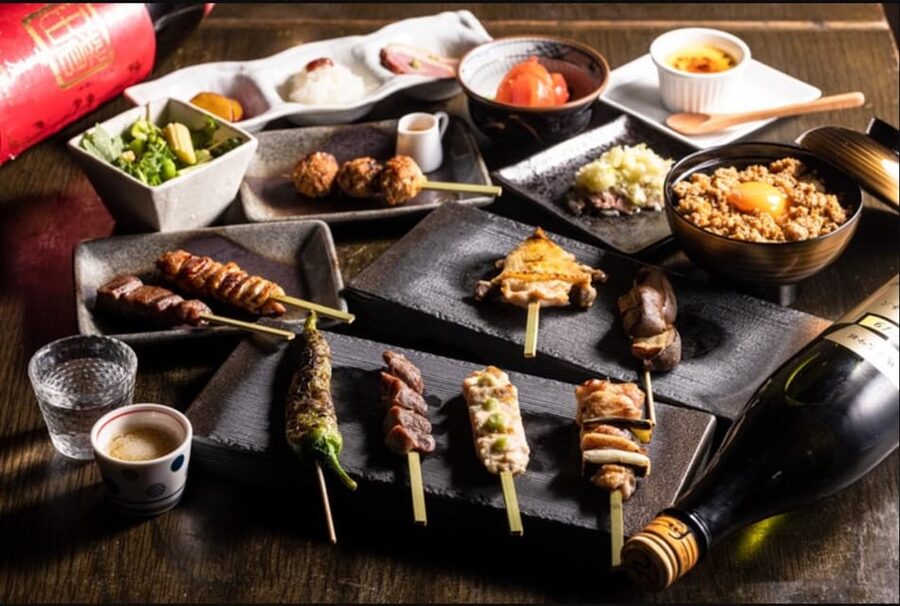
At about $34 per person, the value comes from two things: you get a full course menu, and the price includes sales tax and your reservation.
You do not get drinks in that base cost, except water. But even so, the meal is not “just skewers.” Every menu includes multiple dish types: salad, appetizer, vegetable skewers, a specialty dish like toro liver, a warm chicken soup, and a minced meat rice bowl. On the larger menus you add grilled mackerel, rare parts, beef skewer, and dessert.
The best way to think about it is this: you’re buying a finished dining program. For Tokyo, where many meals either feel pricey or feel incomplete, that planning is a real advantage.
If you’re a light eater and you want maximum value, the 5-skewer course makes sense. If you want variety and bigger satisfaction, the 7-skewer course is often the “enough to feel like a full night” option. If you want a buffet-like range without doing a buffet, the 9-skewer course is your move.
Practical Tips So Your Meal Goes Smoothly
Here are the small things that make a real difference with this kind of reservation course.
- Arrive close to your reservation time. You enter the restaurant directly when it is time.
- Go in hungry. The pace is set for a 2-hour seat window, so you do not want to start with a full stomach.
- Pick the course size deliberately. 5 skewers is a strong start. 7 adds more variety. 9 is the full spread with rare parts.
- Use the dietary restriction comment box. If you have restrictions, leave a note during checkout.
- Order drinks after your first few bites. Start with water, then decide based on how you like the smoke and salt level of the yakitori.
Who This Is Best For (And Who Might Want to Skip It)
This experience fits best if you want:
- A local-style izakaya dinner in a single planned session
- Strong yakitori focused on real technique, not just “something on a stick”
- An English-friendly dinner structure that does not require a guide
It may be less ideal if:
- You hate restaurant time limits. This is paced for a 2-hour seat window.
- You want an alcohol-first night. Drinks cost extra, with water included.
- You have strict dietary needs that cannot be accommodated, since the only option stated is leaving dietary notes during checkout.
Also note the family rules: children under 6 are free of charge, and those 6 and older are required to order the regular course. If you’re traveling as a family, double-check which menu size fits everyone’s appetite.
Should You Book Kuuraku Ginza?
I’d book it if you want a Tokyo dinner that feels both authentic and structured: Binchotan-grilled skewers, a real course sequence, and a menu that ramps up in variety as you move from 5 to 9 skewers. The price is reasonable for what’s included, especially because sales tax and your reservation are part of the deal.
I’d skip or reconsider if you’re looking for a slow, meandering evening or if you need a lot of flexibility at the table. This is a “sit, eat, enjoy, move on” kind of meal, and it works best when you’re aligned with that pace.
FAQ
How long is the Kuuraku Ginza izakaya course?
The course duration is 2 hours, with seats reserved for a maximum of 2 hours.
What’s the meeting point?
The meeting point is next to a Family Mart convenience store.
Is this a guided activity?
No guide is provided. It is a restaurant reservation experience, and you enter the restaurant directly when it is time.
What’s included in the price?
The included items are the full course menu, sales tax, and your reservation. Water is included, but other drinks are not.
What’s not included?
Drinks (except water) and other personal expenses are not included.
Are there different course menu options?
Yes. You can choose Chef’s 5 Selected Skewers (11 dishes), Chef’s 7 Selected Skewers (14 dishes), or Chef’s 9 Selected Skewers (17 dishes).
What dishes are included in every course?
Each course includes items like special toro liver, special chicken soup, and a minced meat rice bowl, along with salad and appetizer as part of the set.
Can I make a reservation for just one person?
Yes. Bookings are accepted from one guest.
Is there an age limit for ordering drinks?
Japan’s legal drinking age is 20 or older.
What about children and dietary restrictions?
Children under 6 are free of charge. Children 6 and older must order the regular course. If you have dietary restrictions, you can leave a comment during checkout.
More Drinking Tours in Tokyo
More Tour Reviews in Tokyo
Not for you? Here's more nearby things to do in Tokyo we have reviewed












Tokyo City Tours, side by side.
 ★ 5.01-Day Tokyo Bus TourFrom $12914,250 reviews
 ★ 4.5TOKYO SKYTREE® Admission ticketFrom $1311,192 reviews
 ★ 4.6teamLab Planets TOKYO Digital Art Museum Entry TicketFrom $259,779 reviews
 ★ 4.0Mt Fuji & Hakone Cruise, Drum Show Bullet Train 1 Day from TokyoFrom $1497,413 reviews
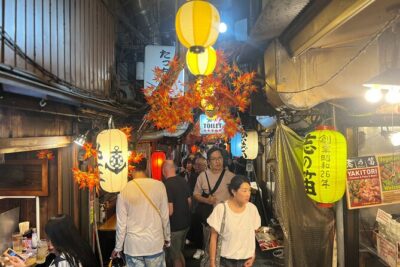 ★ 5.0Shinjuku Food Tour (13 Dishes at 4 Local Eateries)From $866,603 reviews
 ★ 4.4Tokyo Mt Fuji 5th St & Hakone Cruise Bus Tour w/Bullet TrainFrom $1545,024 reviews
 ★ 5.0Flagship 2-Hours Official Street Go-Kart Tour – Tokyo Bay ShopFrom $644,974 reviews
 ★ 4.5From Tokyo: Mount Fuji Full-Day Sightseeing TripFrom $684,970 reviews
This tour also belongs to