
Review · TOKYO CITY TOURS
Tokyo: Make Your Own Hanko Stamp — Unique Cultural Souvenir
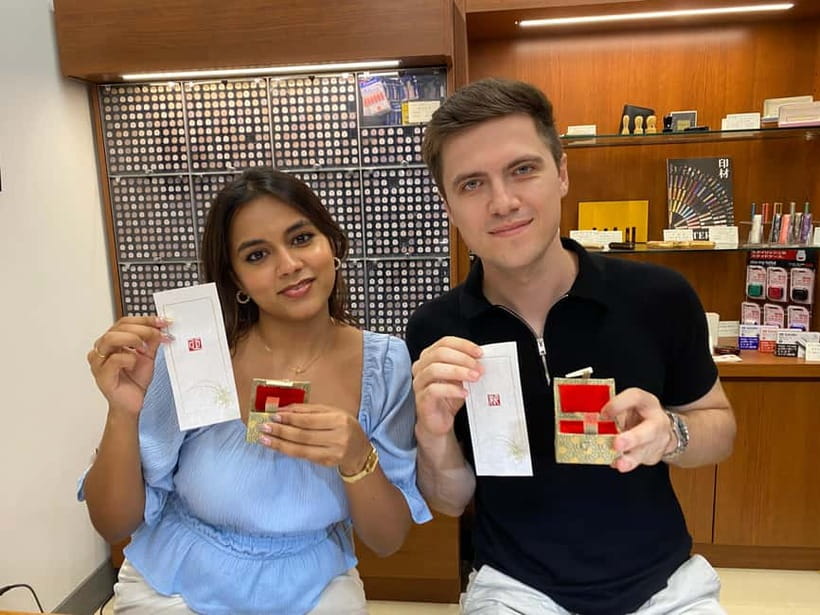
You leave with a seal you made. This Hanko workshop is a hands-on Tokyo experience in a long-running seal shop, where you design your name and carve a personal stamp with real staff guidance. It runs about 90 minutes, in central Otemachi, and it is built for small groups so you are not stuck watching from the sidelines.
I love the direct craftsmanship element, because the process is centered on you working with the seal master and shop team, not just listening to a lecture. I also like that you get help choosing kanji or katakana, plus explanations of what the characters mean, so your stamp feels intentional. The one thing to consider is price, at $154 for 90 minutes, you should book it if you genuinely want a finished, functional keepsake, not just a quick photo stop.
Key things to love about this Tokyo Hanko workshop
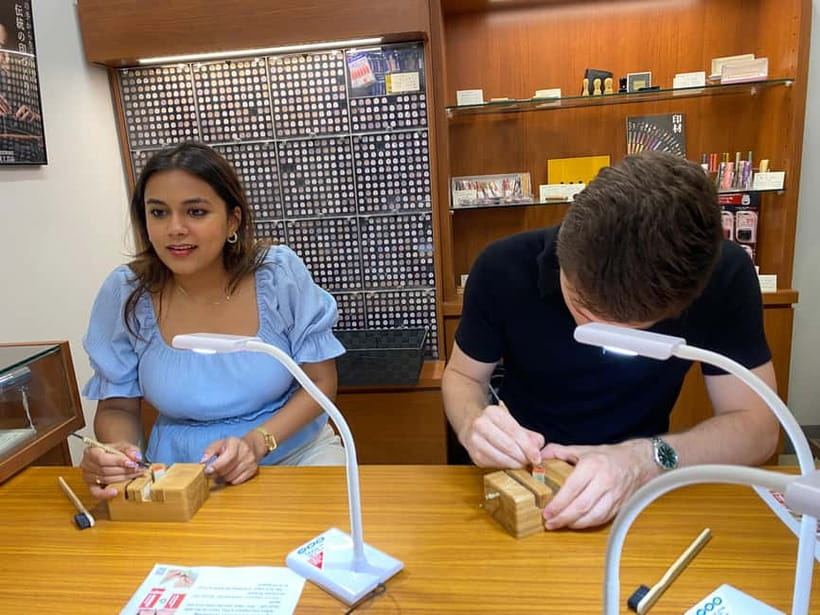
- Small-group coaching (max 4) for a calmer, personal pace
- Name design help in kanji or katakana with character meaning guidance
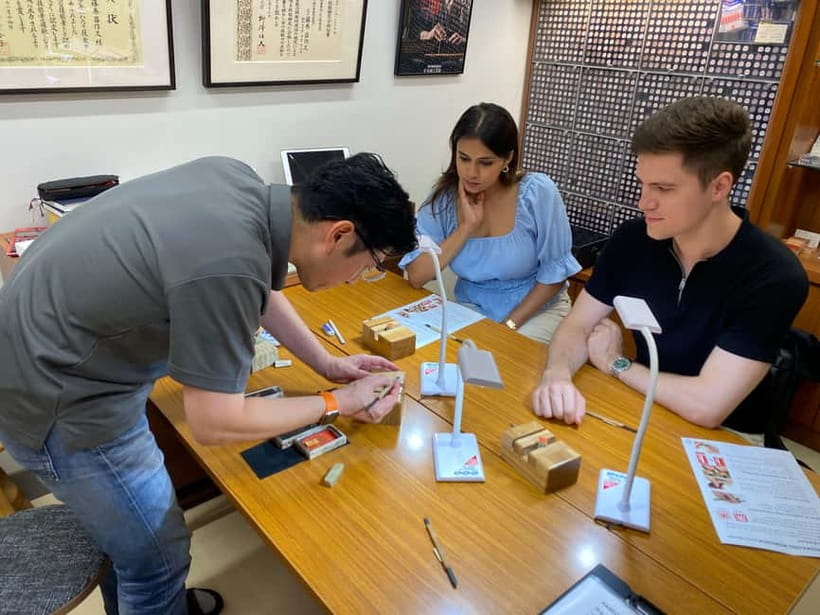
- Hand-carving with staff support, even if you have zero experience
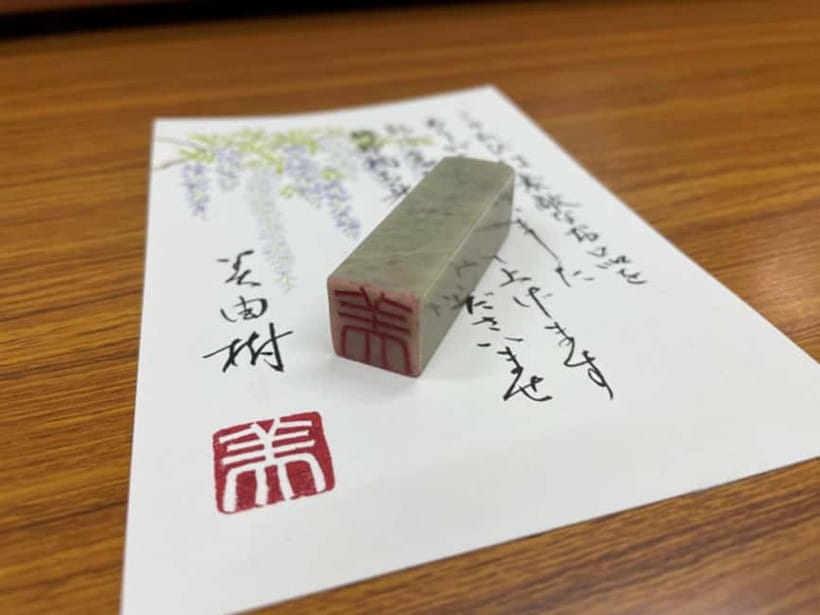
- Traditional red ink trial stamp so you see your result right away
- Take-home value: the original Hanko plus a protective case
- Central Otemachi meeting point inside a real local seal shop environment
Why a Handmade Hanko Is More Than a Souvenir
A lot of Tokyo souvenirs are nice, but they are still just purchased. With a name seal workshop, you make something that has meaning because you shaped it with your own hands. Hanko are tied to identity, and your workshop focuses on that idea, not just decoration.
I like that the experience treats the seal as both cultural and practical. You are not just learning about Japanese culture in the abstract, you are producing a personal object that you can keep as a meaningful memento long after your trip.
Also, the “made by you” factor matters. A carved seal has texture, detail, and a quiet satisfaction that a mass-produced item never will.
You can also read our reviews of more tours and experiences in Tokyo.



Finding the Workshop in Otemachi, and What 90 Minutes Feels Like
You meet at Lawson in front of Taihodo, Shin-Otemachi Building, 2-2-1 Otemachi, Chiyoda-ku. From there, the workshop keeps things simple: you get oriented, you design, you carve, you stamp, you take it home.
The whole session is indoors, so it works in all weather. That matters in Tokyo, where plans can get messy if it is raining or you are dealing with heat.
This is also a private group experience with a maximum of four participants. In practice, that means you should expect a workshop pace with room for questions, rather than a fast conveyor belt of people.
One more practical note: pets are not allowed. If you are traveling with an animal, you will need to plan around that.
Entering a Traditional Seal Shop and Learning What Hanko Means
Your experience begins with a welcome and a cultural introduction at a long-established seal shop. The guide explains the role of Hanko in Japan, including how these seals connect to identity and authenticity and how the tradition has been around for centuries.
I find this part important because it stops the workshop from feeling like a craft class only. You learn enough context to understand why people take seals seriously, and why the design details are not random.
You will also notice how shop culture shapes the process. The environment is part of the learning. You are in a real place built for seals, so it feels like work happens here every day, not like a staged activity built for tourists.
Designing Your Name in Kanji or Katakana, With Real Character Help
Next, you choose how your name appears on the seal, either in kanji or katakana. The multilingual guide helps you figure out the representation, and you also get explanations of the meanings behind each character.
That character-meaning step is one of the most valuable parts for me, because it turns the design from a spelling exercise into something personal. If you care about accuracy and intention, this is where the workshop supports you rather than leaving you to guess.
You’ll also select a calligraphy style before carving begins. The point is to match the style to the seal format, so the final carved design still reads clearly when stamped.
If you are the kind of traveler who loves good “why” questions, bring them. This portion is where those questions make the biggest difference.
From Stone to Seal: How the Carving Part Works
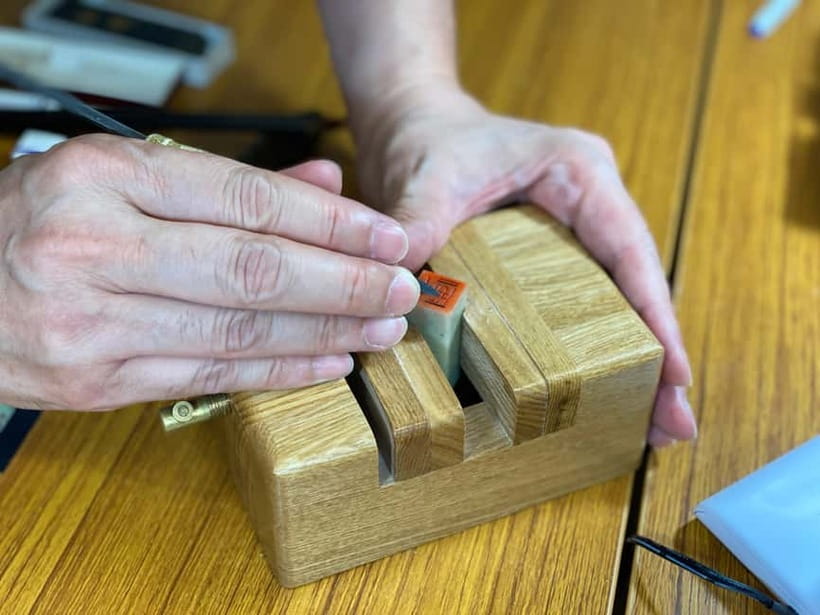
Now comes the core action: hand-carving your personal seal. No prior experience is required, and you get ongoing support from experienced local staff, with safety and precision emphasized throughout.
I like how the workshop makes carving feel approachable. Even if you have never used carving tools, you are not expected to figure it out alone. Staff guidance is built into the experience, and the small-group limit keeps attention focused on you.
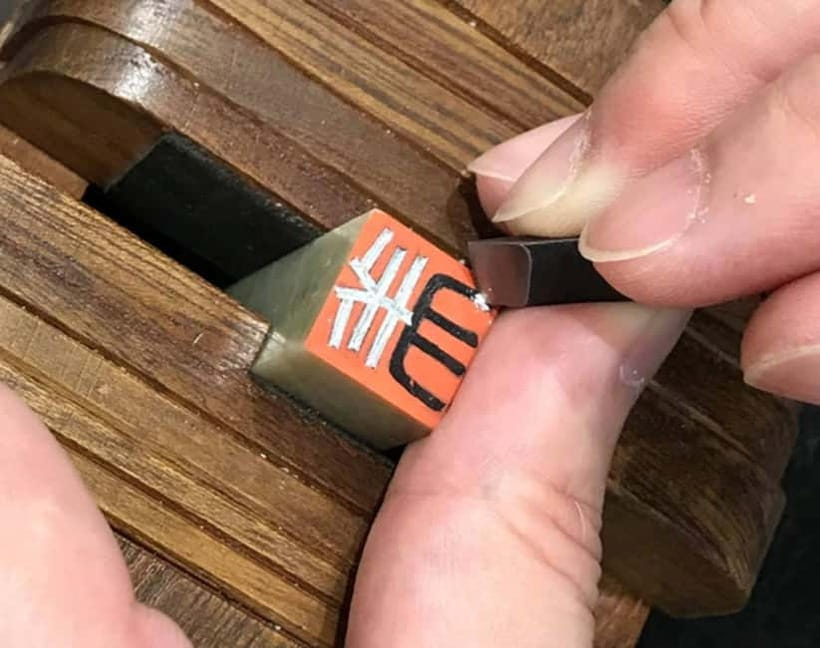
You choose your design, then carve it based on that layout. The seal is the finished object, so this is where you see your decisions turn into something tangible. You also get to feel the craftsmanship side of the process, where tiny changes in shape can affect how the stamp prints.
Once the carving is complete, there is a satisfying moment of seeing it in its intended form, not just as a block of carved material.



The First Red Stamp, Photos, and Your Seal Case
After carving, you stamp the finished seal with traditional red ink. This is the moment that makes everything real, because you can immediately check your result and admire how your name shows up as an imprint.
You also take commemorative photos. It is a simple touch, but it helps you remember not just the final object, but the steps that led to it.
When everything is done, you take home your finished Hanko in a protective case. That case matters more than it sounds. It helps keep the seal in good shape, and it makes the keepsake feel like an actual tool you can store and bring out again.
In other words, you get more than a souvenir. You leave with an object that has a place in your travel memory, and a practical reason to exist.
Language Support and Small-Group Comfort
The workshop runs with a live guide in English, Spanish, French, Italian, or Chinese. That multilingual support is especially useful for design steps where clarity matters, like deciding kanji versus katakana and understanding character meaning.
The shop also provides help during the carving process. One reason people leave happy is that communication does not stop once you enter the room. When you can ask questions and get straight answers, you make better choices, and you feel less rushed.
The small-group format, max four participants, is part of the value. You are more likely to get individual corrections and calm pacing. If you have ever tried to craft anything while a guide is juggling a large group, you will appreciate the difference here.
Wheelchair accessibility is also included. The workshop is wheelchair accessible, and staff can assist if needed.
Children under 5 can join as observers, but they cannot carve. If you are traveling with small kids, plan to bring them for the experience watching part, while you handle the carving.
Who This Tokyo Hanko Workshop Suits Best
This is a great match for travelers who want culture that you touch and carry home. If you like crafts but also want meaning behind them, this workshop gives you both.
It is especially good if you are:
- Interested in Japanese identity traditions, not just general sightseeing
- Looking for a personal gift you made yourself
- Traveling with a companion and want a calmer private-group setting
- Someone who appreciates multilingual guidance during a detailed activity
If you are only after quick photos and a low-effort activity, this may feel like too much work. The point here is the carving and the design decisions. You should expect to focus.
Also, keep in mind that it is a 90-minute experience. It is designed to fit into a Tokyo day, but it is not a multi-day craft course.
Price and Value: What $154 Covers and Why It Makes Sense
At $154 per person, this is not a bargain souvenir. But it is also not just a purchase. You are paying for instruction, access to a local shop environment, and guided hand-carving support, plus what you take home.
The included items are part of the value story:
- Original Hanko seal
- Carving fee
- Seal case
- Multilingual guide
When you add those up, the price starts to look less like a craft label and more like a complete experience package. You are buying a finished, personal seal plus the expertise needed to get it right.
If you compare it to buying a stamped souvenir set, you are not paying for branding. You are paying for time, cultural guidance, and the craft process that creates the object. That is why the workshop feels memorable to people who care about authenticity.
For best value, plan ahead so you do not miss your session. Transportation costs are not included, so make sure you budget for getting to the meeting point in Otemachi.
Practical Tips Before You Go
You cannot do much preparation for the carving itself, because the staff support you the whole time. Still, a little planning makes the design step smoother.
I suggest you arrive with a clear idea of the name you want on the seal. The workshop is about representing your name in kanji or katakana, and you will be choosing character details with the guide.
Wear clothes you are comfortable working in. Even though the workshop is indoors, carving activities can involve fine, careful hand work, so you want clothing that lets you move naturally.
And if you care about photos, keep your phone accessible. You will stamp, then take commemorative shots, so you can capture the red-ink moment and the final result in the case.
Should You Book This Hanko Workshop in Tokyo?
Book it if you want a Tokyo experience that is personal, tactile, and culturally grounded. This workshop gives you exactly what you hope for when you are tired of standard souvenirs: a meaningful object, made with real guidance, in a real local seal shop in Otemachi.
I would skip it only if you are not interested in the making part. This is not a passive activity. You will design and carve, and you should enjoy that kind of focus for 90 minutes.
If you fit the profile, you will likely leave with a keepsake you actually care about, plus a clearer understanding of why Hanko are treated like identity, not decoration.
FAQ
How long is the Hanko workshop in Tokyo?
The workshop lasts 90 minutes.
Where do we meet for the workshop?
You meet at Lawson in front of Taihodo, Shin-Otemachi Building, 2-2-1 Otemachi, Chiyoda-ku, Tokyo.
Is this a small-group workshop?
Yes. It is a private group experience with a maximum of four participants.
What languages are available for the guide?
The live guide can support you in English, Spanish, French, Italian, and Chinese.
Do I need prior experience to carve the seal?
No. No prior experience is required, and staff will support you throughout the carving process.
Is the workshop wheelchair accessible?
Yes. The workshop is wheelchair accessible, and staff can assist if needed.
Are pets allowed?
No, pets are not allowed.
Can young children participate?
Children under 5 may join as observers, but they cannot carve.
What is included in the price?
Included are the original Hanko seal, the carving fee, a seal case, and a multilingual guide.
More Tour Reviews in Tokyo
Not for you? Here's more nearby things to do in Tokyo we have reviewed












Tokyo City Tours, side by side.
 ★ 5.01-Day Tokyo Bus TourFrom $12914,250 reviews
 ★ 4.5TOKYO SKYTREE® Admission ticketFrom $1311,192 reviews
 ★ 4.6teamLab Planets TOKYO Digital Art Museum Entry TicketFrom $259,779 reviews
 ★ 4.0Mt Fuji & Hakone Cruise, Drum Show Bullet Train 1 Day from TokyoFrom $1497,413 reviews
 ★ 5.0Shinjuku Food Tour (13 Dishes at 4 Local Eateries)From $866,603 reviews
 ★ 4.4Tokyo Mt Fuji 5th St & Hakone Cruise Bus Tour w/Bullet TrainFrom $1545,024 reviews
 ★ 5.0Flagship 2-Hours Official Street Go-Kart Tour – Tokyo Bay ShopFrom $644,974 reviews
 ★ 4.5From Tokyo: Mount Fuji Full-Day Sightseeing TripFrom $684,970 reviews