
Review · TOKYO CITY TOURS
Tokyo Metropolis
Tokyo’s lines teach you to see. This 2.5-hour Tokyo photography workshop sends you through Shiodome, Ginza, and the Tokyo International Forum with a local instructor who focuses on practical composition and camera guidance, not theory. I especially like the small group size (max six), which means you can actually get your questions answered, and the morning feel in the skyscraper district that helps your pictures look more intentional. One thing to consider, you do walk around about 2 km total, and it depends on good weather to run smoothly.
I also really like how the route mixes big-city architecture with street-level moments, so you learn to photograph both buildings and people without losing the plot. You start at the Steam Locomotive at Shinbashi Station, work your way through Shiodome Siosite, then Ginza’s side streets, and end near Anthony Caro’s Barcelona Ballad in Marunouchi.
Key things to know before you go
- Small group, real instruction: limited to six participants, so your guide can correct your framing and settings.
- Morning light in Shiodome Siosite: skyscrapers first, then you switch gears to street photography.
- Ginza without the usual rush: you’ll cover architecture and back alleys on foot rather than only hitting the main sidewalks.
- Tokyo International Forum interior challenges: you’ll photograph inside the Forum and use the space for dramatic results.
- About 2 km of walking: manageable, but wear shoes you can stand and walk in.
- Mobile ticket and easy start: confirmation is sent around booking time, and your day runs from a clear meeting point near Shinbashi.
Why This Tokyo Photography Workshop Works So Well
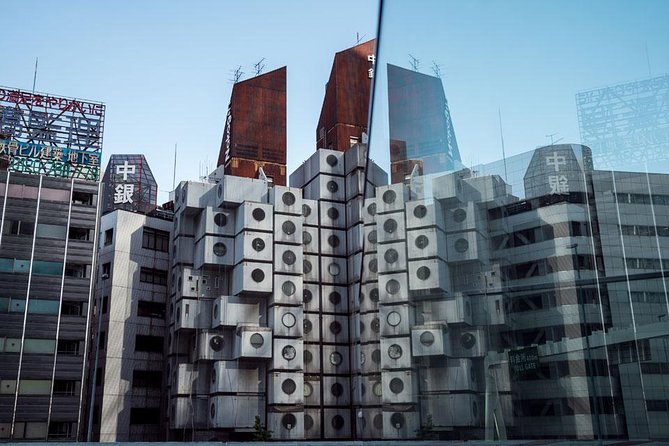
Tokyo can look like one giant photo. But when you arrive with a camera and no plan, it’s easy to end up with the same postcard angles everyone gets. This tour is built to fix that fast.
The structure is simple. You start in Shiodome, where modern towers and reflections give you lots of composition practice. Then you head into Ginza, where street rhythm shows up in shopfronts, alleys, and the daily movement of people working and eating. Finally, you finish at the Tokyo International Forum, which gives you indoor photo challenges and a chance to work with shape, light, and spacing.
Two things make the experience feel genuinely helpful. First, the guides teach in a hands-on way. In particular, I like that instructors such as Stephane and Lukasz focus on how to frame a scene and how to craft a photo story using the environment and people in it. Second, the pace is walking-friendly and interactive. Guides such as Exel are reported as patient and good at explaining things clearly, including how to see lines, patterns, and angles that you might otherwise miss.
Who this is best for
This fits both beginners and more advanced shooters because the lesson is built around fundamentals you can apply to any camera. If you are new, you get guidance on composition and practical settings. If you know your basics, you still benefit from having a local point out specific visual ideas and then helping you apply them.
You can also read our reviews of more tours and experiences in Tokyo.



Meeting at Shinbashi: Starting With the Right Camera Mindset
You meet at SL Square, Shimbashi Station West Entrance Square, at the spot by the Steam Locomotive. Starting here matters because you’re in a place where rail energy and modern surroundings overlap. That sets you up for the whole day theme: Tokyo’s steel-and-glass look, but with a human sense of story.
The tour starts at 10:00 am and runs for about 2 hours 30 minutes. With that kind of time, you get enough stops to learn how to think differently from one area to the next, without feeling rushed.
One practical advantage: you’re not handed a lecture and left on your own. You move as a group, and the guide keeps steering you toward what to notice next. People in your group can be using different cameras and skill levels, and the instruction can still land because it’s focused on what you see and how you frame it.
Stop 1: Shiodome Siosite and Skyscraper Framing Skills
Your first main photo target is Shiodome Siosite in the Shiodome business district. This is where the tour’s “architecture first” approach really shines.
What you’ll photograph
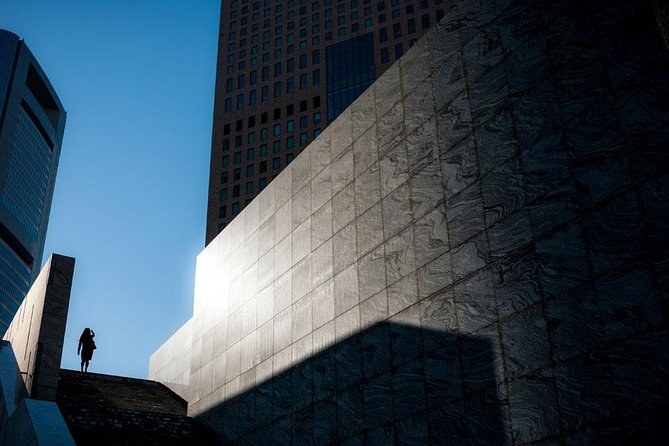
Think steel and glass towers plus morning light effects. You’re in a zone where you can work on:
- line-based compositions (tower edges, repeating structures)
- reflections and surface texture
- dramatic vertical framing
This is a great place to practice because Tokyo’s geometry is strong here. Even if your camera settings are still a work in progress, the visuals give you plenty to work with.
The coaching angle
You’ll work on composition skills, especially how to frame a scene. The guide also encourages you to think of photos as a story, not just a tall building. That means you’ll likely be nudged to include environmental context or small human details, rather than only shooting from the same height with the same angle.



Drawback to plan for
Skyscraper districts can be crowded at certain times. You’ll still be moving with guidance that aims to keep you from blocking walkways, but you should be ready to wait a minute for the best moment. That’s part of the training though, timing and patience.
Stop 2: Ginza Street Photography and Architecture on Foot
After Shiodome, you shift to Ginza, which can be photographed in a dozen ways. What makes this stop valuable is that it is not only about the main streets. The goal is to find smaller sections that still show strong architecture and daily life.
What you’ll do in Ginza
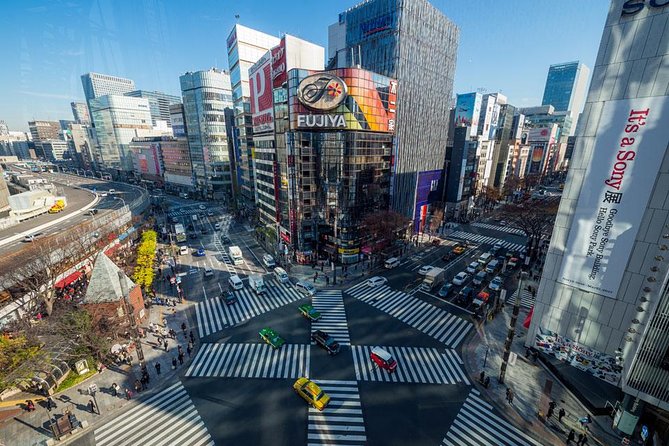
You’ll explore on foot and look for pockets of interest, including back alleys and side areas where you can capture street photography with a city working in the background. You may encounter cooks, wait staff, and salarymen in their normal rhythm. That gives your photos a “day in Tokyo” feel, which is harder to get when you only stick to big open plazas.
The visual lessons you can actually use
This is where the tour helps you slow down and see patterns. I like the emphasis on lines, reflections, and architectural angles. A good guide will show you how to spot shapes in doorways, how to align structures for leading lines, and how to use spacing so your image feels composed rather than accidental.
If you enjoy architecture photography but your shots feel flat, this is a good fix. You’re taught how to make the environment and people share the frame, so the picture tells a clearer story.
Watch for one limitation
This part is still a walking day, and the stop is around 45 minutes. In a place like Ginza, that can feel short if you fall in love with one spot. The tradeoff is that the whole tour keeps moving so you practice multiple styles, instead of spending all your time in one area.
Stop 3: Tokyo International Forum for Indoor Dramatic Images
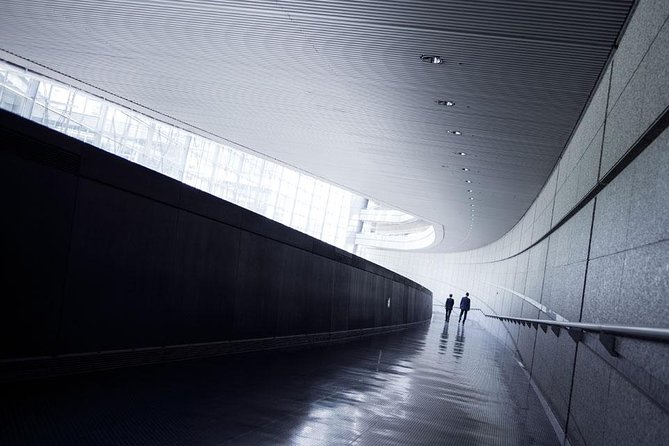
The final stop is Yurakucho, at the Tokyo International Forum. Here you’ll photograph the interior of the Forum, and the setting is designed for your camera brain to work differently.
Why this stop is so useful for photographers
Outdoor city photography can become a habit, especially in bright daylight. Inside, you have different light, different angles, and different rules. The Forum interior creates photographic challenges that push you beyond simple building exteriors.
You also get a specific photo mission feeling. Your guide will likely steer you toward dramatic images by pointing out geometry, repetition, and interior space relationships. It’s a good place to test what you learned outside, like framing and storytelling, but under new lighting conditions.
Practical planning note
The tour ends with a spot near Anthony Caro’s Barcelona Ballad in Marunouchi, and you can easily get to your next destination from Yurakucho. That’s convenient because you’re finishing close to major rail access, and you’re not stuck in a far-off edge of the city.
Group Size, Guides, and the Real Value of “Instruction”
This is the part that most improves your photos quickly. The tour is limited to six participants, which means you’re not lost in a crowd. You get personal attention, and your guide can correct you in the moment.
You’ll likely get more than one kind of help
From what the guides are known for, you can expect coaching that covers:
- composition and framing choices
- timing and when to shoot so people and details show up right
- camera settings, including practical advice and how to use different functions
Guides such as Stephane and Lukasz are described as friendly, professional, and enthusiastic, and some are known for checking photos and talking through what works. That feedback loop is where you actually improve, because you can compare your instincts to the guide’s suggestions and then apply it again quickly.
Why this feels like good value
The price is $158.52 per group up to 2, with a duration around 2 hours 30 minutes. If you’re a couple or a friend traveling together, that group pricing matters. Even if you’re alone, you benefit because you are sharing the instructor time with only a few people, not a large busload.
At this price, the “value” is not just walking around Tokyo. It’s the paid time with someone who can point you to strong angles, show you how to see, and help you adjust on the fly.
What You Should Bring (So You Get the Most From the 2 km Walk)
The tour’s walking distance is about 1.3 miles, or 2 km. That is not extreme, but Tokyo walking adds up fast if you keep stopping for photos. Comfortable shoes matter.
Bring:
- your camera and any usual accessories you want to practice with
- a way to keep your gear safe while moving
- weather-appropriate layers, since it depends on good weather
This is a photography workshop, so you’ll want to be ready to shoot often. If you only plan to take photos occasionally, you’ll miss the best part, which is how your guide pushes you to work the scene until it improves.
Weather and Timing: A Tour That Makes Sense When Light Cooperates
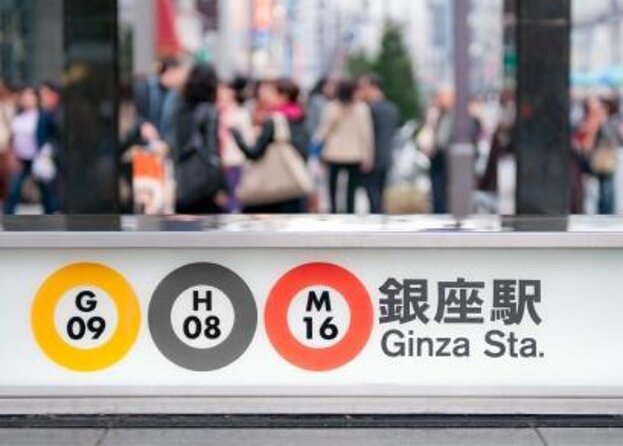
This experience requires good weather. If the company cancels due to poor conditions, you’ll be offered a different date or a full refund. That matters because photography days are about light and mood, not just locations.
Starting at 10:00 am means you’re usually not fighting the darkest morning hours. The Shiodome segment uses morning light, which is helpful for reflections and crisp architectural edges.
Where It Leaves You: Easy Connection to the Rest of Your Day
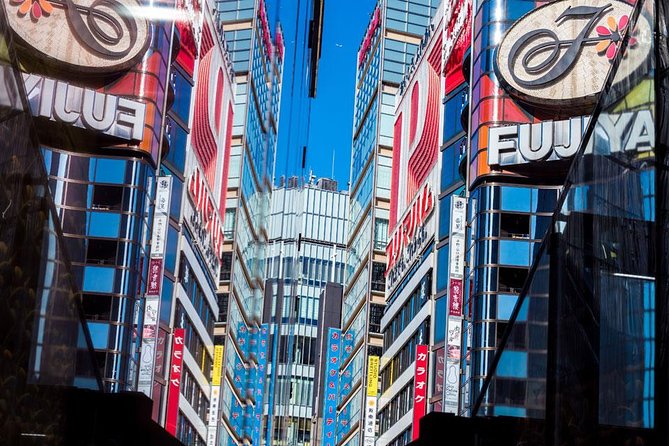
You end near Anthony Caro’s Barcelona Ballad in Marunouchi. That’s a strong finishing area because Marunouchi is central and connects well to other parts of Tokyo. After the workshop, you can keep exploring without a long commute.
Should You Book This Tokyo Photography Workshop?
Book it if you want more than sightseeing. You’ll get focused practice in composition, storytelling, and real camera guidance while moving through three of Tokyo’s best zones for modern architecture and street life.
Pass, or consider a different option, if you hate walking or you need a fully seated experience. Also, if you plan to do serious indoor shooting at the expense of outdoor learning, know that the tour gives you brief but varied stops rather than one long session.
If you are on the fence, here’s an easy decision rule: if you want your photos to improve in a single morning, and you like the idea of learning how to see lines, reflections, and human moments, this workshop is a strong match.
FAQ
Where does the tour start?
It starts at SL Square, Shimbashi Station West Entrance Square, at the Steam Locomotive area by Shinbashi Station.
When does the tour run?
The start time is 10:00 am, and the total duration is about 2 hours 30 minutes.
How long is the walking?
The average walking distance is about 1.3 miles, or 2 km.
What areas does the tour cover?
You’ll photograph the Shiodome business district, walk through Ginza for architecture and street photography, and finish at the Tokyo International Forum in Yurakucho.
Do you need tickets or pay admission at the stops?
Admission tickets for the listed stops are free.
Is the group small?
Yes. The tour is limited to six people, and it is described as a small-group experience with personalized attention.
Who provides the photography instruction?
A professional photography instructor and local photographer guide you during the workshop.
What should I bring for the photo workshop?
You should bring your camera. The tour includes instruction on composition and camera settings, so having your equipment ready helps you practice as you go.
If I cancel, do I get a refund?
This experience is non-refundable and cannot be changed for any reason.
What if it’s canceled due to weather?
It requires good weather. If it is canceled due to poor weather, you’ll be offered a different date or a full refund.
Is the tour good for beginners?
Most travelers can participate, and the workshop is designed for both beginners and more advanced photographers because the focus is on practical composition and technical tips.
More Tour Reviews in Tokyo
Not for you? Here's more nearby things to do in Tokyo we have reviewed












Tokyo City Tours, side by side.
 ★ 5.01-Day Tokyo Bus TourFrom $12914,250 reviews
 ★ 4.5TOKYO SKYTREE® Admission ticketFrom $1311,192 reviews
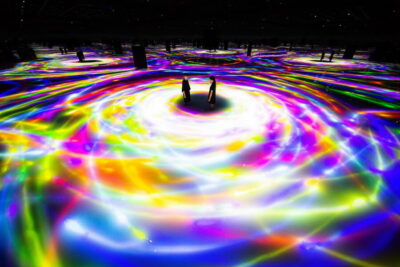 ★ 4.6teamLab Planets TOKYO Digital Art Museum Entry TicketFrom $259,779 reviews
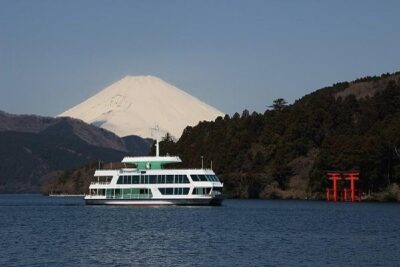 ★ 4.0Mt Fuji & Hakone Cruise, Drum Show Bullet Train 1 Day from TokyoFrom $1497,413 reviews
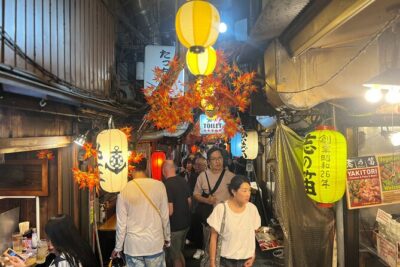 ★ 5.0Shinjuku Food Tour (13 Dishes at 4 Local Eateries)From $866,603 reviews
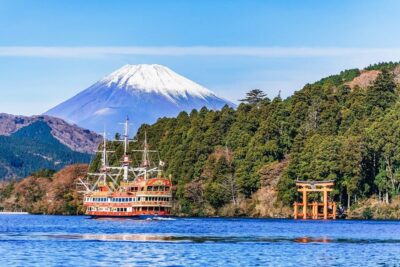 ★ 4.4Tokyo Mt Fuji 5th St & Hakone Cruise Bus Tour w/Bullet TrainFrom $1545,024 reviews
 ★ 5.0Flagship 2-Hours Official Street Go-Kart Tour – Tokyo Bay ShopFrom $644,974 reviews
 ★ 4.5From Tokyo: Mount Fuji Full-Day Sightseeing TripFrom $684,970 reviews