
Review · ASAKUSA TOURS
Tokyo: Origami Fun for Families & Beginners in Asakusa
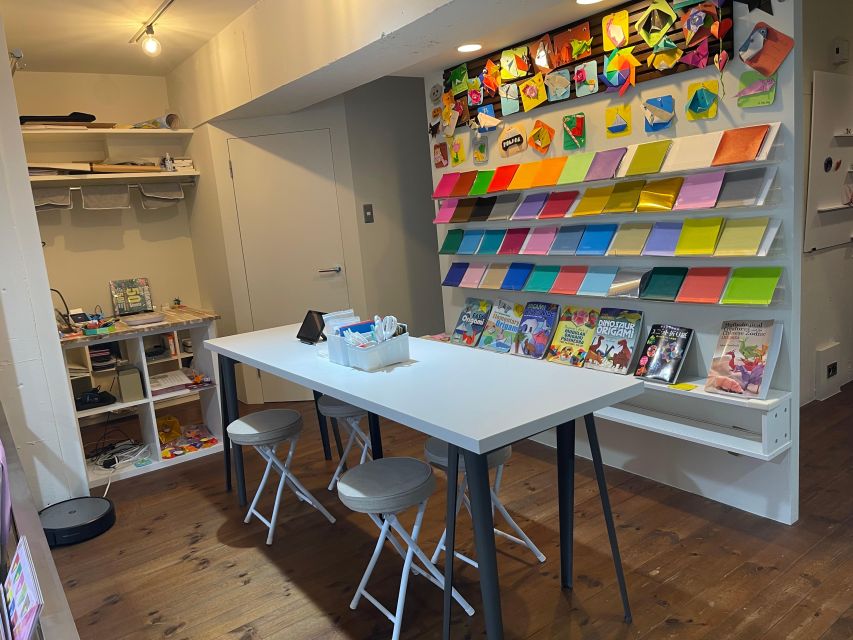
Paper turns into animals in 45 minutes. In Asakusa, this family-friendly workshop is interesting because you pick from lots of designs, then follow tablet-guided steps to fold at your own pace. I like the choice of over 100 models plus 50 paper colors, and I like how calm the studio feels while you focus on each crease. One watch-out: this is not a traditional teacher-led lesson, so if you want lots of side-by-side instruction, you may feel a bit more self-guided.
In a small group capped at 6, you get help when you need it, but you are mostly working from the touchscreen directions. You can also take photos during your session and browse the studio displays afterward, which makes it a fun rainy-day or schedule-filler activity in Tokyo.
Key reasons this Asakusa origami workshop gets high marks
- Huge model and color choice, so beginners do not feel stuck with only one simple thing
- Tablet instructions that you can replay, which helps if you pause, go slow, or redo a step
- Staff support without hovering, so you get help but keep momentum
- Good output for the time, with many people managing around 3 to 5 models depending on difficulty
- Fun customization, with stickers, stamps, and markers right in the flow
Where this experience fits in your Tokyo plan
Asakusa is one of those areas where it is easy to spend hours just walking, snacking, and wandering. That is exactly why a 45-minute origami workshop fits so well. You can do it after sightseeing without feeling like you need half a day, and it gives you a quiet break from crowds and constant motion.
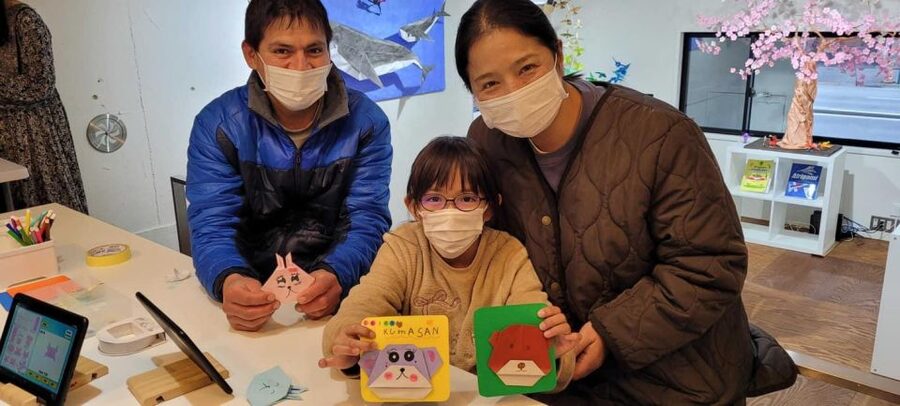
The studio sits on the main street side of the building. If you are near the park, do not enter from the backside, because that is not the right side for access. You will spot company signage on the front, plus a brown sea turtle fixed to the wall below the window. It is a small detail, but it makes the place easier to find when you are in a hurry.
You can also read our reviews of more tours and experiences in Tokyo.



The 45-minute flow: from the paper wall to your finished models
This activity is built around a simple sequence. You do not start with a lecture. You start with choosing your model and your paper, then you fold.
Here is the practical rhythm you should expect:
Step 1: Pick your model from the tablet menu
You use a touchscreen menu on the PC tablets to choose an origami design. The app organizes models into categories, and you select what you want to try first. Because you can replay steps and go back in the process, the experience works even if your first attempt is a bit wobbly.
This matters for families. Kids often need quick corrections, and adults sometimes like to redo a crease to make it cleaner.
Step 2: Choose your paper at the paper wall
Next, you head to the origami paper wall and choose your color(s). The studio specifically asks you to keep the design you are folding in mind while you choose. That is great advice, because some models look better with patterned or darker tones where faces, wings, or details will show.
Step 3: Press Play and fold along
Back at the tablet, you hit the Play button to begin. The instructions take you from a square sheet to a finished mix of animals, flowers, and vehicles. You can move at your own pace, but the point is to keep folding and see how many different models you can fit into the 45 minutes.
A nice real-world detail from past participants: many people manage about four items each when they stay with beginner to intermediate designs. If you only choose the hardest models, your number will drop. If you pick a couple easier ones plus one mid-level piece, you will likely feel like you got your money’s worth.



Step 4: Decorate and personalize
Once your fold is done, you can add personality using stickers, stamps, and markers. This is the part that turns a clean model into something you actually want to keep or gift. Even if your folds are not museum-perfect, the decoration helps your final result feel complete.
And yes, you can take photos throughout your session. That turns the experience from a one-time craft into a mini Tokyo memory.
Tablet guidance versus a true teacher-led class
Here is the biggest thing to understand before you go: this is not a private, teacher-led lesson. The studio staff is present to help, but the main instruction comes from the tablet.
So what does that feel like in practice?
- If you like following step-by-step prompts, you will probably love it. Many people find the tablet instructions more repeatable than trying to remember what a teacher said once.
- If you want a full explanation of why a fold works, this may feel a bit more instructional-on-demand. Staff can help, but the workflow is designed for you to learn by doing along with the app.
That said, the help appears to be genuinely practical. One participant described an instructor making a rose for a child, which shows staff will step in when it counts. Another person had a one-on-one session with David, and they specifically praised how well he explained origami while they folded a couple of figures. That is not guaranteed for every booking, but it tells you the studio can support different comfort levels.
If you are traveling with kids, the tablet approach is also a safety net. The app reduces the need for constant adult interpreting, so you can supervise without becoming the translator and teacher.
What makes the Asakusa setting feel relaxing
You might expect a craft workshop in a major tourist district to feel rushed. Instead, the studio atmosphere is set up to be calm. You are not dealing with a crowded table area, and the session naturally creates a quiet focus because everyone is folding at the same time.
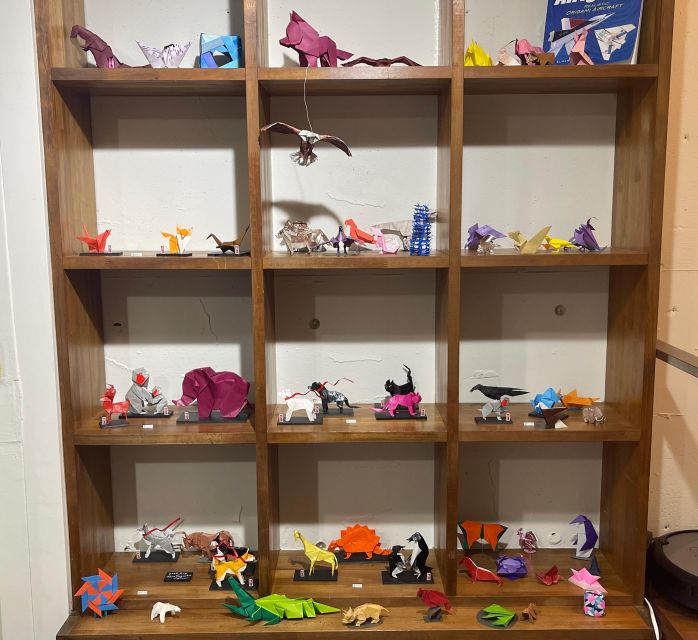
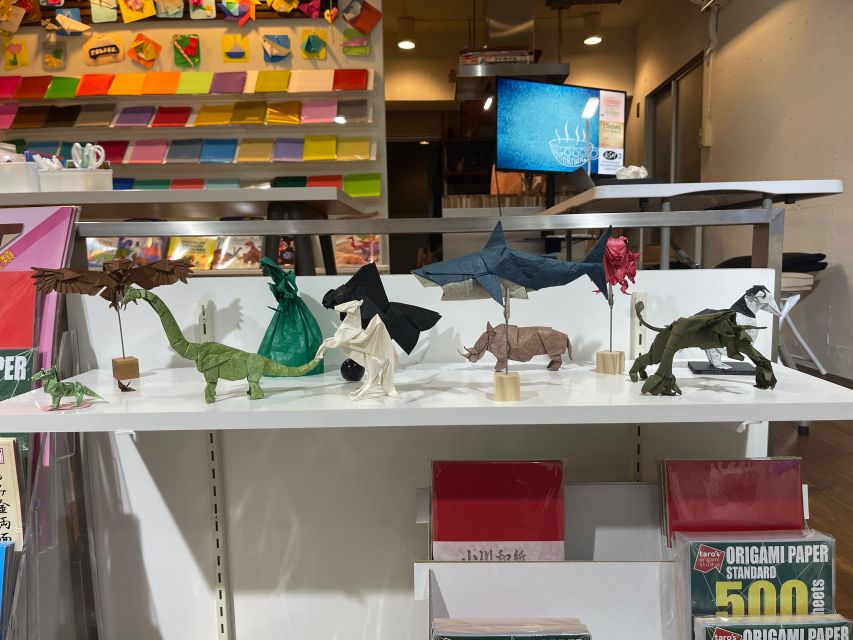
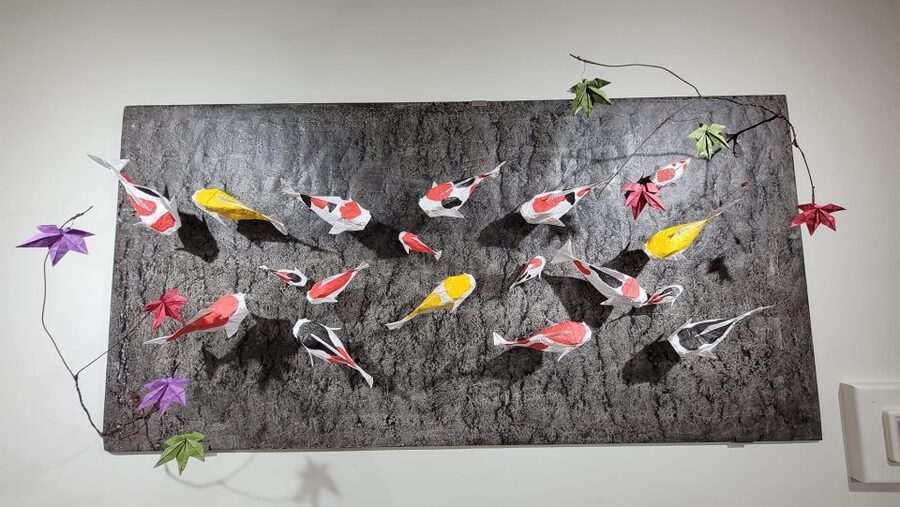
I also like that you can browse origami displays during and after your session. It is not just a craft station. It is a little gallery of what is possible, which helps beginners feel more confident. When you see examples up close, you understand that imperfect first attempts are normal.
Price and value: is $27 fair for 45 minutes?
At $27 per person for about 45 minutes, this workshop is priced like an add-on activity you can slot into a day. The value comes from what is included and from what you get to do with your time.
What is included:
- Origami paper and supplies
- Instruction (via the tablet system, with staff help available)
- Taxes and fees
What is not included:
- Food and drinks
That included part matters. In many craft activities, you end up paying extra for paper, tools, or upgrades. Here, you are selecting from 50 colors of origami paper and using the provided supplies, plus decorating materials.
For a beginner, the model variety is a big part of the value too. With so many designs to choose from, you are less likely to waste your session feeling bored or limited.
Where the cost might feel less like a bargain:
- If you only want one simple model, you might finish early compared to your expectations.
- If you strongly prefer a fully teacher-led class, the tablet format may not give you the deeper back-and-forth you want.
But for families and first-time folders, the mix of choice, guidance, and personalization is a solid deal.
Socks, stairs, and other practical tips that save time
Small rules can matter a lot in Japan, and this studio has a clear one: you must wear socks. You bring socks to the studio or purchase a pair beforehand. Participation requires socks.
Also know the studio is not handicap accessible. There are no ramps or lifts, only stairs. The seating does not have back support. If you have mobility or comfort needs, this is worth planning around before you book.
A couple more “know before you go” items that help you decide:
- Kids under 13 need adult supervision throughout the activity.
- The studio recommends origami for children four and older.
- It is recommended you bring an atmosphere-friendly vibe. This is a craft, not a sprint.
- If you have a cold, it is not suitable.
The language is also practical. You can expect English and Japanese, which makes it easier for families who do not speak Japanese.
What you can realistically make in one session
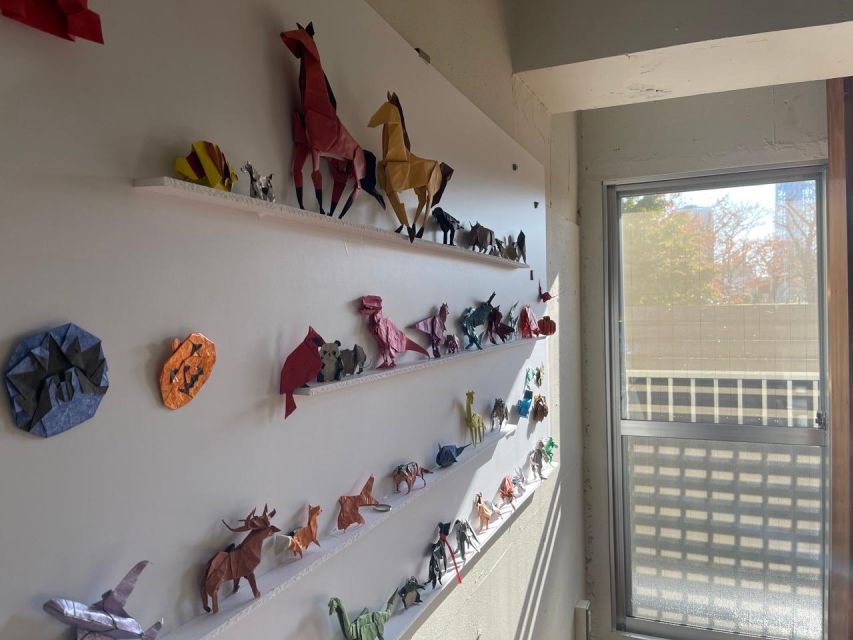
You are folding for 45 minutes, and the tablet lets you move from square paper to different categories like animals, flowers, and vehicles. That is a broad range, and it affects your results.
Here is a realistic expectation:
- If you stay beginner to intermediate, you can likely finish several models.
- If you choose only the most complex designs, you might end with fewer items and more stress.
Past participants reported an enjoyable pace, like getting about four creations each in the full time when working with beginner-friendly options. Another person said the experience gave them a good introduction plus practice time, which is exactly what you want if your goal is learning the basics quickly.
One more tip: do not underestimate how much time the first model takes while you learn the rhythm. After that, your hands start to move faster.
Who should book this origami workshop in Tokyo
This works best for:
- Beginners who want a structured way to learn folds without needing deep instruction
- Families with kids around age 4 and up, especially if you want a calm activity
- Travelers who like hands-on experiences and want a creative souvenir
- People who enjoy self-paced guidance, with staff available for help
It might not be the best fit if:
- You want a long, lecture-style lesson or a highly personalized teacher explanation the whole time
- Your group needs full accessibility accommodations, since the studio has stairs and no ramps
- You are traveling with very young kids who cannot fold independently (the activity is not suitable for children under 4)
If you are staying in or around Asakusa, this is also a nice way to add something cultural without requiring a big time commitment.
Should you book Taro’s Origami Studio in Asakusa?
Yes, if you want a beginner-friendly Asakusa origami workshop that feels relaxed, flexible, and productive in under an hour. The biggest reasons I would recommend it are the combination of lots of model options, tablet steps you can replay, and staff help that feels supportive without taking over.
Book it if:
- You have families or mixed ages and want an activity everyone can participate in with supervision.
- You want a craft you can actually finish, not just start.
- You like the idea of choosing your paper color and decorations and walking away with something you made.
Think twice if you:
- Need a fully teacher-led lesson with lots of live instruction.
- Have mobility limits that make stairs or seating an issue.
- Are hoping for a cold-free, run-around activity, because this one is all about quiet folding time.
If you are in Asakusa and you have room for a calm, creative hour, this is a great bet.
FAQ
How long is the Tokyo origami experience?
The session is 45 minutes.
Is this activity suitable for beginners?
Yes. It is designed to be accessible for beginners, and the tablet instructions guide you from a square sheet to the finished models.
What models and paper options are available?
You can choose from over 100 origami models and 50 colors of paper.
What should I bring to the studio?
Bring socks. Socks must be worn to participate. You can also purchase socks beforehand.
What age is this workshop recommended for?
It is recommended for children four and older. Children under 13 need adult supervision throughout the activity. It is not suitable for children under 4.
Is there a live teacher-led lesson?
No. This is not a teacher-led activity. Staff members are present to help with your models, but the main instructions come from the tablet.
Is the studio wheelchair accessible?
No. The facility is not handicap accessible. There are no ramps or lifts, only stairs, and the seating does not have back support.
More Tour Reviews in Tokyo
Not for you? Here's more nearby things to do in Tokyo we have reviewed












Asakusa Tours, side by side.
 ★ 4.8Japanese Dance Cabaret Theater Asakusa-Kaguwa TicketFrom $492,270 reviews
 ★ 4.7Meiji Shrine, Asakusa, Skytree Bus Tour and CruiseFrom $1221,986 reviews
 ★ 4.9Roll and Authentic Sushi Making Class in AsakusaFrom $581,957 reviews
 ★ 4.8Asakusa Walking Tour with Sensoji Temple VisitFrom $221,583 reviews
 ★ 5.0Tokyo Asakusa Rickshaw TourFrom $421,375 reviews
 ★ 4.5Tokyo Panoramic 1 Day: Meiji Shrine, Asakusa, Odaiba and SKYTREE®From $851,222 reviews
 ★ 5.0Tokyo Go Kart: Asakusa, Skytree, and Akihabara **IDP MUST**From $99988 reviews
 ★ 4.7Asakusa, Skytree & Akhihabara Go-Kart City ExperienceFrom $96761 reviews
This tour also belongs to