
Review · TOKYO CITY TOURS
Tokyo Professional Sushi Chef Experience
Sushi lessons in Tokyo feel like magic. This is interesting because you get coaching in a real restaurant setting with an Itamae, not a staged presentation. I love the hands-on start with fresh wasabi and the clear method for shaping sushi rice into shari. You also get to make, watch, and taste the building blocks of sushi, so it feels like craft class, not just eating.
One consideration: it is only a 2-hour small group session, so you will cover a lot, but you will not have unlimited practice time for every step.
Key things I’d plan around
- Fresh wasabi, grated on purpose: you learn flavor right at the start, not as an afterthought.
- Shari technique: practical guidance for sushi rice that you can reuse later.
- Premium nori and hand-rolling: you form rolls yourself, not just watch.
- Chef demos plus your knife-less workflow: you see fish preparation and then try techniques.
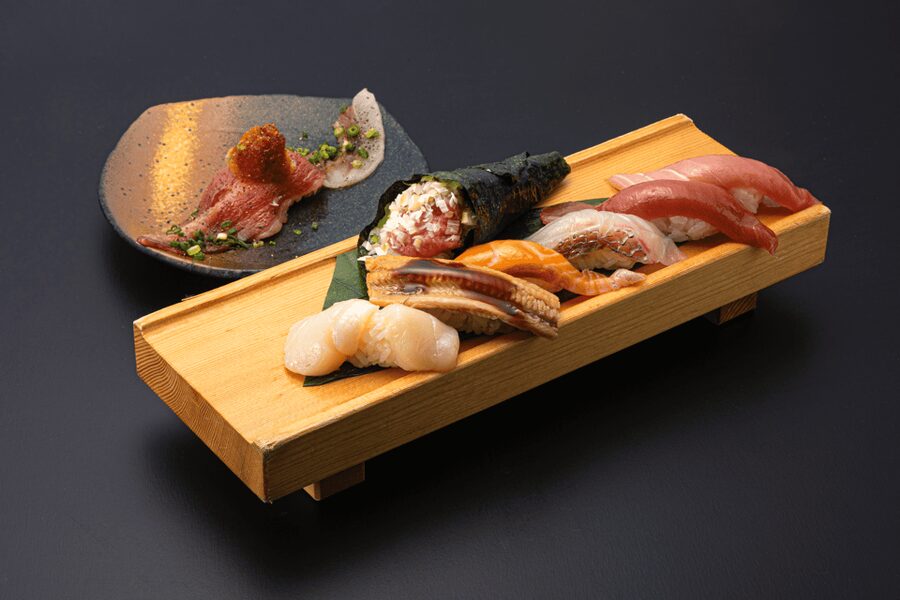
- A real nigiri tasting lineup: uni, negitoro, hirame, kuruma-ebi, chutoro, akami.
- Included meal moments: wakame udon plus a complimentary drink to slow things down.
An Itamae-led Tokyo sushi class, not a demo
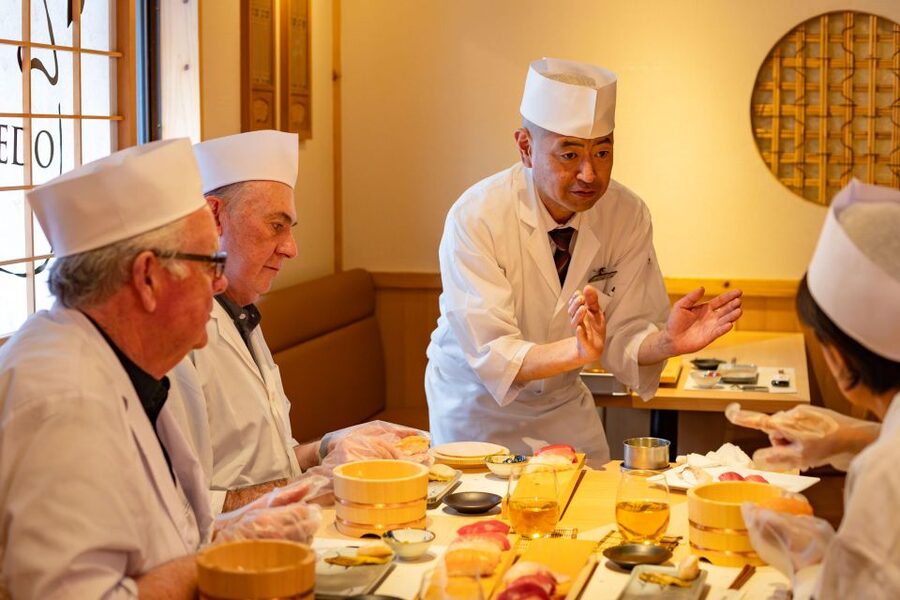
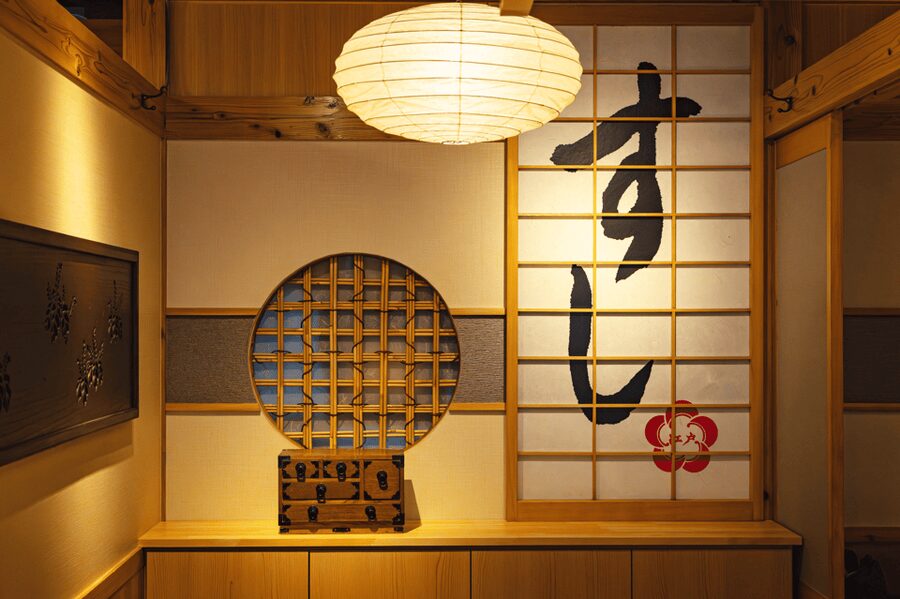
If you are chasing the real feel of Japanese sushi, this format hits the right note. You work in an actual Tokyo sushi restaurant environment, guided by an itamae, a master sushi chef with 30 years of experience. That matters because sushi is not one trick. It is rice handling, knife work, fish selection, seasoning balance, and timing, all tied to how a restaurant runs.
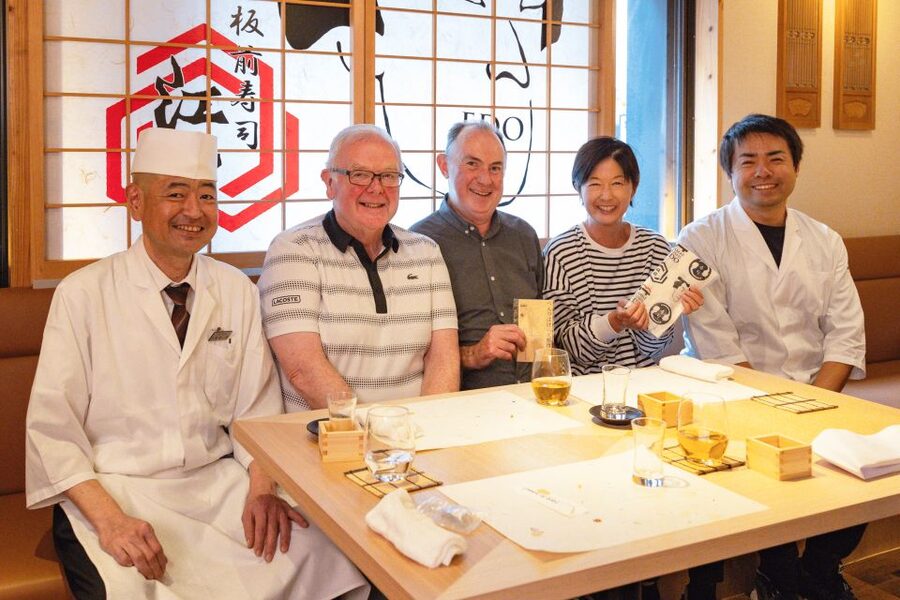
I like that you are not stuck as an observer. You get hands-on instruction while you also watch professional demonstrations of fish preparation and sushi techniques. Reviews describe the team as warm, welcoming, patient, and good at explaining, so you are not left to figure things out on your own while the room moves fast.
The class is also small, limited to 8 participants. In practice, that usually means more time for questions, more attention to your form, and fewer awkward moments when you are unsure whether your rice is too sticky or your nori is too tight.
You can also read our reviews of more tours and experiences in Tokyo.



Inside the 2-hour session: wasabi, shari, nori, nigiri
This experience is designed to pack sushi fundamentals into a tight 2-hour arc. While the exact pace can vary by option booked, you can expect the lesson to progress from flavor foundations to assembly and tasting.
You start with core ingredients and sensory tasks. Freshly grating real wasabi is a highlight, and it is not just theatrical. Wasabi smell and heat can change how you perceive fish, so it is a smart way to reset your palate for what comes next. Then you move into sushi rice, learning how to prepare it and what makes the shari texture work.
After the rice foundation, you shift to shaping. You will do hand-rolled sushi using premium nori, then you will tackle sushi assembly steps tied to nigiri style. Throughout, you watch the itamae demonstrate techniques, including fish prep and sushi formation.
The time ends with tasting and a small included meal component. You will also be offered a special wakame udon and a complimentary drink, with choices like beer, sake, cola, or green tea.
Fresh wasabi, grated on purpose
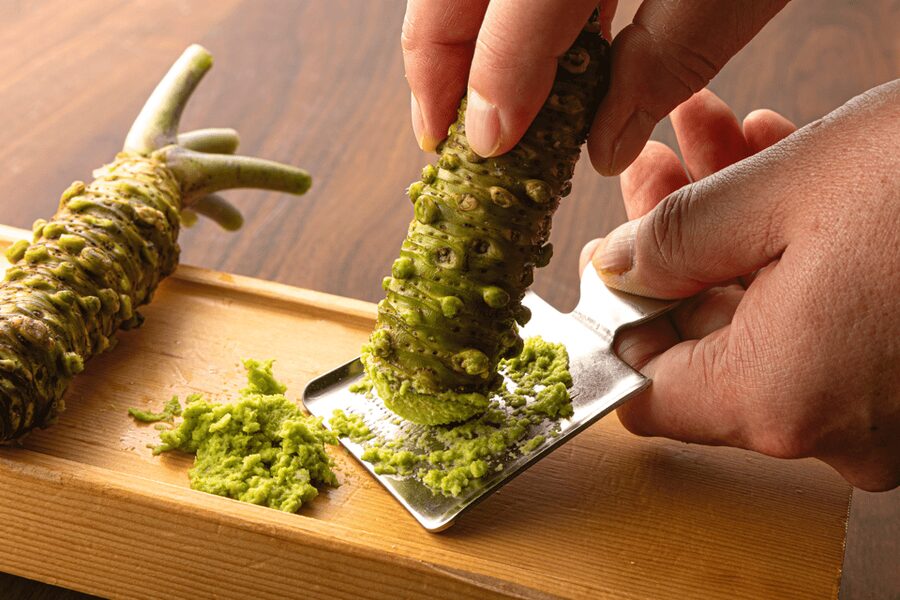
Fresh wasabi is one of those things that changes your expectations fast. The grated wasabi portion of the class is built into the experience for a reason: it shows you how the aroma hits and how the heat spreads. It also gives you a simple way to understand balance. You can taste how wasabi interacts with the fish and the rice instead of only relying on soy sauce to do the job.
Practically, this is also a good warm-up because it gives you something you can do right away. You learn a tactile technique, not just food theory. And once you have done the grating yourself, you will understand why Japanese sushi often treats wasabi as precise, not heavy-handed.
One more detail I appreciate: you get guided instruction from the chef with English support. That matters here, because wasabi handling can feel mysterious if you only ever see it packaged as a green paste.
Sushi rice shari technique you can practice at home
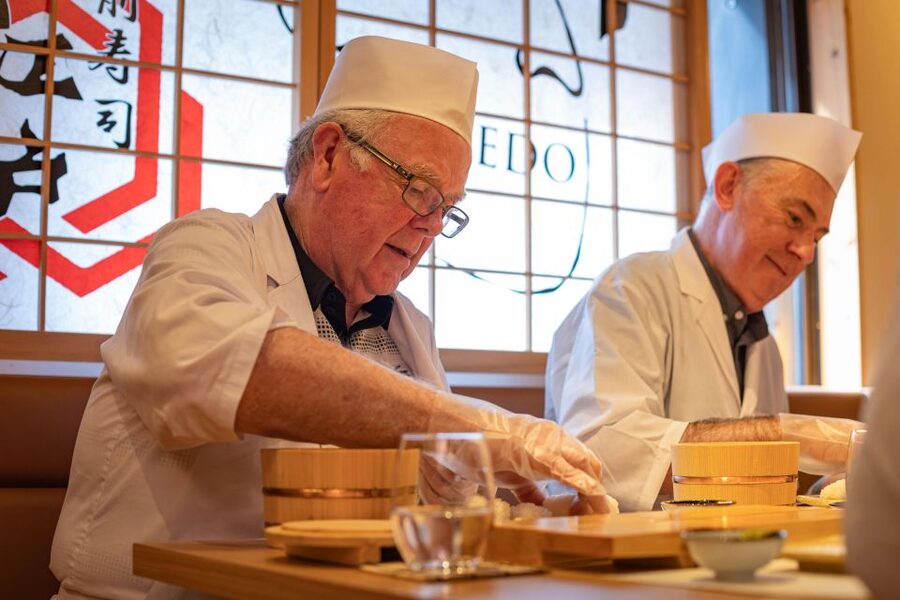
If you want to impress people back home, shari is the skill to focus on. The class explicitly teaches secrets of preparing sushi rice and shaping it into sushi rice, often called shari. That is huge for value, because rice is the base layer of almost everything you eat at a sushi counter.
In a restaurant, shari is about texture and seasoning distribution. In class terms, you learn the handling approach that prevents the rice from becoming mushy or hard-packed. You also get a sense of how professionals keep it tasting clean instead of sugary or salty.
This is also where the small-group setup helps. Rice is tricky, and you do not want to guess for 10 seconds and then move on. With a limit of 8 participants, you are more likely to get direct feedback on how your rice is behaving, and that feedback is what turns this from a fun meal into a skill you can repeat.
Hand-rolled sushi with premium nori
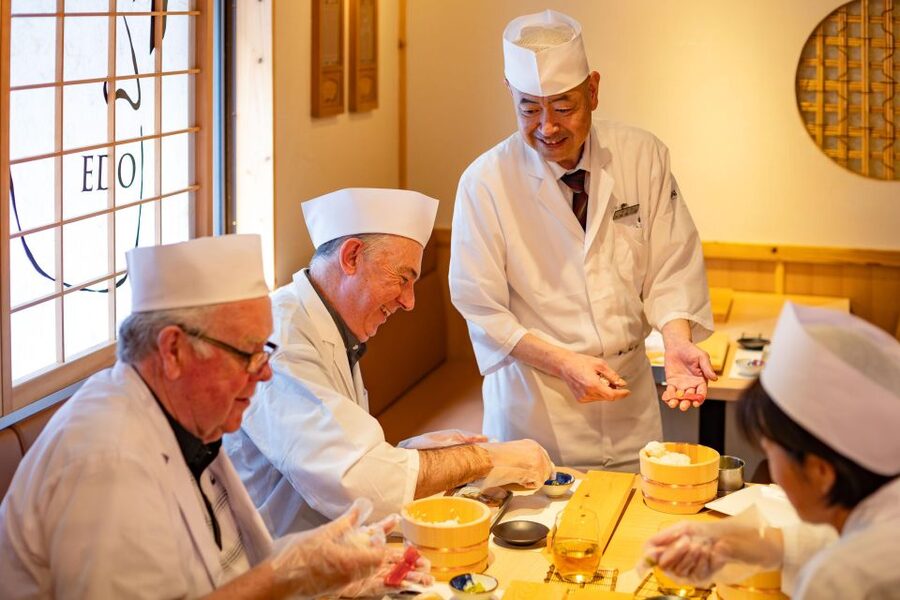
Hand-rolled sushi is one of the most approachable parts of sushi making. The class includes premium nori, so you get better results than you would with random grocery sheets. And because you are actually rolling, you learn how tightness and alignment affect the final bite.
Nori is also an ingredient that behaves differently depending on how it is handled and stored. You will learn the technique for forming the rolls, and you will see how nori texture complements the rice. If you have ever made at-home rolls that came out awkward or falling apart, this is the kind of workshop where the fix is usually in the formation, not the ingredients.
I also like that vegetarian and allergy-friendly options are available. That means you can build the roll skill without feeling like you have to opt out of learning because of your diet. Just make sure you communicate your needs clearly when you book so the kitchen can set you up correctly.



Fish prep demonstrations and your nigiri lineup
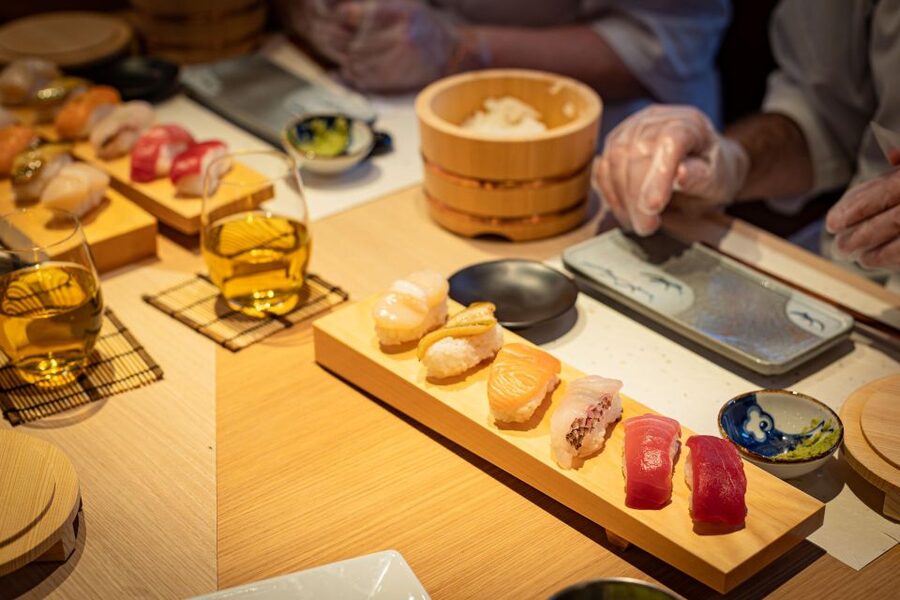
This is where the class earns its itamae credibility. You watch professional demonstrations of fish preparation and sushi techniques, so you see the kind of care that typically stays invisible behind the counter. Then you get to try sushi assembly and tasting with a lineup that reads like a real restaurant menu.
The sushi items highlighted in the experience include uni, negitoro, hirame, kuruma-ebi, chutoro, and akami. That is a smart spread. It covers different textures and flavors, from fatty richness to lighter, clean notes, and from ocean sweetness to the more savory, onion-forward vibe of negitoro.
Even if you do not become a sushi maker overnight, this part teaches you how professionals think. You learn how the fish itself changes the bite, and you learn that sushi is not just about taste. It is also about temperature, cut, and how the fish sits on rice.
What uni, negitoro, hirame, kuruma-ebi, chutoro, akami teach you
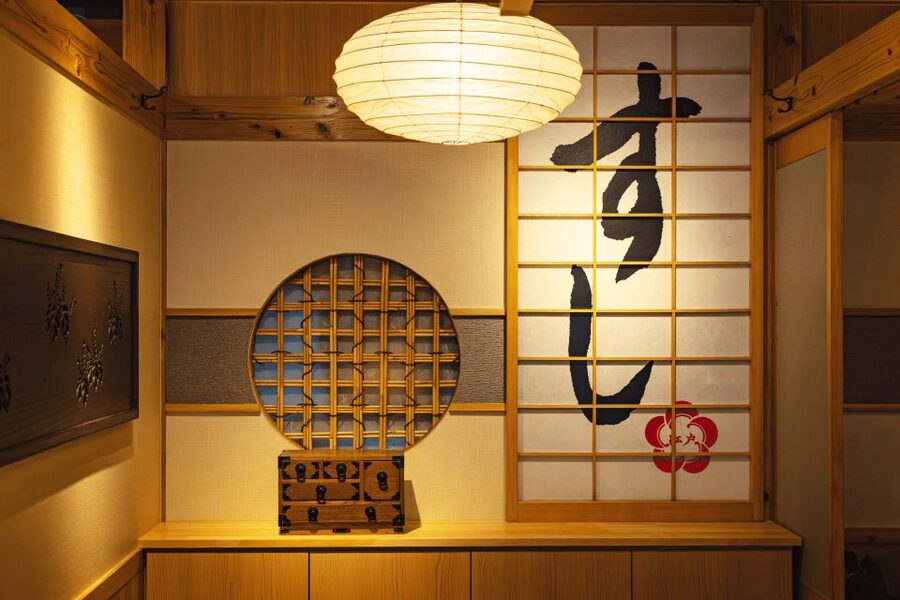
You will taste your way through several major styles of sushi flavors. Here is the practical takeaway for what to notice during the class.
- Uni is a custardy, sea-sweet experience. Pay attention to how it melts against the rice. Too much soy and it can get overwhelmed, so you learn balance fast.
- Negitoro brings a punch of chopped onion and a deeper, richer tuna base. It is a great lesson in seasoning partners, because the onion changes the aroma you get in each bite.
- Hirame tends to be lighter and clean. It is a good contrast to the richer fish in the lineup, which helps you understand why sushi counters vary their pairings.
- Kuruma-ebi offers a shrimp sweetness and a different texture entirely. It teaches that seafood handling is about more than flavor, it is also about bite consistency.
- Chutoro adds medium fatty tuna richness. This is often where people realize sushi is as much about mouthfeel as it is about taste.
- Akami is the counterpart lesson, leaner tuna. It helps you calibrate what richness feels like in the mouth versus what lean fish tastes like when handled well.
This assortment also makes the class more enjoyable if you are not loyal to one type of fish. You get a mini education in how sushi restaurants build a tasting flow.
Based on feedback describing patient teaching and clear explanations, you should be able to ask questions during the fish and forming portions, and get answers that actually connect to what you are doing in real time.
Wakame udon and the included drink break
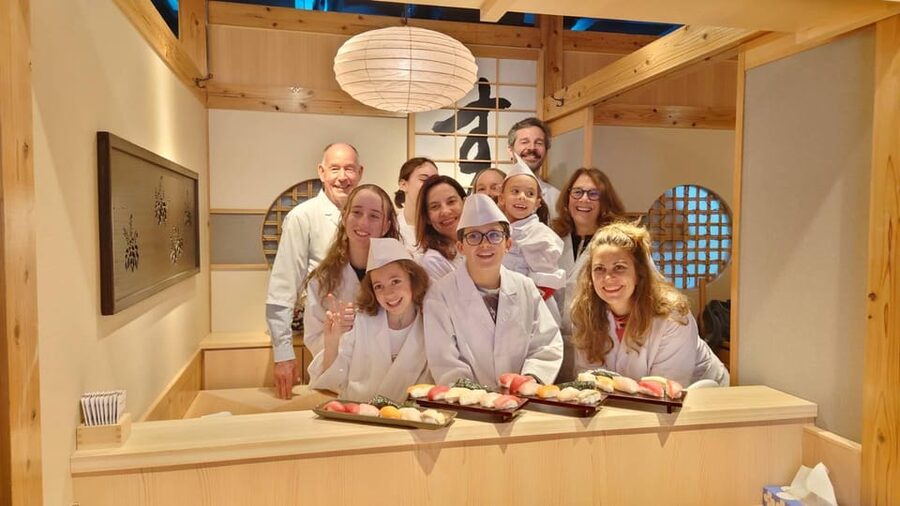
Sushi classes can turn into an endless rice-and-fish sprint. Here, the included food and drink help you reset. The experience includes a special wakame udon, plus a complimentary drink. You can choose from beer, sake, cola, or green tea.
Why this matters: udon is warm, calming, and filling in a way that cleans up your palate. If you have been tasting rich fish like uni and toro, the seaweed broth and noodles give your mouth a break before you leave.
This is also a practical way to remember what you learned. When your palate is tired, it is hard to detect differences. Udon and a drink help bring everything back into focus.
And yes, there is usually a drink menu separate for extras. So you can treat the included one as your class companion, then decide on anything else separately.
Price and value of a $161 hands-on chef experience
At $161 per person for 2 hours, this is not a casual snack. You are paying for chef time, real restaurant instruction, ingredient access, and the tools and equipment needed for the class. The experience explicitly includes tuition, food, tools, and the necessary equipment.
That makes value simpler than it might look at first glance. You are not just buying a ticket to taste sushi. You are buying the chance to learn specific techniques like grating fresh wasabi and making sushi rice shari, then applying them with premium nori and a guided tasting lineup. Add in wakame udon and a complimentary drink, and the price starts to feel like a structured lesson rather than a meal with a side activity.
Also, the small group limit of up to 8 participants is part of the value. A larger class usually means less hands-on attention. Here, you have a better chance of getting real feedback on your technique.
If you want to use sushi skills at home, this kind of instruction is the sweet spot. If you only want to eat, you might feel it is pricier than a regular meal. But if your goal is learning, the ingredients and guided steps are where your money goes.
Who should book this sushi making workshop, and who should skip it
This experience is designed for food lovers, families, and anyone who wants real sushi craftsmanship, not just a photo stop. It is available for elementary school students and up, but it is not suitable for children under 10. If you are traveling with kids, that age note is important for planning.
If you have vegetarian needs or allergies, the experience states that vegetarian and allergy-friendly options are available. That is a major plus because sushi classes often force one rigid menu. Still, you should treat this as a heads-up to communicate your needs when you book, so the chef can prepare appropriately.
This class is led by an English instructor with interpretation support. So it is a good fit if you want to learn even when your Japanese vocabulary is basic. You will still get instruction in English, plus guidance so you can follow the technique steps.
Finally, you should know what is not allowed during the experience. Smoking indoors is not permitted, and strong fragrances are not allowed. That is a fair rule because sushi ingredients and smells are delicate.
Final verdict: should you book this tour
I think you should book this if you want to leave Tokyo with something practical: a clearer understanding of wasabi, sushi rice shari, nori rolling, and how different fish flavors behave. The itamae-led restaurant setting, small group size, and hands-on focus make it a strong choice for anyone serious about sushi craft.
Skip it only if you are looking for a long leisurely meal. This is 2 hours, and it is structured as a skill session. You will taste and learn, but you will not have the slow, course-by-course restaurant experience you might get elsewhere.
If you are between those two goals, this class is a great middle path. You get chef-led technique, a real tasting lineup like uni and chutoro, and you finish with wakame udon and a complimentary drink.
FAQ
How long is the Tokyo professional sushi chef experience?
It lasts 2 hours.
What is the price per person?
The price is $161 per person.
Is the experience a small group class?
Yes. It is a small group experience limited to 8 participants.
Is the instructor English speaking?
Yes. The instructor teaches in English, with interpretation support available.
What sushi making activities are included?
You will learn authentic sushi techniques such as grating fresh wasabi, preparing sushi rice for shari, making hand-rolled sushi with premium nori, and making or tasting sushi items including uni, negitoro, hirame, kuruma-ebi, chutoro, and akami.
Are vegetarian or allergy-friendly options available?
Yes. Vegetarian and allergy-friendly options are available.
Is udon and a drink included?
Yes. A special wakame udon and a complimentary drink are included. The complimentary drink options include beer, sake, cola, or green tea.
Are beverages included beyond the complimentary drink?
Beverages are not listed as included beyond the complimentary drink. A drink menu is available separately.
Is this experience suitable for children?
It is available for elementary school students and up, but it is not suitable for children under 10.
What are the rules during the experience?
Smoking indoors is not allowed, and strong fragrances are not allowed.
Can I cancel for a full refund?
Yes. Free cancellation is available up to 3 days in advance for a full refund.
More Tour Reviews in Tokyo


Not for you? Here's more nearby things to do in Tokyo we have reviewed












Tokyo City Tours, side by side.
 ★ 5.01-Day Tokyo Bus TourFrom $12914,250 reviews
 ★ 4.5TOKYO SKYTREE® Admission ticketFrom $1311,192 reviews
 ★ 4.6teamLab Planets TOKYO Digital Art Museum Entry TicketFrom $259,779 reviews
 ★ 4.0Mt Fuji & Hakone Cruise, Drum Show Bullet Train 1 Day from TokyoFrom $1497,413 reviews
 ★ 5.0Shinjuku Food Tour (13 Dishes at 4 Local Eateries)From $866,603 reviews
 ★ 4.4Tokyo Mt Fuji 5th St & Hakone Cruise Bus Tour w/Bullet TrainFrom $1545,024 reviews
 ★ 5.0Flagship 2-Hours Official Street Go-Kart Tour – Tokyo Bay ShopFrom $644,974 reviews
 ★ 4.5From Tokyo: Mount Fuji Full-Day Sightseeing TripFrom $684,970 reviews