
Review · SHIBUYA TOURS
Tokyo Shibuya: Japan Only Limited Ramen – Select from 9 Types
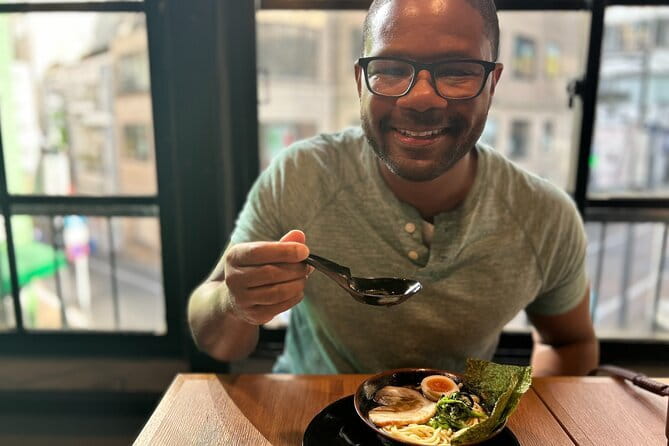
Shibuya crossing and ramen in the same walk. That combo keeps this tour from feeling like just another food stop. You get three ramen tastings in half-size bowls, plus a quick hit of Tokyo energy at the world’s busiest pedestrian crossing.
What I like most is the way the tour turns ramen into a lesson, not a blur. The guide explains styles and cooking methods, and one standout example from a past guide named Sakurako included a laminated presentation of toppings and noodles. Second, the portions make it practical to sample widely, not just go full stomach mode on one bowl.
One consideration: you are on foot the whole time, and if you want to add extras like dumplings, you’ll pay in cash.
Key takeaways before you go
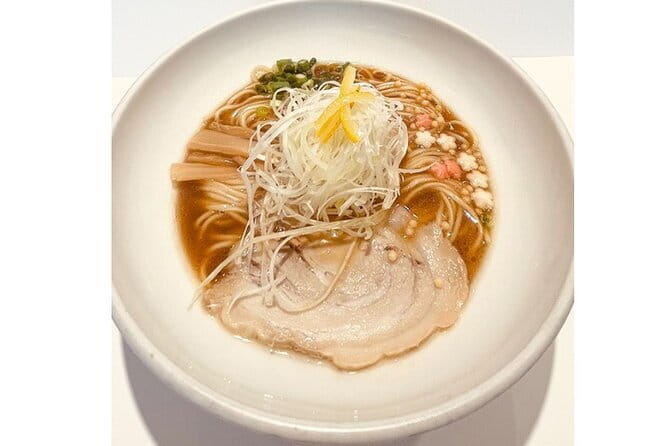
- Three shops, three different ramen styles in half-size bowls, so you can compare.
- Pick from 9 ramen types total, since each shop offers 3 choices.
- Ramen explained as you eat, including cooking methods and how toppings and noodles change the experience.
- Small group size (maximum 10), which makes it easier to ask questions.
- Shibuya crossing photo stop adds a real sense of place before you start eating.
Why a Shibuya ramen crawl beats one big meal
Tokyo is great at feeding you, then sending you off to find your next destination. The trick is choosing an experience that gives you variety without wasting time. This tour does that by building your meal around comparison. You are not just eating ramen, you are tasting how different ramen styles work.
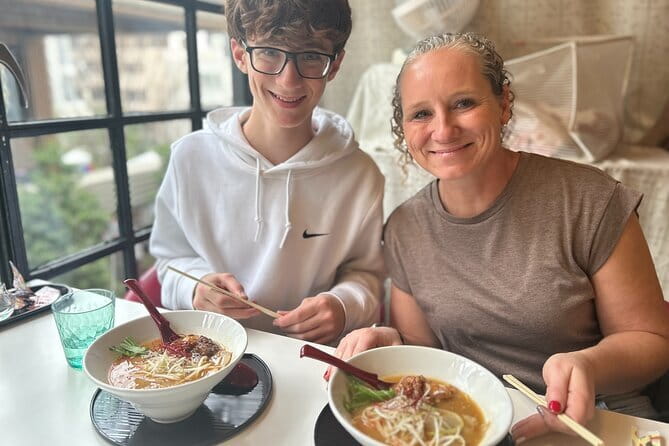
You will try three half-sized bowls, each from a different shop. That means you can go from thick, hearty broth to something positioned as health-conscious, then finish with a handpicked final stop. It is a smarter way to learn what you actually enjoy.
Another hidden win is pacing. Two to three hours is long enough to taste and absorb explanations, but short enough that you still have time to explore Shibuya afterward. Tokyo can be a lot. This tour gives you one focused mission, then turns you loose.
You can also read our reviews of more tours and experiences in Tokyo.



Meeting in Shibuya, then catching Tokyo at full volume
The tour begins at Shibuya 1092-chōme-29-1 Dōgenzaka. From there, you head out on foot and start with the main Shibuya moment most people only see in photos: the scramble crossing where crowds flow in multiple directions like they practiced.
This is not just sightseeing. It helps you get oriented. You feel the scale of the area and you learn the local rhythm. If you come to Shibuya feeling overwhelmed, this first stop gives your brain a quick map.
And yes, you will likely take photos. The real value is stepping into the flow before you sit down to eat. It makes the ramen part feel like a reward instead of another appointment on your calendar.
Stop 1 in Shibuya: thick, rich ramen and satisfying noodles
Your first shop aims for the classic comfort style: rich and thick ramen with satisfying thick noodles. Expect a hearty broth profile and the kind of noodle texture that grabs back when you lift the spoon to your mouth.
At this stop, you choose one half-sized ramen from the options available there. The design matters. By keeping it half-size, you can actually notice differences in broth thickness, aroma, and noodle bite instead of going into autopilot after two or three spoonfuls.
Practical note: all ramen broths on the tour contain chicken, pork, or fish. If you have dietary restrictions, this is the one thing you should confirm carefully before booking.
What to watch for here is the contrast between broth and noodles. Thick broth tends to coat the mouth and slow you down a little, while thick noodles tend to stay chewy and springy. That combo is great for anyone who thinks of ramen as comfort first.
Possible drawback at stop 1 is simple: if you love thick ramen, you may feel tempted to over-order at the shop. Resist, or at least wait until you see the rest of the tastings, since you still have two more bowls coming.
Stop 2 in Shibuya: the health-conscious bowl that changes the texture
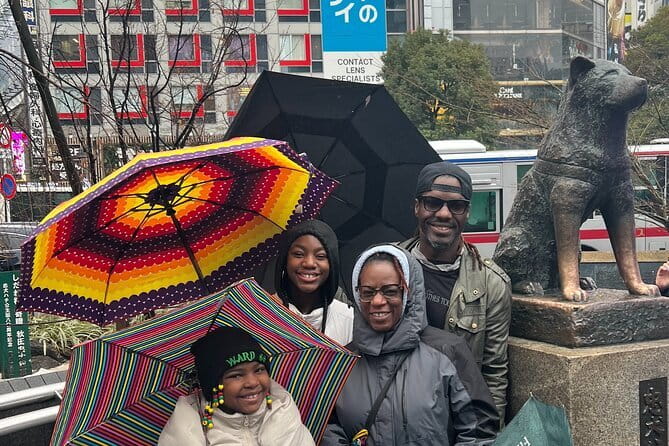
The second stop shifts gears. This shop is described as health-conscious ramen, meaning it is positioned as nutritious and made with your well-being in mind, while still being flavorful.
In practice, what this usually translates to for your experience is a different feel in the broth and overall heaviness. Even if the ingredients are similar, the cooking approach and balance can make the bowl feel lighter, cleaner, or more subtle. This is the part of the tour that helps you realize ramen is not one thing.
Again, you choose a half-sized bowl from the options at this stop. Because the portion is smaller, you do not have to worry about choosing wrong. You can sample and still compare across stops.
This stop is a smart idea for first-timers too. If your ramen memory is mostly instant noodles or one style from a restaurant far from Tokyo, the tour gives you a chance to reset your expectations. You learn how a “lighter” framing can still be satisfying.
Stop 3 in Shibuya: a handpicked final shop for your tastes
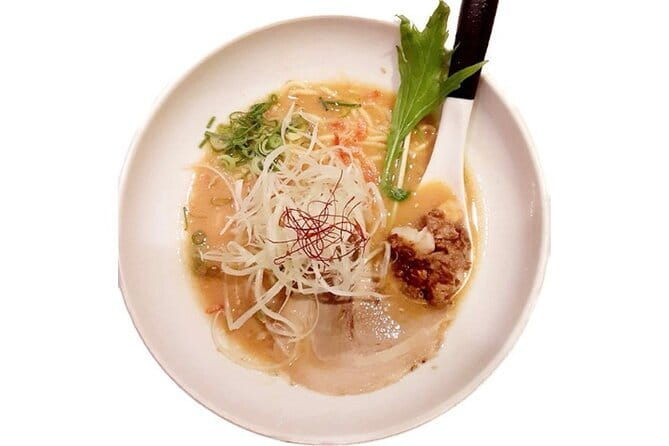
The final stop is set up as a personalized payoff. You’ll visit a recommended shop chosen just for you, then select a half-sized ramen from what is available there.
Why this matters: you have already sampled two different ramen directions. That means you can bring more intention to the final choice. If stop 1 felt too heavy, you might lean toward something more balanced at stop 3. If stop 2 surprised you, you might chase that style again.
This third shop also acts like a closing chapter. In a good ramen tour, the end is not random. It is the closest thing to a “now I get it” moment. By the time you reach stop 3, you should have a clearer idea of what you enjoy: thickness, noodle chew, broth richness, and how toppings change the profile.
One more small but important detail: since the tour focuses on three shops, the final bowl is not your only chance to get the basics right. You are already building a preference map with each choice.



How to choose among 9 ramen types without losing your mind
The tour title points to selecting from 9 types, and the mechanics are simple: you pick one option at each shop, and each shop offers 3 different choices. That equals nine total ramen types across the entire tour.
Here is how I’d help you decide in the moment:
- If you love bold broth flavors, start leaning toward thick and hearty options.
- If you are curious but want to stay flexible, pick something that seems balanced in your first two bowls so you can confirm your preference later.
- If you see toppings listed that you recognize, that can guide you faster than reading the whole description in Japanese.
Because your portion is half-size, you can take one small risk. This is exactly when ramen tasting is most fun. You get variety without the pressure of committing to a full bowl you might regret.
Also, consider the order of your choices. A thick first bowl is satisfying, but it can make you less sensitive to subtle differences later. In other words, your second and third choices become your “fine-tuning” step.
What your guide adds, from ramen education to culture tips

A ramen shop is easy to navigate when you already know what you want. It is harder when you do not. This is where the guide earns their keep.
The tour includes an explanation of ramen and covers different types and cooking methods. That does not mean long lectures mid-meal. It means you get context while you are still hungry enough to care.
One specific example from a past guide named Sakurako: she used a laminated presentation to walk people through flavors and styles of ramen toppings and noodles, and she also shared a deeper look at ramen history and culture. That kind of structure makes it easier to remember what you ate, and it turns the experience into something you can repeat later when you are scanning menus on your own.
Even if your guide is different, the core value is the same: you stop eating blindly. You start eating with questions in mind. And asking questions in Tokyo is a lot easier when someone is already helping you connect the dots.
You also pick up local tips. Those matter because Shibuya is high-speed travel. After the tour, you will know how to order and what to look for, which saves you time and confusion.
Price and value: why $50 for three half bowls can make sense

The price is $50.00 per person for a 2 to 3 hour walking tour. That can sound steep if you are thinking of ramen as a quick bite you can just buy anywhere.
But here is the value math that matters:
- You get three ramen tastings in half portions, not one meal.
- You get a guide who explains ramen styles and cooking methods.
- You are not picking shops at random. You are moving through a sequence designed to show you differences.
- The group size is small, with a maximum of 10.
If you tried to recreate this yourself, you would spend time researching and hopping between spots. Time is money in Tokyo. This tour buys you a plan, plus someone to translate the menu logic and the food choices.
Also, the tour is described as Japan-only limited ramen, select from 9 types. That suggests you are not just picking generic house ramen. You are sampling from a set tied to the tour’s structure.
Group discounts may apply, and you can sometimes snag better value if you travel with friends. The main point is simple: the $50 is not paying for noodles alone. You are paying for comparison, guidance, and efficient routing in a crowded neighborhood.
Practical tips to avoid surprises in your Shibuya ramen day
This is an on-foot tour, and that is part of the experience. Shibuya is made for walking, but you should plan accordingly. Wear comfortable shoes.
You should also plan for cash. Additional orders like dumplings or rice are paid in cash. The tour info explicitly says you should prepare cash in advance. If you only bring card, you might end up skipping add-ons even if you see something you want.
Another practical detail: you will likely use WhatsApp for communication on the day. Download it before you go. It is a small step that prevents a lot of frantic searching for your guide when you are trying to meet up.
Food expectations: the tour ramen broths include chicken, pork, or fish. If you have allergy concerns or strict dietary rules beyond those categories, double-check before booking.
Finally, keep your expectations aligned with the format. These are half bowls. That is the point. You should come hungry, but not so hungry that you feel deprived after each shop. The goal is three tastings with explanations, not one food coma.
Who should book this tour, and who should skip it
This tour is a great fit if you want a guided food walk that teaches you what you are eating. If you like comparing flavors, textures, and cooking styles, the half-bowl format is perfect. It is also ideal if you want to sample multiple ramen shops in one stretch without spending your afternoon making hard choices.
It is also good for people who feel unsure about ordering in Japan. A guide and a structured menu reduce the stress of figuring out what to order and how to evaluate it.
You might skip it if:
- You do not like walking in busy areas, since the tour is on foot.
- You already know your favorite ramen style and want a full bowl at one standout place.
- You require strict dietary accommodations beyond chicken, pork, or fish.
Should you book Tokyo Shibuya: Japan Only Limited Ramen?
If you want more than one bowl and you like learning while you eat, I’d book it. The three-shop format is the big advantage, because it turns Shibuya ramen into a comparison challenge instead of a single restaurant stop. The small group size also helps the experience feel personal, and the guide support makes ordering easier.
Book this when you want a structured ramen day you can actually finish with time left to explore. Skip it if your top priority is a single, big meal and you want total control over everything you order, because you are sharing your appetite across nine choices.
FAQ
How long is the Tokyo Shibuya ramen tour?
It runs about 2 to 3 hours.
What food is included?
You get 3 half-sized bowls of ramen, and each bowl is a different type chosen from the options at each shop.
How many ramen types can I choose from?
You select from 9 types total, since you choose one half-sized ramen at each of three shops, with three options at each stop.
Does the tour include transportation to and from your hotel?
No. Hotel pickup and drop off are not included, and there is no transportation fee to the meeting point.
Is the tour on foot?
Yes. The tour is walk-based, and it returns to the meeting point at the end. If you have mobility issues, you may need to use a taxi at your own expense.
Do I need cash during the tour?
You should. Additional orders such as dumplings or rice are paid in cash.
Where does the tour start?
It starts at Shibuya 1092-chōme-29-1 Dōgenzaka, Shibuya, Tokyo 150-0043, Japan.
What if I want to change plans?
You can cancel for a full refund up to 24 hours before the experience’s start time.
How big is the group?
The tour has a maximum of 10 travelers.
How do I contact the guide on the day?
You will be asked to download WhatsApp for day-of communication.
More Tour Reviews in Tokyo
Not for you? Here's more nearby things to do in Tokyo we have reviewed












Shibuya Tours, side by side.
 ★ 5.0Official Street Go-Kart in ShibuyaFrom $763,435 reviews
 ★ 4.9Street Kart Experience in ShibuyaFrom $741,484 reviews
 ★ 5.0Shibuya Meltdown Nightlife Tour: All-You-Can-Drink Bar HoppingFrom $1061,058 reviews
 ★ 5.0Shibuya Official Street Go-Kart in Shibuya AnnexFrom $69972 reviews
 ★ 5.0Shibuya Food Tour (13 dishes and 4 Eateries)From $77770 reviews
 ★ 5.0Best of Shibuya Food TourFrom $217612 reviews
 ★ 4.8Shibuya Highlights Walking TourFrom $19601 reviews
 ★ 4.7Premium Go-Kart Tour with Tower & Shibuya CrossingFrom $116528 reviews
This tour also belongs to