
Review · SHIBUYA TOURS
Tokyo: Tea Ceremony in Shibuya Tokyo
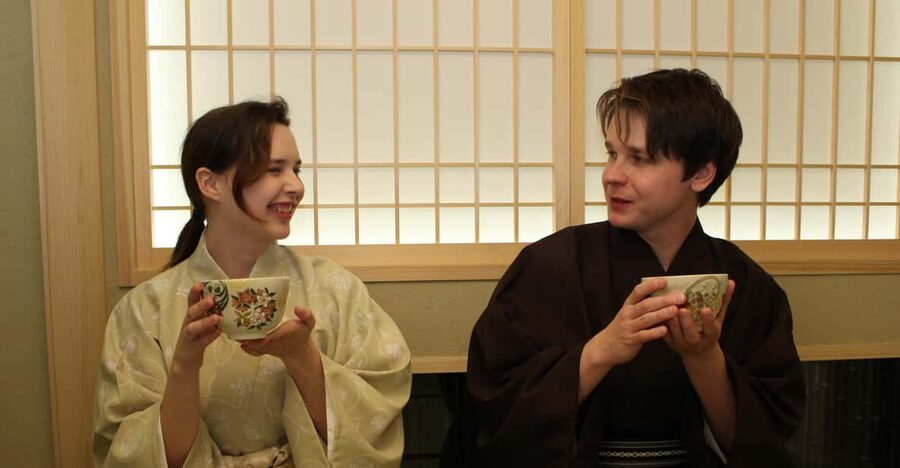
Shibuya has a quieter side. This private tea ceremony in Shibuya is a calm break from the city rush, and I especially love that the experience is taught by English-speaking teachers who walk you through etiquette and the Otemae style of tea prep step by step. You also get real hands-on time making your own matcha, not just watching.
At $81 per person, it is not a throwaway activity, so it is best if you want the full instruction, not a quick taste.
Key highlights before you go
- Private for 1 to 4 people so you do not get mixed with strangers
- English language instruction for etiquette and tea making
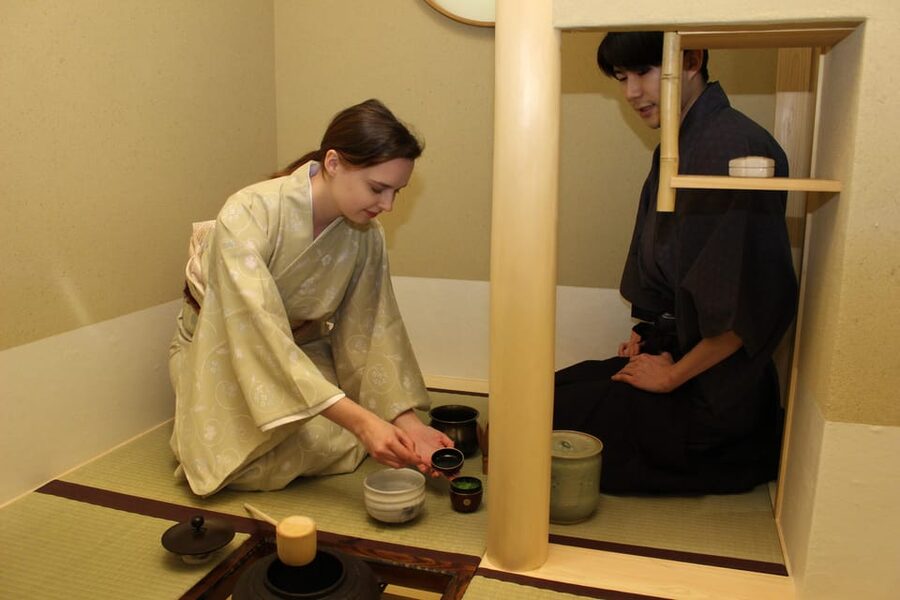
- Otemae demonstration followed by your own matcha prep
- Traditional sweets tasting before you make and drink tea
- Knees covered dress help with a free wrap skirt or pants loan
- Pickup available if needed (included if you request it)
Shibuya’s Tea Room Reset, in a Private Setting
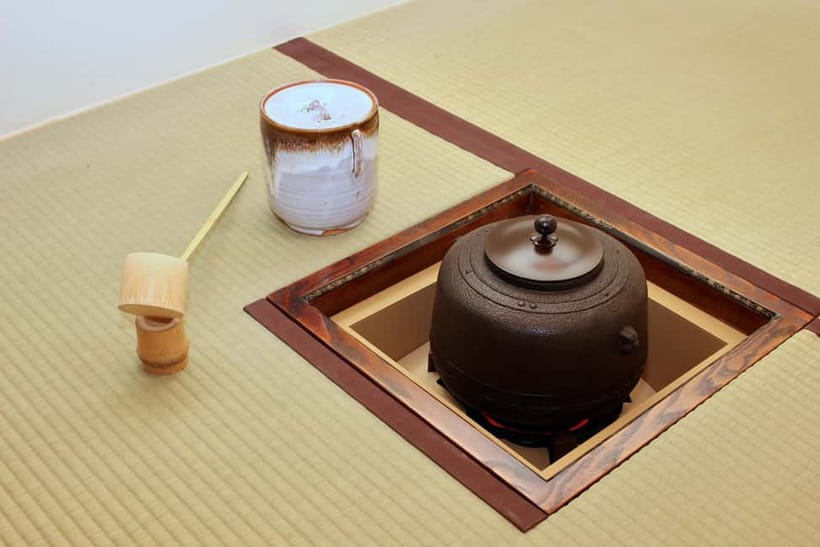
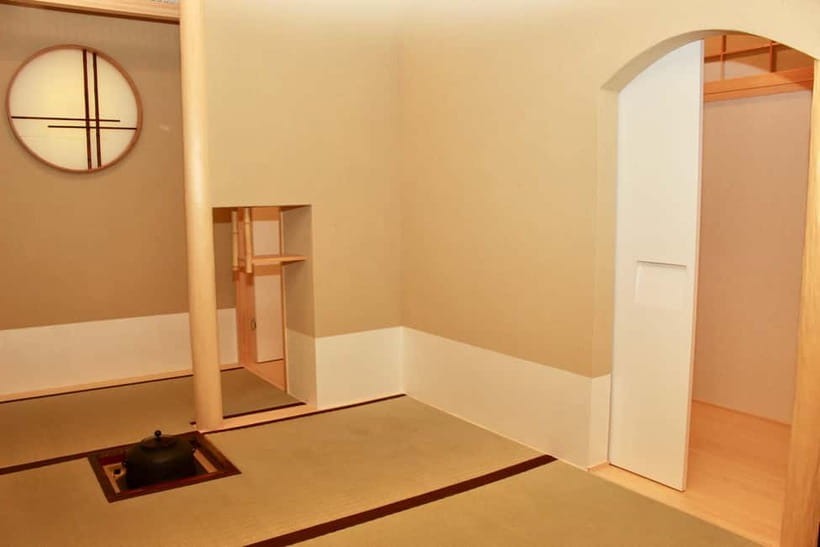
Even in the middle of Tokyo, this experience gives you a real change of pace. You step into a tea room setting that feels purpose-built for quiet attention, not sightseeing-on-the-run. And because it is fully private for your group, you get space to ask questions and actually focus on what is happening in front of you.
Two things I think you’ll appreciate right away. First, the pace is designed for learning. You are not being rushed through tea basics as background noise. Second, the instruction is in English, so you are not left guessing at what you are seeing during the Otemae flow, or what the small etiquette moments are supposed to communicate.
One practical note: this is priced at $81 per person, which usually means you are paying for more than ingredients. You are paying for a teacher, a private time slot, and the tea and sweets included in the session. If you love culture that you can do with your hands, it feels like good value. If you only want a photo and a sip, you may feel it is too structured for the time and money.
You can also read our reviews of more tours and experiences in Tokyo.



Private Group Experience, 1 to 4 People, No Mixing
The “private” part matters more than it sounds. With a maximum of 4 people per booking (and a minimum of 1), you can share the experience with family or friends without that awkward feeling of trying to coordinate with strangers. It also changes how questions get handled. You can ask why something is done a certain way, and you get better attention than in a larger group format.
This is especially useful if you are traveling with:
- kids who need a calmer, guided activity
- a partner who wants something cultural but not overly academic
- grandparents who might prefer a seated, slow-paced experience
It also means timing feels smoother. You are not competing with other groups for the same space. You get time to taste sweets, watch the demonstration, and then make matcha at your own speed, within the structure of the ceremony.
If you are the type who likes planning around small group logistics, you’re in a good spot here. It is simple, small, and intentionally not mixed.
English-Speaking Tea Teachers, Otemae Done Clearly
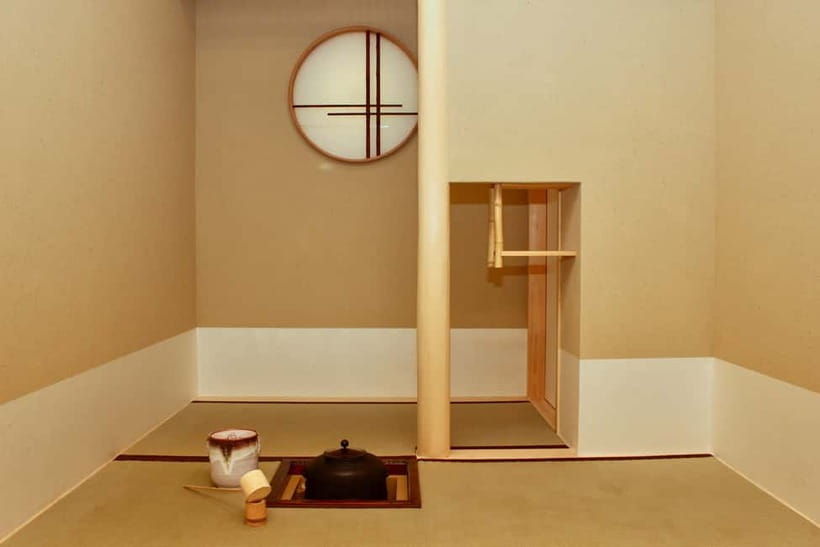
The heart of the class is the Otemae, the formalized way tea is prepared. In practical terms, the teacher breaks it down into understandable pieces: what you are doing, why you do it, and what etiquette communicates in the room.
What I like about this setup is that it is not only technical. You start with an explanation of the history and culture of the tea ceremony and the etiquette that comes with it. That context helps your brain stop treating the movements like choreography and start seeing them as a kind of respectful communication.
Then the teacher demonstrates the preparation. Watching the Otemae in a live, guided way is one of those “now I get it” moments. You see timing, posture, and sequence, and you learn what details matter. After that demonstration, you move into your own turn making matcha.
Some sessions are led by hosts like Mako-san, who comes across as warm and genuinely skilled at explaining. Even if your teacher is someone else, the teaching approach is the same idea: clear English guidance paired with real tea technique.
And yes, you are in a prestigious tea room environment, so the setting supports the learning. It helps you take it seriously without making it feel stiff.
How Matcha Making Works, Step by Step
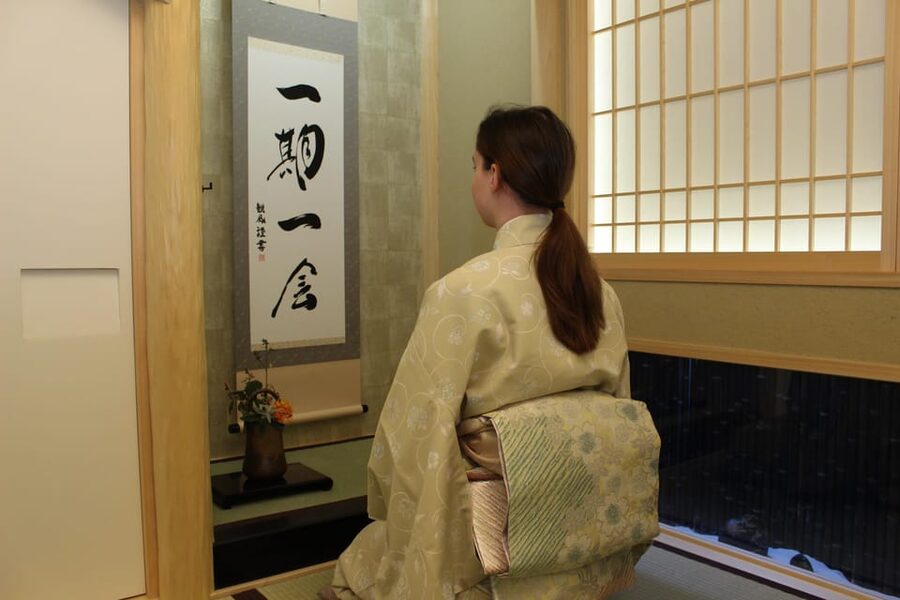
Your hands-on time is built around making your own matcha. The experience follows a straightforward flow: etiquette and culture first, then Otemae demonstration, then your matcha prep, then tasting.
In a ceremony like this, the biggest skill is control. Matcha is not hard, but it does have a texture goal, and the way you whisk matters. When you do it yourself, you quickly understand why tea traditions are so focused on attention. Even if you’ve never made matcha at home, you should be able to follow along because the teacher is actively guiding you through the process.
You also get to experience what the ceremony changes emotionally. The room makes you slow down. Your hands get busy, and your mind gets calmer. That is partly cultural, partly sensory, and partly because the session is private enough that you feel comfortable trying.
One more useful detail: before you make tea, you taste traditional Japanese sweets. That order helps you understand the ceremony as a complete tasting experience, not just a matcha lesson. You are experiencing flavors and textures, then transitioning into tea.
Tasting Traditional Japanese Sweets and Your Own Matcha
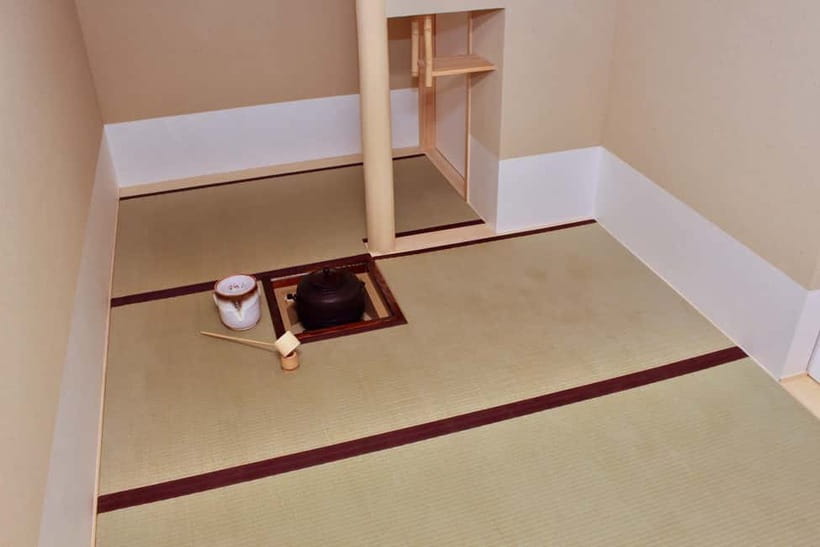
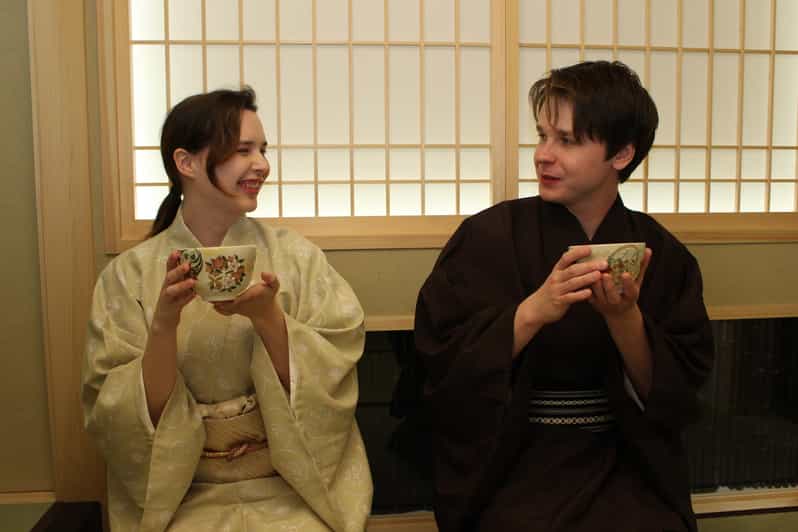
Tea ceremonies often get marketed as matcha only. Here, sweets are part of the rhythm. You have a chance to taste traditional Japanese sweets before making your tea, so you start with sweetness, texture, and aroma, then move into the bitterness and grassiness of matcha.
When you taste, pay attention to what changes as you go from sweet to tea:
- sweetness can make the matcha taste feel more rounded
- matcha’s bitterness becomes part of the balance rather than something you judge
Then at the end, you taste your matcha tea. This is where the class clicks into place. You do not just learn theory. You make something, then drink it in the context of what you learned about etiquette and culture.
If you are the type who usually only samples food without learning the story, this is a nice change. It turns eating into a mini lesson. And if you are already a matcha fan, you’ll likely enjoy getting better at the making part instead of just buying a drink.



What to Wear in Shibuya, and How They Handle the Knee Rule
Dress code can sound annoying until you see how it is handled. You do not need to bring anything special, but you are asked to wear skirts or pants long enough to cover your knees.
If your outfit is too short, you can borrow suitable clothing for free, including pants or a wrap skirt. That is a big deal because it removes stress, especially if you are already sightseeing earlier in the day and forgot about ceremony etiquette.
A practical tip: plan to wear something you can sit comfortably in. Even if you’re perfectly covered, you want ease when you move through the ceremony routine and when your teacher guides you at the workspace.
Souvenirs Beyond Matcha, Including Kimono Material Pokémon
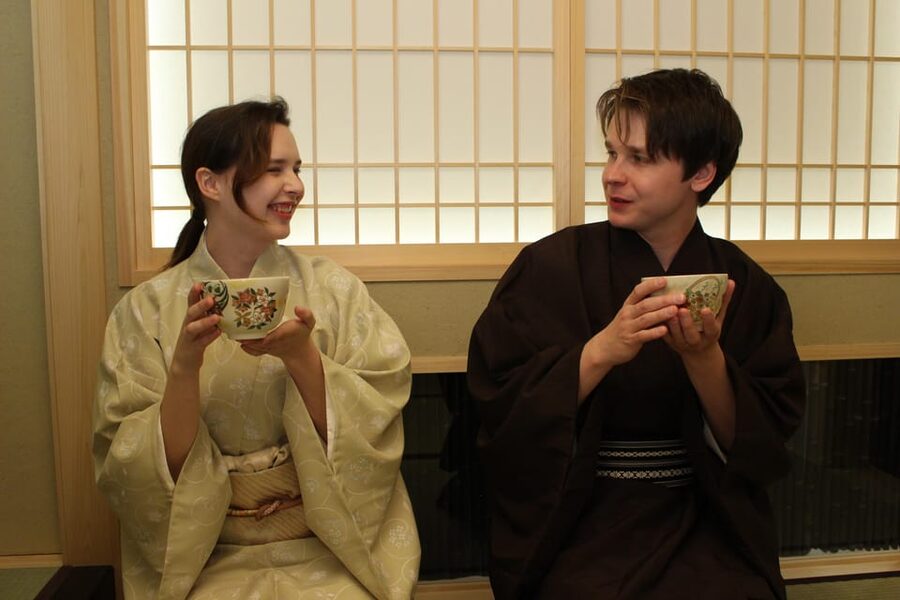
This experience is not only about the ceremony itself. There is also mention of souvenirs, including items like Pokémon made from Kimono material. Whether you treat that as a fun keepsake or a gift idea, it is a nice way to bring a piece of the experience home without needing to hunt around after.
Some people also end up buying a tea set if they love the taste and want to recreate it later. That kind of takeaway makes sense because the ceremony teaches you more than flavor. It gives you a small ritual you can actually repeat.
If shopping is not your thing, you can still enjoy the session without getting pulled into purchases. The main value is the class itself.
Price and Value, What $81 Includes (and Why It Can Be Worth It)
The price is $81 per person, and here is what you should consider as value, not just cost.
Included costs:
- tea and sweets fees
- facility charges and taxes
Optional included support:
- pickup service if needed
So you are not paying extra at the end for basic ceremony components. You are also getting a private session designed for small group attention. When you add up the fact that you’re paying for an English-speaking teacher, a structured explanation, a demonstration, and hands-on matcha time, the price starts to make more sense.
It is still a “planned activity” price. This is not the kind of thing you decide at the last minute. But if you like cultural experiences you can participate in, $81 can feel fair for a full, guided tea moment with tasting.
If you are deciding between a quick tea stop and a real class, choose this if your goal is learning etiquette and making the matcha yourself. If your goal is only the taste, you might consider whether a simpler option elsewhere would meet your needs.
Timing in Your Shibuya Day, and Who Should Book
This is a great fit for people who want culture with a clear structure and a calm setting. It also suits travelers who have done enough “walk and look” sightseeing for the day.
You’ll likely enjoy it if you:
- want a break from the fast pace of Shibuya
- like food culture and hands-on learning
- travel as a small group, family, or couple
- want instruction in English without translation stress
You might not love it if you:
- only want a short, casual tea taste
- hate dress-code rules, even when the venue offers free clothing help
- need a very flexible, spontaneous plan with no advance booking
One more detail to keep in mind: you can get different session lengths depending on the booking you choose. Some options are around 1 hour, which can be perfect if you want a culture hit without eating up your whole afternoon.
Should You Book This Tea Ceremony in Shibuya?
If you are looking for a structured, private cultural experience where you learn etiquette and make matcha yourself, I think this is a strong choice. The English instruction lowers friction, the sweets add variety, and the private size makes it easier to enjoy without feeling like you are part of a crowd.
Book it especially if you want something that feels distinctly Japanese but still practical and understandable. You leave with knowledge you can use, plus a matcha memory you can recreate at home.
If you’re price sensitive or only want a quick taste, you may feel it is more “class” than “snack.” In that case, compare your expectations first. But for many travelers, this hits the sweet spot between culture, comfort, and hands-on fun.
FAQ
Where does the Tokyo tea ceremony take place?
It takes place in Shibuya, Tokyo, Japan.
How much does the tea ceremony cost?
The price is $81 per person.
Is this experience private?
Yes. It is completely private for your group and sessions are not mixed with other groups.
How many people can book per session?
The experience supports 1 person up to 4 people per booking.
What language is used during the class?
The class is taught in English.
What do you do during the tea ceremony?
You get an explanation of the tea ceremony history and etiquette, an Otemae demonstration by an experienced teacher, make your own matcha, and taste your matcha along with traditional Japanese sweets.
What should I wear or bring?
Wear skirts or pants long enough to cover your knees. If needed, suitable pants or a wrap skirt can be lent to you for free. Nothing else in particular is required.
Is pickup included?
Pickup service is included if needed.
What are the booking and payment options, and how do cancellations work?
You can reserve and pay later, and you can cancel up to 24 hours in advance for a full refund.
More Tour Reviews in Tokyo
Not for you? Here's more nearby things to do in Tokyo we have reviewed












Shibuya Tours, side by side.
 ★ 5.0Official Street Go-Kart in ShibuyaFrom $763,435 reviews
 ★ 4.9Street Kart Experience in ShibuyaFrom $741,484 reviews
 ★ 5.0Shibuya Meltdown Nightlife Tour: All-You-Can-Drink Bar HoppingFrom $1061,058 reviews
 ★ 5.0Shibuya Official Street Go-Kart in Shibuya AnnexFrom $69972 reviews
 ★ 5.0Shibuya Food Tour (13 dishes and 4 Eateries)From $77770 reviews
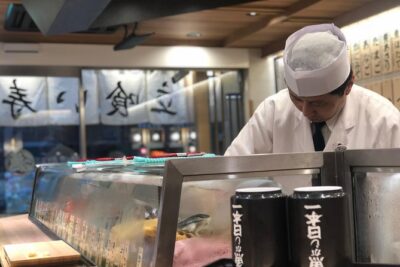 ★ 5.0Best of Shibuya Food TourFrom $217612 reviews
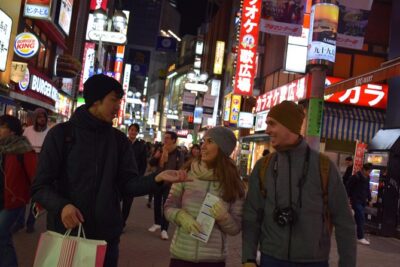 ★ 4.8Shibuya Highlights Walking TourFrom $19601 reviews
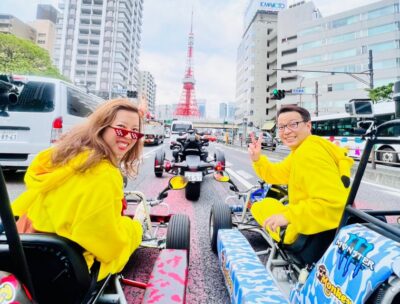 ★ 4.7Premium Go-Kart Tour with Tower & Shibuya CrossingFrom $116528 reviews
This tour also belongs to