
Review · TOKYO CITY TOURS
Tokyo Time Machine Exploring Old School Monzen Nakacho
Tokyo does not always need neon. This 6-hour Monzen-Nakacho walk feels like a slow time machine through old shops, temples, and tiny drinking spots.
What I like most is the mix of spiritual stops and food-and-drink stops in one flowing route. I also like the small group, max 6 people, which keeps things conversational and makes it easier to ask questions when you want the story behind what you are eating.
One thing to consider is the pace. You will be walking and you will be tasting, including alcoholic beverages, so it is not the best fit if you want a purely sightseeing, sit-down-only day.
Key Points You Should Know
- Monzen-Nakacho over the usual Tokyo hits, with older streets and local storefront energy
- Guide translation built in, so you can actually understand what you are seeing and eating
- Tastings plus dinner, not just small bites, with drinks folded into the route
- Three distinct atmospheres: shrine grounds, a Goma fire temple, then a Showa-era bar alley
- Small group size (max 6), which usually means less waiting and more personal guidance
- Mobile ticket and a clear start point near Monzen-nakacho Station
A Tokyo Time Machine Built Around Monzen-Nakacho
If you have spent time in Tokyo’s top districts, you already know how quickly crowds and convenience can blur the edges. Monzen-Nakacho offers a different rhythm. It is still in the city, but it feels more like you are moving through everyday neighborhoods, not a stage set.
This tour leans hard into that “local Tokyo” feel. You are not just passing by sights, you are stopping at places tied to routine, celebration, and community. The day’s shape matters: shrine to temple ritual, then into a dense alley of small bars where the social side of Tokyo shows up.
It is also a smart way to learn without being stuck with a phrasebook. The guide is there to translate, so you can connect the dots between what a temple is doing and what you are eating a few blocks later. And since you get coffee or tea, snacks, and dinner along the way, you are not trying to guess where to eat after you get tired. You just keep moving.
You can also read our reviews of more tours and experiences in Tokyo.



1:00 pm Start, Max 6 People, And Why That Matters
The tour starts at 1:00 pm and runs about 6 hours. It ends back at the meeting point, so you do not have to figure out the finish. The meeting point is at Monzen-nakacho Station, 2 Chome-4, Monzennakacho, Koto City, Tokyo 135-0048. It is near public transportation, which helps if you are combining this with other plans.
The max group size of 6 travelers is not a marketing number. In practice, it usually means the guide can slow down when someone wants extra explanation, and you are less likely to lose people in crowded sidewalk moments. It also tends to make the food stops smoother because you are a small cluster at each location.
You also get a mobile ticket, which is handy because Tokyo logistics can get fiddly. The day is built for walking, and it will feel best if you wear comfortable shoes and expect street-level movement for most of the route. If you hate walking, this is going to feel like work, not fun.
Stop 1, Tsurugaoka Hachimangu Shrine And Its Sumo-Linked Story
Your first stop is Tsurugaoka Hachimangu Shrine, described as Tokyo’s largest Hachiman shrine. It traces back to 1627, and it carries a special connection to sumo, including a yokozuna stele. That is a great detail because it shows how religion, sport, and civic life can overlap in Japan.
Plan for about one hour here, and keep your eyes open for the big visual cues. Expect striking red torii and a festive feel, especially because this shrine is associated with monthly markets on the 1st, 15th, and 28th. Even when you are not there on market days, the grounds give you that “festival energy” you can sense without needing a script.
What makes this stop worth your time is how it sets the tone. You are not jumping straight into food. You start with a major shrine, then you head toward another temple with a different kind of ritual intensity. It is a clean way to understand the spiritual thread in everyday Tokyo life.
A practical note: admission is free for this stop, so you can spend your money on the tastings later in the day instead of lining up for paid entry.
Stop 2, Fukagawa Fudodo And The Goma Fire Moment
Next is Fukagawa Fudodo, a temple known for Goma fire rituals. This is one of those experiences that hits your senses more than your camera roll. You are moving from shrine calm into a temple that’s famous for a ritual involving fire, plus impressive wooden statues.
You also get a visual approach on the way in. The route includes fox inari shrines nearby, which helps you understand how the landscape is arranged for worship and storytelling. It is a good pause between stops, because you get to slow down and absorb details you might otherwise miss.
You should budget about one hour here. Admission is free, so again, you are not paying extra to access the core experience. The value is in seeing how old religious traditions still look active and meaningful, not frozen behind glass.
The possible drawback is also the nature of the place. Fire rituals are about heat and intensity. If you are sensitive to smoke or strong ritual effects, be ready to step back slightly if needed and follow the guide’s direction closely.
Stop 3, Tatsumi Shindo’s Showa-Era Bar Alley With Real Atmosphere
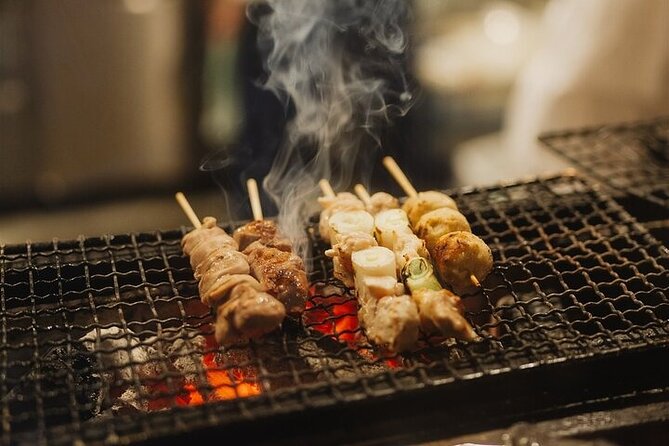
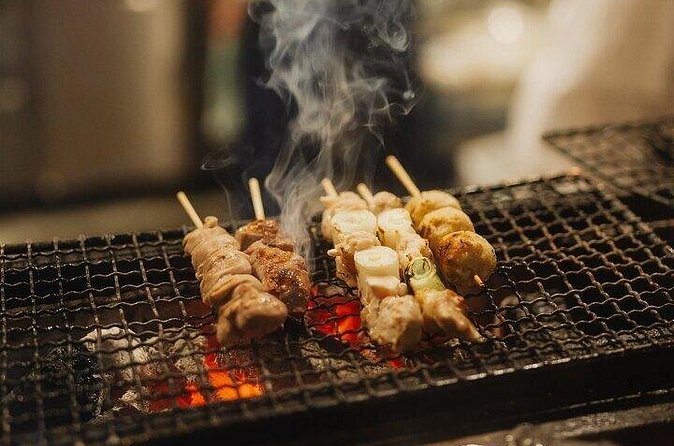
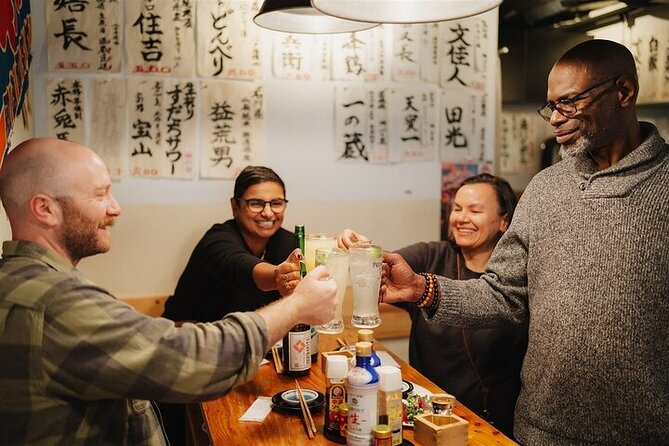
Then the day turns social, fast. Your final stop is Tatsumi Shindo, a lively alley with about 30 tiny bars that preserve a Showa era feel. If you like Tokyo at night, this is the part that feels most like you are seeing how people actually unwind.
You spend about two hours here. The guide helps you experience the alley without turning it into a chaotic bar hop where you do not know where to go. The focus tends to include easy wins like karaoke, yakitori, and comfort-style dishes such as motsu-nikomi. You also get chances to sample local drinks as part of the tour flow.
What I like about ending here is the contrast. Earlier you are learning about religious practice and sacred spaces. Here you are learning about everyday culture, humor, and neighborly conversation in small rooms where Tokyo feels close.
Also, this is where the group size matters again. With a small group, you are more likely to interact with the environment instead of just walking past it. You are also less likely to feel like you are doing homework in a loud alley.



What You Actually Eat And Drink: Snacks, Dinner, Coffee, And Alcohol
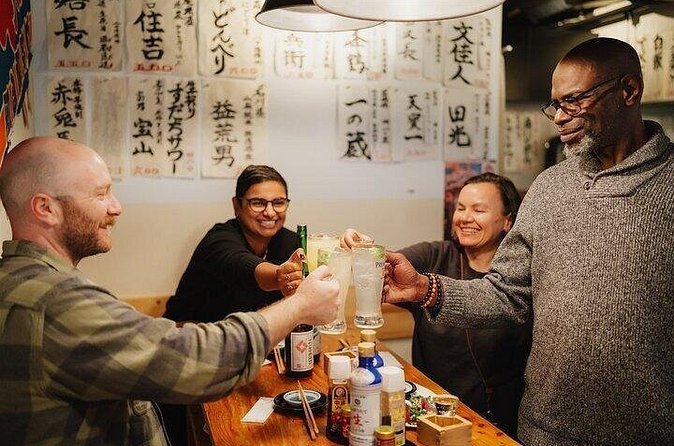
The included food and drink list is a big part of the value. You get coffee and/or tea, snacks, dinner, and alcoholic beverages. That turns this from a typical walking tour into something that covers meals. You are paying for time plus access, but you are also paying for the convenience of not having to map dinner at the end.
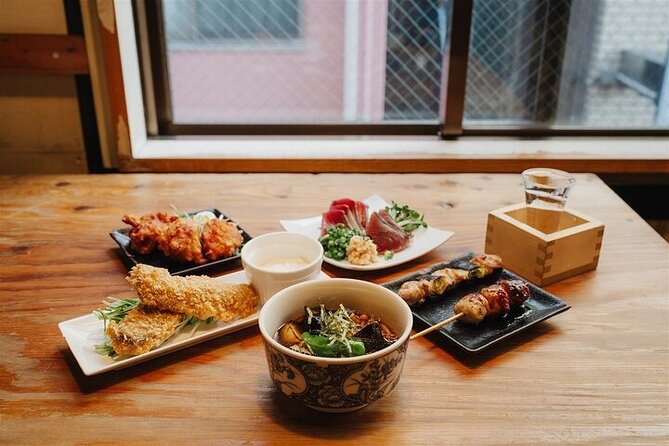
The tastings can range beyond the obvious. In past departures, people have mentioned things like plum wine, gin, mochi, and comfort options such as a fisherman-style clam broth with rice. There has also been mention of sake getting some focus on certain routes, so if you do not care for sake, you might want to set expectations with the guide early on.
The takeaway for your planning is simple: this is not a light snack stroll. You should eat lightly earlier in the day, then let the tour handle the rest. If you are the kind of person who likes to try one bite and move on, you can still have fun, but you may feel the pace if you are not interested in tasting multiple items.
Because alcoholic beverages are included, think about how the timing fits with your evening plans. You may want something low-key afterward, or at least a plan to slow down once the tour ends.
How Translation Works, And Why The Guide Makes It Better
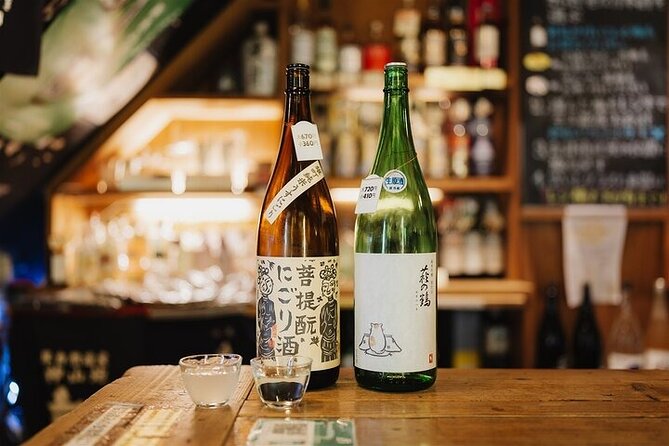
This is one of those tours where “no language barriers” is not just a tagline. The guide translates for you, and that changes everything. When you can understand what a shopkeeper or temple context means, you stop treating the day like a list of stops and start treating it like a story you can follow.
The guides credited in prior departures include names like Chika, Diana, Michelle, Nicole, China, and Maira. Across those accounts, the common thread is food plus explanation, not just food on plates. The shopkeepers are also part of the experience, because you are interacting with people who have built their daily work around feeding and hosting.
One additional detail that stands out is care for different needs. At least one prior group noted the guide was able to accommodate a guest with limited mobility. That does not mean this is a medical service, but it does suggest the guide pays attention and adjusts when something changes.
For you, the practical win is confidence. You can ask why something tastes the way it does, what a ritual is for, and what to look for in a neighborhood. That is the difference between reading about Tokyo and actually getting it for the day.
Price At $195: Does It Feel Like Value Or Just A Label?
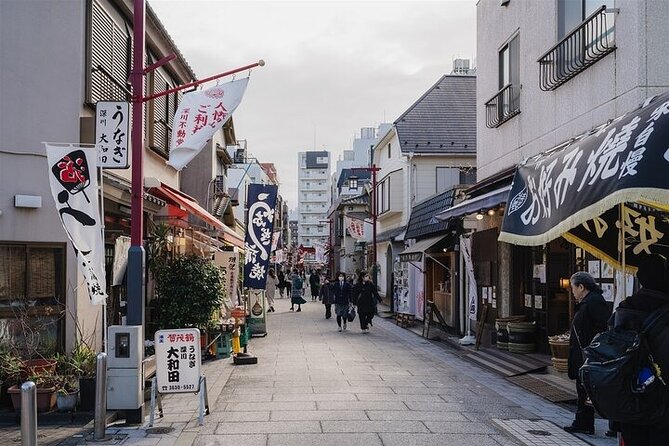
At $195 per person, this is not a budget add-on. But it also is not just a guided walk. You are paying for a translated experience, multiple guided stops, and included food plus dinner and drinks over about 6 hours.
Here is the value math in plain terms. If you tried to copy this on your own, you would spend time and money just figuring out where to go, then you would still need to pay for meals and drinks. In addition, you would miss the context that turns the shrine and temple into more than photo stops.
The route also avoids the easiest comparison trap. You are not paying for the popularity tax of the most famous districts. You are paying for access to Monzen-Nakacho style local life, and the day’s structure does the heavy lifting: shrine, fire ritual temple, then the Showa-era alley where small bars keep the neighborhood identity.
The tour is booked on a steady rhythm, with an average booking window of 84 days in advance. That usually hints it sells well for the kind of experience it offers. If you want a spot, do not wait until you are already in Tokyo.
Who This Tour Suits Best (And Who Might Prefer Something Else)
This tour fits you if you want a real Tokyo neighborhood day without chasing the standard itinerary. You will probably enjoy it most if you like walking at a comfortable pace, tasting food, and getting stories that connect places to daily life.
It is also a strong match if you want variety. The day switches settings three times: major shrine, Goma ritual temple, then a dense alley of tiny bars. That keeps you from getting numb to “more temples, more streets” fatigue.
You might skip it if your priority is long sightseeing stops with minimal walking and zero alcohol. Since alcoholic beverages are included and the tastings are a core part of the day, the tour is built around sampling. If you are only interested in architecture or museum-style pacing, you may feel like the food and drink steer too much of the experience.
Should You Book Tokyo Time Machine in Monzen-Nakacho?
If you like the idea of seeing Tokyo through food, rituals, and small local social spaces, I think this is an easy yes. The combination of translation, small group size, and included dinner plus drinks makes it feel like a planned experience, not an expensive gamble.
Book it if you want an off-the-radar neighborhood day that still feels grounded in major cultural sites. Skip or consider carefully if you do not want alcohol included, or if you are sensitive to the effects of a fire ritual environment at a temple.
If you do book, wear comfortable shoes and keep your afternoon flexible. Start with a light meal before 1:00 pm, go in curious, and let the neighborhood do what Tokyo does best, show you its everyday face.
FAQ
How much does the Tokyo Time Machine Monzen-Nakacho tour cost?
It costs $195.00 per person.
How long is the tour and when does it start?
The tour runs about 6 hours and starts at 1:00 pm.
Where is the meeting point?
You meet at Monzen-nakacho Station, 2 Chome-4 Monzennakacho, Koto City, Tokyo 135-0048, Japan.
What is the group size?
This tour has a maximum of 6 travelers.
What food and drinks are included?
The tour includes coffee and/or tea, snacks, dinner, and alcoholic beverages.
Do I need to speak Japanese?
No. The guide translates for you.
Is private transportation included?
No, private transportation is not included.
Is free cancellation available?
Yes. You can cancel for a full refund up to 24 hours in advance of the experience’s start time.
More Tour Reviews in Tokyo
Not for you? Here's more nearby things to do in Tokyo we have reviewed












Tokyo City Tours, side by side.
 ★ 5.01-Day Tokyo Bus TourFrom $12914,250 reviews
 ★ 4.5TOKYO SKYTREE® Admission ticketFrom $1311,192 reviews
 ★ 4.6teamLab Planets TOKYO Digital Art Museum Entry TicketFrom $259,779 reviews
 ★ 4.0Mt Fuji & Hakone Cruise, Drum Show Bullet Train 1 Day from TokyoFrom $1497,413 reviews
 ★ 5.0Shinjuku Food Tour (13 Dishes at 4 Local Eateries)From $866,603 reviews
 ★ 4.4Tokyo Mt Fuji 5th St & Hakone Cruise Bus Tour w/Bullet TrainFrom $1545,024 reviews
 ★ 5.0Flagship 2-Hours Official Street Go-Kart Tour – Tokyo Bay ShopFrom $644,974 reviews
 ★ 4.5From Tokyo: Mount Fuji Full-Day Sightseeing TripFrom $684,970 reviews