
Review · TOKYO CITY TOURS
Tokyo: Wagyu and Sushi Gastronomic Journey
Sushi and Wagyu meet Shinjuku at dusk. This 3-hour small-group dinner walk blends Wagyu tastings, guided sushi, and neighborhood backstreets like Golden Gai and Omoide Yokocho. You also get a history lesson on the beef and a close look at how sushi chefs build each piece with care.
I especially like two things: you get hands-on guidance while tasting, and you also walk through Shinjuku’s food and nightlife zones with context. The Golden Gai alley maze is fascinating in a very human way, and the pause at Hanazono Shrine gives the whole night a better rhythm.
One consideration: it’s built around Shinjuku at night, so if you dislike neon nightlife energy, Kabukicho may feel like a lot. Also, you’ll be paying for transportation yourself, since it’s not included.
Quick hits from this Shinjuku food-and-culture night
- Wagyu + sushi as the dinner core, explained while you eat
- Small group (max 10) with an English-speaking local guide
- Golden Gai alley time, with its 200+ tiny bars and themes
- Hanazono Shrine as a quiet reset in the middle of Shinjuku’s noise
- Omoide Yokocho alley exploration, known for yakitori-style comfort food
- Kabukicho walk with a pop-culture stop at the Godzilla Head on the Shinjuku Toho Building
Why Wagyu and sushi in Shinjuku actually works
This tour has a smart idea at the center: you do dinner, but you also learn how to see dinner. Shinjuku can be overwhelming on your own, so having a guide helps you connect the taste of Wagyu and sushi to the places where Japanese nightlife and food culture really live.
I like that the Wagyu part isn’t just, here’s beef, enjoy. You learn the beef’s history, how flavor changes by region, and what you should pay attention to while tasting. That turns a meal into something you can actually understand.
Then sushi adds a different kind of skill. You see (and eat) the kind of precise work that goes into building small pieces with seasonal ingredients. It’s not just luxury food, it’s food craft you can notice if someone points it out.
You can also read our reviews of more tours and experiences in Tokyo.



Meeting near Nishishinjuku, then finding your rhythm
You meet just in front of the 3rd Burger, with the start anchored around 7-chōme-10-5 Nishishinjuku. Arrive a few minutes early. Shinjuku streets can be a quick-change maze when you are lining up at the wrong corner.
From the start, you are in walking mode. The tour moves through Kabukicho, then Golden Gai, and the pace is designed for an evening stroll that includes food context, not museum-style stopping every 10 seconds.
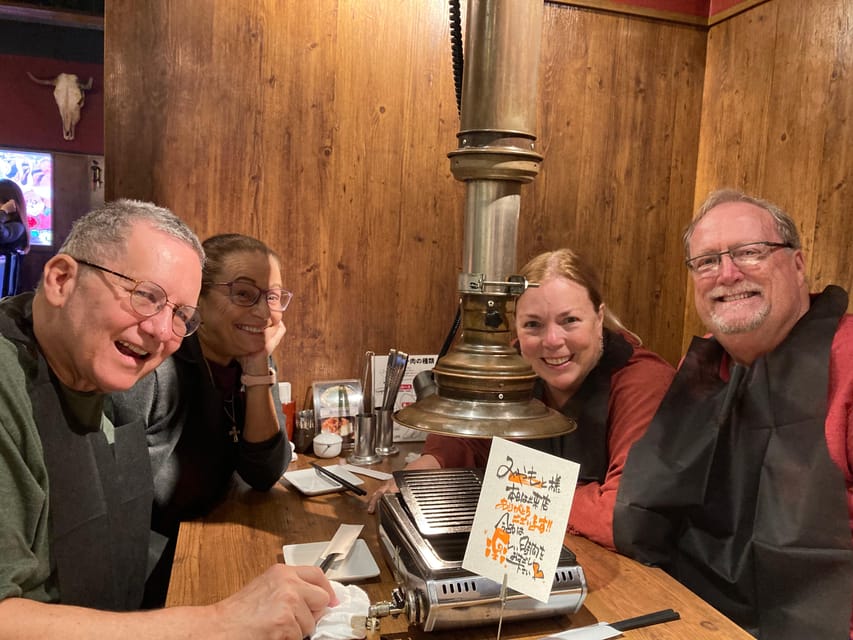
Also, this is a small group capped at 10 participants. That matters here because the whole point is to ask questions and react to what’s happening at the food stops. In a bigger crowd, you would be stuck watching, here you can actually participate.
Kabukicho after dark: neon energy plus guided context
Kabukicho is Tokyo’s entertainment zone, and it feels like it was built for night wandering. You spend about 1.5 hours with a guide in the area, which is the difference between simply getting lost and actually learning what you are seeing.
You also get the pop-culture landmark treatment. You’ll spot the Godzilla Head atop the Shinjuku Toho Building, which is one of those Tokyo symbols that ties the city’s modern buzz to its older pop attitude.
Here’s what I think you will appreciate: the guide doesn’t just point at sights, they connect them back to food and people. That connection is what turns random neon streets into a story you can remember later.
Omoide Yokocho: yakitori-alley atmosphere without the tourist maze
Omoide Yokocho is the kind of narrow alley where the atmosphere does half the work. It’s famous for tiny bars and comfort-food vibes, especially the kind of yakitori scene you would expect in Japan’s late-night dining culture.
You do not need to be a hardcore nightlife person to enjoy this part. The value is the contrast. You move from the louder, brighter Kabukicho energy into a tighter alley setting that feels like local social life.
Practical tip: expect close quarters. You’ll be navigating small lanes and getting past crowds at bar doorways, so keep your phone secure and your group together.
Wagyu: how to taste history, fat, and regional differences
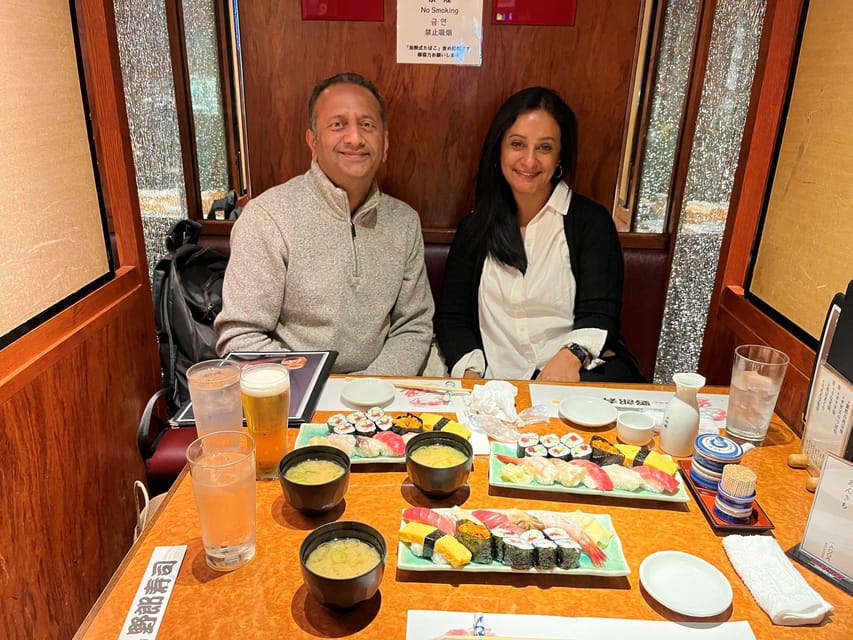
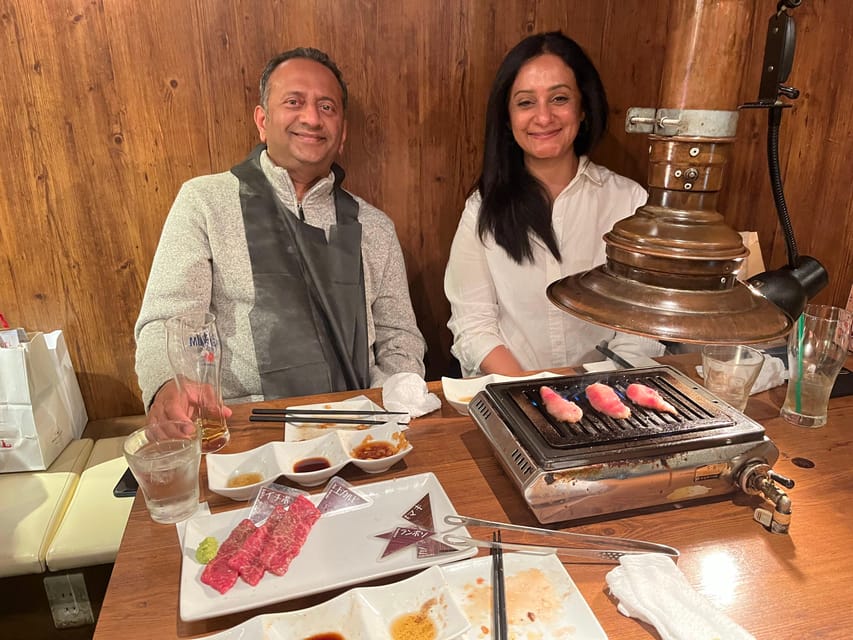
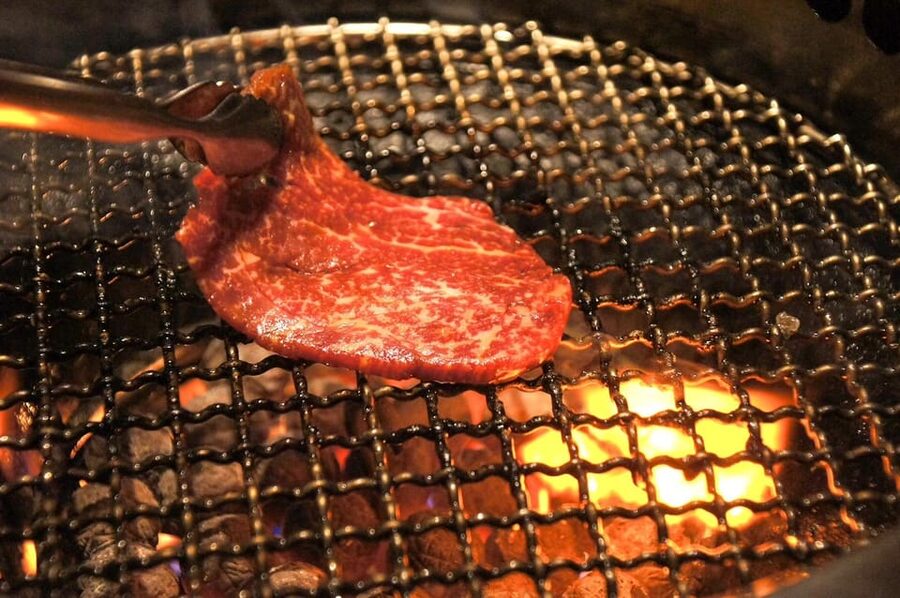
The Wagyu portion is where the tour earns its price. You get to sample Wagyu beef with expert guidance, and you also learn how Wagyu developed and why it tastes the way it does.
Wagyu can sound like just a buzzword, but the guide’s explanation of regional variation helps you understand why two plates can feel different even when both claim to be Wagyu. The tasting becomes easier, because you have a framework to listen for what you taste: texture, richness, and how the fat flavor spreads as you eat.
If you’ve never done Japanese BBQ before, this is also a friendly on-ramp. One common theme from past diners is that first-timers felt genuinely taken care of, from understanding how the beef is presented to learning what to notice during the tasting.
And yes, the beef quality is the highlight. People consistently point to the Wagyu as the treat moment, the one that makes you slow down and actually pay attention.


Golden Gai: the 200+ tiny-bar maze and how to enjoy it
Then you head into Shinjuku Golden Gai, the maze-like alley system with 200+ small bars, each with a distinct theme. You spend around 1.5 hours there with a guide, which is the right amount of time because Golden Gai can be confusing when you do it alone.
What I like about having a guide here is simple. Golden Gai is not about one big attraction. It’s about doorways, narrow lanes, and the feeling that this place survives on tiny social rituals. A good guide helps you read the scene without turning it into a checklist.
It’s also a valuable cultural contrast to the Wagyu and sushi portion. In Golden Gai, the night is about conversation and small spaces. In a dinner seat, the night is about craft and ingredients. You get both in one evening.
One more note: alcohol is part of the experience. Alcoholic beverages are available for participants aged 20 and above, so if you want to try a drink with the vibe, you can. If not, you can still enjoy the setting and the food explanations.
Hanazono Shrine: a calm reset inside the Shinjuku rush
After the neon and alleys, you get a quiet break at Hanazono Shrine. This stop is one of the smartest pacing choices in the whole tour, because it forces a mental reset.
In practical terms, you’ll feel the temperature shift in your brain. Shinjuku noise stays outside the shrine grounds, and you can collect yourself before the tour transitions back toward the culinary focus.
Culturally, it’s also a helpful reminder that Tokyo nightlife and traditional spaces coexist side by side. You are not only learning about what’s trendy. You’re seeing how Japan’s daily rhythm includes quiet religious sites too.
Sushi with a guide: watching precision you can taste
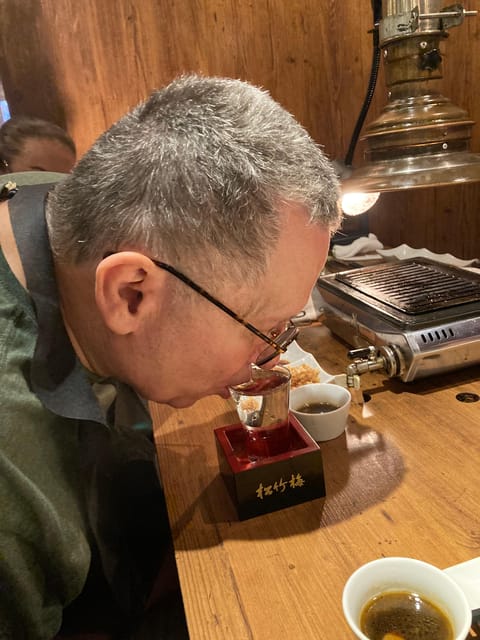
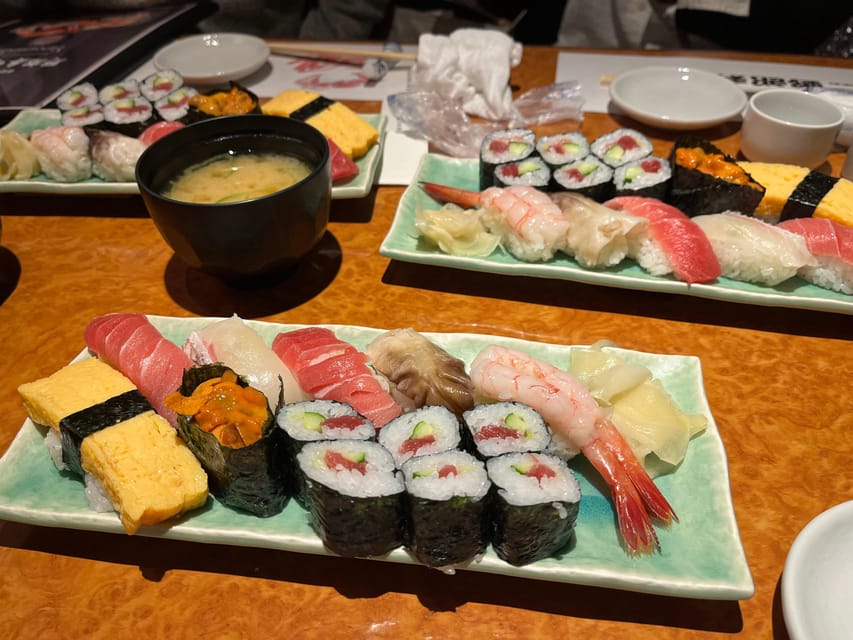
The sushi portion is the other star of the night. You sample authentic sushi with expert guidance, and you see how sushi chefs work with seasonal ingredients and traditional techniques.
This is where I recommend you slow down mentally. Don’t rush to classify everything as raw fish versus rice. Instead, watch how the chef builds each piece, and pay attention to the balance of flavors as you take a bite.
A strong guide makes sushi easier to enjoy because they tell you what matters. You might learn what to notice about the fish, how the seasoning feels, or how the pieces are meant to be eaten in the moment.
If you get a guide like Emma, you’re in good shape. Emma gets highlighted for being personable and for sharing practical food insight along with stories that connect dining in Tokyo to real-life experience. Even when you already know sushi, having someone explain the why behind the craft makes it feel more personal.
What you actually eat: dinner format and pacing
The tour includes dinner and visits two distinct food venues. In real terms, that usually means you are not stuck doing tiny bites at five places. You are getting meaningful food portions tied to the two big themes: Wagyu and sushi.
The pacing matters because you are mixing meals with walking through busy districts. That’s why the total time is about 3 hours, sometimes running 3 to 3.5. It’s long enough to feel like you ate a proper dinner, but short enough that you are not wiped out at the end.
If you plan your night around this, I’d think of it as your main meal. After the tour, you can snack again if you want, but you probably won’t need a full dinner elsewhere.
Alcohol plan, plus how to manage the night
Alcoholic beverages are part of the experience and are available for participants aged 20 and above. That means some tastings or bar stops may feel more lively if you are drinking, and calmer if you are not.
I like that the tour includes alcohol availability but does not force it. You can choose what works for you, and the rest of the night still focuses on food explanations and the walks through Shinjuku.
Also, plan for the fact that this is a guided evening with multiple stop-and-go moments. If you are sensitive to crowds, keep your pace easy and give yourself permission to step aside briefly when lines form at entrances.
Price and logistics: is $154 good value?
At $154 per person for about 3 hours, you are paying for two things: guided eating and guided walking. This is not just a self-guided neighborhood stroll. You get a local guide, dinner, and two distinct food venues built around Wagyu and sushi.
The value improves if you compare it to doing the same in a casual way on your own. Without a guide, you might still find Wagyu and sushi, but you would lose the history context, the tasting pointers, and the route structure that keeps the evening from turning into guesswork.
You do pay a bit of the way yourself for transportation. Transport costs are typically 200 yen to 800 yen range and are not included. That’s common for Tokyo tours, but it means you should budget a little extra beyond the headline price.
Group size also helps value. With a cap of 10 people, the guide can keep things moving while still responding to questions. In a bigger group, this kind of food and culture combination often becomes a fast lecture plus a rushed bite.
Who this tour fits, and who should skip it
This tour is a great fit if you want three things in one evening: top-quality food, a guide who explains what you’re eating, and Shinjuku culture beyond the obvious streets.
You’ll probably enjoy it most if:
- You are a food lover who likes learning while you taste
- You want first-timer-friendly guidance for Wagyu or sushi
- You want to see Golden Gai and Omoide Yokocho without getting lost
It may be less ideal if:
- You strongly dislike nightlife zones like Kabukicho
- You prefer a slower, quieter pace with fewer street passages
- You want a private meal experience rather than a group dinner walk
Should you book the Wagyu and Sushi Gastronomic Journey?
Yes, I’d book it if you want a single, efficient Shinjuku night that blends dinner with real context. The standout strengths are the food quality focus and the way the guide helps you understand both Wagyu and sushi as real culinary craft, not just luxury consumption.
Book it especially if you like guided walking through places with personality, like Golden Gai’s tiny bars and Hanazono Shrine’s calm interruption. Just budget for transit, wear comfortable shoes, and decide before you go whether you want to lean into Kabukicho energy or keep it in the background.
FAQ
How long is the Wagyu and sushi tour?
It lasts about 3 hours, and it may run around 3 to 3.5 hours depending on the schedule.
Where do I meet the guide?
You meet just in front of the 3rd Burger.
Is this a small group?
Yes. It is limited to 10 participants.
What is included in the price?
The local guide, alcohol availability for participants age 20 and above, dinner, and visits to two distinct food venues are included.
Is transportation included?
No. Transportation is not included, and costs can range from 200 yen to 800 yen.
Do I need to be 20 or older to drink alcohol?
Yes. Alcoholic beverages are available for participants aged 20 and above.
Can I get a full refund if I cancel?
Yes. You can cancel up to 24 hours in advance for a full refund.
More Tour Reviews in Tokyo


Not for you? Here's more nearby things to do in Tokyo we have reviewed












Tokyo City Tours, side by side.
 ★ 5.01-Day Tokyo Bus TourFrom $12914,250 reviews
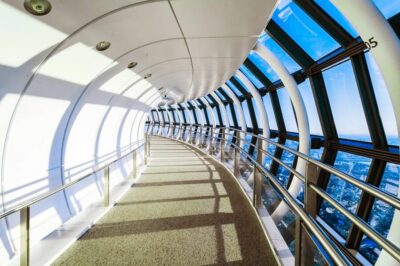 ★ 4.5TOKYO SKYTREE® Admission ticketFrom $1311,192 reviews
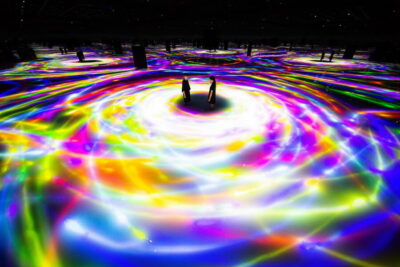 ★ 4.6teamLab Planets TOKYO Digital Art Museum Entry TicketFrom $259,779 reviews
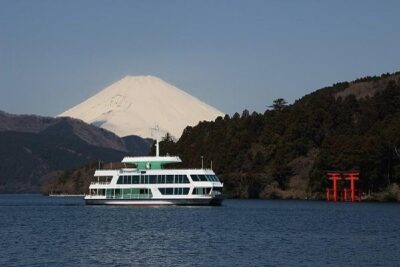 ★ 4.0Mt Fuji & Hakone Cruise, Drum Show Bullet Train 1 Day from TokyoFrom $1497,413 reviews
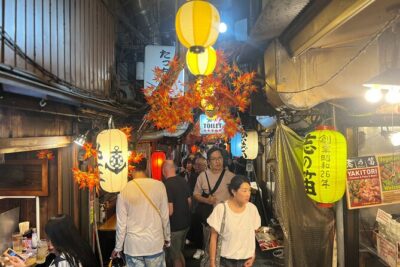 ★ 5.0Shinjuku Food Tour (13 Dishes at 4 Local Eateries)From $866,603 reviews
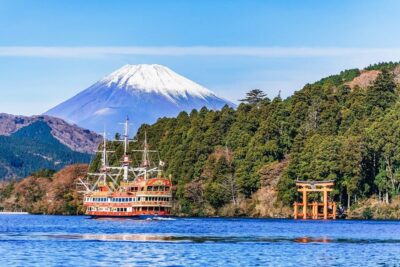 ★ 4.4Tokyo Mt Fuji 5th St & Hakone Cruise Bus Tour w/Bullet TrainFrom $1545,024 reviews
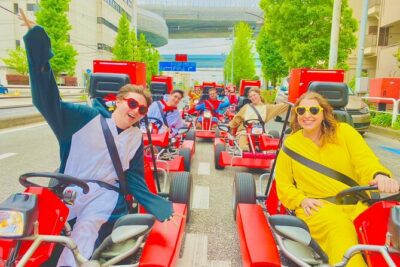 ★ 5.0Flagship 2-Hours Official Street Go-Kart Tour – Tokyo Bay ShopFrom $644,974 reviews
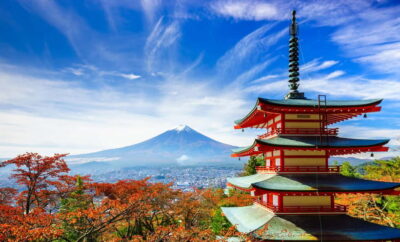 ★ 4.5From Tokyo: Mount Fuji Full-Day Sightseeing TripFrom $684,970 reviews