
Review · TOKYO CITY TOURS
Tokyo: Zen Meditation at a Private Temple with a Monk
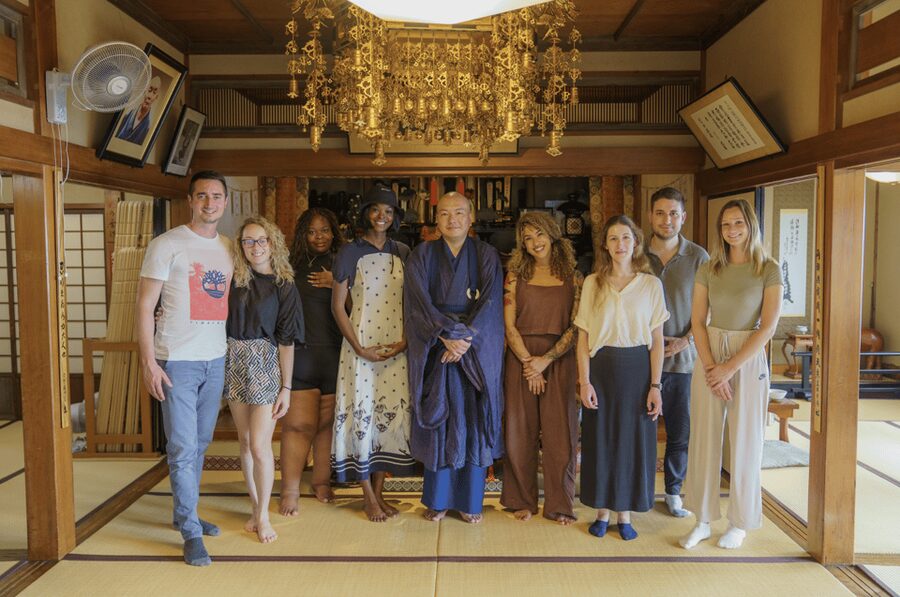
Zen in Tokyo, without the crowds. I love the private temple setting in Asakusa, where you sit in a calm space that is not open to the general public, and you learn directly from a monk. I also love that the session ends with a matcha tea ceremony and a real conversation, so you leave with more than just a quiet moment.
One possible drawback: you only have 90 minutes. If you want hours of uninterrupted silence, this experience is more of a guided taste of Zazen than a full retreat.
Key highlights worth clearing your calendar for
- A private Asakusa temple with history going back more than 400 years
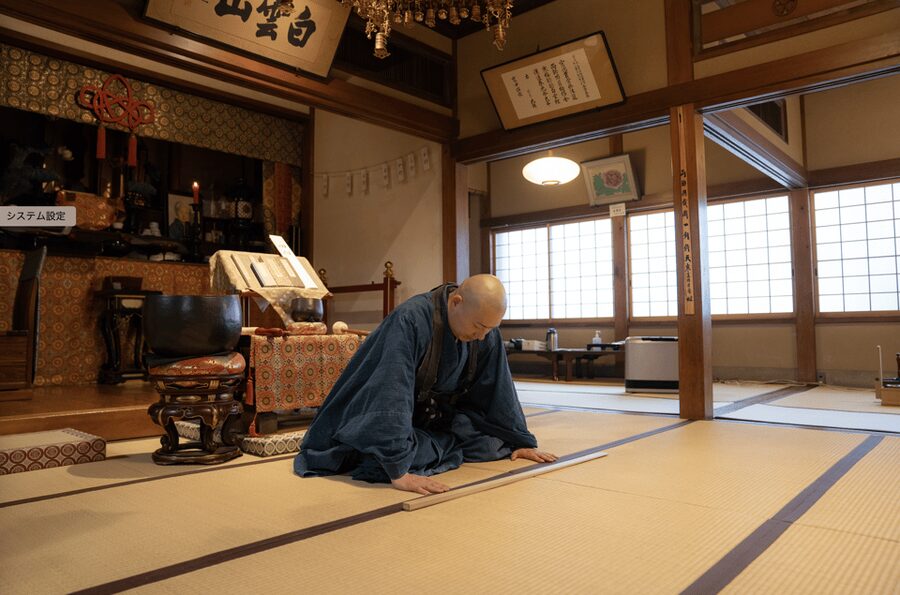
- Monk-led Zazen (seated meditation) with practical instructions and supervision
- Breathing rhythm and posture cues that help you stop overthinking
- Tea ceremony plus sweets, with time to ask questions
- A close, personal feel that still works even if you are new to Zen
Getting to the right Family Mart in Asakusa
This starts in Asakusa, near Tawaramachi Station. Meet in front of the Family Mart that is a 2-minute walk from Tawaramachi Station on the Ginza line. There are 2 branches in the area, so slow down and confirm you are at the correct one.
Then there is the modern wrinkle that you should plan for: your guide reaches out through WhatsApp. Download it before you go, because this is how they help you meet up smoothly. Once you are with your guide, the group heads to the temple via a separate entrance to avoid crowding.
Even if you are comfortable navigating Tokyo, I recommend arriving 10 to 15 minutes early. The start time is the part you cannot rush, and you want your mind clear before meditation begins.
You can also read our reviews of more private tours in Tokyo
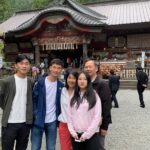
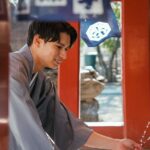
Entering a temple that is not open to the public
The biggest draw here is access. You are not just visiting a famous landmark with a photo line. You are going into a temple area that is not open to the general public, and that alone changes how the whole experience feels.
In this case, the temple setting is described as a centuries-old space, with history spanning more than 400 years. In practical terms, that means the atmosphere has that lived-in calm. The scent, the quiet, and the sense that monks still use this place for daily practice show up in small ways, not just in the architecture.
Your guide sets the tone with a brief introduction to Japanese culture and Zen. It is enough to give context without turning the experience into a lecture. Then the monk takes over for the teaching portion, so you are not stuck with just a translator and a QR code.
How Zazen instruction works in a short 90-minute session
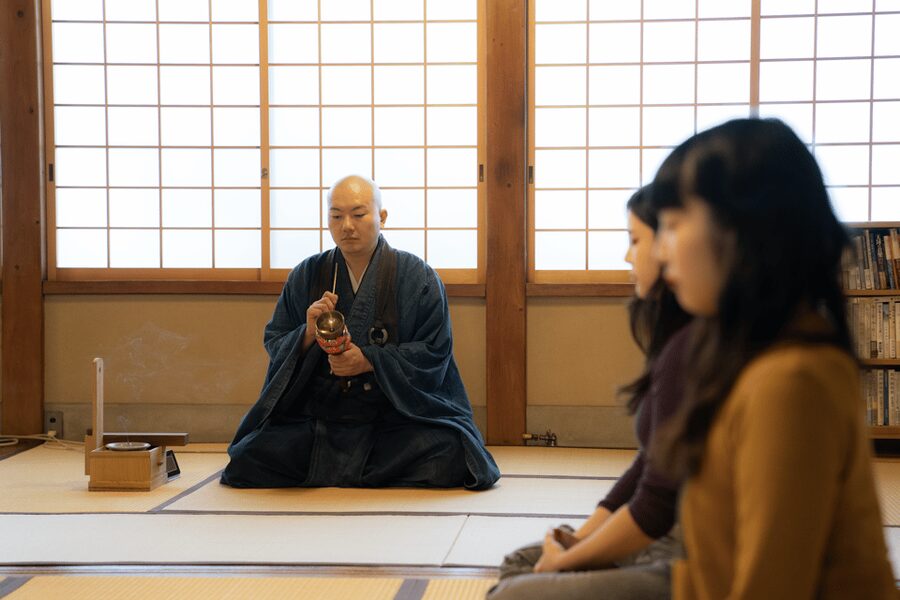
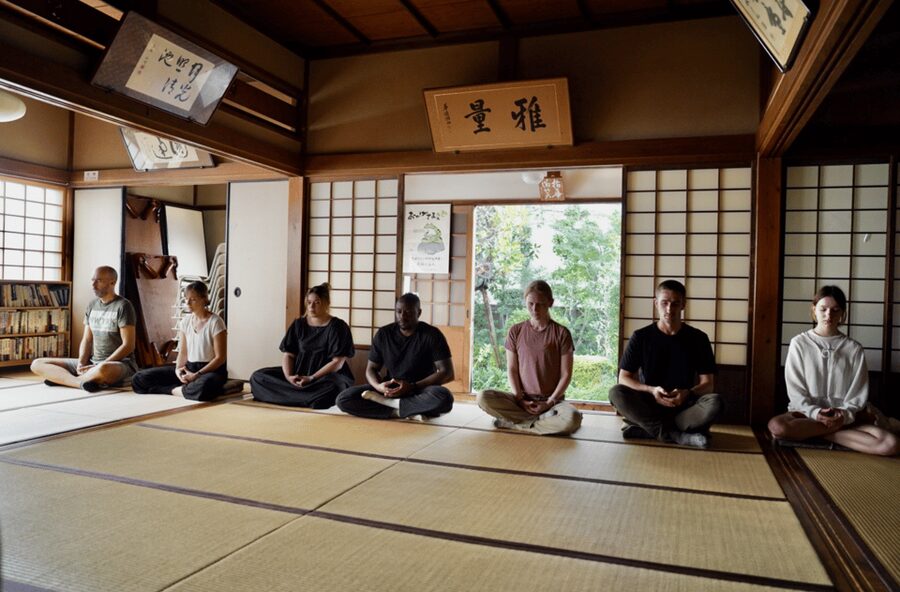
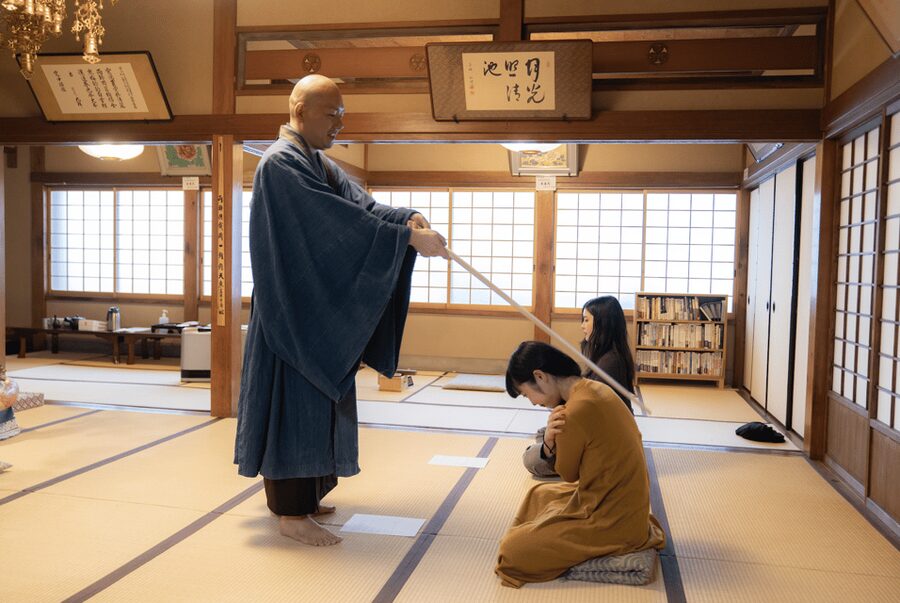
Zazen is the center of this experience. The format is fairly structured: a short lecture from the monk on principles and technique, then guided practice. You also get the chance to learn how to unify your mind and let go of distractions, ego, and worldly noise.
What makes this valuable for you is that it is not Zen as vague self-help. It is Zen as a physical practice. You learn what to do with your breathing and your attention. Reviews commonly mention breathing rhythmically, and that cue matters because it gives you something specific to focus on when your brain tries to sprint ahead.
Timing is compact, so the monk teaching leans practical. Expect at least one guided sit (some sessions include multiple short meditation periods), and expect supervision rather than “good luck, see you later.” If you are new, this structure helps. If you are experienced, you still benefit from having a monk explain what matters, in plain language, for your posture and attention.
One small tip that people mention: ask about the tool or posture aid the monk uses during meditation. It can sound odd, but the idea is straightforward, to help you sit correctly and feel grounded.
What the meditation feels like once you actually sit
The second best thing about this experience is that it quickly turns theoretical into sensation. Even if you arrive tense, the tempo of the practice helps.
You will sit on traditional floor seating (reviews mention tatami mats). The monk guides you, and the guide translates the key parts. That matters because Zen can sound poetic, but your body still needs clear instruction. With translation, you can connect what you hear to what you feel.
If you have ever tried meditation on your own, you know the hardest part is not the breathing. It is the constant checking, measuring, and judging: Am I doing it right? How long is it? Is my mind quiet yet?
Here, the short duration plus direct guidance works in your favor. You are given a bounded window to settle, and that reduces the mental churn. People even mention that the meditation can feel surprisingly fast, which is honestly a good sign. It means you are not stuck thinking through it for an hour.
Calligraphy practice and the ritual mindset
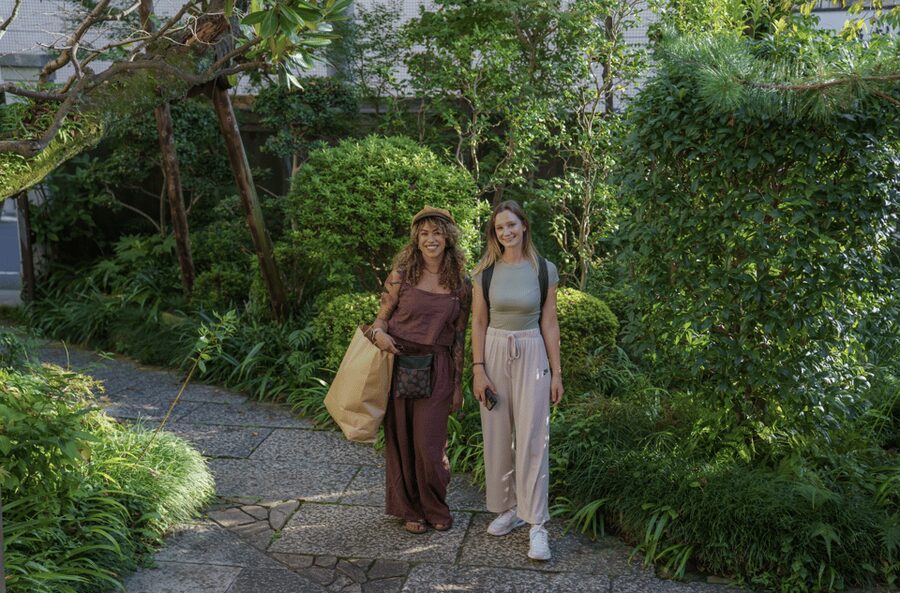
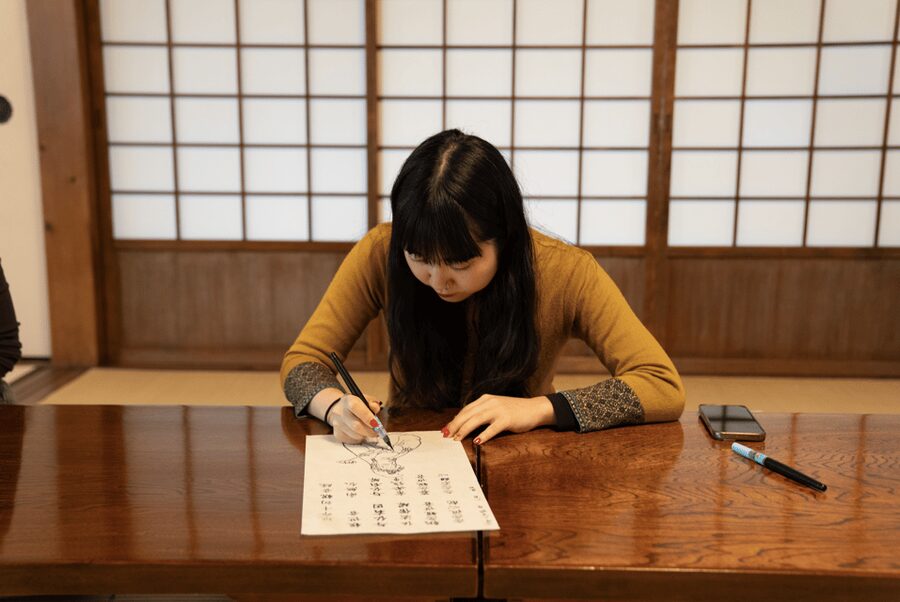
A standout add-on in many sessions is calligraphy. Multiple reviews describe a calligraphy exercise, including calligraphy tied to chanting or a sutra-related theme. Even when calligraphy is the “extra,” it still fits Zen logic.
Why it matters: calligraphy is meditation you can see. Your attention shifts from performance to process. You slow down, move carefully, and focus on each stroke. It is not about art scores. It is about presence.
It also gives you something to do after sitting, which helps you keep the calm going instead of walking out and immediately switching back to your usual mode.




Matcha tea, sweets, and the monk Q&A that makes it stick
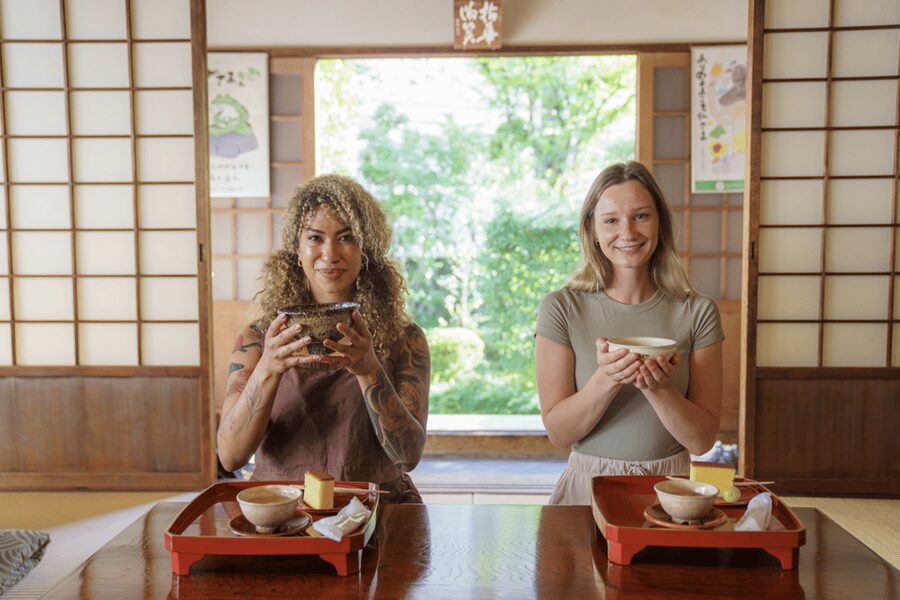
After the meditation and any calligraphy practice, you shift into tea. The tour includes entry to a tea ceremony with matcha and sweets, and this part often becomes a highlight because it is simple and sensory.
Matcha is not just a drink here. It is a moment to slow down with purpose. People describe the smells and the peaceful rhythm of the ceremony, and it is a good follow-up to sitting because you still stay in the same attention mode, but in a more active way.
Then comes the Q&A with the monk. This is where the experience moves from “interesting” to “useful.” Reviews point out that the monk answers a wide range of questions, and you can ask about the temple, the religion, or everyday life in Japan.
Some of the advice shared in those conversations is practical stress coaching disguised as spiritual teaching. Examples include focusing fully on each small activity (even simple tasks), keeping your environment tidy, not comparing yourself to others, and exploring where anger comes from before it gets too big. Even if you do not turn your life into a monastery, these are tools you can use on the street.
The Q&A also helps you leave with fewer unanswered questions. Instead of guessing what Zazen means, you get perspective directly from someone living the practice.
Who your guide and monk might be, and why that matters
A lot of the positive feedback is about how well the teaching lands in English. Guides named Tamami-san show up in reviews as warm, smooth translators, including cases where Tamami-san helps translate the monk’s inputs clearly. Other guide names like Kazu and Shota show up too.
One monk name that appears often is Namiki-san. In the reviews, he is described as patient, friendly, and willing to take time with questions. That combination matters because meditation is personal. If the teaching feels rushed or hard to translate, you lose the calm.
So if you care about the quality of the session, pay attention to the tone in how your guide sets expectations and helps you follow each step. This tour seems to do that well.
Etiquette, photos, and what to expect in a sacred space

Because this is a working temple experience, treat it like a respectful visit. Keep your phone on silent. Dress in a way that lets you sit comfortably.
On the photo question, you are not blocked from capturing memories. Reviews say taking photos or videos is allowed in the temple. That said, follow the monk and guide’s lead on where it is appropriate.
If you are tempted to rush through the tea or the Q&A to get a perfect shot, slow down. The point is to practice the same attention you bring to meditation.
What to do before you go (so you do not waste the calm)
Here is how to set yourself up for an easy start:
- Use WhatsApp beforehand, so you can respond fast if your guide contacts you.
- Arrive early enough to find the correct Family Mart branch without panic.
- Wear comfortable clothes you can sit in for the meditation portion.
- Keep a curious mindset for the Q&A. The monk is answering real questions, not just repeating the basics.
Also, set your expectations correctly. This is not a multi-hour retreat. It is a short, guided session that gives you tools, context, and a felt sense of Zen practice.
Is $55 good value for Zazen, tea, and a monk talk?
For $55 per person and about 90 minutes, the value is strongest if you want an authentic, structured experience you can not easily replicate on your own.
Here is what you are paying for:
- Monk-led teaching (the whole point is access, not just entertainment)
- Translation and guidance (so you understand what you are doing while you sit)
- Temple entry and a separate entrance for smoother flow
- Matcha tea and sweets (a cultural moment, not a token snack)
In Tokyo, it is easy to spend money on attractions that are crowded, scripted, or disconnected from daily life. This is the opposite. You pay for direct practice and conversation in a sacred environment.
Could the value be weaker for you? Possibly, if you want long silence and lots of solo practice. The sit is still meaningful, but it is intentionally short.
Who this experience fits best
I think this fits best if:
- you want a grounded introduction to Zen meditation without pretending you already know everything
- you like cultural experiences that include ritual, not just sightseeing
- you enjoy questions and learning from someone who lives the tradition
- you need a break from Tokyo’s constant motion and want a reset
It can also work well if you are already into meditation. The chance to compare your approach with a monk’s framing can be surprisingly clarifying, even when your method is already established.
The one drawback you should consider before booking
If you are expecting hours of uninterrupted meditation, this might feel too short. The experience is packed into 90 minutes: teaching, one or more short sittings, possibly calligraphy, then tea and discussion.
That trade-off is not bad, it is just a mismatch risk. If you want a quick, calming, culturally authentic session with plenty of guidance and Q&A, this is a strong match. If you want extended silence, you may need something longer.
Should you book this Zen meditation at a private temple?
Book it if you want a Tokyo experience that feels personal and practical: you learn Zazen steps, you sit with guidance, you share matcha, and you end with a real conversation. The temple access and the monk Q&A are the kinds of details that usually make a trip feel less like consumption and more like understanding.
Do not book it if your main goal is long meditation time with minimal structure. This experience is short by design, and it works because it gives you a guided taste that you can carry home.
If you are on the fence, my advice is simple: if you want to start your day calmer and more intentional, this is an excellent way to do it in Asakusa.
FAQ
How long is the Zen meditation experience at the private temple?
The experience lasts about 90 minutes.
What is included in the tour price?
The tour includes the Zen meditation experience, an English-speaking guide, entry to the temple, explanation from the monk, and matcha tea.
What happens during the session?
You get a monk-led explanation of Zazen (seated meditation), time to practice meditation, and the experience ends with a matcha tea ceremony and a discussion with the monk.
Is transportation included?
No. Transportation is not included.
Where do I meet the guide?
Meet in front of the Family Mart in the Asakusa area, about a 2-minute walk from Tawaramachi Station on the Ginza line. There are two Family Mart branches in the area, so make sure you pick the correct one.
Will I need WhatsApp for this activity?
Yes. Your guide contacts you through WhatsApp so you should download it before the tour.
More Private Tours in Tokyo


More Tour Reviews in Tokyo
Not for you? Here's more nearby things to do in Tokyo we have reviewed







Tokyo City Tours, side by side.
 ★ 5.01-Day Tokyo Bus TourFrom $12914,250 reviews
 ★ 4.5TOKYO SKYTREE® Admission ticketFrom $1311,192 reviews
 ★ 4.6teamLab Planets TOKYO Digital Art Museum Entry TicketFrom $259,779 reviews
 ★ 4.0Mt Fuji & Hakone Cruise, Drum Show Bullet Train 1 Day from TokyoFrom $1497,413 reviews
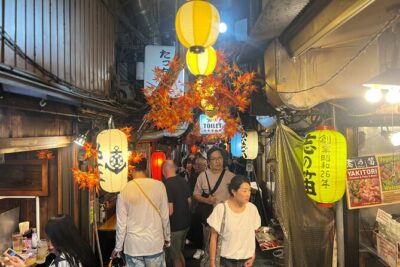 ★ 5.0Shinjuku Food Tour (13 Dishes at 4 Local Eateries)From $866,603 reviews
 ★ 4.4Tokyo Mt Fuji 5th St & Hakone Cruise Bus Tour w/Bullet TrainFrom $1545,024 reviews
 ★ 5.0Flagship 2-Hours Official Street Go-Kart Tour – Tokyo Bay ShopFrom $644,974 reviews
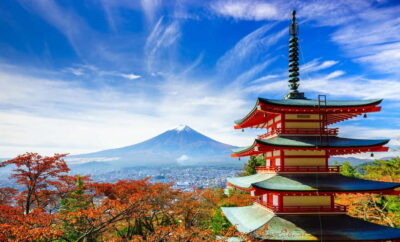 ★ 4.5From Tokyo: Mount Fuji Full-Day Sightseeing TripFrom $684,970 reviews