
Review · LAKE KAWAGUCHI TOURS
Tokyo:Mt.Fuji,Kawaguchiko Oishi Park,Arakurayama Sengen Park
Four Fuji viewpoints in one packed day.
I love the way this trip stacks Mt. Fuji viewpoints back-to-back, so you’re not betting everything on one angle. I also like the mix of scenery with culture at Iyashi-no-Sato Nenba, where you can take those unforgettable Fuji-backdrop photos. One drawback to plan for is that it’s a long day with a lot of walking, including steep stair climbs.
Expect a fast-moving rhythm, and that can feel like a whirlwind if you like to linger. The good news is the stops are spaced so you get multiple photo chances, even when the weather plays games with visibility.
Key highlights at a glance
- Mt. Fuji from several classic angles in one day, including Chureito and Arakurayama
- Oishi Park’s Flower Road with seasonal color, plus great lake-and-mountain sightlines
- Saiko Iyashi-no-Sato Nenba with restored thatched houses, craft shops, and photo options
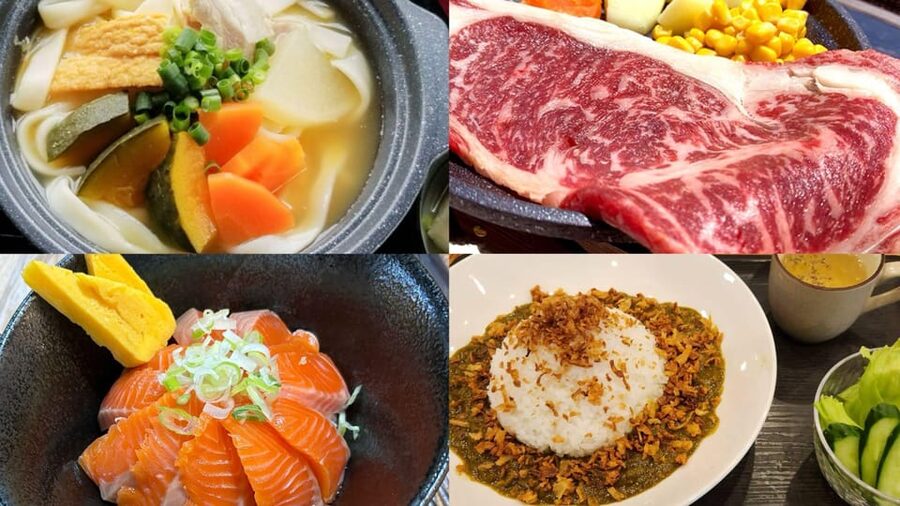
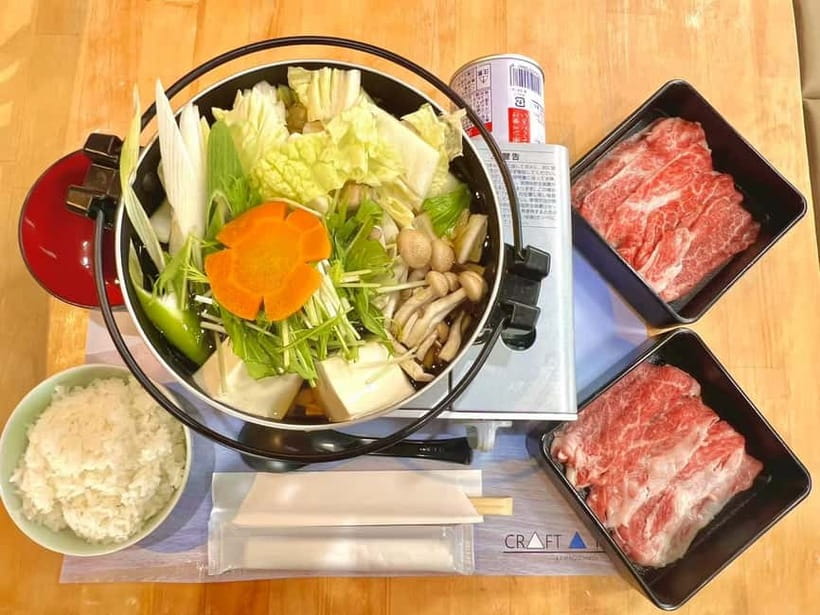
- Kawaguchiko Craft Park lunch with choices like A5 Kobe shabu-shabu or Houtou noodles
- Crisp guidance from English or Chinese speaking guides, with real-time pacing
- A full day from Tokyo to Lake Kawaguchi, ending at Shinjuku Station
Four seasons of Fuji, framed like a photo book
This day trip is built around one goal: seeing Mt. Fuji from multiple scenic angles without the stress of renting a car or stitching together trains and buses. You start in Tokyo, then spend the day around the Fuji Five Lakes area, with several stops that each offer a different composition of the mountain and the surrounding landscape.
What makes this especially satisfying is the variety. You’re not only chasing one famous view. You get pagodas, lake reflections, flower roads, and a traditional thatched village style setting.
You can also read our reviews of more tours and experiences in Tokyo.



Getting from Tokyo: comfortable bus time, long day energy
The total time is about 10 hours, so you’ll feel the day in your legs and your patience. The ride is in an air-conditioned vehicle, and you travel with a live guide in English or Chinese, plus a driver who handles the road.
Here’s what to keep in mind: traffic can happen, and if it does, stop durations can be adjusted. That means you should treat each stop as time you can enjoy, not as something you can control minute-for-minute.
Practical tip: bring a light layer. Even when Tokyo feels mild, temperatures around the lakes can feel cooler, especially when you’re standing still for photos.
Arakurayama Sengen Park: pagoda, Fuji, and a stair workout
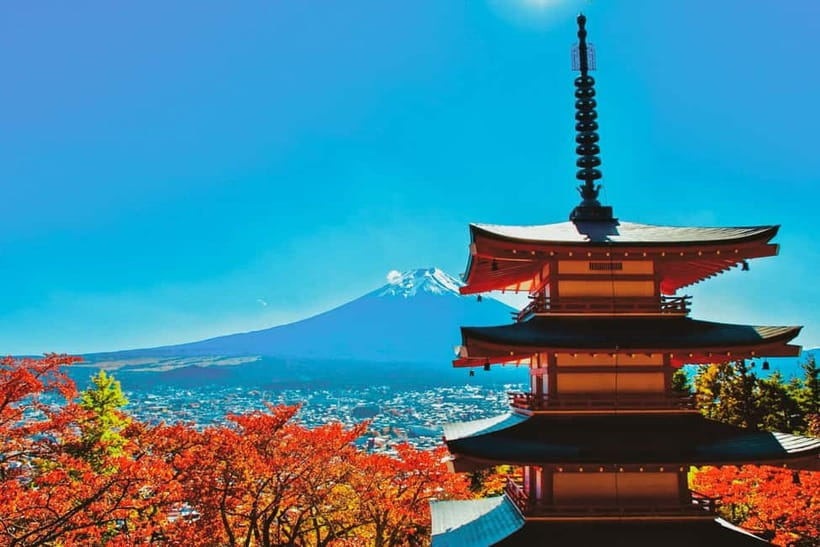
Arakurayama Sengen Park is one of those places where the photo is so iconic it almost looks staged. You get the classic frame with a five-story pagoda and Mt. Fuji in the same view, and in peak spring season the cherry blossoms create a cherry-pink backdrop.
There’s a practical downside, though. The walk from the park entrance includes 398 stone steps to reach the observation deck. If you’d rather not do all of that, there is a slope option available, which can make a big difference for anyone with limited mobility or sensitive knees.
When you’re there, aim to pause at the deck even if you’ve seen photos online. Standing there in person is when the scale hits you, and the pagoda adds a sense of depth that’s hard to replicate in pictures.
Hikawa Clock Shop and Arakura Fuji Sengen Shrine: small stops, big framing
After Arakurayama, the day continues with nearby photo-friendly areas. Hikawa Clock Shop is known for its “Fuji in the background” photo angle, and it’s a quick stop that works well for snapping a few shots without draining your whole energy budget.
You’ll also visit Arakura Fuji Sengen Shrine. Think of this as the spiritual sibling to the pagoda views. It’s not about running around in circles. It’s about slowing down for a minute, looking for the right sightline, and soaking up the atmosphere of a classic Fuji-area religious stop.
If you like photography, these minutes matter. They add variety to your Fuji set, so your album doesn’t become one repeated composition.
Chureito Pagoda: the postcard viewpoint that really earns its fame
The Chureito Pagoda stop is where a lot of people decide the trip was worth it, even if the weather is moody. The pagoda view has a very specific look, and seeing it alongside Mt. Fuji makes the whole composition feel instantly recognizable.
You’ll have free time here, which is important. Short guided comments are helpful, but the best photos usually come from you picking a spot, waiting for a lull in crowds, and adjusting your framing.
If the mountain is clear, you’ll want to move slowly and check different angles. If it’s partially obscured, you’ll still get a strong scene because the pagoda and the park structures keep the view interesting.



Lake Kawaguchi: reflections, walking time, and Maple Corridor options
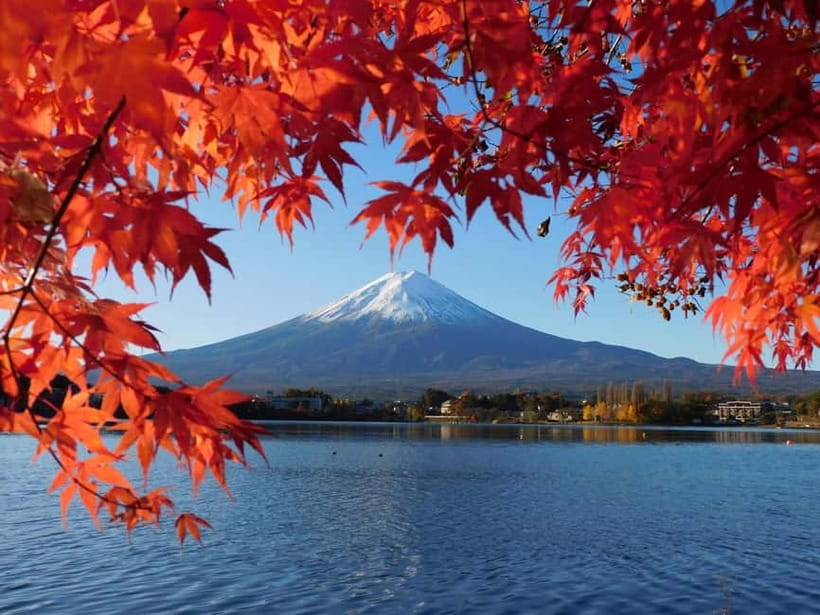
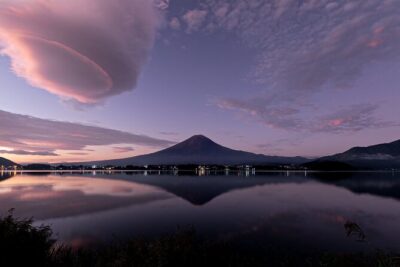
Lake Kawaguchi is the heart of the Fuji Five Lakes feel, and this is where the views go from “iconic landmark” to “I get it now.” On a clear day, the lake can act like a mirror, giving you that reflection look that people travel for.
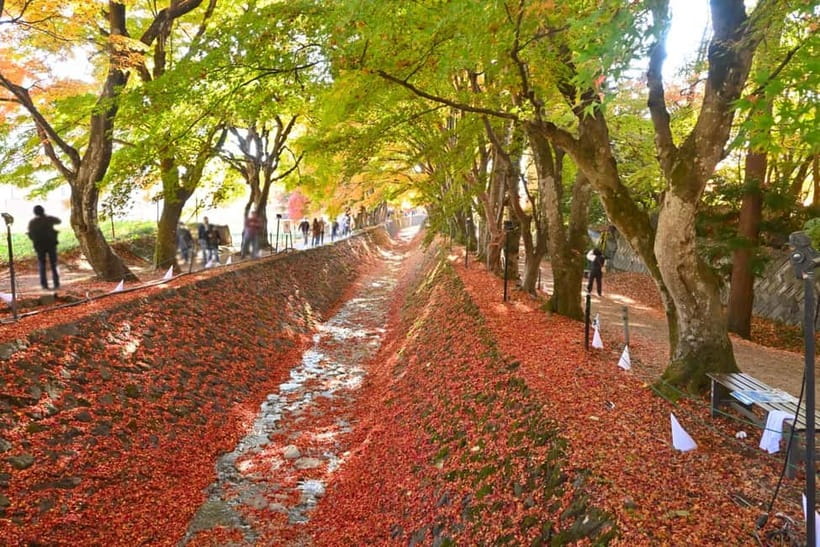
You’ll have time for sightseeing and a walk around the lake area. Then you can continue toward the Lake Kawaguchi Maple Corridor for more seasonal color. In autumn, the foliage turns the corridor into a vivid red and gold effect, and it contrasts beautifully with the pagoda’s vermilion tone from earlier in the day.
What I like about this part for your planning: it adds breathing room. Earlier stops can feel step-heavy and photo-focused. Here, you can stagger your energy, grab a snack if you want, and just take in the slower lakeside pace.
Kawaguchiko Craft Park: lunch with views and practical souvenir time
Kawaguchiko Craft Park is a smart place to stop for two reasons. First, it’s built for comfort. You can eat without feeling like you’re searching for a place that fits a tour schedule. Second, it’s a good base for picking up gifts because the souvenir options are right there.
Lunch is offered with several choices, including:
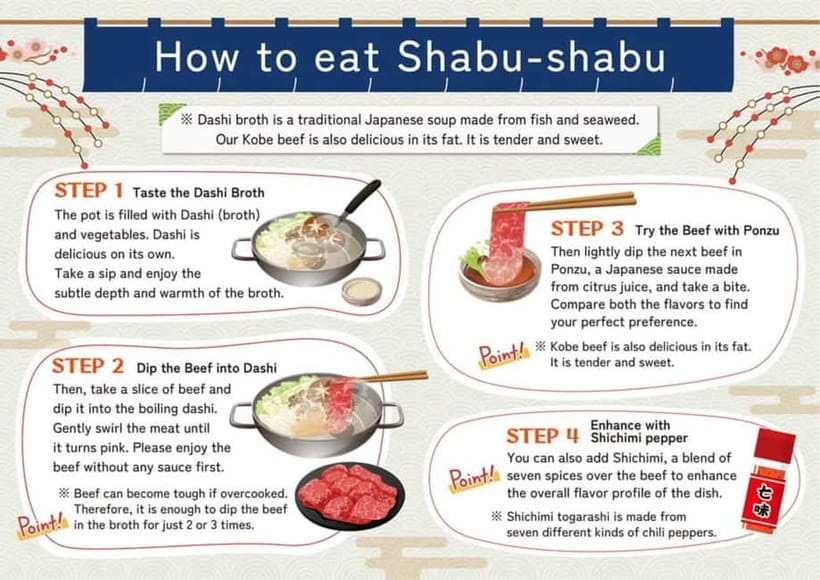
- Kobe beef shabu-shabu made with A5-grade Japanese black Wagyu
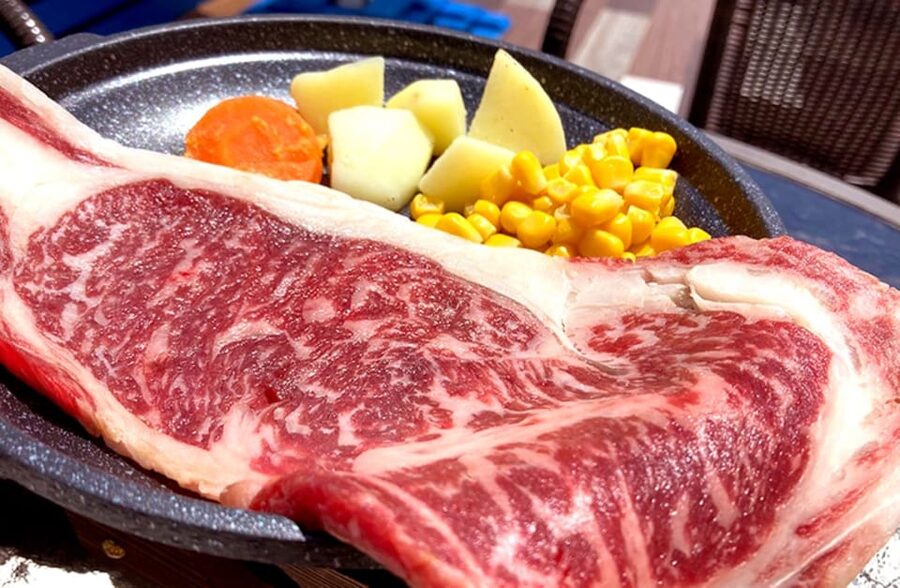
- Koshu wine beef steak, with Wagyu raised on grapes in Yamanashi
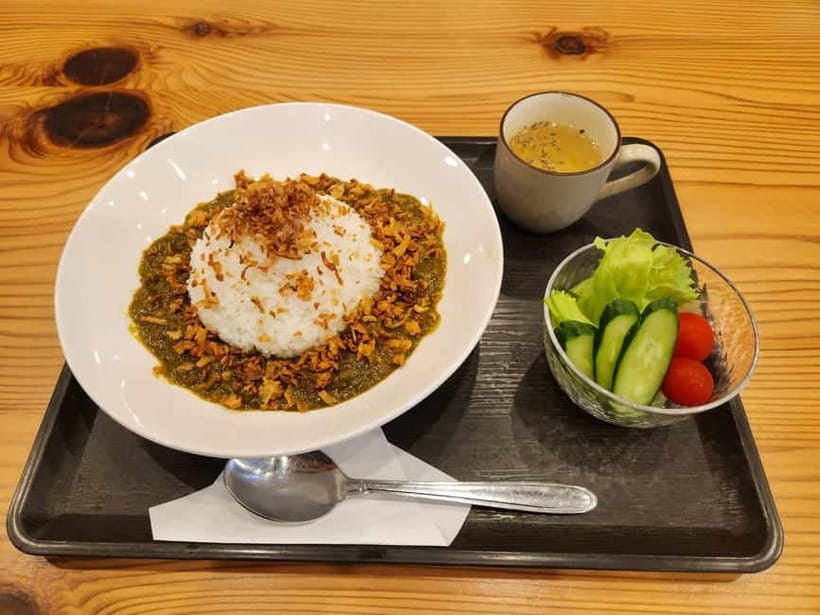
- Houtou noodles, a local specialty simmered in miso broth with vegetables and chicken
Even if you’re not a “foodie,” this is good value. The Fuji Five Lakes area is famous for scenery, and a lot of tours end up with an underwhelming meal. Here, you get options that feel like a real part of the region, not just filler.
After lunch, you’ll also have time to shop. That’s helpful on a day trip, because you don’t want to spend your last hour hunting for a small gift you forgot to buy in Tokyo.
Oishi Park: Flower Road, seasonal color, and the best lake-and-Fuji look
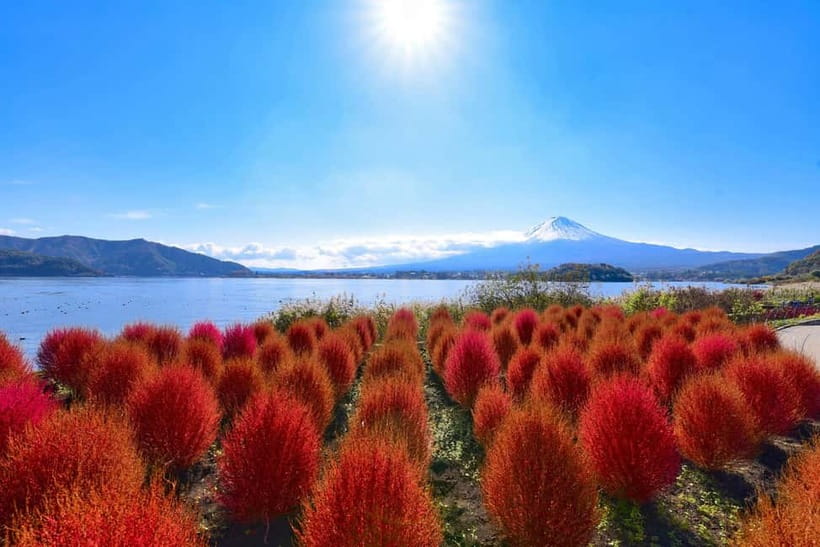
Oishi Park is known for expansive Mt. Fuji views and for that wide-open feeling you get when the mountain is clear. Along the lakeside, there’s a Flower Road about 350 meters long, and it changes with the seasons.
Depending on when you go, you can catch:
- Tulips in spring
- Lavender in summer
- Kochia (broom grass) in autumn
During the Kawaguchiko Herb Festival, typically late June to mid-July, lavender fields can turn the scene dreamlike, with purple tones behind Fuji.
One practical note: because this stop is outdoors, it’s weather-dependent. Still, even when visibility isn’t perfect, the park layout and the lake view keep the experience worthwhile.
Saiko Iyashi-no-Sato Nenba: thatched village charm and Fuji photo ops
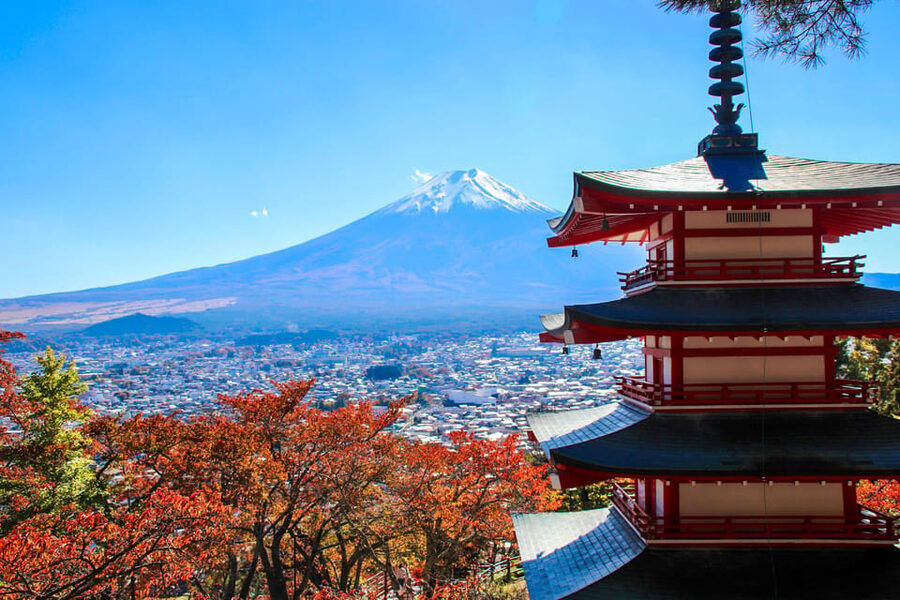
Saiko Iyashi-no-Sato Nenba is a restored traditional village by Lake Saiko. It’s made up of about 20 houses with thatched roofs, inspired by the style of Shirakawa-go, and it gives you a very different vibe than the lake viewpoints.
What makes this stop fun is that it’s not just sightseeing. You’ll find craft studios, souvenir shops, and eateries. And there are photo activities where you can dress up in kimono or ninja outfits, then take pictures with Mt. Fuji in the background.
This is also where the day becomes more than “views.” It becomes memory-making. In a single day trip, you get landmark photos plus a cultural stop that feels more like a real place locals might visit.
If you want a smart rhythm: spend a few minutes scanning the village for the best sightlines, then do your walking at a slow pace. It’s easy to rush and miss small details like shopfronts and craft spaces.
Price and value: why around $54 can work
At roughly $54 per person for a 10-hour day with transportation, a live guide, entry tickets to Saiko Iyashi-no-Sato Nenba, and an optional lunch, the value is strongest if you’re short on time in Tokyo and you want structure.
Here’s how I think about the cost:
- Transport for a full day to the Fuji area is expensive and complicated on your own.
- A guide helps you move efficiently between classic viewpoints, especially when traffic shifts the timeline.
- You’re not only paying for scenery. You’re also paying for access, meals (if you choose that option), and built-in time for photo opportunities.
The trip also has staying power, having run for over 10 years. That matters because it usually means the route has been refined into a workable day flow.
Weather reality check: how to enjoy Fuji even when it hides
Mt. Fuji has a personality. Clouds can roll in, visibility can drop, and you might not get the clear mountain silhouette you hoped for.
The best strategy is simple: treat every viewpoint as a chance, not a guarantee. Since you hit multiple angles, you raise your odds of seeing Fuji at least part of the day. Many people end up getting lucky, but even when visibility is limited, the pagoda views and village atmosphere still make the day worthwhile.
Practical advice for your packing:
- Bring a compact rain jacket or umbrella for spring and wetter months.
- Wear shoes you can walk in, because stairs and uneven paths show up at the major viewpoints.
- Bring water. This is a full day, and you won’t always be near quick options.
Also, based on real day-to-day experiences, if you end up with clouds, it helps to keep your mindset flexible. This route is designed to keep the scenery interesting even when Fuji isn’t fully cooperating.
Group day pacing: how to make it feel less rushed
This tour is structured, and that’s the point. Still, it’s intense. There’s a lot of moving, and you’ll walk in multiple areas.
The best way to enjoy it is to prepare for two things:
- You’re seeing many stops, so your time is shared.
- You’ll get a mix of guided talk and free time, so you should decide your priorities early.
If Fuji is your top priority, spend your “extra attention” at the viewpoints with the most iconic framing, like Arakurayama and Chureito. If you care more about culture, then make Nenba a slower, more deliberate visit.
On the guiding side, names like Omar and Koji come up often as examples of guides who explain clearly and keep the tone friendly. Eric and George are also mentioned for organized, calm guidance. If your guide is talkative, listen during bus time, because you’ll pick up context that makes the stops feel more meaningful.
Who this tour suits best, and who should think twice
This is a great match if you want a one-day Mt. Fuji hit from Tokyo with minimal hassle. It’s especially good for:
- First-time visitors who want the classic Fuji views without planning
- Couples and solo travelers who like guided structure
- People who enjoy photos but also want a cultural stop at a traditional village
It may not be the best fit if you hate walking or dislike long travel days. The steps at Arakurayama can be a lot, and while there are options like a slope route, you should still expect physical effort.
Also, if you want a slow, deep exploration of one single area, a day tour can feel compressed. This route is about variety and coverage.
Should you book this Tokyo to Fuji tour?
I’d book it if you want a high chance at getting Mt. Fuji views across multiple angles, plus a traditional village experience and a real meal option. The value makes sense when you factor in transport, a live guide, paid entry to Saiko, and the fact that you get several landmark moments in one day.
Skip it only if your top goal is a relaxed pace, or if long bus time and step-heavy stops would stress you out. If you can handle a packed day and bring the right shoes, you’ll likely walk away with a Fuji photo set that feels complete, not repetitive.
FAQ
How long is the tour?
The duration is about 10 hours.
Where does the tour start in Tokyo?
You can start from one of two locations depending on what you booked: LOVE ロバート・インディアナ in Shinagawa, or the Kokuyo Tokyo Shinagawa office.
Where does the tour end?
The tour finishes at Shinjuku Station.
What languages are available for the live guide?
The live tour guide is available in English and Chinese.
Is lunch included?
Lunch is included only if you select the lunch option. Menu options include Kobe beef shabu-shabu, Koshu wine beef steak, or Houtou noodles.
What attractions include entry tickets?
The tour includes entry tickets to Saiko Iyashi-no-Sato Nenba.
Will the schedule change if there is traffic?
Yes. If the bus is delayed due to traffic or unexpected situations, stop time at attractions may be adjusted.
What should I do at the start of the day?
Arrive at the designated meeting location about 10 minutes before the scheduled departure time, since the tour leaves on time.
What if I want to leave the group partway through?
Inform the tour guide in advance on the day and fill out the departure form.
Is there an alternative route for the steep stairs?
For the steep steps at the main viewpoint area, there is a slope option mentioned in the provided information.
More Tour Reviews in Tokyo
Not for you? Here's more nearby things to do in Tokyo we have reviewed












Lake Kawaguchi Tours, side by side.
 ★ 4.5Mt.Fuji & Lake Kawaguchiko 1-Day Bus Tour w/Optional LunchFrom $77839 reviews
 ★ 4.5Mt. Fuji 5th Station, Kawaguchiko Tour w/ Cable CarFrom $74570 reviews
 ★ 4.5Discover Mt. Fuji 5th Station & Kawaguchiko Sightseeing Day TourFrom $99542 reviews
 ★ 5.0Private Car Tour to Mt. Fuji Lake Kawaguchiko or HakoneFrom $1,286360 reviews
 ★ 4.6Mt. Fuji & Lake Kawaguchiko Ropeway Panorama Full-Day TourFrom $54236 reviews
 ★ 5.0Early Morning Kayaking With Views of Mt Fuji at Lake KawaguchikoFrom $6669 reviews
 ★ 5.0Johnny’s Exclusive: Mt. Fuji Adventure from KawaguchikoFrom $56162 reviews
 ★ 4.5Mt. Fuji and Lake Kawaguchi Day Trip with Private CarFrom $52861 reviews
This tour also belongs to