
Review · LAKE KAWAGUCHI TOURS
Tokyo: Mt.Fuji & Lake Kawaguchiko 1-Day Bus Tour w/Optional Lunch
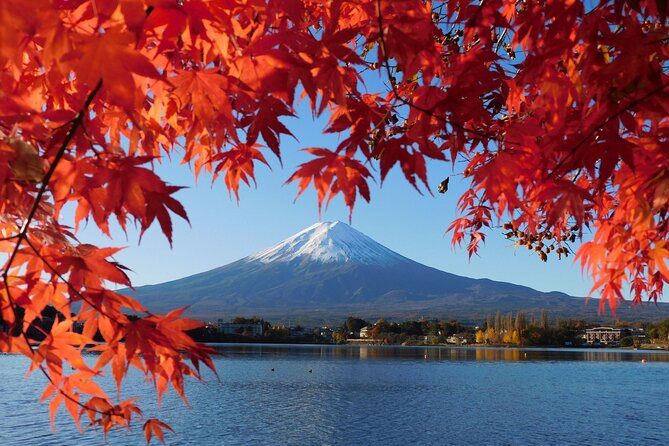
Mt. Fuji feels bigger in real life. This 9 to 10 hour coach tour packages iconic viewpoints and guided stops so you do not wrestle with trains, transfers, or timing. I like the central Shinjuku meeting point plus live commentary on the ride, and I also like the mix of pagoda views, lake scenery, and a traditional thatched-roof village. The only real drawback to plan around is that Mt. Fuji visibility is weather dependent, and the big photo spots often involve stairs.
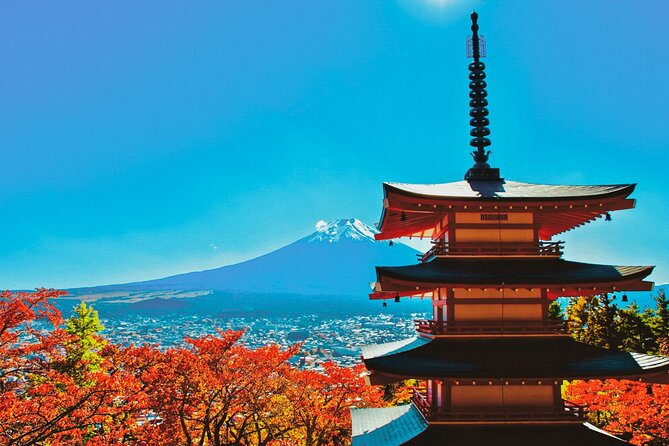
If you want a day that starts clean and ends back in Tokyo for dinner, this format helps a lot. You board in Shinjuku, ride in an air-conditioned bus, and let the guide handle the route, pacing, and photo opportunities like Chureito Pagoda.
Just go in with realistic expectations: the schedule runs rain or shine, but the mountain can hide in clouds. You still get lake views and cultural stops even when the peak is not crystal clear, but you cannot guarantee the postcard shot.
Key things to know before you go
- Shinjuku start and end: pickup and drop-off are in the Shinjuku Station West Exit area, so it is easy to plug into your Tokyo plans.
- Live commentary on board: the guide gives real-time context while you are on the road, not just during quick stopovers.
- Chureito Pagoda has stairs: getting to the viewpoint next to the pagoda means climbing steps, so pack for a moderate effort day.
- Optional lunch is your choice: you can add lunch at booking, or skip and manage food on your own at the lake area.
- Visibility is not guaranteed: Mt. Fuji depends on weather, and your guide can only work with what the day offers.
- Small logistics, clear rules: one luggage piece per person (max total trunk size 155 cm), and valuables stay with you since trunk access is not available mid-stop.
Why this Mt. Fuji day trip feels easier than going solo from Tokyo
The main appeal here is transport simplicity. Instead of timing multiple trains and buses around the Fuji area, you get one air-conditioned ride leaving from central Tokyo and returning on schedule.
You also get your time back. With this kind of day trip, the journey becomes part of the experience through on-board narration, plus purposeful stops where you can actually look around instead of racing between transfers.
And if you are a first-timer, you will appreciate that the route hits the common must-see views from multiple angles, not just one lookout.
More Tokyo tours and experiences for the shortlist


Shinjuku logistics, mobile ticket, and the pace you should expect
This tour uses a mobile ticket, and it starts at Shinjuku Post Office (Shinjuku Station West Exit area). You need to get there about 10 minutes early because the bus and guide are assigned by meeting point, and late arrivals can mean missing the tour.
The day is long, roughly 9 to 10 hours, and it is a drive-heavy route. That pace is ideal if you want a packed highlights day, not if you want slow wandering with no set timing.
One more practical point: the tour ends at Shinjuku, and the bus will not go back to Shinagawa. If your hotel is in that direction, double-check your dinner plan so you are not stuck coordinating extra transport.
Arakurayama Sengen Park and Chureito Pagoda: the stairs and the payoff
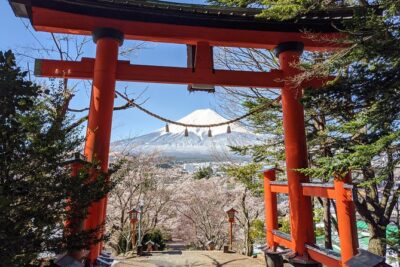
Your first big stop is the Arakurayama Sengen Park area, built around the famous Chureito Pagoda view. You climb stairs to reach the viewpoint where the pagoda sits with Mt. Fuji in the background.
The upside is obvious: this is one of Japan’s most photographed Fuji perspectives, and the viewpoint is designed so you can frame the scene quickly. The downside is physical effort, because reaching the platform next to the pagoda requires stair climbing.
If you are bringing a stroller, have mobility limits, or dislike steep stair sets, plan carefully. The tour only asks for moderate fitness overall, but this particular moment is the part where you feel it.
Beyond the main view: observation deck, shrines, and craft stops
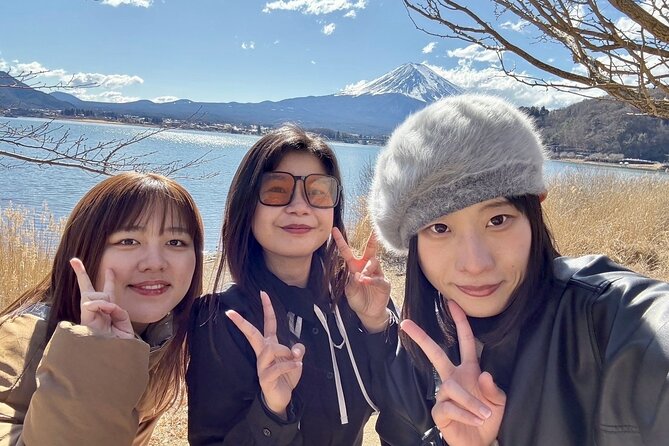
After the pagoda area, the day keeps feeding you Fuji angles, including an observation deck stop at Niikurayama Asama Park. It involves climbing 398 steps to reach the view, so this is your next workout if you want even more mountain perspective.
You then move through the Fuji-area towns with a series of stops that blend views with local culture. Along the way you may visit spots such as Shinkura Fuji Sengen Shrine (with an old origin and a five-storied pagoda symbol), plus traditional craft-related museums and viewpoints.
One stop that tends to please people who like shopping without feeling stuck is Kawaguchiko Craft Park. It is a calm place by the lake where you can stretch your legs, browse, and settle into the area.
This part of the tour works well because it avoids the trap of only doing one kind of activity. You get both scenery and a sense of how the region sells what it makes and celebrates.
Lake Kawaguchiko: Craft Park, optional lunch, and easier lake time
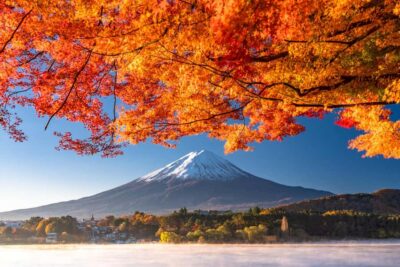
Lake Kawaguchiko is the emotional center of the day. You will get time to walk around, take photos, and soak up the lake atmosphere, especially if Fuji peaks are visible that day.
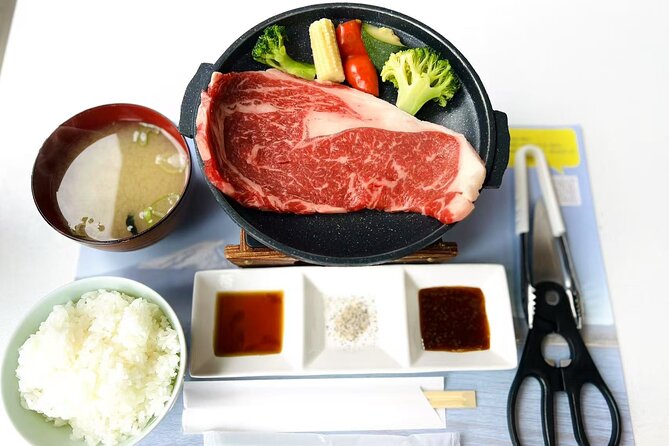
If you choose the optional lunch, this is the moment it usually fits best. Your booking lets you add lunch at your own expense or upgrade for inclusion, with different lunch options.
The practical move here is to treat lunch as part of your strategy. If Fuji is clear, you may want to eat quickly and spend the rest of your time outside, and the reverse is true on cloudy days when you might prefer indoor comfort or slower browsing.
More Tokyo tours and experiences for the shortlist


Oishi Park: flower season photography by the lake
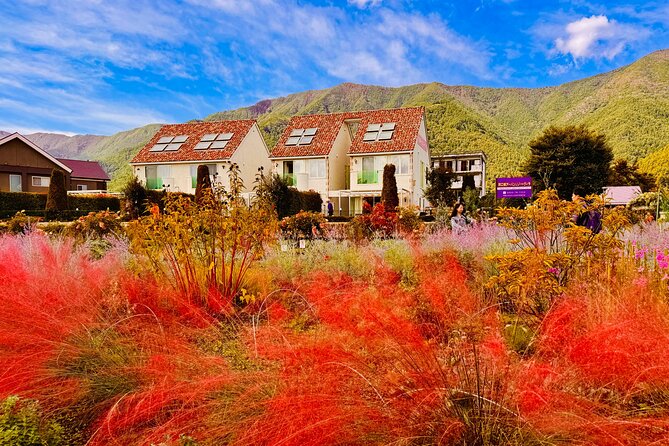
Next up is Oishi Park, known for seasonal flowers with Lake Kawaguchiko views and a Fuji backdrop when weather cooperates. There is a simple rhythm to this stop: walk the paths, stop for photos, and enjoy the calm.
The time you get here is shorter, about 30 minutes, so do not plan to do everything. Pick your favorite angle early, then move on.
If you are traveling with anyone who gets tired easily, this is still a good stop because the lake paths are scenic even when Fuji is partly obscured. You are mainly walking for views and photos, not chasing a long museum list.
There are also nearby shops and a natural living center in the general Oishi area, so you can round out souvenirs without changing regions.
Saiko Iyashi no Sato Nenba: the traditional village moment
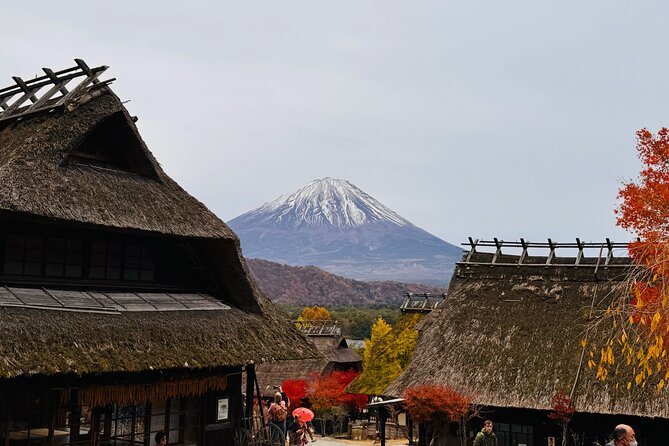
Your final major stop is Saiko Iyashi no Sato Nenba, a village of thatched-roof houses on the shore of Lake Saiko. You get about 1 hour here, which is the right length to wander the walkways, look at buildings, and browse small village-style offerings.
This is often the emotional closer because it feels like you stepped away from the Fuji viewpoints and into daily life. Even if the mountain is not dramatic that day, the village still gives texture, atmosphere, and a sense of place.
It is also a good way to recover before the ride back to Tokyo. By the time you finish here, your legs are ready for an evening return to Shinjuku.
Guides and on-the-road commentary: why this matters more than you think
A lot of Mt. Fuji tours look similar on paper. What changes the day is the guide, especially with weather and timing.
Many guides on this route tailor the experience based on what the sky is doing that day, so your photo windows can feel smarter. Guides have also been praised for stepping in with practical help like pointing out less-crowded spots and even taking photos for people who want that clean mountain framing.
If you see the flag at the meeting location and notice how quickly the guide gets people organized, that is your hint the day will run smoothly. When the bus leaves on time and the guide keeps a steady rhythm, your long day feels more relaxed.
Lunch: how to choose, and how to keep the day on track
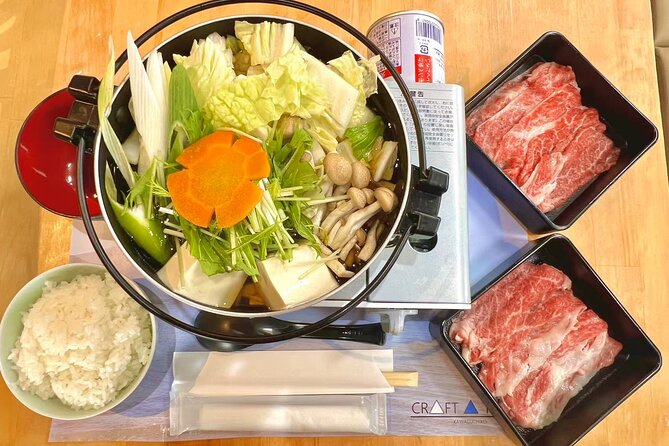
Lunch is optional unless you upgrade at booking, and the lunch choices depend on what is selected during reservation. People have mentioned enjoying beef-style lunch options such as Kobe beef when they chose the steak upgrade.
The main thing for you is timing. Because the day is a mix of viewpoints and walking, you want a lunch plan that does not spill over into your best photo time.
If you are a picky eater or want dietary control, choose your lunch option carefully during booking rather than counting on in-restaurant flexibility at the lake.
Value check: is $77.96 a smart deal for a Fuji day?
At $77.96 per person, the value comes from three places: transport convenience, guided navigation, and a structured route packed into one day.
If you tried to DIY this day without planning, your cost can rise fast once you include train tickets, local transfers, and the time it takes to coordinate everything. Here, your “cost of stress” goes down because you are on one route with one schedule.
You also get included items that add up for a day like this: live commentary on board, an air-conditioned vehicle, and taxes and fees included. If you add lunch, the deal becomes even more compelling because you remove one of the biggest unknowns.
The one thing to keep in mind is the trade-off of a bus tour. You do not get unlimited time in one spot, and you will be hopping through several short segments. If you prefer slow travel, you might feel the pressure. If you want a highlights sampler with zero transport planning, it usually feels like a fair price.
When Mt. Fuji is cloudy: what to expect, and how to keep your expectations steady
The tour openly tells you that Mt. Fuji visibility cannot be guaranteed. That is not a small footnote, it is the core reality of booking in Japan’s Fuji region.
The good news is that the itinerary is not only about the peak. Even when Fuji is hidden, you still get the lake towns, flower areas, craft browsing, and a traditional village, plus an observation deck climb where you can at least enjoy wider views.
One smart way to stay positive is to decide your personal success criteria before you go. For some people it is getting the mountain framed from Chureito Pagoda. For others it is simply experiencing the Fuji-area culture and lakeside walkways without juggling transit.
Also note: on certain dates you may hit traffic conditions. For example, Dec. 14 can face delays because of the Mt. Fuji Marathon near the route.
Seasonal tweaks in November, and why the route changes
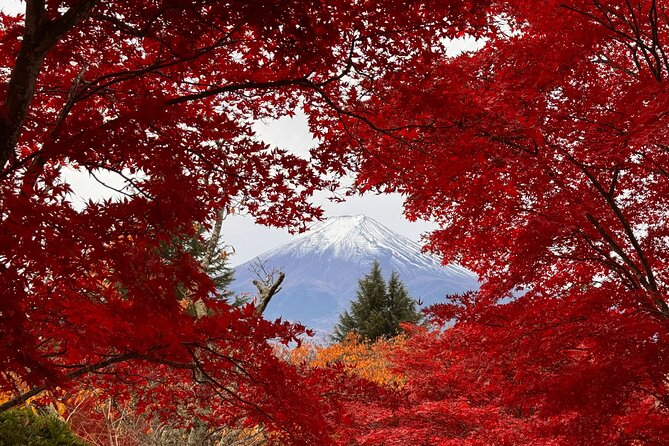
If you travel in November, the itinerary shifts slightly after Lake Kawaguchiko Craft Park to highlight autumn foliage. The plan includes a colorful corridor with more than 400 maple trees, aiming for fall atmosphere.
This is a nice touch because Mt. Fuji area seasons matter. The whole point of this region is that the scenery changes, and a tour that adapts to the season can give you more than the same photo spots on a generic day.
Who this tour suits best, and who might want a different plan
This is a great fit if you want a single-day overview of the Fuji area from Tokyo with minimal hassle. It also works well for families, since the stops are spaced to balance walking with scenic breaks, and the bus does the heavy lifting.
If you have a fear of crowds, the iconic viewpoint areas can still feel busy. You can improve your chances by following your guide’s timing and photo advice rather than trying to rush to the most famous spot first thing.
If you want to stay longer in one town, or you want highly flexible departure times, a private plan or DIY approach might feel better. This tour is structured, and you should treat it like a guided day with set stop durations.
Should you book this Mt. Fuji and Lake Kawaguchiko tour?
Book it if you want convenience, structure, and multiple Fuji viewpoints without transit planning. It is especially attractive if you value live commentary, like having your day organized for you, and want a return to Shinjuku in time for dinner.
Skip it only if the idea of climbing stairs twice and sticking to a fixed schedule does not fit your style. Also consider your travel priorities: if you only care about one single postcard-perfect Fuji shot, you are still taking weather risk.
If you go in with a flexible mindset, plan for the stair effort, and treat lunch as part of your timing, this day trip delivers exactly what it promises: a smooth, highlights-first way to see Mt. Fuji’s region from Tokyo.
FAQ
Where do I meet the tour, and where do I get dropped off?
You meet at Shinjuku Post Office in the Shinjuku Station West Exit area. The tour ends at the same Shinjuku Post Office area, and this is the only drop-off location available.
Is hotel pickup included?
No. Hotel pickup and drop-off are not included.
How long is the tour?
The tour runs about 9 to 10 hours, with transfer times that are approximate and depend on traffic.
Is lunch included?
Lunch is included only if you select the lunch option when booking. If you do not select lunch, you manage meals on your own during the stop by Lake Kawaguchiko.
Do I need to climb stairs?
Yes. The viewpoint next to Chureito Pagoda requires climbing stairs, and there is also a stop at Niikurayama Asama Park observation deck that involves climbing 398 steps.
Can I guarantee seeing Mt. Fuji?
No. Visibility of Mt. Fuji cannot be guaranteed because it depends on weather conditions.
What kind of ticket do I use?
You use a mobile ticket.
What are the luggage rules?
You can bring one piece of luggage per person. The maximum size for luggage stored in the trunk should not exceed a total of 155 cm combined height, width, and depth, and items stored in the trunk are not accessible between stops. Keep valuables with you.
What if I cancel?
You can cancel up to 24 hours in advance for a full refund, based on the experience start time in local time. If you cancel less than 24 hours before, the amount paid is not refunded.
More Lunch Experiences in Tokyo


More Tours in Tokyo

More Tour Reviews in Tokyo

Not for you? Here's more nearby things to do in Tokyo we have reviewed



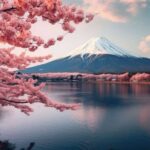


Lake Kawaguchi Tours, side by side.
 ★ 4.4Mt.Fuji,Kawaguchiko Oishi Park,Arakurayama Sengen ParkFrom $542,682 reviews
 ★ 4.5Mt. Fuji 5th Station, Kawaguchiko Tour w/ Cable CarFrom $74570 reviews
 ★ 4.5Discover Mt. Fuji 5th Station & Kawaguchiko Sightseeing Day TourFrom $99542 reviews
 ★ 5.0Private Car Tour to Mt. Fuji Lake Kawaguchiko or HakoneFrom $1,286360 reviews
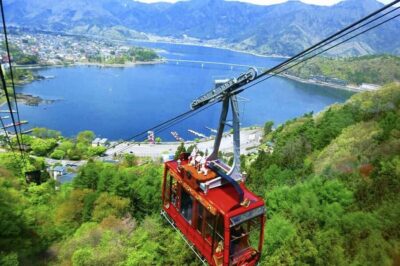 ★ 4.6Mt. Fuji & Lake Kawaguchiko Ropeway Panorama Full-Day TourFrom $54236 reviews
 ★ 5.0Early Morning Kayaking With Views of Mt Fuji at Lake KawaguchikoFrom $6669 reviews
 ★ 5.0Johnny’s Exclusive: Mt. Fuji Adventure from KawaguchikoFrom $56162 reviews
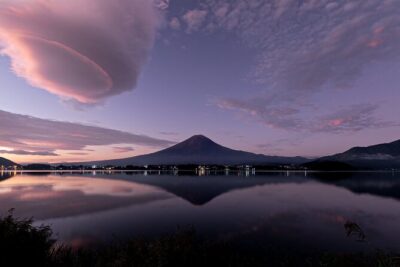 ★ 4.5Mt. Fuji and Lake Kawaguchi Day Trip with Private CarFrom $52861 reviews
This tour also belongs to