
Review · TOKYO CITY TOURS
Tokyo:Stroll in Old traditional culture towns~Yanaka & Nezu
Old Tokyo still lingers here. This 3.5-hour stroll through Yanaka and Nezu gives you side streets, shrines, and everyday neighborhood life that feel far from the big-city crowds. I love how Sui turns religion and daily customs into easy context, and I also like the slow, chat-friendly pace that makes it natural to browse long-running local shops. One thing to plan for is that the route involves stairs and plenty of walking, so comfortable shoes matter.
You’ll meet at Nippori Station, West Exit, then head out with Sui and a small group. Expect an unhurried rhythm, plenty of stops for photos and questions, and calm temple moments that are often much quieter than the headline sights.
If you travel in seasonal windows, there are nice extras too: free sakura mochi in the spring sakura period, and a summer break at a café in an older traditional building (plus one drink). This is a walking tour, but it’s designed to feel thoughtful, not rushed.
Key highlights at a glance
- Yanaka and Nezu old-street atmosphere without the usual tourist pressure
- Nezu Shrine torii pathway and a calmer feel at multiple worship sites
- Tennoji Temple with a large bronze-seated Buddha image and garden
- Yanaka Cemetery with a scenic row of trees
- Yoshida Liquor Store and traditional shopping street stops, with street food introductions
Why Yanaka and Nezu Feel Like Old Tokyo
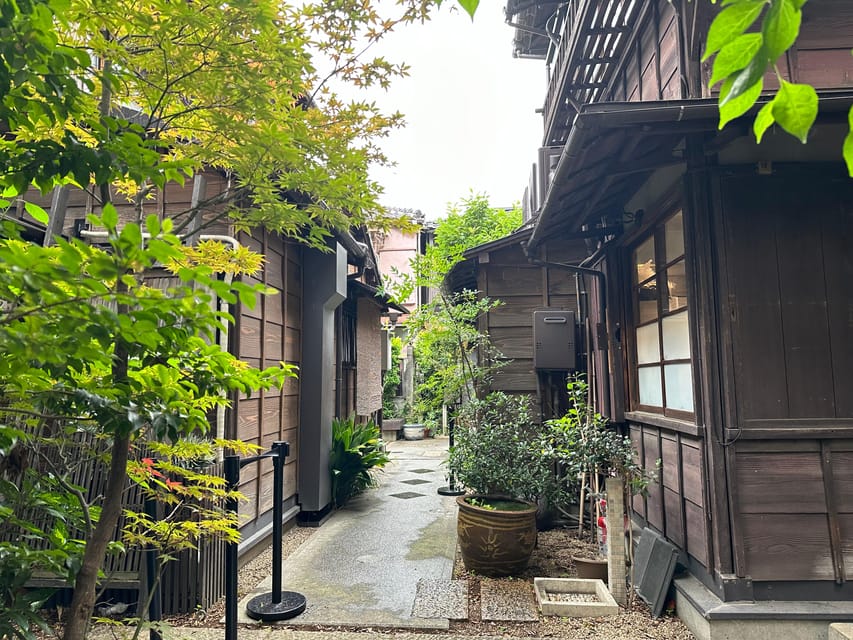
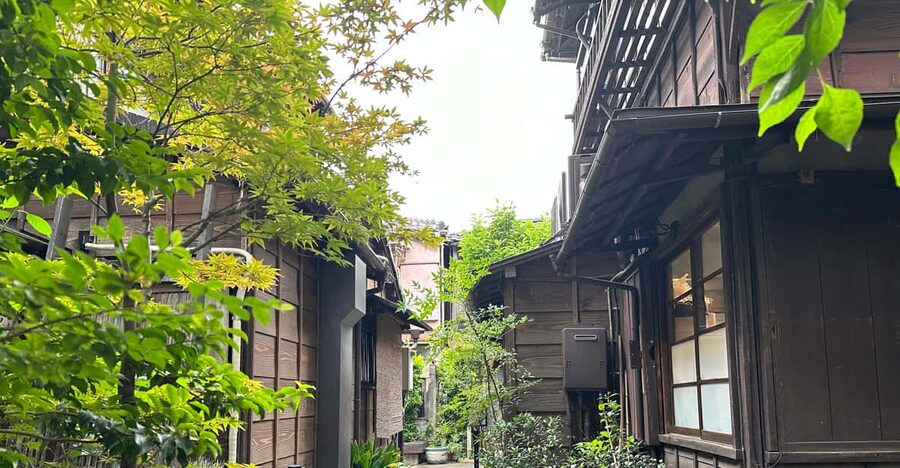
Yanaka and Nezu are Tokyo’s “slow streets” districts. Instead of the nonstop neon rhythm you get elsewhere, here you walk past quieter residential lanes, older low buildings, and places of worship that still feel part of daily life.
What makes this tour work is its focus on the in-between spaces. You’re not just checking off temples. You’re learning how Shinto shrines and Buddhist temples fit into neighborhood routines, and you get time to notice details like the way people pause, pray, or simply move through the area.
I like that Sui’s approach is built around everyday context. You’ll see nursery kids in the neighborhoods and older residents in their routine moments. That small “human scale” is what turns a map route into something you can actually feel.
Meeting at Nippori Station and Getting Oriented Fast
The meeting point is Nippori Station, West Exit. The guide waits at the waiting area right after you come out, so it’s a straightforward start if you show up on time.
This matters because the tour starts on schedule, and it’s designed as a 3.5-hour walk with multiple stops. Even though it’s not a sprint, you still want to begin fresh.
Also note the practical stuff:
- Bring comfortable shoes (stairs are included).
- Bring cash (small shops and traditional snack stops may be easier with it).
- Some shops may be closed depending on the day, with Monday often a slower day.
The route includes staircases, so if stairs make you uncomfortable, consider that before booking. There’s no wheelchair accessibility for this particular experience.
You can also read our reviews of more tours and experiences in Tokyo.



Yanaka Residential Lanes: Houses, Shops, and Real Daily Life
Your first chunk is the neighborhood texture of Yanaka. The tour includes strolling through a quiet residential area where you can see both older and newer houses and small shops side by side.
This is where you get the “ordinary Tokyo” feeling: narrow lanes, everyday storefronts, and a sense of neighborhoods that still function as neighborhoods, not museum sets. You also get guided interaction, including points where you may chat with locals you meet at older shops. That’s a key part of what makes the experience feel human rather than just scenic.
You’ll also notice a generational mix in the streets. Kids may be nearby at certain times, and you might see older residents out in their daily world. It’s one of the tour’s best contrasts with areas like Shinjuku and Shibuya, where the city mood can feel more performance than routine.
Yoshida Liquor Store and the taste of tradition
One of the named stops is Yoshida Liquor Store, a traditional sake store. This is the kind of place that’s easy to miss on your own. With a guide, you get more context about why it exists where it does and what “traditional” means in a modern city.
Even if you’re not buying anything, the store stop gives your walk a more layered meaning. It’s not only temples and scenery. It’s also the everyday commerce that helped communities survive and stay themselves.
Nezu Shrine: Torii Path Walk and a Shinto Moment
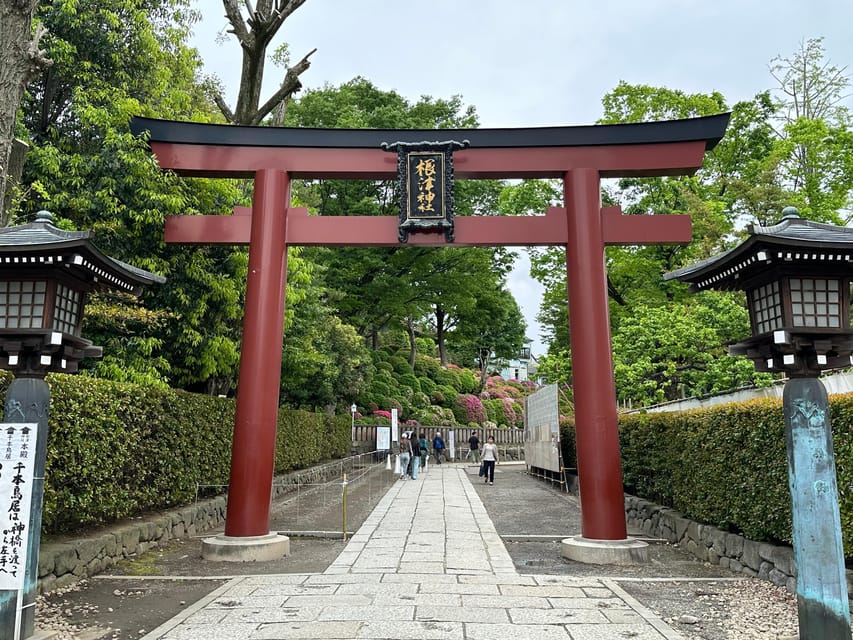
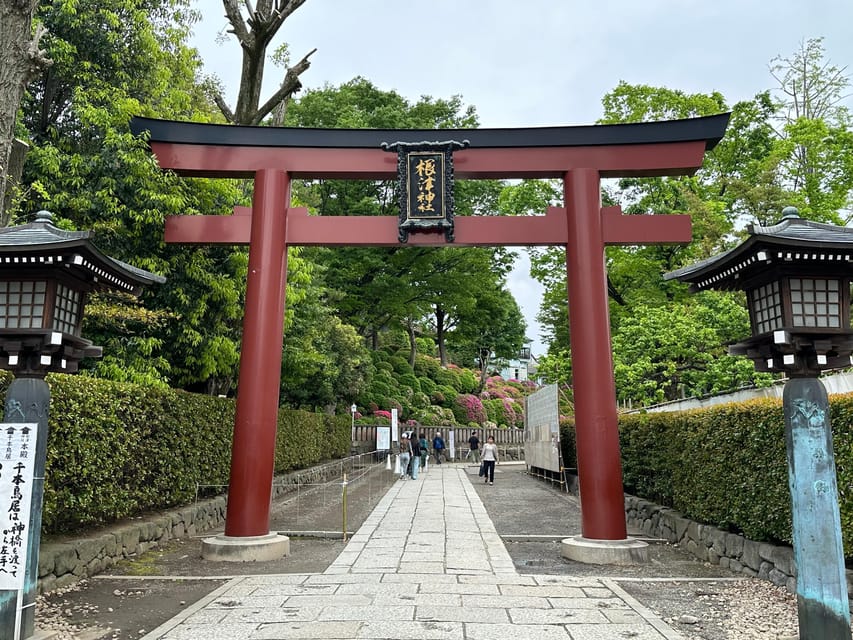
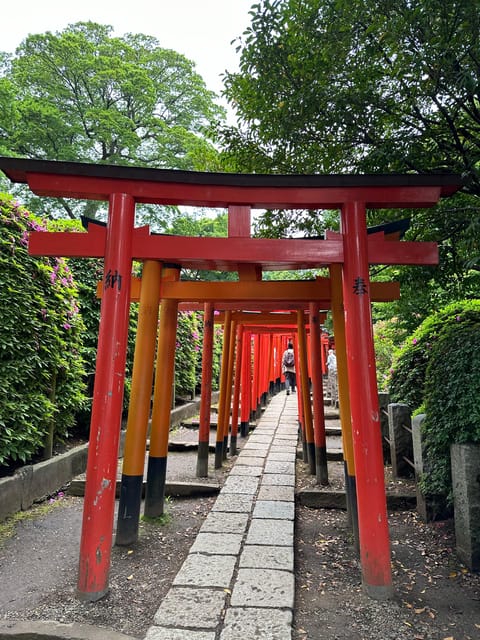
A major highlight is Nezu Shrine, described as one of the oldest worship places in Tokyo. The draw is the torii-lined pathway, a classic approach that feels especially calm when you’re walking through it as part of a planned route.
This stop is valuable for two reasons:
- It gives you an easy visual symbol of Shinto tradition, the torii rhythm guiding your movement.
- It’s timed so you can slow down and observe. The tour includes quieter temple moments, and this shrine stop fits that same idea.
What I like here is that the guide frames it so you’re not just looking at scenery. You get some guidance on what you’re seeing and how worship practices work, so it lands in your brain as understanding, not just photos.
Tennoji Temple: Bronze Buddha and Garden Calm
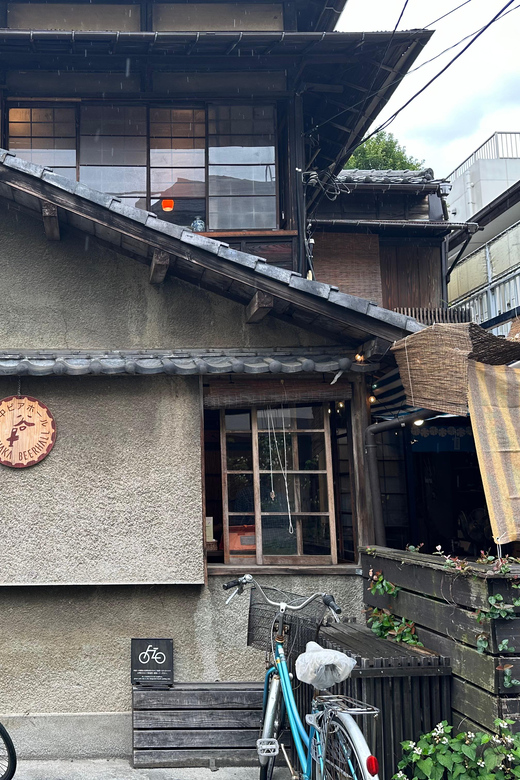
Next up is Tennoji Temple, noted for its large bronze-seated Buddha image and a beautiful Japanese garden.
This is a different kind of sacred experience than the torii pathway. Instead of the gate-to-gate walk feeling, you get a more reflective space. The garden element helps with that mood too. It’s a good place to reset your attention.
If you like travel moments that are not overcrowded, this stop is one of the tour’s best fits. It’s specifically described as offering calming time at temples that are often less crowded with tourists, while still feeling special and beautiful.
It’s also a strong example of why a guide helps. With some explanation on what makes a temple setup meaningful, you’ll notice more than just the most obvious objects.



Yanaka Cemetery and the Meiji to Showa Time Loop
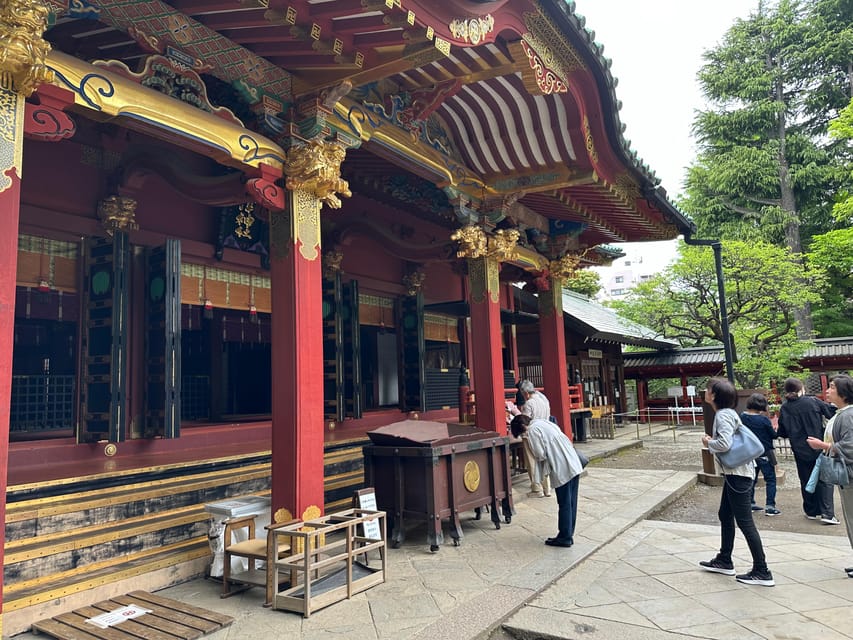
Yanaka Cemetery is one of the big scenic stops: it’s described as one of Tokyo’s largest and most scenic cemeteries, with a beautiful row of trees.
A cemetery sounds heavy on paper, but on foot with time to look, it becomes a space for atmosphere and architecture. The tree line helps it feel more like a quiet path through the city rather than a sealed-off place. You get a chance to notice how nature and reverence share the same lanes.
Then you move into what I think is one of the tour’s smartest design choices: time travel through the built environment. The itinerary includes buildings and structures from the Meiji period (1868 to 1912) through the Showa period (1926 to 1989).
Walking past those layers helps you understand how Tokyo changed before and after major historical turning points, including the era before World War II. You can’t get that from a single landmark photo. You understand it through pacing, repetition, and seeing the “before” buildings in context as you turn corners.
Drawback to consider at this stage
Cemeteries and older neighborhoods can mean uneven sidewalks and more steps than you’d expect. If you’re the type who hates stop-and-go walking, plan for a slower pace and take breaks when offered.
Yanaka Ginza, Street Food Introductions, and the Sunset Staircase
After sacred stops and quiet spaces, the tour shifts back into neighborhood energy with Yanaka Ginza, a traditional shopping street.
Your guide introduces you to local street foods, Japanese food options, and souvenir shops. This is one of the tour components that makes the walk feel like a cultural sampler, not a classroom.
Two practical notes:
- If you’re traveling in summer, the tour does not go to Yanaka Ginza, based on the season plan.
- For many people, this tour timing can run past lunch hours. If that would stress you out, I suggest eating before you start or bringing a small snack so you don’t feel hungry during the longer stretch.
Another named photo moment is the Sunset staircase, described as a popular local photo spot. Even if you’re not chasing sunsets, it’s a useful way to end a walk with a visual payoff that feels connected to residents, not only visitors.
Seasonal Extras: Sakura Mochi in Spring, Summer Café Stop
This tour is built to adapt by season, and those changes matter because they change where your time goes.
Spring sakura season: free sakura mochi
For the sakura season (25 Mar to 10 Apr 2026), there’s a free sakura mochi for everyone. It’s explicitly weather dependent, so blooming may land slightly outside those dates. If the mochi is not available, it’s replaced with other traditional Japanese sweets or food items.
This is fun for food lovers because it ties the “old town” feel to a seasonal Japanese ritual.
Summer: one drink at an older traditional café
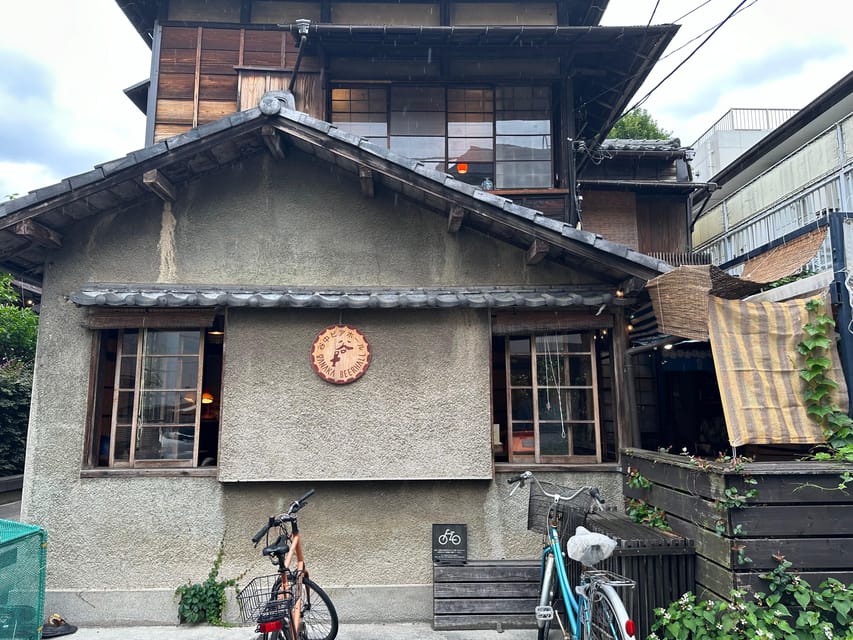
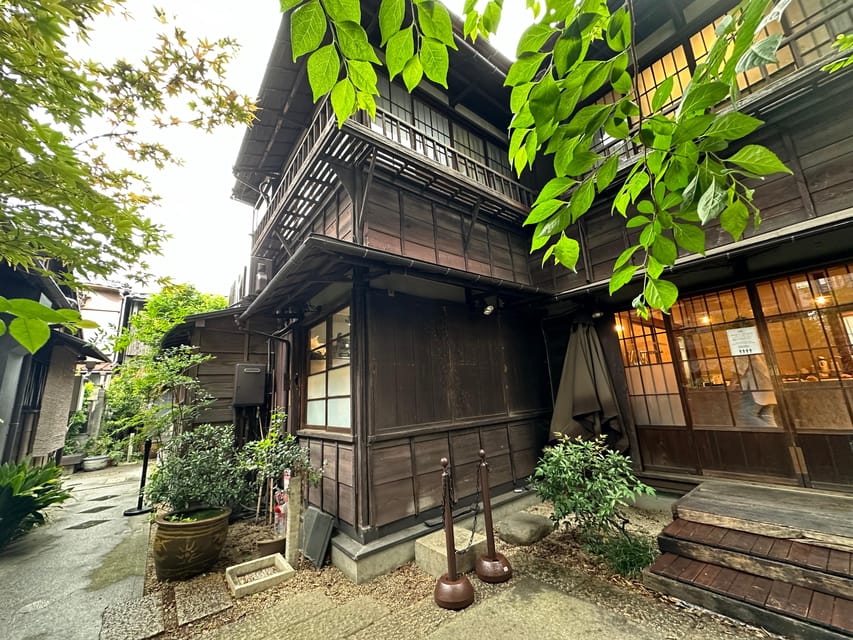
In summer season, 1 Jun to 11 Sep 2026, the plan adds a stop in a café transformed from an old traditional building, including one drink of your choice. The summer version also ends at Nezu Station, and it skips Yanaka Ginza to match the seasonal route.
If you hate heat walking, this adjustment is a relief. Even with breaks, 3.5 hours in Tokyo summer can be intense, so the café pause is a smart trade.
Price and What You Actually Get for About $29
At $29 per person for about 210 minutes, this tour costs roughly eight-ish dollars per hour. That’s not the point, though. The real value is what you get per stop.
You’re paying for:
- A live English guide (Sui is the main guide named for this tour).
- A route that links shrines, temples, cemeteries, and older streets into one coherent walk.
- Context that helps you understand why each place matters, not just where it is.
- Seasonal extras like sakura mochi in spring or a drink in an old café in summer.
And in practice, this style of experience tends to feel worth it most when you would otherwise be unsure. If you’re the kind of traveler who worries you’ll miss the meaning in religious spaces, a guided walk helps you slow down and see properly.
One more value point: the tour often includes time for questions and photo breaks, and Sui is described as patient and attentive by many guests. That matters because old neighborhoods reward curiosity, and you’ll be more relaxed if someone is steering.
Who This Tour Suits (and Who Might Want Another Option)
This is a great fit if you want a calm counterpoint to Tokyo’s headline districts. You’ll enjoy it most if you like:
- Old neighborhood streets and small shops
- Temples and shrines with less crowd pressure
- Walking at a natural pace instead of sprinting between landmarks
- A guide who helps you understand how worship and daily life overlap
It’s also a strong pick for small groups or families, since the guide can keep the experience moving without making it feel rushed.
Skip this tour if:
- Stairs are a dealbreaker for you
- You want a mostly flat, minimal-walking plan
- You prefer only the biggest, most famous sights and want less explanation
Should You Book This Yanaka and Nezu Stroll?
If you’re trying to understand Tokyo as more than a skyline, I think you should book. This tour is built around neighborhoods where history is visible in the street layout, the buildings, and the quiet rhythm of daily life.
It’s also a smart choice if you want religious and cultural sites explained in a practical way. Nezu Shrine, Tennoji Temple, and Yanaka Cemetery each offer a different mood, and the walk connects them so it feels like one story.
Final check before you go: wear shoes you can handle for a few hours, bring cash, and plan for stairs. If you do that, you’ll leave with a Tokyo that feels older, quieter, and more real.
FAQ
How long is the Tokyo Yanaka & Nezu walking tour?
The tour duration is about 210 minutes, or 3.5 hours.
Where do I meet, and what are the drop-off locations?
You meet at Nippori Station, West Exit (for Yanaka). Drop-off locations include Nippori Station, Yanaka Ginza, and Nezu Station.
Is the tour in English?
Yes. The live tour guide speaks English.
What does the tour include?
The tour includes tour guide service plus seasonal items: spring includes free sakura mochi (or a replacement sweet if unavailable), and summer includes one drink at a café in an old traditional building.
Does the route include stairs?
Yes. The tour includes usage of staircases.
Is the tour suitable for wheelchair users?
No. It is not suitable for wheelchair users.
Are shops open during the tour?
Some shops may be closed depending on the day and time. Many shops are closed on Monday, but you can still enjoy the stroll.
What should I bring?
Bring comfortable shoes and cash.
FAQ
Can I cancel for a full refund?
You can cancel up to 24 hours in advance for a full refund.
Is reserve now and pay later available?
Yes. You can reserve now and pay later, keeping your travel plans flexible.
More Tour Reviews in Tokyo
Not for you? Here's more nearby things to do in Tokyo we have reviewed












Tokyo City Tours, side by side.
 ★ 5.01-Day Tokyo Bus TourFrom $12914,250 reviews
 ★ 4.5TOKYO SKYTREE® Admission ticketFrom $1311,192 reviews
 ★ 4.6teamLab Planets TOKYO Digital Art Museum Entry TicketFrom $259,779 reviews
 ★ 4.0Mt Fuji & Hakone Cruise, Drum Show Bullet Train 1 Day from TokyoFrom $1497,413 reviews
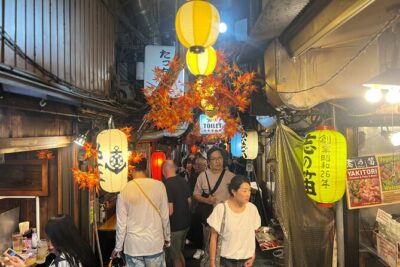 ★ 5.0Shinjuku Food Tour (13 Dishes at 4 Local Eateries)From $866,603 reviews
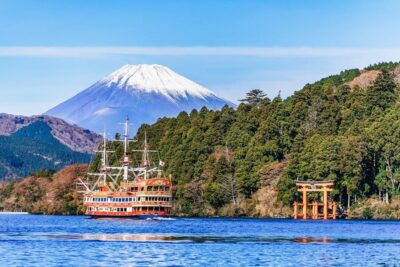 ★ 4.4Tokyo Mt Fuji 5th St & Hakone Cruise Bus Tour w/Bullet TrainFrom $1545,024 reviews
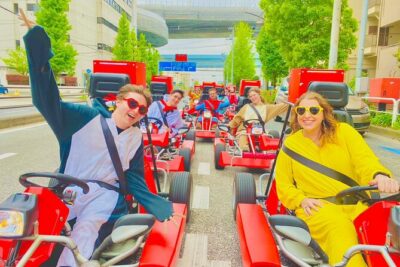 ★ 5.0Flagship 2-Hours Official Street Go-Kart Tour – Tokyo Bay ShopFrom $644,974 reviews
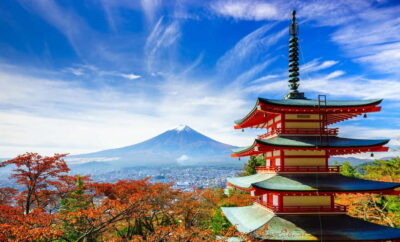 ★ 4.5From Tokyo: Mount Fuji Full-Day Sightseeing TripFrom $684,970 reviews