
Review · TOKYO
Turn Antique Kimono into Take-Home Interior Art
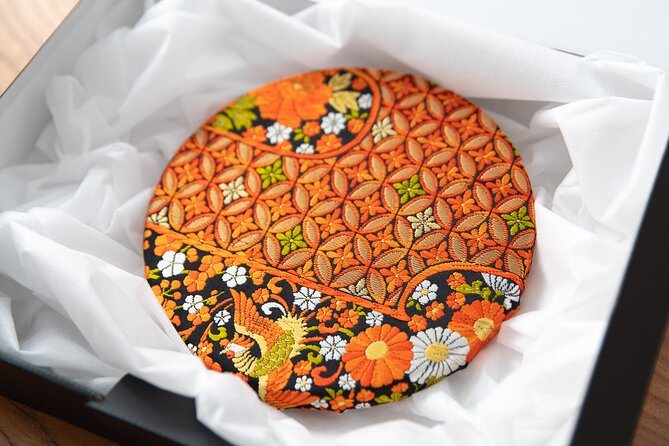
Antique kimono, new purpose, one hour and a half. In this small kimono workshop at Atelier + Gallery QUADROJapan in Meguro, you pick from 200+ antiques and turn them into take-home interior art with guidance from Lena-san. I love that the design choices come with symbolism and seasonal meaning, so it feels personal, not random. One consideration, though, is that transport to the venue is not included, so you’ll want to plan your own way there and back.
The setting is an art gallery on Meguro Interior Street, and the vibe is intimate and cozy. The class runs about 90 minutes, uses a mobile ticket, and includes the tools and materials, plus your finished piece to take home. The philosophy is ichigo ichie (一期一会), making the moment and the encounter feel worth more than a standard souvenir.
Key highlights you should know before you go
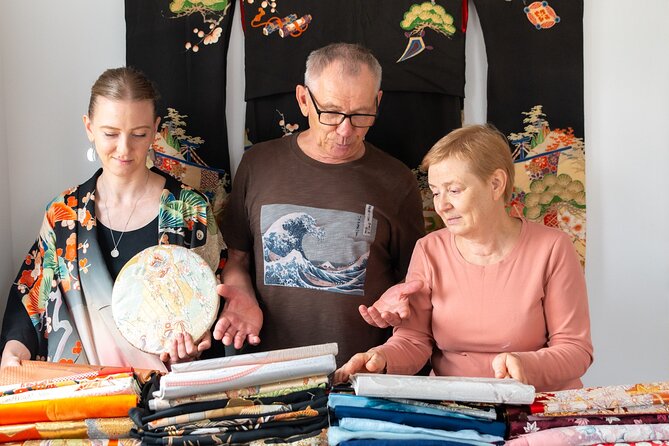
- 200+ antique kimonos to choose from so your color and pattern selection is truly personal
- Lena-san’s guidance keeps the hands-on steps calm and clear
- Pattern and season storytelling ties Japanese motifs to meaning, not just aesthetics
- Traditional backing techniques help you turn fabric into a stable, panel-style artwork
- Small group size, max 5 which means more attention and less waiting around
- Take-home interior art you can use at home or the office as a real keepsake
Turning Antique Fabric Into Interior Art at Meguro’s QUADROJapan
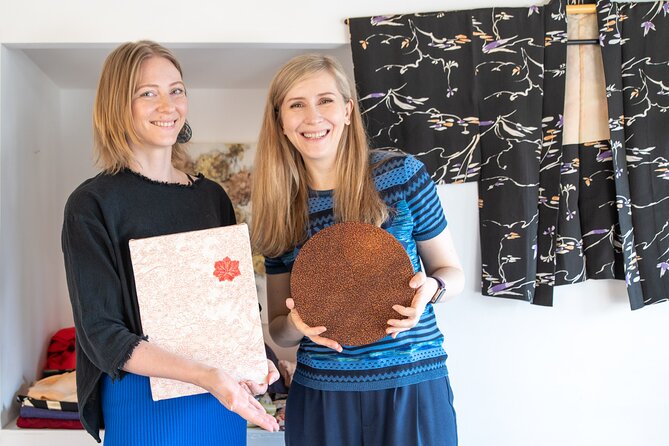
This experience is based in an art gallery at Atelier + Gallery QUADROJapan, in Shimomeguro, Meguro City. It’s not a big classroom setup, and that matters. A smaller, gallery-like space makes it easier to focus while you choose your fabric, and it also makes your final piece feel like it belongs in a home, not like a craft desk project.
The session is about 1 hour 30 minutes, and the experience ends back at the meeting point. That’s a nice length for a travel day. If you’re trying to fit something meaningful between sightseeing plans, this timing is realistic without swallowing your whole afternoon.
Meguro Interior Street is known for design-minded visitors, so the area vibe matches what you’re doing. You’re essentially learning how Japanese pattern language becomes a physical artwork, then taking that artwork home.
You can also read our reviews of more tours and experiences in Tokyo.



Picking Your Pattern and Colors From 200+ Antique Kimonos
The heart of the experience is your selection. You’ll browse a collection of more than 200 antique kimonos and choose your favorite colors and patterns. This is where the whole class becomes yours. Instead of copying a sample, you’re working with fabric that already has character and age.
A common structure in the process is that you first select the fabric/pattern, then choose a frame style, with options like rectangle or round canvas. That frame choice affects the final look, so I recommend thinking about where you plan to display it. A rectangle canvas can feel more like a traditional framed artwork, while a round format can feel softer and more decorative.
Because every kimono is one of a kind, you’re also taking part in a subtle form of preservation. You’re not just picking a print, you’re choosing a piece of textile history and giving it a new life as interior art.
Lena-san Leads the Hands-On Transformation Step by Step
Once you’ve chosen your kimono pattern and colors, the workshop shifts into making mode. Tools and materials are included, along with the panels used for the artwork. You won’t be sourcing supplies on your own, and that keeps the experience friendly for travelers who don’t know where to buy craft materials in Tokyo.
Before you start attaching anything, you’ll get a background on traditional techniques linked to kimono making. The class introduces techniques such as dyeing, weaving, and hand-painting. Even if you’re not a craft person, this gives context for what you’re looking at and why certain patterns and textures feel the way they do.
Then comes the physical work: using traditional Japanese backing techniques to attach your selected fabric to the panel. The guidance is the key detail here. You’re not left alone with a glue pot and a vague instruction sheet. Lena-san provides tips step by step, so you can focus on the choices you already made, rather than worrying whether you’re doing it wrong.
From a traveler standpoint, this is the part that turns an activity into a memory. You leave with more than a photo. You leave with something you made, with your own decisions baked into the final result.
How Japanese Motifs and Seasons Add Meaning to Your Artwork
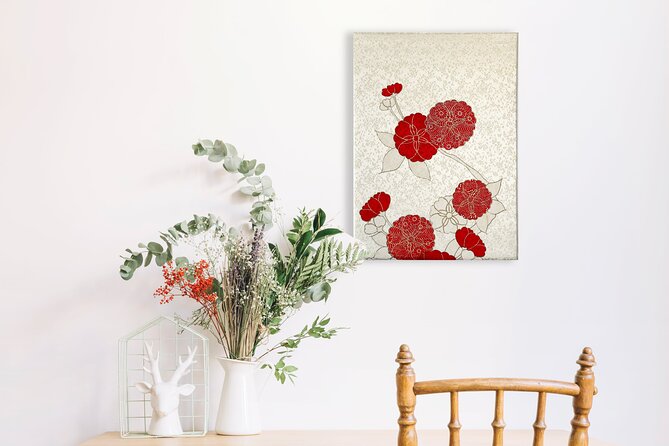
One of the most valuable parts is the design story. You’ll learn the historical background and symbolic meaning of the pattern you choose. You’ll also get the symbolic meaning of each season in Japan, which connects visual elements to time, mood, and cultural symbolism.
This matters more than it sounds. Lots of souvenirs are beautiful, but they don’t explain themselves. Here, the design meaning gives you something to say and something to remember. It also helps you place the artwork emotionally. For example, if your selected pattern connects to a season theme, you can think of it as decor that changes your space through the year, not just a static purchase.
It also makes the selection process feel less like picking a pretty fabric. Instead, you’re choosing a theme that carries weight. That turns the final piece into interior art with a narrative.
What You Take Home, and How to Use It as Decor
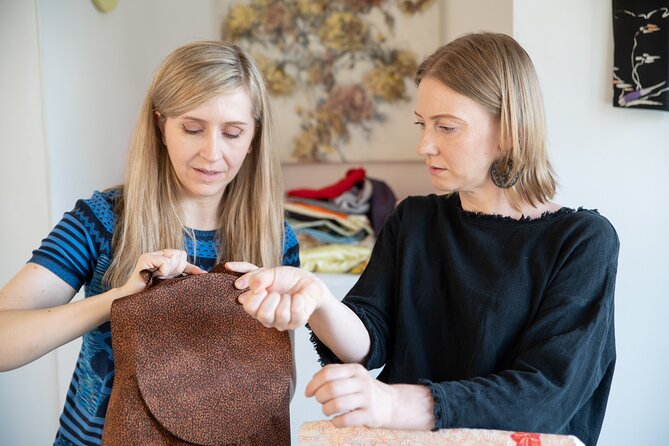
The included product is your finished original work of art. You take it home after the session, and you can enjoy it for a long time as interior decoration for your home or office. It can also serve as a special souvenir, but the stronger value is how long you can live with it.
Panels and canvas styles give the piece a more “display-ready” look than many craft souvenirs. In other words, you’re not stuck with a fragile item that needs to be stored away. You’re creating something that can hang, sit, or be placed where you’ll actually see it.
If you’re traveling, the most practical challenge is simply bringing the artwork back safely. Since transportation to the venue is not included, you’ll also want to think through your return plan so you’re not rushing right when the class ends. I’d treat it like you would a framed print, not a small trinket.



Price and Value: Why $97.73 Can Be Worth It
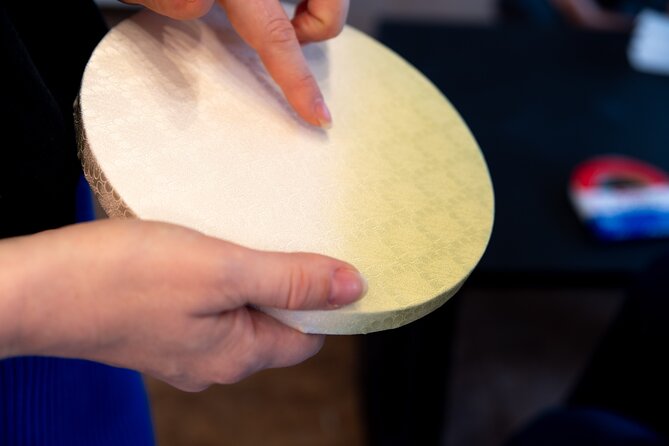
At $97.73 per person, this sits in the “skill-based souvenir” category. What makes the price feel reasonable is what you get for it: materials and tools are included, your finished artwork is included, and the session is guided.
This is also a small-group experience, with a maximum of 5 travelers. Small groups usually mean more attention per person, and you don’t waste time. If you’ve ever done a craft class where everyone waits their turn, you know how frustrating that can be. Here, the format supports a more personal pace.
There’s another value factor: the kimono fabric itself. You’re working with antique textiles, and your selection is from 200+ options. That raw material value alone is hard to replicate if you tried to recreate it on your own.
Finally, the “why” behind the design is part of the product. Pattern stories and season symbolism turn the class into learning, not just making. That’s what converts it from a one-time purchase into something that lasts in your head.
Practical tips for a smooth, enjoyable 90 minutes
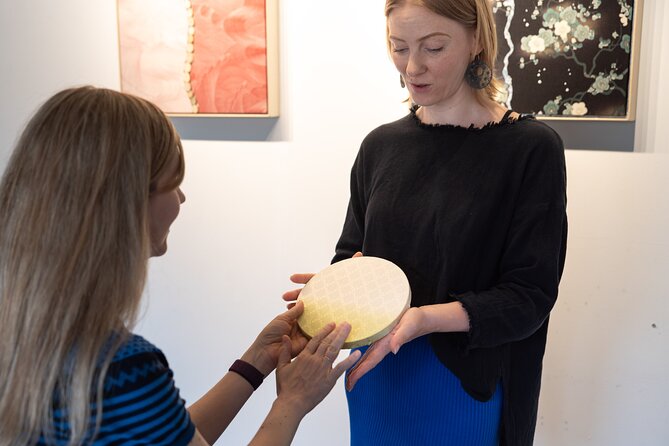
A few things will help you get the most out of the workshop without overthinking it:
- Arrive ready to choose. Look at the fabric options and decide what colors and patterns match your taste and your future display plans.
- Use the guidance. Lena-san’s role is to help you with steps and design decisions. If something feels unclear, asking early will save time later.
- Plan your route. Transportation to and from the venue is not included. If you’re staying far from Meguro, it’s worth checking your public transit route ahead of time.
- Think about taking it home. You’ll end back at the meeting point, so line up your next plan with enough slack for carrying and protecting your artwork.
Also, service animals are allowed, and the venue is near public transportation. So if you want an experience that fits into a day in Tokyo without heavy logistics, this has the basics covered.
Should you book this kimono-to-art workshop?
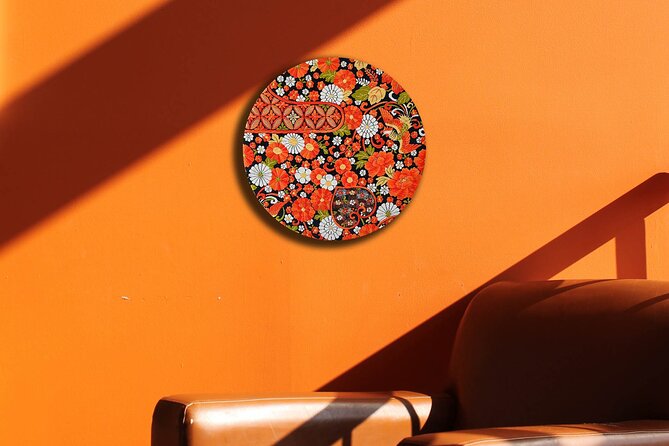
Book it if you want a hands-on Tokyo experience that produces something you can actually display later. This class is a strong match if you care about design details, like meaning behind patterns, and enjoy learning while you make. The small group size and the step-by-step guidance make it feel welcoming, even if you’ve never done anything like this before.
Skip it if you prefer passive sightseeing and hate carrying artwork home after a session. Also consider whether you want a craft experience that ends with a physical piece of decor. If you’re trying to keep your luggage minimal, you’ll still be able to do it, but you should plan for the size and protection of a finished panel.
If you’re the kind of traveler who likes ichigo ichie (一期一会) moments, this is built for that. You’re not buying a generic gift. You’re transforming antique kimono fabric into a one-of-a-kind interior piece, with cultural meaning attached, in a cozy space that supports focused making.
FAQ
How long is the experience?
The experience lasts about 1 hour 30 minutes.
How much does it cost?
It costs $97.73 per person.
What do I create and can I take it home?
You turn an antique kimono into a one-of-a-kind interior art piece using traditional techniques, and you can take the finished product home.
Can I choose the kimono fabric, colors, and patterns?
Yes. You select your favorite colors and patterns from more than 200 antique kimonos.
How many people are in the group?
The activity has a maximum of 5 travelers.
Where is the meeting point?
You meet at Atelier + Gallery QUADROJapan, 153-0064 Tokyo, Meguro City, Shimomeguro, 6-chōme 1613 1F.
Is transportation to and from the venue included?
No. Private transportation is not included, so you’ll handle your own travel to and from the workshop.
Is the venue near public transportation, and are service animals allowed?
Yes. The venue is near public transportation, and service animals are allowed.
Is free cancellation available?
Yes. You can cancel for a full refund, as long as you cancel at least 24 hours before the experience’s start time.













