
Review · TOKYO CITY TOURS
Wagyu and Sushi : Tokyo Gastronomic Journey
Tokyo tastes better at night. This small-group walk-and-dine evening pairs sushi etiquette talk with table-grilled wagyu, then drops you into Shinjuku’s famous backstreets. Along the way you get photo stops like Shinjuku’s Godzilla head and a quick cultural pause at Hanazono Shrine.
Two things I really like: first, the group stays small (max 10), so your guide can actually answer your questions instead of rushing you. Second, the night mixes serious food time with landmarks, so you leave with both dinner and context, not just a meal (guides like Yuki, Natsuki, Emma, Miharu, and Ando Minoru are known for making the experience feel personal).
One possible drawback: it is only about 3 hours and includes dinner at two food stops. If you want a long, multi-course feast with constant courses, you might feel like you are just getting warmed up.
Key highlights you will feel right away
- Small group of up to 10 people so questions and pacing actually work
- Omoide Yokocho walking in narrow alleys close to Shinjuku West Exit, old-school Tokyo close to modern towers
- Godzilla Head photo stop plus a relaxed walk through Shinjuku side streets
- Golden Gai small-bar lanes east of Kabukicho, preserving a 1960s feel
- Two dinner stops focused on sushi and wagyu, with alcohol options for age 20+
- Wagyu grilled at the table paired with guided explanations and food facts
A 3-hour Shinjuku night built around wagyu, sushi, and street-to-table moments
Shinjuku at night is its own world. You get the bright pulse near major stations, then you step into tighter lanes where smoke, chatter, and tiny signs take over. This tour makes that contrast part of the fun, and it keeps the pace reasonable by planning everything into a roughly 3-hour half-day block.
You are not just eating. You are walking through a sequence of neighborhoods, then sitting down for two very specific food experiences: sushi and wagyu. That matters because both foods have their own “how to do it” vibe. Your guide is there to translate the basics of sushi etiquette and to explain the story behind wagyu beef, so you can enjoy the flavor and also understand what you are seeing.
And because it is a small group (max 10), you get something that is rare in Tokyo nightlife: room to ask questions without feeling like you are holding up the entire street. If you like food talk, this is the kind of night that feels like a guided hangout with expert commentary.
You can also read our reviews of more tours and experiences in Tokyo.



Price and value: what you are paying for, beyond the two meals
The price is $156.77 per person, for about 3 hours, with a local guide, dinner at 2 food stops, photos, and alcoholic beverages for age 20+. You also get something subtle but valuable: you are buying access to places that would take effort to find and interpret on your own, especially when everything is packed into Shinjuku’s maze.
Now the practical side. Transportation to get to the start area and around as needed is not included. The tour lists 200 to 800 yen for transit, and there is no hotel pickup or drop-off. So you should factor in a bit of extra yen for getting yourself positioned and staying flexible if the area is busy.
If you are a confident DIY traveler who already knows exactly where to eat sushi and yakiniku in Shinjuku, the “you really do not need a guide” feeling can happen. This tour may feel like two restaurants plus walking. That is a fair consideration. Still, the guides for this experience are repeatedly praised for thoughtful food choices and clear cultural explanations, so the guide time can turn a normal dinner into a more rewarding night with better guidance.
Meeting in Nishishinjuku, then starting the Shinjuku story
You meet at 7-chōme-10-5 Nishishinjuku, Shinjuku City and the start time is 6:30 pm. From there, the whole plan shifts toward Shinjuku’s older street life. The ending point is Hashimoto Bldg., 1-chōme-1-5 Kabukichō, which is handy because Kabukicho is also where you will likely want to continue your evening on your own.
This start setup is a good fit if you like arriving before full chaos. 6:30 pm is early enough that you can still move easily while the neon is kicking into gear. It is also late enough that you feel like you are actually doing an evening Tokyo experience, not an early dinner shuffle.
Tip: wear comfortable shoes. This is a walking-focused food tour, with multiple photo and culture stops threaded through the food time.
Omoide Yokocho first: the alley contrast that makes Tokyo feel real
One of the best parts of this tour is the way you begin in a place that feels worlds away from clean, modern station hallways. Omoide Yokocho sits close to the West Exit of Shinjuku Station, but once you step into the narrow lanes, the atmosphere flips.
You will see tiny restaurants and open barbecue stalls packed into tight spaces. It is exactly the kind of place you can pass right by during the day, when everything looks like a blur of signage. At night, though, the alley becomes its own stage, and you get that old Tokyo feel without leaving the biggest city center.
What I like here is that it sets expectations for the rest of the night. This is not a tour where everything is glassy and polished. It is more about texture, smell, and people-watching, with food acting as the anchor.
Kabukicho and the Godzilla photo moment: neon, history, and a quick time-out
Next up is Kabukicho, the area people associate with Shinjuku’s “pleasure and nightlife” side. It is described as a red-light district, full of restaurants, bars, and nightclubs. If you have never experienced Kabukicho after dark, it can be intense at first glance. The tour helps because you move with a group and you are not trying to figure out where you should stand, where you should walk, or how to take photos without getting in the way.
Then you get a very Tokyo moment: Shinjuku’s Godzilla head photo stop. This is brief, but it does two things well. It gives you a classic photo you can share, and it also marks the night’s shift from alley street scenes into recognizable landmarks.
If you like “I was there” photos, this stop is worth it. Even if you do not care about Godzilla as a character, it is a fun checkpoint that keeps the tour feeling light and playful, not only food-focused.


Hanazono Shrine pause: a calm break inside the nightlife swirl
Between the neon and the bar lanes, you also stop at Hanazono Shrine. On paper it sounds simple, but in practice it helps the night breathe.
You are moving from Kabukicho’s energy into something quieter. That small break matters because it keeps the night from becoming nonstop stimulation. It also gives you a sense that Shinjuku is not just about entertainment. It still contains places of everyday tradition that locals step into when they want a reset.
You should treat this like a quick pause to slow down, look around, and take a breath before the tour transitions back into the nightlife maze.
Golden Gai: small bars, old architecture, and why this stop works
After the shrine pause, the route heads to Golden Gai, which is described as a warren of small bars just east of Kabukicho. What makes Golden Gai special is that it preserves the atmosphere and architecture of 1960s Tokyo.
This is one of those places where you can feel the city layers. It is not trying to be a modern theme park. It feels like an area that grew and kept its bones. Even if you only pass by on foot during the tour, the narrow bar alleys and dense clustering of tiny spaces make you understand why people keep coming back for the vibe.
Why I think this stop belongs on a food tour: it teaches you how Tokyo neighborhood flavor is built. You are eating sushi and wagyu, yes, but you are also learning how the city organizes itself around micro-spaces, where community and regulars matter.
The two food stops: sushi first, wagyu second, and what to expect
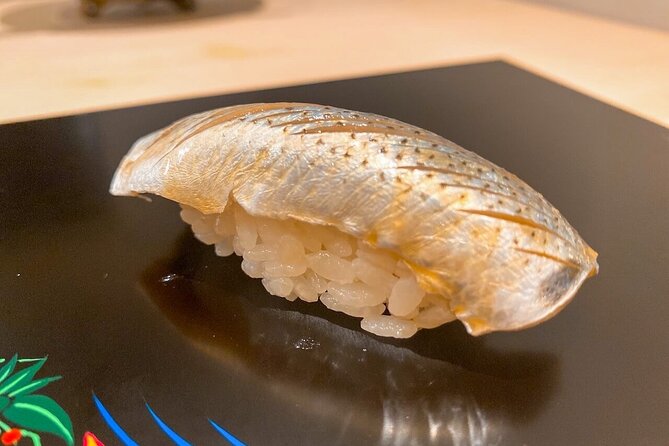
Dinner is built around two food stops, with dinner included in the tour. The night is designed so you understand sushi culture first, then you shift into wagyu culture.
Stop one: sushi with etiquette guidance
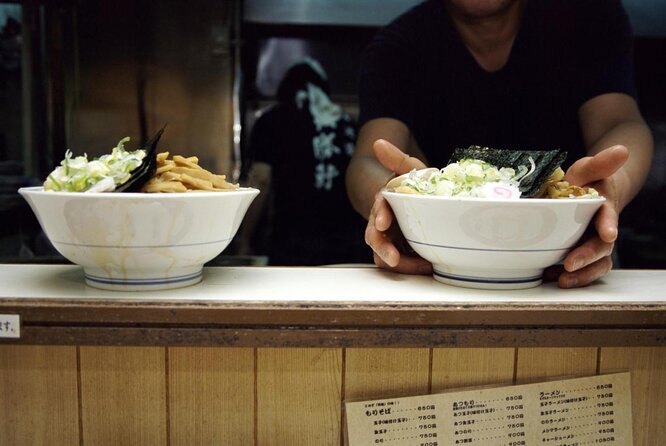
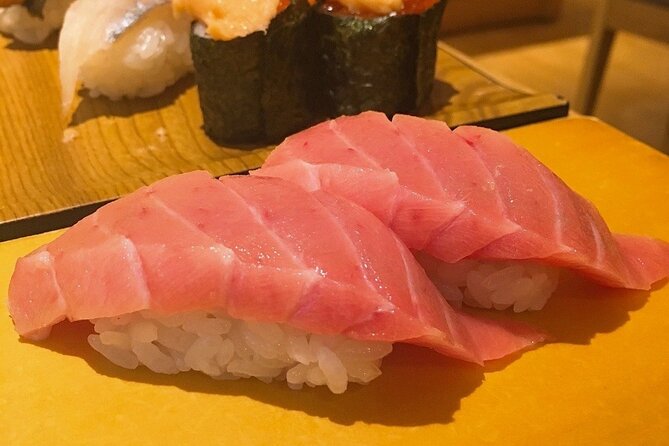
The sushi part of the night is aimed at showing you how sushi is meant to be approached. The tour highlights learning the nuances of sushi etiquette, which is exactly the kind of thing that can be hard to figure out solo, especially if you do not know what matters in that moment.
You sit down for a sushi experience at a place that is small and authentic in feel. In past outings, the guide pairing has included options like sushi with sake, which makes the meal feel more complete and helps you taste at the right tempo rather than only thinking about speed.
If you care about doing things correctly, this stop is a big plus. The guide’s role is not just to translate the menu. It is to help you feel comfortable while you eat.
Stop two: wagyu yakiniku with guided explanations
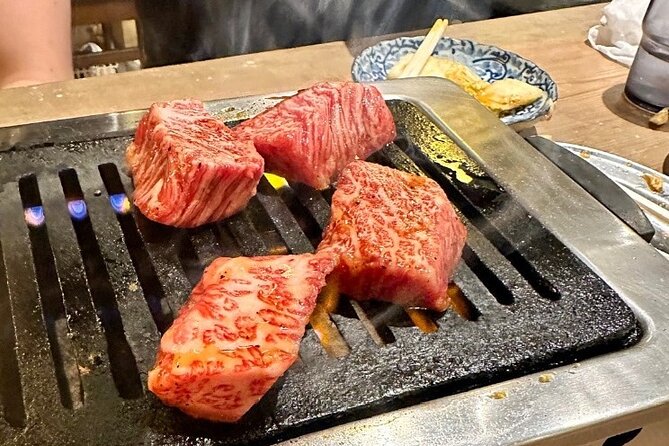
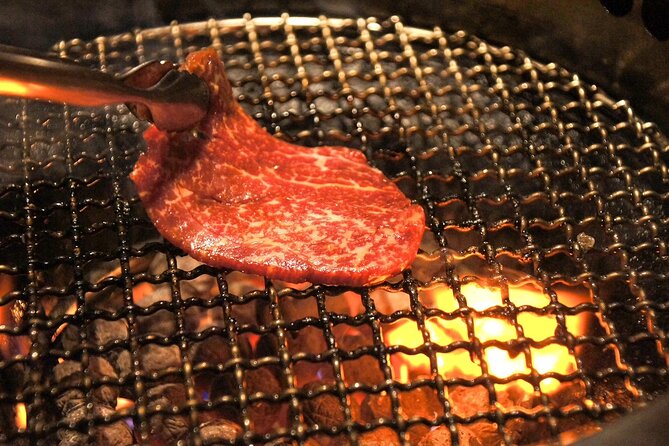
Then you move into wagyu territory, where the centerpiece experience is grilling wagyu at the table. That is a huge part of the fun because the act of cooking is part of the meal. You are not just receiving food. You are participating in the rhythm of it.
Wagyu in particular is treated as more than a flex. The tour includes time to learn the history behind wagyu beef, plus food facts you are unlikely to pick up from a standard guidebook. You also get pairing options and drink inclusion. For example, some past nights included wagyu with whiskey soda.
The wagyu section is where the night often clicks for people who come for flavor first. The grilling, the smell in the air, and the guided pacing all help you enjoy it as an experience, not just a course.
Alcohol, age, and how drinks fit into the plan
Alcoholic beverages are included, but only if you are 20 years old or above. That detail matters because it changes the feel of the night depending on your group.
If you are of age, the drinks can make the sushi and wagyu feel more like a proper Japanese dining night, especially when pairings show up alongside the food (such as sake with sushi or whiskey soda with wagyu in past outings). If you are not, you can still enjoy the core food portion, but the vibe may be more focused on the meal rather than the pairing rhythm.
Social time without losing the food focus
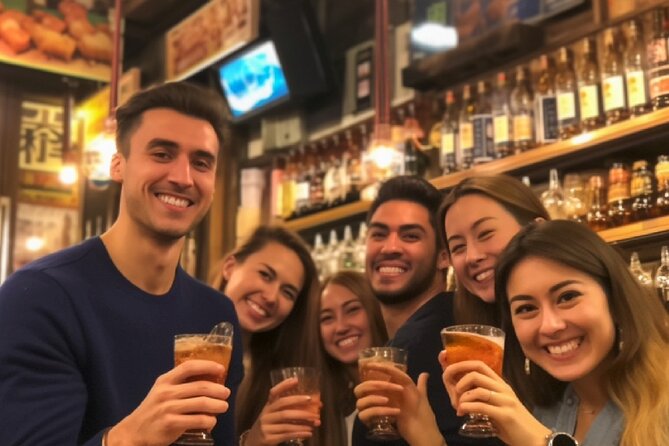
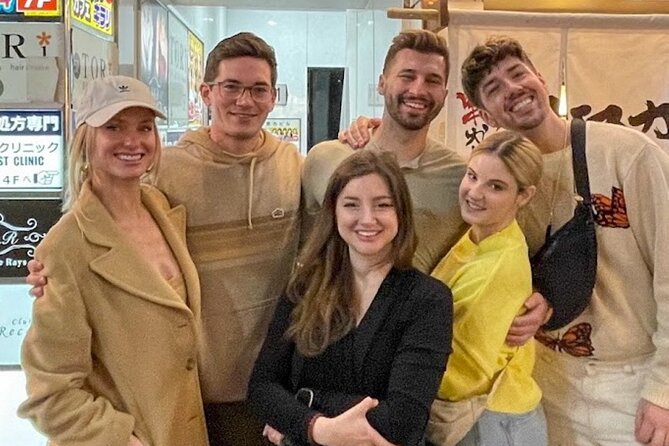
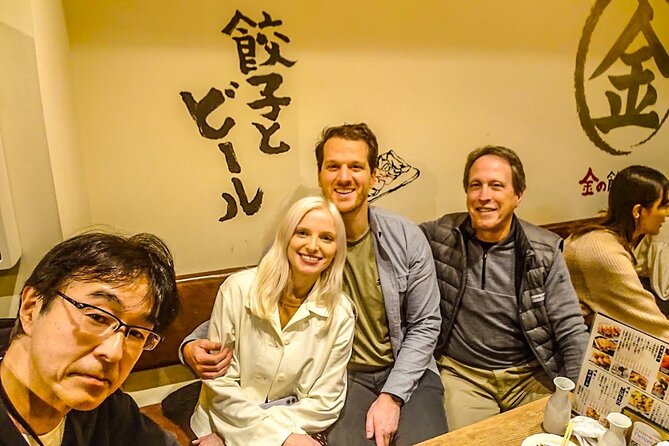
Because the max group size is 10, you naturally talk during the walk and around the table. That is one of the most praised parts of the experience, and it is easy to see why. Tokyo can feel intimidating at night if you are eating alone, and this gives you built-in conversation partners.
I also like that the tour is structured so the social time never turns into a distraction. You walk, you pause for landmarks, then you eat. It stays organized, but you still feel human.
Guides such as Yuki and Natsuki are often described as kind and attentive, including being the kind of person who can adjust when the area gets busy. That matters, because Shinjuku is unpredictable in crowd flow even when your own schedule is fixed.
Photos included: use them on purpose
The tour includes photos, which is a small line item that can save you a headache. If you are traveling with just one person, getting decent photos at night can be tricky. Here, you can get shots during the landmarks while the guide handles the timing and angle.
My advice: treat it as a photo sprint. Aim to capture the Godzilla head moment and any shrine or alley vibe you care about. Then let the rest of your camera energy go to the food and your own walk memories.
Practical notes that help you enjoy it more
A few small things make a big difference in a Shinjuku night tour like this:
- Budget extra for transportation (200 to 800 yen) because it is not included.
- Plan to be standing and walking some, since the route includes Omoide Yokocho, Kabukicho, and Golden Gai.
- Expect a mobile ticket for entry, which is handy if you do not want to manage paper.
- Book ahead if you can. The average booking window is about 52 days in advance, which suggests this tour is popular enough that you should not wait until the last minute.
Should you book this wagyu and sushi tour in Shinjuku?
Book it if you want a compact Tokyo food night that combines two big hits: sushi and grilled wagyu. You should also book if you like walking through Shinjuku’s layers, from Omoide Yokocho to Golden Gai, and you want a guide to explain sushi etiquette and the wagyu story instead of guessing.
Skip it if you want a long, course-heavy feast, or if you are the type who already has a tight sushi and yakiniku game plan and can locate the right places without help. This tour is efficient, and the value comes from guidance plus context, not from endless courses.
If you fit the first group, this is a very solid way to spend an evening in Tokyo, with a small group size, two memorable meals, and enough landmarks to make the whole night feel like more than dinner.
FAQ
How long is the Wagyu and Sushi Tokyo Gastronomic Journey tour?
The tour runs for about 3 hours.
What is the cost per person?
The price is $156.77 per person.
How large is the group?
The tour has a maximum of 10 travelers.
What does the tour include?
It includes a local guide, dinner at 2 food stops, photos, and alcoholic beverages for guests age 20 and above.
What is not included in the price?
Transportation costs are not included, estimated at 200 to 800 yen. Hotel pickup and drop-off are also not included.
Where do we meet and where does it end?
You start at 7-chōme-10-5 Nishishinjuku, Shinjuku City, Tokyo 160-0023, Japan, and end at Hashimoto Bldg., 1-chōme-1-5 Kabukichō, Shinjuku City, Tokyo 160-0021, Japan.
What time does the tour start?
The tour starts at 6:30 pm.
When will I receive confirmation after booking?
Confirmation will be received at the time of booking, unless you book within 1 day of travel. In that case, confirmation is received as soon as possible, subject to availability.
What is the cancellation policy?
You can cancel for free up to 24 hours in advance for a full refund.
More Tour Reviews in Tokyo


Not for you? Here's more nearby things to do in Tokyo we have reviewed












Tokyo City Tours, side by side.
 ★ 5.01-Day Tokyo Bus TourFrom $12914,250 reviews
 ★ 4.5TOKYO SKYTREE® Admission ticketFrom $1311,192 reviews
 ★ 4.6teamLab Planets TOKYO Digital Art Museum Entry TicketFrom $259,779 reviews
 ★ 4.0Mt Fuji & Hakone Cruise, Drum Show Bullet Train 1 Day from TokyoFrom $1497,413 reviews
 ★ 5.0Shinjuku Food Tour (13 Dishes at 4 Local Eateries)From $866,603 reviews
 ★ 4.4Tokyo Mt Fuji 5th St & Hakone Cruise Bus Tour w/Bullet TrainFrom $1545,024 reviews
 ★ 5.0Flagship 2-Hours Official Street Go-Kart Tour – Tokyo Bay ShopFrom $644,974 reviews
 ★ 4.5From Tokyo: Mount Fuji Full-Day Sightseeing TripFrom $684,970 reviews