
Review · TOKYO CITY TOURS
Tokyo: Ghost Tour with Scary Japanese Stories and Folklore
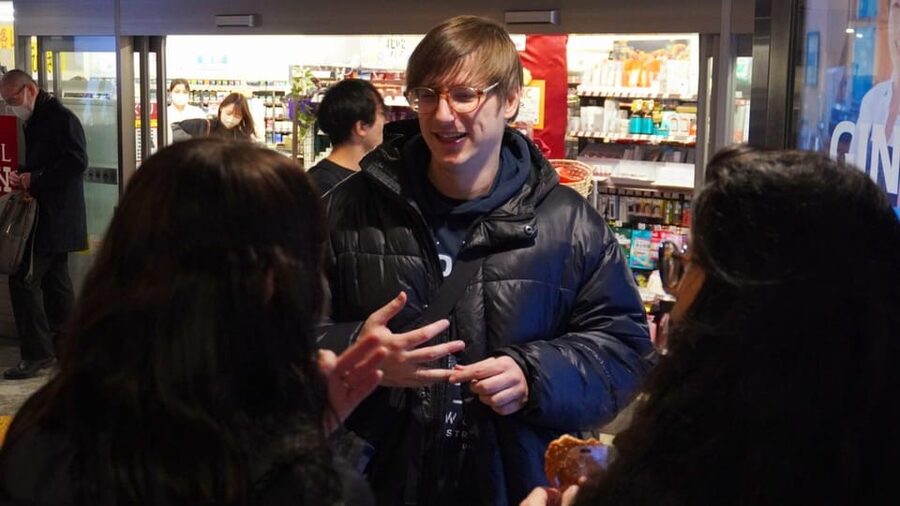
Tokyo at night gets a lot darker. This ghost tour takes you from Tokyo Station to a shrine tied to a vengeful spirit and then into Asakusa’s Shitamachi district, with true legends and a live guide to keep the stories grounded in real places. I like how the guide connects local folklore to what people still do today, and I like that the group stays small enough for questions. One consideration: you are walking at night for much of the experience, so it might feel like a lot if you get spooked easily or you tire quickly on foot.
You meet your guide inside Tokyo Station at the Marunouchi North Exit, then head out with a plan and a purpose. Expect storytelling plus a Japanese traditional snack, and do bring a camera if you want photos, but note that flash photography is not allowed.
Key things I’d bet on
- Meet inside Tokyo Station at the Marunouchi North Exit, where your guide looks for you with a name sign
- Yoshiwara-jinja Shrine and the rule about not turning your back, tied to a spirit said to haunt the area for 1,000+ years
- Asakusa’s Shitamachi district at night, perfect for atmosphere and foot-street storytelling
- A mix of folklore and real-life angles, since some guides include true-crime and missing-person threads
- Small-group pacing, which helps the stories land instead of feeling rushed
Starting at Marunouchi North Exit Inside Tokyo Station
The best part of this tour is also the easiest to plan for: it starts in Tokyo Station, not miles away from transit. You meet at the Marunouchi North Exit, inside the station North wing area, and you look for the signs for that exit. Your guide will pick you up with a sign that shows your name, which is a small detail, but it saves time when Tokyo Station is already busy.
Once you’re in the group, the tone shifts quickly from arrival mode to listening mode. Your guide keeps the flow tight, moving from place to place while layering in folklore context as you go. I like this because you do not feel like you are being dropped off somewhere spooky and left to figure it out.
One practical note: since the tour includes walking at night, comfortable shoes matter a lot more than you might expect. The route is not about long bus rides. It is about being on your feet and staying aware of where you are, which is exactly what you want for a ghost tour.
You can also read our reviews of more tours and experiences in Tokyo.

Tokyo Station Stories, Then Off to the Shrine
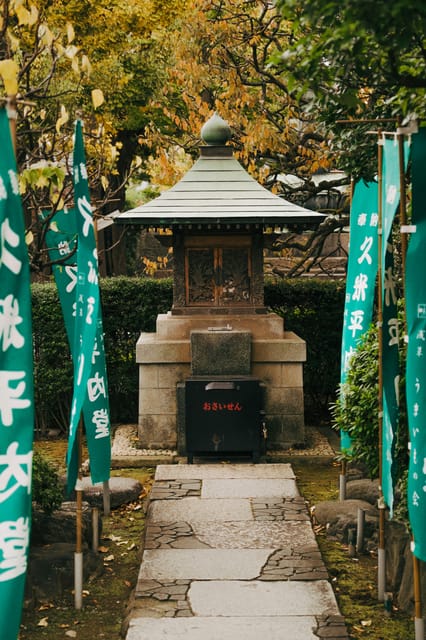
You begin with a guided segment at Tokyo Station itself. Even though Tokyo Station is modern and straightforward in layout, the tour uses it as a starting point to frame how stories stick to a city. The guide’s job here is not to show you the station as a tourist photo spot. It is to set up the emotional logic of the tour: why certain places feel tense after dark, and how folklore follows people into everyday routines.
Then you move on to the shrine stop, Yoshiwara-jinja Shrine. This is where the tone turns from spooky to specific.
If you are the kind of person who likes your ghost stories with place names and grounded explanations, this portion helps. You get your bearings before you get your shivers. If you want pure scare jumps with zero context, you may find yourself wishing for less talking and more action. But if you enjoy the story behind the story, Tokyo Station as a launchpad is a smart choice.
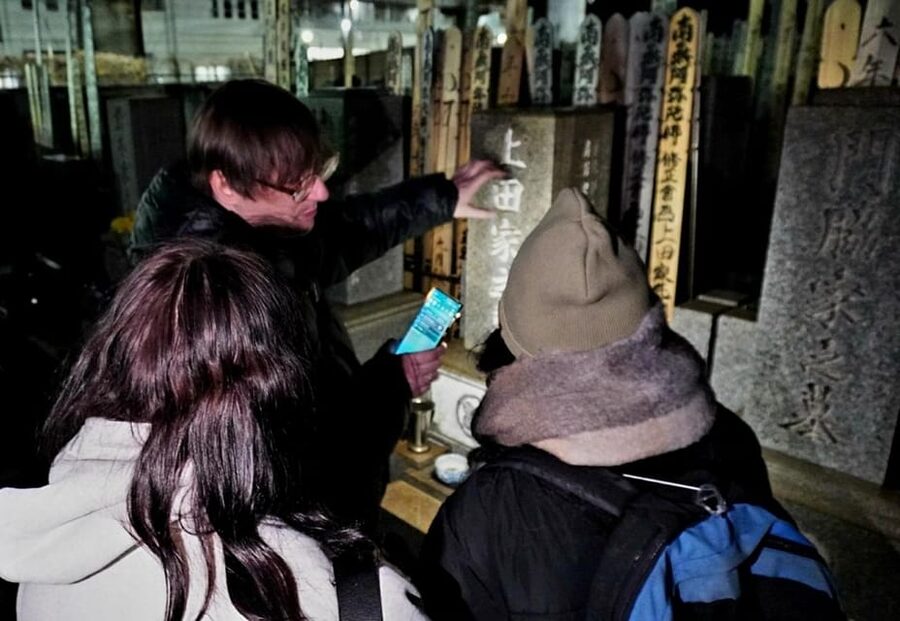
Yoshiwara-jinja Shrine and the 1000-Year Spirit People Still Respect
This is the emotional center of the tour. At Yoshiwara-jinja Shrine, you hear why this place has a reputation that lasts. The core legend includes a vengeful spirit said to have haunted the area for more than 1,000 years, and the guide ties it to behavior you can still see around the shrine.
The most memorable moment is the detail about office workers nearby. They still do not dare to turn their backs toward the shrine location. That kind of practical superstition is what makes this tour feel different from generic ghost walks. It is not just a campfire story. It is folklore shaped into daily habits.
As you listen, you’ll notice how the guide presents the information in a way that feels respectful, not sensational for shock value. You are learning why people behave a certain way around sacred spaces, even when their days are filled with deadlines and screens. That contrast is the real takeaway.
If you are worried about being too scared, you can manage it by paying attention to the cultural pieces: shrine etiquette, why directions matter in certain beliefs, and how fear can become routine. If you are easily overwhelmed by tense atmosphere, keep your expectations realistic. This is a ghost tour with walking at night. You will feel the mood.
Asakusa Shitamachi After Dark, Where the Atmosphere Does the Work
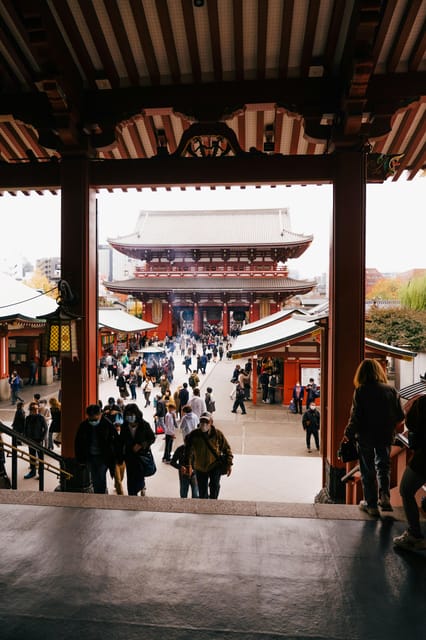
After the shrine, the tour continues in Asakusa, specifically the Shitamachi district. Shitamachi is the kind of neighborhood where the street life carries older Tokyo patterns, and at night, the whole area feels like it belongs to stories.
You get to explore on foot in a smaller-group format, which matters here. If you were just wandering without a guide, you might miss the threads that connect what you see to what you are hearing. With the guide, the walking becomes part of the storytelling. You are not only visiting spots, you are learning how to read the area.
This stop is also where the pacing helps you. You have already been told the main legend at the shrine. In Asakusa, the guide can broaden out into additional folklore and local angles, letting the city itself feel like the haunted character. That is what makes a ghost tour work well: the guide gives you a lens, and the neighborhood becomes the scene.
One practical consideration: since you are walking through a district at night, dress for the weather and plan for uneven sidewalks. Keep your camera ready, but again, no flash photography.
What You Learn From Folklore, True Crime Threads, and Missing-Person Angles
This tour’s biggest strength is its storytelling style. The guide mixes folklore and “true story” energy, sometimes blending in true-crime and missing-person elements along with the ghost legends. That blend is not for everyone, but when it fits your taste, it makes the tour feel more than entertainment.
I like when a guide can explain why a legend spreads, not just recite it. And you can feel this tour aiming for that. The stories are presented as part of local identity, shaped by memory and fear, not random spookiness.
You will also hear stories about paranormal activity in the area across centuries. The goal is not to convince you that a spirit is literally outside your shoulder. The goal is to show you how people built explanations around the unknown, and how those explanations left marks on behavior and place names.
If you prefer your spooky content strictly supernatural, you might want to manage expectations around the human side of the stories. But if you enjoy a tour that feels like Tokyo folklore plus real-world gravity, this one delivers.
In terms of delivery, reviews highlight guides such as Matthias and Maikel for being engaging and varied in topics. Even if your guide is different, the approach is consistent: clear storytelling, local detail, and a tone that stays interesting without turning mean or theatrical.

Price, Comfort, and What Makes This a $90 Value
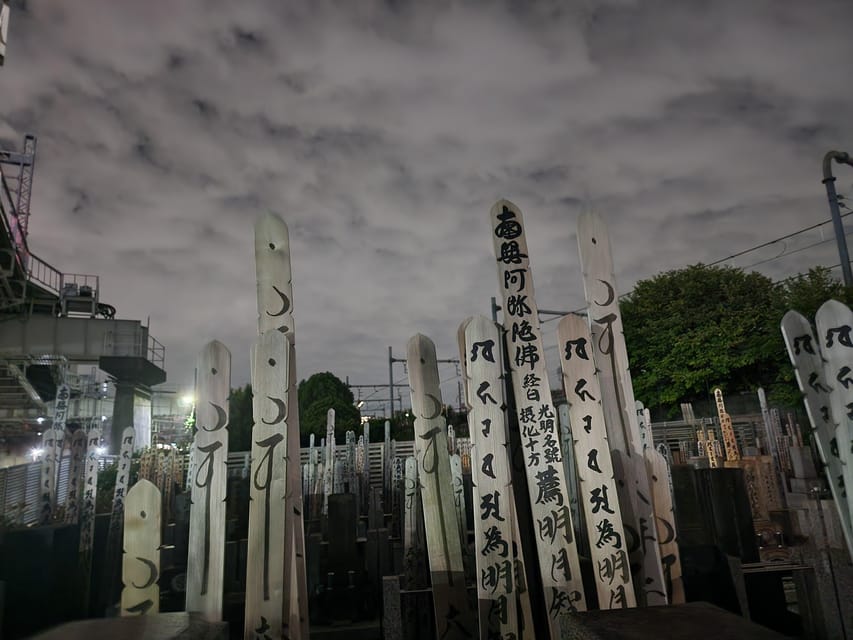
At $90 per person, you are paying for a live guide, real stops tied to the legend, and time spent in two key areas: Tokyo Station and Asakusa, with a shrine visit at the center. This is not a cheap group audio walk. It is a guided experience focused on narrative and location.
What makes it feel like value is the balance of specificity and access:
- You are not just hearing stories in one place, you are moving to places that are part of the legend.
- You get a Japanese traditional snack included, which is a small add-on that helps on a walking-focused tour.
- You get a professional guide who can handle multiple story types, from folklore to true-life angles.
Comfort-wise, the main cost is effort, not money. You should expect a walking evening or night format, with time outdoors. Bring comfortable shoes and dress appropriately for the weather. If you have heart problems, the tour is not suitable, so this is not one to stretch for the sake of a unique story.
Also, plan your timing so you are not rushing. Tokyo Station is busy, and starting there means you should give yourself a few minutes to find the exact meeting point and get settled in.
Drinks are not included, so if you tend to get thirsty while walking, plan ahead.
Who This Tour Suits Best (And Who Might Want to Skip)
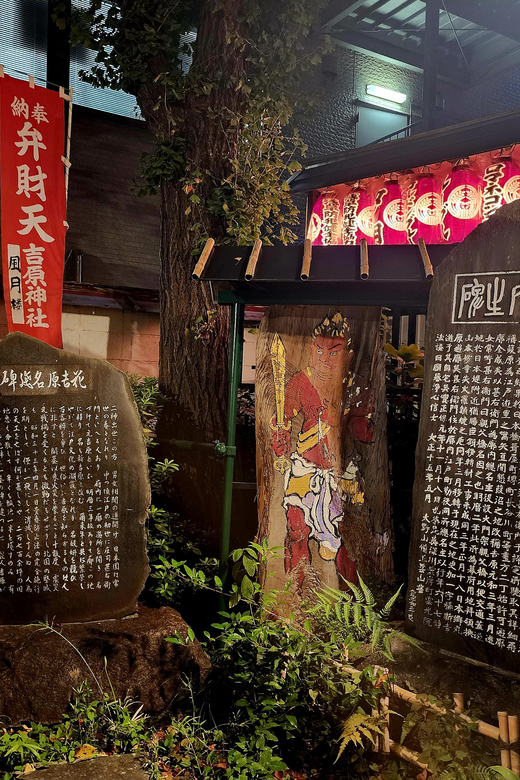
This tour is a good match if you want:
- A guided, story-first experience in Tokyo
- Folklore and local superstition that you can actually see reflected in how people behave
- Night walking that feels like exploring, not just standing in the dark
It is also a nice choice for language comfort. The tour runs with live guides in French, German, Italian, and English, so you should be able to follow closely instead of guessing at the meaning.
It is less ideal if:
- You are traveling with children under 10, since the tour is not suitable for them
- You have heart problems, due to walking and night conditions
- You dislike spooky stories or tight, tense atmosphere
One more angle: since a private group option is available, it can work well if you want a quieter, more tailored pace. If you are traveling as a couple, it also feels like the right size, since reviewers mention enjoying the variety of topics and the far-ranging feel of the tour.
Should You Book This Tokyo Ghost Tour?
Book it if you like ghost stories with names of places, cultural behavior details, and a guide who keeps the evening moving. The combination of Yoshiwara-jinja Shrine and the office-worker superstition is the kind of specific detail that makes this more memorable than a generic haunted route. And the Asakusa Shitamachi night walk turns the story into a setting you can actually experience.
Skip it if you want light, sunny sightseeing, or if night walking is a problem for you. Also skip if you do not enjoy spooky folklore themes.
If you do decide to go, I’d plan your footwear carefully, bring your camera but leave flash at home, and go in ready to listen. This tour works best when you treat it like a guided story you can walk through, not a checklist of haunted landmarks.
FAQ
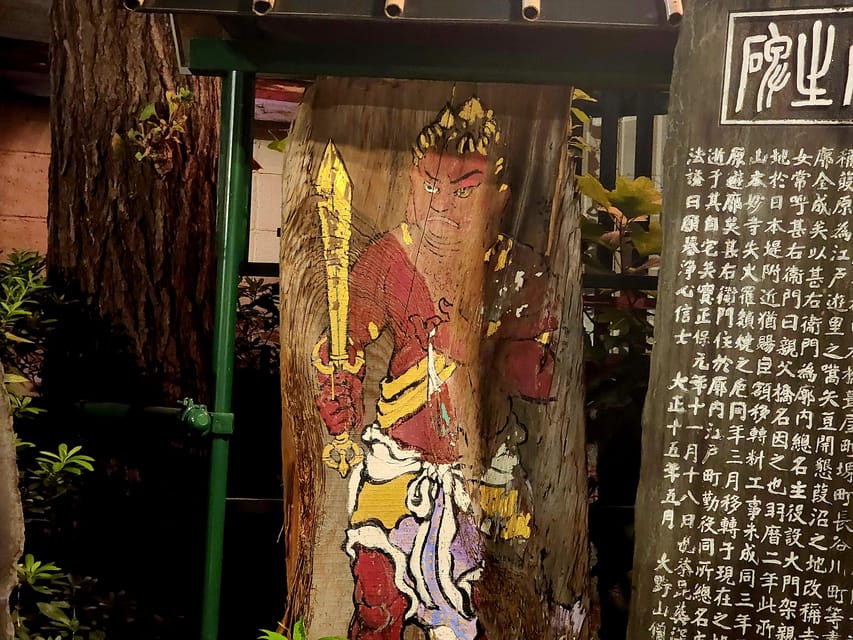
Where do I meet the guide for the Tokyo ghost tour?
You meet inside Tokyo Station at the Marunouchi North Exit, in the north wing. The guide will pick you up using a sign with your name on it.
How long is the ghost tour?
The activity is listed as 1 day.
How much does it cost?
The price is $90 per person.
What languages are available for the live guide?
The tour offers live guides in French, German, Italian, and English.
What is included in the price?
Included are a professional guide, true ghost stories and folklore, a visit to a haunted shrine, and a Japanese traditional snack.
What is not included?
Transportation to and from attractions and drinks are not included.
Is flash photography allowed during the tour?
No, flash photography is not allowed.
Is the tour suitable for children or people with heart problems?
The tour is not suitable for children under 10 years old, and it is also not suitable for people with heart problems.
More Tours in Tokyo


More Tour Reviews in Tokyo

Not for you? Here's more nearby things to do in Tokyo we have reviewed








Tokyo City Tours, side by side.
 ★ 5.01-Day Tokyo Bus TourFrom $12914,250 reviews
 ★ 4.5TOKYO SKYTREE® Admission ticketFrom $1311,192 reviews
 ★ 4.6teamLab Planets TOKYO Digital Art Museum Entry TicketFrom $259,779 reviews
 ★ 4.0Mt Fuji & Hakone Cruise, Drum Show Bullet Train 1 Day from TokyoFrom $1497,413 reviews
 ★ 5.0Shinjuku Food Tour (13 Dishes at 4 Local Eateries)From $866,603 reviews
 ★ 4.4Tokyo Mt Fuji 5th St & Hakone Cruise Bus Tour w/Bullet TrainFrom $1545,024 reviews
 ★ 5.0Flagship 2-Hours Official Street Go-Kart Tour – Tokyo Bay ShopFrom $644,974 reviews
 ★ 4.5From Tokyo: Mount Fuji Full-Day Sightseeing TripFrom $684,970 reviews