
Review · PRIVATE
Private Ginza Architecture Tour
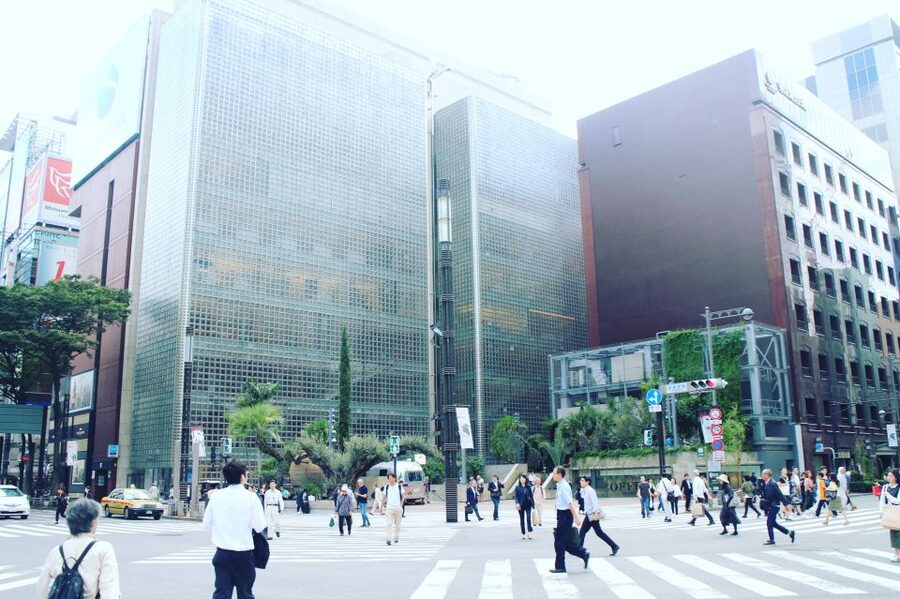
Ginza often looks like one long shopping window, but this tour helps you see the ideas behind it. I like how it strings together Tsukiji, Ginza, and major landmarks in one smart walk, and I also love the balance of Metabolism-era architecture with newer, emerging designs you may not spot on your own. A small consideration: it is a walking-focused tour, so you will want comfy shoes and a willingness to keep moving for the full 210 minutes.
The best part is how the tour keeps asking a simple question, why does a building look the way it does. You start with a temple that mixes styles, move to a newly built Kabuki theater that still respects what came before, and then connect those contrasts to the urban thinking of the 1960s and 70s. If you are expecting long, sit-down museum time, you might find the pace brisk, but for architecture lovers it is an efficient way to get your bearings fast.
Key things that make this Ginza architecture tour work
- Temple, theater, modern commercial architecture in one coherent route
- Japanese Metabolism context tied to a real, famous site
- A secret backstreet side trip for a calmer look at Ginza
- A private English guide who can pace the walk to your group
- A built-in break with drinks so you can reset without hunting
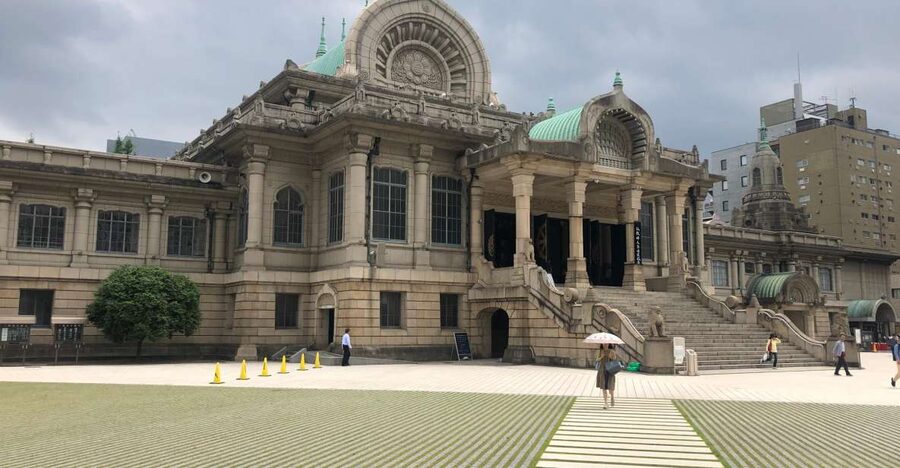
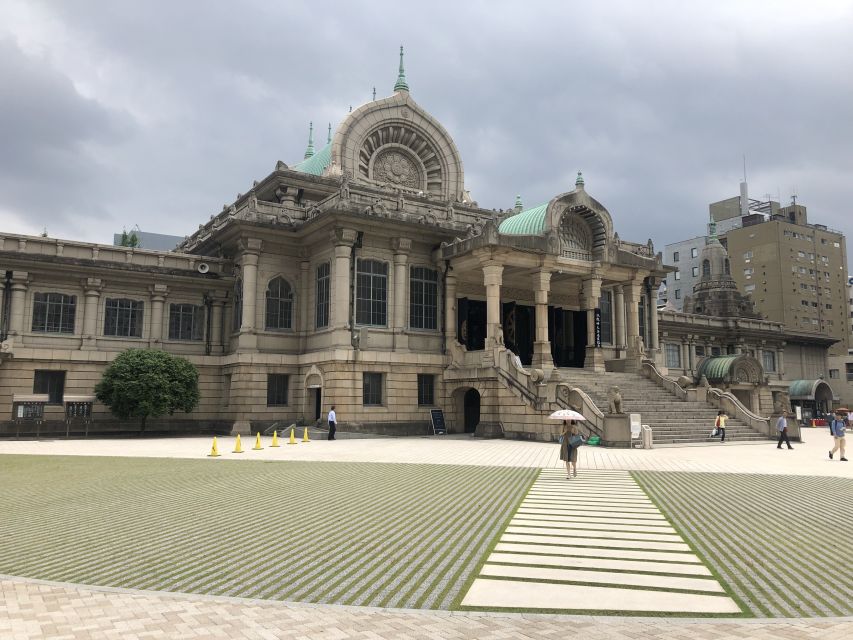
Starting at Tsukiji Hongwan-ji Temple: a style mashup with real purpose
You meet at the main gate of Tsukiji Hongwan-ji temple, right in front, which makes life easy when you arrive. From Tsukiji Station on the Tokyo Metro Hibiya line, take Exit 1, turn left, and walk straight for less than a minute. That quick approach matters because you start your architecture story before you hit the big Ginza-name buildings.
I love this opening because the temple itself is an immediate lesson in contrast. The outside gives an Indian-style impression, while the inside feels closer to a European church-like space. Even if you do not know a lot of architectural vocabulary, you get the point: buildings can be cultural conversations, not just local boxes. Your guide then sets you up to read what you see later in Ginza, especially the tension between tradition and what designers were trying to reinvent.
The other practical win here is timing. Starting in Tsukiji keeps the tour from feeling like it begins in the middle of a busy shopping rush. You get a moment of calm, then you walk toward the visual loudness of Ginza with your eyes switched on.
You can also read our reviews of more private tours in Tokyo
Kabuki Theatre (2013): modern construction that respects the past
Next comes the newly built Kabuki theater from 2013. The key detail is that it inherited the traditional style from past generations. That wording is important because it frames how you should look at the building, not as a blank modern shell, but as a continuation of something audience members recognize.
From a street-level viewpoint, this stop teaches a useful way to evaluate architecture. In Ginza, you will see sleek, glossy, and high-end structures, and it is easy to treat them like separate worlds. Kabuki theater interrupts that. You learn how a city can update buildings while still preserving the visual rules that make a place feel culturally legible.
One tip for getting value from this section: slow down your phone camera habits. Try to take in the overall composition first, then zoom in. Kabuki theater is the kind of place where the relationship between form and function matters, and rushing straight to details can make the lesson harder to catch.
Nicolas G. Hayek Center: the Metabolism movement made visible
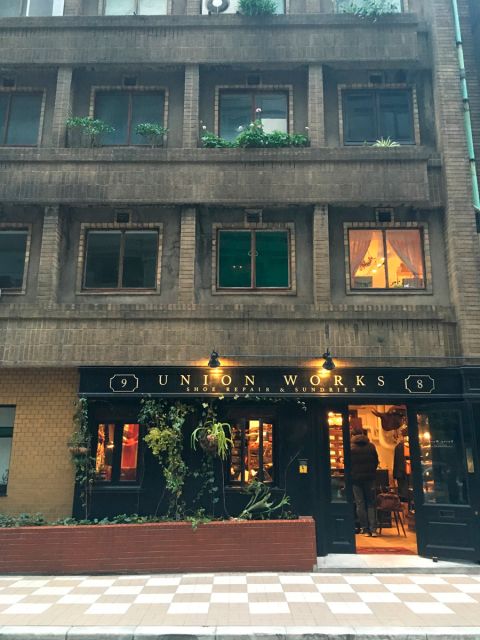
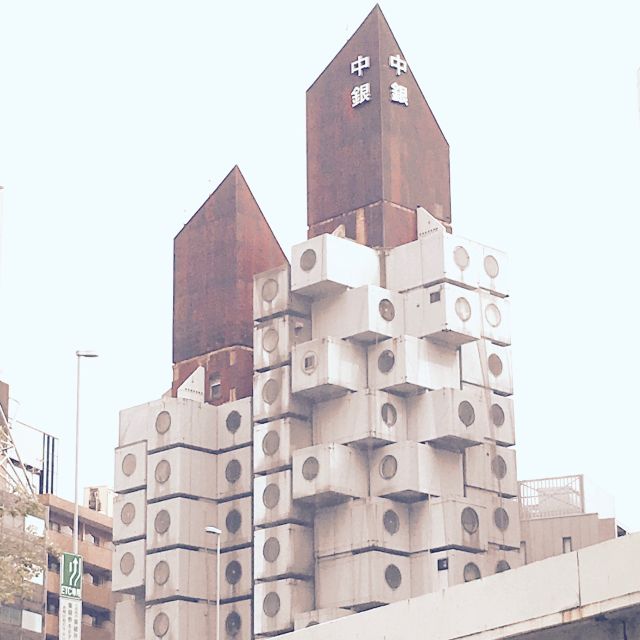
The tour’s architecture nerd moment arrives with Nicolas G. Hayek Center, where you get to admire a masterpiece from the Japanese Metabolism movement. This is where the tour becomes more than sightseeing. You are not just looking at a building, you are connecting it to proposals for a New Urbanism in the 1960s to 70s.
Metabolism is a powerful idea because it treats cities like living systems. Instead of assuming buildings are permanent in the way a statue is permanent, this way of thinking leans toward growth, change, and adaptation. When a guide points you toward that context, the experience shifts. You start noticing whether a structure feels like it can evolve, and whether the design language suggests transformation rather than finality.
This stop is also valuable because it gives you a historical anchor for Ginza. Ginza can feel like it is all about current fashion. Metabolism brings in a longer timeline, showing that big design decisions in Tokyo have been debated for decades, not invented yesterday.
I suggest you use this moment to practice your “why does it look like that” questions. Ask yourself what parts feel symbolic of motion and change, and what parts feel fixed. Even if you cannot label every design feature, you will leave with a clearer mental framework.
Maison Hermes, Tokyu Plaza Ginza, and Mikimoto Ginza 2: reading modern Ginza architecture
After the Metabolism anchor, the tour moves through several major Ginza landmarks: Maison Hermes, Tokyu Plaza Ginza, and Mikimoto Ginza 2. These stops are not only about luxury brands. They show how modern commercial architecture presents itself in a district that is engineered for visual impact.
Here is what I think you should pay attention to during these segments. First, notice how the building surfaces and entrances guide movement. Ginza is a walking city, but the architecture funnels your steps with signage, facade rhythm, and door placement. Second, watch how the buildings handle the street edge. Some structures seem to invite you closer. Others feel more like a stage set, designed to be admired from the sidewalk.
Because your tour is private and led in English, you can usually get direct explanations for what you are seeing, not just names and dates. That is part of the value of a guided walk. You do not have to be fluent in architectural theory to understand the basic story: tradition and experimentation exist side by side in Ginza.
A small consideration here is mental fatigue. After a temple, a theater, and a Metabolism reference, multiple luxury stops in a row can blur together if you rush. If that happens, switch your focus to one consistent question per building, such as how it controls visibility from different angles.
Okuno Building and Ginza 4-chome: finishing at Wako (SEIKO)
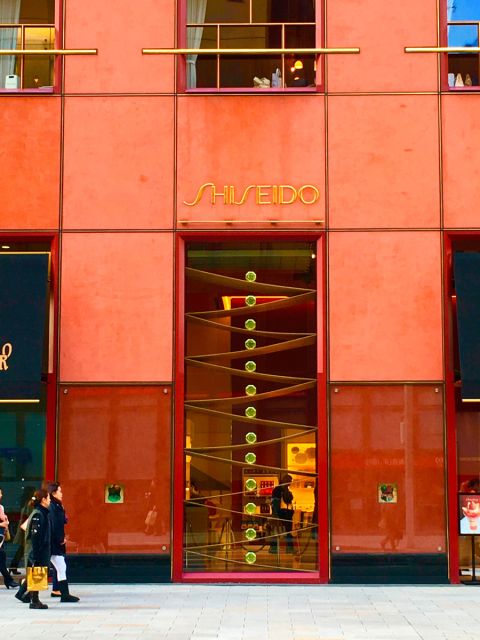
You end the main route at the intersection of Ginza 4-chome, where the Wako building stands. This is a classic way to close an architecture-focused walk, because it anchors your memory to a specific skyline moment.
The Okuno Building stop between the commercial landmarks and the Wako finish helps bridge the feeling of Ginza as both a modern shopping zone and a place with distinct architectural personalities. Even without extra interior access, the street-level experience can still be meaningful. You are training your eyes to see proportion, repetition, and how buildings “agree” with the streets around them.
The Wako building finish matters because you get a clean end point. After about 210 minutes of walking, having a recognizable landmark prevents the experience from feeling like a never-ending loop. It also gives you a natural place to regroup and, if your legs are protesting, decide what you want next.
If you want practical comfort, plan to stand for a few minutes at the finish before you move on to dinner. That pause turns the last landmark into an actual takeaway, not just the last stop on a list.






The secret backstreet neighborhood: Ginza without the postcard glow
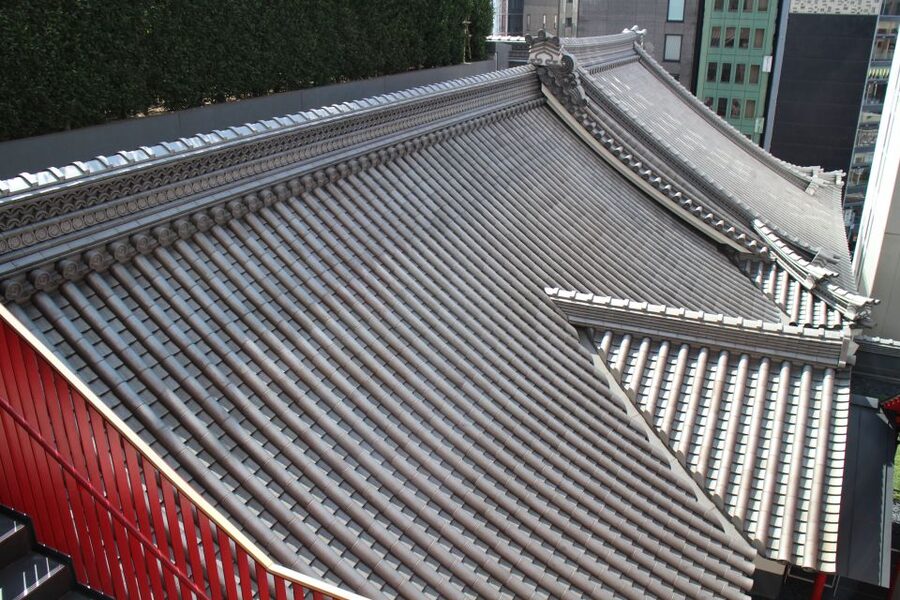
There is also a secret side trip to see the backstreet neighborhood. That detail is more than cute extra time. It changes how Ginza feels.
Main avenues can be all surface, all branding, all lighting. Side streets often reveal a different rhythm, and architecture becomes less about the building as an icon and more about the building as a neighbor. That is where you start seeing the district as a lived-in environment rather than an architectural showroom.
I like this part because it gives your tour a second mood. You get the headline monuments first, then you get the texture that makes a city feel real. It is also a nice pacing tool. After several big-name stops, a quieter neighborhood can let your brain catch up.
When you arrive there, give yourself permission to look slowly. If you try to photo everything, you will miss the smaller architectural cues that make these backstreets worth the detour.
Timing, pace, and what to bring for 210 minutes of walking

The total duration is 210 minutes, which is a little over three hours. That means the tour is long enough to cover multiple landmarks, but short enough that you are unlikely to get stuck in any single spot for ages. Included in the experience is a break time with drinks, which is a practical lifesaver during Tokyo walking days.
The walk is clearly the main format since it is a walking tour. That impacts your comfort more than people expect. Bring shoes you can trust for city sidewalks. Ginza is flat, but Tokyo sidewalks still add up over time. If you care about photos, bring a small day bag and keep your hands free when possible.
Weather matters too. Since the tour is outdoors-focused, it is smart to dress for the conditions on the day you book. If rain is likely, you might want a compact umbrella or light rain layer, because your best views are still on the street.
Price and value: why $129 can be fair for architecture focus
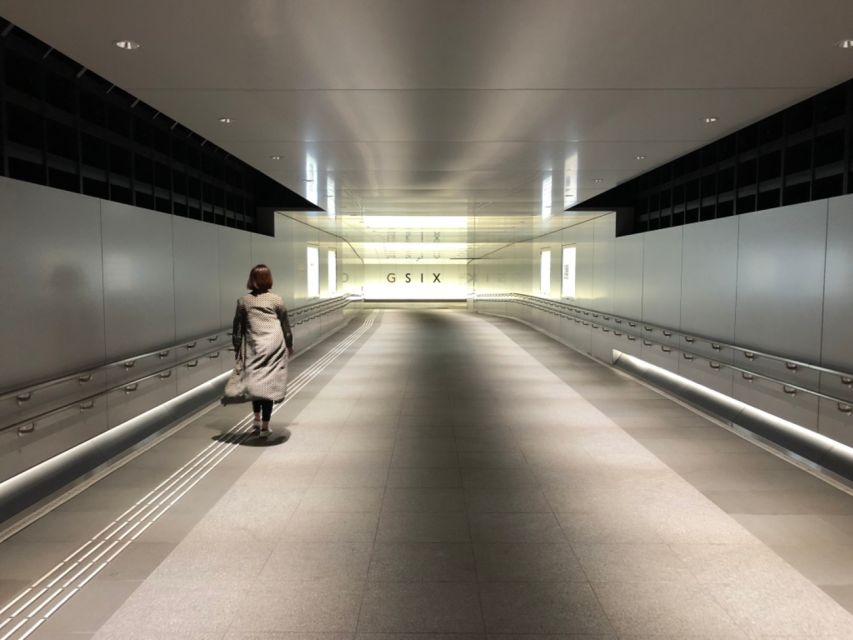
At $129 per person for a private, English-language architecture tour with a guide, walking route, and break with drinks, the price makes sense if your priority is interpretation. You are not paying only for entry tickets. You are paying for someone to connect what you see in Ginza to architectural movements, from traditional influences to the Metabolism idea from the 1960s to 70s.
The tour also avoids some common value traps. Meals are not included, so you are free to choose what fits your dietary needs and budget. Transportation fee to and from the Ginza area is not included either, which means you should factor in your own transit planning to reach the meeting point at Tsukiji Hongwan-ji.
Where this tour feels especially good is the private format. Even without knowing your exact group size, the structure is built for your party to get clearer answers and more adaptable pacing. For architecture, that matters because a guided explanation can turn a quick glance into a real understanding.
One more value signal comes from past feedback: a verified booking named TURPIN from Martinique highlighted that their guide was both competent and very pleasant. That combination is exactly what you want on an architecture tour, because the subject can get technical, and a good guide keeps it understandable and enjoyable.
Who should book this private Ginza architecture tour
This tour is a great fit if you:
- Like architecture but do not want to study it alone with random internet tabs.
- Want a route that mixes traditional to modern design rather than only chasing one style.
- Are curious about Tokyo urban ideas beyond what you see from train windows.
- Prefer a private English guide and a calm structure instead of joining a large group.
It is also a good option for visitors who only have a few hours but want a meaningful “architecture story” through central Tokyo. If you already know architecture history, you will still appreciate the way the tour anchors concepts to recognizable Ginza landmarks.
If you are traveling with someone who just wants to shop, the pace and focus on viewing architecture might feel a bit slow for pure bargain hunters. But if they can tolerate a few stops for explanation, the variety helps.
Should you book it or skip it?
Book it if you want to understand Ginza as design, not just as shopping. The route starts with a striking Tsukiji temple, moves through a Kabuki theater built in 2013 that still respects tradition, and then lands on a Metabolism masterpiece before returning to iconic Ginza landmarks like Wako. You also get the backstreet side trip, which keeps the experience from feeling like a only-front-facade tour.
Skip it if your ideal Tokyo day is mostly food stops and you do not care about architecture context. Also skip if you hate walking for just over three hours. Otherwise, this is a smart use of time, especially if you like your sightseeing with explanations that make the buildings easier to remember.
FAQ
Where is the meeting point?
You meet in front of the main gate of Tsukiji Hongwan-ji temple. From Tsukiji Station (Tokyo Metro Hibiya line), take Exit 1, turn left, and walk straight for less than a minute.
How long is the Private Ginza Architecture Tour?
The tour lasts 210 minutes.
What is included in the tour price?
Included are a guide, a walking tour, and a break time with drinks.
What is not included?
Meals are not included, and you also cover any transportation fee to and from the Ginza area.
Is the tour available in English?
Yes. The live tour guide speaks English.
Can I cancel and get a full refund?
Yes. Free cancellation is available up to 24 hours in advance for a full refund.
More Private Tours in Tokyo

More Tours in Tokyo


More Tour Reviews in Tokyo
Not for you? Here's more nearby things to do in Tokyo we have reviewed












Private, side by side.
 ★ 5.0Tokyo 6hr Private Tour with Government-Licensed GuideFrom $1553,902 reviews
 ★ 5.0Private Tour to Mt. Fuji and Hakone (Fully Licenced Operator)From $4971,910 reviews
 ★ 5.0Tokyo Customized Private Tour (Must See Places in 1 Day)From $1451,499 reviews
 ★ 4.9Mount Fuji Full-Day Private Tour from Tokyo (Customizable)From $3931,470 reviews
 ★ 4.8Private City Highlights Tour with Local GuideFrom $1061,433 reviews
 ★ 5.0Private Custom Tour: Tokyo in a DayFrom $1591,432 reviews
 ★ 5.0Tokyo 4hr Private Tour with Government-Licensed GuideFrom $1091,394 reviews
 ★ 5.0Tokyo Customized Private Tour: See Top Attractions in 1 DayFrom $1451,351 reviews