
Review · TOKYO CITY TOURS
Tokyo 4hr Private Tour with Government-Licensed Guide
Four hours, one smart Tokyo plan. This tour uses a government-licensed guide and customizable stops to help you see top areas fast, without spending your day stuck in transit or arguing with your phone. I like that it keeps the focus on what you actually want to see, so the route feels purposeful instead of like a sightseeing checklist.
One thing to weigh: it’s a walking tour, and while some places are free, several major sights need separate tickets or have limits (like Imperial Palace access).
Key Points Worth Knowing Before You Go
- Government-licensed, English-speaking guidance so you get clear explanations, not just directions
- Pick 2-3 sites from the available list, which helps you avoid overstuffed itineraries
- Walking-focused format with pickup on foot, ideal for neighborhoods you can cover at human speed
- Entry rules vary by stop, with Imperial Palace inside access specifically not included and some gardens not included
- Metro and train support is a big part of the value, and guides have helped people avoid long stair routes when needed
- You’re a private group, so pace and priorities can actually change mid-walk
How the 4-Hour Format Fits Tokyo (Without Exhausting You)
Tokyo is huge, and the biggest trap for first-time visitors is trying to “collect” landmarks instead of understanding how the city moves. This tour is built around a half-day window, about 4 hours, which is long enough to feel like you toured Tokyo, but short enough that you still have energy for dinner and a second round on your own.
Because you choose 2-3 stops, the pacing stays realistic. You’re not sprinting between far-flung districts. Instead, you’re getting a guided path through a few high-impact neighborhoods, with the guide handling the “how do we get there” part, including public transport direction when needed.
It’s also a walking tour with meet-up on foot within a designated area. That matters because Tokyo streets reward comfort: if you can handle walking and a bit of crowd navigation, you’ll get much more out of the experience than if you’re trying to do it while conserving every step.
You can also read our reviews of more guided tours in Tokyo

Price and Value: Why $109.43 Can Make Sense Here
At $109.43 per person for about 4 hours, this isn’t a budget transfer-and-stand-by option. You’re paying for two things that are hard to DIY in Tokyo: guided interpretation and practical navigation help.
If you’ve ever spent time planning which station to use, then discovered you picked the wrong exit, you’ll feel the value fast. Guides on these tours often focus on route efficiency and how to move through Tokyo’s train and subway system. People also mention support like helping with metro navigation and even suggesting options to reduce stair stress, which is exactly the kind of real-world problem that drains your vacation time.
Also, because you customize your 2-3 stops, you’re less likely to waste hours on places that don’t match your interests. That’s a hidden cost in sightseeing bundles. Here, the “what we do” decision happens up front with your guide.
The tradeoff is that some attractions are not included, and transport fees and lunch are not covered. So the best value comes when you pick the right mix of free sights plus a couple of ticketed experiences you actually want.
Your Stop Menu: What You Can Expect to Choose
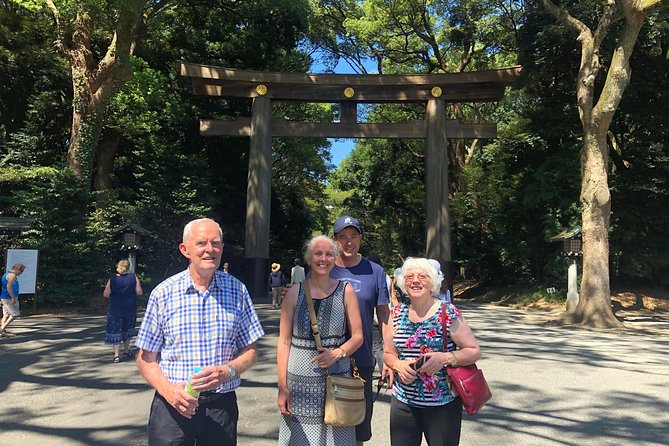
The tour is structured like a “pick from the highlights list” experience. The provided sample routes include major hits such as Senso-ji in Asakusa, Shibuya Crossing, Meiji Jingu Shrine, and other options across Tokyo.
Realistically, with a 4-hour walking format, your guide will likely steer you toward a few nearby clusters depending on the exact stops you pick. That’s how you avoid the classic Tokyo mistake of spending the whole day traveling.
Here’s how the stop types generally fall out:
- Free or included stops (many are marked free) tend to be quick wins for atmosphere and photos.
- Not-included stops often mean you’ll decide whether to pay entrance tickets on the day. This is especially important for gardens and museums.
- Access limits are specific, like Imperial Palace inside entry not being included.
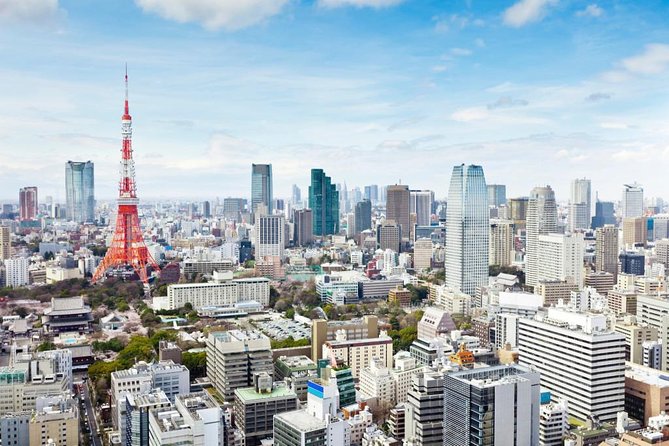
You’ll want to think like a local for this part: if you love architecture and views, you might favor Shibuya and Tokyo Tower. If you want calm and design, choose shrines and gardens. If you care about food, Tsukiji’s market scene becomes a top priority.
Asakusa Senso-ji and the Old-Downtown Switch
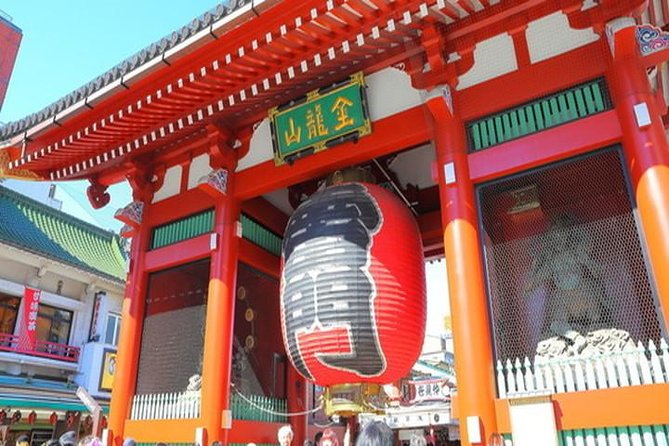
If you only visit one Tokyo area with storybook energy, Asakusa is a strong candidate. The Senso-ji temple area sits in the city’s older downtown character, the kind Tokyo had before it became all glass towers and rail lines. The route around Senso-ji is designed for walking, so a guided half-day is a good fit.
Senso-ji is marked as free here, so you’re not paying to access the core experience. What you’re really buying with the guide is context, like what you should notice and how the area’s vibe differs from newer districts.
One practical tip: Asakusa can be crowded at peak hours. A guide who understands where to pause, when to cross, and how to approach the area can save you time and stress. That matters when you’ve got only 4 hours.
If you’re also the type who enjoys quick neighborhood texture, this stop pairs nicely with places like Yanaka/Nezu (both noted as free options), which lean more old-school than flashy.
Tsukiji Fish Market: Food First, Then the Hangout Stroll
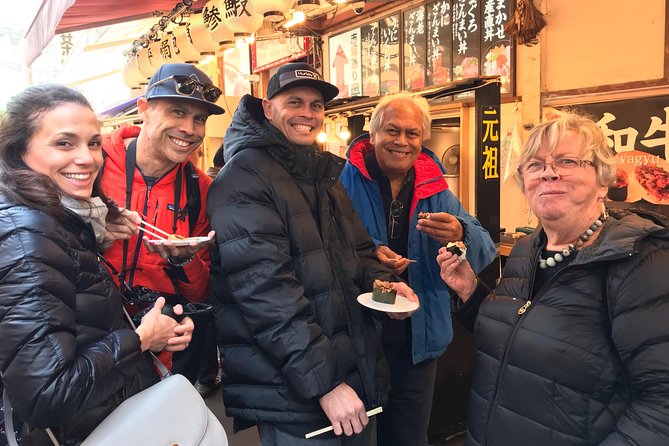
Tsukiji is described as the old fish market of Japan, and that sums up the experience well. Even if you don’t plan a full sit-down meal, you’ll likely want to sample something while you’re there. The tour data flags Tsukiji as free to visit, which helps you keep the budget under control.
This stop is valuable because it gives you a different Tokyo angle. You’re not just seeing monuments. You’re seeing how the city feeds itself, and the energy at market streets is its own kind of education.
A guide can also help you decide what to buy and where to linger, without turning your half-day into a frantic food scramble. People have described this as a culinary adventure, with time spent trying items from the stalls rather than just walking past.
If food stalls and quick bites aren’t your thing, you can swap Tsukiji for other stops that match your pace and interests, since your itinerary is customizable.
You can also read our reviews of more private tours in Tokyo

Shibuya Crossing, Hachiko, and People-Watching With a Plan
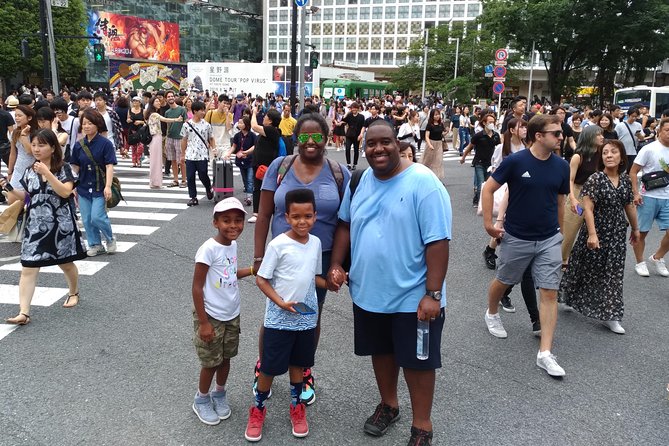
Shibuya Crossing is one of the most famous intersections in the world, and it’s also one of the easiest places to feel overwhelmed. That’s exactly why having a guide helps. They can point out where to stand, how to read the flow of pedestrians, and how to turn the crossing into a short, satisfying stop rather than a constant detour.
The tour specifically notes Shibuya Crossing, along with the beloved Hachiko statue. That adds a story element beyond just the photo op. It’s also a good bridge between districts, since Shibuya sits at the crossroads of Tokyo’s modern life.
Many guides on this type of route are also good at navigating the transport system around Shibuya and moving you to your next stop efficiently. If you’re planning a half-day that includes one iconic city scene plus one calmer site, Shibuya often works as the anchor.
Imperial Palace Grounds: What You Can See Without Inside Access
Imperial Palace is included as a free stop, but with one critical note: this tour does not include access to the inside of the Imperial Palace. In practice, that means you’ll focus on the park-like grounds experience and the surrounding area rather than stepping into restricted interiors.
This is still worthwhile. The palace area is a strong “Tokyo contrast” moment. You get space, walls, and moats, plus the feeling of how the city’s political center used to operate.
If your goal is to see the palace inside, you’ll need to plan that separately. But if you’re happy with exterior grounds views and historical context, this can be a very efficient stop for a 4-hour itinerary.
Some guides have also helped visitors coordinate pacing around the grounds, which helps you avoid trying to do too much in too little time.
Meiji Jingu Shrine and Harajuku: Shrine Calm Next to Teen Fashion
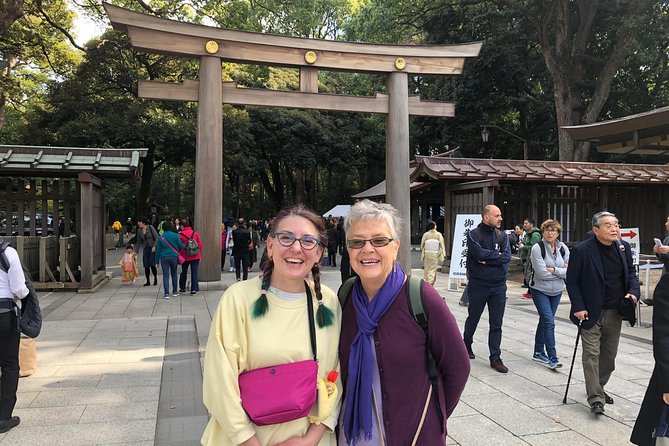
Meiji Jingu Shrine is marked free, and it’s an excellent choice when you want a breather in the middle of a city day. The guide role really shines here, because shrines have their own rhythms and etiquette. You don’t need a lecture, but you do benefit from knowing what to pay attention to.
The tour description places Meiji Shrine beside the busy JR Yamanote Line area near Harajuku Station. That contrast is part of the experience. You step from the rail-and-traffic intensity into a more reflective shrine atmosphere.
Harajuku’s Takeshita Street is listed as free too. It’s the teen-fashion zone, and it’s fun in short bursts. Pairing Harajuku with Meiji Jingu makes sense because you get both the modern youth culture snapshot and the quieter traditional site in one half-day.
If you prefer slower sensory experiences, you might also want a park stop like Yoyogi Park, which is listed as free for a shorter time block.
Gardens With Extra Tickets: When to Budget and When to Skip
Tokyo’s garden options show up multiple times in the stop list, including Shinjuku Gyoen National Garden, Koishikawa Korakuen Garden, Hama Rikyu Gardens, Rikugien Garden, and others. The data marks some of these as not included.
That doesn’t mean they’re not worth it. It means you should decide ahead of time whether the garden time fits your energy and budget. In a 4-hour private format, gardens can eat the clock because you’ll want to walk slowly, pause for views, and enjoy the design.
For garden lovers, these stops can become the highlight of your Tokyo day, because they’re one of the few places where the city feels like it’s holding its breath. For people who want nonstop landmarks, a garden may feel like a time-for-ticket trade.
A smart approach is to pick one garden maximum for this half-day if you’re also doing a busy district like Shibuya or Harajuku. That way you keep the day balanced.
Also note that since admission isn’t included for these gardens here, you’ll want to budget for tickets separately.
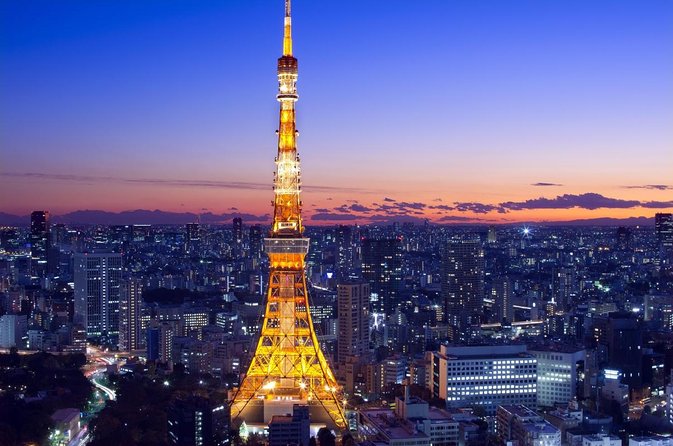
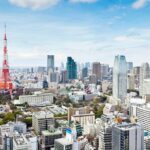
Tokyo Tower (Main Deck Only): Views That Still Hit
Tokyo Tower is included as a stop where top deck access is not included. The tour notes that you can go up to the main deck only, and top deck is not part of this package.
Even so, a tower view in Tokyo is often a great way to understand the city’s geometry. You see density patterns, river and bay edges depending on conditions, and how the neighborhoods relate.
If your heart is set on the absolute highest view experience, you’ll need to add the top deck separately on your own. But if you want a solid viewpoint without turning your day into a ticket maze, main deck access can be enough.
Akihabara, Golden Gai, and the Smaller Tokyo Details
The tour options include Akihabara, known for electronics and the city’s tech and pop culture side. It’s marked as free here, which makes it a low-risk add if you’re curious.
Golden Gai is also listed. It’s famous for its narrow lanes and many small drinking spots. This is the kind of district you appreciate more when you understand what you’re looking at. With a guide, you can get a better sense of how the area is laid out so you don’t spend the whole time walking in circles.
If your goal is entertainment districts or pop culture flavor, these two can provide that “Tokyo after dark energy” even during a daytime half-day. If you’re not interested in electronics or bar alleys, you can swap them for markets, shrines, or gardens.
Koishikawa, Hama Rikyu, Rikugien, and Other Garden Options
You might see stops like Koishikawa Korakuen Garden and Hama Rikyu Gardens listed as not included, and Rikugien similarly not included. These are the types of places that can make Tokyo feel old and deliberate, even while the city around them stays modern.
These gardens also tend to work best when you’re okay slowing down. You’ll likely spend time walking paths and taking in seasonal details. So if your feet are tired, consider whether you want one garden or none.
In a half-day, I’d treat gardens like a spice, not the whole meal. Pick the one that matches your mood, budget for the ticket, then use your guide for pacing and best routes through the grounds.
How Guided Navigation Changes the Day
This tour’s real power is practical navigation help. People have mentioned guides who helped them navigate metro systems, avoid long stair routes, and keep the day running smoothly even for visitors who were worried about public transport complexity.
Tokyo transit can be logical, but it’s not forgiving. Exits, station levels, and walking tunnels can steal time fast. A guide reduces that friction. You spend your 4 hours looking at Tokyo, not solving Tokyo.
You also get a private group advantage. If your pace is slower, your guide can adjust. If you want more time at one spot and less at another, you can often do that by trading which stops you include from the list.
Who This Tour Suits Best
This tour fits you well if you:
- Want a guided introduction to Tokyo highlights without building a full itinerary from scratch
- Prefer to choose a few priorities and leave the rest for another day
- Like walking as a way to learn a city, not a punishment you endure
- Appreciate practical help with trains, station exits, and crowd navigation
It’s less ideal if you:
- Want to do lots of paid attractions in 4 hours without extra ticket budgeting
- Have very limited mobility or fatigue tolerance, since it is a walking tour and meet-up is on foot
- Expect Imperial Palace inside entry, since that access is specifically not included here
Should You Book This Tokyo 4-Hour Private Tour?
If you want a smart half-day that turns Tokyo from confusing into clear, I think this booking can be a win. The price reflects the biggest value here: a government-licensed English-speaking guide, a private pace, and the ability to shape your day by picking 2-3 stops.
Book it if you’re the type who wants to see iconic Tokyo scenes like Senso-ji, Shibuya Crossing, or Meiji Jingu, but you also want to avoid wasting time figuring things out. You’ll walk, you’ll learn, and you’ll likely come away with a better sense of where to go next on your own.
Skip or reconsider if you want guaranteed entry into every paid site on the list or full access to the Imperial Palace interior. With this format, your best strategy is to pick one “ticketed priority” and let the rest be free stops and viewpoints.
If that sounds like your style, you’re exactly the kind of traveler this tour was built for.
FAQ
How many places will we visit in 4 hours?
The tour is customizable, and you choose 2-3 sites from the available list of potential landmarks.
Is this a walking tour?
Yes. It is a walking tour, and pickup is on foot. You meet the guide within a designated area.
Are entrance fees included?
Some stops are listed as free, while others are listed as not included (including several gardens and Tokyo National Museum). Transportation fees, entrance fees, lunch, and other personal expenses are not included.
Does the tour include access to the inside of the Imperial Palace?
No. The tour does not include access to the inside of the Imperial Palace.
What kind of guide will I have?
You get a licensed local English-speaking guide. The guide helps with navigation as part of the experience.
Can I change my tour date?
You can change tour dates up to 2 days before the experience. Changes may result in a different guide or tour unavailability.
Is free cancellation available?
Yes. You can cancel for a full refund if you cancel at least 24 hours before the experience’s start time, and cut-off times are based on local time.
More Guided Tours in Tokyo



More Tours in Tokyo






More Tour Reviews in Tokyo


Not for you? Here's more nearby things to do in Tokyo we have reviewed












Tokyo City Tours, side by side.
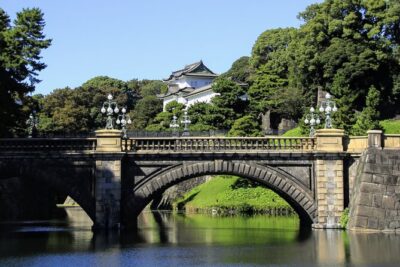 ★ 5.01-Day Tokyo Bus TourFrom $12914,250 reviews
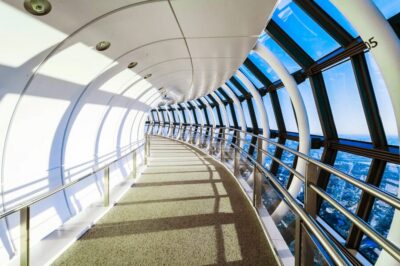 ★ 4.5TOKYO SKYTREE® Admission ticketFrom $1311,192 reviews
 ★ 4.6teamLab Planets TOKYO Digital Art Museum Entry TicketFrom $259,779 reviews
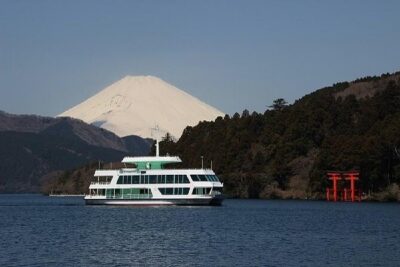 ★ 4.0Mt Fuji & Hakone Cruise, Drum Show Bullet Train 1 Day from TokyoFrom $1497,413 reviews
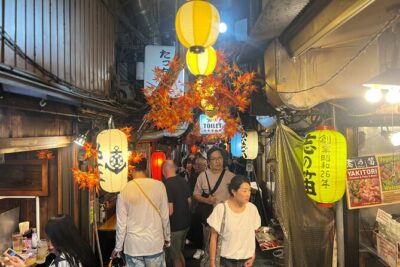 ★ 5.0Shinjuku Food Tour (13 Dishes at 4 Local Eateries)From $866,603 reviews
 ★ 4.4Tokyo Mt Fuji 5th St & Hakone Cruise Bus Tour w/Bullet TrainFrom $1545,024 reviews
 ★ 5.0Flagship 2-Hours Official Street Go-Kart Tour – Tokyo Bay ShopFrom $644,974 reviews
 ★ 4.5From Tokyo: Mount Fuji Full-Day Sightseeing TripFrom $684,970 reviews