
Review · TOKYO CITY TOURS
Tokyo: Giant Robot “Ingram” Factory Tour
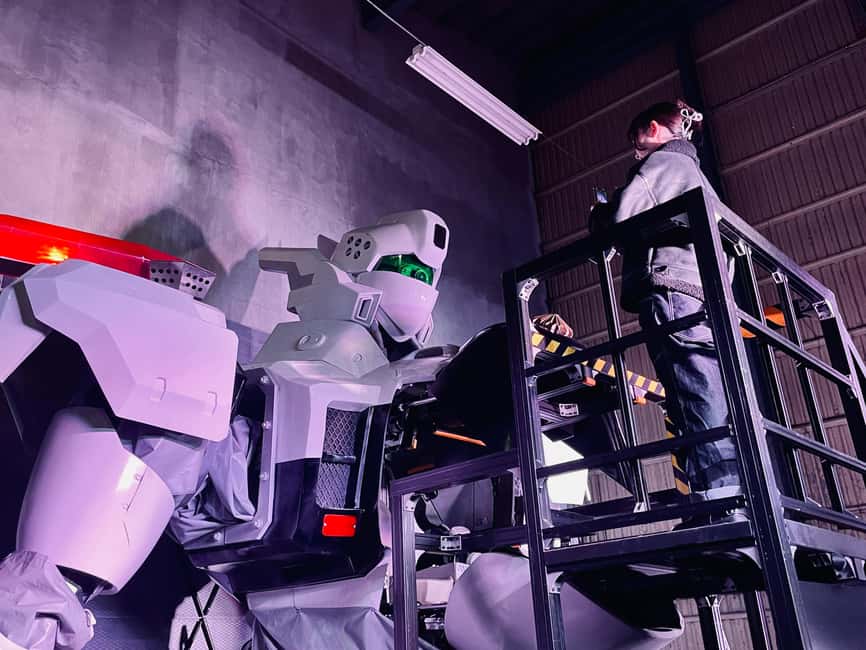
Mecha fans get a rare, hands-on kind of Tokyo stop. This Ingram factory tour lets you examine the life-size Mobile Police Patlabor robot, snap photos, and learn how it was built to move.
What I like most is the real-factory feel, plus the chance to do Ingram hand operation (and potentially upgrade into piloting modes).
One thing to keep in mind: the base ticket is mostly for viewing and controlled hand demos, while the full cockpit piloting costs extra and can involve a lottery, so plan ahead.
Key Points to Know Before You Go
- Life-size Ingram with photo time, plus a staff photo assistant to help you capture it.
- You get an inspection paper mindset, checking details like activation and hand movement like a manager.
- Patlabor Lab merchandise is sold only on site, so you can shop right after the tour.
- Piloting upgrades include robot piloting, in-cockpit hand piloting, and remote hand piloting (extra fee, limited slots).
- Pilot selection uses a lottery, and late arrival can affect eligibility.
A 30-minute appointment with Tokyo’s Ingram mecha
This is not a museum “look and leave” stop. It’s set up like a small, human-run robot lab, where you’re treated like part of the operation team around the life-size Ingram. Even in just 30 minutes, the experience is designed to make the mecha feel functional, not just decorative.
I like that the tour has a strong theme. It’s Mobile Police Patlabor through the lens of testing, data, and iteration, not only fan cosplay. The staff focus on the machine itself, including how the Ingram is supposed to learn smoother movement over time.
Check-in, security pass, and the lab rules that shape your visit
Before you see the Ingram up close, you’ll go through the lab entry process like it’s a real controlled facility. You receive a security pass for entry and sit in provided seating while the staff guide your group through what’s next. Then you’ll get the safety briefing that keeps everyone aligned for photos and any hands-on moments.
This is also where the rules start to matter. You’ll want closed-toe shoes, and the lab is strict about what’s allowed (no pets, no swimwear, no smoking indoors, no alcohol or drugs, and no see-through clothing). If you’re thinking of costumes, that’s allowed only if it matches the Patlabor theme and doesn’t expose too much skin.
Also plan for missing basics. Restroom and food services are not included, and transportation and parking are on you. If you’re the type who hates running around Tokyo mid-day, build your schedule with that in mind.
You can also read our reviews of more tours and experiences in Tokyo.



The core experience: inspect Ingram, check every detail
The tour revolves around one big idea: you’re not just watching the robot, you’re learning how it works. Ingram is placed inside the lab, and an important detail shapes the whole setup: the robot’s legs have been removed to fit the lab space. That means your eyes go right to the upper body, arms, and hands, where most of the action and personality live.
You’ll get time to watch the Ingram and take photos. The staff also provide a staff photo assistant, which is helpful because you’ll want clean shots from the right angles. In several mecha-themed experiences, photos can feel awkward. Here, the staff are ready to help you frame it and keep things moving.
Then comes the “factory manager” vibe. You receive an inspection paper and go through a guided check of details, including robot activation and hand movement. It’s a clever way to make the visit feel like quality control. It also helps non-fans understand what’s special about this robot, beyond the anime design.
Patlabor lore and the real testing story behind Ingram
The lab’s talk hits a mix of fandom and engineering. You’ll learn about Patlabor and the specific development path of the Ingram, including the AVX-S30 Ingram prototype going through many tests to gather data. That data matters because it supports a CPU upgrade, including a 128-bit CPU upgrade referenced in the tour materials.
Here’s the part that makes this tour feel unusually “thought through.” The story ties the motions to data collection from real people. The concept is that piloting data from people around the world helps Ingram move more smoothly and effectively. In other words, the anime fantasy is treated like a human-in-the-loop testing system.
If you’re only casually familiar with Patlabor, you’ll still be fine. The tour doesn’t require a deep background. The staff are there to connect what you see in the lab with what it means in the story, so the mecha stays the center of the experience.
Inside the Ingram viewing area, and how the photo moments work
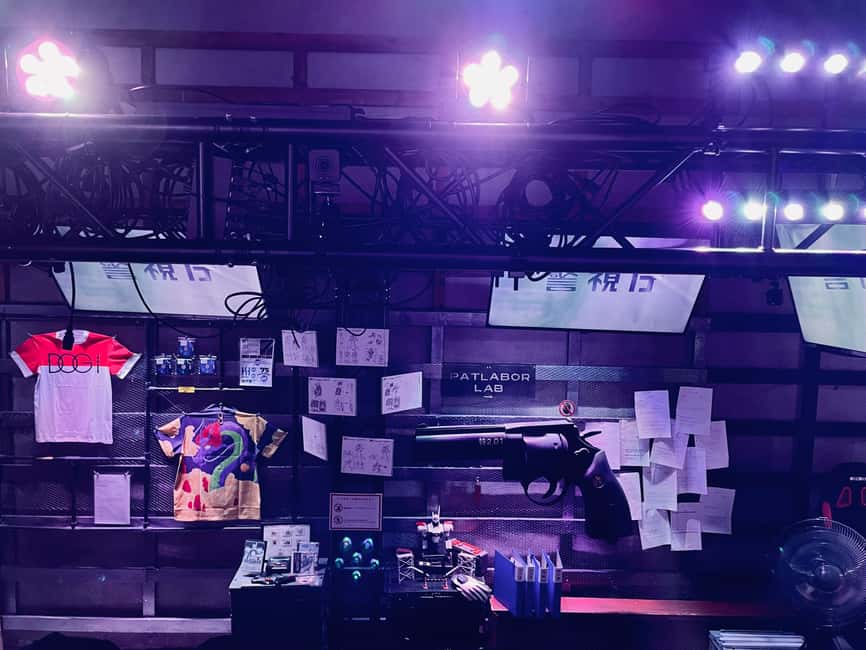
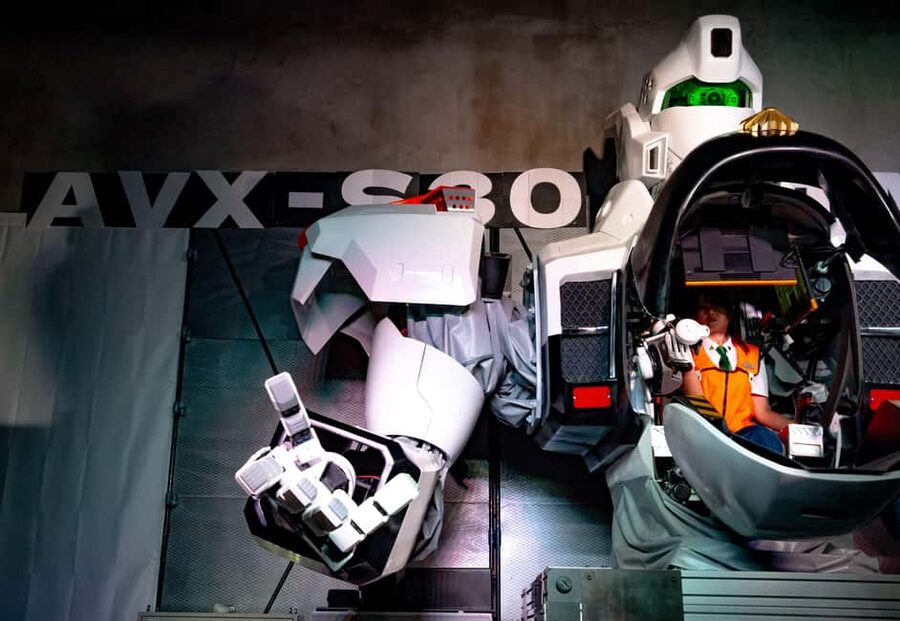
Once you’re in the viewing zone, expect a strong “wait, it’s real” feeling. The Ingram is full-scale and human-operated in a way that makes it feel alive even when you’re just watching. Because the legs are removed, you focus on the arms, hands, and the cockpit area.
One of the most talked-about moments is getting close enough to appreciate the design. You can make time for photos, then the staff keep you moving through the sequence so other guests can do their turn too. Since your session is short, it helps to show up ready. If you wander or forget something, you won’t have a long buffer.
If your session includes the upgrade options, you may also be able to experience special viewing angles. For example, one part referenced in participant notes is an elevation lift experience that can let you briefly see out from inside the Ingram unit, depending on how your session is set up.
Optional piloting upgrades: how the “hands” control really differs
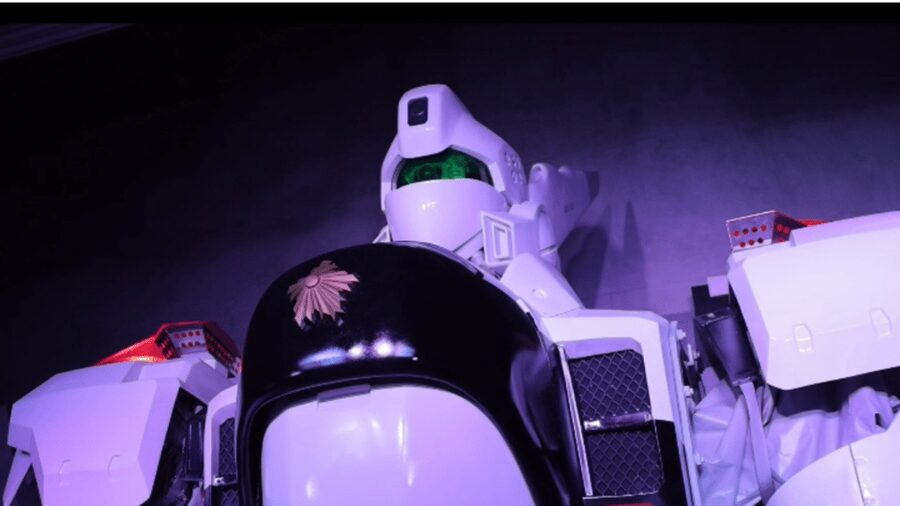
This is where you decide what kind of mecha dream you want. The base experience includes Ingram hand operation (without boarding). That’s already a fun, tactile chunk because you’re interacting with the machine’s hand movement rather than only standing back.
But the tour also offers piloting upgrades for an additional fee. The materials describe three main upgrade paths, each with different “who does what” energy:
- Robot Piloting (limited to one pilot per session)
You pilot using new motion tracing technology from the shoulders down to the finger tips. This is the closest match to the full fantasy of controlling a mecha like it’s your body.
- In-Cockpit Hand Piloting (limited to 3 people per session)
You board the Ingram and operate the hands using contact gloves. This option is about hand-level control and presence. In participant notes, the cockpit experience is often described as the highlight, even for people who didn’t expect to love it as much as they did.
- Remote Hand Piloting (contact gloves while observing around the robot)
You wear the contact gloves and test movements while you watch the robot from outside the cockpit. It’s still hands-on, but the experience is more about controlling and observing rather than “becoming the pilot.”
Two practical truths matter here. First, the operation experience is about 10 minutes per person when you do the piloting upgrade. Second, the lab uses a lottery to decide the pilot, and the lottery can’t be used if you arrive late. If you want piloting, arrive early and treat the start time like the real start of a job shift.



Timing, group size, and what makes this feel smooth
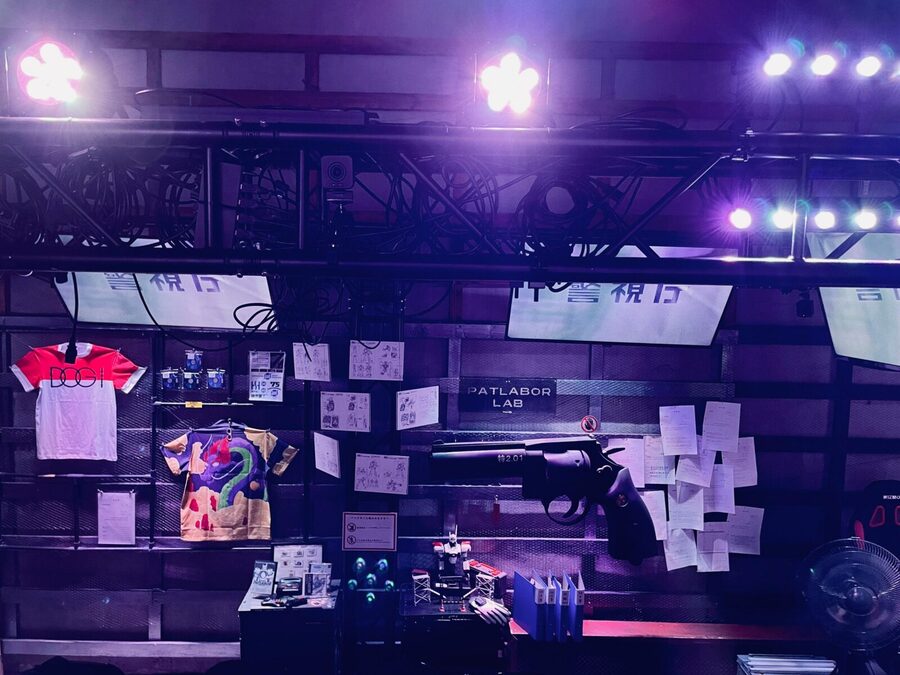
The tour is compact by design, about 30 minutes total. Small group structure is part of the magic here because it keeps the robot time from feeling rushed or chaotic. The operator lists small groups limited to 10 participants, and also states a maximum number of participants as 12. Either way, you should expect a short line of people, not a crowd.
What you’ll feel most is how quickly the lab transitions from instruction to action. The staff guide you through rules, safety, and then into the photo and robot time. The staff also help record video and photos for guests, including helping you get the shot you want without blocking anyone else.
If you’re sensitive to tight schedules, take note that the time slot can’t be extended for late arrivals. This is one of those experiences where punctuality protects your fun.
Merchandise at the Patlabor Lab, and what’s worth buying
After the robot time, you can shop. The tour includes a stop to buy Patlabor merchandise sold only in the Patlabor Lab. That matters because this isn’t just a tourist souvenir shelf. It’s tied to the location and the fan culture that keeps this place running.
Based on participant notes, visitors tend to walk out with small collectibles like acrylic stands and mini Ingram toys. If you’re a collector, you’ll probably want to budget a bit beyond the ticket price. The merchandise can add up, but the value is that it’s connected to the real lab experience.
Price and value: why $14 feels like a “base ticket” to a bigger dream
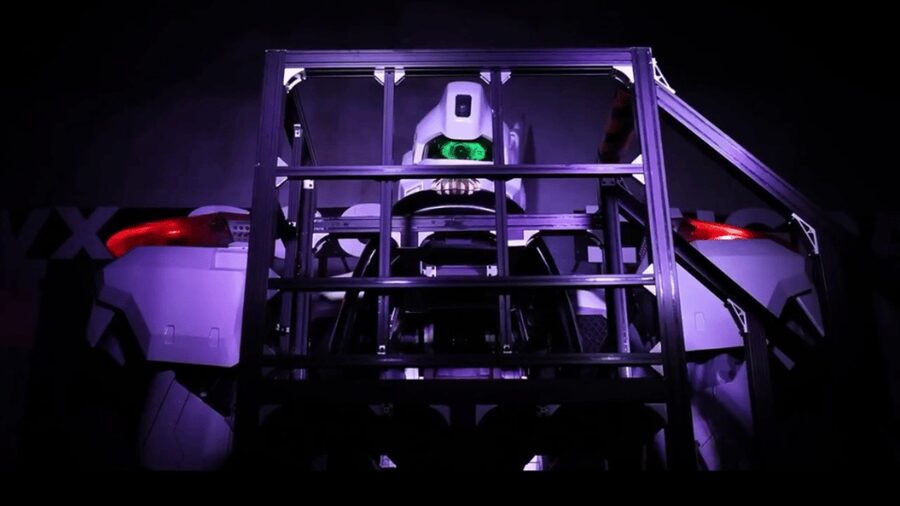
The price is listed at $14 per person, and that’s for the core 30-minute tour experience. For many fans, that’s already a fair deal because you get a real photo-worthy, life-size mecha moment plus structured explanations and guided interaction with the hands.
But you should understand how the money is split. The base experience includes hand operation without boarding. The full cockpit and deeper piloting options come as additional paid upgrades. In participant notes, people who did the cockpit piloting often call it a once-in-a-while feeling, but they also acknowledge the extra cost.
So here’s the value equation I’d use when deciding:
- If you want a simple Ingram viewing plus photos and some controlled hand action, the base ticket can make sense.
- If you want the best “I actually piloted it” story, you should plan for the upgrade. Budget for it upfront so you don’t end up negotiating your excitement in the moment.
Who should book this Ingram factory tour
This is best for Patlabor fans, mecha fans, and people who like engineering made visual. The tour is short, but it gives you a coherent story: machine design, testing, and the idea that movement can be improved via data.
It’s also a good solo activity. The experience doesn’t require you to coordinate with a big group, and staff help keep your photo and interaction time organized. In notes from visitors, solo guests and couples both reported strong results.
It’s not for everyone. The materials list several “not suitable” categories, including pregnancy, back problems, mobility impairments, recent surgeries, people under 110 cm (3 ft 6 in), people over 80 years, and people over 200 lbs (91 kg). If any of these apply, skip the piloting aspect at minimum. Also be aware that you may need to fit comfortably around the cockpit setup for cockpit options.
Practical tips so your 30 minutes go smoothly
A good mecha moment depends on small logistics working in your favor.
- Arrive on time. Piloting lottery eligibility can be affected by late arrival.
- Wear closed-toe shoes. It’s a safety requirement and also makes you feel steadier in the lab space.
- Plan for no restroom and no food services as part of your schedule.
- Bring your patience for short slots. You get a tight timeline, so commit to the experience rather than treating it like a wandering attraction.
- Expect a safety agreement if you do piloting, and remember that overseas insurance is required in case of injury during the safety-controlled measures.
If you’re traveling from farther parts of Tokyo, also note that one participant flagged that the site can feel far from the subway. So when you plan your day, don’t treat this as a “pop in between stops” activity unless your transit timing is clean.
Should you book the Ingram factory tour?
Book it if you want a Tokyo experience that’s rare and specific: a life-size Patlabor mecha lab visit where you’re not only looking, you’re checking and operating the hands. The photo time, the inspection paper approach, and the option to upgrade into cockpit or glove piloting make it feel like a real fandom reward.
Skip it if you’re expecting a cheap, all-access mecha ride. The base ticket is great for viewing and hand operation without boarding, but the full piloting is an add-on and can depend on lottery selection. If your main goal is simply to see the robot from a distance, you might find better value elsewhere.
If you want my advice in one line: treat this as a short mission with one main payoff, the Ingram up close, then decide early whether you want to pay for the piloting upgrade so the experience matches your dream.
More Tours in Tokyo

More Tour Reviews in Tokyo
Not for you? Here's more nearby things to do in Tokyo we have reviewed












Tokyo City Tours, side by side.
 ★ 5.01-Day Tokyo Bus TourFrom $12914,250 reviews
 ★ 4.5TOKYO SKYTREE® Admission ticketFrom $1311,192 reviews
 ★ 4.6teamLab Planets TOKYO Digital Art Museum Entry TicketFrom $259,779 reviews
 ★ 4.0Mt Fuji & Hakone Cruise, Drum Show Bullet Train 1 Day from TokyoFrom $1497,413 reviews
 ★ 5.0Shinjuku Food Tour (13 Dishes at 4 Local Eateries)From $866,603 reviews
 ★ 4.4Tokyo Mt Fuji 5th St & Hakone Cruise Bus Tour w/Bullet TrainFrom $1545,024 reviews
 ★ 5.0Flagship 2-Hours Official Street Go-Kart Tour – Tokyo Bay ShopFrom $644,974 reviews
 ★ 4.5From Tokyo: Mount Fuji Full-Day Sightseeing TripFrom $684,970 reviews