
Review · MOUNT FUJI TOURS
Tokyo: Mt. Fuji, Arakurayama Sengen Park, Oshino Hakkai Tour
Fuji in one long day is a thrill. This tour strings together classic viewpoints and scenic villages around Fujiyoshida and Lake Kawaguchi, with seasonal magic at almost every stop.
I like the stress-free flow: roundtrip bus from Shinjuku, set sightseeing windows, and an English-speaking guide so you can focus on the sights instead of logistics. I also like that the plan includes both the famous photo spots and quieter moments, especially the thatched-roof village at Saiko Iyashi-no-Sato Nenba and the calm spring-water ponds at Oshino Hakkai.
One consideration: the day includes walking, long stairs, and uphill sections, so you should wear solid shoes and think twice if mobility is limited. Also, Oishi Park is weekday-only, and it can get canceled if traffic delays hit on a weekday.
Key points worth knowing before you go
- Full Mount Fuji circuit from Shinjuku: multiple lakeside and village stops in one day, with roundtrip transportation included
- Best-photo scenery, timed by season: pagoda and Fuji views at Arakurayama, then water reflections at Oshino Hakkai
- Oishi Park is not guaranteed: weekday-only access, and cancellation can happen if delays occur
- Thatched village pace at Saiko Iyashi-no-Sato Nenba: a slower, more rural-feeling finish
- Expect stairs and uphill: plan for real walking, even with free-time blocks
A 9.5-hour Mount Fuji loop from Shinjuku that actually feels doable
This is a long day, about 570 minutes from start to finish, but it is structured so you are not constantly planning. You get a coach ride out of the city, then a sequence of stops around Fujiyoshida and the Lake Kawaguchi area, ending back in Shinjuku.
For many people, the value is not just seeing Fuji. It is the way the itinerary clusters big sights close enough to fit in one day, while still giving you free time to wander and take photos without feeling rushed every single minute.
You can also read our reviews of more tours and experiences in Tokyo.



Meeting point at Kogakuin University, look for the Wonder Tour flag
You start at the Front of Kogakuin University Shinjuku Station West Exit. From the Shinjuku West Exit, there is a short walk, about 1 to 2 minutes, toward the Tokyo Metropolitan Government Building, and you should see Kogakuin University-mae by then.
Look for the Wonder Tour flag near the meeting area. The operator notes that they will not contact you in advance, so show up on time because the day depends on hitting each stop’s window.
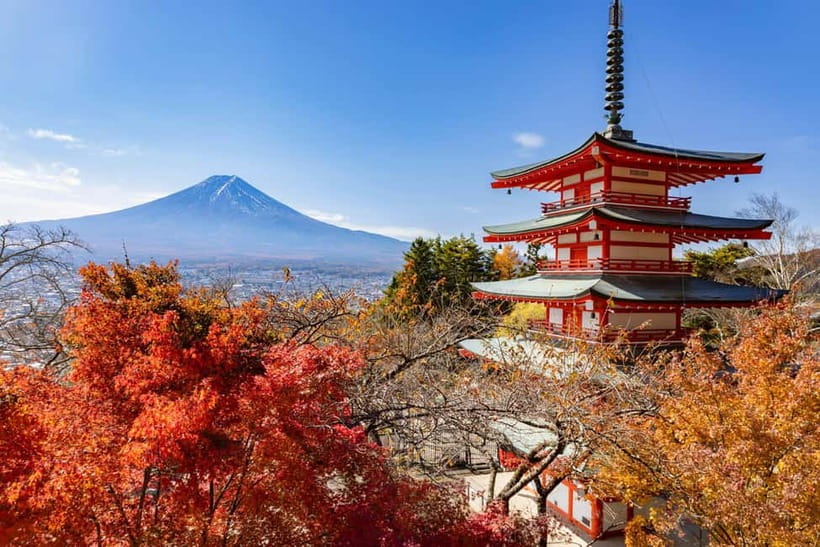
Arakurayama Sengen Park and the five-story pagoda, Fuji framed every season
Arakurayama Sengen Park is the headline stop for a reason. You are looking for the signature scene of Mount Fuji with the park’s five-story pagoda in view, and the vibe changes dramatically by season.
In spring, the park can be dreamy with cherry blossoms, where the pagoda and Fuji can look like they belong on a postcard. In summer, you get lush greenery and clearer contrast against the blue sky. In autumn, expect red leaves on the hillside, and the pagoda can look extra romantic against orange and red foliage. In winter, snow on the pagoda roof plus a crisp white Fuji view is the kind of sight people travel specifically for.
A practical note: this is also a place where photo crowds can form. If you want cleaner angles, keep moving a bit, and do not assume the first viewpoint will be the best one.
Hikawa Clock Shop, a short break that helps the day feel less rushed
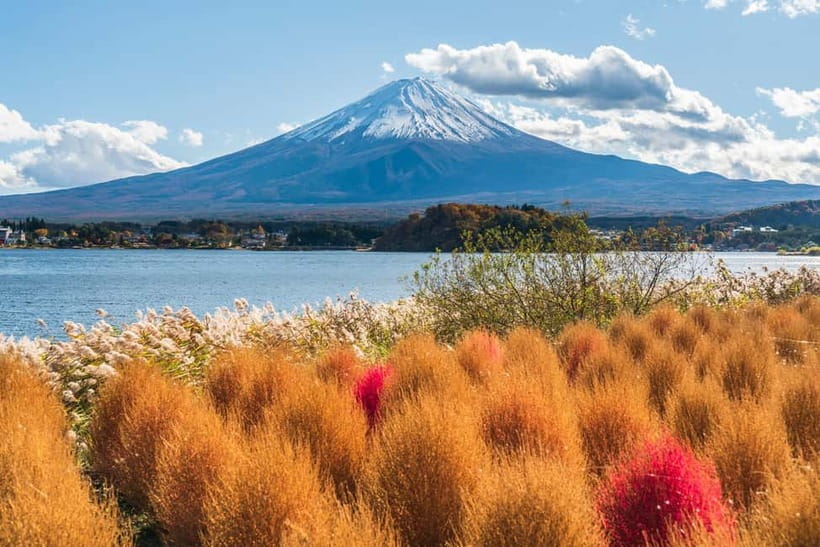
Between the first Fuji viewpoint and Oshino Hakkai, there is a 30-minute stop at Hikawa Clock Shop. This portion is short by design, more of a quick break than a full activity.
What you should treat this time as: a chance to reset your legs, browse for small souvenirs, and grab a few photos in a quieter moment before the next scenic walking area. If you tend to get restless after long bus rides, this stop is useful. If you hate shopping stops, you can still use it as a break without overthinking it.
Oshino Hakkai spring-water ponds for calm, clear nature views
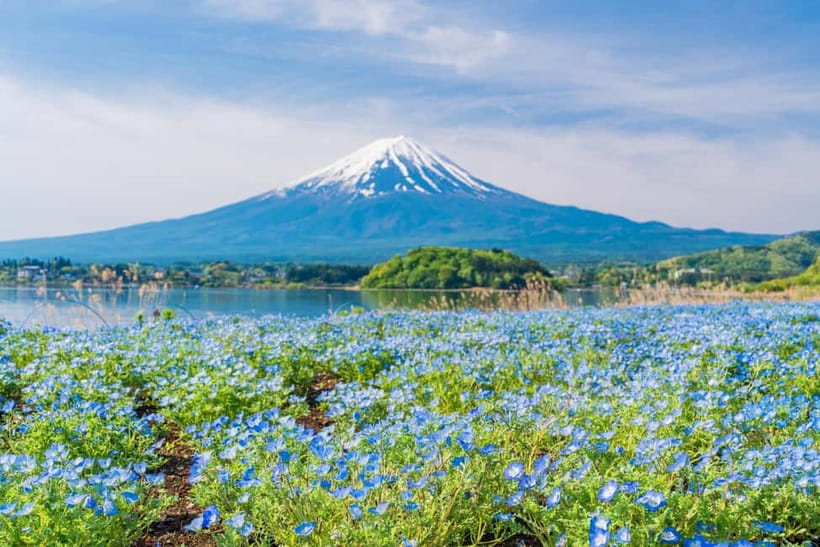
Oshino Hakkai is where the day shifts from dramatic Fuji framing to something gentler. You get about 1.5 hours here, which is enough time to see the main ponds and still slow down for photos.
The key feature is the spring-water system. In spring, cherry blossoms may appear around the water, and Fuji can reflect on the surface for a poetic look. In summer, the spring water is described as clear and cool, with greenery mirrored in the ponds. In autumn, red leaves can fall onto the water, creating a peaceful, elegant feel. In winter, snow can blanket the village while the water stays crystal clear, which makes the contrast feel especially striking.
Because this stop is centered on water and natural surroundings, it is a strong choice if you want a break from only looking at mountains and rooftops. It is also a good place to take your time, since you are not climbing as hard as at the more pagoda-focused viewpoints.



Oishi Park weekday-only, a fast photo stop with Lake Kawaguchi plus Fuji
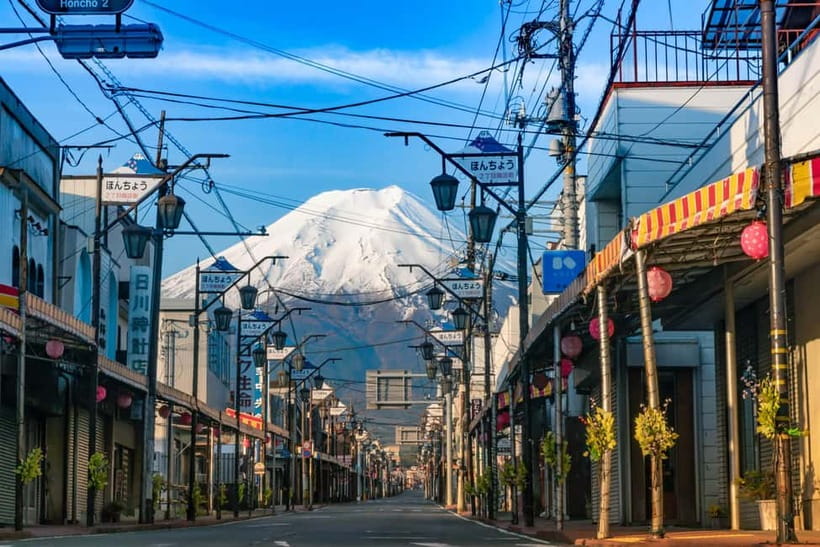
Oishi Park is a 30-minute photo stop with views over Lake Kawaguchi and Mount Fuji in the distance. The catch is availability.
Oishi Park is open only on weekdays, and it is closed on weekends, holidays, and during Golden Week (April 29 to May 5). Even on a weekday, the operator notes it can be canceled if traffic delays occur.
So treat it like a bonus if it is open, not a guaranteed must-see. If you are traveling during prime times like early May, you should be mentally prepared that you may miss it.
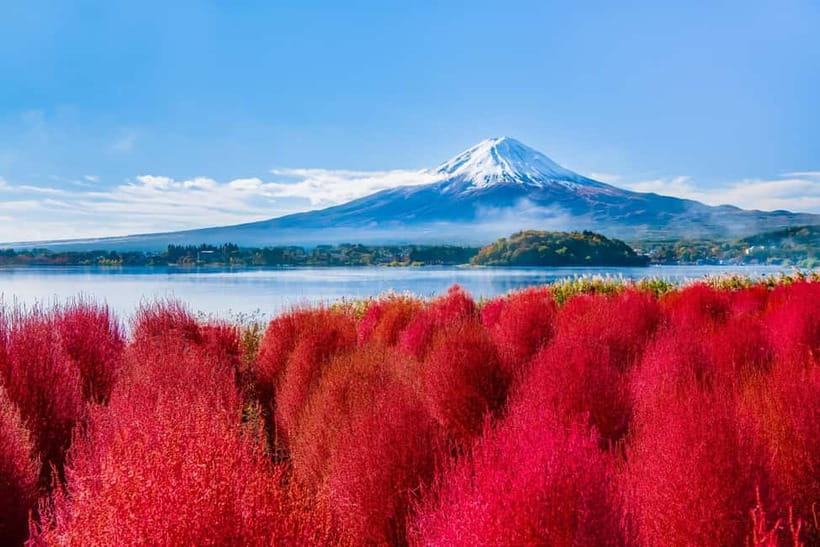
When Oishi Park is accessible, the seasonal look can be a big part of the payoff. Spring is described with tulips and moss phlox. Summer is lavender bloom season with a fragrant lakeside atmosphere. Autumn is golden lakeside grass with Fuji’s first snow sometimes visible in the distance. In winter, you can get snowy mountain reflections and a quieter sense of majesty.
Saiko Iyashi-no-Sato Nenba, thatched-roof “healing” village energy
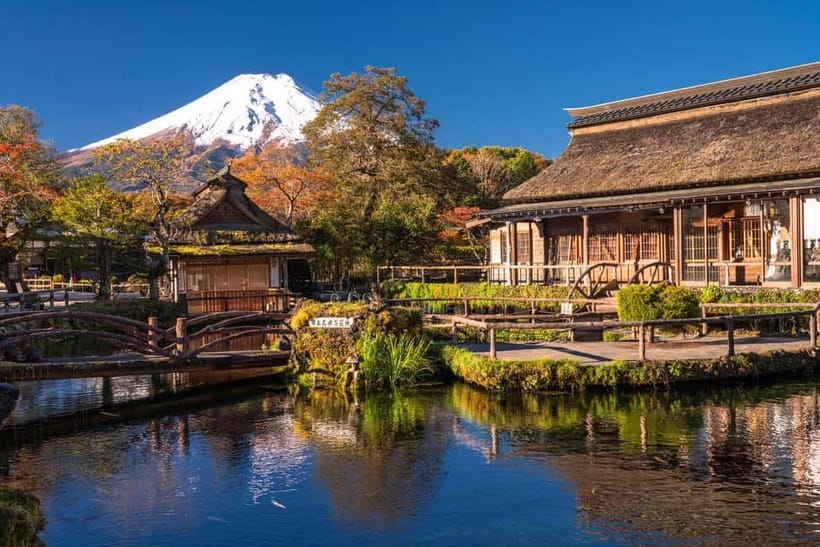
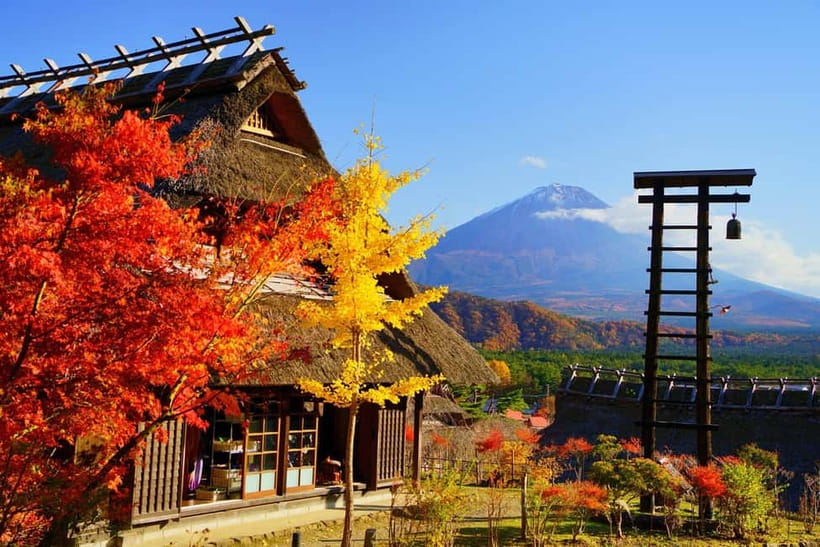
This is the most relaxing-feeling stop on the tour. You get about 1 hour at Saiko Iyashi-no-Sato Nenba, and you also get the ticket included for this village.
The signature is its traditional thatched-roof architecture. In spring, the thatched houses and cherry blossoms can feel like you stepped into rural Japan. In summer, rice fields and streams show up with mountain breezes that bring fresh natural scents. In autumn, red leaves can cover the hillside, and the rooftops can feel like they are part of a time-travel scene. In winter, snow covers the roofs, and steam rising from hot springs can create a fairy-tale village feeling.
This stop is perfect when you want something more than scenic photos. It is also a nice counterbalance to the earlier viewpoints, since the vibe here is slower and more human-scale.
The guide and transportation: what you get, and where it can differ
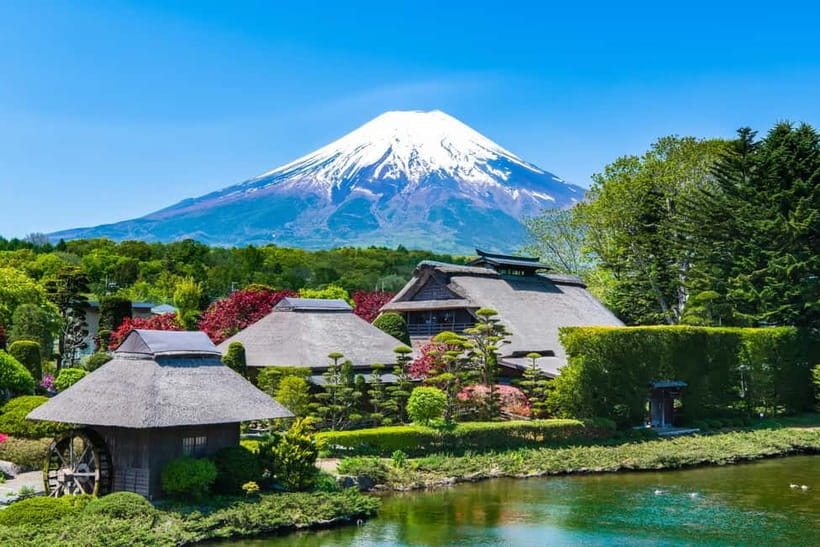
The tour includes roundtrip transportation and an English-speaking guide, plus the Saiko Iyashi-no-Sato Nenba ticket. That matters because the day runs on tight timing, and explanations help you understand what you are seeing.
One important nuance is how commentary might be handled depending on the vehicle. The operator notes that if you travel by Hiace or microbus, the driver provides Chinese or machine-translated English commentary, and a professional guide may not be included in that format.
So if your top priority is natural, fully guided English narration, it is worth keeping that in mind when you book. Either way, you will still have someone managing the flow between stops, which is the main reason this itinerary stays manageable from Shinjuku.
Price and value: does $50 make sense for Fuji day-trip logistics?
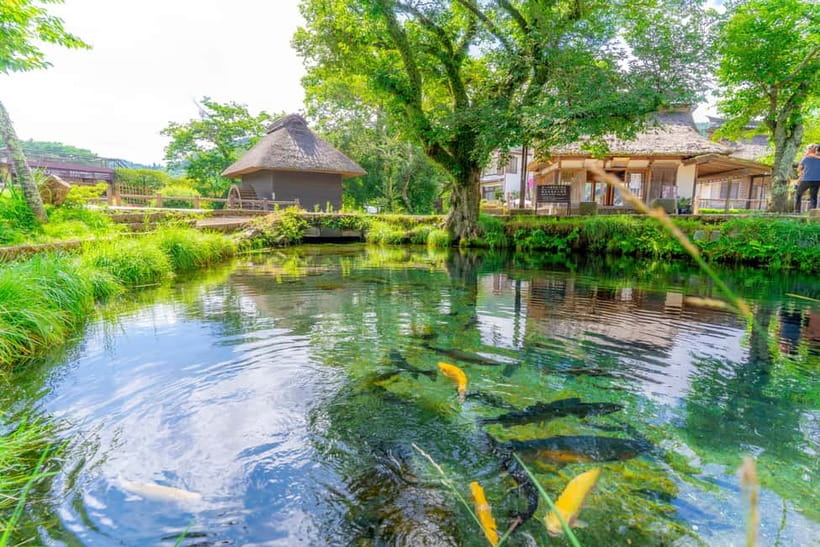
At about $50 per person, this looks like good value for a full-day Fuji circuit, especially because it includes roundtrip transportation and a ticket for Saiko Iyashi-no-Sato Nenba. The big work of getting you out of Tokyo and back is handled for you, which normally costs time and energy if you try to DIY.
What is not included: meals and personal expenses. Plan on buying your own food near transit points or at breaks, and budget for small extras like snacks or water. Also, bring cash, since the tour information specifically calls that out.
If you are the kind of traveler who hates complicated schedules, this price tag is easier to justify. If you already know the public transit game and you want maximum flexibility, a self-planned trip could be cheaper. But for most first-time visitors, convenience is the point, and this tour buys that convenience.
Season planner: when each stop looks best around Mount Fuji
If your travel dates are flexible, timing makes a huge difference on this route. The tour gives guidance on what to expect in each season, and it helps you prioritize your photo targets.
For spring, cherry blossom viewing around Mount Fuji is typically from late April to early May. Bloom dates and flower counts can shift with weather, but the overall window is reliable enough to plan around.
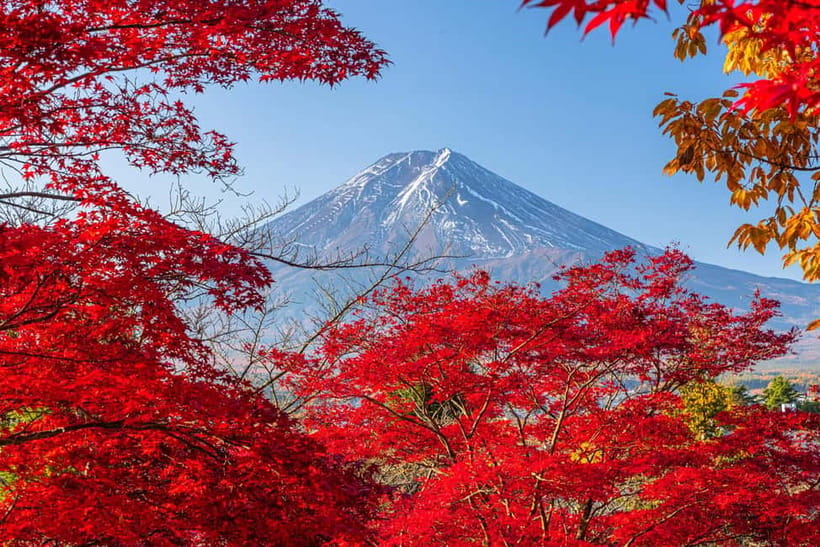
For autumn, the best foliage timing is usually late October to early November, depending on conditions. That is when the hillside colors at Arakurayama can look especially strong, and when reflection views at Oshino Hakkai can look especially dramatic.
Winter is all about contrast. Snow on roofs and pagoda roofs plus crisp Fuji visibility can look amazing, but mornings may require warmer layers than you expect. Summer is about clear skies plus green intensity, and it tends to make the parks feel fresh and airy.
Practical tips so you do not spend the day fighting your feet
Even with set sightseeing windows, the tour includes long stairs and uphill sections. The operator explicitly says it is not recommended for seniors who require crutches, and it also states the tour is not suitable for people over 70 years.
Wear comfortable, grippy shoes. If you know you tire quickly on stairs, plan to take shorter pauses and avoid saving all your energy for the last viewpoint. The schedule includes multiple photo-friendly spots, so you will walk on and off throughout the day.
Also think about what you bring. The tour notes each passenger may bring one suitcase up to 30 kg and total size up to 155 cm, and you should not store valuables in the bus trunk.
And one more practical reality: the tour mentions Oishi Park visits may be canceled if traffic delays happen on weekdays. So be ready to shift expectations without getting stuck on one single photo plan.
Who this Mount Fuji day trip suits best
I think this works best for you if you want a guided, low-stress Mount Fuji day from Tokyo with multiple “big-name” stops. It is ideal for first timers who want the famous Arakurayama pagoda view, then the water-focused calm of Oshino Hakkai, then a village finish at Saiko Iyashi-no-Sato Nenba.
It is less ideal if you are extremely sensitive to walking uphill, if you need very slow pacing, or if you rely on accessibility supports that make stairs difficult.
If you like your travel day organized, this itinerary gives you structure. If you love wandering with no time limits, you might feel the schedule is firm.
Should you book this tour?
You should book if you value convenience, roundtrip transport, and a guided day that hits several Mount Fuji highlights without you juggling tickets and transfers. It is also a good choice if you want seasonal variety, because the park and pond areas are described with clear spring, summer, autumn, and winter expectations.
Consider skipping or adjusting expectations if you are traveling on a weekend or Golden Week, because Oishi Park is weekday-only and can get canceled even on weekdays due to traffic delays. And if you have mobility limitations, take the stair and uphill notes seriously.
FAQ
Where do I meet the tour in Tokyo?
Meet at the front of Kogakuin University Shinjuku Station West Exit. Walk about 1 to 2 minutes toward the Tokyo Metropolitan Government Building from the Shinjuku West Exit, and look for the Wonder Tour flag.
How long is the tour?
The total duration is about 570 minutes.
What is included in the price?
Included items are roundtrip transportation, the Saiko Iyashi-no-Sato Nenba ticket, and an English-speaking guide.
Are meals included?
No. Meals are not included.
Can I visit Oishi Park on weekends or holidays?
No. Oishi Park is open only on weekdays. It is closed on weekends, holidays, and during Golden Week (April 29 to May 5). Even on weekdays, the stop may be canceled if there are traffic delays.
What should I bring?
Bring cash, since the tour information specifies cash.
Is the tour suitable for older adults or people with mobility issues?
It is not suitable for people over 70 years. The tour also notes that there are long stairs and uphill sections, so it is not recommended for seniors who require crutches.
More Tours in Tokyo

More Tour Reviews in Tokyo
Not for you? Here's more nearby things to do in Tokyo we have reviewed












Mount Fuji Tours, side by side.
 ★ 5.0Mt Fuji and Hakone 1-Day Bus Tour Return by Bullet TrainFrom $16326,383 reviews
 ★ 4.0Mt Fuji & Hakone Cruise, Drum Show Bullet Train 1 Day from TokyoFrom $1497,413 reviews
 ★ 4.4Tokyo Mt Fuji 5th St & Hakone Cruise Bus Tour w/Bullet TrainFrom $1545,024 reviews
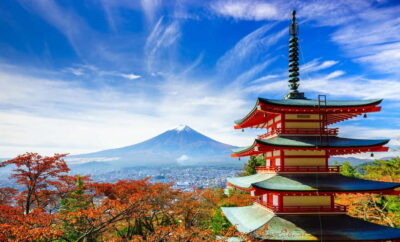 ★ 4.5From Tokyo: Mount Fuji Full-Day Sightseeing TripFrom $684,970 reviews
 ★ 4.7Mt. Fuji Tour, Hakone Ropeway, Owakudani, Lake AshiFrom $544,002 reviews
 ★ 4.2Mt. Fuji 5th Station & Hakone Cruise 1-Day Bus TourFrom $1292,381 reviews
 ★ 4.7Mt Fuji Top 5 Spots Day Tour: Arakurayama Park,Oshino HakkaiFrom $532,066 reviews
 ★ 5.0Private Tour to Mt. Fuji and Hakone (Fully Licenced Operator)From $4971,910 reviews