
Review · NIKKO DAY TRIPS
Tokyo: Nikko Trip Toshogu Shrine Kegon Falls & Lake Chuzenji
A day in Nikkō can feel like time travel. You get the UNESCO Tosho gu Shrine side of Japan, then swap to misty waterfalls at Kegon Falls, and finish with calm views at Lake Chūzenji. I like that the route is structured so you hit the headline sights without feeling rushed, and you get an English-speaking guide who can translate what you are actually seeing, not just recite facts. One consideration: it is a long day with a lot of walking, and weather changes can make the outdoor parts slippery.
This is also a good fit if you want a small-group day trip. The price is $550 per group up to 6, so you share transport and guide time without the stress of a huge crowd. The only real drawback is that lunch and drinks are on you, and photo rules can limit quick, free-for-all shooting in certain areas.
Key highlights you should care about
- Toshogu Shrine’s Ieyasu mausoleum: lavish Edo-period detail, including the Three Wise Monkeys and Yomeimon Gate
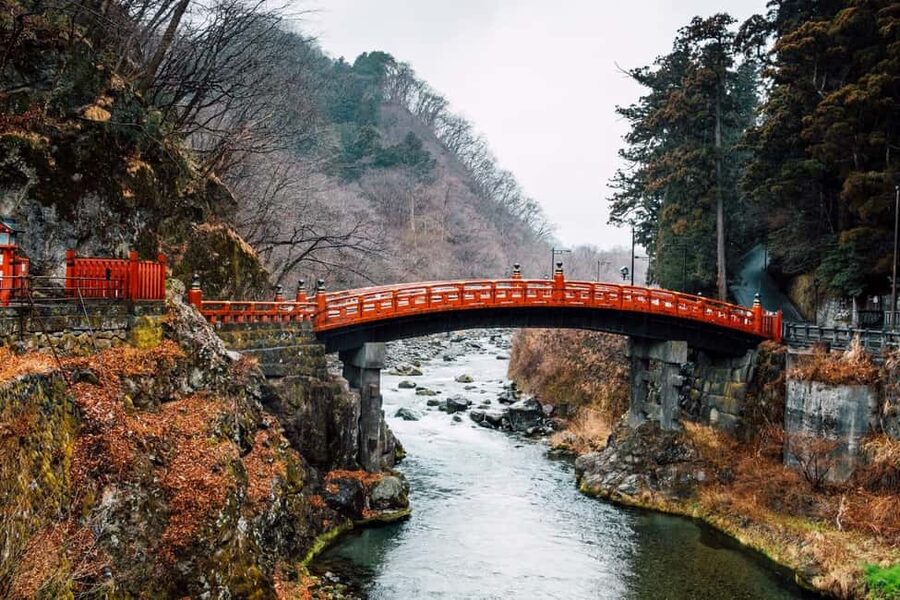
- Shinkyo Bridge over the Daiya River: bright red arch photo stop with a short walk and good side views
- Kegon Falls at 97 meters: elevator access to a lower viewing area for closer photos and mist
- Lake Chūzenji views from Mount Nantai’s base: calm, scenic break that changes your pace
- Optional Akechidaira Ropeway upgrade: panoramic mountain and water views if you want extra altitude
Entering Nikkō from Tokyo: a day that moves on purpose
Nikkō is one of those places that works especially well as a day trip because it gives you big variety without needing hotel logistics. In one outing you cover sacred architecture, river views, a major waterfall, and a mountain lake setting. That mix is the point. You are not just “seeing sights,” you are switching environments on purpose, which makes the day feel lighter even when the schedule is full.
This tour runs about 8 to 9 hours, with round-trip transport from Tokyo and an English-speaking guide. Since it is a private group up to 6, you can ask real questions while you walk, not wait for a bus full of people to shuffle into place. And because the guide is listed with multiple language options (English plus Urdu, Japanese, Hindi, and Punjabi), you should be able to choose the communication style that makes you comfortable.
The day is built around walking. Comfortable shoes are not optional. You will also want sun protection and water, even if the weather looks mild.
You can also read our reviews of more tours and experiences in Tokyo.



Ueno Toshogu Shrine: the warm-up stop that helps you read Nikkō
The outing starts with a visit to Ueno Toshogu Shrine back in Tokyo. It is about an hour, and it acts like a warm-up so Nikkō does not feel random. Even if you only know a few names, you will get a quick sense of why the Tokugawa-era shrine style matters: bold color, ornate detail, and the feeling that the whole place was designed to slow you down.
Why I like this approach: it teaches your eyes what to look for before you reach the bigger UNESCO site. If you are the kind of person who tends to take photos first and understand later, this stop helps you flip that order.
The only real drawback is time. If you were hoping to spend every minute strictly in Nikkō, you will feel that this Tokyo stop steals a bit of prime daylight. But it usually helps you enjoy the main shrine more, not less.
Toshogu Shrine and Tokugawa Ieyasu’s world: where detail is the whole story
The headliner is the UNESCO World Heritage Toshogu Shrine, famous for the lavishly decorated mausoleum connected to Tokugawa Ieyasu. This is not a “walk through a building” type of stop. It is a “watch how the shrine communicates power and belief” kind of place.
Here are the specific features that matter most:
- The Three Wise Monkeys carving, which is one of the most recognizable motifs
- Yomeimon Gate, often called the Gate of the Sun
- A shrine complex where Buddhist and Shinto architecture harmonize with the forested mountain setting
The guide’s role matters here. Without context, ornate carvings can blur together. With an English-speaking guide, you get explanations tied to Edo-period history and why these symbols show up where they do. That turns the photos from decoration shots into real “I understand what I am looking at” images.
Practical tip: plan on going slowly. You do not need to sprint from gate to gate. If you rush, you miss the small visual cues that make Toshogu special.
Possible consideration: photography can be limited in certain areas, so keep your camera ready but follow the guide’s instructions. And if you are sensitive to crowds, know this is a popular UNESCO site, so you may need patience at the most photographed spots.
Shinkyo Bridge over the Daiya River: the easy win for dramatic color
Next comes Shinkyo Bridge, a quick photo stop plus walk time. The bridge is a bright vermilion arch over the Daiya River, and it is one of Nikkō’s most picturesque postcard views.
This is where the day often feels like it gets easier. You have a chance to step away from the dense detail of shrines and take in a calmer river scene with a strong color accent. The walk and the views on the way help you get your bearings, especially if it is your first time in the area.
One fun detail to look for: along the Daiya River, there are rows of Jizo statues. The tour route includes time for a peaceful walk where the guide points out how the count can seem different as you move along the line. It is the kind of small observation that makes the area feel more alive, not just scenic.
Caution: the bridge and river paths are outdoors. If the weather is wet or the ground is uneven, take your time.
Lunch break: take the guide’s advice, not just random menu reading
Lunch is scheduled for about an hour at a local restaurant, but meals and drinks are not included in the tour price. This gives you flexibility, and it also keeps the tour from getting heavy or overpriced at every stop.
One detail that comes up strongly in the best feedback is a guide named Anees. He was described as polite, helpful, and well informed, and he recommended an Indian restaurant for lunch that was both reasonable and home-made tasting. That tells you something important: the guide is not only there for monuments. He is there for the day.
If you have dietary needs, ask before you commit. A guided lunch stop is often your easiest moment to communicate clearly without the language barrier.



Kegon Falls: the 97-meter must-see, and how to get closer
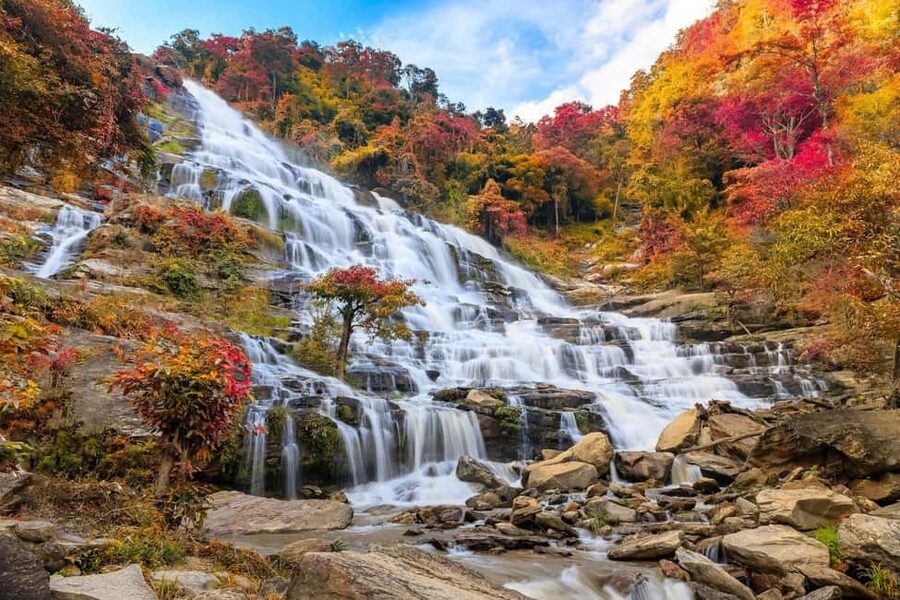
Then you hit Kegon Falls, famous for dropping 97 meters and being counted among Japan’s top three waterfalls. This is the “stop whatever you are doing and look up” segment of the day.
What makes Kegon Falls hit harder than photos is scale and sound. Even when you think you have already seen waterfall pictures, the real thing changes your sense of size. The tour gives you about 2.25 hours for this stop, which is a smart amount of time. You are not just rushing to the best platform and leaving.
A great practical upgrade is the elevator to the lower viewing deck for closer photos and mist. The tour includes admission to Kegon Falls, so you get access to the viewing areas. Once you are closer, you will notice how the water texture changes with distance.
What to watch for:
- Mist can make surfaces slick, so keep your footing sure
- If you are a photographer, bring a sense of timing. Water patterns change fast
If you get motion sick, note that you might feel a bit of vibration when it is windy or the viewing area is crowded. It is not mentioned as a problem, but it can happen at major falls.
Lake Chūzenji: the calm reset after the noise
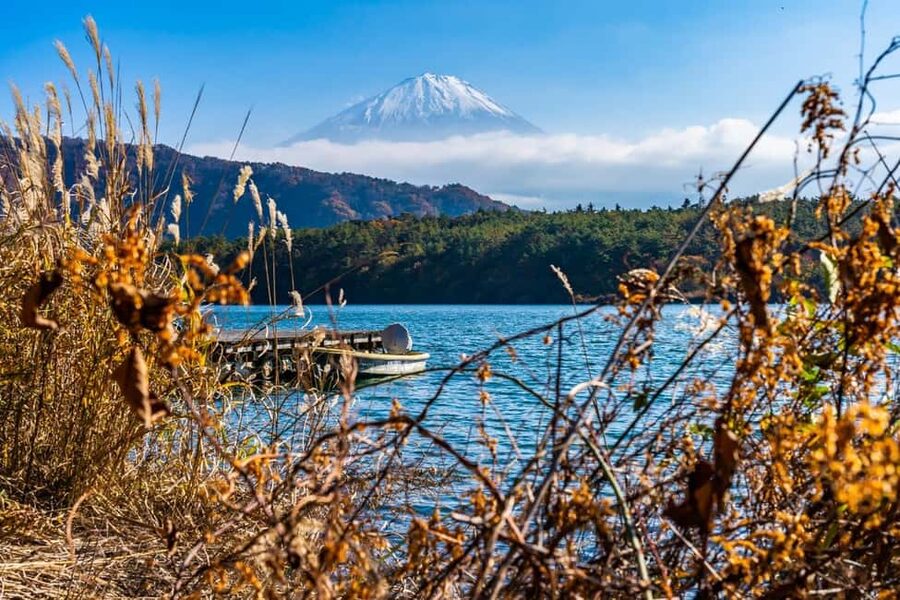
After the intensity of Kegon Falls, Lake Chūzenji gives you breathing room. You get a photo stop plus sightseeing for about 45 minutes.
This part is valuable because it shifts the whole emotional tone of the day. You trade loud water noise for quiet lake views. Lake Chūzenji sits at the base of Mount Nantai, and that mountain-lake relationship is exactly what makes the scenery feel different from urban Japan.
This is a good stop for:
- People who want a break from constant walking
- Anyone chasing autumn leaf color, since the area is especially photogenic during that season
Even if it is not peak foliage, the lake still acts like a visual palette cleanser.
A consideration: it is still outdoors. If rain comes in, you might find the viewing areas feel colder and windier.
Optional Akechidaira Ropeway: spend more, see more
There is an upgrade option for the Akechidaira Ropeway. It is not included by default, and it requires an additional fee. If you choose it, it is designed to offer panoramic views of the Nikkō mountains, Lake Chūzenji, and Kegon Falls.
Is it worth it? For many people, yes, because you get a different angle that you cannot get from walking paths. You are seeing the same region from a height, so your brain can map the geography. If you like mountain views and want the day’s photos to include something beyond waterfall close-ups, this upgrade helps.
If the weather is bad, keep your expectations realistic. Ropeways can be less enjoyable in heavy wind or poor visibility, but the tour data does not list weather rules. Use the day’s conditions to decide.
What the private-group format really changes for you
This tour is listed as a private group, and the cap is up to 6. That changes the feel in a few ways that matter more than people expect.
First, pacing. You are less likely to get swept along like luggage. You can take a moment at Shinkyo Bridge or slow down at Toshogu Shrine for the details you actually want.
Second, questions. With a guide, you can ask what a symbol means, why a gate matters, or what to notice next. A guide named Anees was praised for outstanding knowledge and for helping with lunch choices. That kind of support is not just trivia. It makes your photos and your understanding connect.
Third, logistics feel simpler. Round-trip transport is included, and the guide keeps you on track through multiple stops without you needing to plan transfers.
One small trade-off: since it is private and capped, you might want to book early for your preferred time.
Price and value: $550 per group up to 6
The price is $550 per group (up to 6). That is not “cheap,” but it can be good value depending on how you travel.
Here is why it can make sense:
- Round-trip transportation from Tokyo is included
- An English-speaking guide is included for the full day
- Admission covers key sites: Toshogu Shrine, Shinkyo Bridge, and Kegon Falls
- Lunch is not included, so you keep some control over meal style and cost
- You can optionally add the Akechidaira Ropeway if you want extra views
If you are traveling with a small group or family unit, this pricing structure is often the sweet spot. You split transport and guide time across the group, which turns the day into a more manageable expense than paying per person on a larger-coach tour.
The value is also in the order of stops. The day is structured to reduce wasted time. You start with Toshogu context, then hit Shinkyo for color and river calm, then go big with Kegon Falls, then settle at Lake Chūzenji for a softer landing.
If you are solo, it is still doable, but you will feel the price more. In that case, the deciding factor is whether you want a guide’s context and private pacing, versus saving money on a larger-group alternative.
Timing, walking, and what to pack for this 8 to 9 hour day
This tour is physically doable for most adults, but it is not a sit-on-a-bench kind of day. The important instruction is simple: wear comfortable shoes. You will do plenty of walking across shrine grounds, bridges, and viewpoints.
Bring:
- Hat
- Camera
- Sunscreen
- Water
Weather check is key. Even if Tokyo looks fine, mountain conditions can differ around Nikkō. Dress appropriately for the forecast, especially if you are going in autumn when temperatures can shift quickly.
Rules to follow:
- No smoking
- No flash photography
- Photography is restricted in certain areas, so listen to your guide
Not suitable for:
- Children under 5 years
- Pregnant women
- Wheelchair users
That matters because the day includes walking and outdoor viewing areas. If any of those apply to you, it is worth looking for a more accessible option before you book.
Should you book this Nikkō day tour from Tokyo?
Book it if you want a day that is packed but not chaotic, and you care about understanding what you are seeing. The pairing of Toshogu Shrine with Shinkyo Bridge, then Kegon Falls, then Lake Chūzenji gives you variety you can feel. The guide support is a real advantage, especially at Toshogu where symbols and history matter.
Skip or rethink it if:
- You dislike long walking days
- You are traveling with someone who falls into the listed non-suitable categories
- You need an included, hassle-free meal plan (lunch and drinks are not included)
- You want total freedom for photography everywhere (flash is not allowed, and some areas restrict photography)
If you are flexible, comfortable on your feet, and excited by UNESCO shrines plus big nature, this is a strong way to make Nikkō happen in a single day without turning it into a logistics project.
More Tour Reviews in Tokyo
Not for you? Here's more nearby things to do in Tokyo we have reviewed












Nikko Day Trips, side by side.
 ★ 4.6Nikko: Kegon Falls, Lake Chuzenji & Toshogu TempleFrom $891,577 reviews
 ★ 4.5Nikko Toshogu Shrine and Kegon Waterfall TourFrom $841,266 reviews
 ★ 5.0Nikko Full-Day Private Tour with Government-Licensed GuideFrom $155259 reviews
 ★ 4.9From Tokyo: Nikko World Heritage Site Private Full-Day TripFrom $483243 reviews
 ★ 4.3Nikko: Edo Wonderland Edomura Cultural Theme Park TicketFrom $35205 reviews
 ★ 4.8Nikko World Heritage Private Day Trip Hotel Pick-upFrom $390145 reviews
From Tokyo: Nikko World Heritage Sight Full Day Private TourFrom $362127 reviews
 ★ 4.9Nikko – Beautiful Full-Day Personal and Private TourFrom $364119 reviews
This tour also belongs to