
Review · TOKYO SAMURAI EXPERIENCES
Tokyo: Samurai Experience with a real sword
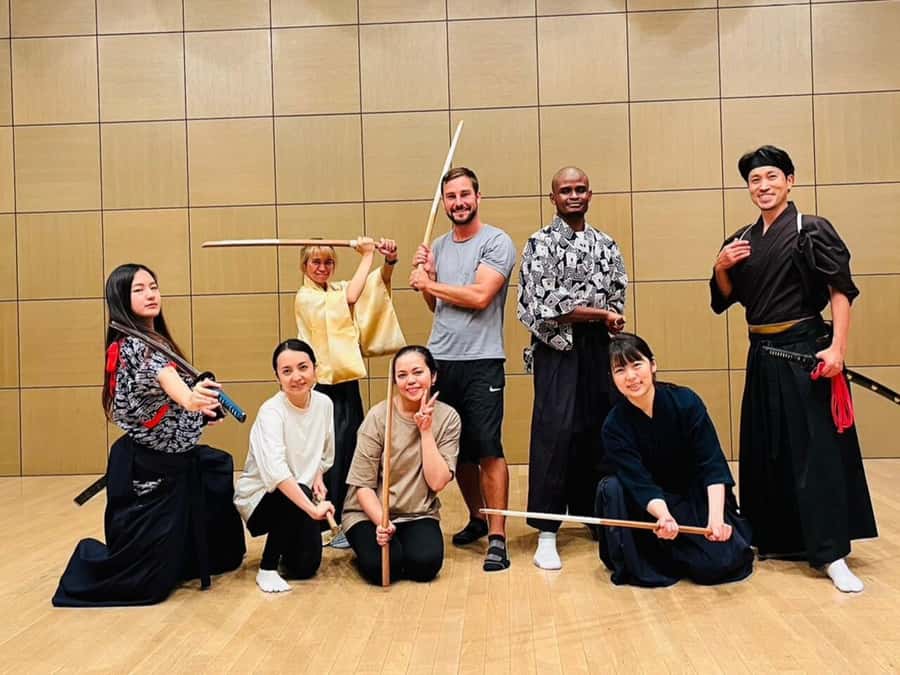
Tokyo puts you in costume fast. This real-sword samurai experience turns a lesson into a full routine with iai, sword-to-sword work, and a photo and video souvenir. You’ll wear kimono and hakama, learn etiquette like Zarei, and practice proper handling with an instructor who explains the why, not just the how.
Two things I really like: you get coached through the basics of sword handling before you spar, and the session ends with a clear, take-home record of what you did. One thing to consider is that the action includes cutting objects with a real sword, so the program requires you to meet the age rules and follow safety instructions closely.
Quick hits before you go
- Kimono and hakama dressing makes the whole training feel like a role, not a demo
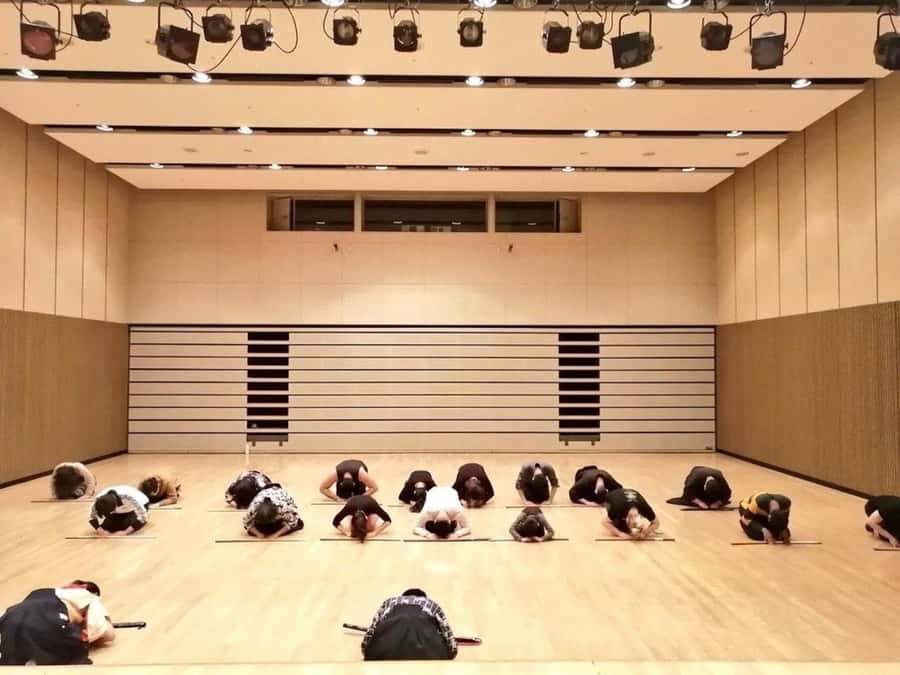
- Zarei etiquette covers the seated bow and respectful forms, not just fighting moves
- Shiden-ryu instruction includes iai and swordsmanship basics you can actually use
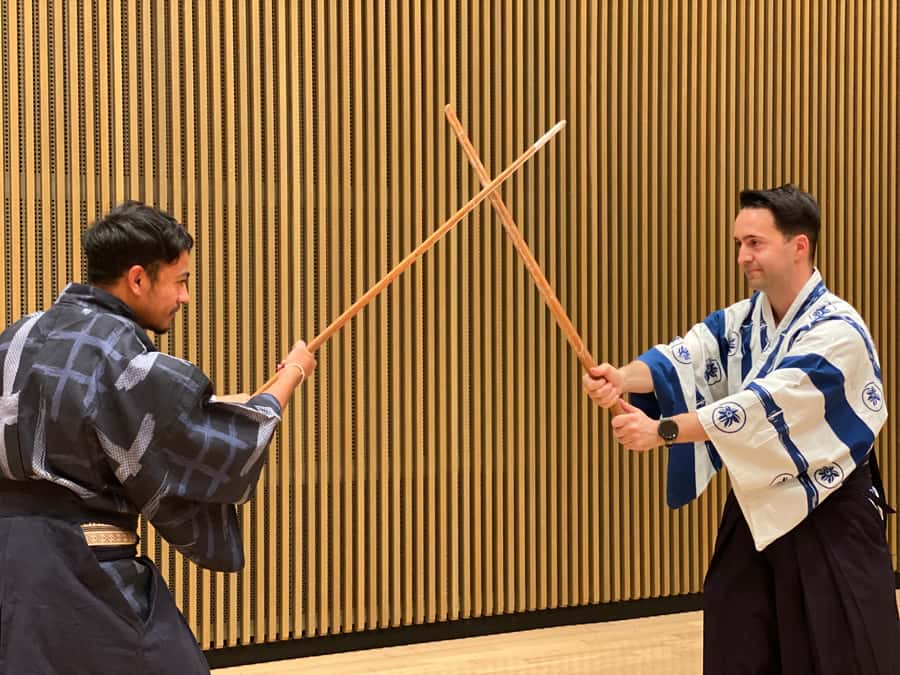
- Uchikomi sword-to-sword practice gives you an interactive element in a short session
- Video recording and a commemorative photo turn the experience into a souvenir you can share
First Meeting at McDonald’s, West Exit, Then Straight Into Training
This is not one of those “meet somewhere vague, then figure it out” experiences. You meet after exiting the ticket gates, head out the west exit, and go down to the ground floor where you’ll spot McDonald’s. Look for staff holding a meeting board.
From there, the pace is quick. You should arrive about 20 minutes early so you have time to check in, settle your clothing, and get ready to change. If your date has a different meeting point within Tokyo, you’ll be notified, so don’t ignore any pre-trip messages.
You can also read our reviews of more tours and experiences in Tokyo.



Kimono and Hakama Dressing Plus Zarei Seating Etiquette
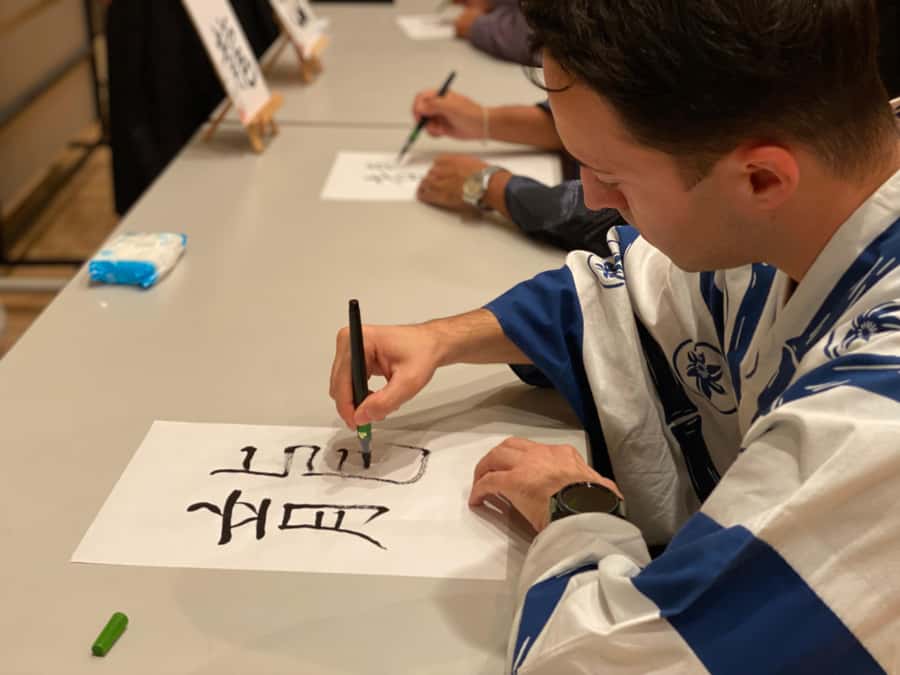
The session starts with reception and kimono dressing, and that matters more than it sounds. The moment you put on kimono and hakama, your body posture changes. You stop slouching, you handle yourself differently, and that sets you up for learning etiquette.
Then comes samurai etiquette (Zarei). You’ll be introduced to the rules and how to behave properly during the training. There’s also Zarei (seated etiquette) later, so you get more than one quick bow and you actually practice the form.
In short: you’re not just swinging a sword. You’re learning the behavior around it, and that makes the whole thing feel more grounded. It also keeps the group focused, especially since everyone is doing the same routine in the same space.
Sword Handling Techniques: How They Set You Up for Iai
Once you’re dressed and briefed, the coaching shifts to sword handling techniques. This is where you learn how to hold, move, and prepare correctly before you get anywhere near the interactive parts.
The program also includes samurai forms and movements, which is a smart way to build confidence. In real martial arts practice, you don’t jump straight into “fight mode.” You rehearse the sequence so your brain knows what comes next, even when your heart starts pounding.
You’ll also watch demonstrations of swordsmanship by Shiden-ryu, so you can see the style before you try it. That matters because if you only get instructions without a visual reference, you end up guessing. Here, you get the picture first, then the practice.
Learning Iai and the Discipline Behind Drawing and Sheathing
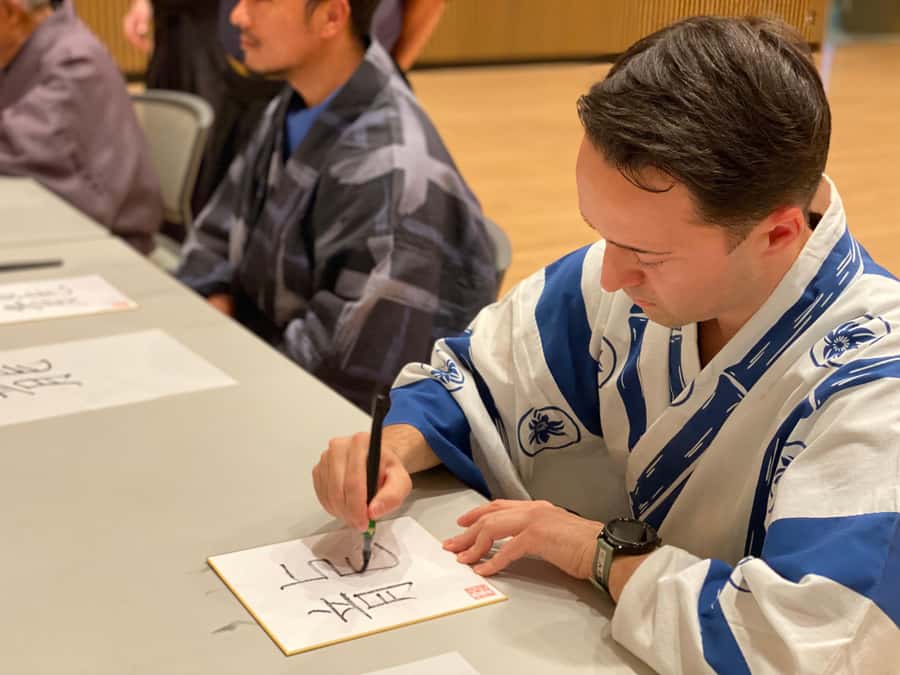
You’ll get training connected to iai, the art of drawing and using the sword with controlled movement. The big benefit of this structure is that it trains timing and body control, not just arm strength.
Even in a short program, Iai basics help you feel the sequence as one flow: stance, draw, technique, finish. When they coach you through this step-by-step, you get the sense that discipline is the point, not just spectacle.
You should also expect that the instructor will emphasize control and etiquette. If your coach is someone like Hiryu, you may get especially thoughtful explanations about samurai history and philosophy alongside the movements. That mix of meaning plus technique is a big reason this kind of experience works so well.
Sword-to-Sword Combat (Uchikomi) Without Turning It Into Chaos
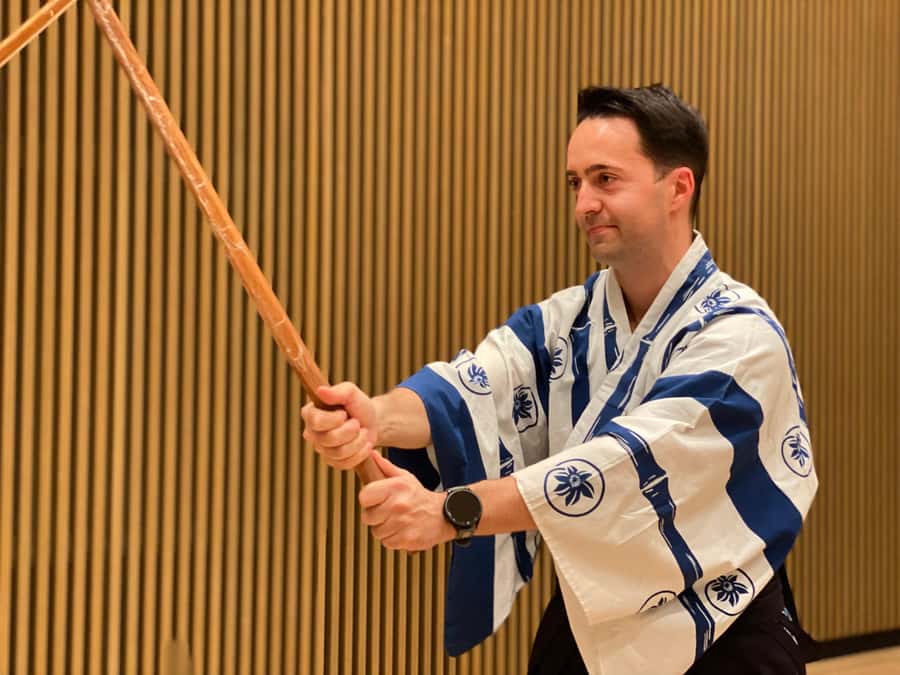
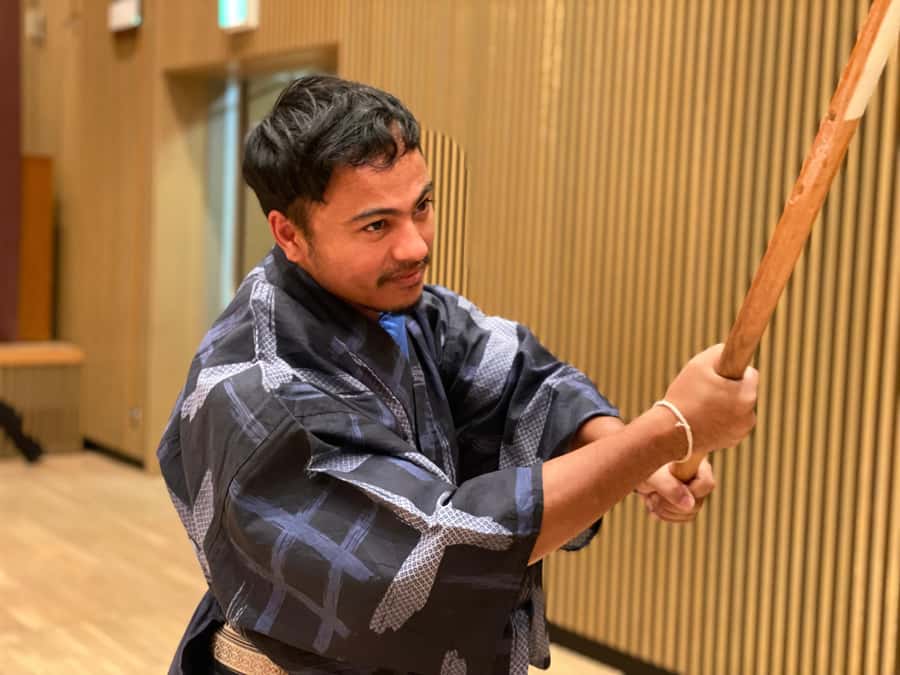
After the handling and forms, you move into sword-to-sword combat (Uchikomi). In plain terms, this is the interactive part where you meet a partner’s timing and distance.
Uchikomi can sound intimidating, but the value here is that you’re not thrown into random sparring. You’re taught the framework first, so the practice feels like drilling a kata with a partner, rather than wrestling.
What you’ll like most is the feedback loop. You try a motion, the coach corrects, you reset, then you try again. In a group setting, that keeps it safe and also makes you progress during the two hours.



Cutting Objects With a Real Samurai Sword, Plus Video Recording
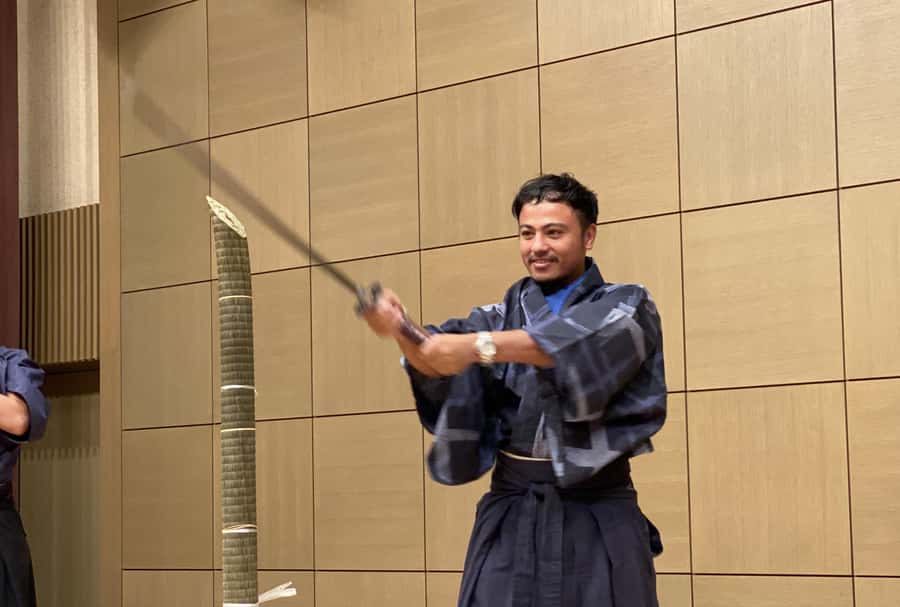
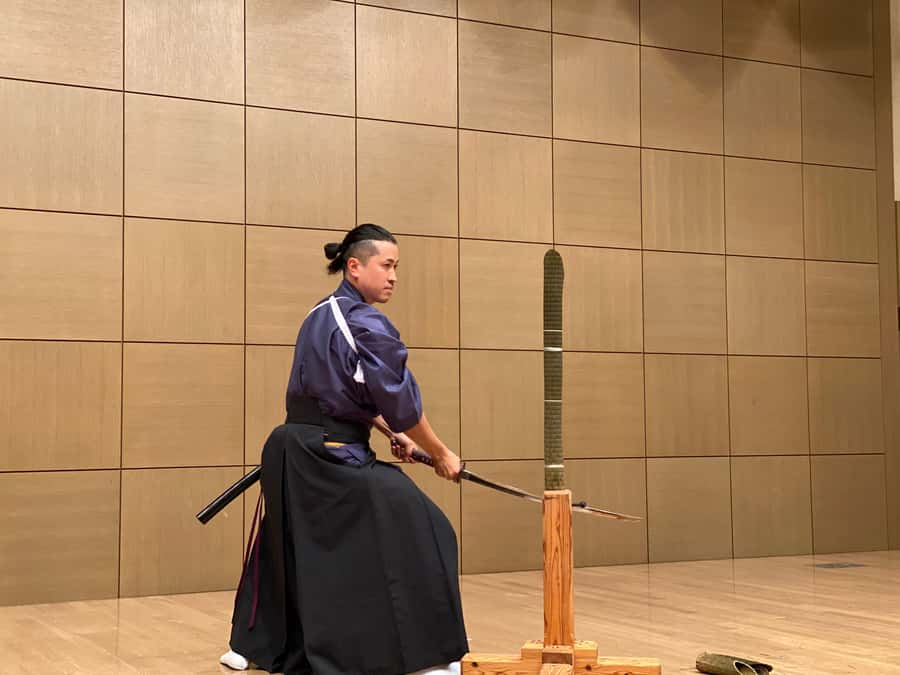
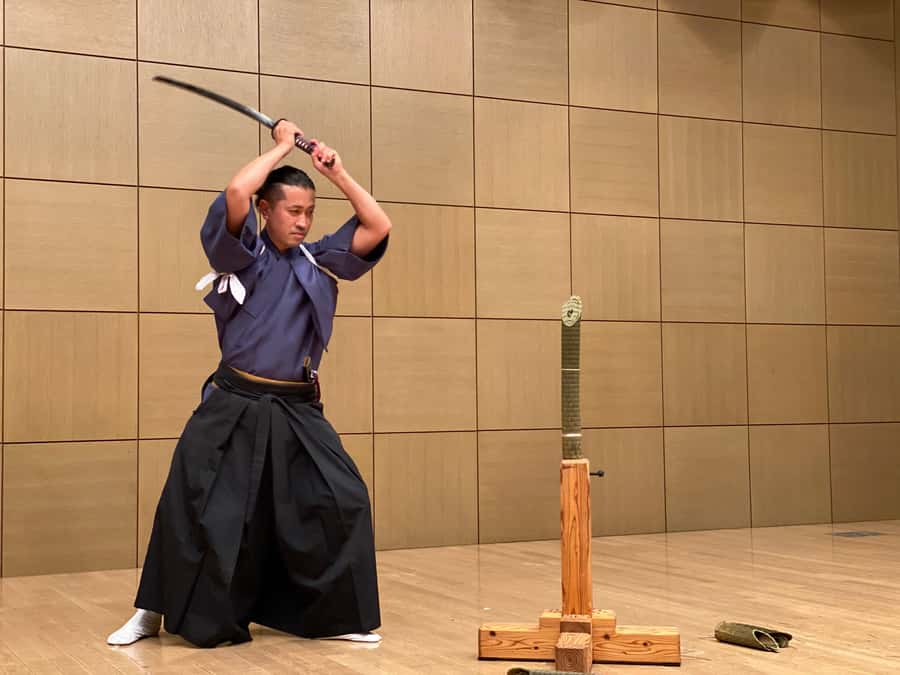
This is the moment most people book for: cutting objects with a genuine samurai sword. And yes, it’s exactly as memorable as you’d hope.
You’ll be doing this in a controlled way, and you get video recording available, so you can take home the action as a souvenir. That keeps the whole experience from feeling like a quick photo op. You’re practicing, you’re aiming, and the recording captures your result.
Important practical note: cutting is available for participants aged 12 and above. The tour also asks you to provide your height and weight during reservation, which helps with safety and proper equipment fit. So don’t wait until the last minute to double-check your reservation details.
Commemorative Photos, Swapping Clothes, and Leaving With Proof
The experience includes a commemorative photo session plus presentation and video recording, then a wrap-up. Expect some time to change clothes again and transition out of the training space.
This is a small but smart inclusion. When you’re dressed in full samurai gear, your photos look instantly more dramatic than “tourist in Japan” pictures. And the video makes it real for you later, because you can watch your draw, form, and technique rather than only remembering the adrenaline.
You’ll also have a clear end point, since the activity concludes back at the meeting point.
Price and Value for a Two-Hour Real-Sword Experience
At $102 per person for about two hours, the price looks high until you break down what’s included. You’re getting professional coaching, English-speaking staff support, venue fees, and the photography charge, plus the video souvenir element tied to the cutting and recorded parts.
The real value is that you’re paying for structure and supervision. A real sword experience without proper coaching is not worth it, and a “costume only” version is just too shallow. Here, the session includes etiquette (Zarei), technique instruction, interactive uchikomi practice, and a cutting moment with recording.
Two hours is also a good length for Tokyo. It’s long enough to learn and do the main pieces, but short enough that it doesn’t wreck your day plans. Just plan your schedule like you’re booking a compact workshop, not a half-day adventure.
What to Bring, What Not to Do, and How to Prepare
If you want this to feel smooth, come prepared.
Bring:
- Change of clothes (you will need it)
- Water
- Comfortable clothes
- A drink with a secure lid
Not allowed:
- Smoking
- Alcoholic drinks in the vehicle
Also, read the “know before you go” notes carefully. The program asks you to provide your height and weight when reserving, and the meeting location can vary based on date, within Tokyo. Arrive early and you’ll avoid the stress that can mess with your first moves.
Who This Samurai Experience Is Best For (And Who Should Skip It)
This experience is ideal if you want more than a photo. If you like hands-on learning, martial arts structure, and a clear souvenir that shows what you did, you’ll probably enjoy it a lot.
It’s also a good choice for couples or friends who want a shared “we did this” moment, because the program includes interactive elements and group pacing.
Who should consider skipping:
- Pregnant women (not suitable)
- Wheelchair users (not suitable)
Those limits are worth respecting. The program involves changing clothing, training posture, and active movement in a specific setup, so it’s better to look for a different kind of cultural activity if you need mobility accommodations.
Should You Book This Samurai Sword Experience?
Yes, I’d book it if your goal is a real-sword, instruction-based samurai session with a structured flow. The combination of kimono and hakama, Zarei etiquette, Shiden-ryu demonstrations, Uchikomi practice, and the chance to cut objects with a real sword is exactly what makes it memorable. The video and commemorative photos are also strong reasons to choose this over a simpler demo.
Skip it only if you’re uncomfortable with the rules around real-sword cutting and you don’t want to follow safety instructions closely. Also, if you need accessibility support for mobility or pregnancy-related safety, look for another Tokyo experience that fits your situation.
FAQ
How long is the Tokyo Samurai Experience?
It lasts about 2 hours. Start times vary, so you’ll want to check availability for the exact schedule.
How much does it cost per person?
The price is listed at $102 per person.
Where do I meet the staff?
After exiting the ticket gates, go out the west exit and down to the ground floor where you will find McDonald’s. Meet staff holding a meeting board.
What’s included in the experience?
Included items are the professional coach, English-speaking staff, experience fees, venue fee, and a photography charge.
Is video and photography included in what I take home?
Yes. The experience includes presentation and video recording, plus a commemorative photo session, and you’ll take home a video and photos of your samurai experience.
Do I need to know anything about age limits?
Cutting objects with a real sword is available for participants aged 12 and above.
What should I bring?
Bring a change of clothes, water, and comfortable clothes. You should also bring a drink with a secure lid.
What should I do before I arrive?
Arrive about 20 minutes prior to the scheduled meeting time so you have time to check in and get dressed.
What information do I need to provide when booking?
You need to let the organizers know your height and weight by the reservation form.
Is the experience suitable for wheelchair users or pregnant women?
No. It is not suitable for wheelchair users or pregnant women. Smoking and alcohol in the vehicle are also not allowed.
More Tour Reviews in Tokyo
Not for you? Here's more nearby things to do in Tokyo we have reviewed









Tokyo Samurai Experiences, side by side.
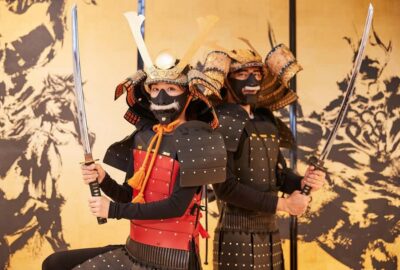 ★ 4.6Samurai Ninja Museum Guided tour and ExperienceFrom $271,010 reviews
 ★ 5.0Samurai Sword & Archery Class from Samurai DescendantFrom $193603 reviews
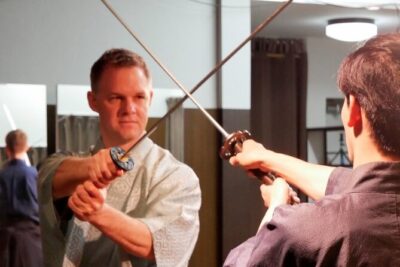 ★ 5.0Best Samurai Experience in TokyoFrom $65458 reviews
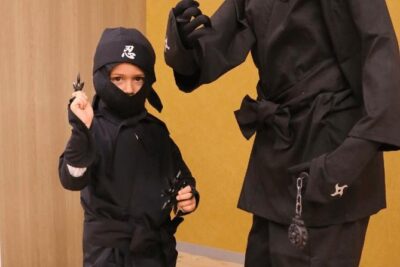 ★ 5.0Ninja Experience (Family Friendly) at Samurai Ninja Museum TOKYOFrom $47441 reviews
 ★ 4.6Samurai Entertainment Night Show in Kanda ShrineFrom $41417 reviews
 ★ 4.8Samurai Ninja Museum Asakusa: Samurai Sword Lesson & TourFrom $63306 reviews
 ★ 5.0Ninja Samurai 2-hour hands-on lesson by Japanese master in TokyoFrom $86194 reviews
 ★ 5.0Samurai Sword Experience (Family Friendly)at SAMURAI MUSEUM TOKYOFrom $65168 reviews
This tour also belongs to