
Review · MOUNT FUJI TOURS
From Tokyo: Mount Fuji and Hakone Private Day Trip
Clouds might hide Fuji, but the day delivers. I like the private, door-to-door pacing and the chance to see Fuji and Hakone in one smooth loop. I also really enjoy how guides like Hadi and Ali tailor stops so you spend time where the light and views are best, not just where a big coach dumps you. One catch to plan for: Mt Fuji visibility depends on weather, and you may pay extra for certain rides, museum entry, and lunch.
This tour is built around classic “Fuji from every angle” moments and then pivots into Hakone’s hot-spring and volcanic zone. On clear days, you get that dramatic Fuji above lakes and valleys. Even on cloudy days, you still get shrines, ponds, viewpoints, and Hakone’s scenic stops, which is why so many people leave saying it felt worth it. Just know the reference itinerary can’t fit every stop in 10 hours, so your guide will help you pick what matters most.
Key things that make this tour feel worth it
- Private pickup and drop-off means you avoid hunting trains and transfers all day.
- Guide-led flexibility helps when weather changes, with routing adjustments to chase better sightlines.
- Fuji viewpoints plus shrine time (like Subaru 5th Station and Fuji Sengen shrines) give the day context, not just photos.
- Hakone’s mix of calm and drama includes Lake Ashi views, volcanic Owakudani area, and hot-spring country.
- Optional extras like the Lake Ashi pirate cruise and ropeway choices let you match your energy level.
- Smooth logistics and photo help show up again and again in the best reviews, especially with guides such as Hadi, Ali, Nomi, Zia, and Sam.
Why a Mount Fuji and Hakone private day trip is such a smart play
Tokyo is great, but it is not Fuji-and-volcano great. That takes time, and time is what day trips often steal from you. A private vehicle solves that. You get hotel pickup and drop-off, air-conditioned comfort, and a driver/guide who manages the moving parts while you focus on seeing.
What I like most is the “two worlds in one day” approach. First you work for the Fuji views: Subaru 5th Station, Fuji shrines, and the lake-and-pagoda zone. Then you switch gears to Hakone, where hot springs, volcanic steam, lakes, and open-air art all show up in the same day.
The tour also has a built-in reality check: it is not a theme park where every stop is guaranteed. You’ll see what fits in the day, and your guide will steer the order based on crowd levels and weather. That is exactly why cloudy days can still end up memorable.
You can also read our reviews of more private tours in Tokyo
Pickup fees, timing, and the 10-hour reality check
This is a full-day private trip, planned around roughly 10 hours on the ground. Pickup and drop-off are included, and the vehicle includes parking fees and a water bottle.
Two practical timing points matter:
- The places listed are for reference only. Not everything can fit into 10 hours, and that is normal. Your guide will help you choose the best combination for your priorities.
- There is an extra 5000 yen pickup charge if you start outside Tokyo’s 23 wards. You pay that in cash to the driver on tour day.
Also, Fuji access has a seasonal rule. During the hiking season, from 1 July to 30 September, private vehicles are not allowed to enter the Fuji Subaru line (5th station). If you want to go there, you use a shuttle bus instead, with an extra 2500 yen per person.
So if you are traveling in mid-summer, you should budget for that extra step at the 5th station. It does not ruin the day, but it does change timing.
Subaru 5th Station and Tenjosan Komitake Shrine: the Fuji payoff
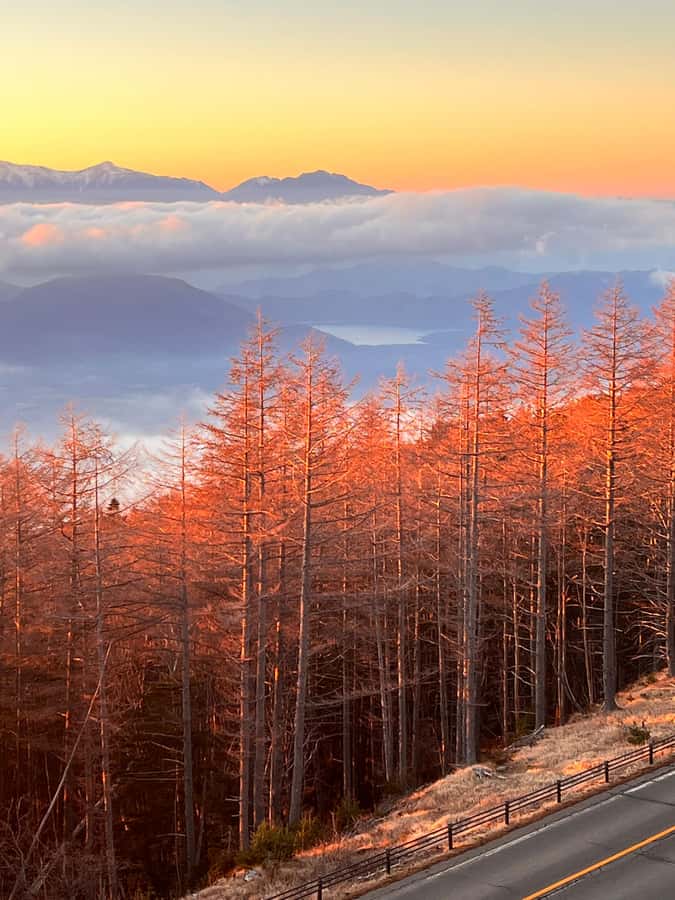
Your day often starts with an uphill push to the Subaru 5th Station, around 2,300 meters above sea level. From here, you get panoramic views of the crater area and the wider Fuji Five Lakes region.
This stop matters because it is not just a postcard angle. At that altitude, the air tends to feel sharper, and you get a sense of scale. Even when Fuji is partially obscured, the surrounding mountain layers and valleys can still be striking.
If you go a step beyond the viewpoints, you’ll visit the Tenjosan Komitake Shrine, which is listed as offering unobstructed views of Lake Yamanaka and Fujiyoshida City. The shrine adds a calm break from pure photo stops, and it also gives you a taste of how locals connect religion to mountain geography.
Practical tip: comfortable shoes help here. You will likely do short walks at viewpoints and shrine areas, and you do not want to regret footwear halfway through your climb-by-car day.
Chureito Pagoda and Fuji Sengen Shrines: when culture becomes the view
After the high-altitude moment, the itinerary lowers you back into the Fuji tradition zone.
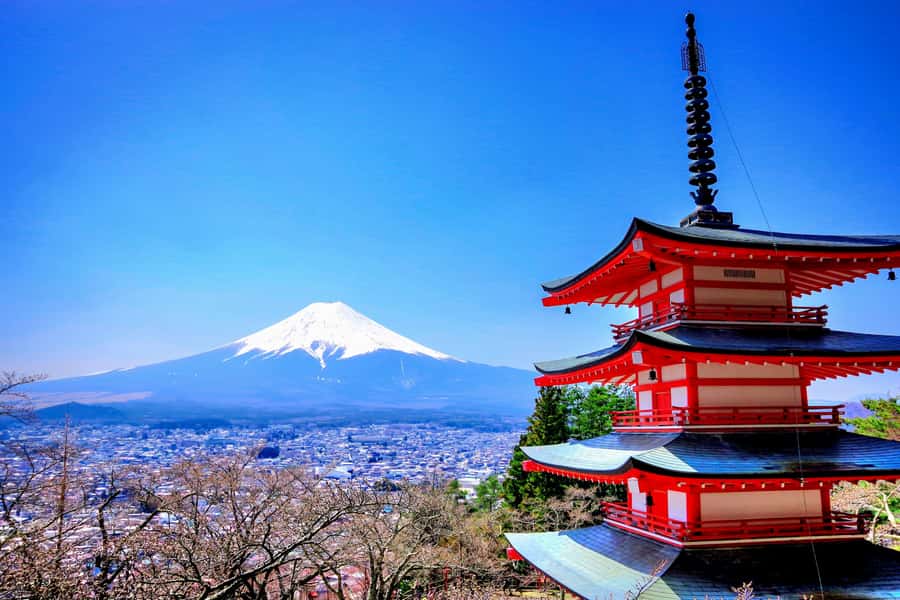
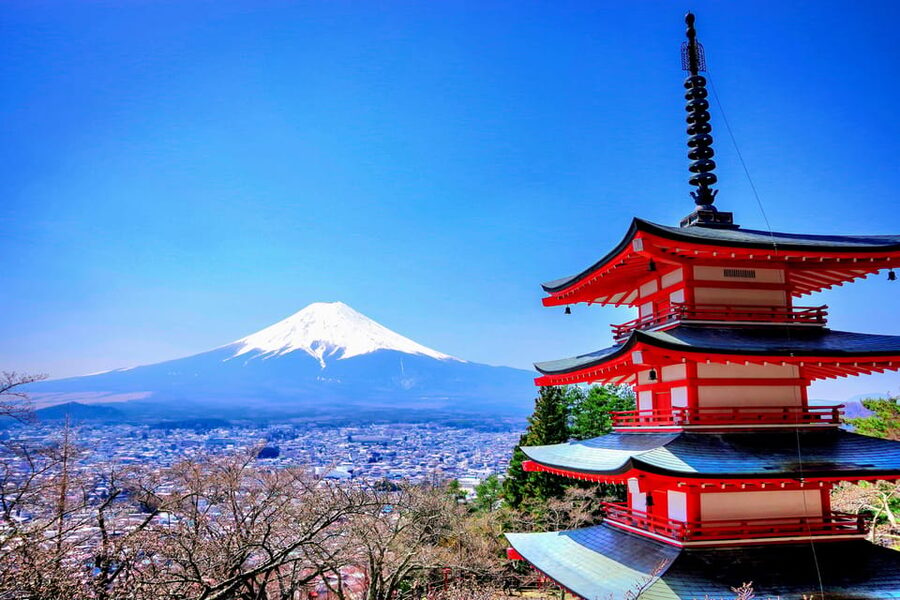
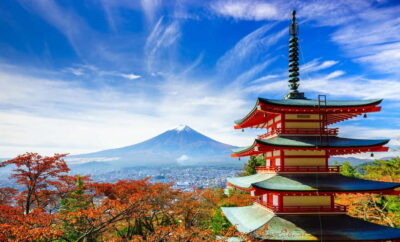
One highlight is the Chureito Pagoda in Fujiyoshida, set in Arakurayama Sengen Park. It is a five-story pagoda that frames Fuji in a way photographers obsess over for good reason. If you are traveling in cherry blossom season or autumn foliage time, the pagoda area is especially photogenic.
Then you also visit another major stop: the Kitaguchi Hongu Fuji Sengen Shrine. This shrine is known for its red torii gates and a peaceful path shaded by tall cedar trees that are over 1,000 years old, plus stone lanterns along the way.
Why I like pairing these two shrine-style experiences with the pagoda: it slows the day down just enough. You shift from “look at the mountain” to “understand why people built ways to see the mountain from here.”
A small note for expectations: if the day is foggy, you may not get that clean Fuji outline behind the pagoda. But you can still appreciate the shrine atmosphere and the way the town layouts guide sightlines.
Oshino Hakkai ponds: the calm Fuji reminder
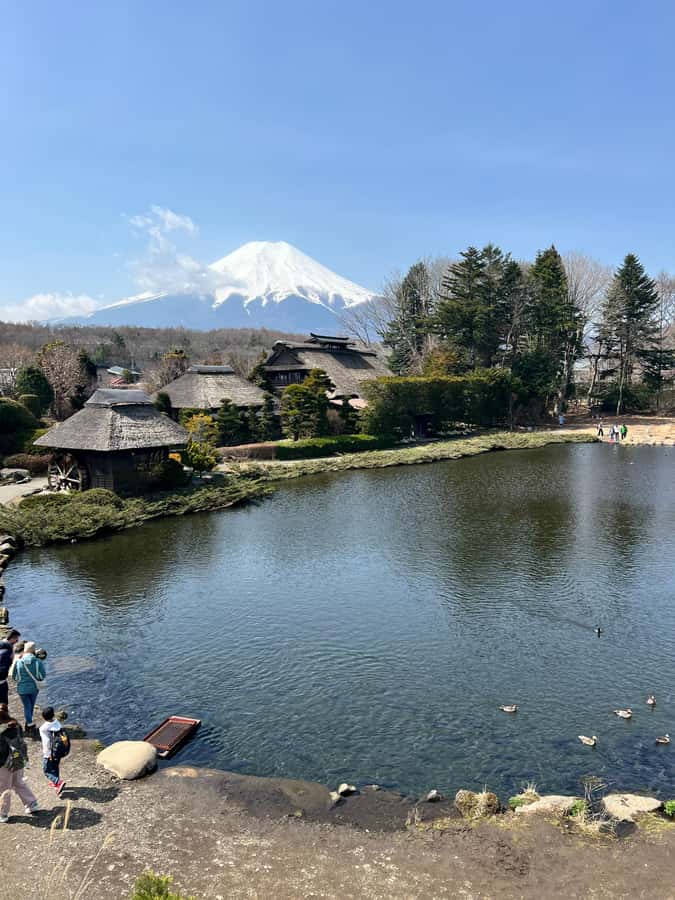
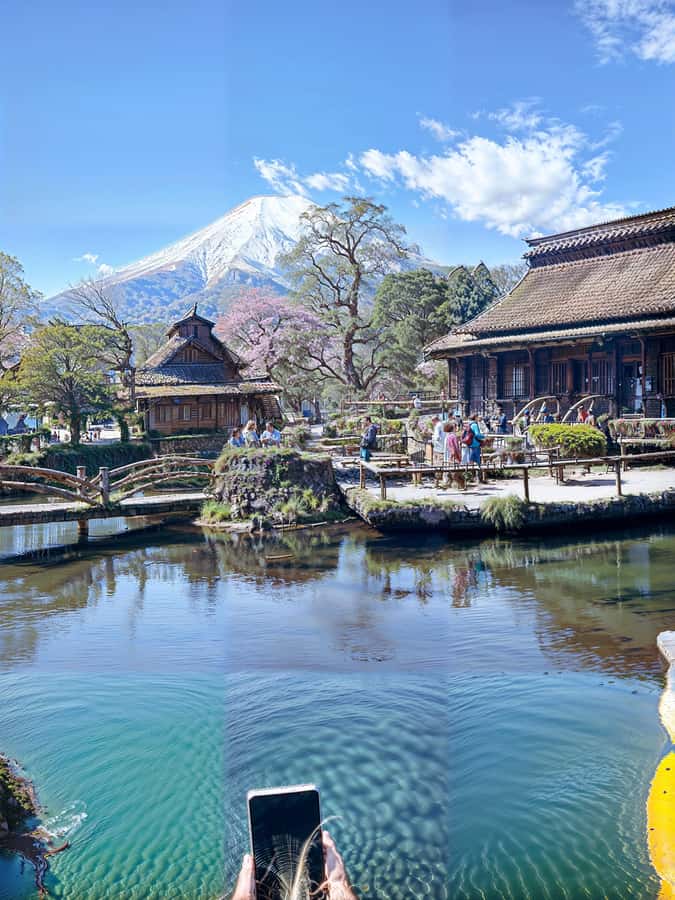
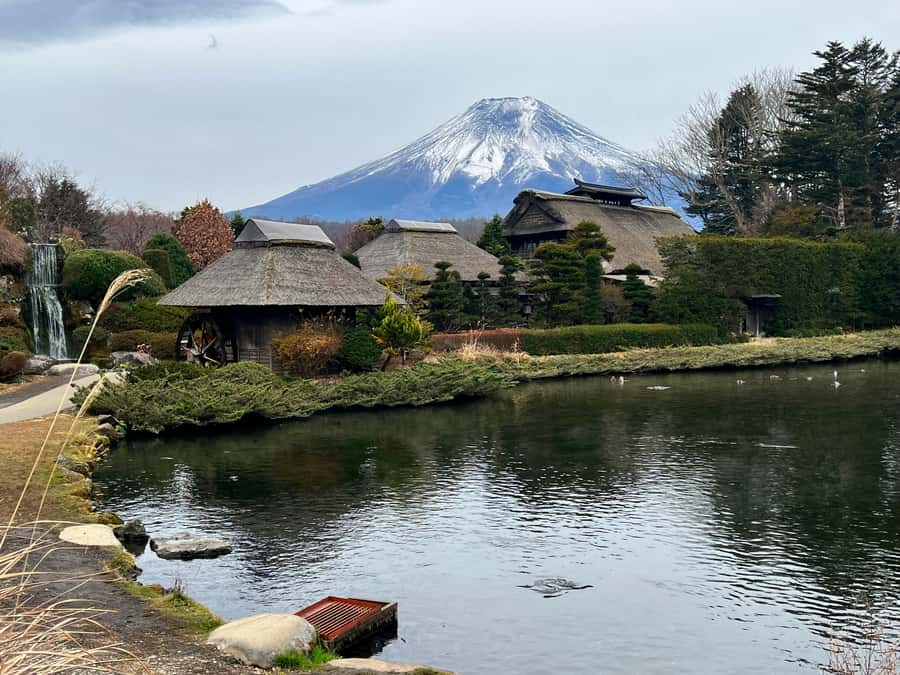
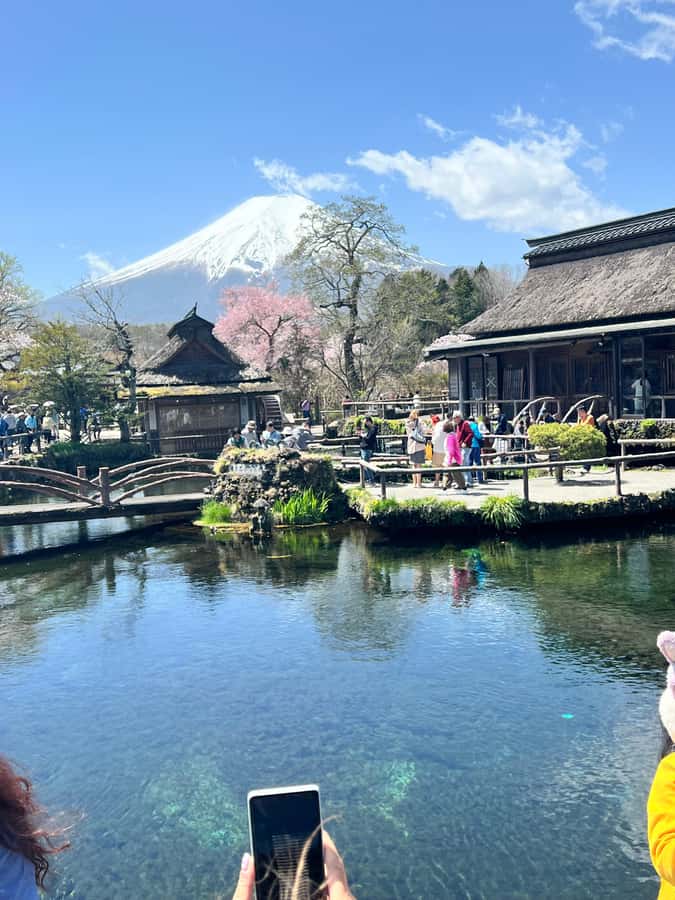
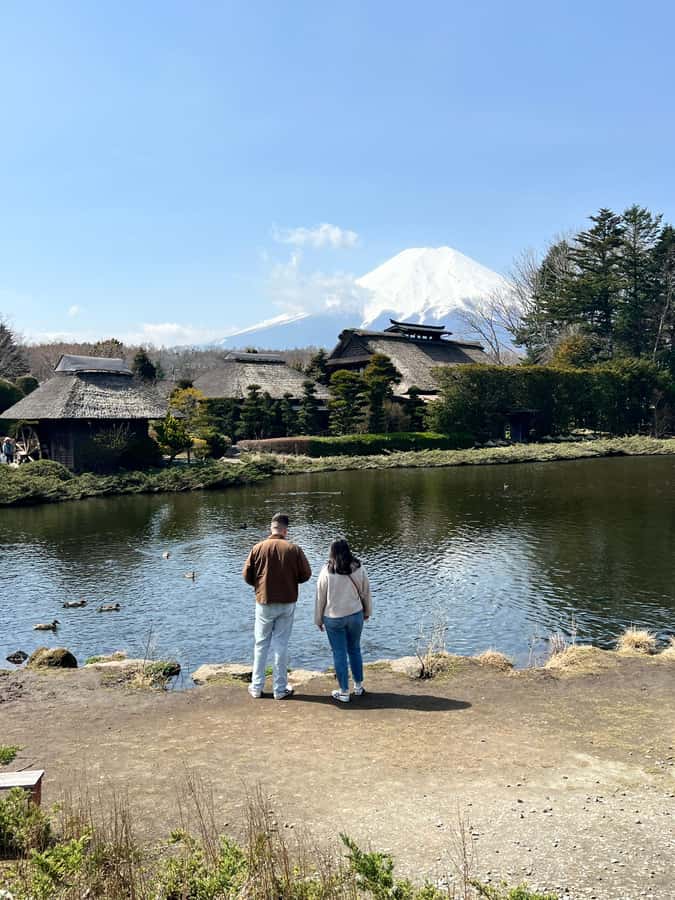
Next comes a very different kind of Fuji moment: Oshino Hakkai, a village with eight ponds formed from melting snow of Mount Fuji.
This stop is a breather. You are not climbing. You are strolling and watching how clear water interacts with stone pathways and traditional buildings. It feels grounded, like a “Fuji at eye level” chapter after the big views.
You’ll see the ponds up close and have time to wander the area. It is also the kind of place where small shops and snacks may show up, so it helps to carry cash. Bring it, even if you think you can rely on cards. One of the best practical tips from real day experiences is to keep some yen on hand because not every stop takes cards.
If your priority is classic Fuji atmosphere without a lot of walking, Oshino Hakkai is often a strong choice.
More Tokyo tours and experiences for the shortlist




Hakone’s Owakudani area and hot-spring volcanic vibes
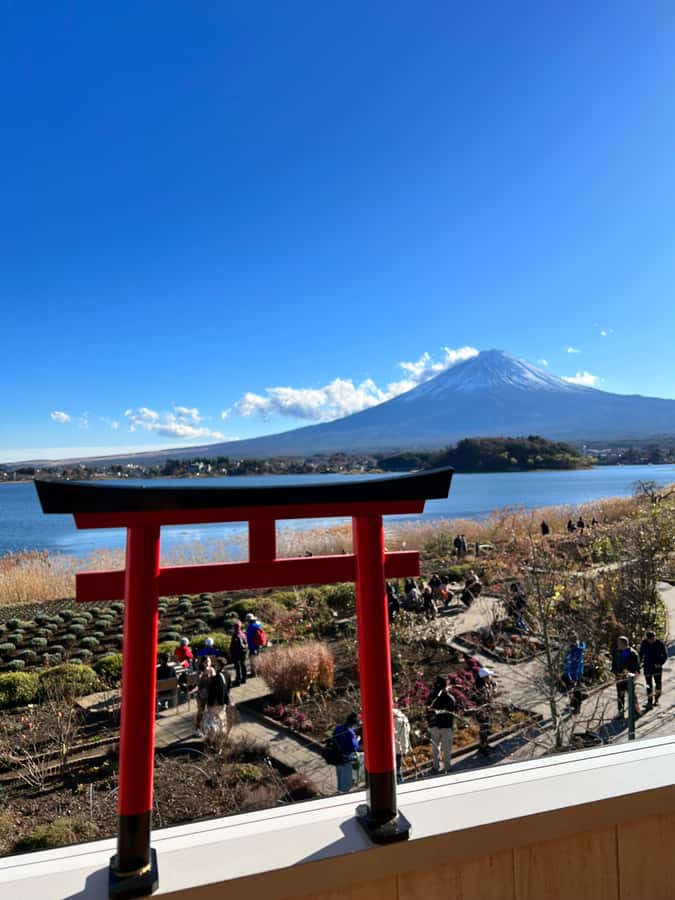
When the tour swings into Hakone National Park territory, the vibe changes from “mountain altar” to “volcanic life.”
You head toward Owakudani Valley for panoramic views from the ropeway cable car area. This is where the landscape around Hakone starts to feel active, with volcanic steam and that signature sulphur feel.
In the most loved versions of this day, you get time to experience this area and then move on to the calmer water-based portion of Hakone. In real practical terms, you are building a day that alternates intensity with rest.
Some visitors also talk about tasting regional treats in this zone, like the famous black egg snack. The tour data itself focuses on the views and the ropeway access, but Hakone’s volcanic stop is exactly where that kind of food shows up, so you might find options there once you arrive.
Lake Ashi: the optional pirate cruise that makes Hakone feel cinematic
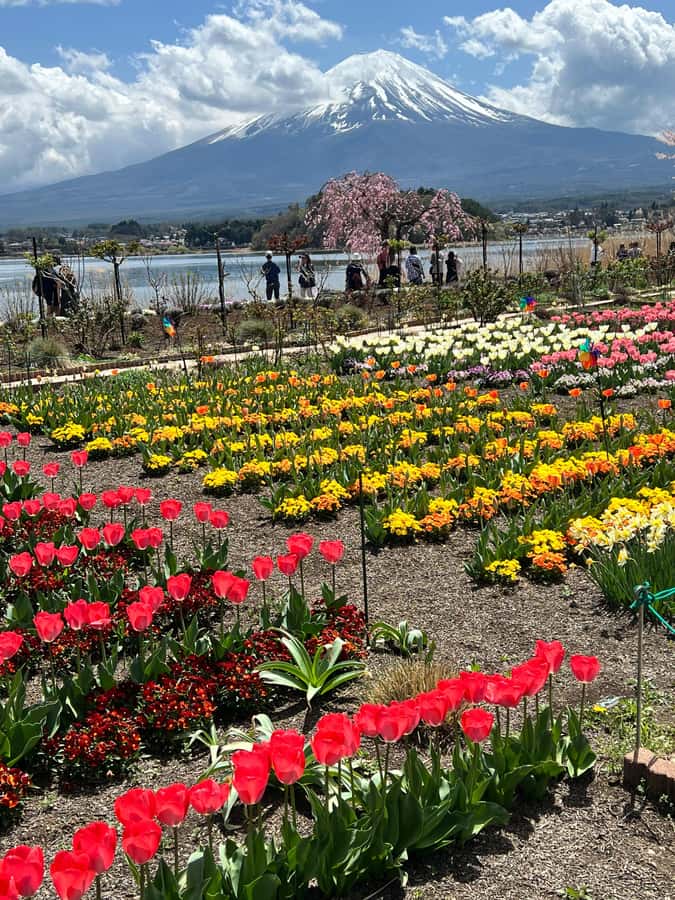
Then you reach the lake portion of Hakone: Lake Ashi.
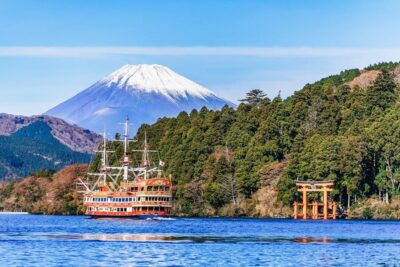
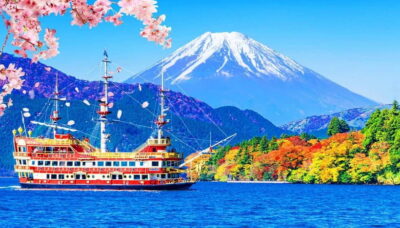
The tour includes Lake Ashi time, with an optional pirate cruise boat. If you do the cruise, you get wider mountain framing around the lake, plus a better sense of how Fuji’s influence stretches into Hakone’s water world.
Even if you skip the boat, the key value here is still the views. Lake Ashi is where Hakone stops feeling purely volcanic and starts feeling like a quiet, scenic pause.
If you are traveling with kids or want the least-stress way to add “wow” without more hiking, the cruise is usually the easiest upgrade on this day.
Hakone ropeway and Komagatake cable car: choose it based on energy
There is also Hakone Cable Car time listed as optional, with ascent to Mount Komagatake by cable car for panoramic views of Lake Ashi and the surrounding area.
Here is how I’d decide: if you like short rides with big view returns, go for it. If you’re already feeling the altitude from Subaru 5th Station, or you know your legs will be tired, you can treat ropeway choices as optional add-ons rather than mandatory items.
The tour does flag that boat tour, cable car, and museum entry tickets are not included in the base price, so your guide can help you weigh what is worth paying for that day based on weather and your priorities.
Hakone Open Air Museum: art, hills, and a break from sightseeing stress
One stop that shows up as a standout for many people is the Hakone Open Air Museum. This is where you see artworks and stroll along gentle hills.
Why it works well in this itinerary: it breaks up a day that otherwise mixes altitude and volcanic steam. You get walking, but not punishing uphill hiking. You also get a calmer pace after the “look up, look down” day of viewpoints.
If you love design, sculpture, and outdoor museum vibes, this stop is often worth the extra ticket cost. If you are short on time, it is also one of those places where you can get the main experience in a focused way, then spend your remaining minutes elsewhere.
Cost and value: why $438 per group can make sense
Price is $438 per group up to 5. Let’s translate that. If you have 5 people, you are around $88 per person. If you have 2 people, you are around $219 per person. So the “value” depends on group size, but the bigger benefit is not just math.
This is where private touring can outperform group tours:
- You can adjust your stops when Fuji is cloudy, instead of wasting hours in the wrong places.
- You can spend more time where the view is working and less time where it is not.
- You can reduce transport friction. You are not spending your day figuring out trains and timing.
What is included:
- Hotel pickup and drop-off
- Air-conditioned vehicle
- Driver/guide
- Parking fees
- Water bottle
What is not included:
- Boat tour, cable car, and museum entry ticket
- Mt Fuji entrance fee (listed as 2100 yen per group)
- Lunch
That Mt Fuji entrance fee is per group, not per person, so if you are traveling with others, it can be less painful than it sounds at first glance. Lunch is not included, so you should plan to pick a spot during the day, and budget extra for whatever you want to drink or snack on.
The cleanest way to feel confident about cost is to treat the base price as your transport and guiding core, and then plan for optional experiences and small-pay extras.
Guides make or break the day, and this one is heavy on strong names
The highest praise in feedback tends to focus on the people doing the guiding, and it shows. Many days include weather surprises, traffic shifts, and photo requests, and the best guides manage it without turning the day stressful.
I saw repeated examples of what “good” looks like:
- Guides like Hadi and Ali are described as knowledgeable and friendly, with the ability to customize the day.
- Some guides, including Nomi, are highlighted for recommending the best things to do at each stop and taking great family photos.
- Zia is praised for knowing vantage points even when it is cloudy, and for keeping the day organized.
- Sam is recognized for going above and beyond.
- Several guides are also described as proactive about timing. For example, early pickup recommendations before weekend crowds show up in real experiences.
What that means for you: your plan will be more like a guided conversation with stops attached, not a rigid checklist. If Fuji is hidden at one viewpoint, you are not stuck. Your guide can shift you to different areas and timings.
That flexibility is the quiet reason this tour gets strong scores even when weather is not cooperating.
Who should book this, and who should not
This is a great fit if you want:
- A single-day, private way to cover both Mount Fuji and Hakone from the Tokyo area
- A plan that can adapt when Fuji visibility changes
- More guidance than you’d get on self-guided public transport
It is also ideal for families, because private transport gives kids breaks between stops without you coordinating connections.
It may not be a fit if:
- You are traveling with mobility limits that make longer days and short walking breaks hard, because the tour includes multiple viewpoint and shrine areas.
- You are over 95 years old. The tour specifies it is not suitable for people over that age.
Should you book this Mount Fuji and Hakone private day trip?
Book it if your “must-see” list includes Fuji views and Hakone highlights, but you also hate the chaos of getting there and switching trains mid-day. The private format is the value engine here, and the guide flexibility is what saves the day when the weather is stubborn.
Skip or adjust expectations if you are traveling during peak summer climbing season and you specifically want Subaru 5th Station by car. You can still do it, but you should plan for the shuttle requirement and extra per-person cost. Also, even on a great day, Mt Fuji visibility is not guaranteed. The good news is that the itinerary still has enough substance that a cloudy day does not feel wasted.
If you want a Mount Fuji day that feels efficient and still personal, this is a strong choice.
FAQ
How much does the Mount Fuji and Hakone private day trip cost?
It costs $438 per group, up to 5 people.
What is included in the tour price?
You get hotel pickup and drop-off, transportation by an air-conditioned vehicle, a driver/guide, parking fees, and a water bottle.
What is not included?
Boat tour, cable car, and Hakone Open Air Museum entry tickets are not included. Mt Fuji entrance fee is listed as 2100 yen per group, and lunch is not included.
Does the tour include Lake Ashi and the pirate cruise?
Lake Ashi is part of the experience, and the pirate cruise boat is listed as optional. You can decide based on time and preference.
Can we go to Mount Fuji 5th Station in summer?
During 1 July to 30 September, private vehicles are not allowed to enter Fuji Subaru line (5th station). You can still go by shuttle bus, with an extra 2500 yen per person.
Are there extra pickup charges?
If pickup is outside Tokyo’s 23 wards, there is an additional 5000 yen charge paid in cash to the driver on tour day. No extra fee is charged within Tokyo’s 23 wards.
What should we bring, and what is not allowed?
Bring comfortable shoes, a camera, comfortable clothes, and cash. Smoking is not allowed in the vehicle.
More 1-Day Tours in Tokyo
More Private Tours in Tokyo
More Tour Reviews in Tokyo



Not for you? Here's more nearby things to do in Tokyo we have reviewed












Mount Fuji Tours, side by side.
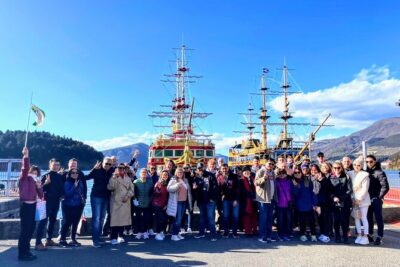 ★ 5.0Mt Fuji and Hakone 1-Day Bus Tour Return by Bullet TrainFrom $16326,383 reviews
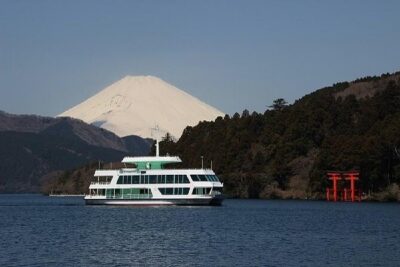 ★ 4.0Mt Fuji & Hakone Cruise, Drum Show Bullet Train 1 Day from TokyoFrom $1497,413 reviews
 ★ 4.4Tokyo Mt Fuji 5th St & Hakone Cruise Bus Tour w/Bullet TrainFrom $1545,024 reviews
 ★ 4.5From Tokyo: Mount Fuji Full-Day Sightseeing TripFrom $684,970 reviews
 ★ 4.7Mt. Fuji Tour, Hakone Ropeway, Owakudani, Lake AshiFrom $544,002 reviews
 ★ 4.2Mt. Fuji 5th Station & Hakone Cruise 1-Day Bus TourFrom $1292,381 reviews
 ★ 4.7Mt Fuji Top 5 Spots Day Tour: Arakurayama Park,Oshino HakkaiFrom $532,066 reviews
 ★ 5.0Private Tour to Mt. Fuji and Hakone (Fully Licenced Operator)From $4971,910 reviews
This tour also belongs to