
Review · TOKYO FOOD TOURS
Ramen Cooking Class at Ramen Factory in Mt.Fuji
Ramen from scratch, in under two hours. You show up in Fujikawaguchiko-machi and leave knowing how to knead dough, make noodles, build soup, and roast the chicken, with clear help from the staff (Jojo and Eri get special praise).
Hands-on ramen at the Mt. Fuji location makes the whole thing feel personal, not just a food stop.
I love that you actually make the noodles yourself, step by step, instead of watching someone else do it.
I also love the chance to tailor your broth, mixing your own soup base from the options they offer.
One heads-up: transportation is not included, so you’ll want to plan how to get to the Mt. Fuji address on your own. Also, double-check you booked the Mt. Fuji site, not the Kyoto store.
Key Highlights You Should Care About
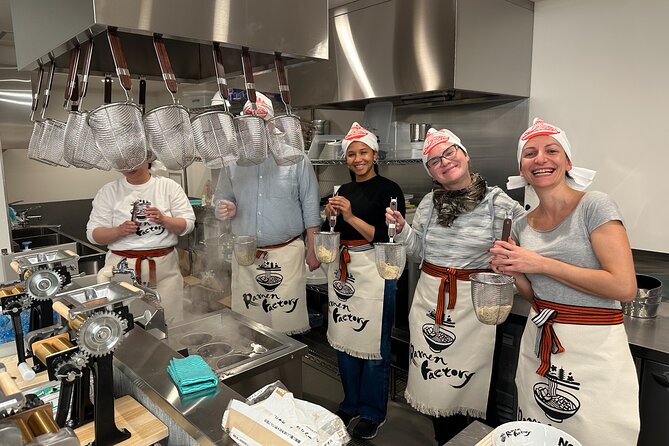
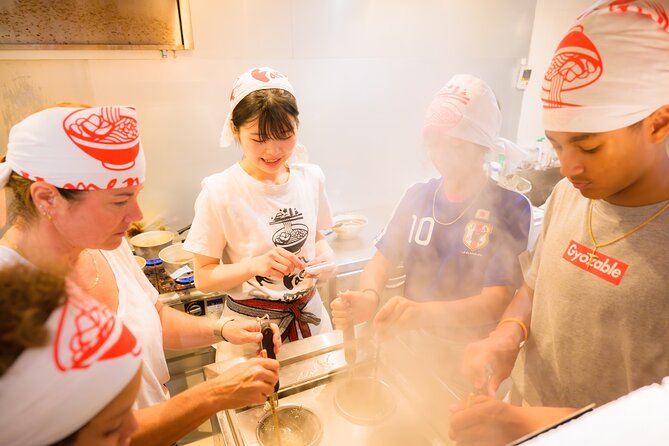
- You make noodles from dough, including rolling, cutting, boiling, and draining.
- Broth is customizable, so your bowl can match your taste, not just a set menu.
- Chicken garnish is hands-on, from tying and seasoning to cooking and slicing.
- Dietary needs are supported, including vegetarian, vegan, gluten-free, and Muslim-friendly options (advance notice required for tofu).
- You take home an omiyage, choosing a T-shirt, ramen bowl, or Japanese apron.
- Small class size, with a maximum of 18 people, and instructors who guide in easy-to-follow English.
Where Ramen Factory Mt. Fuji Is, and Why You Must Pick the Right One
Ramen Factory runs at multiple locations, and this class is at the Mt. Fuji store in Fujikawaguchiko-machi. The meeting point is:
Ramen Factory Mt.Fuji
3487-15 Funatsu, Fujikawaguchiko, Minamitsuru District, Yamanashi 401-0301, Japan
So yes, location matters. The company warns you not to mix it up with the Kyoto store, and you should treat that as real-world advice, not a formality.
The good news: it’s described as near public transportation, so getting there is usually doable as long as you check your local route. Your tour starts and ends back at the same meeting point, which keeps life simple after class.
You can also read our reviews of more cooking classes in Fujikawaguchiko machi
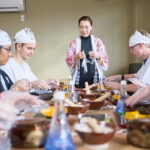
The 90-Minute Flow: From Flour to Finished Ramen Bowl
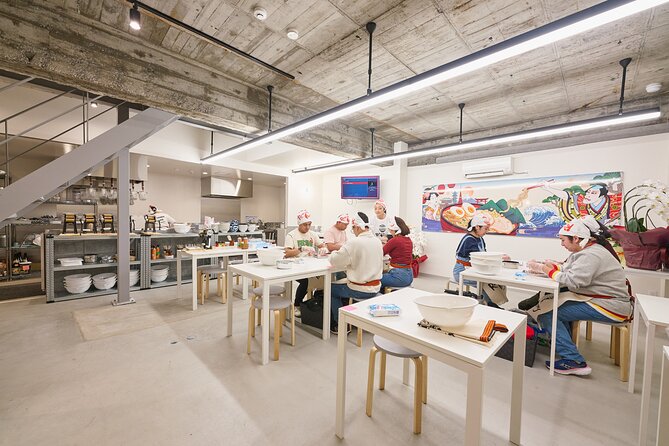
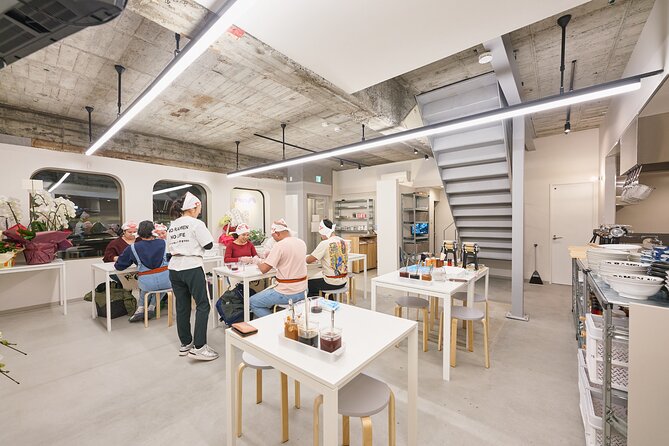
This is a practical, all-inclusive cooking class. Expect about 1 hour 30 minutes, a max group size of 18, and a setup where instructors walk you through what to do and step in when you need help.
Here’s the typical sequence, and what it means for you:
1) Making the noodles, not just assembling them
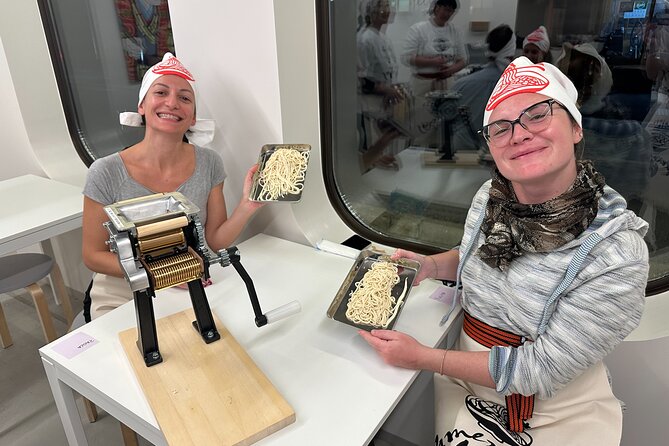
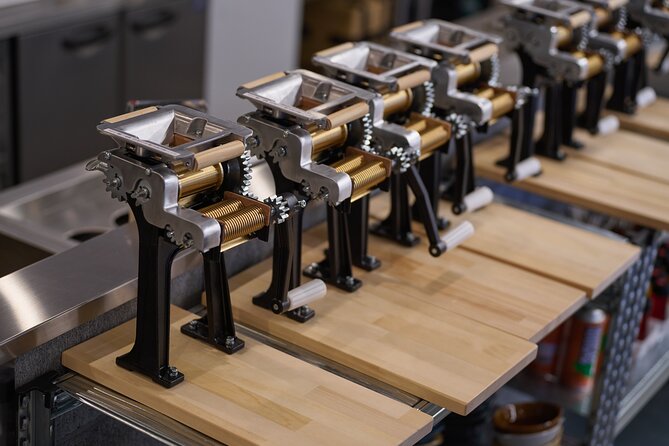
You start with the dough work: kneading the flour, rolling it out, cutting it into noodle shapes, then moving into the cook-drain phase. The class includes the boiling and draining steps too, so you’re not stuck guessing timing.
Why this matters: store ramen is great, but noodle-making is the heart of the craft. If you leave this class able to replicate even part of the process, you’ll have a real skill, not just a photo.
2) Draining and moving fast into soup building
Once your noodles are boiled and drained, the class shifts toward soup. This timing is important, because noodles and broth go together. The format is built so you’re actively doing something the whole time.
If you normally worry you’ll fall behind in cooking classes, this structure helps. You’re not left alone with a complicated recipe.
3) Mixing soup, choosing your broth direction
You’ll mix your noodles into the soup at the end, but before that you get to choose from various broths and sauces. That’s your customization moment, where you can make the bowl taste like what you want.
The instructions are described as easy to understand, and instructors are on hand if you need help. This is exactly what you want for a hands-on experience, because small mistakes can happen when you’re learning.
More Tokyo tours and experiences for the shortlist
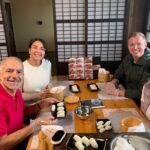

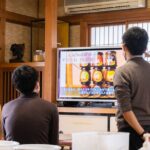
4) Chicken garnish, from tying to slicing
For the chicken part, you’ll do several steps: tie the chicken with string, add condiments, cook it, and then slice as desired.
This isn’t just garnish decoration. It gives you a sense of how ramen shops build flavor layers. And it’s one of those tasks that makes the whole class feel like you’re doing real kitchen work, not a demo.
5) Final assembly into your ready-to-eat bowl
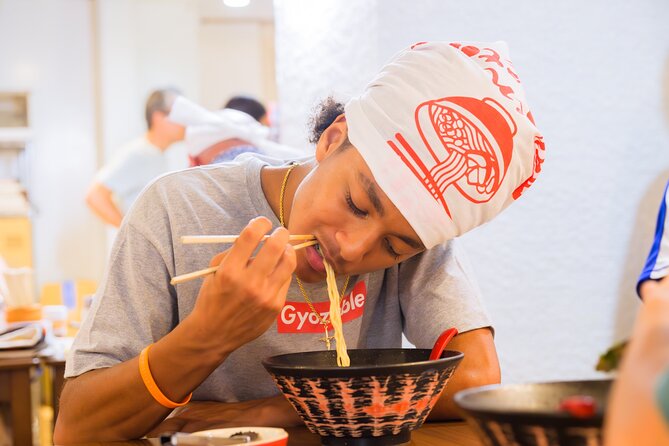
To finish, you place the boiled noodles into your soup and add toppings. Then you eat what you made.
This is the payoff stage. It’s not “watch the food go into a bowl.” It’s your hands doing the work, so you taste the result with a built-in sense of pride.
Broth Choices: How to Make One Bowl Fit Your Taste
The class offers options for broth and sauces, and the real value is that you’re not stuck with one flavor profile. You get to blend what they provide and then build your bowl around that.
In practice, what you should do is think about how you like ramen:
- If you like comfort and depth, you’ll probably want a richer base.
- If you prefer something lighter, you can lean toward options that feel less heavy, depending on what they have available.
The class structure makes this easy because the instructors guide you, and you’re not inventing recipes from scratch. You’re choosing and combining, which is a smart level of control for a 90-minute class.
Chicken, Toppings, and the Diet-Friendly Options That Actually Help
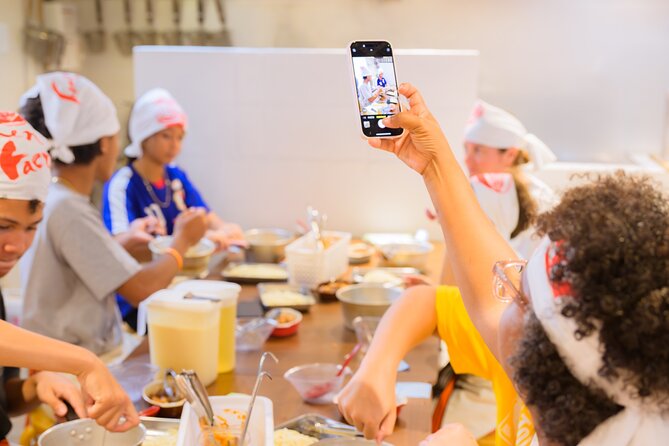
This is one of the most reassuring parts of the experience: it supports a range of dietary needs, including vegetarian, vegan, and Muslim-friendly options, plus gluten-free. You need to indicate requirements at booking, and the class mentions tofu as a vegetarian or vegan option when you request it in advance.
Why this matters for you: ramen is usually built on meat or meat-based stocks. Here, the class is set up so you can still participate fully and not feel like you’re sitting out.
The chicken garnish steps are part of the experience when you choose the standard route, but if you request tofu, you still get an active role in toppings and assembly. That keeps the class inclusive without turning it into a separate “special meal” for some people.
The Price, the Real Value, and What You Get Besides Food
At $141.56 per person, it’s not a casual snack stop. But this price makes more sense once you look at what’s included.
You get:
- Food tasting
- Lunch and dinner
- The full cooking class experience with guidance
- A tour escort or host
- All fees and taxes
The key value point is that you’re paying for instruction plus multiple meals, not just a short tasting. A lot of food activities charge similarly, but only deliver small samples. Here, you’re doing the work and then eating what you made, twice as part of the broader meal flow.
And you also take home an omiyage gift. You can choose one of these:
- T-shirt
- Ramen bowl
- Japanese apron
That choice makes the class feel more like a souvenir you earned, not just something handed to you. If you like practical keepsakes, the ramen bowl is the most directly connected to the activity.
Instructors, English Support, and What a Small Group Changes
The class caps at 18 travelers, which is a big deal for hands-on cooking. Smaller groups mean you’re more likely to get help when you need it, and instructors can spot trouble earlier.
And the reviews highlight that staff members like Jojo and Eri explain things clearly and speak strong English. That’s exactly what you want in a cooking class. When instructions are easy to follow, you spend less time translating in your head and more time doing the task.
Timing Near Mt. Fuji: When to Book and How to Plan Your Day
This experience is usually booked about 31 days in advance on average, which tells you two things:
1) People plan ahead for Mt. Fuji area activities.
2) This class is popular enough that slots can disappear.
So if Mt. Fuji is on your schedule, I’d treat this like a real reservation item, not something to “maybe do” later.
Also, because transportation isn’t included, you should budget time to reach the address in Funatsu. The class itself is about 1 hour 30 minutes, so build in buffer. You don’t want to arrive rushing, especially if you’re new to noodle-making.
What Can Feel Like a Downside (And How to Handle It)
You might notice a couple practical considerations:
- You have limited time. This is a 90-minute class, so you won’t master everything like a professional chef. You will, however, learn the workflow and do the key steps.
- You need to plan your getting-there. Transportation is not included, so you’ll rely on your own local plan for how to reach the meeting point.
If you’re good with that trade-off, you’ll probably leave happy because the payoff is immediate: your hands make the bowl, and then you eat it.
Should You Book This Ramen Cooking Class at Mt. Fuji?
I think it’s worth booking if you want a hands-on food experience with real participation. The strongest reasons are straightforward: you make noodles, you can customize broth, and you do a meaningful garnish step with chicken or tofu based on your needs. Add the small group size and clear English help from instructors like Jojo and Eri, and it becomes a very “do it yourself” kind of activity.
I’d skip it only if you specifically want a scenic tour or a long, leisurely meal. This is a class with a focused clock, and the value comes from cooking, not wandering.
If your goal is to bring home both a tasty memory and a repeatable ramen-making routine for the future, this is one of the better ways to spend your Mt. Fuji day.
FAQ
How long is the Ramen Cooking Class at Ramen Factory Mt. Fuji?
It runs for about 1 hour 30 minutes.
Where does the class take place?
The meeting point is at Ramen Factory Mt.Fuji, 3487-15 Funatsu, Fujikawaguchiko, Minamitsuru District, Yamanashi 401-0301, Japan. The activity ends back at the meeting point.
What is included in the price?
The class includes a tour escort or host, all fees and taxes, food tasting, lunch, and dinner.
Is transportation included?
No. Transportation is not included.
Can the class accommodate dietary needs?
Yes. The class can accommodate vegetarian, vegan, gluten-free, and Muslim-friendly options. If you need tofu as the vegetarian or vegan option, you should indicate that in the special requirements at booking.
What souvenirs do I get to take home?
You can choose one omiyage: a T-shirt, a ramen bowl, or a Japanese apron.
What is the cancellation policy?
Free cancellation is available. You can cancel up to 24 hours in advance for a full refund. If you cancel less than 24 hours before the start time, there is no refund.
More Workshops & Classes in Fujikawaguchiko machi
More Cooking Classes in Fujikawaguchiko machi
More Tour Reviews in Fujikawaguchiko machi



Not for you? Here's more nearby things to do in Fujikawaguchiko machi we have reviewed






Tokyo Food Tours, side by side.
 ★ 5.0Shinjuku Food Tour (13 Dishes at 4 Local Eateries)From $866,603 reviews
 ★ 5.0Tokyo Bar Hopping Tour in Shinjuku (All-You-Can-Drink + Dinner)From $1063,587 reviews
 ★ 4.9Shinjuku Food Tour (15 Dishes and 4 Eateries)From $852,033 reviews
 ★ 5.0Best of Shinjuku: Izakaya Food Tour (4 Stops, 14+ Tastings)From $921,863 reviews
 ★ 5.0Shibuya Meltdown Nightlife Tour: All-You-Can-Drink Bar HoppingFrom $1061,058 reviews
 ★ 5.0Eat and Drink Like a Local: Tokyo Ueno Food Tour-Taverns&RamenFrom $95957 reviews
 ★ 5.0Ramen & Gyoza Cooking Class in Tokyo with Local Supermarket VisitFrom $122823 reviews
 ★ 5.0Shibuya Food Tour (13 dishes and 4 Eateries)From $77770 reviews
This tour also belongs to