
Review · TOKYO SUSHI CLASSES
Fujisan Sushi Making Lesson
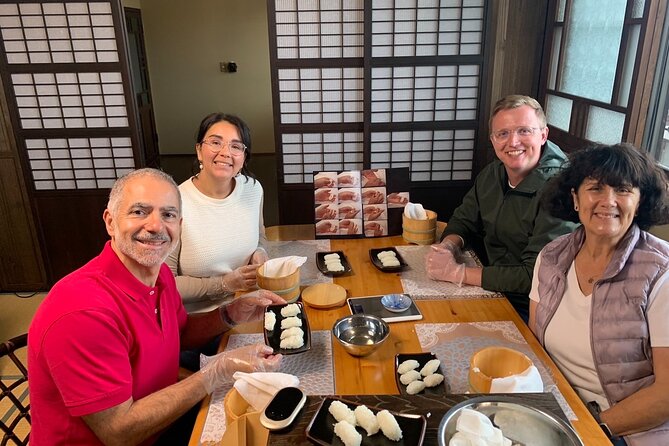
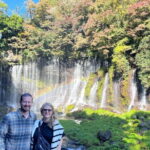
Mount Fuji makes sushi class feel special, and this Nigiri lesson turns the view into part of your cooking. You get clear instruction from a veteran chef who explains in English, plus real Japanese table etiquette and the background behind sushi. It is a hands-on way to go beyond ordering sushi and actually understand what you are doing.
At $229.91 per person, it is not a budget activity, so I’d book it with a plan: you want repeatable technique, not just a meal. Also, because the class incorporates Japanese as you follow steps, you will learn faster if you are comfortable picking up key words and watching closely.
Key things to know before you go
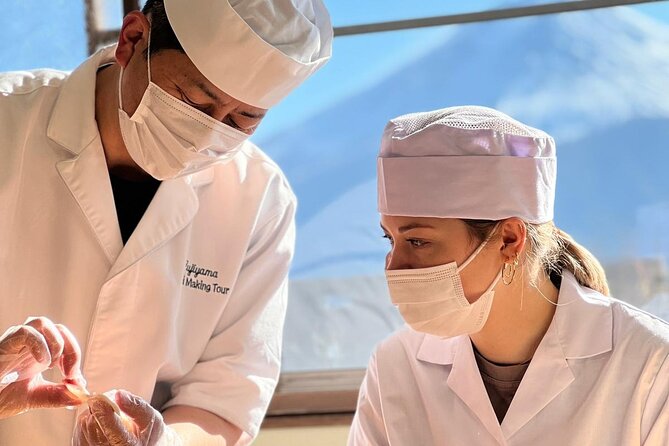
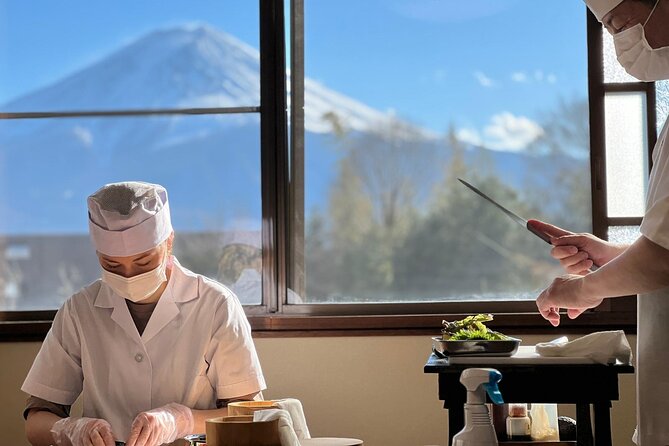
- Mount Fuji while you cook: the area lets you enjoy views while you prepare your sushi.
- Nigiri and rolls, not just one style: you practice both sushi rolls and Nigiri-sushi.
- Chef-led practice with English support: the instructor explains in English so you can follow the method.
- Japanese table etiquette included: you learn how sushi is meant to be eaten and handled.
- Trivia and slideshow break up the cooking: you get structured cultural and food info, not nonstop prep work.
- Vegetarian option is available: you can request a vegetarian-friendly experience.
Where sushi meets Mount Fuji: the mood and setting
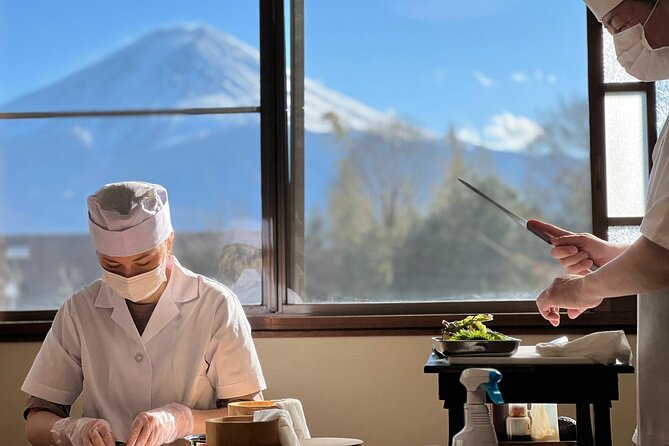
Fujikawaguchiko is a classic base for Mount Fuji, and this class leans into that by placing your lesson close enough to enjoy views while you cook. That matters more than you might think. A sushi lesson can be technical, even a little intimidating, but the scenery helps you stay calm. You focus on technique because the whole experience feels like a short, guided outing, not a test.
The tour also reads like it is built for real-world guests, not just food nerds. It explicitly welcomes foreign tourists, expatriates, and local friends, so the vibe should be relaxed and international. You should not worry about being the only non-Japanese person at the table.
You start and end at the same spot, at Kawaguchiko Station, so you do not need to solve transportation chaos. The meeting location is listed clearly at 3641 Funatsu, Fujikawaguchiko, Minamitsuru District, Yamanashi 401-0301, Japan, which is helpful when you are navigating a train town.
More Tokyo tours and experiences for the shortlist
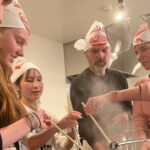
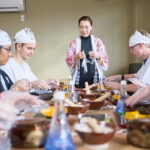
What you learn: Nigiri-sushi, sushi rolls, and etiquette
This is not a “watch the chef, take a photo, leave” situation. The core promise is that a professional chef teaches you how to make sushi in a way you can imitate at home. That is the difference between a souvenir experience and a skill you can use later.
You learn two major categories:
- Nigiri-sushi: the hand-pressed style where rice texture and shaping matter as much as the topping.
- Sushi rolls: the rolled format where alignment and even thickness make the bite more satisfying.
Along the way, you also cover Japanese table etiquette and the tradition behind sushi. That is valuable because etiquette is part of how sushi is meant to be experienced. If you only learn the mechanics, you still might eat like a tourist. If you learn the etiquette too, you get the full package of “how to do this the Japanese way,” not just “how to assemble it.”
One detail that stood out in the feedback is that the lesson includes structured culture content, like trivia questions and an informative slideshow. That kind of format keeps the session moving and makes the food facts stick. It also gives you context for what you are doing with your hands, instead of treating the steps as random motions.
The chef and the class style: English explanations with Japanese steps
The instructor is described as a veteran chef with worldwide cooking experience, and the lesson is explained in English. That is a big deal for making the techniques actually usable. Sushi rice, shaping, and rolling are hard to get from a single diagram. When you can ask questions or follow explanations in a language you understand, you stand a better chance of leaving with workable muscle memory.
At the same time, one review note said the class was in Japanese, which is great if you are actively studying the language. So expect a mixed experience: you will have English support, but the class likely includes Japanese terms for key actions and ingredients. If you are not studying Japanese right now, no problem, but you should be ready to rely on watching and listening, not just reading.
A practical tip for you: take notes on the step order rather than trying to memorize every Japanese word. Technique order is what you will use later at home, even if your vocabulary is still building.
Before you cook: how the lesson sets you up
Most sushi lessons start with a quick orientation, and this one fits that pattern by combining cooking with short bursts of instruction. You should expect to begin with guidance on the basic approach, then gradually transition into making nigiri and rolling.
The presence of a slideshow and trivia questions suggests the class does not treat you like a passive audience. Instead, you likely get small knowledge checkpoints as you go. That structure helps you understand why certain steps matter, like rice handling or how to keep the roll tight and even.
Also, because the experience mentions Japanese table etiquette and sushi tradition, expect some culture-focused moments early or mid-class. Those pauses are not just “extra.” They help you connect the food to how it is served and eaten, which is what makes your final plate feel authentic.
Stop with Mount Fuji views: why it matters for a cooking class
The itinerary highlights Mount Fuji as a point of focus. Even if you are only getting a short view or a moment to appreciate the surroundings, it can change the tone of the whole lesson. Cooking classes can feel repetitive and indoor. Here, the experience ties you to place.
For you, that means two things:
- The setting helps you relax during the more technical parts of sushi making.
- You get a stronger sense of why this food is tied to Japanese daily life, not just restaurant plating.
One caution though: views are weather dependent. If clouds roll in, you still get the lesson, but the visual payoff might be smaller. Plan your expectations around the fact that Mount Fuji can be shy on some days.




Nigiri practice: what to focus on during shaping
When people think sushi, they often think fish. In a nigiri lesson, the rice is the real star, and the technique is all about texture, pressure, and consistency.
Here is what you should focus on as you make nigiri:
- Rice handling: how the rice is kept light and how it is treated before shaping.
- Shaping pressure: enough to hold together, not so much that the rice turns dense.
- Balance between rice and topping: you want the bite to feel cohesive, not lopsided.
The chef teaching you how to make sushi you can imitate at home is the key point here. If the instruction works, you will leave with a repeatable method for shaping and assembling. You can use it later for a simple dinner, not only for a one-time class.
If you are a hands-on learner, you will probably enjoy this part most. The reason: you see results immediately. Your shaped nigiri is either holding together well or it is not, and the chef can correct you in the moment.
Sushi roll practice: keeping it neat and not overthinking it
Rolling sushi is where many people feel both excited and nervous. It takes coordination. You need to keep the roll tight, distribute filling evenly, and end with clean edges.
In a class like this, the value is that you do not learn by struggling alone. You learn with coaching, and you learn the sequence. That is what you can copy at home.
Practical things to watch for:
- Keep your roll thickness consistent from end to end.
- Aim for a tidy wrap so the slice looks clean.
- Follow the chef’s step order before trying to improvise.
Also, rolls tend to feel forgiving in one way and strict in another. They forgive uneven fillings in taste, but they punish uneven thickness in appearance. If you care about presentation, pay attention during this section.
Japanese table etiquette: the part people forget, and you shouldn’t
This lesson includes Japanese table etiquette, and that is one of the smartest additions you can get with a sushi class. Sushi is eaten differently than many Western meals, and small habits change the whole experience.
You are likely to learn things like how sushi is approached at the table, how to handle it, and how to keep the meal rhythm calm. Even if you do not remember every detail, you will notice the difference right away once you know what the class is pointing you toward.
This is also where the cultural content and the slideshow/trivia style moments help. You are not just producing sushi, you are learning how it fits into a Japanese dining experience.
Vegetarian sushi option and allergies: plan ahead
The experience notes that vegetarian is available, and they ask you to let them know in advance about any food allergies. That is important for two reasons.
First, it makes the class more inclusive. You can take the lesson without feeling like your only choice is to watch someone else cook.
Second, sushi involves ingredients that can be tricky for allergies. If you have specific dietary restrictions, you should treat the “tell us in advance” note as a must-do, not a suggestion. Even common cross-contact issues can matter for sensitive guests.
If you are vegetarian, ask for the vegetarian option when booking. If you have allergies, confirm what can and cannot be accommodated in advance so the lesson stays stress-free for you.
Price and value check: is $229.91 fair for this lesson?
The price is $229.91 per person for an experience that runs about 3 hours. On paper, that can sound like a lot compared to simply eating sushi in Japan. But the value comes from what you are buying: hands-on teaching from a professional chef, plus cultural context, plus guidance you can reuse later.
Here is how I think about value for cooking classes like this:
- If you leave with techniques you can actually reproduce, the cost starts to look reasonable.
- If you just get a fun meal without skills, it would feel expensive.
This class is positioned around repeatable method learning. That is what you should evaluate. Ask yourself if you want to go home and practice nigiri shaping or rolling technique. If yes, the price feels closer to “a workshop” than “a tourist meal.”
Also, the experience includes group discounts and a mobile ticket option. If you are traveling with friends, you may be able to reduce your per-person cost. The lesson is also private in the sense that only your group participates, which often makes the instruction feel more direct.
One practical consideration: since it is per person, solo travelers may feel the price more sharply. If you can share the class with others, it often feels like better value.
Getting there from Kawaguchiko Station, and how the timing works
You meet at Kawaguchiko Station and the experience ends back at the meeting point. That reduces friction, especially in Fuji area towns where train schedules can be tight and walking distances vary.
The activity is near public transportation, which is a good sign if you plan to combine this with other Kawaguchiko sights. The lesson duration is about 3 hours, so it works as a half-day anchor. You can usually pair it with a morning or late afternoon plan, depending on your energy level.
One more thing: confirmation is received within 48 hours of booking, subject to availability. That means if you are traveling during peak season, you should not book last minute unless you are flexible.
Who this sushi making lesson fits best
This class is a strong match if you want:
- a practical skill, Nigiri and rolls, not just food sightseeing
- a chef-led experience with English explanations
- Japanese dining etiquette and sushi tradition context
- a lesson format that includes a bit of trivia and slideshow learning
- an option for vegetarian needs
It can also work well for language learners. One review note mentioned enjoying the Japanese used during the class. If you are studying Japanese, sushi is a perfect topic because you will hear food vocabulary and dining terms naturally.
It may be less ideal if:
- you only want to eat sushi and you are not interested in learning technique
- you are looking for the cheapest activity option in the Fuji area
- you prefer very casual, no-structure experiences
Should you book this Fujisan Sushi Making Lesson?
I think you should book it if you want to leave with skills you can repeat at home. The best part is that the class is built around making Nigiri-sushi and sushi rolls, guided by a veteran chef, with English explanations and dining etiquette added in. That mix is what turns sushi from a restaurant purchase into something you can make yourself.
If you are on the fence because of price, run a quick gut check: would you pay for a 3-hour workshop if it meant you could shape sushi properly later? If the answer is yes, this is a good fit.
If you are traveling as a pair or small group, it also tends to feel smarter since the experience mentions group discounts and private group participation.
In short: if you want an authentic, hands-on sushi lesson with Japanese culture taught in a way you can follow, this is a solid call for the Kawaguchiko area.
FAQ
How long is the Fujisan Sushi Making Lesson?
The lesson lasts about 3 hours.
Where do I meet for the experience?
You start at Kawaguchiko Station, address 3641 Funatsu, Fujikawaguchiko, Minamitsuru District, Yamanashi 401-0301, Japan. The activity ends back at the meeting point.
What kinds of sushi will I learn to make?
You will learn to make Nigiri-sushi and sushi rolls.
Is vegetarian sushi available?
Yes, a vegetarian option is available. If you have food allergies, you should let the organizer know in advance.
Is the lesson explained in English?
Yes. The chef explains the lesson in English.
Is this a private group activity?
Yes. Only your group will participate.
What is the cancellation policy?
You can cancel for a full refund up to 24 hours before the experience starts. Free cancellation is offered, but cancellations made less than 24 hours before the start time are not refunded. Timing is based on local time.
More Workshops & Classes in Fujikawaguchiko machi

More Tour Reviews in Fujikawaguchiko machi
Not for you? Here's more nearby things to do in Fujikawaguchiko machi we have reviewed







Tokyo Sushi Classes, side by side.
 ★ 5.0Sushi Making Tokyo Roll and Authentic Japanese Sushi ClassFrom $593,971 reviews
 ★ 4.9Roll and Authentic Sushi Making Class in AsakusaFrom $581,957 reviews
 ★ 4.9Sushi Making Class in a Happi Coat near a Famous SpotFrom $421,377 reviews
 ★ 5.0Tokyo Sushi Making Class in Tsukiji with Professional ChefFrom $491,177 reviews
 ★ 5.0Tsukiji Fish Market Guided Tour and Sushi Making with Pro ChefFrom $104775 reviews
 ★ 4.9Tsukiji Fish Market Sushi Making Class with Pro ChefFrom $63506 reviews
 ★ 4.9Sushi Making ClassFrom $67390 reviews
 ★ 5.0Tokyo Tsukiji Fish Market Tour and Sushi Making LessonFrom $99390 reviews
This tour also belongs to