
Review · MOUNT FUJI TOURS
Private Tour of Mt. Fuji Culture and Nature Walk
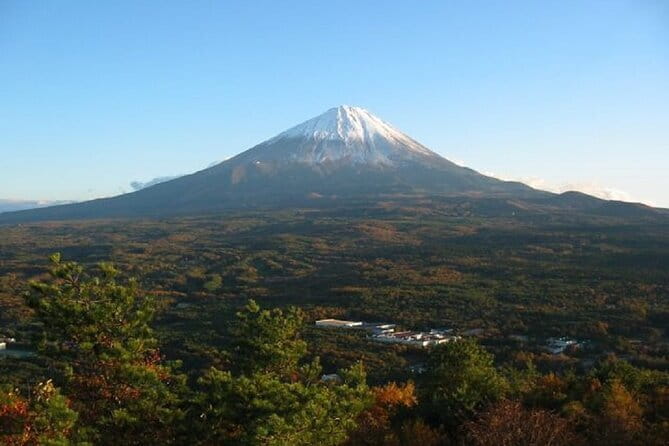
Mt. Fuji hits different with context. This private tour turns a big view into a full day of culture, nature, and spiritual meaning around Fujisan. You start with a classic panorama, then move into the Aokigahara “sea of trees” area, finishing at shrine spaces where people have prayed for generations.
I especially like how the guide, Momo, explains what you are seeing in academic, detailed terms instead of just pointing. I also like the pacing, especially the mix of short walking stretches, caves, and shrine time, so you are not stuck only doing photos.
One thing to consider: this is a walking-and-site tour, so you will want decent mobility. The route includes small walks like the hilltop approach at Sankodai, and you will move between several stops in about six hours.
Key points to know before you go
- Private, small-group feel: only your group rides in the private transportation.
- Sankodai in the morning: Fuji framed with lakes and Aokigahara from a hilltop viewpoint.
- Aokigahara forest bathing: guided time in the forest with cave visits.
- Two cave stops with meaning: Narusawa Ice Cave and a lava cave tied to Fuji-ko pilgrim practice.
- Sengen Jinja focus: you get the backstory, not just shrine photos.
- Lunch and admissions included: a rare mix for one set price, with drinks/snacks left to you.
Mt. Fuji culture and nature in one focused private day
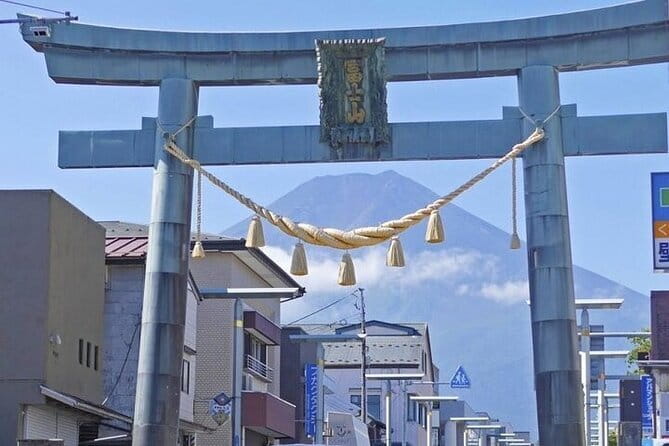
If your Mt. Fuji plan feels like a rush of buses and photos, this tour is designed as a calmer alternative. You are not just visiting places with views, you are connecting them. Mt. Fuji has been a spiritual symbol for Japan for more than 1500 years, and people long treated the mountain itself as a god. That belief shaped pilgrimage habits, worship sites, and shrines built around Fujisan.
What you get here is a storyline you can follow from morning sightline to afternoon sacred sites. Morning sets the stage, mid-day shifts into forest and geology, and the afternoon returns to culture and worship. It is a neat structure for anyone who wants meaning, not only scenery.
You can also read our reviews of more tours and experiences in Fujikawaguchiko machi.
How the meeting and timing work at Kawaguchiko
The tour starts at Kawaguchiko Bus Station No.2 at 9:00 am, and you come back to the same meeting point at the end. It is a half-day format, about 6 hours, which makes it a realistic choice even when you are also trying to fit in other Fuji Five Lakes sights.
The big practical win is pickup offered through private transportation. That matters in this region, where public transit is good but not always simple if you are arriving from another city or trying to catch the right connections. One of the most praised parts of the experience is how Momo helps you get oriented before you even show up, including support for people who are figuring out how to navigate the bus system.
You also get a mobile ticket, so you are not stuck hunting paper vouchers at multiple stops. Still, I suggest you keep your phone charged and bring a small card or notes backup if you rely on maps.
Stop 1, Sankodai: your morning Fuji framing with lakes and Aokigahara
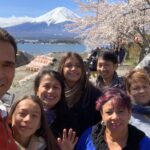
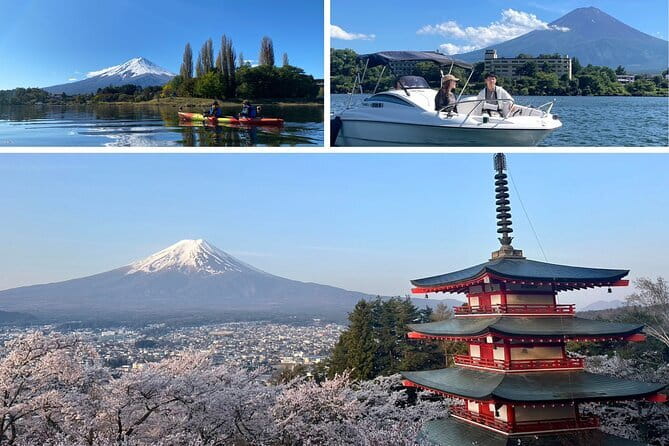
Your first stop is Sankodai, a viewpoint that gives that classic “Mt. Fuji straight ahead” feeling. The view is meant to be immediate: Fuji in the foreground, lakes laid out below, and Aokigahara stretching down the slopes.
There is a 15-minute walk to the hilltop, so this is not a drive-up-and-stay-put moment. It is short, but it is still a walk. If you have mobility limits, it helps that the tour is private, and in at least one account, Momo adjusted the pace so an older traveler could actively participate instead of having to sit out.
How to get the most from this stop:
- Bring a light layer, mornings can feel cool even in fair weather.
- Give yourself a few minutes to let your eyes adjust to depth. The lakes and forest textures become much clearer once you slow down.
- If clouds move in, do not panic. This tour is structured around multiple cultural and nature stops that still feel worthwhile even if Fuji visibility changes.
Why this first stop matters: Sankodai is the visual baseline. Once you see Fuji and the forest relationship from here, later stops make more sense.
Stop 2, Aokigahara Forest: forest bathing with cave time
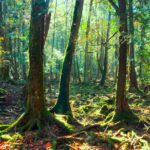
After Sankodai, you head into Aokigahara Forest. This is the “sea of trees” area people talk about, not just for its eerie reputation, but for its real atmosphere and unique forest character. In this tour, you are not only walking through trees. You are doing forest bathing, which is a slower, senses-forward way to experience the environment.
You spend about 2 hours here, and part of that time includes visiting caves. That pairing is smart because it changes the pace. Forest time teaches you how to notice, and cave time gives you contrast, shade, and a different temperature feel.
What I like about the way this tour handles Aokigahara is that it does not treat the forest as a checkbox. Momo provides detailed explanations, so you can understand why people linked the mountain and the surrounding environment to spiritual practice. You also get a chance to take in the natural scale, especially when you remember that this forest sits right in Fuji’s shadow.
Practical considerations:
- Wear shoes with decent grip. Cave entrances and forest paths can be slippery.
- If you are sensitive to damp cool air, you might want a thin layer for cave sections.
- This is not a strenuous hike day, but you should expect continuous movement.
Stop 3, Narusawa Ice Cave: year-round cold geology
Next is Narusawa Ice Cave (Narusa wa Hyoketsu). It is located at the east entrance to Aokigahara Jukai, the sea of trees area, and it is regarded as a spot you can visit throughout the year. That matters if you travel in shoulder season or when weather is unpredictable.
You get about 1 hour at this stop, and the admission is included. I like this inclusion because it removes one of the small annoyances that can happen on self-guided days, where you end up paying for entry after already paying for parking or transport.
What to expect inside:
- A cooler temperature than you feel outside, even when it is warm elsewhere.
- A close-up look at how the cave holds cold. It is one of those experiences where you stop thinking about schedules and just pay attention to the air and texture.
If you are the type of traveler who likes natural processes, this is a strong mid-day anchor. It also gives a break from open air, which can be helpful on hot days.
You can also read our reviews of more private tours in Fujikawaguchiko machi
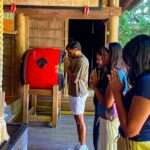
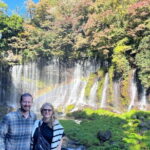
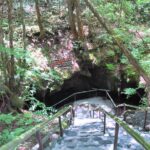

Stop 4, Funatsu Tainai Jugata Lava Tree Mold: going inside a pilgrimage site
The tour then moves to Funatsu Tainai Jugata Lava Tree Mold, a lava cave with cultural weight. This stop is especially interesting if you care about how religion and everyday geography mix in Japan.
The cave is described as a place where Fuji-ko pilgrims paid homage before starting their climb. In this tour, you do not just stand outside looking at a sign. You actually go inside the cave for a spiritual experience.
You get about 1 hour here, and admission is included again. That makes the tour feel more complete, because you experience the place itself rather than relying on a quick photo moment.
What you can take away:
- You see how Fuji devotion was not only about the summit. It was also about preparation spaces.
- The setting helps you understand why people interpreted the natural world as spiritually meaningful, not separate from their beliefs.
If you dislike tours that treat sacred sites like background scenery, this stop may be exactly your style.
Stop 5, Kitaguchi Hongu Fuji Sengen Jinja: the meaning behind the surface
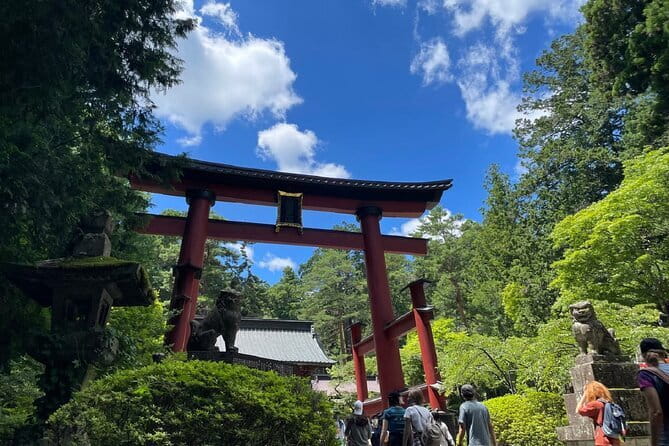
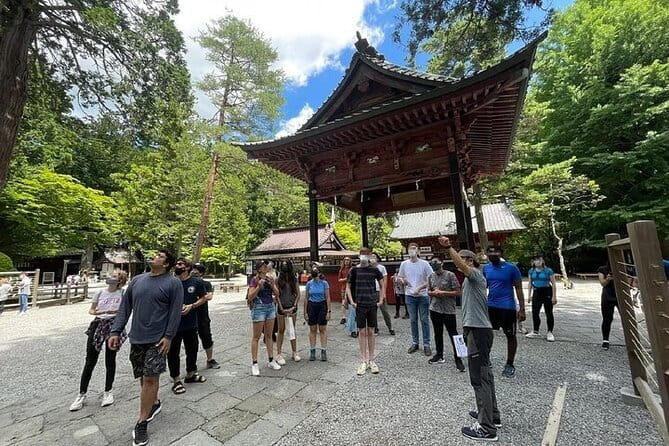
Your final major cultural stop is Kitaguchi Hongu Fuji Sengen Jinja Shrine. This shrine is one of the best-known Fuji-area sights, and it can look majestic on its own. The tricky part is that many people only take in what they see at a glance, like they are collecting a shrine photo.
The strength of this tour is that Momo explains the history and cultural significance in a way that helps the shrine feel more legible. You get about 1 hour here, and admission is free for this stop.
If you are new to Japanese shrine traditions, this is also a useful time to ask questions, because you are surrounded by the symbols and the site layout. If you are already familiar, the tour gives you a chance to connect your existing knowledge to this particular shrine’s role in the wider Fuji worship world.
One more practical point: shrines are often best enjoyed slowly. Plan on not rushing your way through. You will get more from the details once your attention slows down.
Price and value: what $99.40 buys you in the Fuji Five Lakes
At $99.40 per person for a tour that runs about 6 hours, this can be good value if you compare it to the real costs of a private day. You are paying for private transportation, a guide, lunch, and all fees and taxes. Admissions are included where listed, including Narusawa Ice Cave and the lava cave stop.
That “all fees and taxes” plus lunch piece matters. In many areas, the base ticket price looks reasonable, then you add entry fees and food. Here, the structure is more predictable.
What is not included is simple: drinks and snacks. So bring your own water strategy. If you tend to get hungry, have a snack plan for the times between included lunch and the next stop.
Also note the booking pattern. This experience is often booked around 75 days in advance on average. If your Fuji dates are tight, I would not wait for last-minute confidence.
Who this tour fits best, and who might want a different plan
This is a great fit if you want Mt. Fuji with explanation. If you care about spiritual traditions, Japanese cultural history, and the way worship has shaped travel patterns, you will likely enjoy the flow from viewpoint to forest to caves to shrine.
You might also like it if you want a private format without the stress of self-guided navigation. The meeting point is at a major bus station, and the guide provides help getting set up.
It can be less ideal if you are looking for a very light, minimal-walking experience. There are short walks, and you are moving through five different stops in one day. The good news is that the private nature of the tour makes it easier for the guide to adapt pace when needed, and Momo has shown that kind of flexibility in at least one praised instance.
Practical tips to make the day smoother
A few habits make this kind of tour more enjoyable.
First, wear shoes you trust. You will do a 15-minute walk at Sankodai and you will be on paths around forest and caves. Good grip matters more than style.
Second, pack for temperature shifts. You can start in cool mountain air, then step into cooler cave spaces, and come back into sun and shade. A light layer helps you manage it.
Third, eat with the tour rhythm in mind. Lunch is included, but you still want a plan for water and any extra snacks you personally prefer.
Fourth, take advantage of Momo’s teaching role. This is not a guide who only tells you where to stand. If you ask questions, the explanations are designed to help you understand why these sites matter.
Should you book this private Mt. Fuji culture and nature walk?
Book it if you want your Mt. Fuji day to feel like a story. The combination of Sankodai panorama, time in Aokigahara Forest with forest bathing, Narusawa Ice Cave, a lava cave tied to Fuji-ko pilgrimage, and a Sengen Jinja visit with real context is a rare mix.
Skip it or consider a different style if you want only easy viewpoints and minimal walking. This is still manageable for most people, but it is more active than a pure sightseeing drive.
If you like guides who explain the why behind the wow, and you want value that includes transport, lunch, and key admissions, this is a strong choice for a focused half-day from Kawaguchiko.
More Tours in Fujikawaguchiko machi
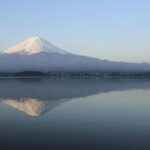

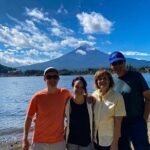
More Tour Reviews in Fujikawaguchiko machi


Not for you? Here's more nearby things to do in Fujikawaguchiko machi we have reviewed
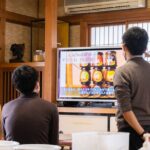
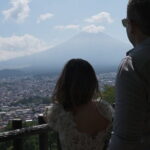
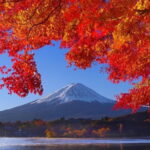

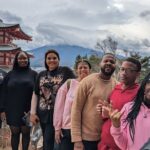
Mount Fuji Tours, side by side.
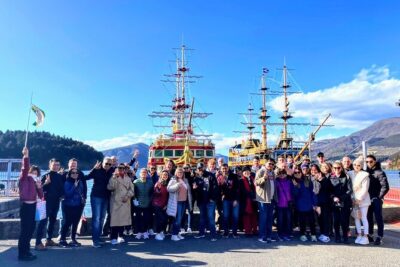 ★ 5.0Mt Fuji and Hakone 1-Day Bus Tour Return by Bullet TrainFrom $16326,383 reviews
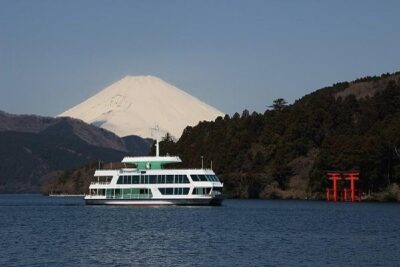 ★ 4.0Mt Fuji & Hakone Cruise, Drum Show Bullet Train 1 Day from TokyoFrom $1497,413 reviews
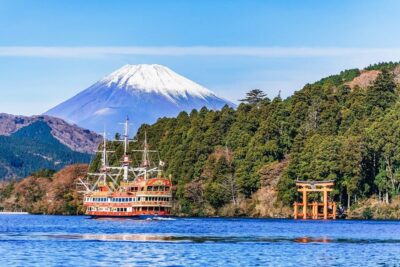 ★ 4.4Tokyo Mt Fuji 5th St & Hakone Cruise Bus Tour w/Bullet TrainFrom $1545,024 reviews
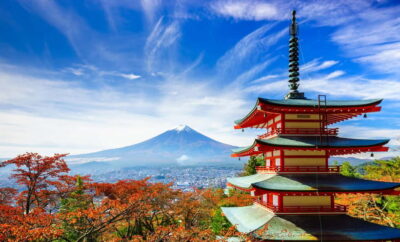 ★ 4.5From Tokyo: Mount Fuji Full-Day Sightseeing TripFrom $684,970 reviews
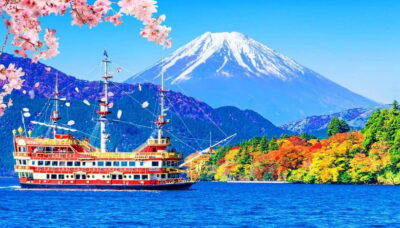 ★ 4.7Mt. Fuji Tour, Hakone Ropeway, Owakudani, Lake AshiFrom $544,002 reviews
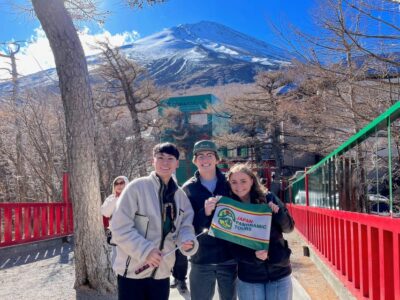 ★ 4.2Mt. Fuji 5th Station & Hakone Cruise 1-Day Bus TourFrom $1292,381 reviews
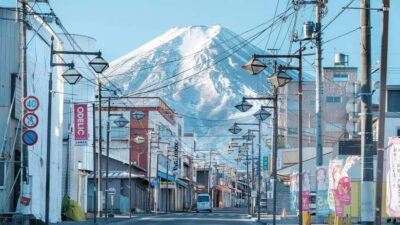 ★ 4.7Mt Fuji Top 5 Spots Day Tour: Arakurayama Park,Oshino HakkaiFrom $532,066 reviews
 ★ 5.0Private Tour to Mt. Fuji and Hakone (Fully Licenced Operator)From $4971,910 reviews
This tour also belongs to