
Review · HAKONE DAY TRIPS
Easygoing Nature Walk in Hakone Tour
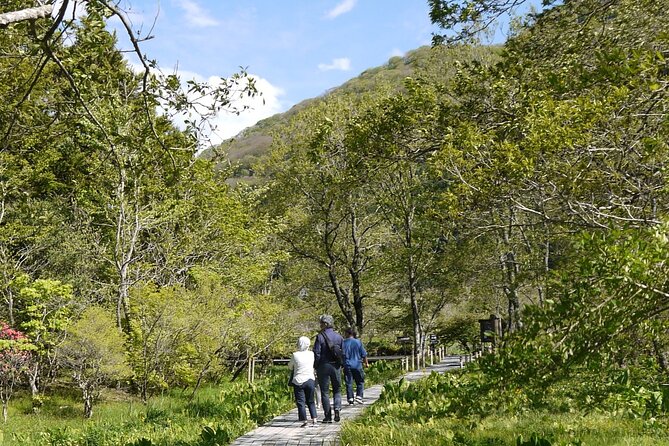
Hakone’s quiet side is right here. This easygoing nature walk in Hakone mixes a wetlands botanical garden, a susuki-grass viewpoint area, and an English-friendly visitor stop, guided by Yoshi. I especially like that the route is mostly flat, so you spend time looking closely at plants and wildlife instead of wrestling uphill trails. Another big win: each person gets binoculars, which instantly turns small details into real sightings.
One thing to plan around: this is an outdoor walk that depends on good weather, and essentials like an umbrella, water, and proper shoes are not included. If it’s rainy, bring what you need so you can stay comfortable and keep your attention on the natural stuff.
You start at the Hakone Botanical Garden of Wetlands at 9:00 am and finish at Togendai station, which is handy for moving on. The tour caps at just 5 travelers, so you get time for questions, and Yoshi’s English helps a lot when you want to understand what you’re seeing and how the area works.
Key highlights you’ll feel during the walk
- Hakone Botanical Garden of Wetlands with a marsh-plant focus, including 200 marsh plants among about 1,700 wild plants
- Sengokuhara Susuki grass fields for classic Hakone views and context on how people historically used pampas grass
- Hakone Visitor Center stop with English introductory leaflets and short intro videos
- Binoculars provided for each guest, plus an intro handout to guide what to look for
- Maximum group size of 5, which makes it easier to ask questions and slow down when something interesting appears
- Ends at Togendai station, a convenient northern Lake Ashi base with multiple transport options
How this easy Hakone nature walk works (and why it feels special)
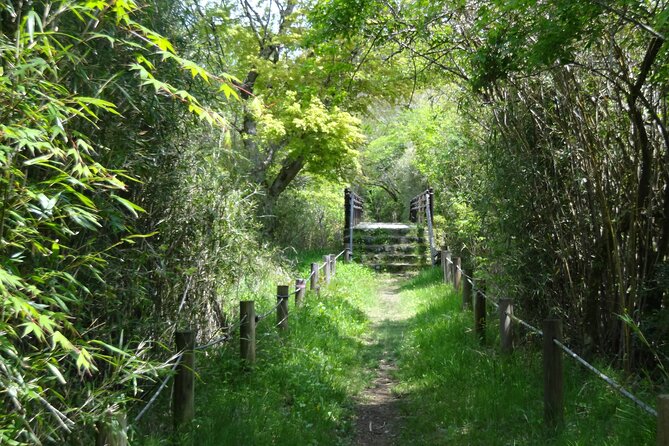
Hakone is famous for hot springs and mountain views, but this tour leans into the quieter side: plants, birds, insects, and the geology behind why the area looks the way it does. The big idea is simple. You walk around relatively flat areas, so the experience stays accessible without turning into a strenuous hike. That matters because it lets you actually watch for wildlife instead of burning energy just to keep moving.
The tour is built like a nature “spotting session,” not a fast checklist. Yoshi brings binoculars for each guest. That one detail changes everything. When you’re trying to notice birds, insects, or distant terrain cues, binoculars help you see far-off features without having to rush closer. You also get an introductory handout, which gives you a bit of framing so you’re not staring at random plants, hoping for the best.
This also isn’t a large group tour. With a maximum of 5 travelers, you’re more likely to hear the guide’s explanations clearly and get personalized help. Even better, you end at Togendai station, a practical finishing point that makes the rest of your Hakone day easier to plan.
You can also read our reviews of more tours and experiences in Hakone.

Hakone Botanical Garden of Wetlands: the “slow looking” part
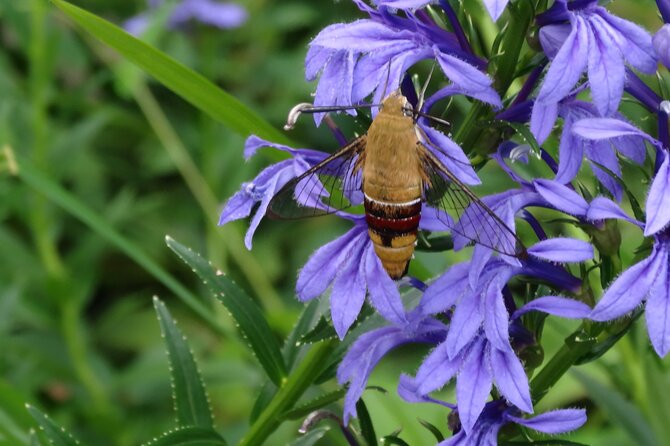
Your walk starts at Hakone Botanical Garden of Wetlands, and you’ll spend about 1 hour 30 minutes here. This garden is focused on wild plants, with roughly 1,700 wild plants overall, including about 200 marsh plants. That mix is a key reason this stop works for nature lovers. Marsh plants are often the kind of detail you miss when you only glance at the scenery. Here, the setting is built to help you notice them.
You’ll also get a seasonal plant experience. The tour highlights that you may encounter wild plants of the season, including plants that are endemic to this region of Japan and the world. That’s the kind of information that makes your time feel purposeful. You’re not just walking through a pretty garden. You’re learning to connect what you see on the ground to what makes Hakone different.
Practical note: gardens like this can involve wet or damp ground at times, even if the walking is gentle. Since umbrellas and water are not included, I’d plan for comfort first. Bring your own water and wear shoes you like walking in for about an hour or so indoors and outdoors mixed together.
Sengokuhara Susuki grass fields: views plus real-world history
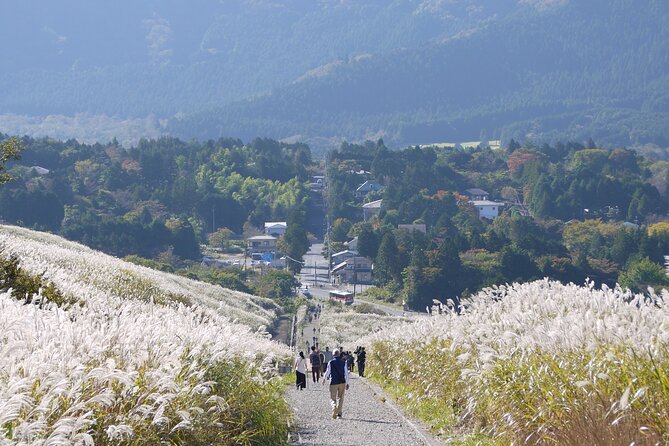
Next comes Sengokuhara Susuki Grass Fields for about 40 minutes. This is one of the remaining pampas grass fields in Japan, and the tour leans into why that matters. Pampas grass used to be used by people in Japan for roofing and for feeding livestock. That historical context adds a layer beyond the scenery. You’re not only admiring the look of the susuki grass, you’re understanding what it meant locally.
In practical terms, this stop is about viewpoints. You’ll get magnificent views of the Sengokuhara area, and this is one of those moments where the binoculars can help you spot movement and far-off details. If you enjoy nature photography or just like to understand what you’re looking at, this is where the tour vibe turns from garden quiet to wider Hakone feeling.
Also, the walking here is still easygoing. This is not a steep climb day. The guide is there to help you slow down and see the field the way locals might, noticing how the grass forms patterns and how the surrounding terrain frames the view.
One consideration: 40 minutes disappears quickly if you’re trying to photograph everything. I’d set a simple goal for yourself, like spotting bird movement or focusing on one section of the field rather than trying to capture every angle.
Hakone Visitor Center: the English orientation that actually helps
The final main stop is the Hakone Visitor Center, where you’ll spend about 1 hour 20 minutes. This is a great move in the tour design because it gives you a structure for the nature you already saw. It’s a “must visit” style facility for nature lovers, and the key advantage for English speakers is that you’ll find introductory leaflets and short introductory videos available in English.
The center also has a network of trails around the facility. That matters because you’re not just finishing the tour and heading out blind. If you want a low-pressure extension after the guided portion, having nearby trails and an orientation base can make you feel more confident about where to go next.
This stop also helps you connect the dots between plants, wildlife, and geology in Hakone. Even when you can’t identify everything instantly, the guide’s explanations plus the visitor center materials help you understand the “why” behind the “what.”
After this stop, you’re back on track to finish at Togendai station, which sits on the northern shore of Lake Ashi. That’s a convenient end location because you can connect easily to buses, sightseeing boats for nearby areas, the ropeway for Gora and Miyanoshita areas, or taxis.
Yoshi as your nature guide: small-group questions, real attention
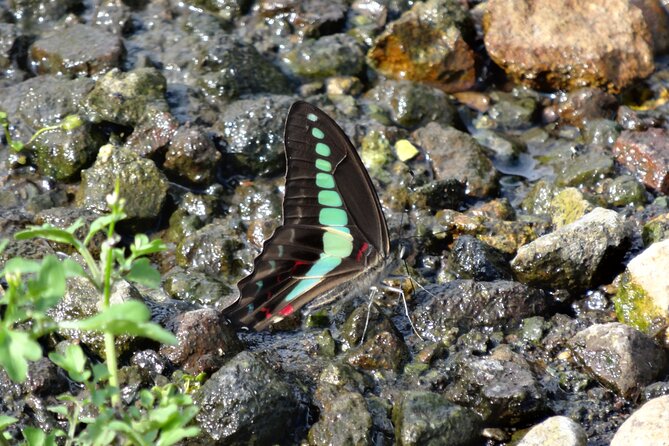
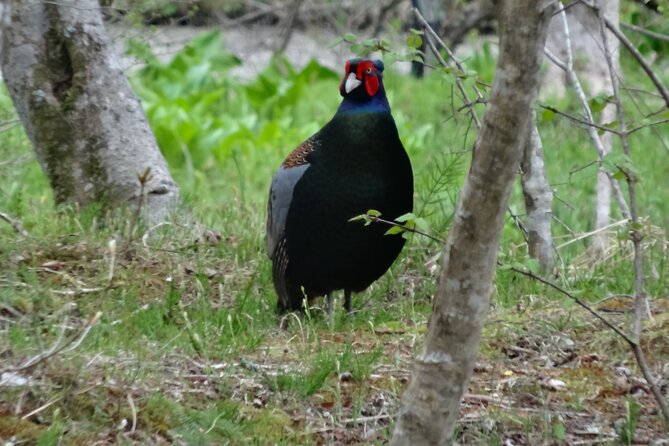
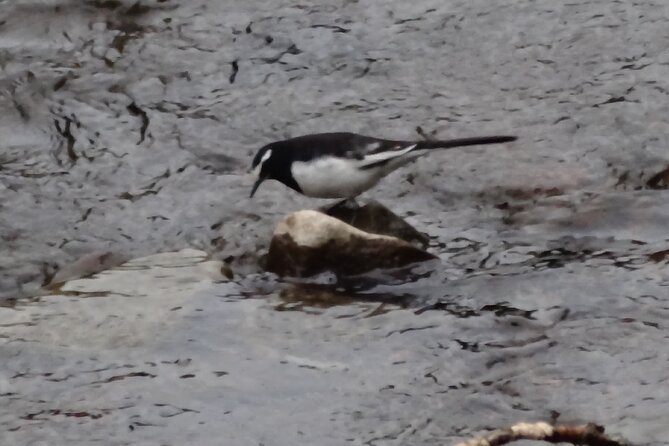
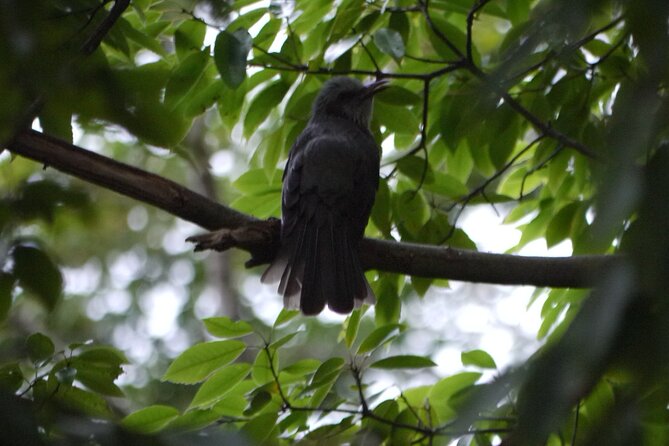
This tour is led by Yoshi, and the tone from the start is friendly and focused. The guidance style is very much about looking closely and learning what matters in Hakone’s natural systems. Yoshi’s explanations are built around the kinds of things you can actually see: wild plants, resident and migratory wild birds, insects, local fish, and potentially mammals like weasels, deer, foxes, raccoon dogs, and more.
That list can feel exciting, but here’s what you should remember as a practical traveler: wildlife spotting is never guaranteed. What is guaranteed is that you’ll get help knowing where to look and how to interpret what you see. The binoculars are part of that. When you can see farther, you also notice more, and your chances of spotting something interesting generally rise because you’re not guessing as much.
I also like that the tour gives you a tool kit for independent noticing. The handout and the guided explanations teach you how to scan nature thoughtfully. So even if you miss a particular animal, you leave with a better habit for seeing plants, bird behavior, and the shape of the terrain.


Walking time, comfort, and what to bring for a smooth day
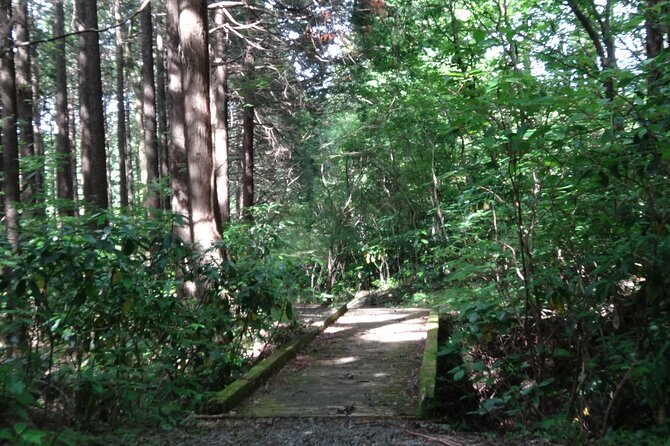
The tour runs about 3 hours 30 minutes total, starting at 9:00 am. It’s designed as a gentle walk across relatively flat areas rather than steep mountain hiking. That’s a big deal if you want nature without turning your day into a leg workout.
Still, comfort matters. Umbrellas and bottle water are not included. Hiking shoes or sneakers are also not included. You’ll want your own footwear you trust on the kind of paths a garden and nature trails can include, especially if weather shifts.
Here’s what I’d pack, staying within the facts you’re given:
- Water from the start (since it’s not provided)
- A small rain layer or umbrella if rain is likely
- Comfortable walking shoes or sneakers
- Your phone battery if you want to use the time to reference the English materials at the visitor center
Because the tour needs good weather, check conditions the morning of. If it’s canceled due to poor weather, you’ll either get a different date or a full refund.
Price and value: why $39.19 can be worth it
The price is $39.19 per person, with a typical booking window of around 26 days in advance. On paper, it’s a simple outdoor experience. In value terms, it becomes more interesting because several things are included that would otherwise cost time or effort:
- Admission ticket to Hakone Botanical Garden of Wetlands
- Binoculars provided for each guest
- Introductory handout
Admission plus binocular access is a meaningful part of the package. If you planned to visit the wetland garden on your own and still wanted binoculars, the combined cost and hassle would likely be higher than just paying for the guided session.
Also, the tour maxes out at 5 travelers. That size usually means a more personal pace, more chances to ask questions, and less waiting around. For this kind of nature walk, that value is real because your enjoyment depends on noticing small things, not just covering distance quickly.
Group discounts are also listed, so if you’re traveling with others and can book together, you might get additional value.
Who this tour suits best (and who might not)
This is tailor-made for nature lovers who want Hakone beyond the usual hot-spring circuit. If you enjoy close-up looking, birding-style scanning, seasonal plants, and gentle walking, you’ll probably have a great time. It’s especially good if you’re traveling with kids or anyone who wants a calmer pace.
You might consider skipping it if you want a strenuous hike or a high-adrenaline outdoor day. This tour is intentionally easygoing and flat-focused. It’s also dependent on good weather, so if you only have one day and weather is unstable, you’ll want a flexible plan.
Should you book this easy Hakone nature walk?
Yes, if your goal is to slow down and learn how Hakone’s natural world works. The combination of wetlands garden time, susuki grass field views, and an English-oriented visitor center gives you both the sensory experience and the background to understand what you’re seeing. The small group size and Yoshi’s binocular-led spotting style make it feel practical, not just scenic.
I’d book it if you want a day that connects wildlife, plants, and the area’s character without requiring expert hiking skills. Just do yourself a favor and bring comfort items you’re expected to supply, since the tour does not include water, umbrellas, or footwear.
FAQ
FAQ
What is the tour price per person?
The price is $39.19 per person.
How long is the easygoing nature walk in Hakone?
It lasts about 3 hours 30 minutes.
Where do I meet the guide?
You meet at Hakone Botanical Garden of Wetlands, 817 Sengokuhara, Hakone, Ashigarashimo District, Kanagawa 250-0631, Japan. The start time is 9:00 am.
Where does the tour end?
The tour ends at Togendai station, 164-17 Motohakone, Hakone, Ashigarashimo District, Kanagawa 250-0522, Japan.
What’s included in the tour ticket?
Included are the admission ticket to Hakone Botanical Garden of Wetlands, binoculars, and an introductory handout.
Do I need to bring my own binoculars?
No. Binoculars are provided for each guest during the tour.
Is private transportation included?
No. Private transportation is not included.
How big is the group?
The tour has a maximum of 5 travelers.
What happens if the weather is poor?
This experience requires good weather. If it’s canceled due to poor weather, you’ll be offered a different date or a full refund.
Can I cancel for a full refund?
Yes. You can cancel up to 24 hours in advance for a full refund. If you cancel less than 24 hours before the start time, the amount you paid will not be refunded.
More Tours in Hakone
More Tour Reviews in Hakone
Not for you? Here's more nearby things to do in Hakone we have reviewed


Hakone Day Trips, side by side.
 ★ 5.0Mt Fuji and Hakone 1-Day Bus Tour Return by Bullet TrainFrom $16326,383 reviews
 ★ 4.0Mt Fuji & Hakone Cruise, Drum Show Bullet Train 1 Day from TokyoFrom $1497,413 reviews
 ★ 4.4Tokyo Mt Fuji 5th St & Hakone Cruise Bus Tour w/Bullet TrainFrom $1545,024 reviews
 ★ 4.7Mt. Fuji Tour, Hakone Ropeway, Owakudani, Lake AshiFrom $544,002 reviews
 ★ 4.2Mt. Fuji 5th Station & Hakone Cruise 1-Day Bus TourFrom $1292,381 reviews
 ★ 5.0Private Tour to Mt. Fuji and Hakone (Fully Licenced Operator)From $4971,910 reviews
 ★ 4.0Mt Fuji & Hakone Cruise, Drum Show Bus 1 Day from TokyoFrom $1221,287 reviews
 ★ 4.2From Tokyo: Mt. Fuji & Hakone Tour w/ Return by Bullet TrainFrom $1171,278 reviews
This tour also belongs to