
Review · LAKE KAWAGUCHI TOURS
Ramen Cooking Class at Lake Kawaguchiko (Short Course)
Handmade noodles, Fuji views, one hour. This short ramen cooking class in Fujikawaguchiko turns lake-town scenery into hands-on food skills, with Mt. Fuji views during your meal and an English-speaking instructor guiding you step by step. I like that you leave with real ramen-making know-how, not just a tasting, but a small consideration is that drinks are not included, so plan for water on your own.
The format is simple and efficient: a mobile ticket, a 1 hour class, and a capped group size (max 20 people), so you are not stuck in a giant crowd line. You also get both an official certificate and an original bandana souvenir, which is a nice way to make the experience feel complete, not rushed.
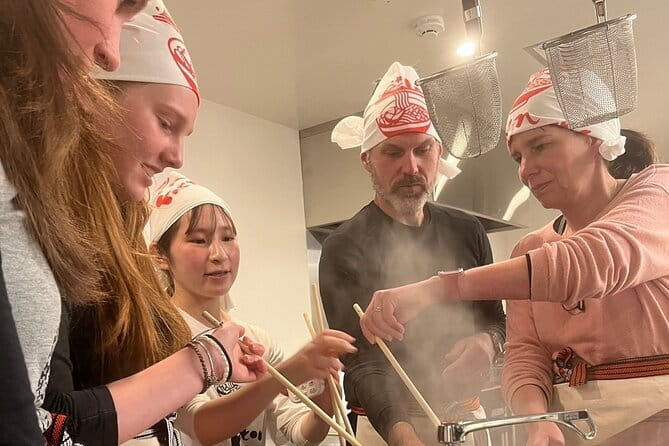
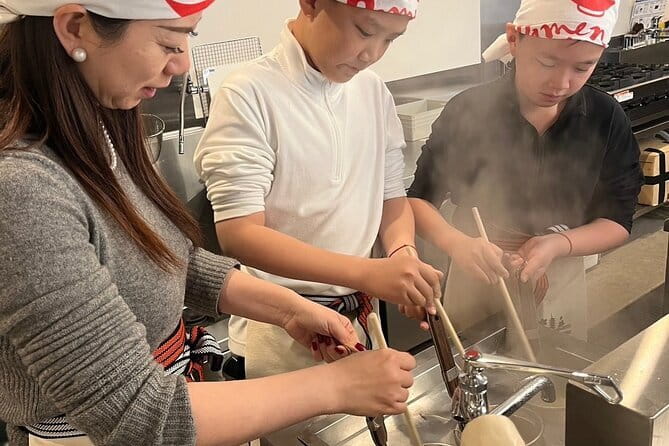
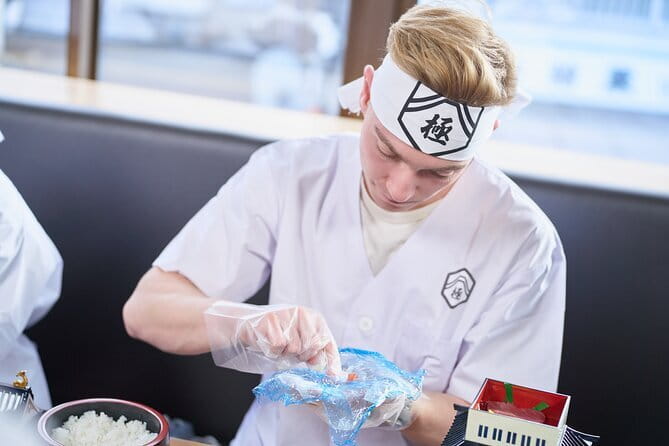
This is a great option if you want something practical to do around Lake Kawaguchiko, without committing to a long day. You will knead dough, roll and cut noodles with a machine, choose your soup base seasoning (tare), boil the noodles in a noodle cooker, then build your bowl with toppings like chasiu.
Key highlights you can count on
- One-hour ramen from scratch: you make noodles, cook them, and eat your finished bowl.
- English instruction: support in English throughout the process.
- Real noodle cooker cooking: you boil handmade noodles in equipment designed for the task.
- Pick your tare: you choose your seasoning base for your flavor style.
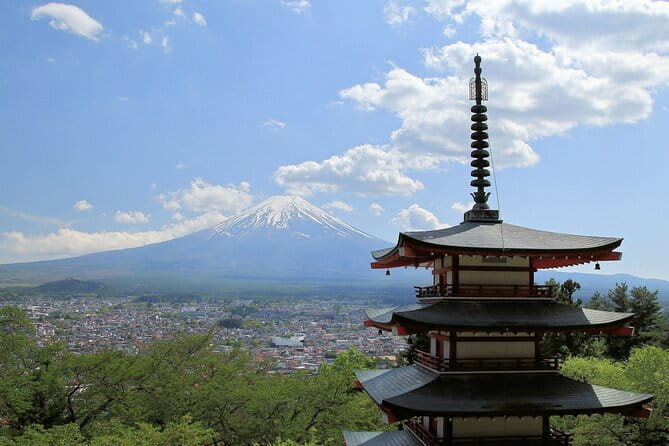
- Mt Fuji at mealtime: you eat with a breathtaking Mt Fuji view.
- Bandana and completion certificate: a souvenir plus an official keepsake.
Lake Kawaguchiko ramen, not just a meal
Lake Kawaguchiko is famous for looking postcard-pretty, and this class uses that setting in a smart way. You are not only ordering ramen and calling it done. You are making it, tasting it, and then eating it with that iconic view hovering in the background.
What makes it click for me is the balance. You get enough structure to feel confident, but the hands-on work is real, from kneading dough to cutting noodles. And because it is a short course (about 1 hour), it fits cleanly into a day built around sightseeing, lake walks, and swapping photo stops with something tactile.
The other thing I like is the small-group feel. With a maximum group size of 20 people, the instructor can keep an eye on what you are doing and help troubleshoot when the dough or cooking timing needs attention.
You can also read our reviews of more cooking classes in Fujikawaguchiko machi
From dough to noodles: your hands do the work
The class flow is built around learning the core steps of ramen making. It starts with making your own noodles, which is the fun part because you get to see how much ramen is about process, not shortcuts.
You will:
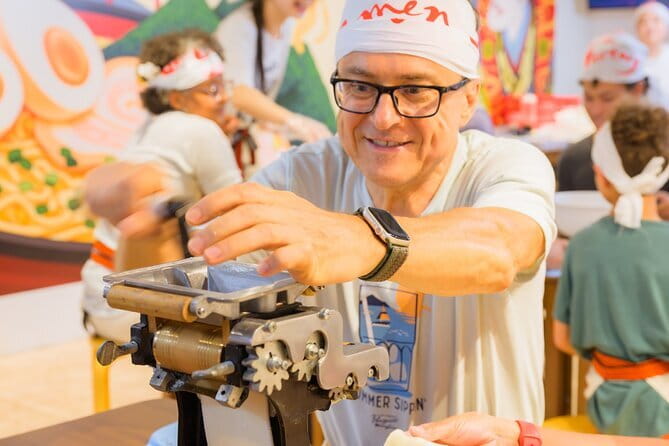
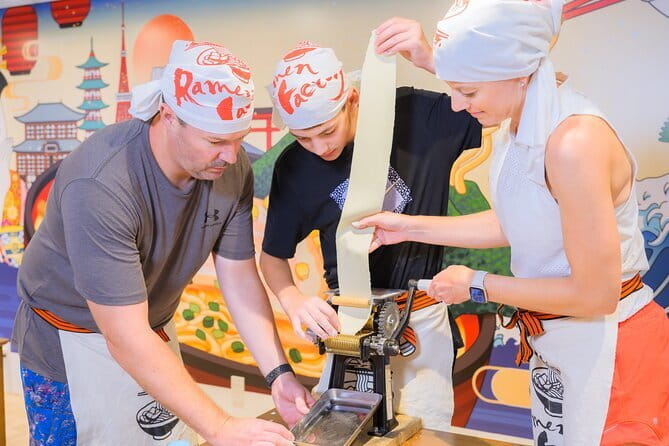
- Knead the dough
- Roll it out
- Cut it using a noodle-making machine
That sequence matters. Kneading sets the texture. Rolling affects thickness, and cutting changes bite. Even if you will not remember every detail perfectly later, you will understand what good noodles feel like when you get to the cooking stage.
You also get practical guidance from the English-speaking instructor. In past sessions, instructors like Kimmy, Hiro, Hiro, and Mae have been mentioned as being friendly and helpful, and that lines up with what you want for a hands-on class. You need clear steps, not vague tips.
If you are nervous about cooking, this is still a good bet. It is structured, and the instructor is there to keep you moving. You do not have to invent anything, and you do not have to be a kitchen person to participate.
Choosing tare: how you build your broth flavor fast
After the noodles are underway, the class shifts from hands-on dough work to flavor design. This is where you choose your soup base seasoning, called tare.
Tare is the ramen world’s shortcut to identity. Instead of starting from scratch with a whole broth process you might not finish in an hour, the class lets you pick the seasoning base that shapes the direction of your bowl.
Why this is valuable for you:
- You learn that ramen flavor is layered, not one-note
- You get ownership of your bowl, not just a pre-set option
- You can tailor it to what you like without guessing how the whole soup is made
You might find that choosing tare helps you appreciate restaurant ramen more later. When you taste a shop bowl back home, you will recognize that the seasoning base sets the whole mood.
Boiling handmade noodles in a noodle cooker
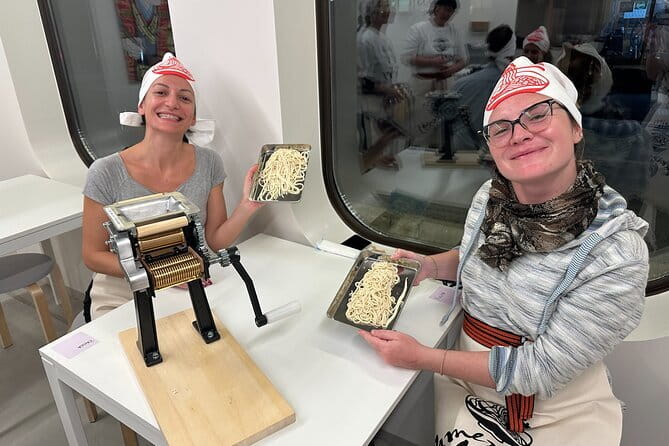
Now for the part that sounds simple, but ramen people know it is not. You will boil your freshly made noodles in a real noodle cooker, then cook them to perfection.
This step is the difference between dough that becomes noodles and noodles that actually eat well. Boiling time and heat consistency can make a big texture change, and the cooker helps keep things controlled. Since the class is short, the equipment and flow also keep you from waiting around.
This is one of those subtle value points. In a typical food tour, you might watch cooking from a distance. Here, your noodles actually hit the cooking stage that ramen relies on. It is not just a demo, and it is not only assembly.
Toppings and chasiu: customizing your finished bowl
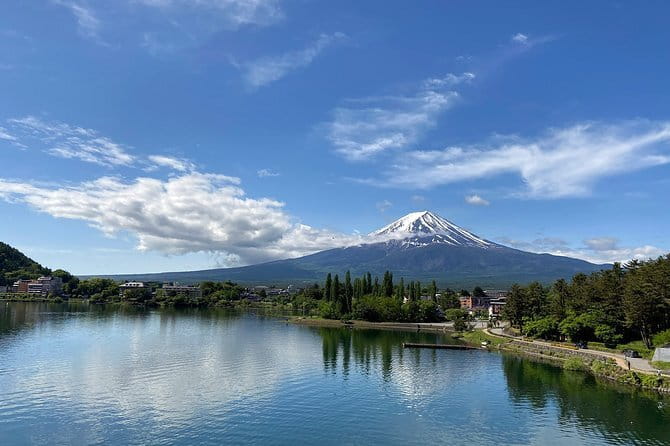
Once the noodles are cooked, you build the bowl. This part turns the class from technique into your personal ramen.
You will top your ramen and you can customize your bowl, including chasiu. That means you are not only learning how ramen is put together, you are also learning how toppings change the experience. Texture, richness, and saltiness all come through in toppings, and chasiu is a classic example of how one ingredient can carry a bowl.
The class also includes a food tasting. In practical terms, that means you get a chance to sample what you are creating, so you can connect what you did with how it tastes.
And yes, you eat it with the Mt Fuji view. That is not a small detail in Kawaguchiko. The view makes the meal feel special, and it also makes the class feel like an event, not just a cooking workshop.
More Tokyo tours and experiences for the shortlist
The small keepsakes: certificate and bandana
You end with two neat souvenirs: an official certificate of completion and an original bandana.
A certificate is a funny thing to care about, until you get one. It makes the hour feel like something you completed, not something you passed through. It is also useful if you like collecting experiences as proof.
The bandana is the better daily-use item. You take it home, and it is easy to pack and easy to keep. I like souvenirs that do not turn into bulky closet clutter, and this fits that idea.
Price and value at $39.14 per person
At $39.14 per person for a class that runs about 1 hour, you are paying for more than a bowl of ramen. You are paying for:
- Ingredient work and equipment time for noodle making
- An English-speaking instructor guiding the process
- Cooking support with a noodle cooker
- Food tasting
- A bandana souvenir
- An official completion certificate
- Local taxes included
Here is the key value test for you. If you can find a ramen dinner elsewhere for less, you should do that when your priority is just eating. But if you want a skill-based experience that gives you a story you can repeat later, this class competes well.
The main value trade-off is drinks. Drinks are not included, so the final cost might climb a bit depending on what you choose to buy. Still, because the class is short, you can keep your budget under control by bringing water with you or buying a basic drink nearby.
Also, booking tends to be earlier than last-minute planning, with an average booking window of about 34 days. That is a sign this sells consistently. If you are traveling during peak season or on a weekend schedule, I would book sooner rather than later.
Where to go in Fujikawaguchiko (and what to expect on arrival)
Your meeting point is the Fuji Activity Reservation Center, address: 3487-15 Funatsu, Fujikawaguchiko, Minamitsuru District, Yamanashi 401-0301, Japan. The activity ends back at the same meeting point.
Two practical notes from the provided details:
- It is near public transportation, so you should be able to reach it without a private car.
- You will have a mobile ticket, so keep your phone charged and ready.
Because the class is about 1 hour, aim to arrive early enough to settle in without rushing. You do not need a perfect schedule down to the minute, but arriving calm will make the noodle work more enjoyable.
Also, if you have allergies or dietary restrictions, you should let the organizers know in advance. That is the kind of information that can affect ingredient choices and how the class handles substitutions.
Who should book this one-hour ramen cooking class
This class is best for you if:
- You want a short, hands-on food experience around Lake Kawaguchiko
- You like learning by doing, especially in the kitchen
- You value English instruction because you want clear steps
- You want something that feels more interactive than a typical meal stop
- You are traveling in a small group or as a couple and like a more personal pace
It is also a good choice if you are juggling a full day of Mt Fuji and lake activities. Instead of adding another restaurant meal, you get a structured experience that uses your time efficiently and leaves you with a tangible souvenir and certificate.
One more note from past sessions that matters for your expectations: some time slots have run with very small groups, even just two people in a class. When that happens, the instructor can focus closely on technique. If you are hoping for more personal coaching, you might look at the timing of sessions when you book, since group size can vary.
A balanced take: the one consideration to plan around
The biggest practical drawback is simple: drinks are not included. That means you should plan for hydration separately, especially if you are in warm weather.
The second consideration is pace. One hour moves quickly. You will be learning several steps, and you might not master every detail like a professional chef. The goal here is skill-light but meaningful: enough technique that you can appreciate ramen more deeply and recreate the basic idea later.
Should you book this ramen class at Lake Kawaguchiko?
If your trip to Kawaguchiko includes a desire to do something memorable besides sightseeing, I think it is an easy yes. The value is strong because you are not just eating ramen, you are making noodles from scratch, cooking them, and building your own bowl with tare and toppings like chasiu. The Mt Fuji view at the end makes the payoff feel special.
Book it if you want a structured, English-friendly activity that fits into a busy day and ends with a real souvenir. Pass if you only want the cheapest way to eat ramen, or if you know you will be unhappy having to purchase drinks separately.
Either way, booking ahead is smart since these classes are planned in advance and can fill. You are doing an hour of food craft with a view, and that is exactly the kind of travel day win that sticks.
FAQ
How long is the ramen cooking class at Lake Kawaguchiko?
It runs for about 1 hour.
Where does the class meet?
The meeting point is Fuji Activity Reservation Center, 3487-15 Funatsu, Fujikawaguchiko, Minamitsuru District, Yamanashi 401-0301, Japan. It ends back at the meeting point.
What is the price per person?
The price is $39.14 per person.
Is the ticket mobile?
Yes, you receive a mobile ticket.
What is included in the price?
Included are local taxes, food tasting, everything needed to make your own ramen, an English-speaking instructor, an original bandana souvenir, and (as part of the session) a certificate of completion.
Are drinks included?
No, drinks are not included.
Is transportation included?
No, a private transportation fee is not included.
Is there a limit on class size?
Yes, the maximum group size is 20 people.
What if I have allergies or dietary restrictions?
You should let the organizers know in advance so they can be aware of your needs. Confirmation is also received at booking time.
What is the cancellation policy?
You can cancel for a full refund up to 24 hours before the experience’s start time. If you cancel less than 24 hours before, the amount paid is not refunded.
More Workshops & Classes in Fujikawaguchiko machi
More Cooking Classes in Fujikawaguchiko machi
More Tour Reviews in Fujikawaguchiko machi

Not for you? Here's more nearby things to do in Fujikawaguchiko machi we have reviewed


Lake Kawaguchi Tours, side by side.
 ★ 4.4Mt.Fuji,Kawaguchiko Oishi Park,Arakurayama Sengen ParkFrom $542,682 reviews
 ★ 4.5Mt.Fuji & Lake Kawaguchiko 1-Day Bus Tour w/Optional LunchFrom $77839 reviews
 ★ 4.5Mt. Fuji 5th Station, Kawaguchiko Tour w/ Cable CarFrom $74570 reviews
 ★ 4.5Discover Mt. Fuji 5th Station & Kawaguchiko Sightseeing Day TourFrom $99542 reviews
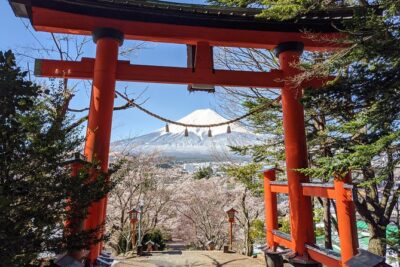 ★ 5.0Private Car Tour to Mt. Fuji Lake Kawaguchiko or HakoneFrom $1,286360 reviews
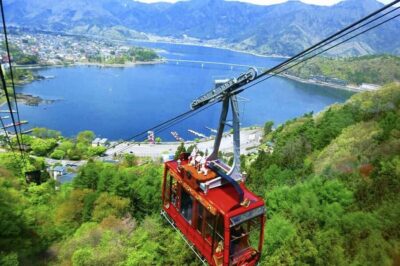 ★ 4.6Mt. Fuji & Lake Kawaguchiko Ropeway Panorama Full-Day TourFrom $54236 reviews
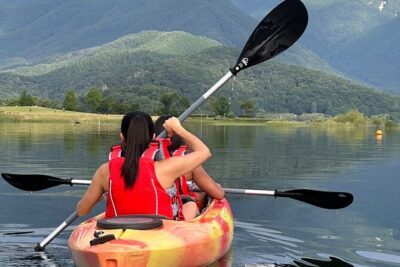 ★ 5.0Early Morning Kayaking With Views of Mt Fuji at Lake KawaguchikoFrom $6669 reviews
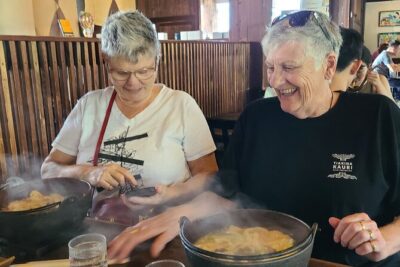 ★ 5.0Johnny’s Exclusive: Mt. Fuji Adventure from KawaguchikoFrom $56162 reviews
This tour also belongs to