
Review · MOUNT FUJI TOURS
From Tokyo: Mount Fuji Private Day Tour
Fuji views on your own schedule can feel rare. This private Mount Fuji day tour trades the stress of trains and buses for a comfortable, chauffeured ride with smart stop choices. I especially like the flexibility to follow a route that fits your pace, then fine-tune on the fly with your driver, even if your language skills are limited.
What also works well is the built-in comfort: hotel pickup and drop-off inside Tokyo City Center, plus a 10-hour air-conditioned car charter with parking handled. One drawback to plan for: it is private transportation with a driver, but a full tour-guide experience is not included, and entrance fees, lunch, and many “worth it” add-ons are on you.
Key highlights at a glance
- Private 10-hour charter from Tokyo with pickup and drop-off in the 23 wards that make up Tokyo City Center
- Flexible itinerary with recommended route options and room to customize your day
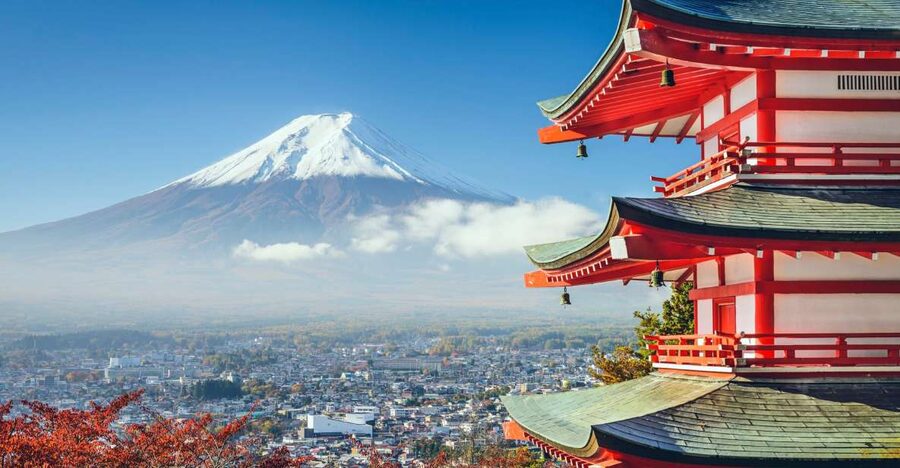
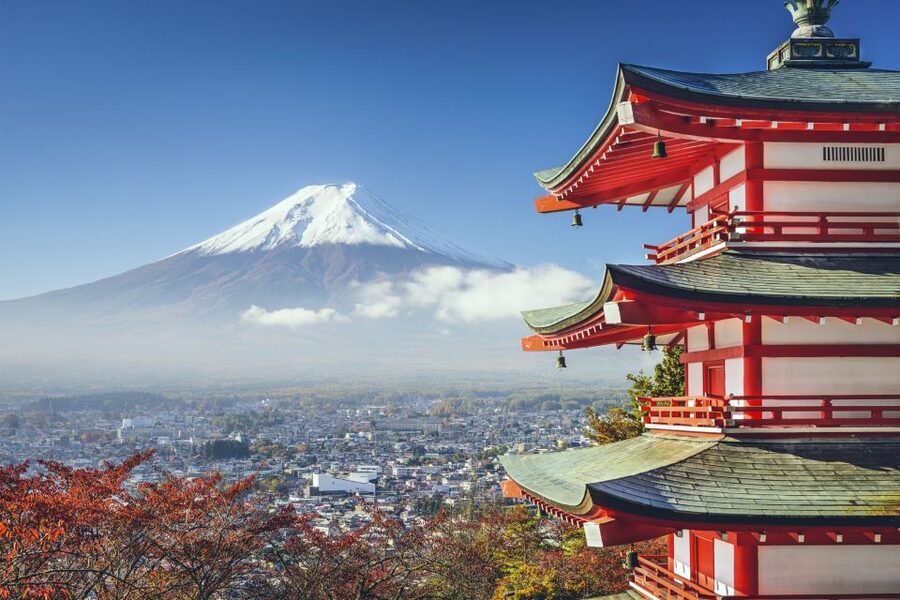
- Arakurayama Sengen Park and the red pagoda view for that classic Fuji photo angle
- Lake Yamanaka calm time with a different, more peaceful look at the mountain
- Oshino Hakkai’s eight springs for a distinctive natural stop beyond the usual photo stops
How a Tokyo pickup turns Mount Fuji into an easy day
The biggest win on this tour is simple: you leave Tokyo with a driver already lined up, and you come back the same way. Instead of timing trains, worrying about transfers, or guessing local schedules, you get a meet-and-greet service and a smooth plan from your pickup point.
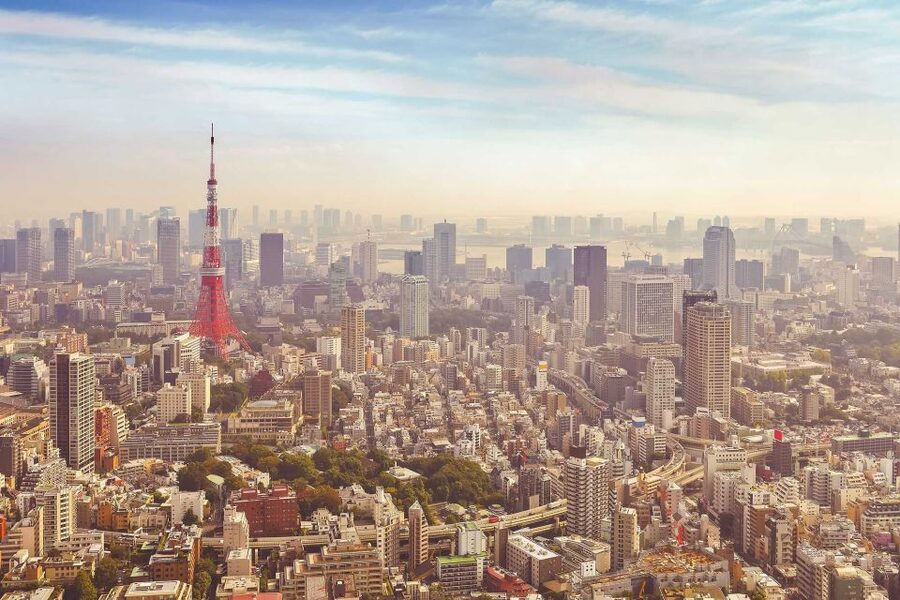
Pickup is available within Tokyo City Center, meaning Tokyo’s 23 wards. You can choose stops in areas like Shinjuku, Shibuya, Ginza, and Ikebukuro, as long as you’re within that approved zone. If you’re staying in a central hotel, starting near a major station, or you’re meeting the group at a known landmark, this kind of pickup is a huge time-saver.
Once you’re in the car, you also get the relaxed part of day trips that people forget about. Watching the countryside roll by from an air-conditioned vehicle makes the trip feel like part of the sightseeing, not just the commute. And because it is a private group, you set your pace. You can linger at viewpoints, step back out for one more photo, and avoid the “move fast, the bus is waiting” feeling.
You can also read our reviews of more private tours in Tokyo
Choosing your own route, not a rigid script
This is not a one-size-fits-all checklist. The tour is built around recommended stops in the Mount Fuji area, but you can adjust based on what you care about most.
You start by planning your early route from Tokyo, then you continue with a mix of suggested stops and your own preferences. Your driver may also offer ideas, which matters because Fuji sightseeing often depends on timing and weather. If visibility is weak, you might shift toward viewpoints that still give you a satisfying view. If skies are great, you can lean into the higher-elevation experiences.
Here is the practical upside of that flexibility: it helps you avoid the common day-trip disappointment where you arrive at a “must-see” spot and realize you do not actually care about it. With a private charter, you can prioritize what you want, whether that is classic Fuji angles, lake scenery, or a quieter natural stop.
You will also notice that drivers on this tour can support different needs in real time. Some drivers can help arrange practical stops like praying or finding food that matches dietary needs, especially when communication is supported by translation tools. If you want something specific, ask early and clearly, and be ready to show your request in writing or a translation app.
Arakurayama Sengen Park and the red pagoda viewpoints
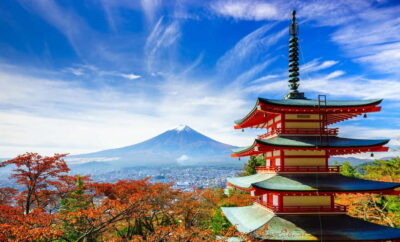
The day’s first “wow” stop is Arakurayama Sengen Park, a spot known for dramatic Mount Fuji sight lines and the famous five-storied red pagoda. This is the kind of location where the climb to the viewpoint is part of the experience. You get layers of sight angles as you move, and the pagoda gives you a strong sense of scale against Fuji.
What I like about this stop is that it serves multiple types of travelers. If you love photography, it gives you the classic composition. If you prefer scenic strolling, you get walking paths and viewpoints rather than a single fenced-off overlook. And if you’re traveling with kids or anyone who prefers not to rush, you can pace yourself, stop for breaks, and return to the viewpoint without feeling trapped.
Right in this area, you also find Sengen Shrine, which adds a cultural stop to the photo opportunity. Even if you do not speak much Japanese, a shrine visit often gives you that quieter moment away from crowds moving in one direction.
The only real caution here is weather and timing. Fuji views can be crisp one moment and hazy the next, so if your day starts cloudy, do not assume it is hopeless. It can clear later. When you arrive, take a few minutes to check sightlines before you commit to the biggest viewpoint path.
Fuji 5th Station, Lake Yamanaka, and weather-smart timing
After Arakurayama, the tour may go to Fujinomiya 5th Station. This stop is included when seasonal weather allows, and it is a great choice when visibility is strong. Going higher changes the feel of Fuji from a distant peak to something more present and physical. It is also one of the most memorable moments on a Tokyo-to-Fuji day trip because it feels like you are getting closer to the mountain rather than just viewing it from town.
Then you move on to Lake Yamanaka, where the vibe shifts. Instead of pagoda viewpoints, you get water-side calm and a more contemplative Fuji angle. The lake setting is often the best antidote to the “we did the photos, now what” problem. You can slow down, enjoy the stillness, and take a breather between heavier sightseeing moments.
A practical note: lunch is not included, and the day often includes a lunch pause around the mid-route timing. This is where your private setup becomes useful. If you have specific food needs, ask your driver for nearby options that fit your preferences. If you do not have dietary needs, you still benefit from letting your driver recommend places that are convenient for the route, rather than relying on a random convenience store plan.
If it is foggy or rainy, do not panic. Lake viewpoints can still be atmospheric, and the day remains worthwhile because Oshino Hakkai later is less dependent on having a perfect sky behind Fuji.
Oshino Hakkai springs, why this stop feels so different
The last major sightseeing stop is Oshino Hakkai, known for eight aquifer-fed springs. This part of the day feels different because you are not chasing one iconic photo. You are walking through a natural water setting where the scenery and atmosphere come from the springs themselves.
What I like about ending the day here is that it gives the tour a satisfying “nature and science” balance. Before Oshino Hakkai, your attention is mostly on Fuji views. After, your focus shifts to the water. Even if clouds hide the mountain, you can still enjoy the springs and the walkways.
Oshino Hakkai is also a good final stop for groups with mixed interests. Someone focused on views still gets a pleasant environment, and someone who prefers slower movement gets a calmer setting than a viewpoint climb.
Then you return to Tokyo in the same private charter. That part matters more than it sounds. A long day trip is exhausting. Having the ride handled from end to end means you can actually relax on the way back instead of trying to time your last train when you are tired.

Price and logistics, what $483 per group really means
The headline price is $483 per group up to 6, for a 10-hour private charter. That is not cheap, but it can be strong value depending on who you travel with and what you want from the day.
Let’s do the simple math. If you fill the group to 6 people, the cost works out to roughly $80 per person. For a Tokyo-to-Fuji day that includes private pickup, parking, and a dedicated vehicle for the whole day, that can be a good deal compared with piecing together taxis or multiple transfers, especially if you value comfort and predictability.
But if you travel as just 2 people, the same total cost becomes more expensive per person. In that case, ask yourself what you’re buying. You’re paying for:
- pickup inside central Tokyo
- a full day car with parking
- a driver who can adjust stops to your pace
- a lower-stress itinerary when weather changes
Now the trade-offs. Entrance fees and lunch are not included. That means the true total is higher than the headline price once you add admission tickets at stops and meals along the way. For many people, this is still fine because the schedule is tight and you’re gaining convenience. Just do not expect the price to cover everything.
Also keep an eye on overtime. If traffic or delays push you past the planned time, overtime is charged 5,000 Yen per hour, paid on-site. That is the kind of cost that can surprise people if they assume the car is unlimited time. If you’re sensitive to timing, build in extra buffer and keep your must-see priorities crisp.
Drivers, language, and how to make the day flow smoothly
This tour stands or falls on communication. The driver languages include Chinese, Japanese, and English, and the driver can assist in practical ways. That said, the information also notes that drivers can only speak basic English. The good news is that customer support exists in English, and you can also book an extra English-speaking tour guide service if you want more explanation at each stop.
This is where the personal examples from past experiences are helpful. You might end up with a driver like Liang or Ken, both described as friendly, helpful, and willing to work through communication challenges. Others, like Doris or Ding, are also described as patient and safety-focused. If you travel with a mobility concern, Ken is specifically highlighted for making sure his passenger with mobility challenges felt safe and comfortable.
Even when English is limited, practical tools can bridge the gap. In past cases, drivers have used phones and translation to communicate itinerary changes and key highlights at each stop. The lesson for you is to be proactive: send your priorities ahead of time, point out what you do and do not want, and use a translation app so your driver can respond quickly.
If you really want history and cultural context, the guide add-on is the safest route. Without a dedicated guide, you might spend more time absorbing what you can see and less time learning details that do not appear on signs.
Comfort inside the vehicle, plus space for real luggage
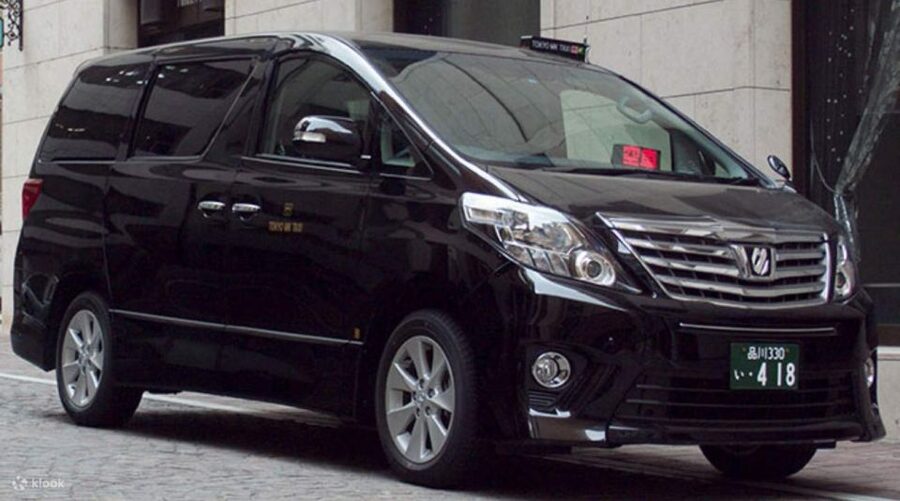
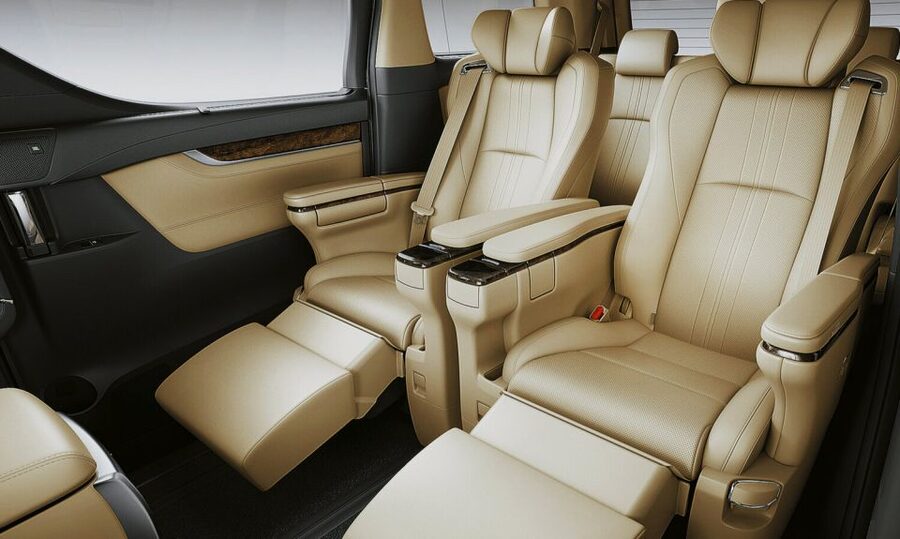
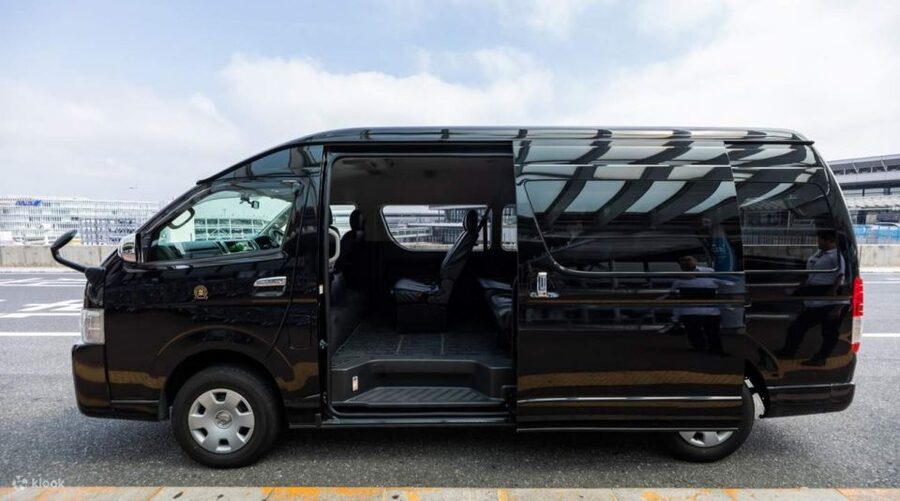
This is an air-conditioned vehicle day, which sounds basic but matters when you are crossing from Tokyo heat into cooler mountain air. You also get private transportation with parking fees handled, so you are not watching a meter or searching for where to park.
If you are traveling with luggage, pay attention to vehicle fit. A van can fit 6 passengers without luggage, or 5 passengers with 1 luggage per person. A minibus can fit 9 passengers without luggage, or 7 passengers with 1 luggage per person. If your group has strollers, big suitcases, or lots of shopping plans, confirm your vehicle choice early so nobody has to compress their day into a luggage puzzle.
The tour is also described as wheelchair accessible. That can make a big difference for families or anyone who needs more predictable movement between destinations. Still, because stops like viewpoints can involve walking, it is smart to discuss mobility needs with support before the day.
Who this private Fuji day tour is best for
This works best for people who want control. If you are traveling with kids, older relatives, or anyone who gets tired on tight schedules, a private charter gives you the breathing room to move at a realistic pace.
It is also a strong choice if you do not want to handle logistics. Tokyo to Fuji can be done by public transit, but it is time-consuming. If you’d rather invest your energy in the sights instead of transfers, this tour does that job.
I also think it is a smart fit for newcomers to Japan who want a day trip but worry about language. Even with basic English, you have customer support and translation help potential. Past experiences highlight how support and driver effort can make the day feel organized rather than chaotic.
Finally, if you care about dietary needs or prayer stops, do not be shy about asking. Some drivers have helped coordinate such needs near the Mount Fuji area, which is exactly what you want from a private day plan. Just remember that arrangements depend on real-world availability, so ask early and keep expectations flexible.
Should you book this Mount Fuji private day tour from Tokyo?
Book it if you want a low-stress, flexible Mount Fuji day with comfort and convenience, especially if you are splitting the cost across multiple people. This tour is also a good pick if your main priorities are the photo-and-view stops at Arakurayama Sengen Park, the calm of Lake Yamanaka, and the natural water setting at Oshino Hakkai.
Skip it or add a guide upgrade if you want deep explanations at each stop. The driver can help, but a full tour guide is not included in the base package, and entrance fees and lunch are extra.
My decision rule is simple: if you’re traveling with 3 to 6 people, value is usually strong. If you’re traveling solo or as a couple, you’re paying more for private convenience, so only book if that comfort and scheduling freedom is exactly what you want. If that sounds like your kind of day, you’ll likely love how clean, direct, and Fuji-focused the day feels.
FAQ
Where does pickup happen?
Pickup is available within Tokyo City Center, meaning Tokyo’s 23 wards listed in the tour details (including areas like Shinjuku, Shibuya, Ginza, and Ikebukuro).
How long is the tour?
The private charter runs for 10 hours.
How much does it cost?
The price is $483 per group, up to 6 people.
What is included in the price?
Included are hotel pickup and drop-off within Tokyo’s 24 wards, parking fees, an air-conditioned vehicle, private transportation, meet-and-greet service, and the 10-hour private charter service.
What is not included?
Entrance fees to attractions, lunch, and food and drinks are not included. Personal expenses are also not included, and overtime is charged separately. Baby seats and airport pickup or drop-off are also not included.
Do we get an official tour guide?
No. The tour includes a driver, but a tour guide is not included. An English-speaking guide add-on is available.
What languages can the driver speak?
Drivers can speak Chinese, Japanese, and English. The details also note drivers may have basic English, with an English-speaking customer support center available for help.
Is the tour wheelchair accessible?
Yes, it is listed as wheelchair accessible.
Is overtime charged?
Yes. Overtime is charged 5,000 Yen per hour and is paid on-site.
Can I cancel for free?
Yes. Free cancellation is offered up to 24 hours in advance for a full refund.
More Private Tours in Tokyo
More Tours in Tokyo

More Tour Reviews in Tokyo
Not for you? Here's more nearby things to do in Tokyo we have reviewed


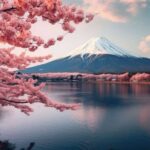
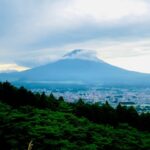

Mount Fuji Tours, side by side.
 ★ 5.0Mt Fuji and Hakone 1-Day Bus Tour Return by Bullet TrainFrom $16326,383 reviews
 ★ 4.0Mt Fuji & Hakone Cruise, Drum Show Bullet Train 1 Day from TokyoFrom $1497,413 reviews
 ★ 4.4Tokyo Mt Fuji 5th St & Hakone Cruise Bus Tour w/Bullet TrainFrom $1545,024 reviews
 ★ 4.5From Tokyo: Mount Fuji Full-Day Sightseeing TripFrom $684,970 reviews
 ★ 4.7Mt. Fuji Tour, Hakone Ropeway, Owakudani, Lake AshiFrom $544,002 reviews
 ★ 4.2Mt. Fuji 5th Station & Hakone Cruise 1-Day Bus TourFrom $1292,381 reviews
 ★ 4.7Mt Fuji Top 5 Spots Day Tour: Arakurayama Park,Oshino HakkaiFrom $532,066 reviews
 ★ 5.0Private Tour to Mt. Fuji and Hakone (Fully Licenced Operator)From $4971,910 reviews