
Review · NIKKO DAY TRIPS
Nikko Full-Day Private Tour with Government-Licensed Guide
Nikko can feel like a lot all at once. This private, licensed guide day lets you pick 3 to 4 must-sees without the crowd chaos. You meet your guide near Nikko Station, then your route shifts based on what you want, whether that is shrines, waterfalls, or easy nature walks.
I really like how personal the pacing feels, especially because you are not stuck on a rigid plan. I also love the customization part, because you can aim your day at exactly the mix you care about, like Tōshō-gū plus one nature stop such as Kegon Falls or Lake Chuzenji.
One thing to think about: this is still a walking-focused day, and transportation plus most entrance fees are on you. Bring cash for buses or taxis, and accept that the schedule works best when you stay flexible.
Key points before you go
- Licensed local English-speaking guides who help you connect the dots fast across Nikko’s mix of Shinto, Buddhist, and Tokugawa-era sites
- No fixed itinerary, so you can choose 3 to 4 stops that match your pace and interests
- Meet near Nikko Station, then move through the area efficiently without joining a large group
- A strong nature-and-culture blend, commonly pairing Tōshō-gū with waterfalls, lakes, and scenic viewpoints
- Cash helps, because public transport and taxis are part of getting around
- High satisfaction, with a 4.9 rating from 259 reviews and 99% recommending it
A private Nikko day, not a group scramble
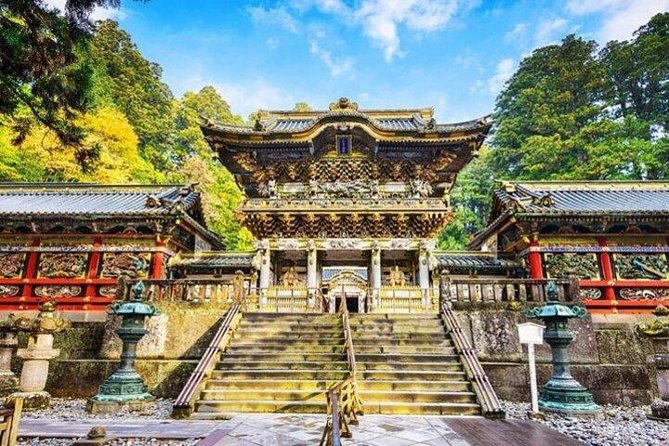
Nikko is one of Japan’s big signature destinations, which means it can also be a big-time crowd magnet. This tour is built to avoid that stress. Instead of herding people through a fixed route, you get a private setup where the plan is adjusted around you.
The big win is that you still see the headline sights, but you are not trapped by someone else’s priorities. In practice, that means you can spend longer where you feel curious and skip what feels redundant. I like that this approach respects how different travelers move through a place, especially in a town like Nikko where shrines and nature are close together but not always easy to connect by foot alone.
The other reason I recommend this style of day is logistics. One of the most common pain points in Nikko is simply timing everything right, since buses and local connections can be tight. A good guide helps you keep the day moving without turning it into a running contest.
You can also read our reviews of more guided tours in Nikko
Price and logistics: what your guide handles
At $155.86 per person for about 6 hours, this is not a budget bargain. But it can be good value if you compare it to the hidden costs of doing Nikko on your own with the same efficiency.
Here is what you are paying for: a licensed local English-speaking guide plus a customizable tour of 3 to 4 sites. You also get help getting oriented at the start by meeting your guide at the right area in Nikko.
Here is what you still need to budget: transportation fees, most entrance fees, and lunch are not included. Public transport and taxis may be part of the day, and the tour is described as walking-first. A practical tip I’d follow from past advice is to keep a cash buffer, since you may be using buses and paying entry fees across multiple locations.
Also note, you cannot combine multiple tour groups. So if you are planning a big multi-family day, you will want to keep expectations aligned with how a private booking works.
Meeting near Nikko Station, then moving fast
Plan to make your own way to Nikko. Your guide meets you on foot within a designated area, near Nikko Station. The tour is private, so you do not share your guide with other groups.
That structure matters more than it sounds. Nikko’s “start” can be chaotic if you are arriving on your own and guessing where to connect for the next stop. With a guide, the day feels like it has momentum from the first minute.
During the tour, expect a mix of short walks and local rides. The itinerary you end up with is customizable, but most versions of this day revolve around classic Nikko highlights plus one or two nature scenes. The guides I saw repeatedly described in feedback as proactive also tend to help with route decisions when weather or timing changes, which is exactly when you want someone experienced on your side.
Tōshō-gū Shrine and the Tokugawa story you cannot skip
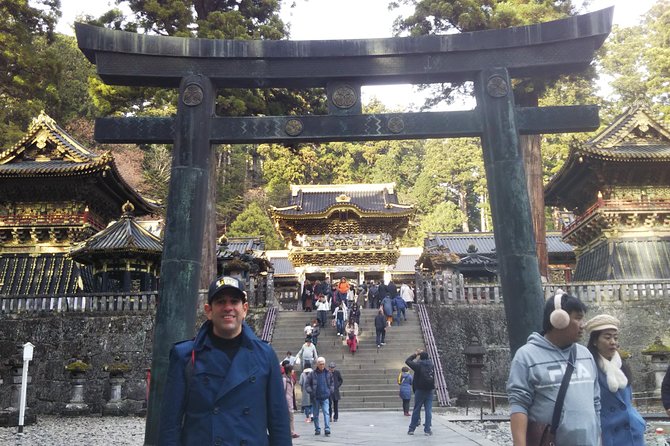
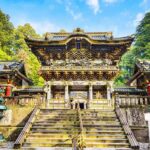
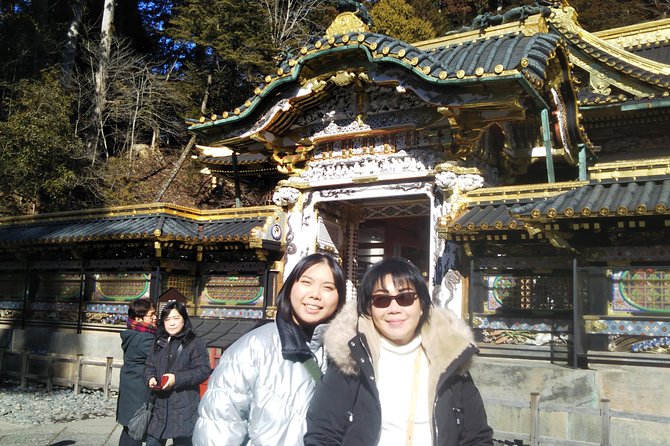
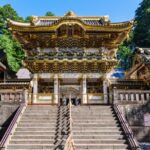
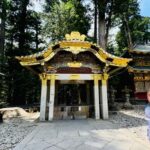
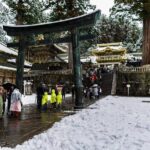
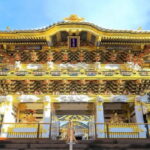
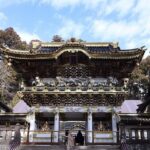
If you only do one major Nikko heritage site, it is usually Nikko Tōshō-gū. This is the final resting place of Tokugawa Ieyasu, founder of the Tokugawa shogunate, and the nearby shrine and temple area is what people mean when they say Nikko feels sacred in a big, dramatic way.
A good guide changes how you experience it. Without context, you can still enjoy the architecture and carvings, but with a guide you understand why those details mattered and what the symbolism was trying to communicate. The day can also feel more coherent because Nikko’s other sites connect back to this Tokugawa-era influence.
Time-wise, this is typically a major anchor stop, often around 30 minutes in a 3 to 4 site plan. That is enough for the highlights, but it is not enough if you want to read every plaque and linger for long photo sessions. If you love slow shrine wandering, ask your guide to adjust the mix so the Tōshō-gū portion gets more oxygen.
Waterfalls and Lake Chuzenji: choosing your nature mood
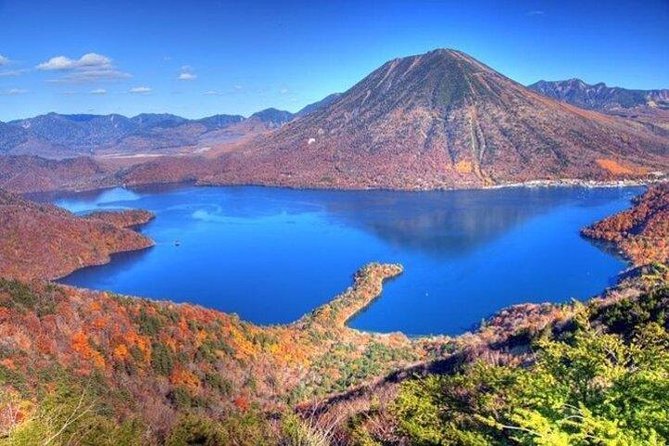
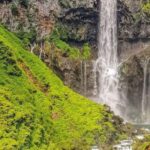
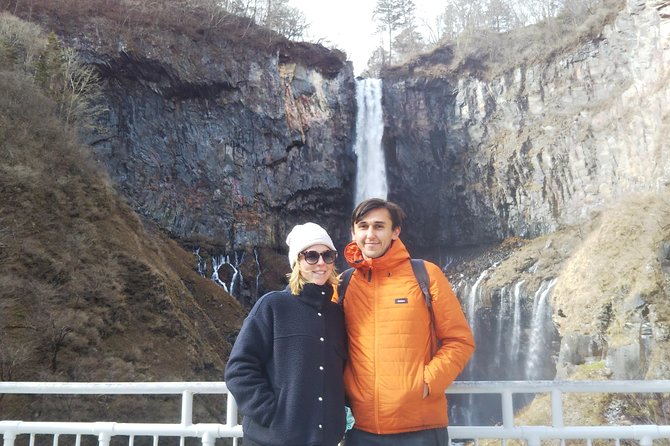
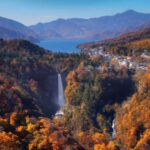
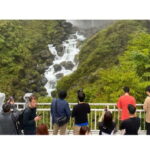
Nikko is famous for nature, and the tour’s flexibility makes that easy to shape. If you want drama and motion, Kegon Falls is the obvious pick. It is the best-known of Nikko’s 48 waterfalls, with water dropping about 97 meters from Lake Chuzenji straight down. Many people add Kegon Falls because it is visually instant, even if your Japanese reading skills are still in recovery mode.
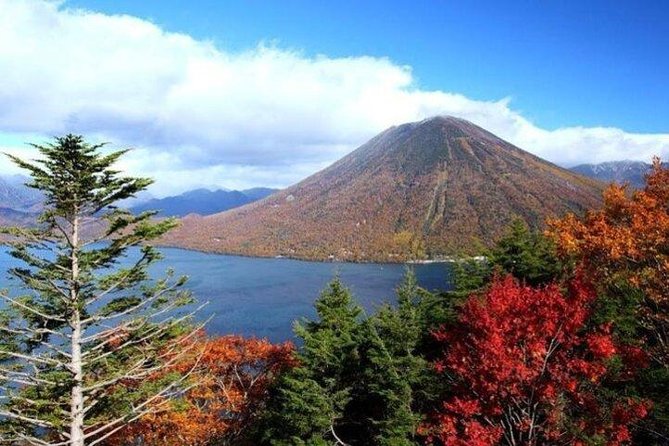
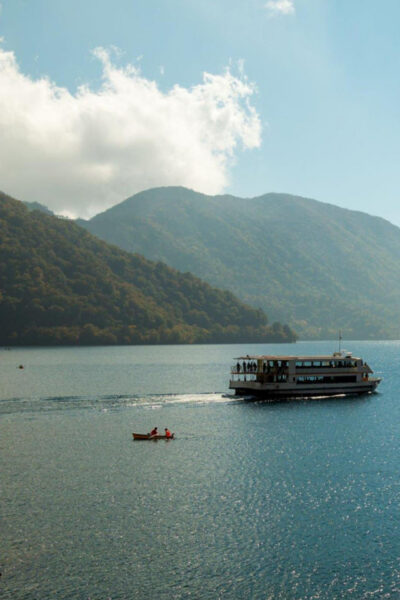
If you want something calmer and scenic instead, consider Lake Chuzenji. It is the largest lake in Tochigi, framed by about 25 kilometers of nature around it. It also has a history as a summer resort area for foreigners in the late 1800s and early 1900s, so it has a different vibe than the shrine-and-temple concentration.
In a shorter private schedule, these nature stops are usually short. Kegon Falls might be around 15 minutes, while Lake Chuzenji is also often around 15 minutes. That can feel quick if you want to do longer walks, but it is also part of why the day works. You get a memorable hit, then you move on without burning your whole time budget.
Two practical cautions:
1) Weather matters. Rain or heavy snow can change what you can see comfortably.
2) Light changes fast in the mountains, so if you are chasing photos, ask your guide about the best timing for your chosen waterfall or viewpoint.
You can also read our reviews of more private tours in Nikko
Temples, mausoleums, and the quieter sacred stops
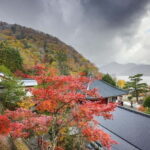
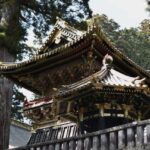
If Tōshō-gū is the main spotlight, Nikko also has spiritual “supporting cast” that many people miss when they only chase the biggest name. One common pairing is Rinnōji Temple, Nikko’s most important temple, founded by Shodo Shonin. That temple focus gives you the Buddhist side of the Nikko story, which balances the Shinto and Tokugawa material.
Another high-impact stop is Rinnoji Taiyū-in, the mausoleum of Tokugawa Iemitsu, grandson of Tokugawa Ieyasu. Taiyū-in is described as lavish and similar in layout and architecture to the nearby Tōshō-gū area. If you like understanding how one powerful family shaped multiple sacred spaces, this is the stop that makes the network feel real.
There is also Nikko Futarasan Shrine, located next to Tōshō-gū in central Nikko and older than its more famous neighbor. It was founded in 782 by Shodo Shonin, who introduced Buddhism to Nikko in the 8th century. That timeline connection is exactly the kind of detail a guide can bring to life, because it shows you this place was not made in a single era.
Expect many of these stops to be around 30 minutes each in a typical plan. That means you will likely get the highlights rather than a deep, hour-by-hour study session. If you want more depth at fewer sites, tell your guide upfront. This tour is built for that kind of adjustment.
Kanmangafuchi, Senjogahara, and Kirifuri, small walks with big payoff
Some of Nikko’s best nature moments are short on time and easy on your legs, which matters when you are squeezing in 3 to 4 sites in about 6 hours.
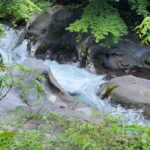
Kanmangafuchi Abyss is a great example. It is a gorge formed by an eruption of Mount Nantai, and it is enjoyed from a riverside walking trail. The trail length is described as only a few hundred meters, which makes it feasible even if you are not into longer hikes. The tour schedule often treats it as about 30 minutes, but the vibe can be longer if the scenery is capturing your attention.
Then there is Senjogahara Field, where the name translates to battlefield, tied to a mythical story involving gods from Mount Nantai and Mount Akagi. It is not just a scenic stop, it is a folklore stop. If you like learning why a place is named what it is, you will probably enjoy this one.
For waterfalls beyond Kegon, Kirifuri Waterfall is a strong pick. It is described as a 75 meter high two-tiered waterfall, located a few kilometers northeast of Nikko’s temples and shrines. In a tight schedule, it is often around 15 minutes, so it is more about the first strong look than a long trek.
If you are trying to choose between these, use your mood:
- Want iconic waterfall drama? Pick Kegon Falls.
- Want a quieter, nature-walk feel? Pick Kanmangafuchi Abyss.
- Want something story-based and open-air? Pick Senjogahara Field.
Your guide can help you swap based on time, weather, and what you are most excited about.
Bonus sites like Tamozawa, Shinkyō Bridge, and Akechidaira

Nikko rewards curiosity, and the tour’s customizable nature means you can add variety without losing the overall flow.
A popular cultural option is Nikko Tamozawa Imperial Villa Memorial Park. The villa mixes Edo and early Meiji architecture and is described as having 106 rooms. It was erected in Nikko in 1899 using parts of a residence that originally belonged to the Arima family. If you want to see Nikko through a more political and architectural lens, this is a great alternative to adding yet another temple.
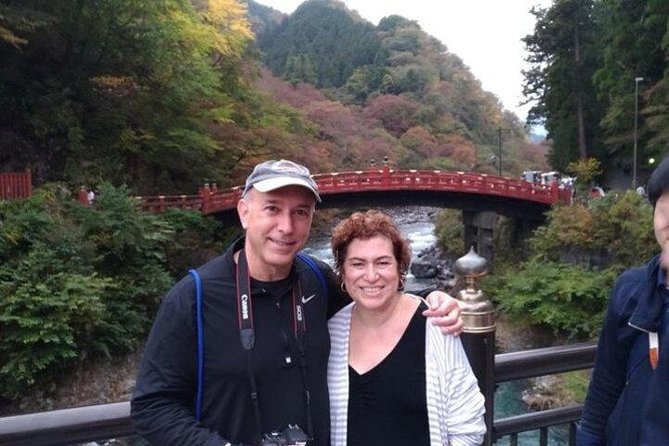
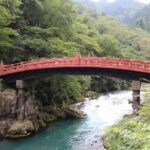
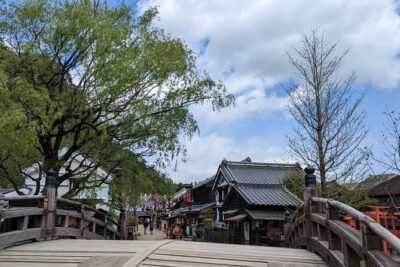
If you want a simple, photogenic “gateway moment,” Shinkyō Bridge is a classic. It stands at the entrance to Nikko’s shrine and temple area and is technically part of Futarasan Shrine. It is also described as one of Japan’s three finest bridges, which is a big claim, so expect your camera to get some exercise. Many schedules treat it as about 30 minutes.
For views that feel more like the mountains speaking, Akechidaira Observation Area is an option. It is located near the top of the Irohazaka Slope, with sweeping views over a winding road and a dramatic mountain backdrop. The tour commonly includes a ropeway to the observation platform, so it gives you a view without requiring a long hike.
And if you want a lighter, botanical contrast, the Nikko Botanical Garden, owned and maintained by the University of Tokyo, can be a nice shift away from stone and wood. It is listed as a possible 30-minute stop.
In a 3 to 4 site plan, these “bonus” stops work best when they add variety rather than duplication. For example, if you already picked multiple shrine complexes, adding a viewpoint like Akechidaira can restore balance fast.
What makes this tour such good value in real life
The price is $155.86 per person, and the biggest question is always, do you really get your money’s worth? For this tour, I think the answer is yes if you value time, context, and stress reduction.
Here is where the value shows up:
- You avoid spending hours researching which stops connect well by bus.
- You get someone who can explain what you are seeing, so you are not stuck guessing.
- You can adjust when plans change due to weather or timing, which is common in Nikko.
- You get a private pace, so you do not feel guilty taking an extra minute at a detail you care about.
The strongest praise I kept seeing in feedback focused on guide quality and adaptability. Names that repeatedly come up include Yumi, Yoko, Yoshii, Ichiro, Hit Suzuki, Mato, Mia, Yuki, Ikuko, and Taka. Across those stories, the common thread is clear communication ahead of time and a flexible plan during the day.
I also love the small practical touches described in feedback, because they show the guide is thinking like a host, not like a robot. One example is Yukiko Tsunoda, who brought towels for a foot bath and ice packs for cooling down on a hot day. Another useful detail is how some guides help you save time with tickets, such as arranging ahead to reduce waiting when possible.
Also, timing matters. One piece of advice that made me nod: Nikko can feel much worse on weekends, with longer waiting lines and traffic. If your schedule allows, aim for a weekday when you can, and use your guide to keep the day efficient.
Who this private Nikko tour suits best
This tour is a smart fit if you want a classic Nikko day but do not want to spend the day managing transit and deciding on the fly.
It is especially good for:
- First-time visitors who want the big highlights plus context
- People who hate slow, crowded group schedules
- Couples and small families who want flexibility
- Travelers who want nature stops like Kegon Falls and Lake Chuzenji but still want shrine time
It may feel less perfect if you want a very slow, long-form deep-dive at each site. This is built around 3 to 4 stops in about 6 hours, so you will get highlights, not a full study tour.
Since it is walking-first and requires some cash planning, you will also want to be comfortable moving at a moderate pace. If you have mobility limits, check with the operator ahead of time, because the tour is still described as a walking tour.
Should you book this private Nikko tour?
Book it if you want a high-efficiency Nikko day with choices, not confusion. The combination of a licensed guide, a custom route, and a plan that typically blends Tōshō-gū with one or two nature anchors is exactly what saves your time and makes the day feel meaningful. And with a 4.9 rating and 99% recommending it, this is one of the better odds you can take.
DIY it instead if you are on a tight budget, you enjoy planning transit, and you are comfortable turning a day of shrines and waterfalls into your own itinerary puzzle. Nikko can be rewarding that way, but you will feel the logistics weight, especially if you miss a connection or hit traffic.
My simplest decision rule: if you want Nikko to feel smooth, pick this private guide day. If you want Nikko to feel like a self-directed adventure, you can still do it alone, but plan on more effort and more uncertainty.
FAQ
Where do we meet the guide in Nikko?
You meet your licensed guide within a designated area in Nikko, near Nikko Station. The tour starts with a meet-up on foot.
Is the itinerary fixed?
No. The route is customizable based on your interests, with a plan built around your chosen set of 3 to 4 sites.
How long is the tour?
The tour lasts about 6 hours.
Will we be walking a lot?
Yes. The basic tour is on foot, and you should expect walking as part of the day. Pickup, when offered, is also described as on foot, and transportation may involve public transit or taxis depending on your chosen stops.
Are entrance fees and lunch included?
Entrance fees and lunch are not included. Some stops listed for the day are free, but you should still budget for paid entries at the sights you select.
Do I need cash for transportation?
You should bring cash for public transportation or taxis, since transportation fees are not included.
Is this tour private?
Yes. It is a private tour/activity, and only your group participates.
Can I cancel for a full refund?
Yes. You can cancel up to 24 hours in advance for a full refund. If you cancel less than 24 hours before the start time, the amount paid is not refunded.
More Guided Tours in Nikko
More Tours in Nikko
More Tour Reviews in Nikko
Not for you? Here's more nearby things to do in Nikko we have reviewed
Nikko Day Trips, side by side.
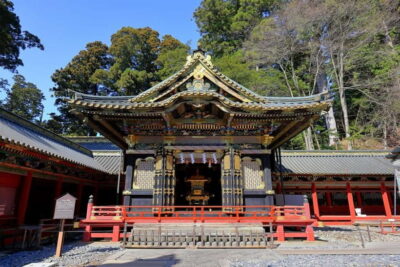 ★ 4.6Nikko: Kegon Falls, Lake Chuzenji & Toshogu TempleFrom $891,577 reviews
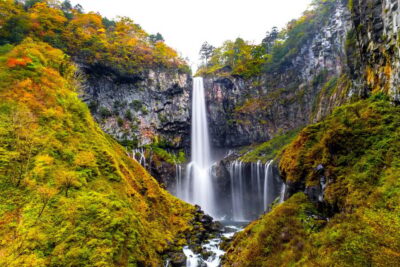 ★ 4.5Nikko Toshogu Shrine and Kegon Waterfall TourFrom $841,266 reviews
 ★ 4.9From Tokyo: Nikko World Heritage Site Private Full-Day TripFrom $483243 reviews
 ★ 4.3Nikko: Edo Wonderland Edomura Cultural Theme Park TicketFrom $35205 reviews
 ★ 4.8Nikko World Heritage Private Day Trip Hotel Pick-upFrom $390145 reviews
From Tokyo: Nikko World Heritage Sight Full Day Private TourFrom $362127 reviews
★ 4.8Nikko World Heritage Private Day Trip Hotel Pick-upFrom $390145 reviews
From Tokyo: Nikko World Heritage Sight Full Day Private TourFrom $362127 reviews
 ★ 4.9Nikko – Beautiful Full-Day Personal and Private TourFrom $364119 reviews
 ★ 5.0Chartered Private Tour – Tokyo to Nikko, Toshogu, Edo WonderlandFrom $1,286105 reviews
This tour also belongs to