
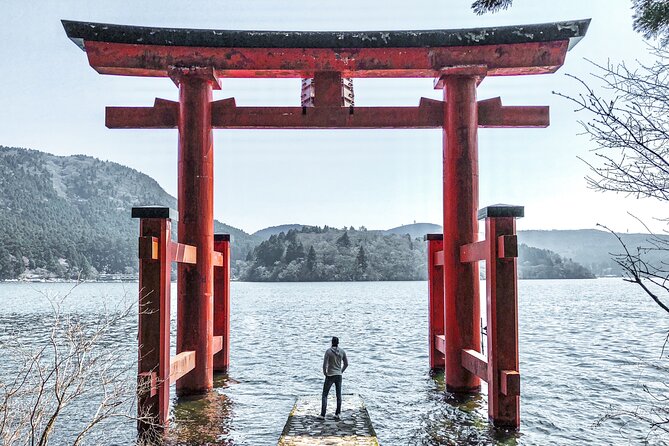
Review · MOUNT FUJI TOURS
Mount Fuji, Hakone & Lakekawaguchiko Private Group Tour by Car.
Mount Fuji is best when the logistics are handled. This private group tour takes you out of busy Tokyo in a car with hotel pickup, then strings together classic Fuji stops like the 5th Station viewpoint, Oishi Park, Chureito Pagoda, and the lakes. I like the round-trip transfers part, because you avoid the train and bus puzzle when you are short on time. I also like that it’s sold for small groups, so you can move at a pace that fits your day. The one consideration is that visibility depends on weather, and some stops (especially the 5th Station) can be affected by seasonal closures or conditions.
You’ll spend roughly 8 to 9 hours in total, with the day’s timing heavily shaped by drive time and where Mount Fuji is most visible. On the guide side, many people highlight punctual, friendly drivers like Ali, Mani, Sikandar M, Shoaib, Abdullah, Murad, and Zohan, often mentioning help with photos and smart timing to reduce crowds. The itinerary is structured, but there can be small variations depending on time and conditions.
Quick take: what stands out on this Fuji day trip
- Pickup to drop-off without stress: round-trip transfers from your Tokyo accommodation.
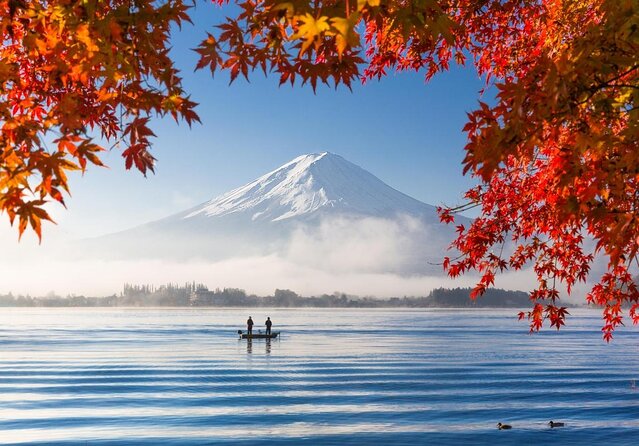
- Big scenery checklist, done efficiently: 5th Station, Oishi Park, Chureito Pagoda, Oshino Hakkai, Kawaguchiko, and Yamanaka.
- Private-group feel: only your group rides together, no mixed bus crowd.
- Weather-driven reality: if skies are cloudy, the day can shift toward other viewpoints.
- Comfort matters for a long day: the van is described as roomy (reported as up to nine people), useful for families.
Why this private Mount Fuji car tour works better than DIY
When you do Fuji solo, you quickly hit the same wall: travel time, transfers, and the stress of getting everyone back on schedule. This is built to solve that. You start with pickup, you leave Tokyo in one ride, and you come back the same way. That means you can spend your energy on the views, the shrines, the photo angles, and not on figuring out which bus goes where.
I also like that this tour is designed for a small group. The published price is per group (up to 6), which helps keep it from feeling like a public bus day with strangers. If you have a family, it is easier to manage breaks, snacks, and bathroom timing. If you have older kids or a small friend group, it is a great way to see a lot without everyone moving at the speed of the slowest public-transport connection.
The main drawback is simple: you cannot control the weather. Mount Fuji days are about light and clarity. If the mountain is hidden behind clouds, you might see less than you hoped and you will need to rely on the tour’s flexibility.
You can also read our reviews of more private tours in Tokyo
Price and group size: what you are really paying for
This tour is listed at $414.59 per group (up to 6 people). That price can look steep if you compare it to a bus tour. But the value comes from two things: private transport and a pre-planned route that hits the big hits in one day.
If you split the cost across 4 to 6 people, the per-person price can feel more reasonable, especially in Tokyo where private transfers can add up fast. Also, the tour includes a water bottle. Not a huge detail, but it is one less thing you need to plan for.
One more practical note: the vehicle capacity is described as up to nine people. Your booking is sold up to 6, so I’d treat nine as a general vehicle capability, not a guarantee that your group will be expanded under the same price. If you have a bigger party, ask what the arrangement is before you commit.
The 8 to 9 hour rhythm: how the day usually feels
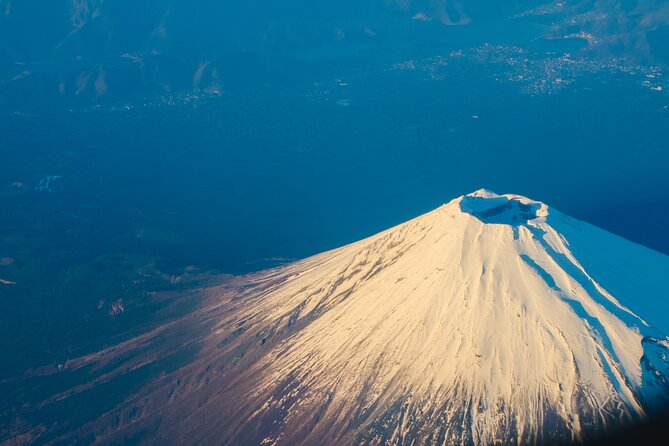
The total duration is about 8 to 9 hours. The tour explicitly notes that the remaining time is travel time, so do not expect every stop to feel like a long stay. The structure is meant to keep you moving so you hit multiple viewpoints and villages before the return drive.
If you like photography, this timing can be perfect. You get several chances for wide mountain views across different spots, plus classic foreground scenes like Oishi Park and Chureito Pagoda. If you prefer slow travel, you may feel a bit rushed at the places with stairs or crowded viewpoints. Still, private transport helps because your guide can often adjust the flow when weather or crowds are working against you.
Stop 1: Mount Fuji Subaru Line 5th Station viewpoint time
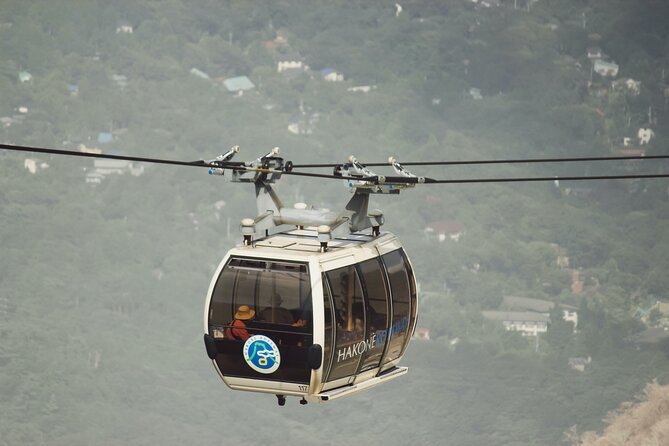
The 5th Station is where you go to see Mount Fuji up close. It sits about 7,500 ft above sea level, and it’s often the moment people remember when they think of their day trip.
You get about 1 hour here. That’s enough to walk around, take photos, and enjoy the big sense of height. The important catch is cost: the Mount Fuji 5th Station fee (2100 yen) is not included, and admission is not included for the stop. So budget for the fee if this is the highlight you care most about.
Also, plan for seasonal realities. The 5th Station can be closed in winter (one trip noted a snow storm closure). When that happens, the tour may shift time to other parts of the plan. If you are traveling in January or deep winter, I would treat the 5th Station as a best-case scenario, not a guarantee.
Stops 2 and 3: Oishi Park and Kitaguchi Hongu Fuji Sengen Jinja
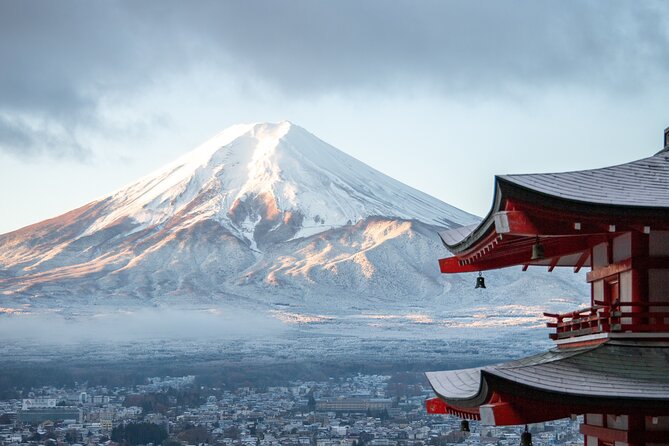
After the height of the 5th Station, you drop into the scenic Fuji “frame shots” at Oishi Park. You’ll get around 40 minutes. This is one of those places where the composition matters: you’re looking for Mount Fuji with Lake Kawaguchiko in the same view, and the park is known for colorful flowers when they are in season. The stop is free.
Then comes Kitaguchi Hongu Fuji Sengen Jinja Shrine, about 30 minutes. This shrine has deep roots, said to date back to 100 CE, built to celebrate the journey of Yamato Takeru. It is a quiet counterpoint to the big mountain views. You get a more cultural stop, with less time pressure than a viewpoint. The shrine is free.
What I like about this pairing is the variety. You go from dramatic elevation to a calm, scenic lakeside park, then to a shrine that gives you a sense of how long people have been relating to Mount Fuji.






Stop 4: Chureito Pagoda and the 400-plus stairs reality check
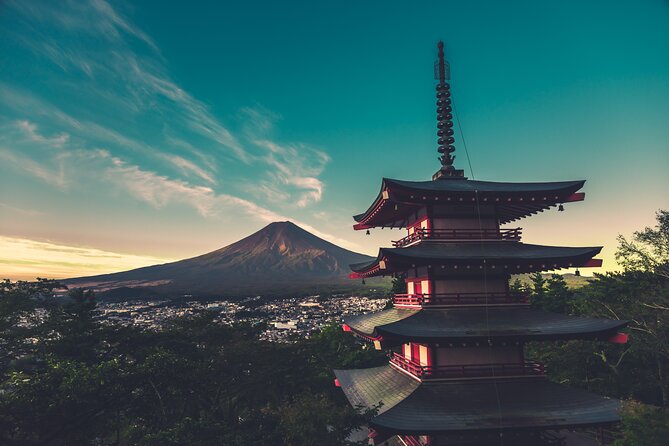
Chureito Pagoda is famous for a reason. When Mount Fuji is visible, the classic photo is hard to beat. The stop is free and you get about 40 minutes.
Here is the practical consideration: Chureito involves stairs. The climb is described as more than 400 steps up. It might sound short, but on a Fuji day, it can feel harder than you expect, especially if you have kids, knee issues, or you are arriving from a long drive.
My advice: plan your pace at the bottom. If the view is already good from earlier angles, you do not need to sprint to the top. Also, wear shoes with real grip. The stairs are part of the experience, but you want to be comfortable while doing it.
Stop 5: Oshino Hakkai, the old village feel near Fuji
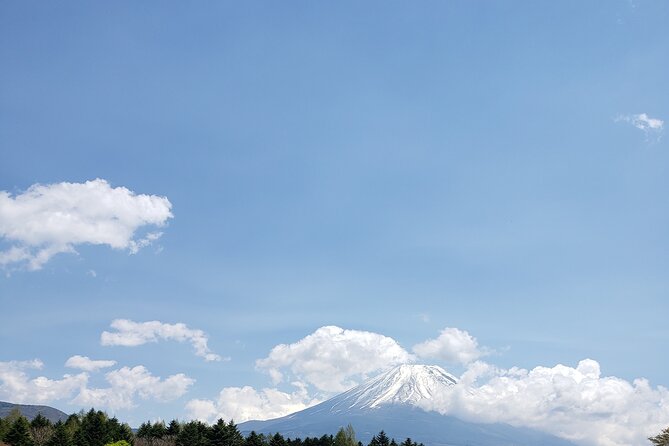
Oshino Hakkai is about 50 minutes. This stop is free, and it’s known for old structures that have been preserved, often described as a kind of old village area.
What you should expect is a slower, more human scale than the big viewpoints. It is a place to wander, look at preserved buildings, and feel that Fuji area traditions are not just photos and souvenir shops. It also works well as a reset stop before the lake time.
If you want photos, go early in your allocated window. The later it gets, the more crowded these charming village-style areas can feel.
Stop 6: Lake Kawaguchiko and optional boat time
Lake Kawaguchiko is where your day starts to shift from “mountain wow” to “Fuji in the scenery.” The tour gives you about 1 hour here. Admission for the stop is not included.
The big perk is choice. The lake area is set up for boat experiences, including a cruise or personal boats. If your group loves water views, you can usually build in time for that option. One trip story mentioned a speedboat ride, which shows that some visitors go for the more energetic experience here.
You’ll also be able to grab lunch around the lake corner. Lunch is not included in the tour price, so treat this as a chance to eat something you genuinely want, not just whatever is nearby.
Practical tip: if the sky is clear, Lake Kawaguchiko can be the best “reflection and framing” spot. If the sky turns gloomy, it can still be worth it for the atmosphere and the lakeside walks, but you may not get the cleanest mountain silhouette.
Stop 7: Lake Yamanaka, quick views and a playful pause
Lake Yamanaka is the shorter finish line at about 30 minutes. The stop is free.
This is a more relaxed stop, and it comes with gentle activities like feeding swans and fish. If you have kids, this is often the moment they enjoy most, because it’s interactive without being complicated.
It’s also a great way to end the sightseeing block without requiring another big climb. When people are tired from earlier stairs and walking, Lake Yamanaka feels like a breather.
When Owakudani valley fits in: the stop that only happens if you have time
Owakudani Valley is mentioned as a potential add-on if time permits. That means it is not always guaranteed.
If you see it on the day, it’s a bonus for anyone who likes volcanic textures and dramatic terrain. If you do not reach it, you are not missing a core element the way you might with the 5th Station. The rest of the day is still built around the Fuji viewpoints and lake stops.
If you are the type who wants every possible wow factor, ask your guide about it early. The driver can often judge whether the schedule can absorb it without cutting your key stops.
Guide impact: why driver skill changes the whole experience
This is one of those tours where the guide or driver can make a huge difference, even though you are mainly riding between set places. In the guide stories I saw, people repeatedly mentioned punctual pickup and help with photos.
Names that came up included Ali and Mani, with comments about being helpful and supportive with pictures. Shoaib and Murad were described as flexible and giving good advice, including suggestions on timing to avoid crowds. Zohan and Abdullah were also mentioned for making the day work even when clouds limited what you could see.
Here’s what that means for you: if the mountain is hidden, a strong driver’s plan for rerouting or shifting timing can save the day. If the mountain is clear, a good driver knows when to arrive for the cleanest views.
Weather and closures: the one thing that can fully change your plan
This experience is explicitly described as requiring good weather. When the weather is poor, options can include being offered a different date or a full refund.
Even when you are not canceled, weather can shape the visible outcome. Some days are crystal clear, and other days are clouded enough that Fuji looks like a tease. If the mountain disappears, your best strategy is mindset. Focus on the lakes, shrines, village walking, and the atmosphere. You can still have a great day, even if it is a softer Fuji day.
Also, keep in mind seasonal closures. The 5th Station can close in winter, and the schedule may adjust around that.
Getting in and out smoothly: pickup, luggage, and timing
Pickup is offered from your Tokyo accommodation, and you get round-trip transfers. Confirmation is received at booking time, and the tour uses a mobile ticket. That matters because a smooth pickup reduces the most stressful part of a day trip.
One practical detail stands out: you should inform the operator about your luggage quantity, since carrying luggage can sometimes be difficult. If you are traveling with big suitcases, pack with the car in mind. If you have one large bag, it may still work, but you want to be honest up front.
For pickup location, be specific. Some people had issues when they expected a precise pickup point. So, send a clear meeting pin or exact instructions for where you want to be collected.
Lunch, tickets, and what you should budget for
Not everything is included. Lunch is not included. The Mount Fuji 5th Station fee of 2100 yen is not included. The stop at Mount Fuji 5th Station also notes that admission is not included.
Other stops like Oishi Park, the shrine, Chureito Pagoda, Oshino Hakkai, and Lake Yamanaka are listed as free. Lake Kawaguchiko is listed with admission not included, and the boat experience is an optional add-on, not included in the tour.
So the practical budget is not just the tour price. It is also:
- 2100 yen for the 5th Station fee (if it is open)
- Your lunch
- Any boat ride or extra activities at Lake Kawaguchiko
Should you book this Mount Fuji, Hakone and Lake Kawaguchiko private car tour?
Book it if you want the easiest day trip out of Tokyo with a small group and you value smooth pickup and drop-off. It’s especially a good fit for families, since you get a planned route with stops that work for kids (Lake Yamanaka feeding time) and you are not wrestling transit connections all day.
Skip it or be cautious if you are traveling in winter and have your heart set on the 5th Station at all costs. It can be closed, and your day can shift. Also, if you need a very detailed, stop-by-stop historical talk, you should know that some experiences focus more on driving and photo time than deep narration at every stop.
My call: this tour is a strong value when you split the group cost and you treat the day as a mix of Fuji viewpoints, shrine and village atmosphere, and lakeside time. If you go in flexible, with good footwear and a weather-ready mindset, you will get exactly what a Fuji day is meant to be.
FAQ
What is the duration of the tour?
The tour is listed as about 8 to 9 hours, with the remaining time on tour duration for travel time.
How much does the tour cost?
The price is $414.59 per group (up to 6).
Is pickup from my Tokyo accommodation included?
Yes, round-trip transfers from your Tokyo accommodation are included, and pickup is offered.
Is admission included for all stops?
No. Mount Fuji 5th Station fee is not included (2100 yen), and Mount Fuji 5th Station and Lake Kawaguchiko admission are also listed as not included. Stops like Oishi Park, the shrine, Chureito Pagoda, Oshino Hakkai, and Lake Yamanaka are listed as free.
Do I need to pay for lunch?
Lunch is not included.
Can we visit Owakudani Valley?
Owakudani Valley will be visited if time permits.
What if the 5th Station is closed?
The 5th Station can be closed in winter due to conditions. If that happens, the day may shift to fit the remaining schedule.
What should I know about weather?
The experience requires good weather. If it is canceled due to poor weather, you are offered a different date or a full refund.
How many people can the vehicle handle?
The vehicles can accommodate up to nine people, and the tour is priced per group up to 6.
What about luggage?
You should inform the operator about your luggage quantity, since carrying luggage can sometimes be hard in the vehicle.
More Private Tours in Tokyo
More Tours in Tokyo

More Tour Reviews in Tokyo
Not for you? Here's more nearby things to do in Tokyo we have reviewed












Mount Fuji Tours, side by side.
 ★ 5.0Mt Fuji and Hakone 1-Day Bus Tour Return by Bullet TrainFrom $16326,383 reviews
 ★ 4.0Mt Fuji & Hakone Cruise, Drum Show Bullet Train 1 Day from TokyoFrom $1497,413 reviews
 ★ 4.4Tokyo Mt Fuji 5th St & Hakone Cruise Bus Tour w/Bullet TrainFrom $1545,024 reviews
 ★ 4.5From Tokyo: Mount Fuji Full-Day Sightseeing TripFrom $684,970 reviews
 ★ 4.7Mt. Fuji Tour, Hakone Ropeway, Owakudani, Lake AshiFrom $544,002 reviews
 ★ 4.2Mt. Fuji 5th Station & Hakone Cruise 1-Day Bus TourFrom $1292,381 reviews
 ★ 4.7Mt Fuji Top 5 Spots Day Tour: Arakurayama Park,Oshino HakkaiFrom $532,066 reviews
 ★ 5.0Private Tour to Mt. Fuji and Hakone (Fully Licenced Operator)From $4971,910 reviews
This tour also belongs to