
Review · MOUNT FUJI TOURS
From Tokyo: Mt. Fuji 5th station and Oshino Hakkai Day Trip
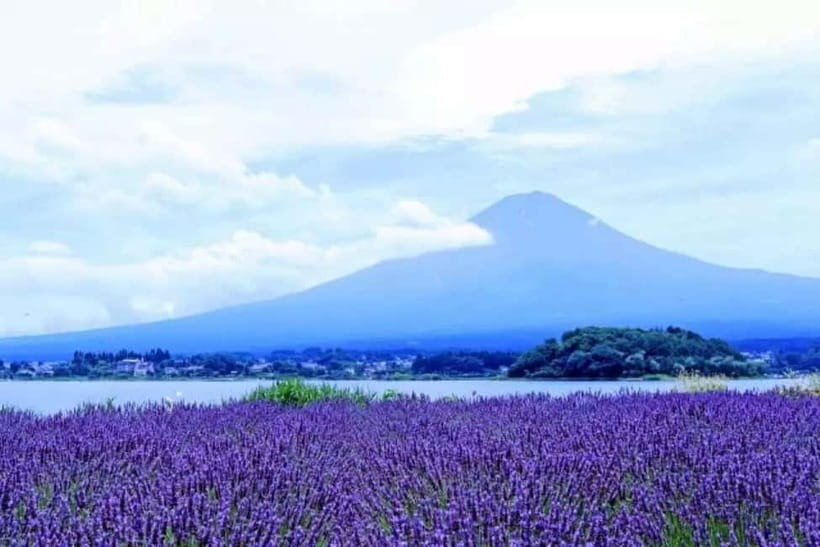
Fuji gets personal in one packed day. You get Mt. Fuji views from both Lake Kawaguchi and the 5th Station, then finish in the storybook setting of Oshino Hakkai. The tradeoff is simple: at any of these stops, weather and crowds can change how much you see and how long lines feel.
I like that the day runs like a guided photo route, not a stressful DIY scramble. Meeting at Shinjuku by the LOVE statue makes it easy, and the guides I learned from include Helen (Ms. Wei) and Jenny, both known for detailed explanations and helping with photos. The day can move quickly, so it is not ideal if you want a slow, unhurried pace all day.
Key Highlights You Will Actually Feel in Your Day
- Two big Fuji viewpoints: Lake Kawaguchi, then the Mt. Fuji 5th Station at 2,300 meters
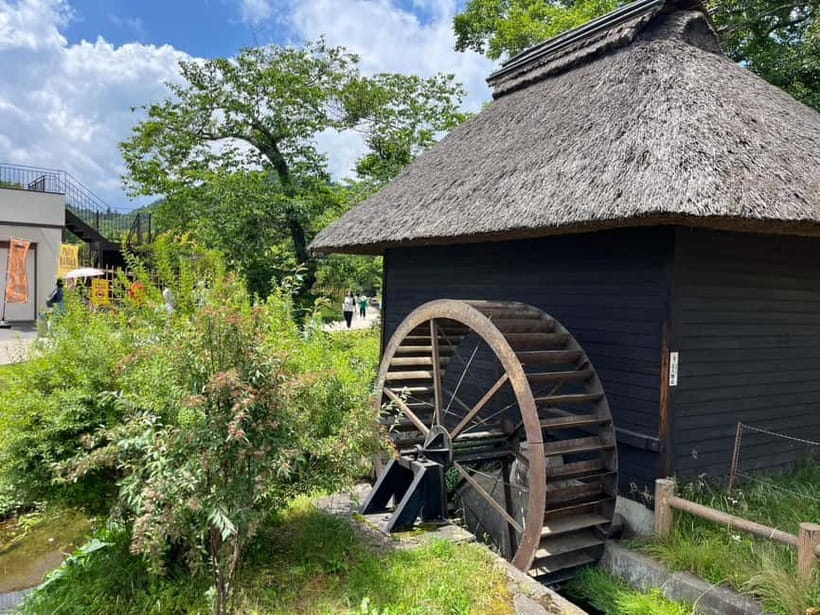
- Oshino Hakkai’s eight spring ponds in a quiet, traditional pocket of Yamanashi
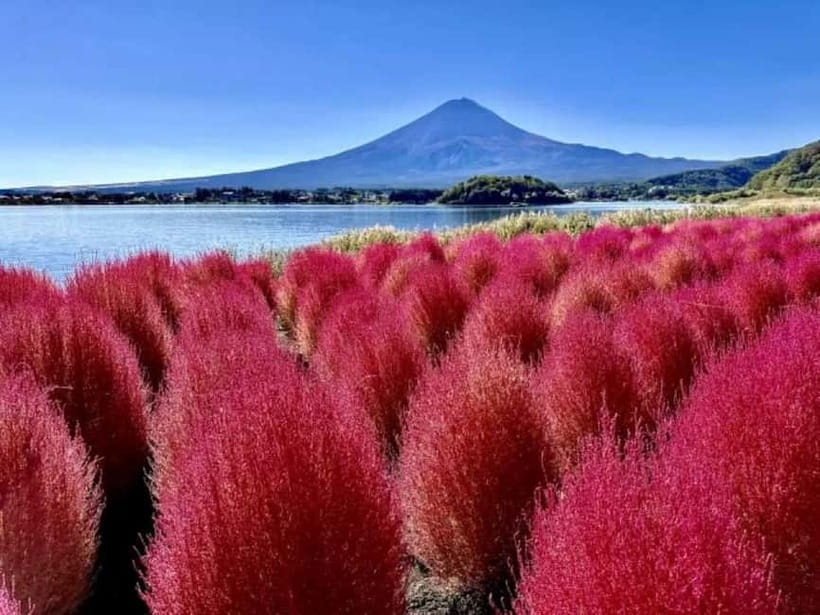
- Oishi Park by season: cherry blossoms, lavender and violet, Kochia red, or snowy winter scenery
- A guided drive through countryside in a luxury vehicle, so you spend less time figuring out transport
- Yamanashi lunch included with no extra charge, which helps the tour value feel real
Why This Fuji and Oshino Hakkai Route Is Worth a 10-Hour Commitment
This tour is built for the “I want to see the classics” traveler. In about 10 hours, you hit the Lake Kawaguchi photo spots, Oishi Park gardens, Mt. Fuji’s 5th Station, and Oshino Hakkai. That sequence matters because each stop gives a different feel for the mountain, not just the same view four times.
I also like the practical balance here. You get sightseeing time and breaks, but it is still structured enough that you do not waste half your day commuting. If your Tokyo schedule is tight and you want maximum payoff, this kind of day trip can make the most sense.
More Tokyo tours and experiences for the shortlist



The Morning Game Plan: Shinjuku LOVE Statue and an 8:00 AM Departure
Your day starts with a clear meeting point: Shinjuku West Exit, in front of the Shinjuku Island Tower LOVE statue (Robert Indiana). Meeting at 7:45 AM, with an 8:00 AM departure, means you will leave before the crowds fully build and you can spend daylight on the sights, not in traffic.
This start time is one of the reasons the itinerary feels manageable. Mt. Fuji area traffic and queue lines can be unpredictable, so early departure gives your day a better chance of running on schedule. If you tend to be late, plan to arrive at the statue spot with extra buffer. The guides Helen (Ms. Wei) and Jenny stood out for being attentive, but the schedule is still the schedule.
Lake Kawaguchi: The First Mt. Fuji View (Plus a Ropeway/Cable Car Lift)
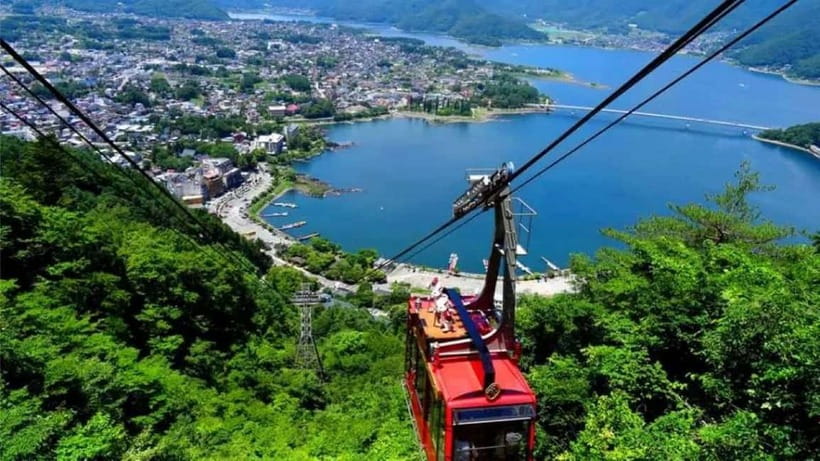
Lake Kawaguchi is where the day clicks into place. You are there for a lake-and-Mt.-Fuji viewpoint that works like a postcard, with Mt. Fuji reflected in the water when conditions are right. You also get real time to look, not just a quick stop.
On this part of the tour, you will also ride the ropeway/cable car for a different angle on the lake and the mountain. The itinerary lists around 70 minutes total here, including sightseeing and the ride. That timing is useful because it gives you room to enjoy the view, take photos, then still move calmly to the next stop.
Two practical notes for Lake Kawaguchi:
- Dress for temperature swings. Lakeside mornings can feel cooler than central Tokyo.
- Keep your camera ready but do not panic if the mountain is partly hidden. The day has another major Fuji moment later.
Oishi Park: Season Colors Without Needing a Separate Ticket Plan
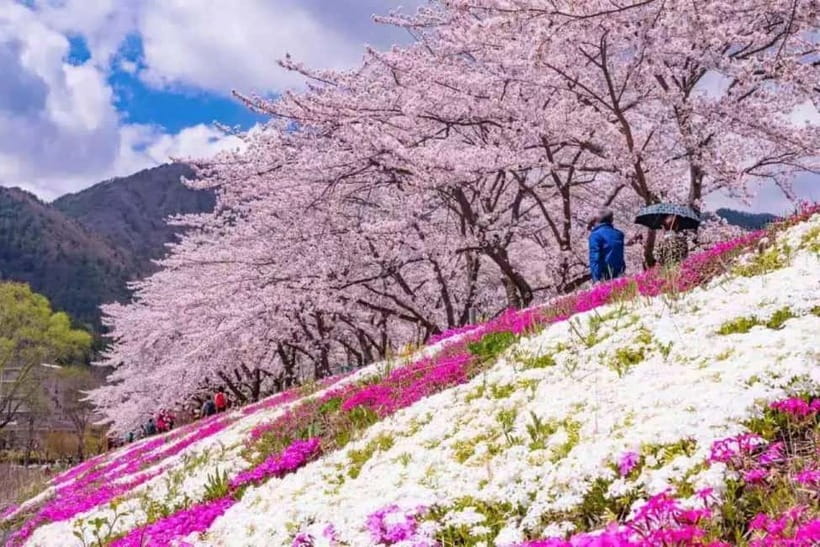
Oishi Park is short on time, but it is all about the seasonal look. You get a photo stop, then free time plus a walk of about 30 minutes. That makes it a good stop even if you are not the type to spend hours on garden routes.
What I find smart about Oishi Park is how it is planned around what the park changes through the year:
- Spring: cherry blossoms in late March to early April
- Summer: violet fields and lavender scent, late June to late July
- Autumn: Kochia turning bright red, mid to late October
- Winter: snowy scenery
If your travel dates match a strong season, you will feel like you caught the park at the right moment. If your dates fall between seasons, you still get a scenic garden feel, just with fewer “headline” blooms.
One thing to watch: because Oishi Park is small but popular, you might see crowds during peak hours. The tour’s pacing keeps this from becoming a problem, but it can still affect how freely you move for photos.
Lunch in Yamanashi: A Budget-Friendly Break That’s Included
A major value point here is lunch is included, specifically local Yamanashi cuisine, with no extra fee. The lunch break is about 50 minutes, and it also works as your reset time before heading higher up the mountain.
Why this matters: a lot of Fuji day trips turn into “buy your own food wherever you happen to stop.” Here, you avoid that scramble and you also get a meal that fits the region. You are not just paying for transport, you are buying back time and reducing decision fatigue.
I also like that the day gives you a real break instead of cramming food into a 20-minute window. After Lake Kawaguchi and before the 5th Station, you will likely appreciate the rhythm.



Mt. Fuji 5th Station at 2,300 Meters: Up Close, Weather Dependent
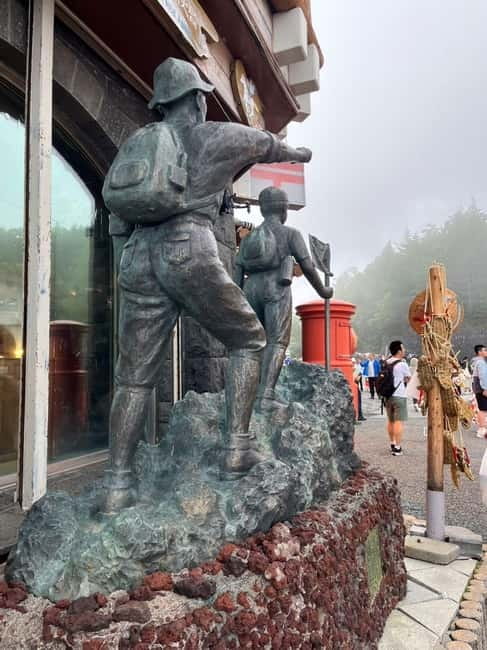
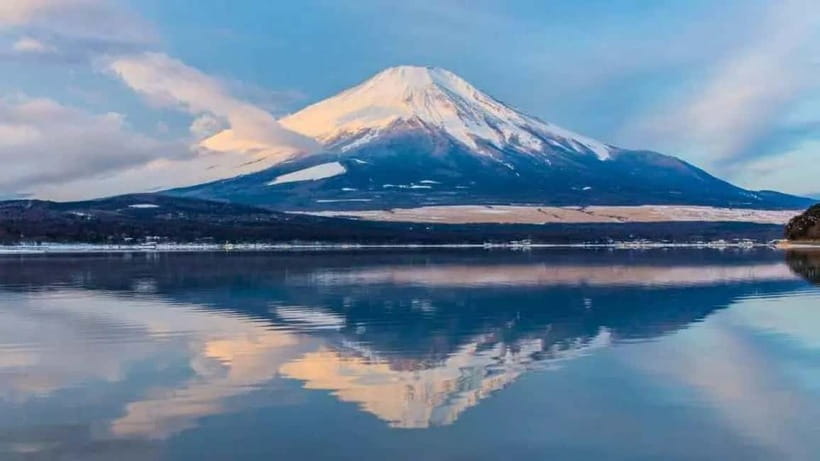
The Mt. Fuji 5th Station is the emotional centerpiece. It sits at about 2,300 meters above sea level, so it is one of the closest accessible points where you can feel the mountain up close. The itinerary sets aside about 40 minutes for photo time, sightseeing, and free time.
You can expect views that feel larger and more vertical than the lake viewpoints. At this altitude, the air can feel different, and the mountain itself can look dramatic even when it is partially cloudy.
The tour also mentions you can enjoy coffee or freshly baked melon bread while admiring the peak views. That is the kind of small comfort that fits the moment, but it is not listed as included, so treat it as an optional purchase if you want it.
One honest consideration: if weather turns or Fuji disappears into clouds, the 5th Station still gives you the altitude experience, but the “iconic peak view” is not guaranteed. This is the main reason you should keep your expectations flexible. The day is still worthwhile because Oshino Hakkai and the park stops don’t depend on a perfect mountain silhouette.
Oshino Hakkai: Eight Spring Ponds and a Slower, Photo-Friendly Finish
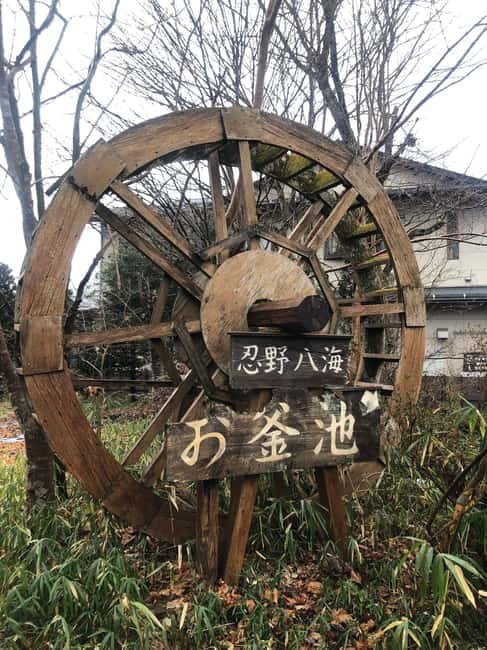
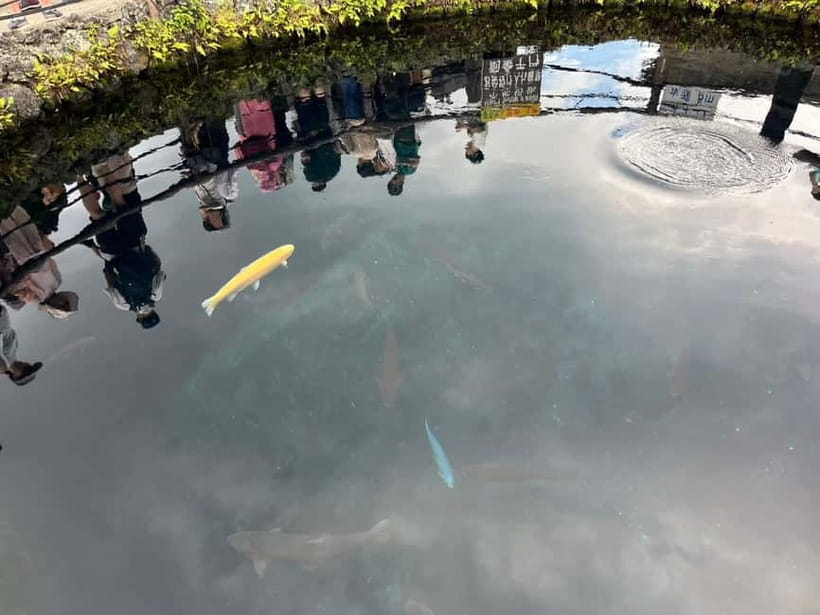
Oshino Hakkai is where the tour shifts from mountain visuals to something calmer and more human. This village is known for eight crystal-clear sacred spring ponds, formed by volcanic activity. You get about 50 minutes here, with photo stops and free time.
What makes Oshino Hakkai special is the texture of the place. Instead of just “see the mountain,” you watch how water, minerals, and traditional buildings create a distinct pocket of Yamanashi. In clearer conditions, the pond surfaces can feel like mirrors, and the eight-pond layout gives you lots of angles without feeling like you are running nonstop.
This is also a good finish point because it is naturally photogenic even when Fuji is not fully visible. So if the mountain was shy earlier in the day, Oshino Hakkai can still deliver.
The Luxury Vehicle Advantage: Less Friction, More Sightseeing Time
This day trip uses a luxury vehicle, and that matters more than it sounds. You are going to cover multiple stops that are spread out around the Fuji area, and public transport would mean transfers, timing risk, and more walking.
The guide also helps you avoid the “what do we do next” problem. The tour includes a multilingual guide in Chinese, Japanese, and English, and for smaller groups the driver may also serve as the guide. That can be a plus if you want more human guidance instead of just being driven around.
The downside is also real. Because it is a scheduled day with fixed stop times, you cannot treat it like a slow sightseeing stroll. One review note I took seriously was the idea that if you are a no-rushing type, smaller groups or private pacing can feel better. This tour is workable for most people, but your personality matters.
Pace and Timing: What 10 Hours Feels Like in Real Life
The day is long, but the stop lengths are designed to avoid burnout:
- Lake Kawaguchi: about 70 minutes including the ride
- Oishi Park: short photo stop plus around 30 minutes of walk and free time
- Lunch: about 50 minutes
- Mt. Fuji 5th Station: about 40 minutes
- Oshino Hakkai: about 50 minutes
In total, it is enough time to see the highlights without turning the trip into a marathon. Still, it is not a sit-and-relax day. If you get impatient with lines, or if you hate moving from one place to the next, keep that in mind.
Crowds can affect the experience most at the most photogenic spots. The good news is the tour’s structure usually prevents “stuck waiting” from taking over the day.
Price Value: Why $103 Can Be a Smart Move From Tokyo
At about $103 per person for a 10-hour day, you are paying for four things at once:
- Transportation by car for the long Fuji-area routing
- A multilingual live guide to keep you on track
- Time at multiple sites that are otherwise annoying to string together
- Lunch included, meaning you do not need to spend extra for a meal at some stop
If you were to DIY this route, the biggest costs tend to be time and stress, not just money. When you factor in a guide who helps you reach the right viewpoints and keeps the plan flowing, the value starts to make sense.
Also, the guides Helen (Ms. Wei) and Jenny were praised for caring, taking pictures, and giving clear explanations. That kind of on-the-ground attention can turn a route you could technically do alone into an easier, more satisfying day.
Who This Tour Fits Best, and Who Should Skip It
This is a great option for people who want a guided “big highlights” day. It is also a strong choice if you want to travel with language support, since the guide covers Chinese, English, and Japanese.
It is not suitable for:
- Pregnant women
- People with mobility impairments
- People with heart problems
- Wheelchair users
If any of those apply, it is worth choosing a different style of outing with fewer altitude demands and less walking.
Small Rules That Matter: What You Can and Cannot Do During the Day
The tour includes simple restrictions to keep things comfortable and orderly:
- No smoking
- No food in the vehicle
- No alcoholic drinks in the vehicle
You will also want comfortable shoes and warm clothing, especially for the 5th Station area where temperatures can feel colder. Bring a camera, because this route is designed for photos.
Should You Book This Shinjuku to Fuji and Oshino Hakkai Day Trip?
I would book it if your goal is clear: you want Mt. Fuji highlights from multiple angles plus Oshino Hakkai, and you want the route handled for you. The included lunch, the multilingual guide, and the car transport reduce the two biggest day-trip problems from Tokyo: logistics and wasted time.
I would hesitate if you are very weather-sensitive and you need a guaranteed, crystal-clear peak view. Visibility can change, and the tour is designed around shared schedules, so you cannot wait around all day for perfect conditions.
My practical middle-ground advice:
- If you can dress warm and stay flexible about clouds, this tour gives excellent value for a first Fuji day.
- If you already know you want a slower pace, look for a smaller-group option or plan a more flexible itinerary.
If you want to experience Fuji in a single day without turning your Tokyo trip into a transportation puzzle, this is one of the cleaner, more efficient ways to do it.
FAQ
Where is the meeting point in Tokyo?
You meet at Shinjuku West Exit, in front of the Shinjuku Island Tower LOVE statue (Robert Indiana). Meeting time is 7:45 AM, with an 8:00 AM departure.
What languages are available for the guide?
The live guide is available in Chinese, English, and Japanese.
What is included in the price?
The tour includes transportation by car, a multilingual guide, and lunch (Yamanashi local cuisine). Personal meals and drinks and shopping are not included.
What should I bring for the day?
Bring comfortable shoes, warm clothing, and a camera.
Is the tour suitable for people with mobility impairments or heart problems?
No. The tour is not suitable for people with mobility impairments, wheelchair users, pregnant women, or people with heart problems.
Are there restrictions on food and smoking during the tour?
Smoking is not allowed. You also cannot eat food in the vehicle, and alcoholic drinks are not allowed in the vehicle.
What is the cancellation window?
You can cancel up to 24 hours in advance for a full refund.
More 1-Day Tours in Tokyo

More Tour Reviews in Tokyo
Not for you? Here's more nearby things to do in Tokyo we have reviewed












Mount Fuji Tours, side by side.
 ★ 5.0Mt Fuji and Hakone 1-Day Bus Tour Return by Bullet TrainFrom $16326,383 reviews
 ★ 4.0Mt Fuji & Hakone Cruise, Drum Show Bullet Train 1 Day from TokyoFrom $1497,413 reviews
 ★ 4.4Tokyo Mt Fuji 5th St & Hakone Cruise Bus Tour w/Bullet TrainFrom $1545,024 reviews
 ★ 4.5From Tokyo: Mount Fuji Full-Day Sightseeing TripFrom $684,970 reviews
 ★ 4.7Mt. Fuji Tour, Hakone Ropeway, Owakudani, Lake AshiFrom $544,002 reviews
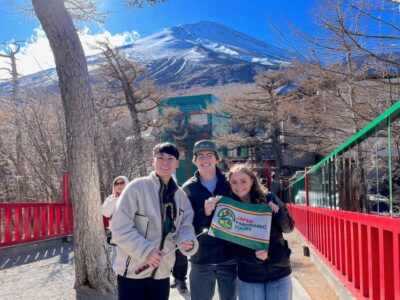 ★ 4.2Mt. Fuji 5th Station & Hakone Cruise 1-Day Bus TourFrom $1292,381 reviews
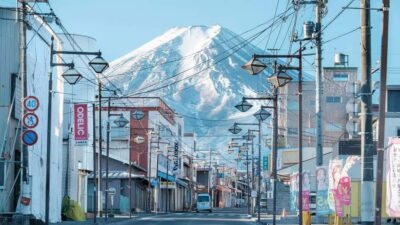 ★ 4.7Mt Fuji Top 5 Spots Day Tour: Arakurayama Park,Oshino HakkaiFrom $532,066 reviews
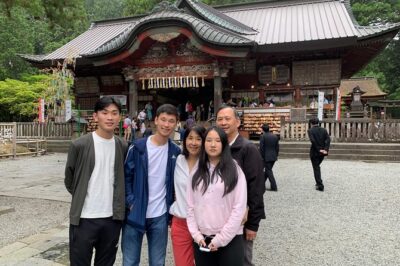 ★ 5.0Private Tour to Mt. Fuji and Hakone (Fully Licenced Operator)From $4971,910 reviews
This tour also belongs to