
Review · MOUNT FUJI TOURS
From Tokyo: Mt. Fuji & Hakone Tour w/ Return by Bullet Train
Fuji and Hakone in one day sounds intense, but it works. What I like most is that you reach the Mt. Fuji 5th Station area (around 2,300 m) with a guide, so you get as close as this schedule reasonably allows. From there, you can sometimes spot the peak, and the stops are built around quick, high-impact views rather than long wanders.
My second favorite part is the mix of “wow” transports that actually change your altitude: the Hakone Ropeway through the volcanic zone, then a Lake Ashi cruise when conditions cooperate. The main drawback to plan for is simple, Mt. Fuji visibility depends on weather, and clouds move fast, so you may not always see it as clearly as you hoped.
Key highlights to know before you go
- Mt. Fuji 5th Station access plus a plan B if road or weather blocks the way
- Owakudani by gondola where the volcano’s sulfur fumes make the scenery feel real
- Lake Ashi cruise for that classic Fuji-from-the-water moment when it’s clear
- Hot pot and half-buffet lunch (if you choose the lunch option) to keep energy up
- Shinkansen return from Odawara with non-reserved seats and easy direction support
A Day Built Around Two Icons: Mt. Fuji and Hakone
This tour is built for people who want the headline experiences without spending your whole trip on buses. You get a day that’s part mountain, part volcano, part lake, and part Japan’s speed rail, all stitched together with a guide keeping time and flow tight.
I like the structure because it respects reality. Tokyo to the Fuji area takes time, and Hakone is spread out, so the schedule relies on smart stops rather than expecting you to figure everything out solo. On a day like this, that’s the difference between relaxing and constantly checking maps.
The ride is long, but it’s not a dead day. You’re usually moving, switching viewpoints, and getting short breaks to stretch your legs and grab photos. If you’re the type who likes a “greatest hits” itinerary, this hits the right notes.
You can also read our reviews of more tours and experiences in Tokyo.



Meeting at Nishi Shinjuku, then Racing North
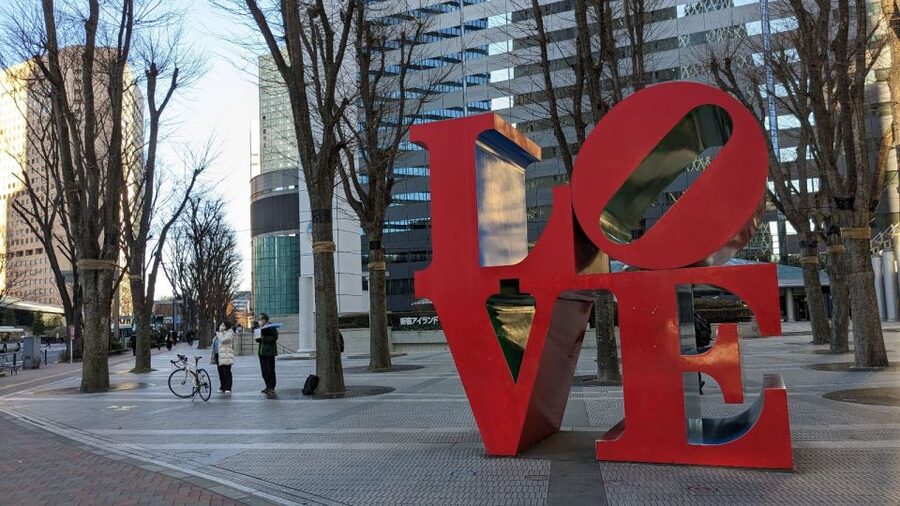
You meet outside the Shinjuku i-Land building at the Nishi Shinjuku Love sculpture, which is convenient if you’re already in the Shinjuku area. The practical tip here is to arrive early. Reviews and real-world traveler experience point to the fact that meeting points can be busy and multiple groups can gather close by, so giving yourself a buffer helps you avoid last-minute stress.
From there, you head out by air-conditioned bus. Expect a drive of about 2.5 hours to reach the Mt. Fuji area, with the day unfolding in a rhythm of transit, short sightseeing windows, then another transit block. One reason people rate this tour highly is that the guide keeps things moving without turning every stop into a sprint.
You’ll also want comfortable shoes. Even when stops are timed, you’re walking at cable stations, viewpoint paths, and around tourist areas with uneven ground. A good pair of shoes makes the day feel smoother, and your knees will thank you later.
Getting to the Mt. Fuji Area via Subaru Line and the 5th Station Plan
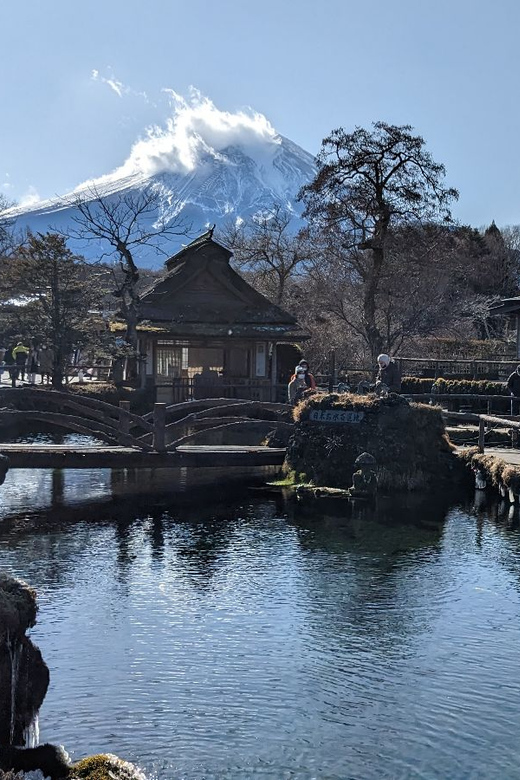
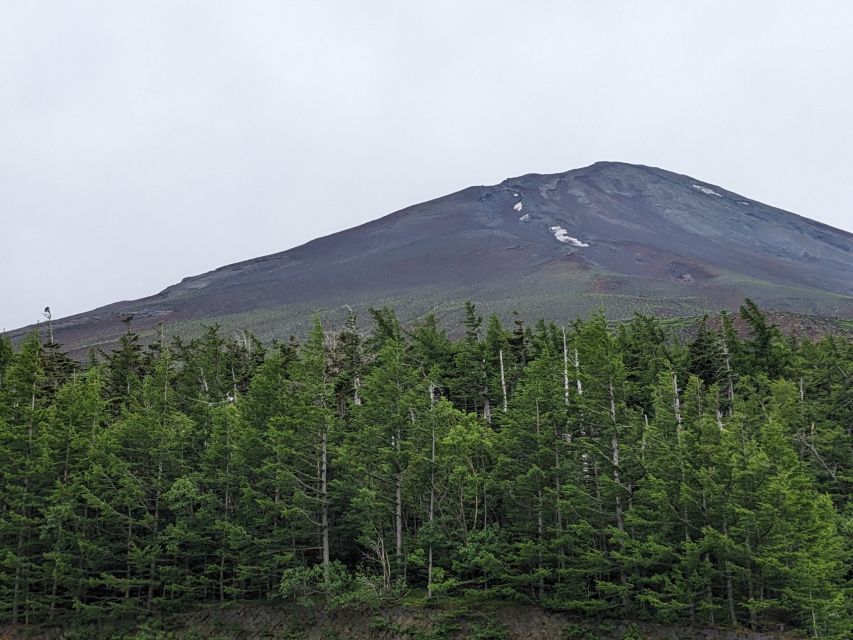
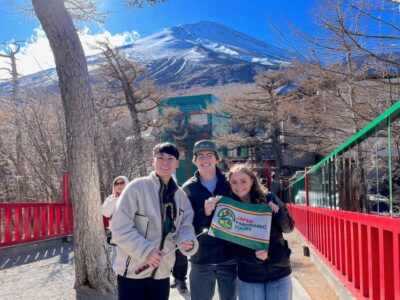
The first big goal is getting to the Mt. Fuji 5th Station area, listed around 2,300 m. That altitude shift matters. You’re closer to the summit than you’d get from the city viewpoints, and even when the peak hides, the scale and atmospheric change can still feel special.
There’s also a real weather lesson built into the plan. Clouds can move quickly, and the guide encourages you to keep your eyes peeled for the peak. The day runs on timing, not perfect control, so you’re not just hoping. You’re positioned to react if visibility improves.
Here’s the key detail I appreciate: if the bus can’t reach the 5th Station because of bad weather or an accident on the road, you’ll visit the highest point possible instead. That means the tour doesn’t completely collapse when conditions change. You still get the mountain-zone experience.
Depending on the exact route and weather, you may also spend time around souvenir areas and visit Komitake Shrine. Even if Fuji is partly hidden, these small stops give you a sense of place, and they’re a nice break from pure sightseeing photos.
Mt. Fuji Viewing Time: What You’ll Actually Notice at 5th Station
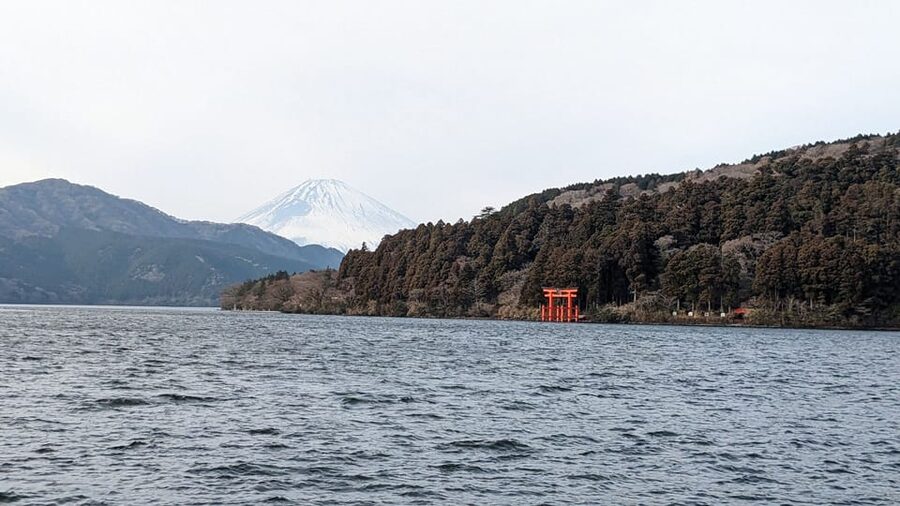
You’re not going to climb to the summit on this tour, and you’re not supposed to. What you get instead is the “close enough to matter” feeling, with short windows designed for visibility chances.
If you catch clear weather, it can feel like Fuji drops into your lap. If not, the experience still works, because you’re standing in a mountain environment where the air feels cooler and the scenery changes fast. One common theme in strong reviews is that even when the mountain peak is covered, people leave feeling that stepping onto the Fuji-zone area was still magical.
Quick reality check for expectations: the 5th Station time can feel short. Reviews commonly describe stops in the range of about 20 to 45 minutes, and that’s typical for a day like this. You’ll have enough time to look around, take pictures, and shop a bit, but not enough time to wander for hours.
Photo tip: clouds can clear in short bursts. If you want the best odds, keep your camera ready but don’t lock yourself into one spot too early. Move slightly when the guide signals, and you’ll feel like you’re catching Fuji on its schedule rather than yours.
Lunch with Hot Pot and Half-Buffet Energy (If You Choose It)
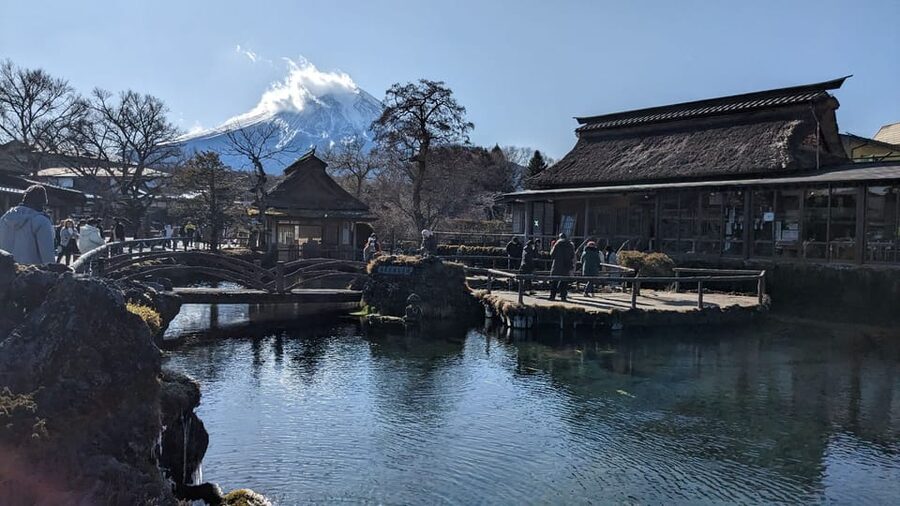
Lunch is timed for about 45 to 60 minutes, and if you selected the lunch option, it’s built around a hot pot plus a half-buffet setup. I like this for two reasons. First, it’s hot food when temperatures can feel cooler up in the mountain and Hakone areas. Second, the buffet component helps when group members have different tastes.
Let the organizers know about food restrictions. They specifically ask for that, and it matters because this isn’t a “grab anything anywhere” situation. Plan to eat what’s offered, because the timing is part of why the whole day keeps flowing.
Some reviews describe lunch as amazing, especially for visitors who didn’t expect a real meal on a packed itinerary. Others note it can be more limited depending on what’s served that day. So the safest mindset is this: expect a legit Japanese-style lunch experience, not a restaurant you picked yourself and lingered in for hours.



Owakudani Volcano by Ropeway: The Sulfur Moment You Remember
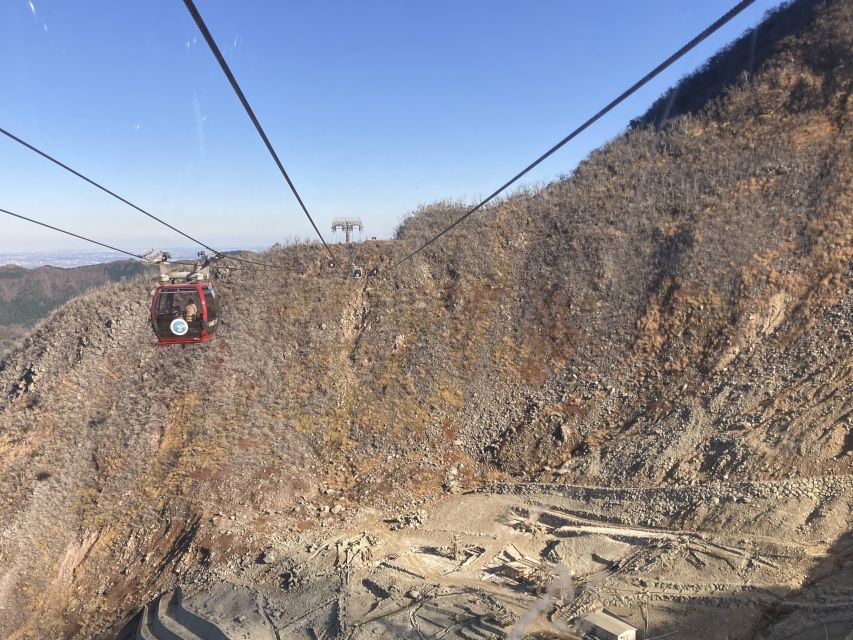
The Hakone Ropeway (gondola) takes you into the Owakudani volcanic area, where the views are tied directly to geothermal activity. This is one of the most memorable parts of the day because it’s not just pretty. It feels different under your feet. You can see and smell the sulfur, and the environment looks like it belongs to another kind of Japan.
There’s also a strong souvenir culture here. You can buy the famous black eggs boiled in sulphuric water, but the fee is not included. Think of it as optional, not required. If you’re curious, grab one early once you’re on the right side of the ropeway and shops, since these popular items can sell out.
One more practical consideration from real-world feedback: if heights make you uncomfortable, the gondola might feel like a surprise. It’s not a technical ride, but you are suspended above views, and that can be a factor for anyone sensitive to that kind of exposure.
Overall, Owakudani works because it’s active geography. You’re watching the elevation change in a way you just don’t get from Tokyo day tours that only do static viewpoints.
Lake Ashi Cruise: Fuji from the Water When It’s Clear
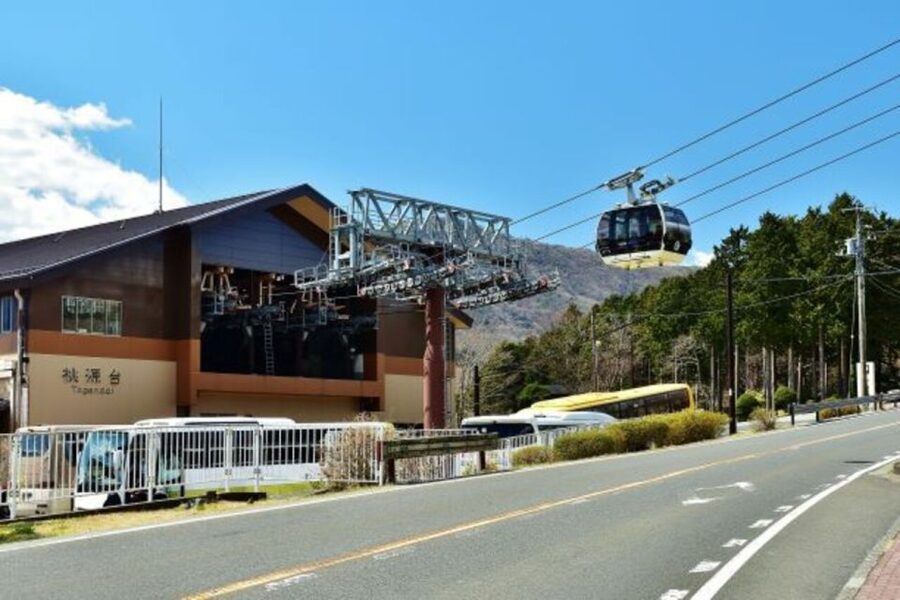
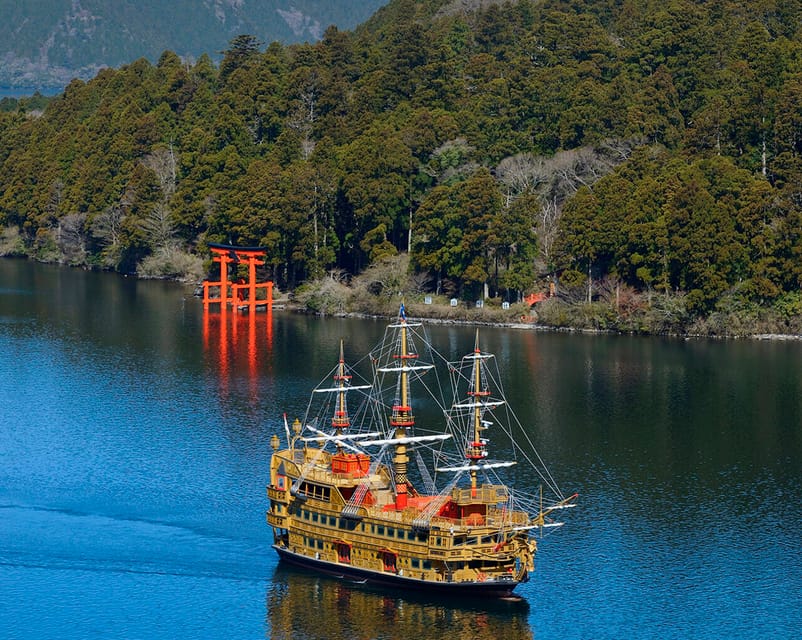
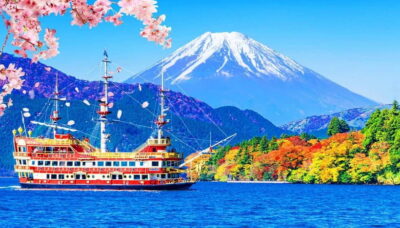
After the volcano, you switch to a calmer pace with a cruise on Lake Ashi. When skies are clear, this is where you can catch that iconic “Fuji reflected across the water” feeling.
The cruise is also a nice reset. Even though the day is full, the boat time gives you a different viewpoint without extra walking. You can sit, breathe, and scan the horizon as weather patterns shift.
When the mountain is hidden, the lake can still be scenic, but it won’t deliver the exact postcard framing people hope for. That’s why this stop is best approached with flexibility. You’re not buying only one outcome. You’re getting a classic Hakone experience plus a good chance at Fuji if conditions cooperate.
Also, if Hakone’s Ropeway and the pirate ship are not operating due to circumstances, the tour is redirected to alternatives. That list can include places like Komagatake Ropeway, Mt. Fuji Panoramic Ropeway, Mishima Skywalk, and Hakone Shrine. The details depend on what’s running that day, so the day still stays “Hakone-ish,” even when logistics shift.
Shinkansen Return from Odawara: Fast, Non-Reserved, and Your Job After That
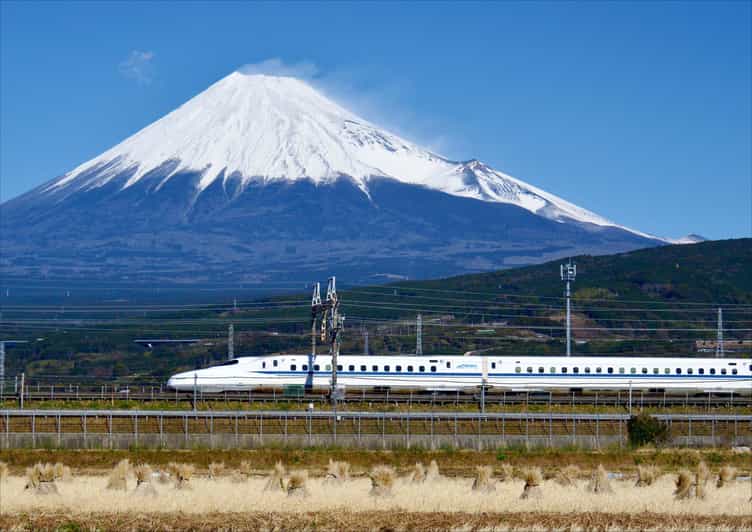
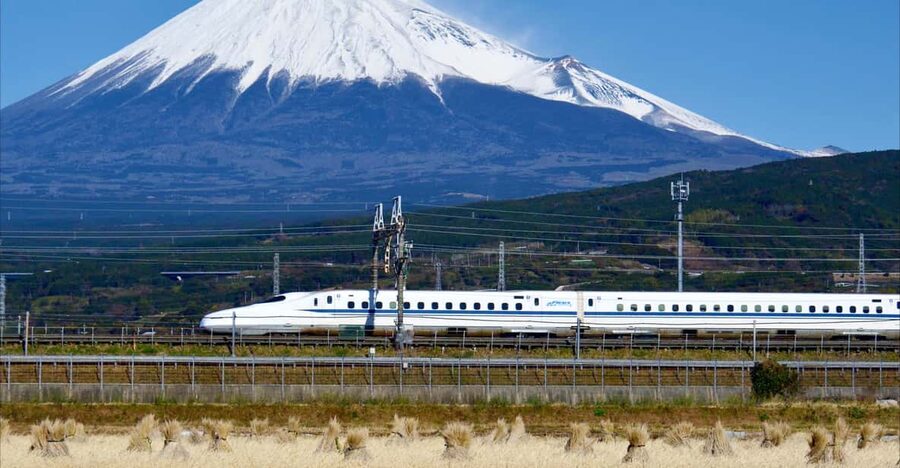
One reason this tour is popular is that the return is handled with a true speed boost. You go back to Tokyo by bullet train from Odawara Station, with the travel time typically around 34 minutes. That’s a big value if you want to avoid the long slog back through traffic.
Important detail: the guide will not ride the train with you. Once you’re set at Odawara, you follow the instructions you’re given and take your seat on the non-reserved coaches. This is normal for Shinkansen ticketing, but it’s worth highlighting so you’re not confused when the day transitions.
You can pick from trains that run regularly, two per hour from Odawara to Tokyo, and the exact departure depends on traffic timing on the bus leg. The tour notes that you can also get off at Shinagawa, then transfer to the Yamanote Line using the same ticket, which can help you reach Shinjuku or nearby areas.
Practical advice: if you want the smoothest transition, keep all your essentials in a small bag during the day. When you arrive at the station, you’ll be moving quickly between platforms, and you don’t want to hunt for your phone or ID.
Price and Logistics: Why $117 Can Be a Smart Deal
At about $117 per person, the value is mostly about bundling. You’re paying for a full day structure: bus transport, guide, Hakone Ropeway ticket, Lake Ashi cruise ticket, and the Shinkansen return ticket. Add lunch if you choose it, and the cost becomes easier to justify.
You could DIY parts of this trip, but DIY comes with three costs people underestimate: time, uncertainty about weather-driven route changes, and the mental load of transfers. This tour handles the heavy coordination, and that’s what you’re really paying for.
Also, the guide component matters more than you might think on Fuji and Hakone days. When weather turns or routes adjust, you want someone who can keep the plan workable. Reviews repeatedly highlight guides who keep the day upbeat and organized, sometimes adding personal touches.
Examples from past departures include guides like Yumi, Happy, Amy, Ai, and Harry. Some guides even add little moments that make the day feel personal, like birthday postcards when Fuji visibility was limited, or song-style storytelling like a Fuji-themed moment. Those touches are small, but on a long day they help you feel cared for, not herded.
So the “value” question becomes: do you want the headache removed? If yes, this price makes sense.
Who This Tour Fits Best, and Who Might Feel Frustrated
This tour is ideal if you’re trying to maximize a first-time Japan trip and you don’t want to chase schedules across multiple transit systems. It’s also a good fit for travelers who like structure. When you get short stops and clear guidance, the day feels effortless.
It’s less ideal if you hate group timing. Some folks might feel the day is packed because most sightseeing windows are relatively short. If you want slow travel, long cafes, and unplanned wandering, you might find this tour’s rhythm a bit tight.
Accessibility notes matter too. All sightseeing spots are described as wheelchair-accessible. But the standard tour buses are not equipped with wheelchair lifts or ramps. Folding wheelchairs can generally be stored in the luggage compartment, and electric wheelchairs may not be accommodated due to size and weight limits, so it’s important to tell the team at booking.
And one clear skip category in the tour info: it’s not suitable for pregnant women.
My Booking Verdict: Should You Book This Mt. Fuji and Hakone Day?
If your goal is to hit Mt. Fuji zones plus Hakone highlights plus a Shinkansen return in a single day, I’d book this. The big reason is the balancing act. You get close-to-mountain access without a long, complicated itinerary, and you get the altitude-changing Hakone transport that makes the region feel alive.
Book with realistic expectations about Fuji. Weather can hide the peak, and clouds move quickly. But the tour still delivers a meaningful day even when Fuji is partially obscured, because you’re reaching the mountain area and you’re experiencing the volcano and the lake.
If you want the best odds of seeing Fuji, bring a flexible mindset more than a detailed one. Arrive early for the meeting point, dress for variable weather, and keep your eyes up at the 5th Station. If visibility improves even briefly, you’ll feel like the effort paid off.
FAQ
Where is the meeting point for the tour?
You meet the guide at the Nishi Shinjuku Love sculpture outside the Shinjuku i-Land building.
Is Mt. Fuji guaranteed to be visible?
No. Mt. Fuji may not be visible depending on weather conditions like humidity, heavy rain, and fog.
What happens if the tour cannot reach the 5th Station of Mt. Fuji?
If bad weather or an accident on the road prevents reaching the 5th Station, the tour visits the highest point possible instead.
What is included in the tour price?
Included items are transportation by air-conditioned bus, Hakone Ropeway (gondola) ticket, Lake Ashi cruise ticket, a guide, lunch if the lunch option is selected, and a Shinkansen bullet train ticket.
Does the guide ride the Shinkansen back to Tokyo with you?
No. Customers on the Shinkansen return route end their tour at Odawara Station and return to Tokyo by themselves.
Are the Shinkansen seats reserved?
The Shinkansen ticket provided is for a non-reserved seat.
More Tours in Tokyo
More Tour Reviews in Tokyo
Not for you? Here's more nearby things to do in Tokyo we have reviewed












Mount Fuji Tours, side by side.
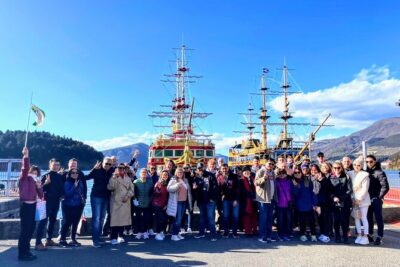 ★ 5.0Mt Fuji and Hakone 1-Day Bus Tour Return by Bullet TrainFrom $16326,383 reviews
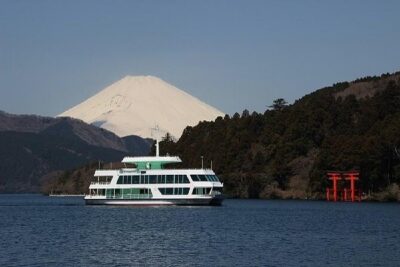 ★ 4.0Mt Fuji & Hakone Cruise, Drum Show Bullet Train 1 Day from TokyoFrom $1497,413 reviews
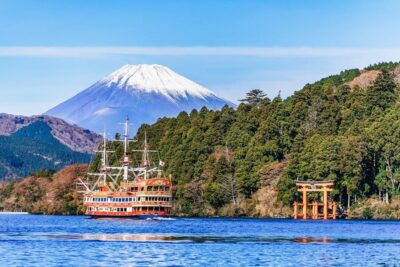 ★ 4.4Tokyo Mt Fuji 5th St & Hakone Cruise Bus Tour w/Bullet TrainFrom $1545,024 reviews
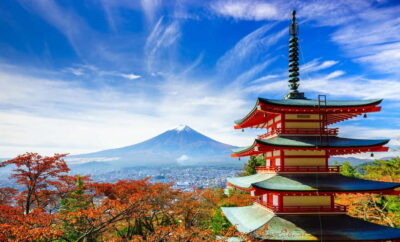 ★ 4.5From Tokyo: Mount Fuji Full-Day Sightseeing TripFrom $684,970 reviews
 ★ 4.7Mt. Fuji Tour, Hakone Ropeway, Owakudani, Lake AshiFrom $544,002 reviews
 ★ 4.2Mt. Fuji 5th Station & Hakone Cruise 1-Day Bus TourFrom $1292,381 reviews
 ★ 4.7Mt Fuji Top 5 Spots Day Tour: Arakurayama Park,Oshino HakkaiFrom $532,066 reviews
 ★ 5.0Private Tour to Mt. Fuji and Hakone (Fully Licenced Operator)From $4971,910 reviews
This tour also belongs to