
Review · TOKYO CITY TOURS
Free Choice of Itineraries Tokyo Private Tour
Tokyo, but on your schedule.
This private Tokyo tour lets you pick four destinations from a menu of iconic sights, then gets you around the city in an efficient public-transport route with hotel pickup and an English guide. You can go from Tsukiji and temples to towers and gardens, or swap in the fun stuff like owl and hedgehog cafes.
I especially like the flexibility. You decide which four places you want, and the guide works around that so the day feels personal instead of boxed in. I also like the hotel lobby pickup plus the straightforward structure: your time at each stop is clearly planned, including easy wins like Tsukiji Outer Market and Senso-ji.
One thing to watch: admission fees aren’t included for several top attractions (and the animal and themed cafes are paid on your side), so your final cost depends a lot on which four you choose. Also, one past traveler noted the guide’s Japanese history depth was weaker than the rest of the experience, so if history is your main goal, consider aiming your picks at places where you mainly want views and atmosphere.
Key Highlights You Can Actually Use
- Pick 4 destinations from a set menu, then enjoy a private day built around your choices
- Hotel pickup in the lobby saves you time and stress, especially early in the day
- Public transport route keeps things moving, but you handle your own transit fares since they are not included
- Top Tokyo variety in one half-day style loop, from Tsukiji to Shibuya to gardens
- Some admissions are free, which helps your budget if you choose free-entry stops
- Guide named Yoki earned real praise for showing key highlights in a clear, friendly way
How the 4-Destination Format Changes Your Tokyo Day
The core idea here is simple: you choose four destinations you care about, and you get a private guide for about 8 hours. That matters in Tokyo because the “right” order is rarely obvious. With a normal day on your own, you often burn time zigzagging across neighborhoods. With this setup, you’re not stuck doing someone else’s best-of list.
Your guide also handles the pacing. Each stop has a suggested time window, so you’re not waiting around forever at one place while the rest of the city slips by. It’s a nice balance of freedom and structure.
Practical tip: make your four picks with two categories in mind. Pick one or two “anchor” sights that you really want photos from (Skytree, Tokyo Tower, Shibuya Crossing, Imperial Palace area). Then add one “experience” choice that changes the mood (temple strolls, gardens, or one of the themed cafes). This combo usually keeps the day from feeling like you’re only collecting landmarks.
You can also read our reviews of more private tours in Tokyo
Getting Around on Public Transport, With Pickup but Not Your Fares Included
This tour uses public transportation, and hotel pickup is included. That’s a big deal in Tokyo. Getting started cleanly from your hotel lobby reduces friction and helps you arrive before the biggest crowds at places like Asakusa and Shibuya.
One catch: public transportation to and from the customer is not included. The guide’s transit costs are covered, but you should plan to pay for your own ride(s) during the day. In practice, that usually means budgeting some extra yen for subways or trains between neighborhoods.
Here’s how to make this work smoothly:
- Wear comfortable shoes. The day is built on walking time inside and around each stop, plus transfers.
- Think about train timing. If you pick a zoo stop (Ueno Zoo is 2.5 hours), it can set the rhythm for the rest of your route.
- If you’re doing a cafe stop (owl, hedgehog, maid), treat it as a fixed-time commitment, not a casual drop-in.
Tsukiji Outer Market, One Hour of Food-First Tokyo
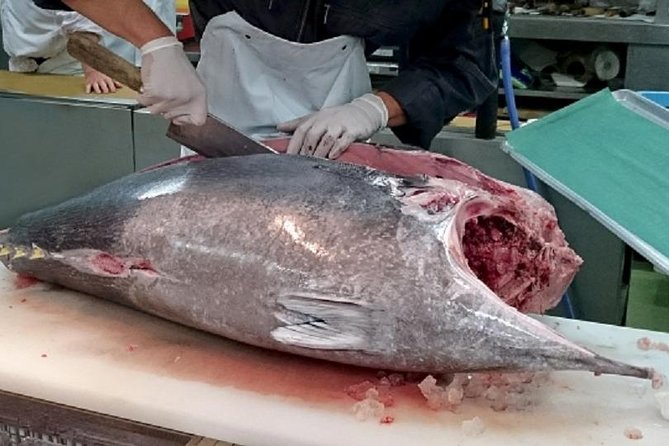
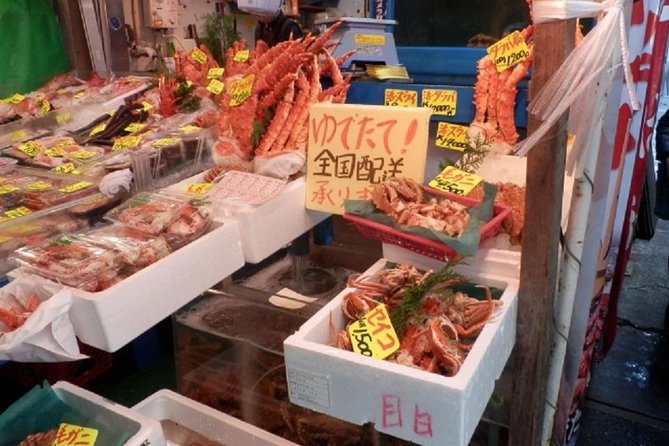
Tsukiji Outer Market is a classic choice for a reason: it’s a mix of wholesale and retail streets with restaurants right along the way. The experience is all about contrast, from busy market textures to quick bites you can actually taste through.
You’re typically given about one hour here, and the intention is clear: try fresh seafood and traditional Japanese food. If you’re choosing Tsukiji as one of your four, consider it your “start strong” stop. It’s an easier morning win than many attractions that require longer lines or longer ticket queues.
Budget thought: Tsukiji’s admission is listed as free. That helps the math if you’re trying to keep the total cost down while still getting a high-impact Tokyo neighborhood.
Watch-outs that are real in Tokyo: market streets can be crowded at peak times, and you’ll walk more than you think for a place that feels like it’s all storefronts. If you’re with kids or mobility constraints, prioritize quick snack stops over browsing everything.
Senso-ji Temple in 60 Minutes, Pagoda Views Included
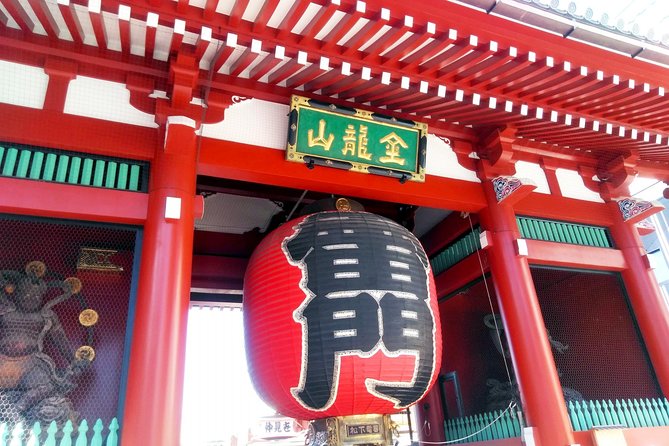
Senso-ji is one of Japan’s most visited temples, and this stop gives you one hour inside the temple area. You’ll pass or see the five-story pagoda and the Hozo-mon Gate, Treasure-House Gate.
What I like about this kind of guided temple visit is the tone it sets for the day. Tsukiji is food energy. Senso-ji shifts you into a slower, more atmospheric mode. Even if you’ve seen temple photos before, the scale and layout make a difference in person.
Admission is listed as free, which again helps value. If you’re choosing four destinations and you want a mix of high wow factor without extra entry fees, this is one of the smartest picks in the menu.
Small advice: plan for photos near the main approach, then leave yourself time to wander deeper rather than just orbit the gates. The hidden feeling of temples comes from moving a bit past the obvious photo points.
Tokyo Skytree, World’s Tallest Tower, With Optional Mt. Fuji
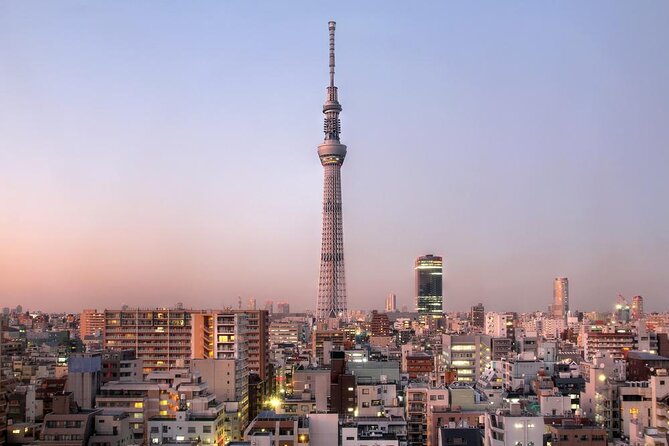
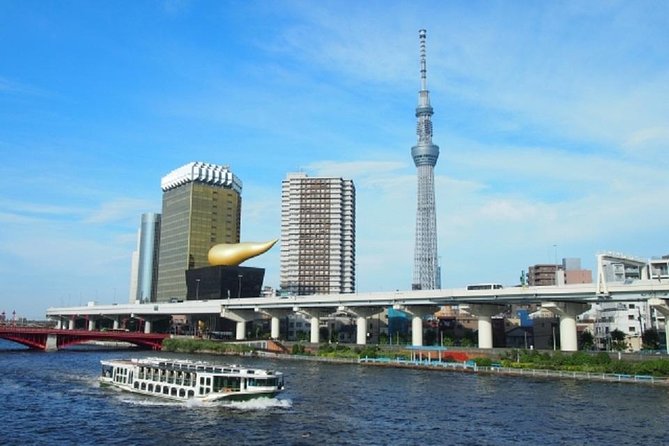
If you want the big skyline moment, Skytree is the classic choice. It’s described as the world’s tallest tower at 634 meters, with observation decks at about 340 meters and 450 meters. There’s also a cafe on the observation deck, so you can snack while you look out.
You get around one hour here, but Skytree is the kind of place where your real time depends on your comfort level in lines and how long you linger at the views. On sunny days, Mt. Fuji can be visible, which is one of those Tokyo “if you get lucky” upsides.
Admission is not included, so this is where your total budget will likely rise. Still, if your travel style is “I want one official view from way up,” Skytree is one of the best bets.
Photo tip you can use: aim for a clear window, and don’t just look straight out. Look diagonally too, because Tokyo’s grid and rivers create different visual stories depending on where you face from the deck.






Ueno Zoo Takes Time, But It’s a Great Family-Friendly Detour
Ueno Zoo is the wild card that turns this tour from sightseeing into something more playful. It’s Tokyo Metropolitan Zoo, opened as the first zoo in Japan in 1882. The zoo currently has about 400 species, including rare animals like the Sumatra tiger.
This stop is longer, about 2 hours 30 minutes, so it’s best if you want a real break from temples and train stations. The itinerary notes highlights like the Giant Panda Building, plus Japanese wild bird and animal areas such as sika deer and Japanese serow deer. It also mentions a forest area where gorilla tigers live, which is a quirky detail that signals the zoo has themed zones beyond the standard enclosures.
Admission is not included, so budget for tickets. But value-wise, the zoo can be worth it if you’re traveling with kids, teens, or anyone who wants something less photo-heavy and more “let’s watch behavior.”
Smart planning: if Ueno is one of your four picks, protect your energy. This is walking-heavy and can include waiting time around popular enclosures.
Shibuya Crossing: Short Stop, Big Energy
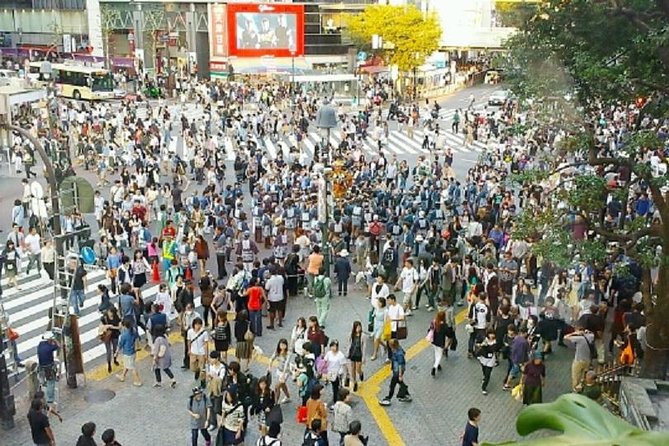
Shibuya Crossing is built for spectacle, and the numbers make the scale easier to believe. The route description notes roughly 500,000 users of the scrambled intersection per day, and about 3,000 people moving with one green light.
Your time here is about 30 minutes, and that’s about right. This is a place you visit, reset your brain, and then move on. You don’t need hours to feel it, especially with a guide helping you find a practical spot to watch from.
Admission is listed as free, and the stop is free-entry, so you’re getting one of Tokyo’s most famous scenes without extra ticket costs.
If you’re photo-focused: pick your viewing point early, then be patient. The flow is constant, and the best shots usually come from timing rather than rushing.
Meiji Jingu Shrine: A Calm Pause That Feels Like a Reset

Meiji Jingu Shrine is another free-entry stop listed at about one hour. It was built in 1920 and enshrines Emperor Meiji and Empress. This place is known for peaceful grounds, and it’s a favorite for both Japanese worshippers and foreign visitors year-round.
The description also mentions the shrine being called a power spot, where your fortune may rise. That’s more culture than logistics, but it’s still a useful note because it hints at the atmosphere. Also, you may see couples wearing wedding dress in Japanese style, which is one of those Tokyo moments that feels staged, even when it isn’t.
From a value perspective, it’s one of the best “low cost, high mood” stops on the menu.
Pro tip: treat it like a breathing space. Don’t try to sprint through. Let the walking time do its job, because that’s when Meiji Jingu stops feeling like a checklist item.
Tokyo Tower, Shinjuku Gyoen, and the Garden-with-Views Strategy
Tokyo Tower is a fun contrast to Skytree. It’s a 333-meter radio tower built in 1958, with a view cafe and a small Tower shrine. The itinerary notes two types of lights-up: Landmark Light shining toward Tokyo Tower, and Diamond Veil shining outward, with different color behavior depending on season, white in summer and orange in winter.
You’re given about one hour here. Admission is not included, so pick it if you want a classic Tokyo skyline symbol rather than a super modern tower experience.
Then there’s Shinjuku Gyoen National Garden, about one hour, with seasonal scenery. The garden combines styles, described as a well-formed garden, a landscaped garden, and a Japanese garden. It was built in 1906 as an imperial garden, and it’s surrounded by over 10,000 trees. The description also notes historic buildings inside, which helps if you want a calmer sightseeing day but still want something educational.
Admission is not included for Shinjuku Gyoen. But if your four picks include both a view spot and a garden spot, your day will feel more balanced. Tower for drama, garden for reset.
If you’re choosing between Skytree and Tokyo Tower: I’d base it on what you want to photograph. Skytree feels like the modern skyline flex. Tokyo Tower feels like the old-school Tokyo identity shot.
Akihabara’s Themed Cafes: Owl, Hedgehog, and Maid Interactions
This tour menu includes three themed cafe experiences, and choosing them can make your day feel uniquely Tokyo in a way traditional sightseeing can’t.
Owl Cafe Tokyo Akiba Fukurou
This is a cafe where you can interact with owls. The description says it uses classical music and chandelier lighting to create healing effects. Your time is about one hour, and admission is not included.
If you pick it, go in with realistic expectations: you’re there for the interaction and vibe, not for a deep menu.
Hedgehog Cafe HARRY in Harajuku
The hedgehogs cafe is listed as a place to interact with hedgehogs. The notes say it’s not open for lunch or dinner and serves only drinks. You might see hedgehogs sleeping on hands, and the experience runs about one hour.
Again, not included admission means you budget for it. But if your travel style includes quirky animal encounters, it’s one of the most memorable choices on the list.
Maid Cafe at-home cafe Akihabara Main
This stop is described as a meal and performance experience, with maids playing, singing, and dancing while you eat. The description also mentions maid clerks drawing pictures with ketchup and chocolate on an omelet and cafe latte.
If you’re picky about food, read the vibe as performance first. This is culture made playful, and it can be a lot of fun if you’re open to the silliness.
Important value note: all these cafes are paid by customers, so they can be the biggest swing in your total day cost.
Hama Rikyu Gardens and the Imperial Palace East Gardens
This is where the tour menu turns from city energy into calmer, more reflective Tokyo.
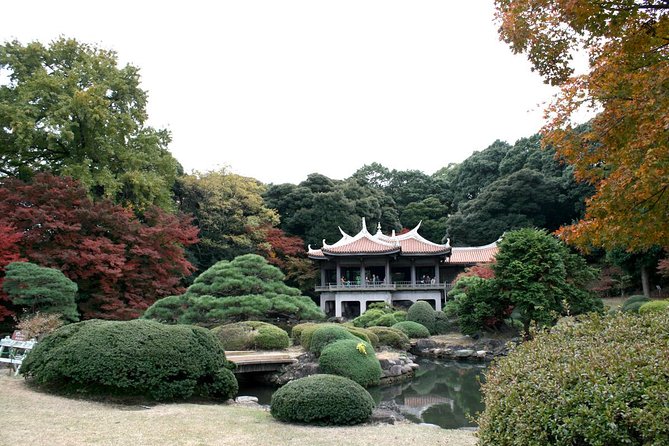
Hama Rikyu Gardens is described as a landscaped garden opened to the public in 1946. It covers about 250,165 square meters and surrounds Shioiri Pond. It also notes a seawater moat filled by Tokyo Bay. The description says it was remodeled into a public garden park on the site of a villa connected to the Tokugawa shogun family in the 17th century.
Admission is not included, and time is about one hour. The value here is the contrast. Tokyo can feel intense, and Hama Rikyu gives you a quieter kind of beauty that’s still unmistakably central.
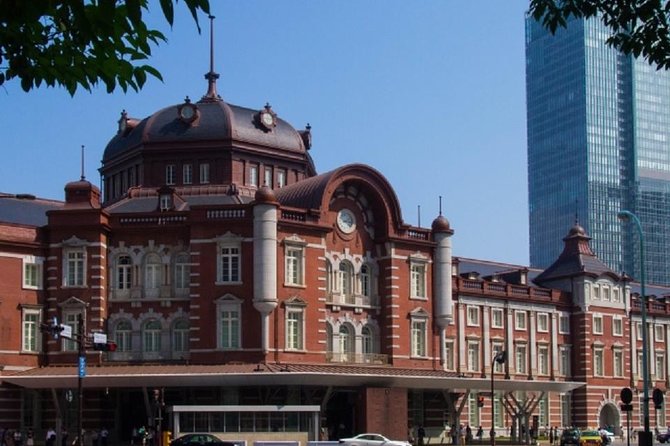
Then there’s the Imperial Palace East Gardens, described as including houses of the Emperor and Empress, plus the palace and the Imperial Household Agency office area. The description also notes the Tokugawa period usage as Edo castle and highlights Nijyubashi bridge as a top attraction. It points out that even though it’s in the city, the grounds feel natural, with skyscraper streets around making that natural feeling stand out.
Admission is not included here either, and time is about one hour.
If you want a day that feels classic and calm, pair either Hama Rikyu or the Imperial Palace with a temple stop like Senso-ji. You’ll get a strong Tokyo story without spending your whole day in crowds.
Price and Value: When $191.14 Makes Sense
The listed price is $191.14 per person for an about 8-hour private tour. For a private guide, hotel pickup, and a route built around four choices, that can be a strong value, especially if you would otherwise spend time piecing together a plan.
Here’s the real value math: some stops are free-entry and help you save money, like Tsukiji Outer Market, Senso-ji Temple, Shibuya Crossing, and Meiji Jingu Shrine. Other stops are ticketed, like Tokyo Skytree, Ueno Zoo, Tokyo Tower, Shinjuku Gyoen, and the cafes.
So the best way to judge value is not only the base price. It’s the four admissions you choose. If you pick two free-entry stops plus two paid attractions, you’re likely to feel the price as fair. If you pick four paid attractions, your overall spending rises fast, even though the guide cost stays the same.
Also, the experience includes an English-speaking professional guide and private tour setup, plus meeting in the hotel lobby. From a practical standpoint, those pieces are what you’re really paying for: someone to manage timing, route, and the flow of the day.
One more value point from the reviews: a past traveler praised guide Yoki for showing key highlights like the Imperial Palace, Skytree, and the Outer Market. The same review also complained that Japanese history knowledge was not strong, so I’d treat the guide value as strongest for city orientation and managing your highlights, less certain for deep historical lectures.
Who This Tour Fits Best
This tour fits best if you want:
- A private day with a guide, not a crowded group schedule
- A mix of classic Tokyo and playful stops, because the menu includes temples, towers, gardens, and animal and themed cafes
- You like having four choices, instead of being told which sites are mandatory
It might be less ideal if:
- Your budget is tight and you want to avoid any ticketed attractions. The base price does not cover many major admissions.
- You specifically want a deep dive into Japanese history from the guide. One review flagged weaker history depth.
This is a smart choice for couples, friend groups, and anyone who wants to reduce decision fatigue while still choosing what they see.
Should You Book This Tokyo Free Choice Private Tour?
Yes, if you want a guided, private Tokyo day where you control the menu. The hotel pickup, the four-destination flexibility, and the mix of free-entry classics with optional paid highlights make it easy to tailor your time.
Before you book, do a quick internal check: which four stops are truly your top priorities, and are you comfortable paying admission fees for those ticketed choices? If your picks lean toward free-entry sights plus one paid skyline stop, you’ll likely feel the value. If you pick multiple paid attractions like Skytree, Ueno Zoo, and two cafes, you’ll still enjoy it, but you should go in with your budget eyes open.
FAQ
How many destinations do I choose?
You choose four destinations from the available list, then the guide builds your day around those picks.
How long is the tour?
The tour is about 8 hours.
Is hotel pickup included?
Yes. You meet the guide in your hotel lobby.
Is this tour private?
Yes. Only your group participates.
Do I use public transportation?
Yes, the tour uses public transport. Public transportation for the guide is included, but transportation for you is not included.
Are admission tickets included?
Some are free and listed as free admission (Tsukiji Outer Market, Senso-ji Temple, Shibuya Scramble Crossing, and Meiji Jingu Shrine). Admission is not included for other stops like Tokyo Skytree, Ueno Zoo, Tokyo Tower, and Shinjuku Gyoen.
What language is the guide?
The guide is English speaking.
Is food included?
No. Food and drinks are not included.
Do I get a ticket on my phone?
The tour features a mobile ticket.
What is the cancellation policy?
You can cancel for a full refund up to 24 hours in advance of the experience start time, and it is free cancellation.
More Private Tours in Tokyo
More Tours in Tokyo

More Tour Reviews in Tokyo
Not for you? Here's more nearby things to do in Tokyo we have reviewed












Tokyo City Tours, side by side.
 ★ 5.01-Day Tokyo Bus TourFrom $12914,250 reviews
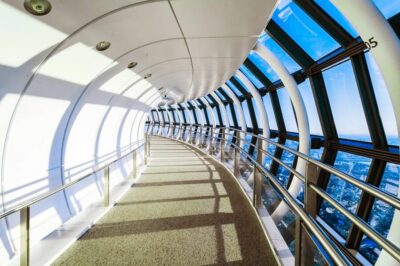 ★ 4.5TOKYO SKYTREE® Admission ticketFrom $1311,192 reviews
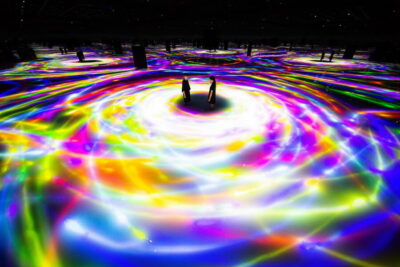 ★ 4.6teamLab Planets TOKYO Digital Art Museum Entry TicketFrom $259,779 reviews
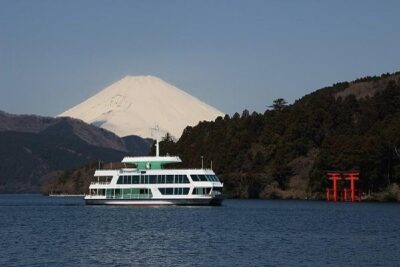 ★ 4.0Mt Fuji & Hakone Cruise, Drum Show Bullet Train 1 Day from TokyoFrom $1497,413 reviews
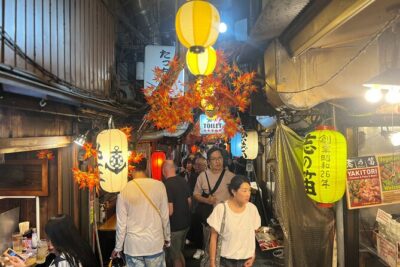 ★ 5.0Shinjuku Food Tour (13 Dishes at 4 Local Eateries)From $866,603 reviews
 ★ 4.4Tokyo Mt Fuji 5th St & Hakone Cruise Bus Tour w/Bullet TrainFrom $1545,024 reviews
 ★ 5.0Flagship 2-Hours Official Street Go-Kart Tour – Tokyo Bay ShopFrom $644,974 reviews
 ★ 4.5From Tokyo: Mount Fuji Full-Day Sightseeing TripFrom $684,970 reviews