
Review · TOKYO CITY TOURS
Tokyo Full Course Tour: Explore 15 Must-See Sights & Hidden Gems
Tokyo hits fast with this full-day tour. You’ll string together iconic sights and lesser-known corners, moving on foot and by metro, all in a day that runs about 10 hours.
What I really love is the small-group setup, capped at 5 people, which keeps the day from feeling like a rushed stamp-collecting exercise. I also like that the route connects neighborhoods in a smart flow, so the history and everyday Tokyo vibe clicks as you go, from Meiji-era shrines through office-town streets, then street markets and temple lanes.
The main drawback is simple: you walk a lot, and food and transportation cost extra. You’ll want cash ready and an IC card like Suica or PASMO, and you should be comfortable with moderate physical fitness for a full day out.
Key takeaways before you go
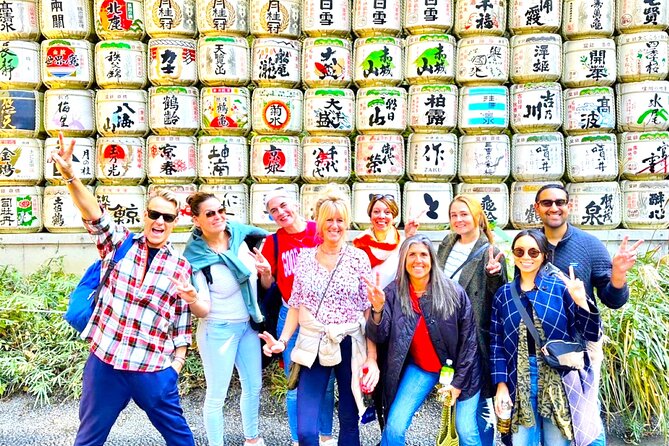
- Max 5 people means more attention from your guide, not just a crowded group herding routine.
- 15 stops in one day covers big-name Tokyo and the side streets that explain how the city works.
- Most admissions are free, which helps keep your spending predictable.
- Tsukiji market time plus sushi lunch gives you a classic Tokyo food moment without planning it yourself.
- Asakusa finish puts you near one of the city’s most photogenic temple areas to close the day strong.
- Meiji Jingu to Akihabara covers very different Tokyo moods in a single, well-paced arc.
A full-day Tokyo route that actually makes sense
This is a day built to help you see Tokyo as a living city, not a museum. The tour strings together Meiji Jingu, Harajuku, Shibuya, Tsukiji, the Imperial Palace area, Marunouchi and Tokyo Station, Akihabara, Ueno and Ameyoko, then Asakusa.
You’ll be on the move for most of the day, but the order matters. Morning calm at Meiji Jingu helps you reset before the sensory overload of Harajuku and Shibuya. Then Tsukiji shifts you into food and old-meets-new Tokyo energy, before you hit modern business streets and then the tech and anime pulse in Akihabara.
And with only up to 5 travelers, the guide can steer the day around what you care about, while still hitting the key sights in time.
You can also read our reviews of more tours and experiences in Tokyo.



Meeting in Yoyogi Station, and why being on time matters
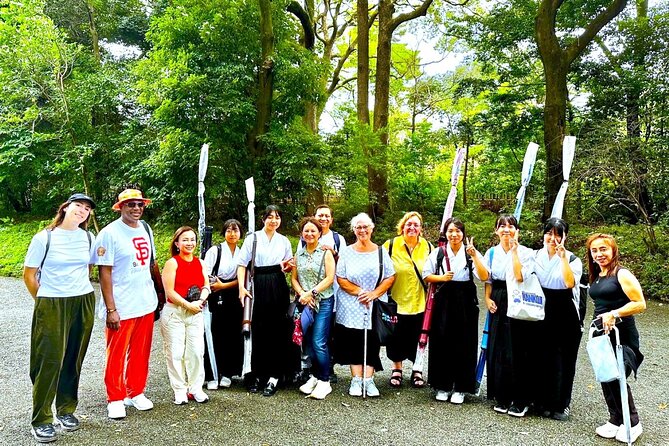
The start point is near Yoyogi Station, and the tour ends near Asakusa Station. It runs about 10 hours, and it starts right on schedule, with no late arrivals allowed.
That matters more than you think. Tokyo metro connections are good, but if you miss the group, the tour can’t wait and there’s no refund. I’d treat the meeting point like an early flight, then give yourself a buffer to find the right entrance.
Good news: the tour notes you’ll be near public transportation, so you’re not stuck guessing how to get there once you land.
Meiji Jingu Shrine and Harajuku fashion street
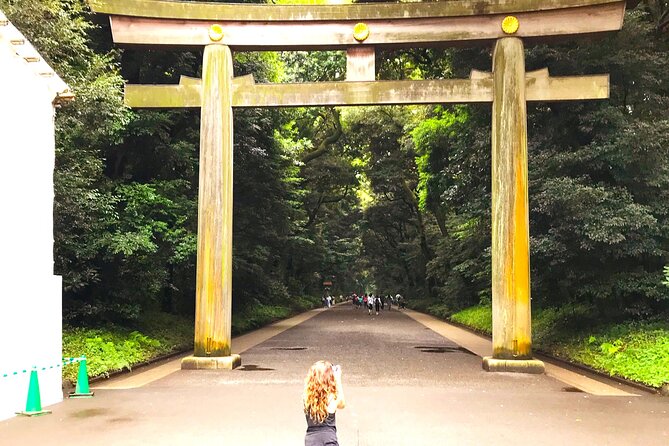
You begin with Meiji Jingu Shrine for about 30 minutes, with admission free. This is the kind of stop that changes your mood. It’s quieter, more ceremonial, and it gives you context for what Japan protects and why.
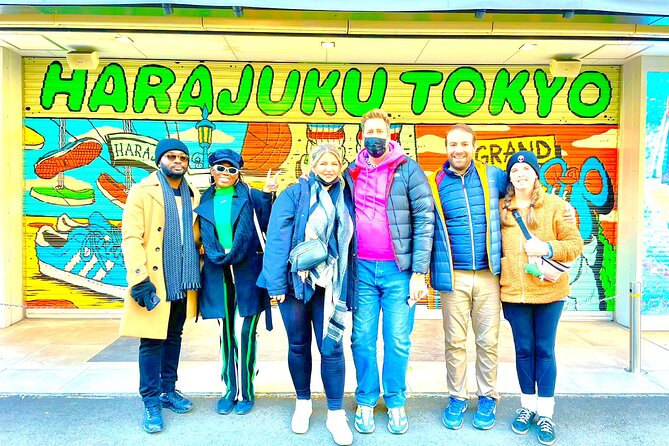
Next comes Harajuku, about 30 minutes, also free to visit. Think fashion street energy, youth culture, and a Tokyo street scene that feels different from the shrine atmosphere. Together, these two stops do a neat job of showing contrast in one morning: tradition first, trend next.
What to watch for:
- Dress for walking, even if you’re not going far in a straight line.
- If you like photos, prioritize the first few minutes after you arrive, since crowd flow can pick up fast in Harajuku.
Shibuya essentials: Hachiko and the scramble crossing
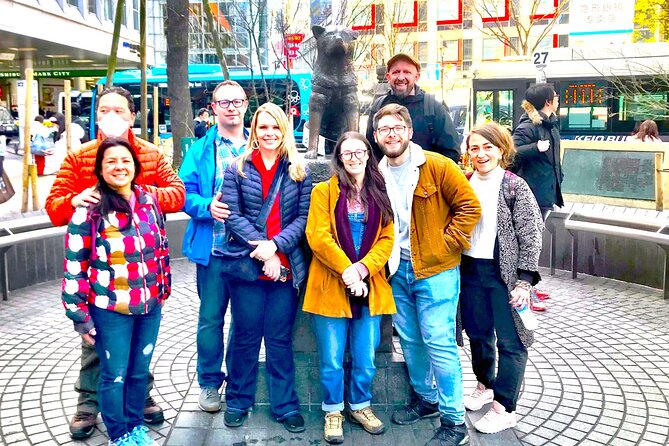
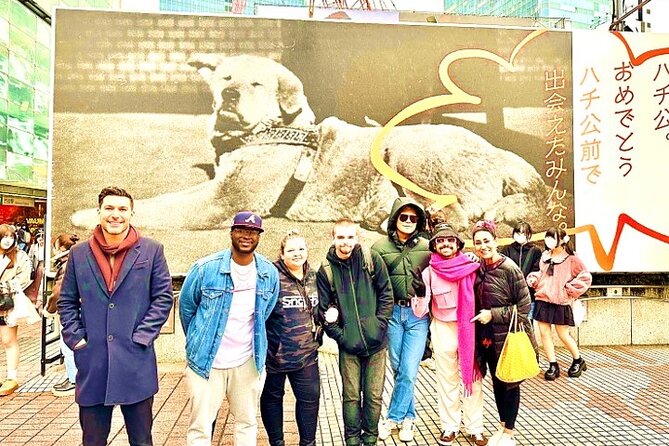
Shibuya is pure Tokyo theater, and the tour hits the highlights without dragging. You’ll stop at Hachiko for about 10 minutes, then head to Shibuya Crossing for another 10 minutes.
Hachiko is quick, but it’s meaningful. This is one of those places where you see locals pause, point, and take the same photo for the same reason. It’s a simple moment, but it helps explain how pop culture and daily life overlap here.
The scramble crossing is short, yet it’s iconic for a reason. Even if you’ve seen it online, it’s different in person because you hear it, feel it, and watch everyone move at once.
Tsukiji Hongwanji Temple and the fish market food moment
Then you shift into Tsukiji. First is Tsukiji Hongwanji Temple for around 30 minutes, admission free. It gives you a little spiritual and historical texture in the middle of a very commercial area.
After that comes Tsukiji Fish Market time, about 1 hour 30 minutes, and this is where the day turns into food. Admission is listed as free for the market visit, but lunch is part of the plan: you’ll have sushi lunch at a nice sushi restaurant.
Important budget note: the tour states food and beverage expenses are not included. So while sushi lunch is scheduled, you should still expect to pay for it when you’re there.
If you’re food-focused, this stop is one of the best value pieces of the day because you get access to the market atmosphere with guidance, instead of trying to figure out what to do with limited time.


Imperial Palace area and Marunouchi for that Tokyo power-walk feeling
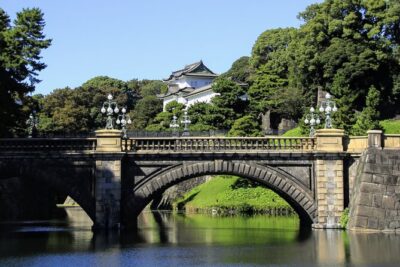
Next you’ll walk outside the Imperial Palace area for about 15 minutes. Admission is free, and the tempo here slows slightly compared with the street crowds you just saw. It’s a good reset after the motion of Tsukiji and Shibuya.
Then you move into Marunouchi, about 15 minutes. This is office-town Tokyo, clean sidewalks, major architecture, and the kind of city contrast that helps you understand what people mean when they say Tokyo is organized in layers.
If you want a photo, this is usually the easiest part of the day to get one without everyone barging into your shot.
Tokyo Station forecourt to Akihabara electric streets
You’ll pass through Tokyo Station Marunouchi Ekimae Hiroba for about 15 minutes. Admission isn’t included, but the tour focuses on the exterior area and the neighborhood feel.
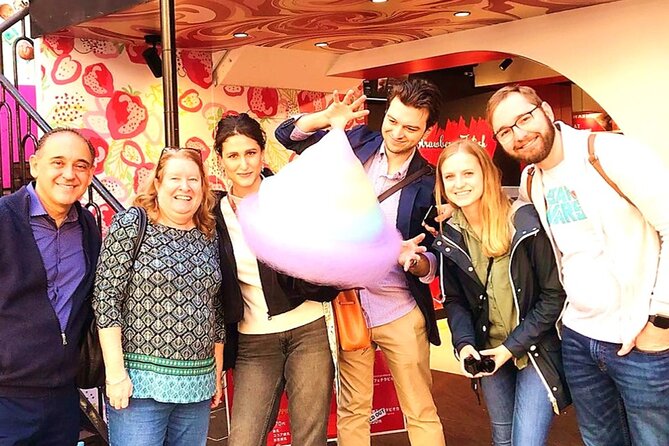
Then it’s straight to Akihabara for about 30 minutes. This is where Tokyo gets louder, more niche, and more fun if you like gadgets, anime, and the specific kind of fandom energy this district is known for.
This stop also works as a kind of palate cleanser. If you’ve been thinking about temples and markets all day, Akihabara gives your brain something else to grab onto.
Ueno Park and Ameyoko: culture plus shopping streets
The next block is Ueno Park for about 30 minutes, admission free. Even if you’re not planning to go deep into museums, the park area is useful because it breaks up the day and adds green space to your photo lineup.
After that comes Ameyoko Shopping Street for about 15 minutes. This is street-level Tokyo shopping energy, and it’s a strong finish before you reach Asakusa.
This pairing works because it gives you both sides: a quieter public space in Ueno, then the dense commercial street scene in Ameyoko. If you like browsing and snacks, you’ll probably feel tempted to slow down here.
Asakusa Higashi Hongan-ji Temple and Sensoji area wrap-up
You’ll end in Asakusa, starting with Asakusa Higashi Hongan-ji Temple for about 30 minutes, admission free. The vibe is reverent and grounded, and it’s a nice contrast to the bright tech and shopping sections earlier in the day.
Then you finish with Asakusa Shrine for about 10 minutes, also free, near the Sensoji area. This is the kind of ending that makes your legs feel better, because the streets look great and you’re near one of Tokyo’s most photographed temple neighborhoods.
This is also where the tour concept of a local day lands. After a full circuit of landmarks, you’re finishing in a place where everyday people really show up, not just tour groups.
The guide is the value driver, not just the checklist
The listing sells 15 stops, but the real difference is how the guide connects the dots. The day is built for you to learn Japanese history and society, and to hear stories you’d miss if you were just following signs.
In multiple experiences with guides like Yasuko and Michiko, guests praised how the explanations stayed clear and kept momentum going. That kind of pacing matters because Tokyo is easy to get overwhelmed in. When a guide frames what you’re seeing, you end up understanding the city instead of just photographing it.
There’s also a practical side to this: one guest noted that Takashi was able to adjust the outing, swapping in a zoo stop to see the pandas. That suggests the guide team is willing to think about what works for your group, at least in some cases. Don’t assume every request can be accommodated, but it’s a good sign if you care about flexibility.
Also keep an eye out for cultural add-ons. One guest mentioned a kimono dress option, which is not listed in the core inclusions, but it’s the kind of bonus that can turn a good day into a memorable one.
Budget reality: what your $104.34 covers
The price is listed at $104.34 per person, and the tour includes the tour fee plus consumption tax. Many stops are marked free, including Meiji Jingu, Shibuya Crossing, Tsukiji temples, Imperial Palace (walk outside), Marunouchi, Ueno Park, and the Asakusa temples.
But you should plan your spending around two big items not included:
- Transportation expenses: the tour includes a plan that uses metro and walking, but your fares are on you.
- Food and beverage expenses: sushi lunch is part of the schedule, and the tour summary also mentions an izakaya drink moment, but you pay for food and drinks.
The tour also recommends you have cash ready. Even in 2026, Japan still includes small moments where cash makes life easier, especially for quick snacks.
For value, here’s the trade. You’re paying for expert guidance and tight routing, not for entrances. If you’re the type who enjoys explanations and efficient use of a single day, this can feel like a bargain. If you only want to self-wander and read signs, you might find it less cost-effective.
Timing, tickets, and how not to lose the group
This tour uses a mobile ticket, and you receive confirmation at booking. That’s convenient because you don’t need to hunt down paper passes.
You’re also told to prepare an IC card like SUICA or PASMO in advance. Since the day mixes metro and walking, that’s the fastest way to avoid wasting time on ticket machines mid-route.
Two more things help you enjoy the day:
- It starts on time, no late join. Build in a buffer to reach the meeting point near Yoyogi Station.
- You’re required to follow the host. If you break away, the host can’t look for you, and there are no refunds.
In a city this big, it’s not a punishment. It’s just how the day stays safe and efficient.
Who this tour is best for
This fits well if you:
- Want a first-time Tokyo orientation and don’t want to plan 10 different neighborhoods in one day.
- Like history and culture, not just famous photos.
- Prefer a calm group size of up to 5 people.
- Have moderate walking stamina and can handle a full 10-hour outing.
You might also like it if you’re traveling solo or as a couple, because the guide can better manage the pace. The tour also states it’s for small groups, and that tends to work better than large bus tours if you want to ask questions.
If you’re trying to do Tokyo with zero walking, this probably won’t feel great. Even the shorter temple stops are still part of a day that is mainly on your feet.
Should you book this full-course Tokyo tour?
I think you should book it if you want one day that covers Tokyo’s big moments with human guidance and a route that flows. The free admissions on many stops help, and the small-group size is where the value really shows, because you get explanations and you’re not stuck waiting for a parade of people.
I’d skip it if your travel style is slow and flexible, or if you hate paying for extras like metro rides and meals on top of the tour fee. Also, if your legs are usually done after a short walk, this itinerary might feel too heavy.
If you only have a few days and you want to see Tokyo from multiple angles, from shrines and markets to Shibuya and Akihabara, this is a strong way to get your bearings fast.
FAQ
How long is the Tokyo full course tour?
The tour lasts about 10 hours.
What is the group size for this tour?
The tour has a maximum of 5 travelers.
Are admission tickets included for the stops?
Many stops are marked as free, and the tour fee includes consumption tax. Tokyo Station’s Ekimae Hiroba is listed as not included, so you should be ready for any costs that come up at that stop.
Is food included in the tour price?
Food and beverage expenses are not included. The schedule includes a sushi lunch stop, but you should expect to pay for meals during the day.
Do I need a transit IC card?
Yes. The tour recommends preparing an IC card such as SUICA or PASMO in advance since you’ll use metro during the day.
Where do I meet the group, and where does it end?
You start near Yoyogi Station (Yoyogi, Shibuya). The tour ends around Asakusa Station (Asakusa, Taito City).
What happens if I am late to the meeting point?
The tour starts just on time. Late arrivals are not allowed to participate, and no refunds are provided.
Can children join the tour?
Those under 18 must be accompanied by a guardian. If you include persons under 13, you need to request a Private Tour.
What if the tour has to be canceled?
The experience is non-refundable and cannot be changed for any reason. If it’s canceled due to poor weather, you’ll be offered a different date or a full refund. If the minimum number of travelers isn’t met, you’ll be offered a different date or a full refund.
More Tours in Tokyo

More Tour Reviews in Tokyo

Not for you? Here's more nearby things to do in Tokyo we have reviewed












Tokyo City Tours, side by side.
 ★ 5.01-Day Tokyo Bus TourFrom $12914,250 reviews
 ★ 4.5TOKYO SKYTREE® Admission ticketFrom $1311,192 reviews
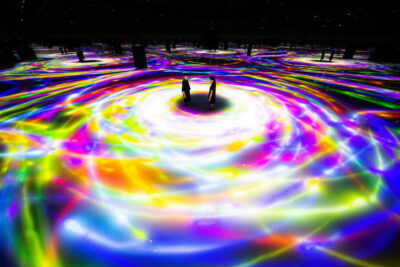 ★ 4.6teamLab Planets TOKYO Digital Art Museum Entry TicketFrom $259,779 reviews
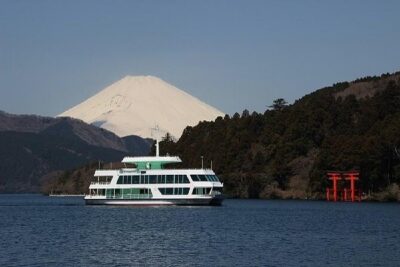 ★ 4.0Mt Fuji & Hakone Cruise, Drum Show Bullet Train 1 Day from TokyoFrom $1497,413 reviews
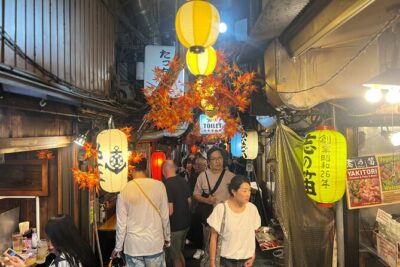 ★ 5.0Shinjuku Food Tour (13 Dishes at 4 Local Eateries)From $866,603 reviews
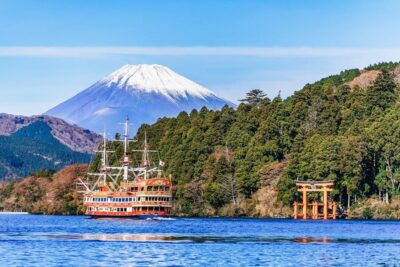 ★ 4.4Tokyo Mt Fuji 5th St & Hakone Cruise Bus Tour w/Bullet TrainFrom $1545,024 reviews
 ★ 5.0Flagship 2-Hours Official Street Go-Kart Tour – Tokyo Bay ShopFrom $644,974 reviews
 ★ 4.5From Tokyo: Mount Fuji Full-Day Sightseeing TripFrom $684,970 reviews