
Review · TOKYO SAMURAI EXPERIENCES
Embrace the Samurai Way: Iaido Swordsmanship Experience in Tokyo
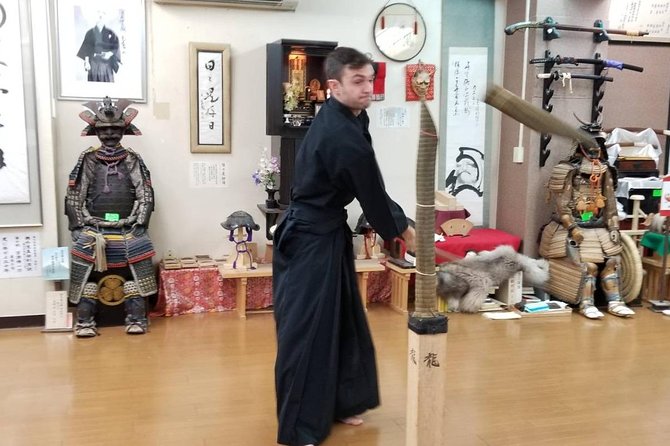
A sword class in Tokyo with real cutting. This Iaido experience pairs traditional practice clothes with close coaching, so you learn the basics of the samurai way, not just the tourist version. I love the private lessons that adjust to your level, and you also get a real-sword target practice moment under supervision.
One possible drawback: it is not suitable for everyone, including people with heart conditions, pregnant women, or anyone needing wheelchair accessibility.
If you like martial arts and Japanese culture, you’ll get the how and the why. I also like that the instructor is willing to explain the meaning behind movements, including samurai mindset topics such as blade licensing and proper handling. You’ll finish with a participation certificate, which makes the whole thing feel more official than a one-off show-and-tell.
Key things to know before you go
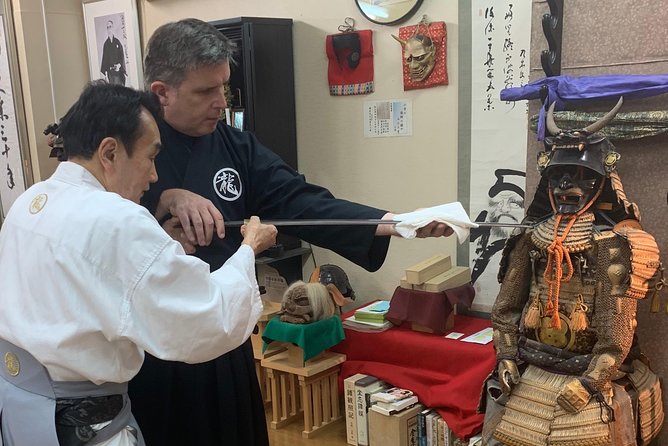
- Private instruction, not a big-group demo: your practice can be tailored to your current level
- Target cutting with supervision: the team highlights that you can use and cut with a real sword
- Traditional Iaido jacket provided: you get a more authentic look and feel right away
- Samurai philosophy is part of the lesson: expect explanation, not only physical drills
- Participation certificate at the end: a tangible takeaway you can keep
- Easy meeting point near transit: you meet at Starbucks Coffee, Kudanshita
Iaido basics and the samurai mindset you actually hear
Iaido is the art of drawing, handling, and cutting with a sword in a controlled, precise way. The key word here is control. In a lot of sword experiences, you get a quick photo op, maybe a short speech, and then you’re out. This format is different because you practice movements and techniques as part of the lesson, and you also get the cultural framing behind them.
What makes it worth your time is that the instructor treats the session like a training block. That means you spend time on basics, you learn how to handle the sword properly, and you hear why the samurai way emphasized discipline, restraint, and decision-making. One review even mentions the instructor talking about blade licensing, which hints at the seriousness with which Japan approached swords historically. That kind of context helps you understand why the movements look the way they do.
And yes, you also get a real-sword cutting segment, which is the practical payoff for all that form work. When you can connect the theory to the physical action, the whole experience makes sense.
You can also read our reviews of more tours and experiences in Tokyo.



Price and value: what $154.37 buys in Tokyo
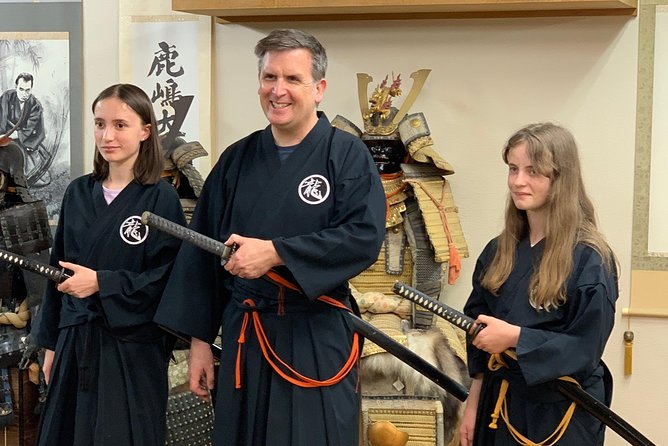
At $154.37 per person for about 1 hour 30 minutes, this is not a cheap activity. But it also isn’t priced like a generic workshop where everyone watches and nobody practices. You’re paying for private lessons, an English-speaking attendant, traditional practice clothing, and supervised practice that can include cutting targets.
Two value points matter most:
First, private instruction. In martial arts, timing and safety cues are everything. If your posture or grip is off, it changes how the blade moves. Having personalized coaching is the difference between learning the shape of a technique and learning how to do it safely.
Second, the practice outcome. The experience includes cutting targets under supervision, and the provider has emphasized that you can use and cut with a real sword. If you want a hands-on souvenir you can feel in your muscles, that matters.
If you are the kind of traveler who likes learning one real skill rather than doing five quick stops, this price starts to feel reasonable.
Where to meet at Starbucks Kudanshita and how to arrive ready
You meet at Starbucks Coffee – Kudanshita Japan, 102-0073 Tokyo, Chiyoda City, Kudankita, 1-chōme21 九段北一丁目ビル 1F. It ends back at the same spot.
This meeting point is practical. Starbucks is easy to find, and it reduces the stress of guessing a tiny street near transit. Reviews also mention that location info can be sent ahead of time, including extra guidance through messaging services like WhatsApp, so you’ll likely have a clear way to confirm where to go.
Plan to arrive about 10 minutes early. That small buffer gives you time to settle, get oriented, and get into practice mode. Also wear comfortable clothing. The activity notes call this out specifically, and it makes sense because you’ll be moving and dressing for training. You do not need fancy outfits, you just need clothes you can move in.
What you wear: Iaido jacket, comfort rules, and safety reality
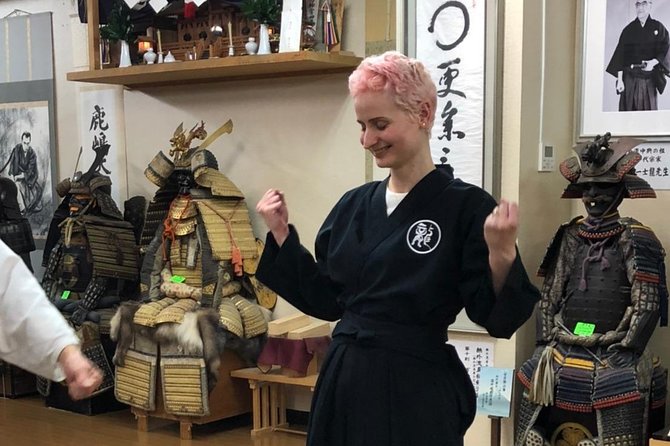
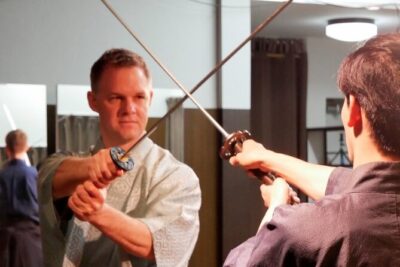
You’ll don a traditional Iaido uniform as part of the experience. The lesson includes the Iaido jacket and items, so you do not need to bring your own costume.
Still, you control one big variable: comfort. Choose clothing that won’t fight your movements. Avoid stiff fabrics or anything restrictive around your legs and waist. Tight shoes can also be an issue if you’re stepping and adjusting frequently.
Safety is taken seriously. The activity is not suitable for people with heart conditions, pregnant women, or anyone requiring wheelchair accessibility. That is not a small caveat. Iaido training involves physical movement and controlled bursts of action, including supervised cutting.
If you fall into any of those groups, skip this one and look for a more seated cultural workshop. If you’re healthy and comfortable moving, this kind of structured practice is an honest way to learn something real.
Private lessons with an English-speaking attendant: how the pace works
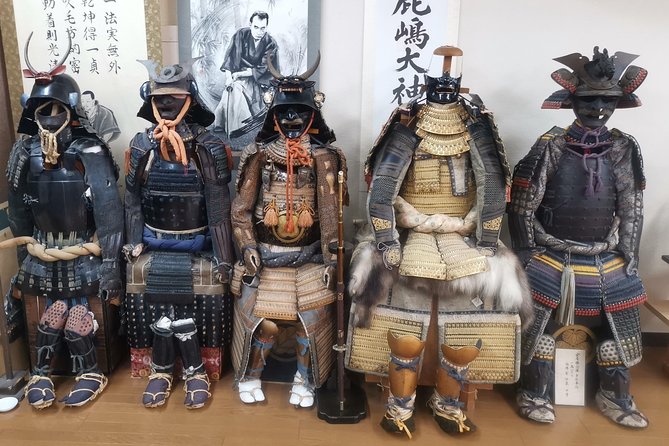
This is a private tour/activity, meaning only your group participates. That matters more than it sounds. When you’re the only group, the instructor can adjust the pace without worrying about keeping a room of strangers synchronized.
The lesson also includes an English-speaking attendant. That helps you catch the details that often get lost when instruction is only visual. In reviews, the translator is described as kind and well-spoken, and people mention that nuanced explanations helped them understand what they were doing during practice.
You can expect the instruction to include:
- fundamentals of Iaido swordsmanship
- basic movements and techniques
- hands-on guidance as you practice
Private coaching also helps if you’re starting from zero. Since the instruction is adapted to your level, you’re not expected to arrive already fluent in sword handling.



Learning sword handling and cutting under supervision
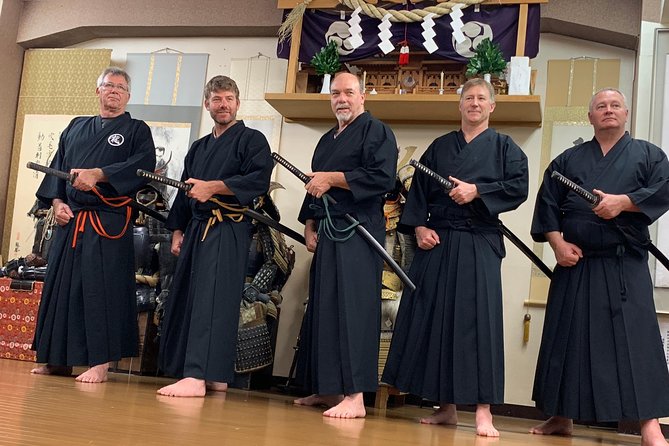
The heart of the experience is supervised sword practice. You’ll practice basic movements and techniques, and the lesson includes cutting targets under supervision.
What that means for you on the ground: you are not guessing your way through. You should expect guidance on proper handling, posture, and controlled execution. Reviews highlight the dojo master showing proper ways to handle a sword like a real samurai. That kind of coaching reduces the guesswork and increases the safety.
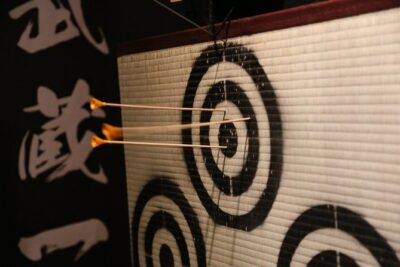
One review specifically praises the ability to cut through tatami mats on your own. That gives you a clear picture of the practical segment: you are not only watching a demonstration, you may be doing the action yourself, with the instructor present to keep things safe and correct.
Also, the provider has framed this as one of the few workshops where you can use and cut with a real sword. If that detail is important to you, it is a strong reason to book, since many similar experiences use only practice props.
Samurai philosophy: the stories that make the moves click
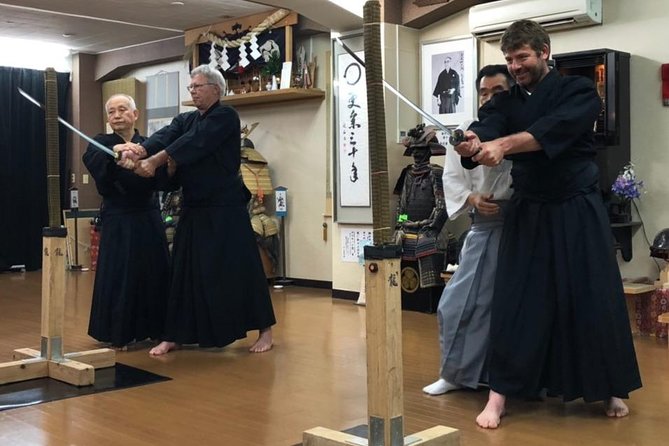
Iaido is not only physical. The session connects technique to mindset, and you’ll hear about the importance of discipline and samurai philosophy.
This is where the class can feel more meaningful. When an instructor explains the why, the technique stops being a random set of shapes. It becomes a system tied to restraint, intention, and responsibility.
A couple of reviews mention storytelling and historical framing. One describes the dojo master sharing history of the samurai, proper sword handling, and the licensing topic for blades. Another review praises an English explanation of the concept of Iaido, plus basic handling practice, and then a trial cut using a real sword and tatami practice.
Even if you do not catch every historical detail, you’ll get something useful: you’ll understand that the movements are designed for control, not aggression. That makes the whole experience feel respectful, not like a staged performance.
The participation certificate and how to finish strong
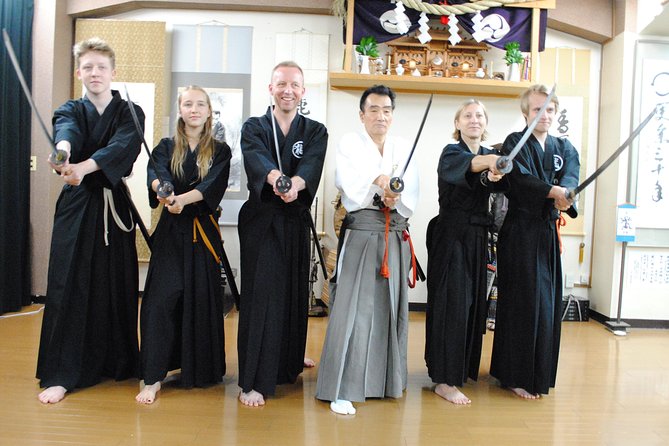
You receive a certification of participation to commemorate your training. It’s a small thing, but it changes how you remember the experience. Instead of thinking of it as a short activity, you can treat it like a real class you completed.
Also keep an eye on the communication side. Reviews mention the staff being helpful with pictures. That’s not guaranteed for everyone, but if it’s available, it’s a nice way to document your visit without turning the lesson into a distraction.
At the end, the activity returns to the meeting point. So you can immediately plan the rest of your day in Tokyo.
Who this experience fits best, and who should rethink it
This is a great match if you:
- want a hands-on martial arts class in Tokyo
- like Japanese culture beyond big landmarks
- prefer private instruction over group show-and-tell
- want the full package, including a real-sword cutting moment
It is a poor match if you:
- have heart conditions, are pregnant, or need wheelchair accessibility
- want a purely observational experience
- are only interested in photos and do not want to practice
A practical note: it’s booked on average 58 days in advance. That doesn’t mean you must book months ahead, but it does mean you should not wait until the last minute if your dates matter.
Should you book this Tokyo Iaido experience?
If you want an authentic, skill-focused session, I think it’s a solid yes. You get private instruction, traditional practice clothing, English support, and a structured lesson that includes cutting targets under supervision. The participation certificate is a real bonus, and the samurai philosophy talk helps the movements make sense.
I’d only hesitate if you fit one of the health or accessibility restrictions, or if you are hoping for a casual, no-effort cultural stop. This is training. You will move, learn, and practice, at a pace guided by a master.
FAQ
How long is the Iaido Swordsmanship Experience?
It is approximately 1 hour 30 minutes.
Where do I meet for the experience?
You start at Starbucks Coffee – Kudanshita Japan, 102-0073 Tokyo, Chiyoda City, Kudankita, 1-chōme21 九段北一丁目ビル 1F.
Is this experience private?
Yes. It is a private tour/activity, and only your group participates.
What is included in the activity?
The experience includes an Iaido jacket (and items) and an English-speaking attendant.
Do I receive anything to take home?
Yes. You receive a certification of participation.
Do I get to cut targets?
The experience includes sword practice where you cut targets under supervision.
What should I wear?
Wear comfortable clothing.
Is the lesson adapted to different skill levels?
Yes. Private lessons are personalized and adapted to your level.
Is it suitable for everyone?
No. It is not suitable for people with heart conditions, pregnant women, or those requiring wheelchair accessibility.
What happens if the weather is poor?
This experience requires good weather. If it is canceled due to poor weather, you will be offered a different date or a full refund.
More Tour Reviews in Tokyo
Not for you? Here's more nearby things to do in Tokyo we have reviewed
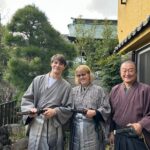






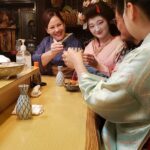



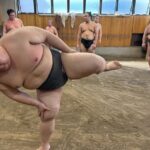
Tokyo Samurai Experiences, side by side.
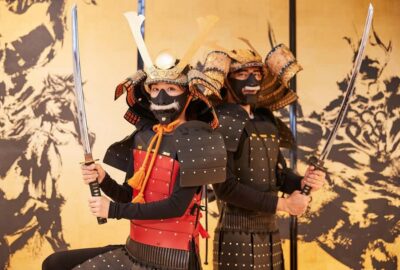 ★ 4.6Samurai Ninja Museum Guided tour and ExperienceFrom $271,010 reviews
 ★ 5.0Samurai Sword & Archery Class from Samurai DescendantFrom $193603 reviews
 ★ 5.0Best Samurai Experience in TokyoFrom $65458 reviews
 ★ 5.0Ninja Experience (Family Friendly) at Samurai Ninja Museum TOKYOFrom $47441 reviews
 ★ 4.6Samurai Entertainment Night Show in Kanda ShrineFrom $41417 reviews
 ★ 4.8Samurai Ninja Museum Asakusa: Samurai Sword Lesson & TourFrom $63306 reviews
 ★ 5.0Ninja Samurai 2-hour hands-on lesson by Japanese master in TokyoFrom $86194 reviews
 ★ 5.0Samurai Sword Experience (Family Friendly)at SAMURAI MUSEUM TOKYOFrom $65168 reviews
This tour also belongs to