
Review · PRIVATE
Kamkura: Private Zazen, Matcha at Bamboo Temple & Mindful Cuisine
Zen practice in a bamboo temple is different. This Kamakura experience pairs zazen with guided explanations in English, plus matcha and a calm stroll through the city.
I especially liked the way the meditation felt structured, thanks to a Buddhist priest at Hokaiji Temple and an English-speaking guide to translate the meaning behind what you are doing. I also loved the food, especially shojin ryori at Minemoto, a plant-based meal that makes the Zen idea of mindful eating feel real, not just poetic.
One consideration: the zazen portion is not a long retreat session, and it can feel short if you were hoping for an all-afternoon meditation. Also, matcha is served on a non-reservation basis and could pause if the temple gets too crowded.
Key highlights you’ll care about
- Zazen with a Buddhist priest at Hokaiji Temple, with English interpretation from your guide so you know what you are focusing on.
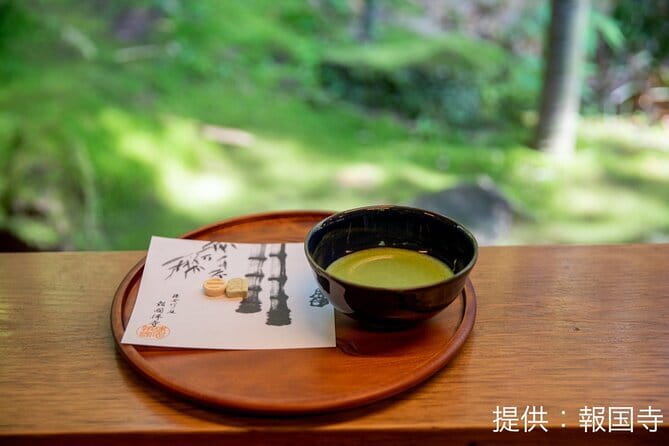
- Matcha in the bamboo-temple atmosphere, served as tea/coffee at Houkokuji Temple, with potential suspension if it gets crowded.
- Shojin ryori lunch at Minemoto, a Buddhist vegan meal centered on seasonal vegetables and tofu.
- Temple time that actually slows your day down, with scheduled stops around Hokoku-ji, Hokaiji, and a calm walk through Kamakura.
- Small group size, up to 10 travelers, which helps you move through temples without feeling lost.
- Transportation and admissions included for the in-town portions, plus a mobile ticket for easier check-in.
Kamakura Zen in a single day: why this format works
Kamakura is one of those places where your brain starts to shut off. You trade Tokyo’s constant motion for temple rhythms and courtyard quiet, all in a tight, well-timed day that starts at 8:30 am and runs about 8 hours 45 minutes.
What makes this day different is that it is not just sightseeing. You are guided into the practice, starting with a bamboo-temple stop, then moving into zazen at Hokaiji Temple where a Buddhist priest explains what matters during seated meditation. Your guide then interprets into English, which is a big deal if you are new to Zen and want to understand the point, not just sit there.
The other strong piece is the meals. After meditation, you eat shojin ryori, Buddhist vegan cuisine, at Minemoto. That pairing matters because it keeps you in the same mental frame: breathe, sit, then eat slowly and intentionally instead of turning the day into a rapid restaurant-hopping sprint.
You can also read our reviews of more private tours in Tokyo
Price and logistics: what $170 includes, and what you should plan for
At $170 per person, the value comes from the bundle. You get lunch (shojin ryori), matcha served at Houkokuji Temple, temple admission and activity fees, and transportation fees from Kamakura Station. That means you are not constantly digging out cash for entry tickets or paying for every single small activity.
Two things are not included. First, private transportation is not part of the price. Second, train fares to Shinjuku from Kamakura are not included. The schedule says the train is planned to arrive at Shinjuku around 5:15 PM, but your timing can shift depending on traffic and other conditions.
Also keep in mind this is a maximum of 10 people, so you get a more personal feel than big-bus tours. The tradeoff is that schedules can still be affected by crowds at temples, especially during non-reservation matcha service.
If you are the kind of traveler who hates logistics, this day will feel gentle. If you prefer total control and self-guided wandering, you might find you are paying for structure and translation. But for your first Zen experience, the guided approach is the whole point.
Hokoku-ji bamboo stop: your first taste of quiet
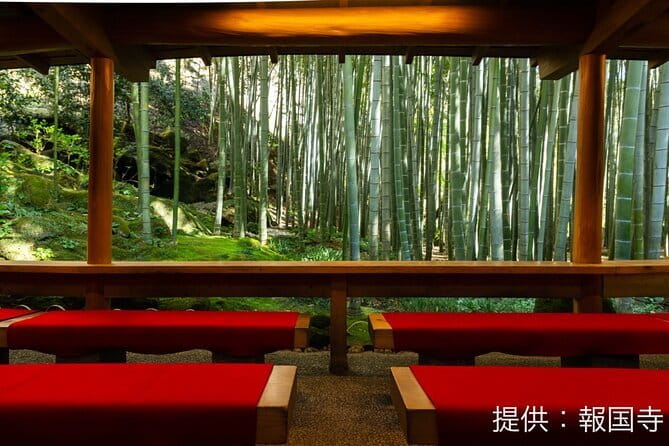
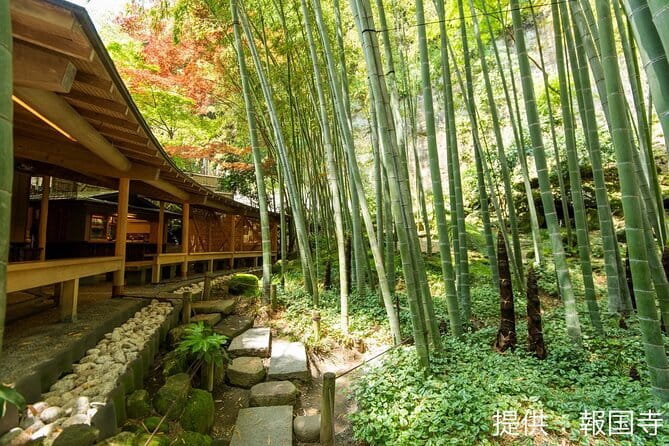
Your morning begins with Hokoku-ji, a Zen temple known for its bamboo grove. The stop is timed at about 50 minutes, which is long enough to slow down, take in the setting, and settle your senses before you sit for meditation.
This is also where the day starts teaching you the rhythm of Zen visiting. Instead of rushing from photo spot to photo spot, you have a guided entry into the space. Bamboo always changes the sound in a place. Even when people are around, you tend to talk less, move more carefully, and breathe like you are trying not to disturb something.
One practical benefit: this first temple stop acts like a warm-up. If zazen is new for you, you will already be in a calmer mindset by the time you reach Hokaiji Temple.
The only drawback here is seasonal comfort. Temples can be chilly, particularly if you come in winter, so plan layers. Loose clothing matters later for meditation, but it helps right away too.
Hokaiji Temple zazen: what you do, and what you get out of it
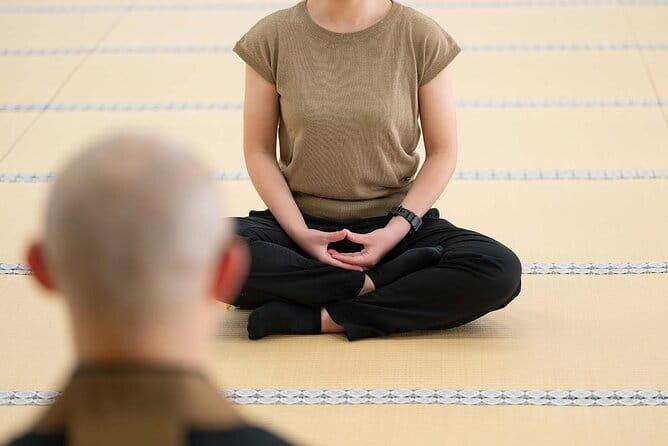
The core experience happens at Hokaiji Temple, where you practice zazen. Zazen is seated meditation focused on posture and breath. Your goal is mindfulness and awareness, and the experience is guided, not just instructional.
The best part is the combination: you sit with a Buddhist priest who explains the practice, and your guide interprets into English. If you have ever tried to learn meditation on your own, you know how easy it is to miss the meaning behind small physical details. Here, the explanation is built in, so you are less likely to spend the whole session thinking about whether you are doing it right.
Your zazen block is scheduled at about 1 hour. Reviews about the experience often mention that the meditation segment feels brief, but enough to disconnect from the noise of everyday life. That tracks with the structure of the day: it is a real practice, not a full monastic retreat.
What to do during the session:
- Keep your focus on breath and posture.
- Let the priest’s cues lead you, then let your guide’s translation connect it to what you should be thinking.
- Treat the session like training attention, not performance.
Clothing is not a trivia detail here. The tour notes say loose-fitting clothes are best for Zen meditation, and short skirts are not recommended. This is about comfort and respecting temple norms. You will sit for a while, and clothing that restricts you will make focusing harder.
If you are sensitive to stillness, this is manageable because the day keeps moving. You are not stuck in one posture forever without context. But it is still real meditation time, so come ready to be quiet.
Matcha at the bamboo temple: where the tea fits into the practice

After the bamboo-temple calm, you get matcha. The included detail is specific: coffee and/or tea in the form of a bowl of matcha is served at Houkokuji Temple.
One reason this small ritual lands so well is timing. You do not eat first and rush off. You sit, then you drink something ceremonial while still surrounded by the visual and sensory cues of the temple setting.
Two practical notes matter:
- Matcha service is non-reservation based, so it is not guaranteed if the venue becomes too crowded.
- If it gets suspended, the day still works because you have already gotten the main practice at Hokaiji. But your tea moment could be delayed or shortened depending on crowd levels.
If you love matcha, this is a good fit because it is not just a drink you grab on the walk. It is served as part of the experience, so you can slow down and treat it like a mindfulness cue.
If you do not care about matcha, you can still benefit from the tea stop as a decompression moment between meditation and lunch.





Shojin ryori at Minemoto: eating like you mean it
Lunch is shojin ryori at Minemoto, timed at about 1 hour 30 minutes. Shojin ryori is Buddhist vegan cuisine, and the style emphasizes seasonal vegetables, tofu, and vegetarian ingredients.
This stop is one of the most practical parts of the whole day, because it solves two traveler problems at once:
- You get fed without having to hunt for a restaurant that matches your food preferences.
- You get a meal designed for mindful eating, not fast consumption.
The tour also states it can accommodate vegetarian and vegan guests, which is a big value point. Dining decisions can be stressful when you have dietary needs. Here, you do not need to search menus in Japanese or guess what is inside sauces.
One thing I appreciate about shojin ryori as an experience is that it changes your sense of what vegan food can feel like. It is not always salads or substitutes. It is often thoughtfully prepared vegetables and tofu served in a way that feels calm and intentional, matching the mood of the day.
Timing helps too. Since meditation happened earlier, lunch does not feel like a random break. It feels like the next step in the same theme: attention.
The Kamakura street walk: learning the city without speed-walking it
After temples and food, you shift gears into a guided walk through Kamakura’s streets. This part is scheduled for about 1 hour 20 minutes and it is free from the standpoint of admissions.
The key is that you go with a local expert who shares history and culture through their favorite spots. That means you are not just walking past storefronts, you are getting context that helps you connect the city to what you have already practiced.
This segment also gives you an outlet for your brain. Meditation can be quiet and internal. A walk keeps your body moving, and the guidance gives your eyes a reason to pay attention.
Expect a slower pace than normal sightseeing days. You will likely find yourself noticing details more than taking photos nonstop. And that is the whole point: to keep the mindfulness vibe from evaporating the moment the temple incense stops.
Returning to Shinjuku: plan for the train timing, not just the clock
You end back at the meeting point, and the day includes a guide helping you return to Shinjuku Station. The schedule says the train is planned to arrive around 5:15 PM.
Two practical cautions:
- Train fares to Shinjuku are not included, so keep that in mind when you budget.
- The end time may be delayed due to traffic conditions or other unforeseen circumstances, so schedule your evening with a little slack.
This matters more than people think. When you do temple days, small delays stack up. If your next plan is tight, you will stress instead of resting.
If you want an easy evening after, aim for dinner near Shinjuku that does not require a perfect arrival time.
Who this experience is perfect for (and who might rethink it)
This tour fits best if you want a real introduction to Zen without needing prior practice. Most travelers can participate, and the guided translation makes the experience beginner-friendly in a smart way.
It is also ideal if you:
- Want structure for a one-day trip from Tokyo
- Prefer small group settings (max 10)
- Care about mindful food and dietary accommodation
- Like the idea of practicing first, then exploring the city with context
You might consider another style of visit if you:
- Are looking for a long, multi-hour meditation-only session
- Hate any chance of schedule changes from crowds (because matcha service can be suspended)
- Prefer fully self-guided travel where you control every minute
But for a balanced day that combines practice, food, and place, this hits a sweet spot.
Should you book this Kamakura Zen day?
I think you should book it if you want your first Zen experience to feel understandable, not mysterious. The big strengths are zazen with priest guidance, the English interpretation, and the way matcha and shojin ryori keep the theme going after the meditation.
The price also makes sense for the package: admissions, activity fees, lunch, matcha, and in-town transport from Kamakura Station are included. You mainly need to handle what is explicitly outside the package, especially the train fare back to Shinjuku.
If you want a quiet, mindful day that still includes enough structure to prevent decision fatigue, this is a strong choice. Just go in knowing the meditation is meaningful but not a full retreat length, and dress for comfort and sitting.
FAQ
How long is the Kamakura Zen experience?
The tour runs about 8 hours 45 minutes.
What is the price per person?
It costs $170.00 per person.
What does the price include?
Lunch is included, along with matcha (coffee and/or tea) at Houkokuji Temple. The tour also includes transportation fees from Kamakura Station, plus all admission fees and activity fees.
Is the train fare to Shinjuku included?
No. Train fares to Shinjuku from Kamakura are not included in the price.
Can vegetarians and vegans join?
Yes. The tour states it can accommodate vegetarian and vegan guests. Shojin ryori lunch is provided.
Is zazen suitable for beginners or most people?
Yes. The tour notes say most travelers can participate.
What should I wear for the meditation?
Loose-fitting clothes are best for Zen meditation. Short skirts are not recommended.
How large is the group?
The group size is maximum 10 travelers.
Can matcha service be affected?
Yes. Matcha is served on a non-reservation basis, and service may be suspended if the venue becomes too crowded.
Is the experience refundable if I cancel?
No. The experience is non-refundable and cannot be changed for any reason.
What is the start time?
The start time is 8:30 am.
More Private Tours in Tokyo
More Tour Reviews in Tokyo


Not for you? Here's more nearby things to do in Tokyo we have reviewed












Private, side by side.
 ★ 5.0Tokyo 6hr Private Tour with Government-Licensed GuideFrom $1553,902 reviews
 ★ 5.0Private Tour to Mt. Fuji and Hakone (Fully Licenced Operator)From $4971,910 reviews
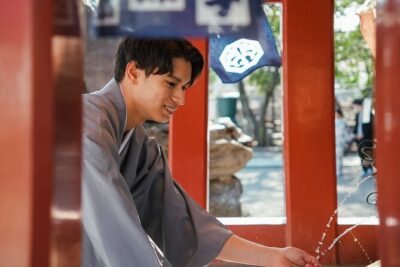 ★ 5.0Tokyo Customized Private Tour (Must See Places in 1 Day)From $1451,499 reviews
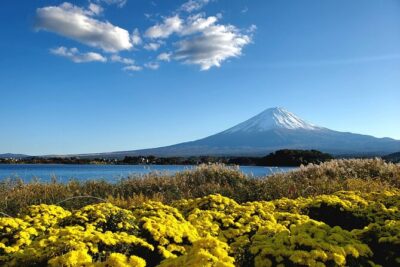 ★ 4.9Mount Fuji Full-Day Private Tour from Tokyo (Customizable)From $3931,470 reviews
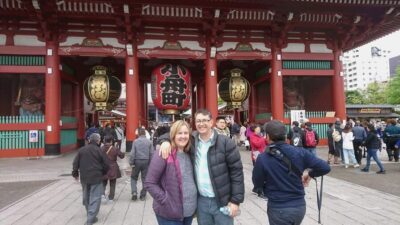 ★ 4.8Private City Highlights Tour with Local GuideFrom $1061,433 reviews
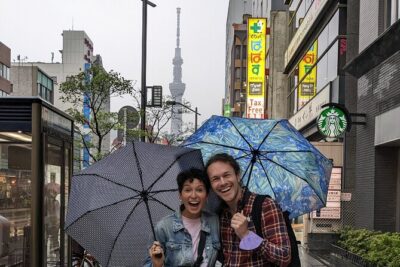 ★ 5.0Private Custom Tour: Tokyo in a DayFrom $1591,432 reviews
 ★ 5.0Tokyo 4hr Private Tour with Government-Licensed GuideFrom $1091,394 reviews
 ★ 5.0Tokyo Customized Private Tour: See Top Attractions in 1 DayFrom $1451,351 reviews