
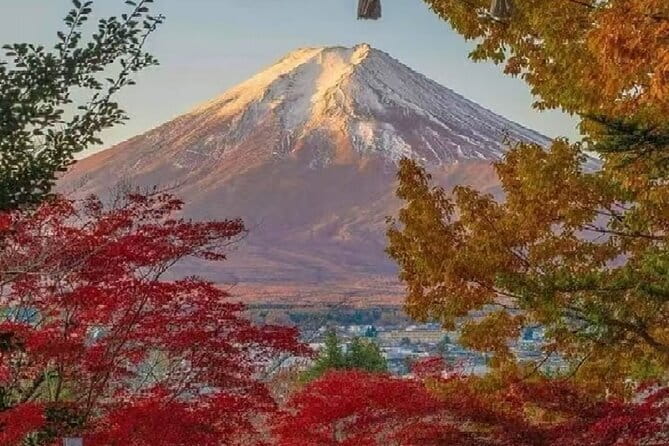
Review · MOUNT FUJI TOURS
Mount Fuji Day Tour:Lake Kawaguchi, HealingVillage,Oshino Hakkai
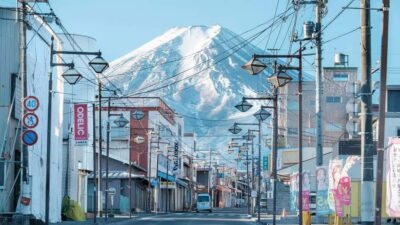
Fuji views without the car hassle. This small-group Mount Fuji day tour strings together Lake Kawaguchi scenery, Oshino Hakkai ponds, and multiple photo angles of the mountain from Tokyo, without you doing the driving.
I especially like the way you get three different Fuji-view settings in one day, each with its own look and pacing. I also like the practical setup, pick up and drop off with a professional driver and a mobile ticket so you are not wrestling trains and transfers.
One thing to plan around is that Mount Fuji visibility is never guaranteed, and traffic or seasonal crowding can shorten times at stops.
Quick hits before you plan your day
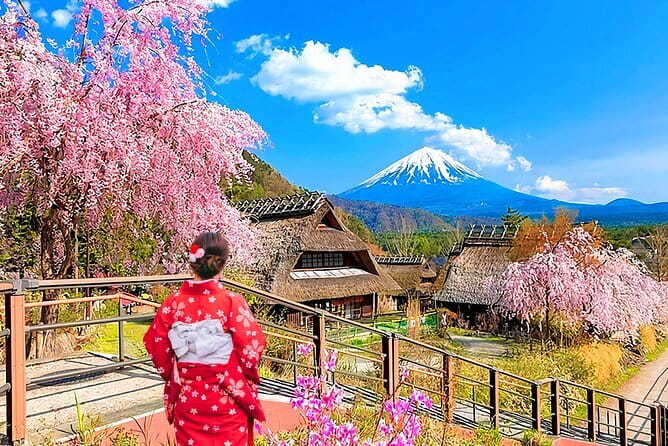
- Four stops, one Fuji theme: Arakurayama Sengen Park, Oshino Hakkai, Oishi Park, and Saiko Iyashi no Sato Nemba all fit together for a varied Fuji day.
- Real-world convenience from Tokyo: you avoid the stress of public transport and route planning, and you stay on a schedule.
- Included entry where it counts: the Saiko Healing Village Root Field ticket (500 yen per person) is included, while other admissions are not.
- Off-the-beaten-track atmosphere at Saiko Iyashi no Sato Nemba: thatched-roof village vibes are part of the charm, not just another scenic overlook.
- Weather is the boss: if visibility is poor, you still get the ponds, parks, and village, but the iconic mountain views may fade.
- Small group cap at 40: it is not a giant bus crowd, which makes photos and movement feel easier.
How this 10-hour Fuji circuit actually works
This trip is priced at $46.91 per person and runs about 10 hours. That is a solid value when you consider what you are buying: a full-day loop that would otherwise take serious coordination to do by yourself, especially if you are trying to avoid transfers. You also get a multilingual guide and a professional driver, plus tolls, parking, and fuel covered.
The day is paced in chunks. You are not stuck in one place for hours. Instead, you get focused time at each stop, enough to wander for photos and then move on before the next crowd wave hits too hard. That matters because the Fuji area can get busy, and the tour format keeps you from losing the whole day to logistics.
You will receive a mobile ticket, and you get important contact details by email the evening before, including the guide’s phone, the driver details, and the vehicle license plate. That is one less anxiety point when you are meeting a bus in an unfamiliar part of Tokyo.
You can also read our reviews of more tours and experiences in Tokyo.

Price and value, what you are really paying for
For a day trip, the headline price is easy to scan, but the real value is in what is included versus what is on you.
Included basics:
- Guide and driver
- Pick up and drop off at the designated meeting point
- Toll charges, parking fees, fuel costs
- Saiko Healing Village Root Field entry (500 yen per person)
Not included:
- Food and drinks
- Admission tickets for the other stops (they note admission tickets are not included)
So, you should budget for meals and any park or attraction entry where it applies. In the Fuji area, having cash helps. Some scenic spots and restaurants may only take cash.
At this price, I think it makes the most sense if you want the Fuji highlights without the rental car headache. If you are comfortable driving and you already know the route and timing, you could DIY it. But if you want a smooth day with minimal planning, the bundled transportation and guiding is where the value shows up.
Stop 1, Arakurayama Sengen Park for Fuji views from above
Your first major scenery hit is Arakurayama Sengen Park. This is one of those places where the view does most of the work, and the timing is designed so you can get photos without feeling rushed.
You have about 1 hour and 10 minutes here, which is enough time to:
- find a good viewpoint,
- take the classic Fuji shots,
- and still have time to walk around without turning it into a sprint.
Because this is early in the day, you may be more likely to catch decent visibility, though the tour still warns that weather can change fast. If you are the type who cares about composition, you will appreciate having this stop first while you still have fresh energy.
Practical note: bring a layer. Even on clear days, parks near the lake and mountain region can feel cool, and you will be standing around for photos.
Stop 2, Oshino Hakkai ponds and the calm Fuji-melt story
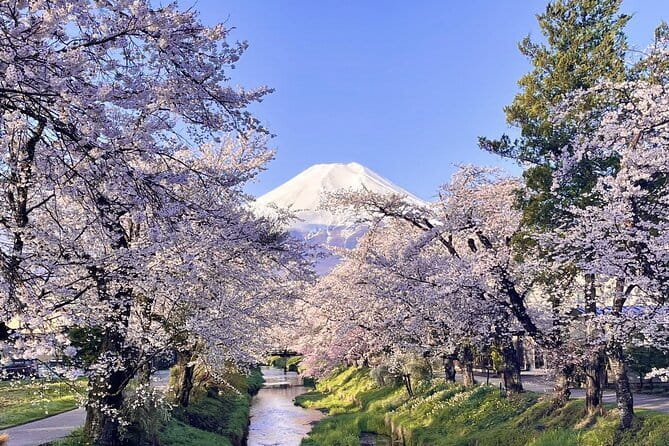
Next up is Oshino Hakkai, famous for eight crystal-clear ponds fed by Mount Fuji snowmelt filtered through volcanic rock over decades. The idea is simple, but the effect is striking, especially if the water looks glassy and the light is right.
You get about 1 hour and 10 minutes at this stop. That is a good length. You can slow down, walk the pond area, take photos from multiple angles, and read signs without feeling like you are constantly checking the clock.
This is also where the day turns from mountain views to cultural scenery. Oshino Hakkai is not just a viewpoint. It is a heritage-style stop where the landscape and the water are the point. If you have ever wondered how people explain Fuji in everyday terms, this is the kind of place that makes it feel tangible.
One consideration: during peak seasons, the ponds can draw crowds. You will want patience and a respectful pace, since people naturally cluster around the best photo spots.
Stop 3, Oishi Park for Lake Kawaguchi colors and fast photo time
Then you head to Oishi Park on Kawaguchi Lake for a seasonal color show. The tour notes that the park changes by season, with lavender blooms in summer and red leaves in autumn.
You get about 40 minutes here, which is shorter than the first two stops. That is intentional. Oishi Park can be beautiful, but it also can get crowded, and shorter timing helps keep the overall schedule from slipping too far behind.
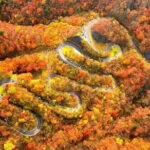
Also pay attention to the seasonal adjustment they warn about: if you are traveling Oct 26 to Nov 20, the route includes the Kawaguchiko Maple Corridor and you will not go to Oishi Park during that period. If Oishi Park is a must for your photos, check the timing when you book.
In practice, this stop is best when you:
- arrive ready to move,
- decide quickly which angles you want,
- and do not get stuck searching for the perfect spot for too long.
Stop 4, Saiko Iyashi no Sato Nemba for thatched-roof healing village vibes

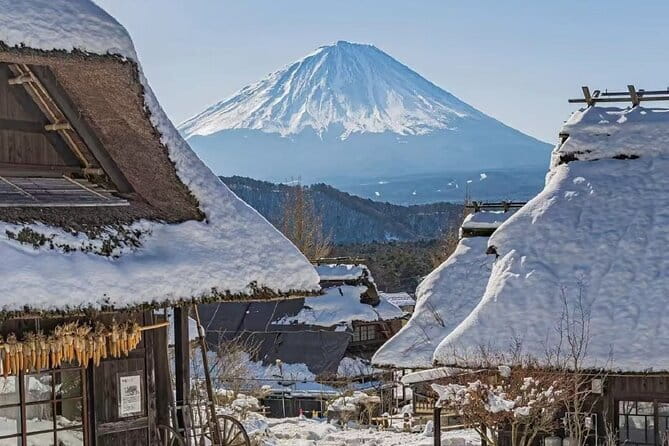
Your final stop is Saiko Iyashi no Sato Nemba, also known as the West Lake Healing Hometown Root Field. This is the heritage village piece of the day, and it is a big reason this tour feels different from a checklist of viewpoints.
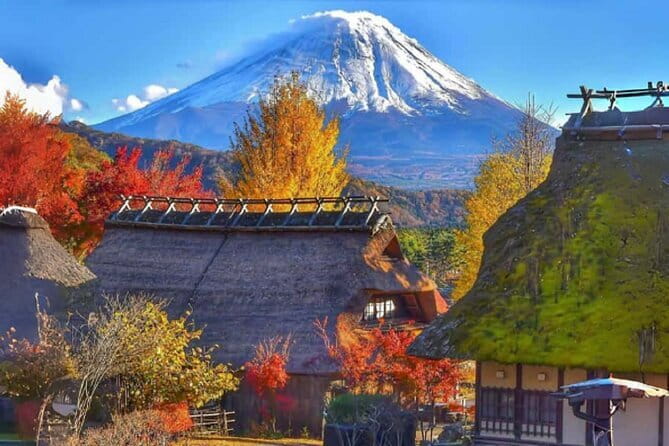
You get about 1 hour here. The village is known for traditional thatched-roof houses, and the tour even compares the overall feel to the famous style from Shirakawa-go. Even without that comparison, it works as a change of pace. You stop looking at Fuji from one angle, and you start noticing everyday details, craft-like textures, and that quiet countryside rhythm.
You also get the Root Field ticket included, listed as 500 yen per person. That helps your day feel more complete since you are not adding extra steps at the door.
If you want an authentic-feeling moment that does not require another long ride, this is it. It also pairs well with the pond stop, since you end the day on a calm, cultural note rather than just chasing more scenic overlooks.
The part that can affect your day, Fuji visibility, crowds, and traffic
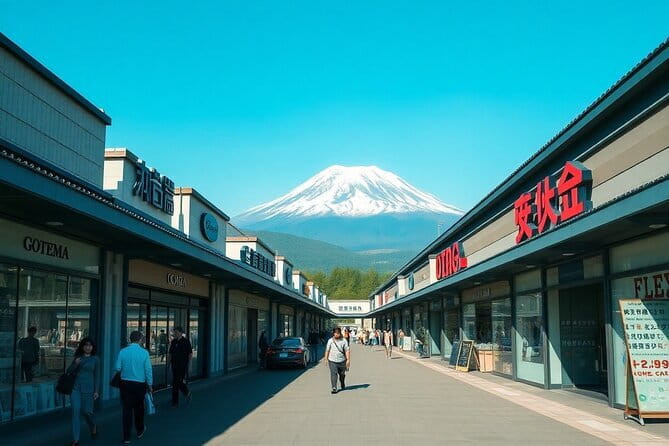
If you book a Fuji day trip, you are buying a gamble with the weather. The tour explicitly warns that visibility of Mount Fuji cannot be guaranteed. That means you should keep your expectations flexible. Even if the mountain is hazy, the ponds, parks, and village are still worth the trip, but the iconic payoff may be lighter.
Crowds are another variable. Some spots can be heavily visited in peak seasons. That can mean slower walking and less space for photos. The tour also notes that attraction times may be shortened, adjusted, or canceled depending on conditions.
Traffic is the other real-world factor. Japan’s weekends, sakura season, and holidays can create heavier congestion, and the tour says this may delay the return time. They also cover overtime fees for the guide and driver, which is good, but it still means you should avoid scheduling anything immediately after the tour ends. Give yourself buffer time back in Tokyo.
Also remember this rule: eating is prohibited on the bus, per Japanese law. So if you plan snacks, stash them for breaks at the stops.
Getting the most out of your photos without burning time
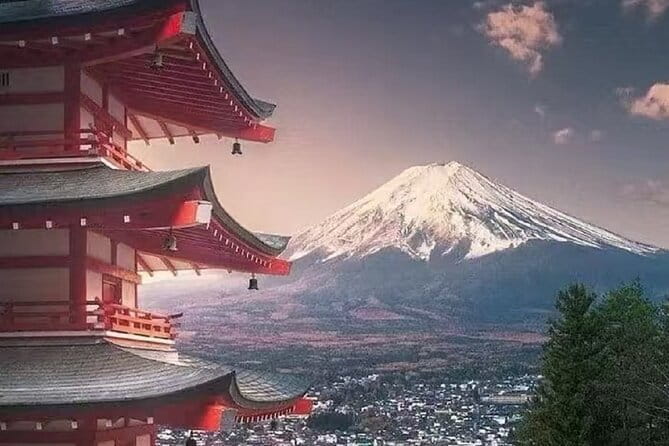
Here is how I would approach this day if I wanted the best mix of photos and enjoyment.
First, think in layers. You have multiple photo opportunities across the day, but not all at the same height or angle. Do quick framing shots at each stop, then spend extra time if you see a clear shot.
Second, use the group structure to your advantage. You have set durations at each location, so you do not need to get lost hunting for viewpoints. If you want to move quickly, you can. If you want to slow down, you can too, but you will need to work within the time blocks.
Third, pack like you are going to walk. Comfortable shoes matter because you are doing parks and pond areas. Bring a small towel or tissue too, since weather and lake air can make things damp.
Fourth, cash is your friend. The tour recommends it, and that is smart advice in this region. Have enough for small purchases, snack stops, and any admissions that are not included.
And if you care about storytelling, keep your eyes open for what the guide shares. One guide name that shows up in a positive way is Rachel, and the helpfulness there is exactly what you want. A good guide helps you understand what you are seeing fast, without turning the day into lectures.
Small group energy, multilingual guide, and the reality of shared vans
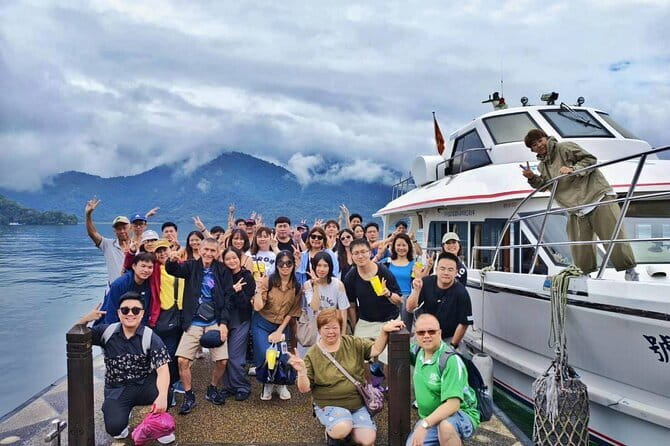
This is a group tour with a maximum of 40 travelers. That size is large enough to feel lively, but it is not so huge that you lose the whole flow. You will also ride with other languages depending on the day, since it is a mixed group.
The upside of this format:
- fewer logistics headaches for you,
- a driver who knows the routes,
- and a guide to keep you moving between stops on time.
The downside:
- you share the schedule,
- and you do not get full control over the pace of stops.
Since the tour emphasizes avoiding public transport stress, I think that tradeoff is worth it for most visitors. Just be honest with yourself about your tolerance for group timing. If you hate waiting for others, you might find the schedule more restrictive than you hoped.
Who this tour fits best
This day trip fits best if you want:
- multiple Fuji-view stops in one organized day,
- countryside scenery without a rental car,
- and a mix of nature plus heritage village atmosphere.
It also suits you if you are short on time in Tokyo and want a meaningful day outside the city, rather than squeezing in a half day.
I would not call it the best pick if you want total freedom to wander for hours at one specific spot. The timing is structured. You will be guided through the route, with stop durations designed to keep the day workable.
Should you book this Mount Fuji day tour?
I would book it if you want a straightforward Fuji highlights day with minimal planning. The combination of Arakurayama Sengen Park views, Oshino Hakkai ponds, Oishi Park lake scenery, and Saiko Iyashi no Sato Nemba village gives you variety, not just one long ride and one viewpoint.
If you are booking, do it with eyes open:
- Fuji visibility is not guaranteed, so keep expectations flexible.
- The day can run late around weekends, sakura season, and holidays, so avoid tight plans after.
- Oishi Park may not be included during Oct 26 to Nov 20, so check your dates.
If you want, tell me your travel month and whether you care more about photos or culture. I can help you decide how much weight to put on each stop and what to prioritize for your date.
FAQ
How long is the Mount Fuji day tour?
The tour is listed at about 10 hours.
What stops are included in the itinerary?
The itinerary includes Arakurayama Sengen Park, Oshino Hakkai, Oishi Park (Kawaguchi lake), and Saiko Iyashi no Sato Nemba (West Lake Healing Hometown Root Field).
Is food included in the tour price?
No. Food and drinks are not included.
What tickets are included, and what is not?
The Saiko Healing Village Root Field ticket (500 yen per person) is included. Admission tickets for the other stops are not included.
Will Mount Fuji be visible during the tour?
Weather conditions are unpredictable, and visibility of Mount Fuji cannot be guaranteed.
How big is the group?
The tour has a maximum of 40 travelers.
More Tours in Tokyo

More Tour Reviews in Tokyo
Not for you? Here's more nearby things to do in Tokyo we have reviewed



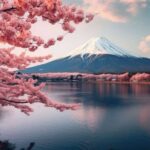
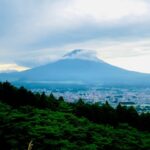

Mount Fuji Tours, side by side.
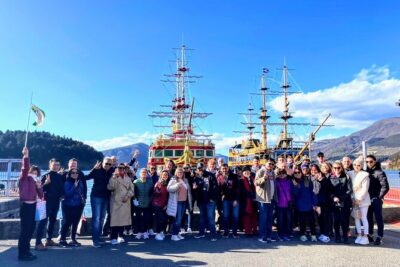 ★ 5.0Mt Fuji and Hakone 1-Day Bus Tour Return by Bullet TrainFrom $16326,383 reviews
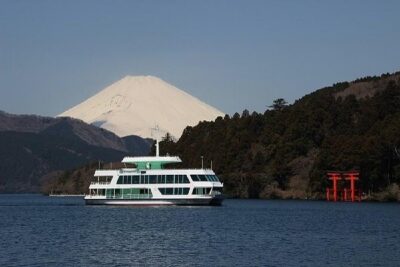 ★ 4.0Mt Fuji & Hakone Cruise, Drum Show Bullet Train 1 Day from TokyoFrom $1497,413 reviews
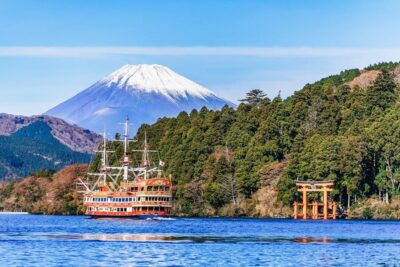 ★ 4.4Tokyo Mt Fuji 5th St & Hakone Cruise Bus Tour w/Bullet TrainFrom $1545,024 reviews
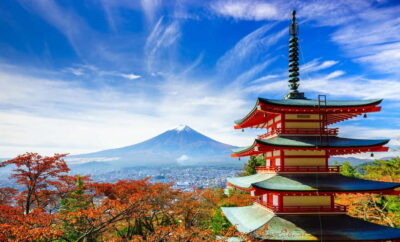 ★ 4.5From Tokyo: Mount Fuji Full-Day Sightseeing TripFrom $684,970 reviews
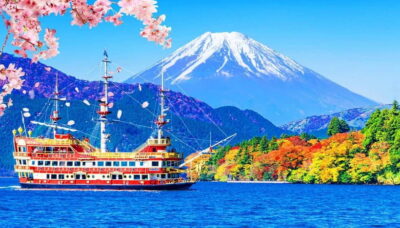 ★ 4.7Mt. Fuji Tour, Hakone Ropeway, Owakudani, Lake AshiFrom $544,002 reviews
 ★ 4.2Mt. Fuji 5th Station & Hakone Cruise 1-Day Bus TourFrom $1292,381 reviews
 ★ 4.7Mt Fuji Top 5 Spots Day Tour: Arakurayama Park,Oshino HakkaiFrom $532,066 reviews
 ★ 5.0Private Tour to Mt. Fuji and Hakone (Fully Licenced Operator)From $4971,910 reviews
This tour also belongs to