
Review · MOUNT FUJI TOURS
Mount Fuji, Hakone and Owakudani One Day Bus Tour from Tokyo
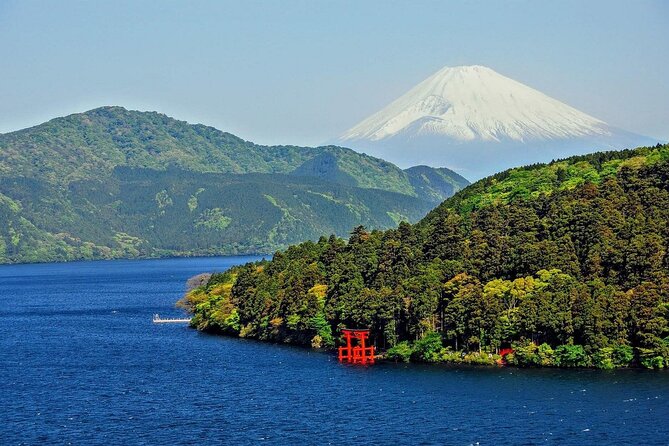
One day can still feel like a grand escape. This Mount Fuji, Hakone and Owakudani bus tour strings together Lake Ashi’s famous views, the Hakone Ropeway over volcanic terrain, and Enoshima’s shrine and sea-breeze island wander time. I like that the stops are packed but not random, so you get the region’s big visual hits without spending your whole vacation hunting bus routes.
My main caution is that Mt. Fuji visibility depends on weather and cloud cover, and the day’s timing can shift if traffic gets heavy. That said, the tour is designed to keep the overall set of experiences the same, so you are not starting over if conditions are less than perfect.
Key highlights
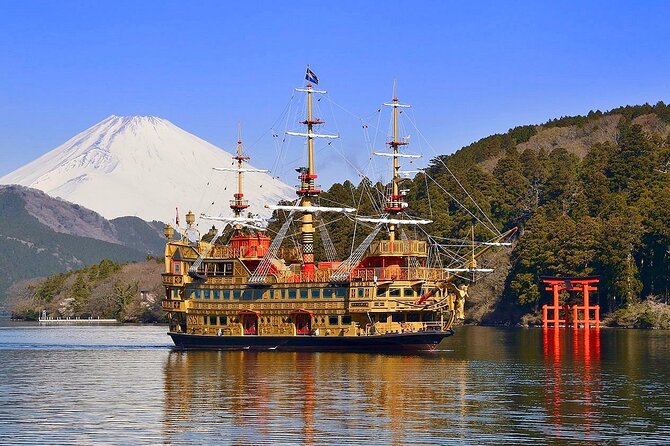
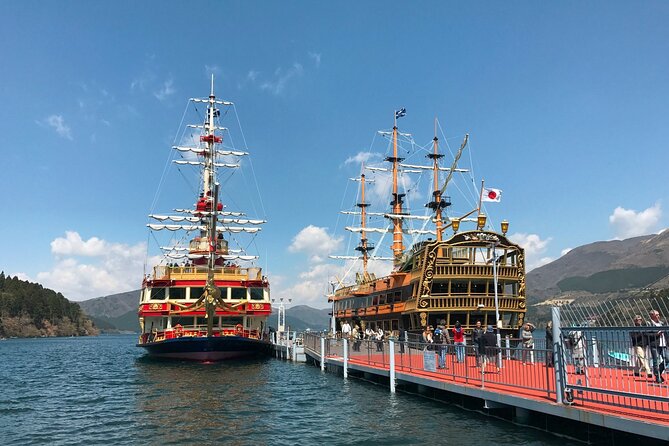
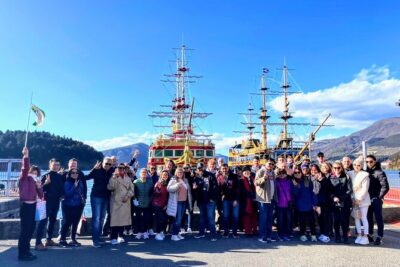
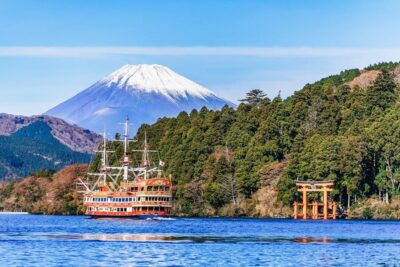
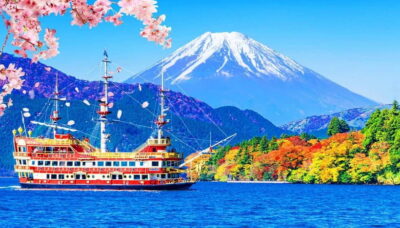
- Lake Ashi sightseeing cruise with that iconic pirate-ship style vibe and Mt. Fuji view potential
- Owakudani volcanic valley and the chance to try black eggs cooked in hot spring waters
- Hakone Ropeway panoramic ride linking viewpoints for wide-angle views
- Enoshima Island time with shrine visits and a classic shopping street stop
- Air-conditioned coach plus a guide to keep you on track for a long day
- Maximum 45 travelers, which helps the group stay manageable
Why This One-Day Fuji, Hakone, and Enoshima Combo Works
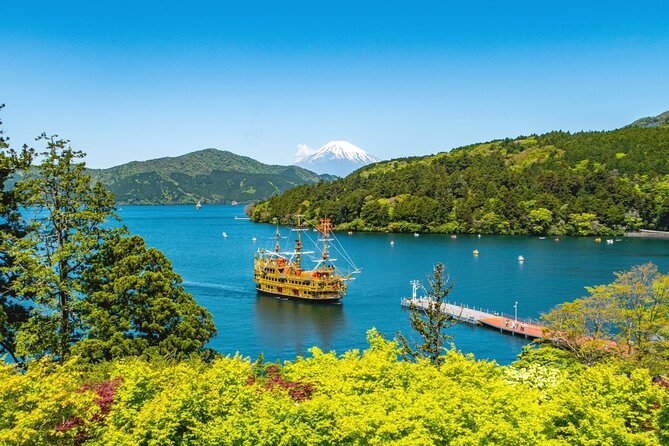
The big idea here is simple: you are not trying to do Hakone plus the coast plus Fuji-related stops across multiple days. Instead, you get a single day that hits Lake Ashi, the volcanic Owakudani area, and then finishes at Enoshima, which is close to Kamakura. It is a tight circuit, but it is also a very efficient way to see why this part of Japan has earned World Heritage-adjacent attention.
I like tours like this because the hard part is coordination. Tokyo is big, transit is sometimes confusing, and Hakone is not a place you want to mess around with on a time crunch. Having a guide and an organized flow means you can spend your energy on where it matters: looking out over Lake Ashi, watching the steam and sulfur activity around Owakudani, and walking Enoshima’s shrine paths.
The one tradeoff is that Japan rewards patience. If Fuji is hidden behind clouds, you still get the Hakone and Enoshima experiences, but the most dramatic photo moments might be limited.
More Tokyo tours and experiences for the shortlist



The Real-Time Feel of a 10-Hour Day: Pickups and Pace
This tour runs about 10 hours, departing from Tokyo or Shinjuku. Expect a full-day rhythm: travel time on the bus, short focused sightseeing windows at each stop, and enough movement to keep you awake and alert. The vehicle is air-conditioned, and the group can be up to 45 people, so you are not alone on a private day, but it also is not a massive coach with hundreds of bodies.
One practical detail that affects your experience: traffic can change the order of the day. The tour notes that while the sequence may shift, the total number of spots stays the same. Translation: do not plan your day around exact minute-by-minute expectations, but do plan around being flexible.
Also, you get a mobile ticket. That helps on travel days when you are already juggling transit directions, station names, and cash for add-ons.
Lake Ashi and the Cruise: Your Best First Fuji Chances
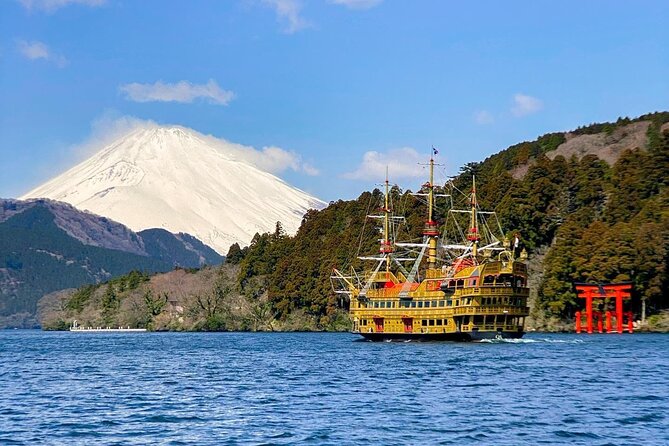
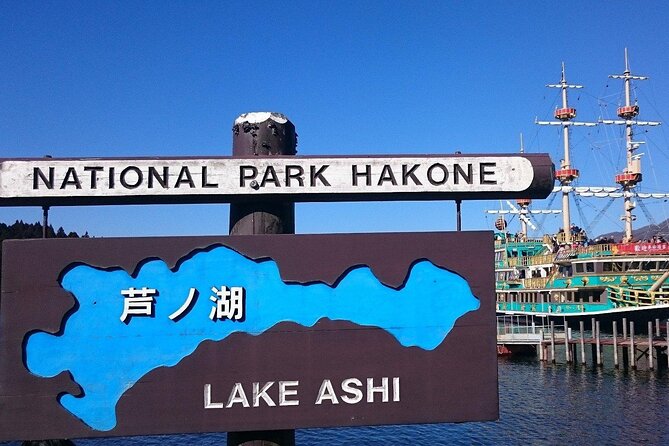
Lake Ashi, or Lake Ashinoko, is the iconic calm water around Hakone, formed by volcanic activity thousands of years ago. You start here for about 20 minutes, with the area itself described as free admission and built around those classic views. If the weather cooperates, this is often where your first real Fuji-mood settles in.
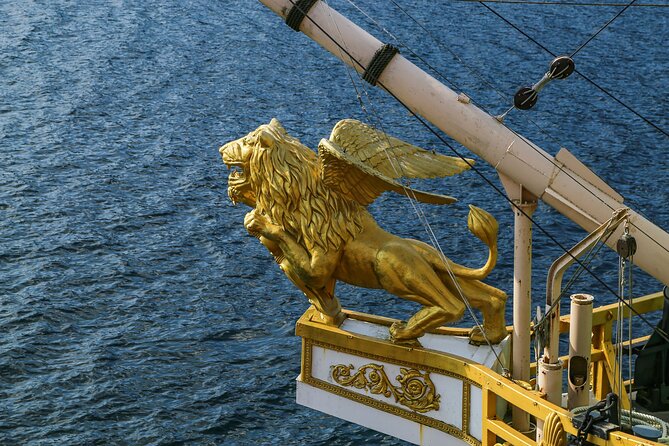
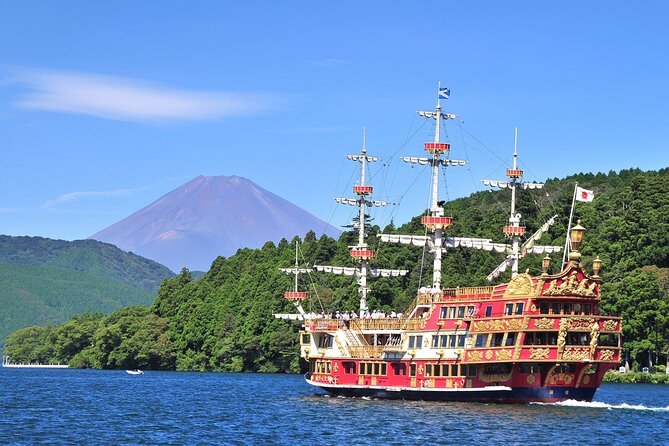
Then comes the Hakone Sightseeing Cruise, about 25 minutes. It is not included in the base price, but it is a key part of why this tour feels like more than a bus loop. The cruise is inspired by European battleships, so it feels like a special ride, not just a transfer across water.
Here is the practical tip: keep your phone and camera ready, but do not stare through the glass the whole time. Take a few moments to look around the lake, then check your view angle again as the boat moves. The view potential is there on clear days, and you only get a small window, so a little awareness helps.
Owakudani Valley: Volcanic Weirdness, Steam, and Black Eggs
Next is Owaku-dani Valley, about 30 minutes. This is where the volcanic story becomes real and visible. Owakudani is described as a volcanic valley formed around 3,000 years ago and known for continuous volcanic activity. In other words, this is not just scenery. It is the region’s active geology doing its thing.
The tour also highlights the local specialty: black eggs cooked in the hot spring waters. This is one of those food souvenirs that is more interesting than it sounds at first. You are not eating a fancy restaurant dish, but you are trying something tied to the place’s volcanic heat, and you get to experience it as a short, guided moment rather than as an uncertain street search.
One thing to keep in mind: Owakudani is a popular stop for a reason. It can be busy, and the ground and paths around volcanic sites are not always the same as a polished sightseeing deck. Comfortable walking shoes help, and it is smart to bring a light layer, since weather near volcanic areas can feel different than what you left behind.
Hakone Ropeway: The Panoramic Connector Between Views
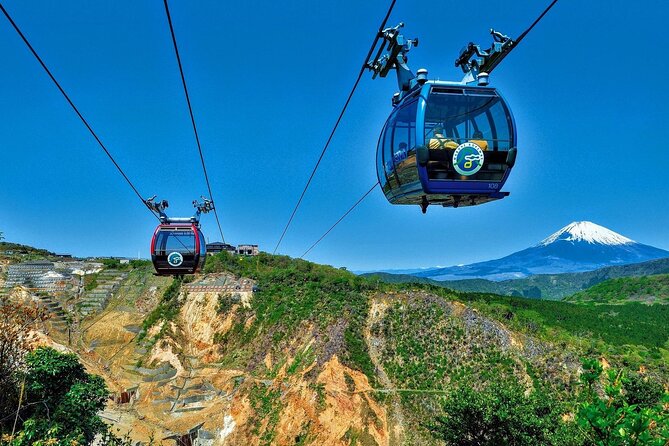
After Owakudani, you take the Hakone Ropeway for about 25 minutes. Like the cruise, it is not included in the base price, with the ropeway ticket listed as 1,500 yen. This is one of the tour’s main value drivers because ropeways are made for views. From up there, you get a different angle on Lake Ashi, the volcanic area, and Mount Fuji on clearer days.
The ropeway passes through Owakudani, which matters because it connects the story. You do not just see steam at ground level, then disappear back onto a bus. You see it, then you rise above it, and you feel the geography widen out.
If you are the type who likes photos, bring this ride into your mindset as the best place to get a sweeping view. If Fuji is hiding, you can still enjoy the valley shapes and the way the water and hills fit together. It is not all about one peak.



Enoshima Island: Shrines, Sea Air, and a Very Japanese Shopping Stroll
The last third of the tour shifts from volcanic Hakone vibes to coastal Enoshima. First you get Enoshima Island for about 30 minutes, then Enoshima Shrine for about 50 minutes, and finally Enoshima Benzaiten Shopping Street for about 40 minutes. Admission is listed as free for these stops.
Enoshima is connected to the mainland by a bridge, which makes it easy to reach but still feel like you stepped onto an island. The tour frames it around sea views and a mix of spiritual and casual walking. The pace here is slower and more flexible than the volcano stop, which is nice late in the day when energy starts to dip.
At the shrine, you see three main shrines: Hetsumiya, Nakatsumiya, and Okutsumiya. It is originally tied to deities of fishing and maritime transport, which gives the place extra context if you pay attention as you walk. Then you end with Benzaiten Shopping Street, an old-fashioned alley-like stretch. You will pass an old bronze torii gate, and then it is the kind of shopping stroll where small souvenirs and snacks feel part of the ritual, not an afterthought.
This is also where the tour often wins on vibe. The island portion is less frantic than the earlier checkpoints, and it gives you room to slow down and enjoy the sea air.
Price and Value: What You Pay, What You Add, and Why It Might Still Be Worth It
The base price is $59 per person and the tour includes an air-conditioned vehicle and a guide. Those two things matter because they remove the biggest friction points of a long day outside Tokyo.
What is not included is lunch, plus two major activity tickets:
- Hakone Sightseeing Cruise: 1,200 yen
- Hakone Ropeway: 1,500 yen
So you should budget extra for those rides, plus your meal. That may sound like an add-on, but it is also exactly where a lot of the experience value comes from. If you skip either the cruise or ropeway, you would likely lose the “this is Hakone” feeling that makes the day feel more than a set of quick stops.
In terms of value, I think this tour works best when you want a guided route and you are okay with a full-day pace. If you hate time pressure, or you want long sits in one place, you might feel rushed here.
One more reality check: vehicle comfort can vary. The tour specifies an air-conditioned coach, but some people have described feeling cramped. If you are sensitive to seat space on long drives, bring a travel neck pillow and plan for a bit of compromise.
Who Should Book This Tour, and Who Should Rethink It
This is a great fit if you want to see a wide mix of Hakone and the coast in one day, and you value the convenience of a guide-led schedule. I also think it is a strong option for people who do not want to deal with the logistics of coordinating public transit between Lake Ashi, Owakudani, and Enoshima.
If your priority is a guaranteed, close-up Mount Fuji photo, adjust your expectations. Fuji visibility depends on weather, and the tour can shift order if traffic is worse than planned. On a clear day, you can get real wow moments, but on cloudy days, you may get the region’s character instead of the dramatic peak.
Guide quality seems to be a major factor in many positive experiences. Names that have shown up in feedback include Sandy, Augustine, Brewster Chisei, Pin, Winnie, Lucy, Jackson, Jimmy, Jimmylin, and Nakajima. That is a helpful sign, but language and delivery can vary depending on who is assigned. If you need very precise explanations in English, ask questions early in the day so you can confirm you are getting what you want.
Practical Tips for a Smoother Fuji Day
Pack for a full day, not just sightseeing. You will have multiple short windows, plus commuting time, so bring a small bag you can manage easily. Comfortable shoes help because you will walk through shrine areas and shopping streets, and volcanic stops can involve uneven ground.
Bring a light layer. Even in warmer seasons, mountain and coastal air can feel different from Tokyo city heat, and time outdoors can surprise you.
For the paid rides, keep cash or a simple payment plan ready. Cruise and ropeway tickets are listed separately, and they are priced in yen. Lunch is also not included, so decide ahead of time whether you want to grab something at Enoshima’s shopping area or bring a plan for earlier in the day.
Finally, treat Fuji like a bonus, not a promise. If the peak is visible, celebrate it. If it is not, focus on the parts that still work every day: the volcanic activity around Owakudani, the ropeway viewpoints, and Enoshima’s shrine walk.
Should You Book This Mount Fuji, Hakone and Owakudani Day Bus Tour?
Book it if you want one-day efficiency: Lake Ashi, Owakudani, the Hakone Ropeway, and Enoshima in a single guided loop, with an air-conditioned bus to handle the long stretches. It is also a good choice if you like structured time, because you get clear stop durations and a guide keeping the day moving.
Skip or swap to something else if your Mount Fuji expectation is close-up certainty, or if you hate long days and tight schedules. Also consider that the experience depends on weather, and the order can shift with traffic even if the total stops remain the same.
If you go in with flexible expectations and a comfy-shoes mindset, this tour is a solid way to sample the best of Hakone plus Enoshima without turning your Tokyo trip into a multi-day logistics project.
FAQ
How long is the Mount Fuji, Hakone and Owakudani one day tour from Tokyo?
The tour runs about 10 hours.
What is included in the tour price?
The tour includes an air-conditioned vehicle and a guide.
What is not included?
Lunch is not included. Also, the Hakone Sightseeing Cruise ticket (1,200 yen) and the Hakone Ropeway ticket (1,500 yen) are not included.
Where does the tour depart from?
You depart from Tokyo or Shinjuku.
Does the tour use mobile tickets?
Yes, the tour offers mobile tickets.
How many people are on the tour?
The tour has a maximum of 45 travelers.
Does the itinerary ever change during the day?
Traffic conditions may affect the order of the itinerary, but the total number of spots remains the same.
When do I get confirmation after booking?
Confirmation is received at the time of booking.
Is the tour suitable for most travelers?
The tour notes that most travelers can participate.
What is the cancellation policy?
You can cancel for a full refund if you cancel at least 24 hours before the experience start time. If you cancel less than 24 hours before, the amount paid is not refunded.
More 1-Day Tours in Tokyo

More Tours in Tokyo

More Tour Reviews in Tokyo
Not for you? Here's more nearby things to do in Tokyo we have reviewed












Mount Fuji Tours, side by side.
 ★ 5.0Mt Fuji and Hakone 1-Day Bus Tour Return by Bullet TrainFrom $16326,383 reviews
 ★ 4.0Mt Fuji & Hakone Cruise, Drum Show Bullet Train 1 Day from TokyoFrom $1497,413 reviews
 ★ 4.4Tokyo Mt Fuji 5th St & Hakone Cruise Bus Tour w/Bullet TrainFrom $1545,024 reviews
 ★ 4.5From Tokyo: Mount Fuji Full-Day Sightseeing TripFrom $684,970 reviews
 ★ 4.7Mt. Fuji Tour, Hakone Ropeway, Owakudani, Lake AshiFrom $544,002 reviews
 ★ 4.2Mt. Fuji 5th Station & Hakone Cruise 1-Day Bus TourFrom $1292,381 reviews
 ★ 4.7Mt Fuji Top 5 Spots Day Tour: Arakurayama Park,Oshino HakkaiFrom $532,066 reviews
 ★ 5.0Private Tour to Mt. Fuji and Hakone (Fully Licenced Operator)From $4971,910 reviews
This tour also belongs to